
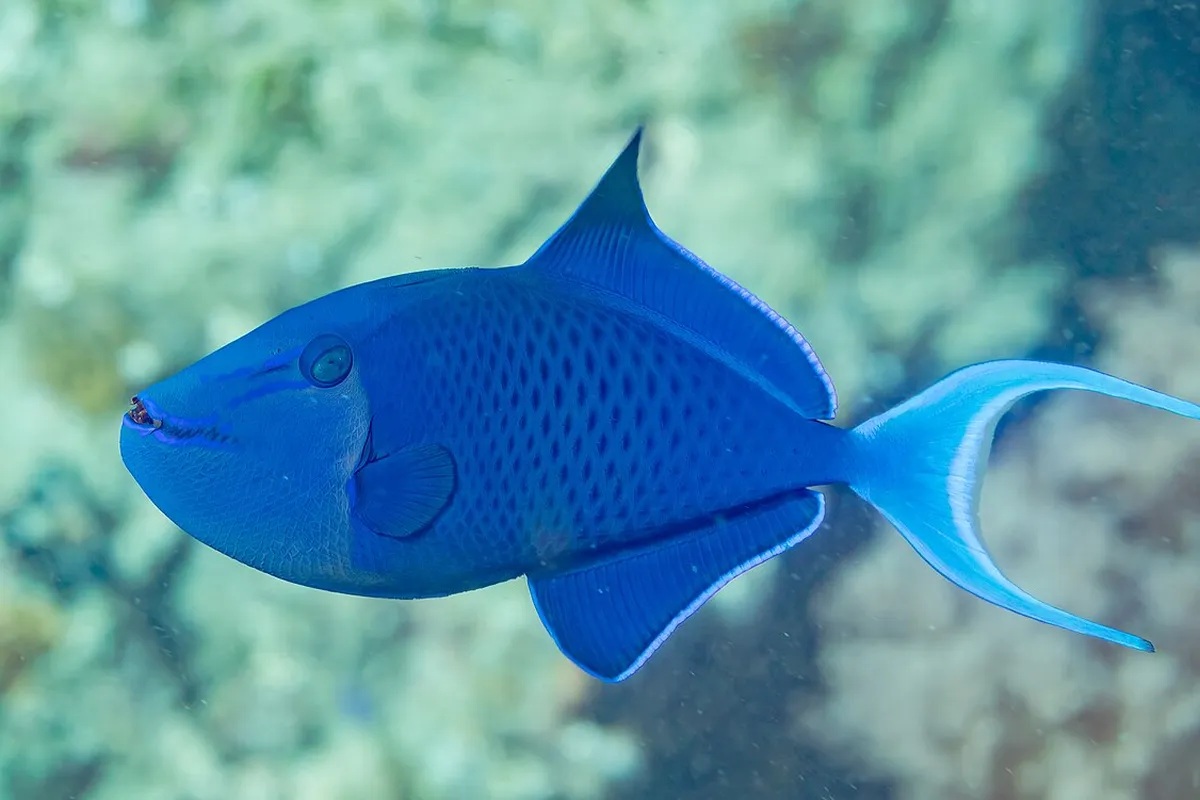
Niger Triggerfish (Odonus niger)
The niger triggerfish is one of the calmest triggers, with a deep blue body, red teeth and a lyre-shaped tail. Here is how to keep Odonus niger.
Read more →
Guides
This Saltwater hub on Fishy Friends gathers practical saltwater fish guidance for keepers who want clear answers before they change water, livestock, or gear.
Use these articles to match species to tank size, plan filtration and feeding, and troubleshoot water chemistry without guessing. Each guide is written for home aquariums and links to related reading when you need more depth on saltwater fish.
Start with the basics — stable parameters, quarantine habits, and a feeding schedule that matches the livestock — then browse the profiles and how-tos below. When you are ready to branch out, jump into neighbouring topics so your saltwater fish plan stays consistent across the whole tank.
Whether you are stocking a first community tank or refining an established scape, bookmark this page and return as questions come up. Healthy aquariums are built from small, repeatable routines more than one-time upgrades, and saltwater fish success follows the same pattern.
Explore next: all guides, fish species, equipment guides, water chemistry.
Fishy Friends publishes species care sheets, plant and invertebrate notes, aquascaping ideas, and water-care explainers so saltwater fish advice stays easy to find. Read one guide thoroughly, apply it slowly, and use the linked hubs above when you want a second angle on the same problem.
Before you buy livestock or rethink filtration, skim two or three saltwater fish articles here and write down target numbers for temperature, hardness, and feeding. That short checklist prevents the most common resets and keeps your aquarium closer to the calm, healthy display you are aiming for.
Come back after water changes or new additions: compare what you see in the tank with the saltwater fish checklists below, then follow one recommended next step instead of changing everything at once. Steady improvements compound, and Fishy Friends is built to support that pace.
The niger triggerfish is one of the calmest triggers, with a deep blue body, red teeth and a lyre-shaped tail. Here is how to keep Odonus niger.
Read more →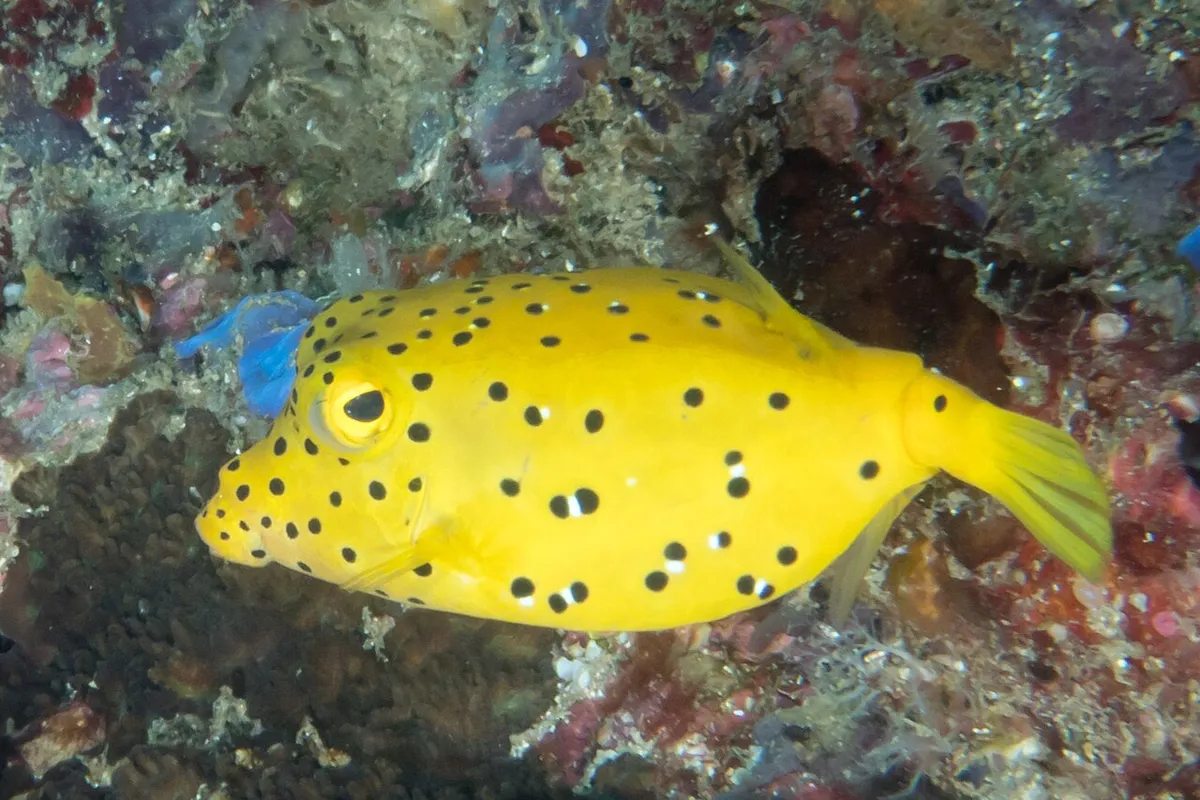
The yellow boxfish is adorable as a juvenile, but it grows large and can release a toxin that kills tank mates. Here is what to know first.
Read more →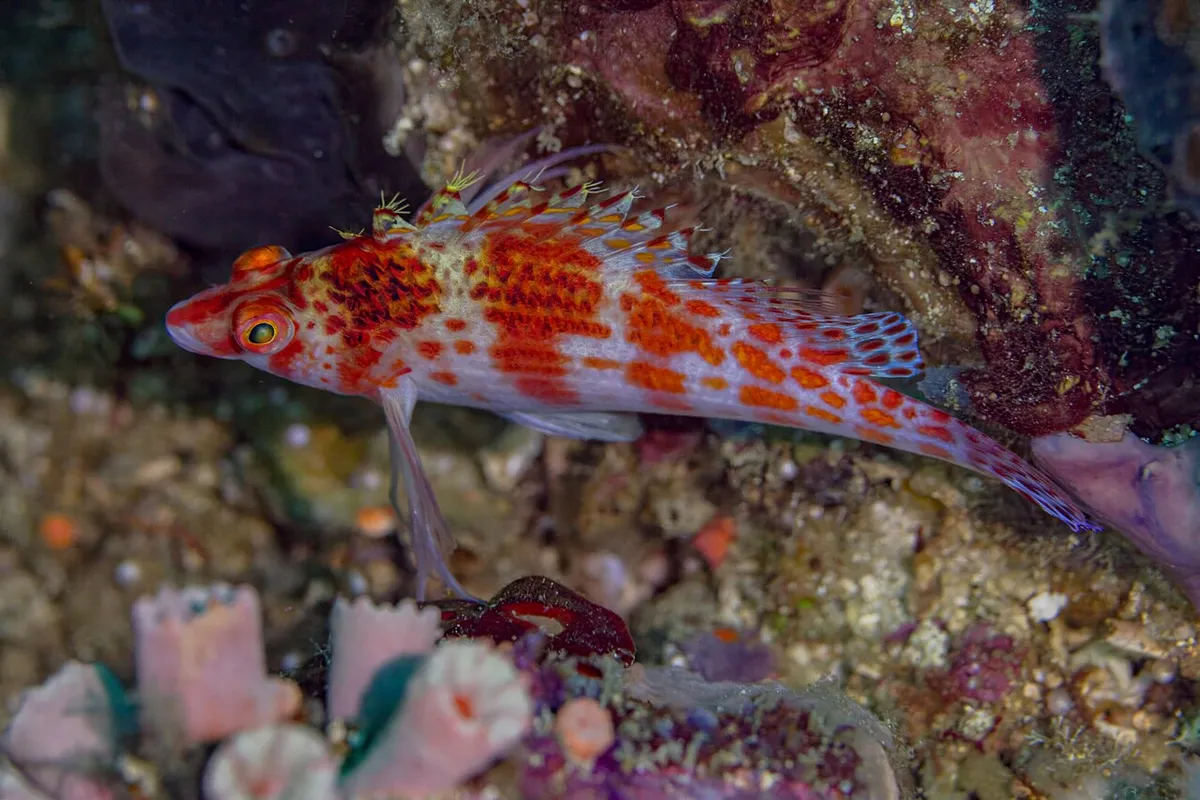
The falco hawkfish is a small, red-spotted perching predator that suits a reef without small shrimp. Here is how to keep Cirrhitichthys falco.
Read more →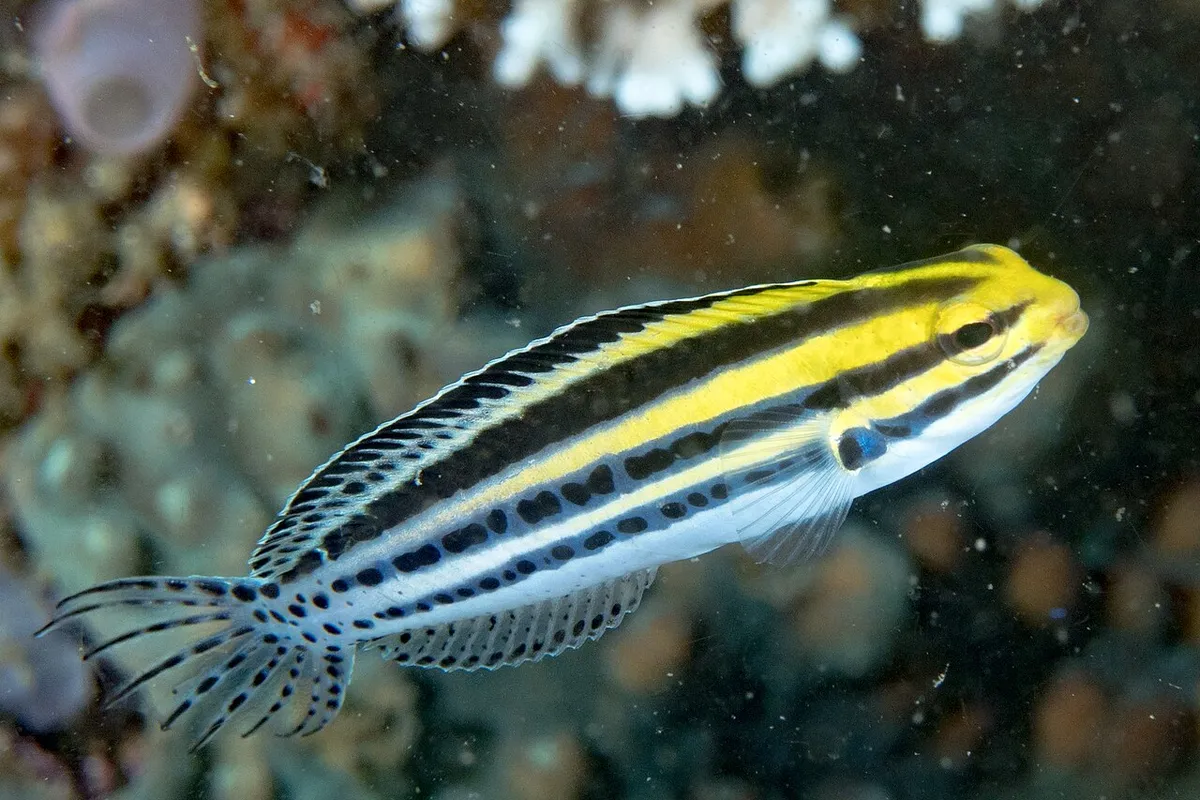
The striped fang blenny is a small, venomous but peaceful reef fish that swims in open water. Here is how to keep Meiacanthus grammistes.
Read more →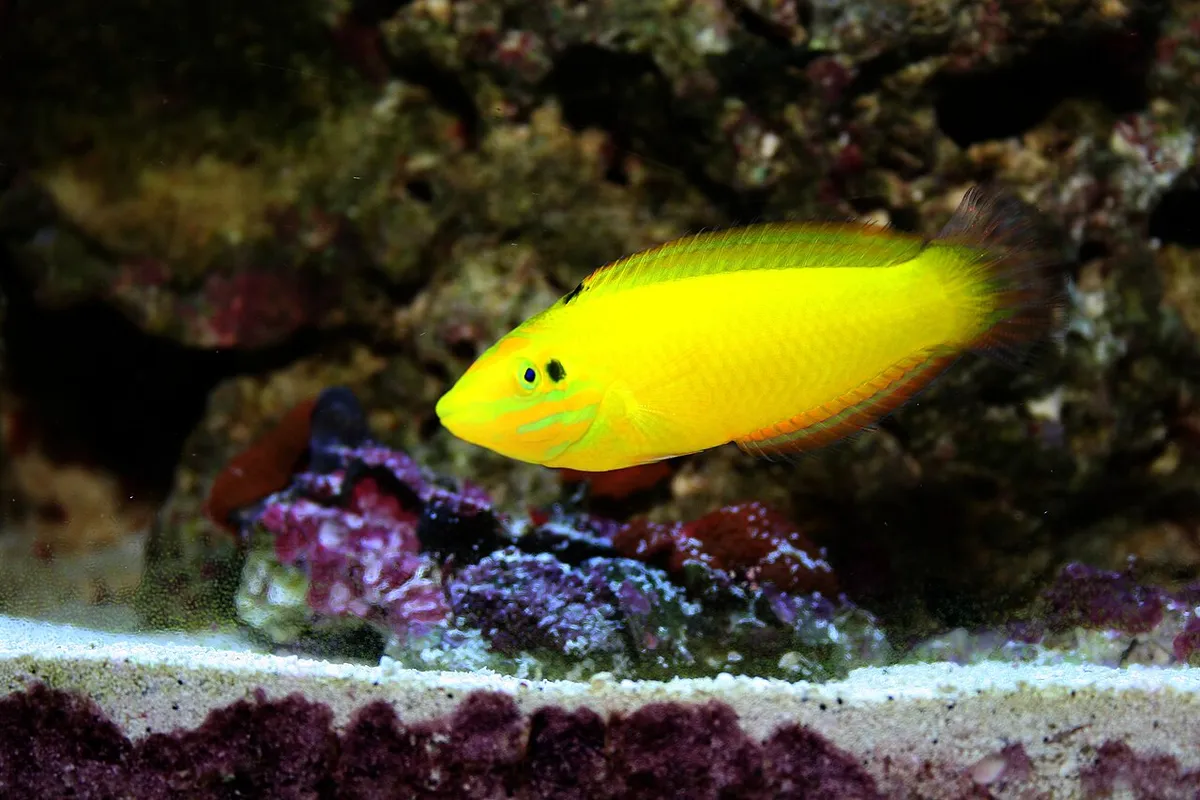
The canary wrasse is a bright yellow, reef-safe wrasse that hunts pests and sleeps under the sand. Here is how to keep Halichoeres chrysus.
Read more →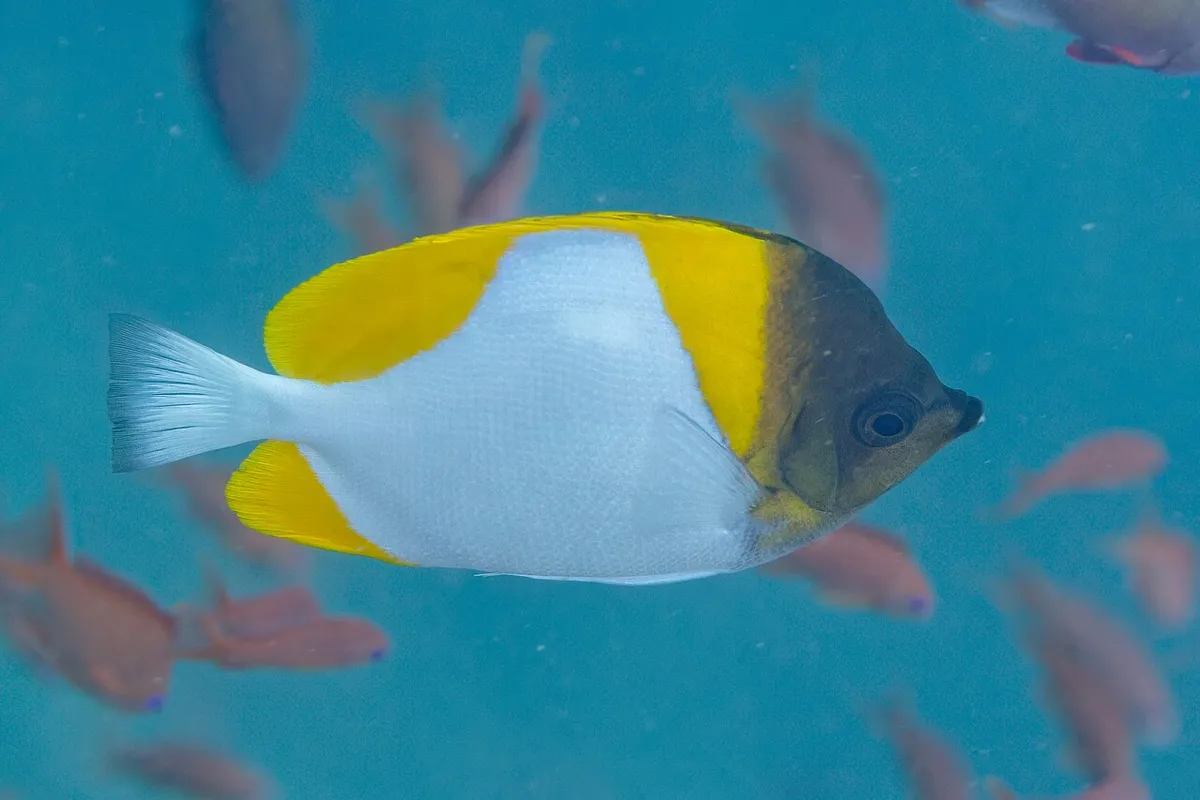
The pyramid butterflyfish is one of the few butterflyfish that is generally reef safe. Here is how to keep Hemitaurichthys polylepis in a group.
Read more →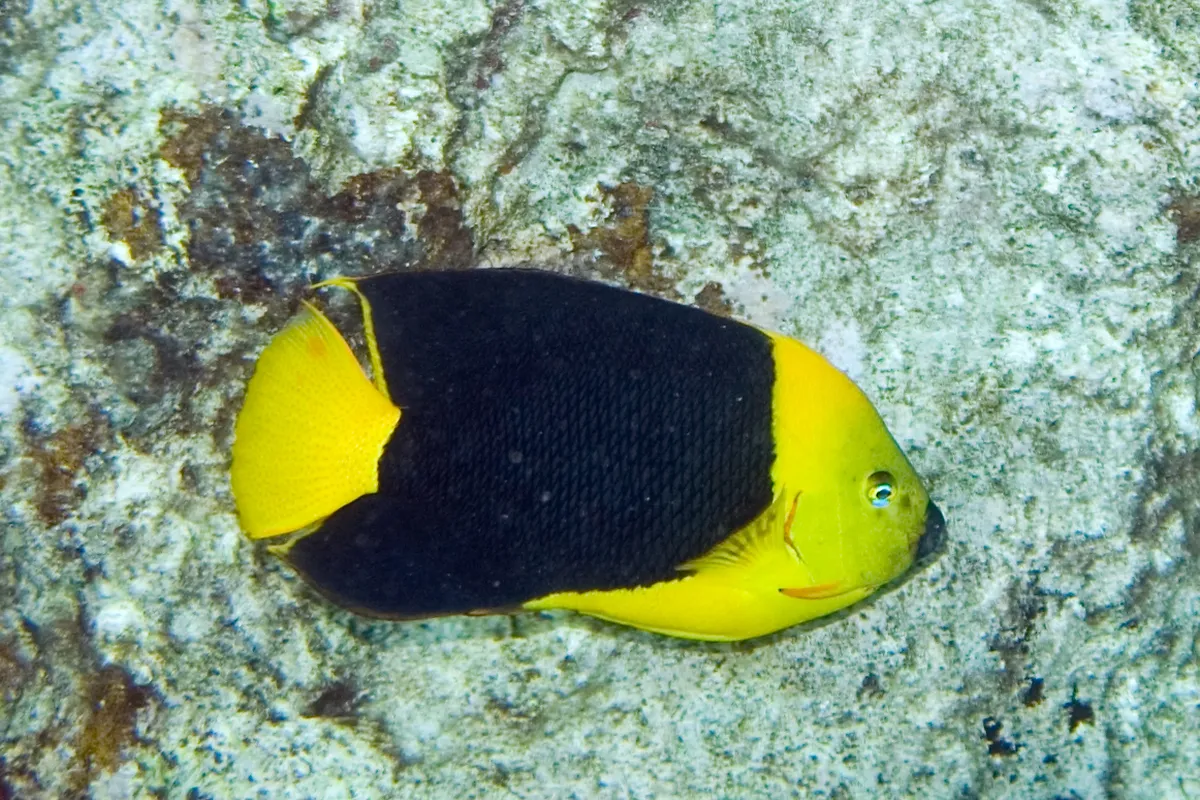
The rock beauty is a bold black and yellow Caribbean angelfish, but its sponge-based diet makes it hard to keep. Here is what you need to know.
Read more →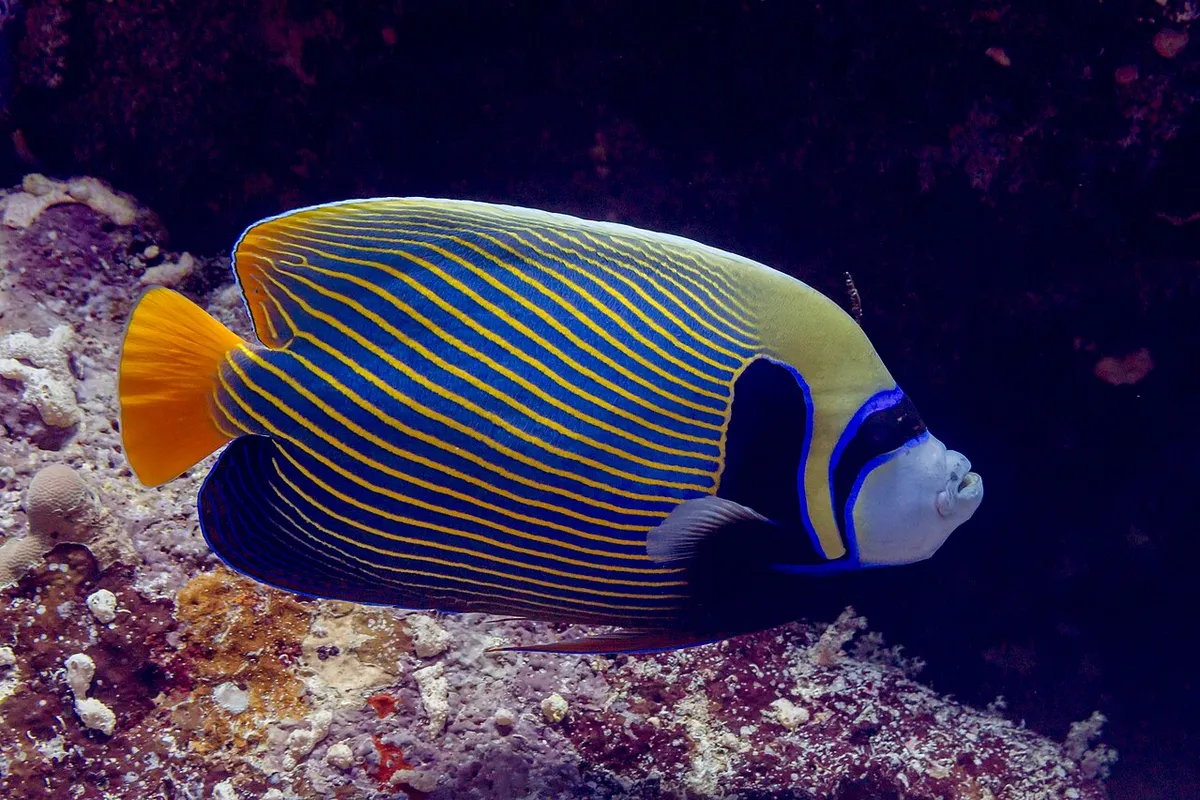
The emperor angelfish is one of the most striking fish on the reef, with a dramatic change from juvenile to adult colours. Here is what it needs.
Read more →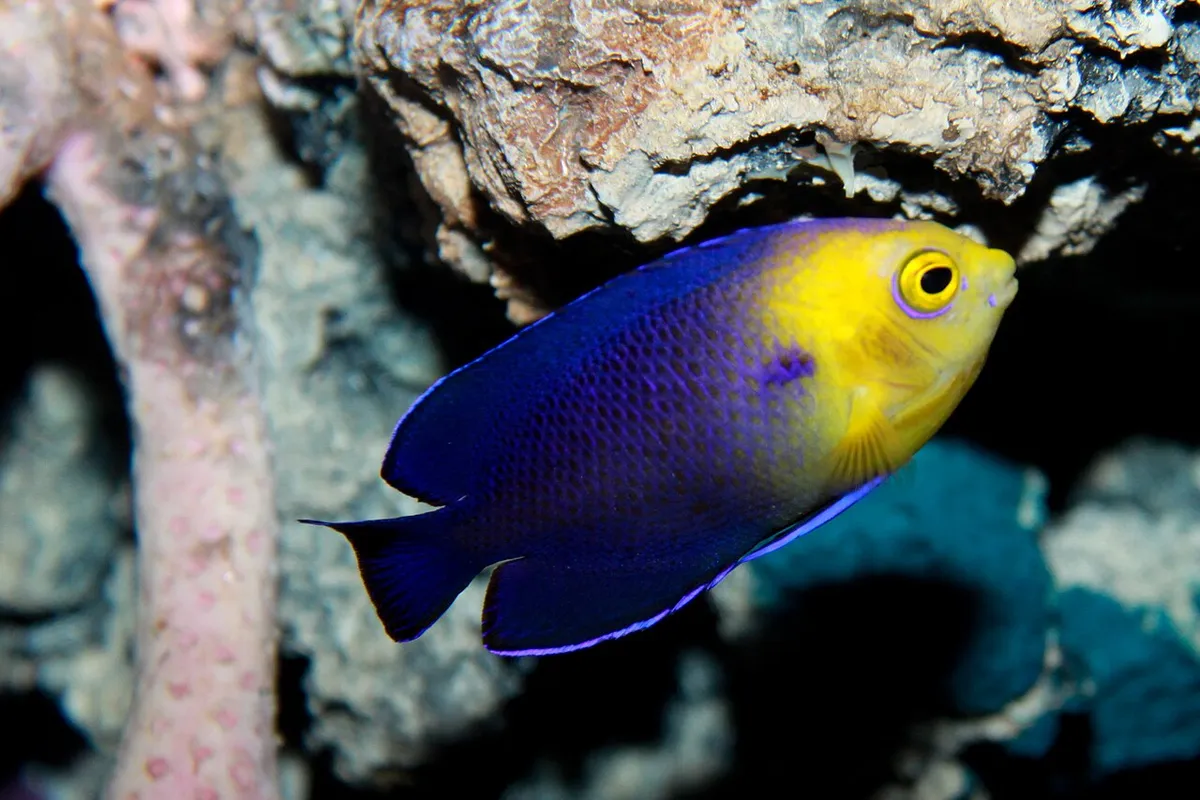
The cherub angelfish is the smallest Centropyge, a deep-blue fish with a yellow face that fits in a nano reef. Here is how to keep Centropyge argi.
Read more →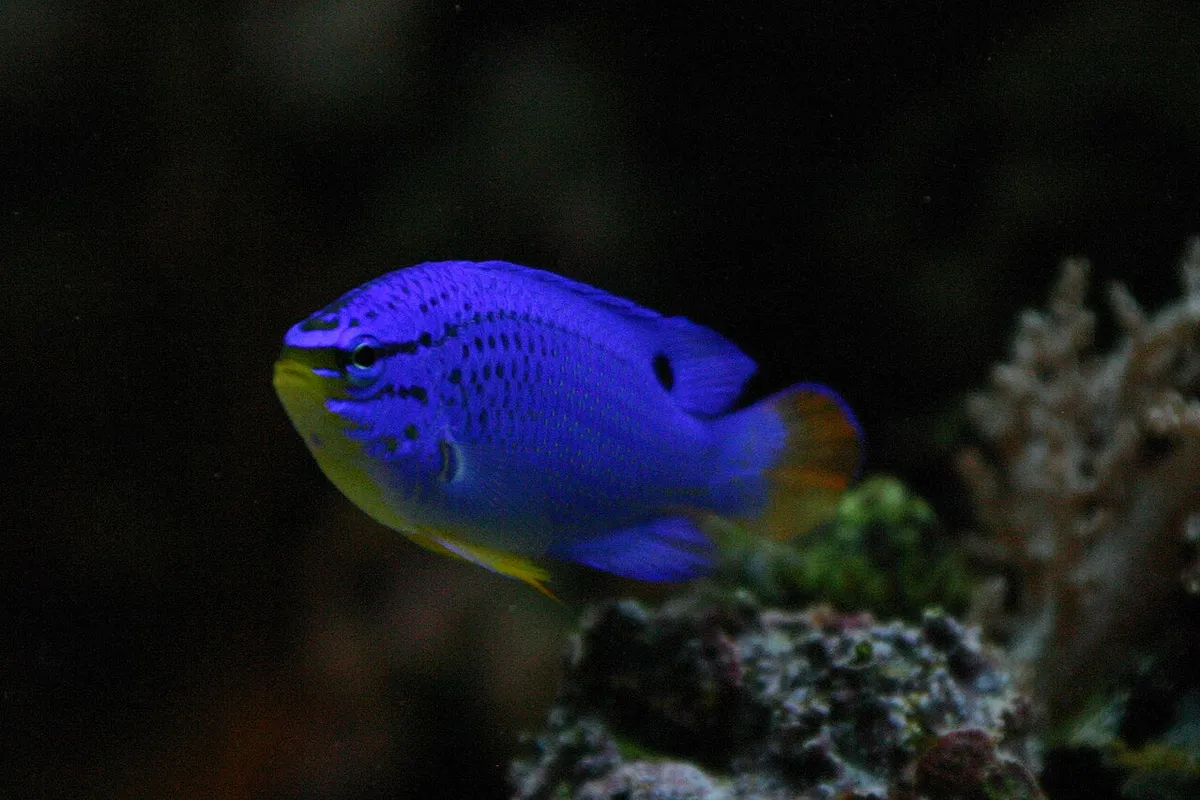
The blue devil damselfish is a hardy, electric-blue reef fish with a feisty temper. Here is how to keep Chrysiptera cyanea without trouble.
Read more →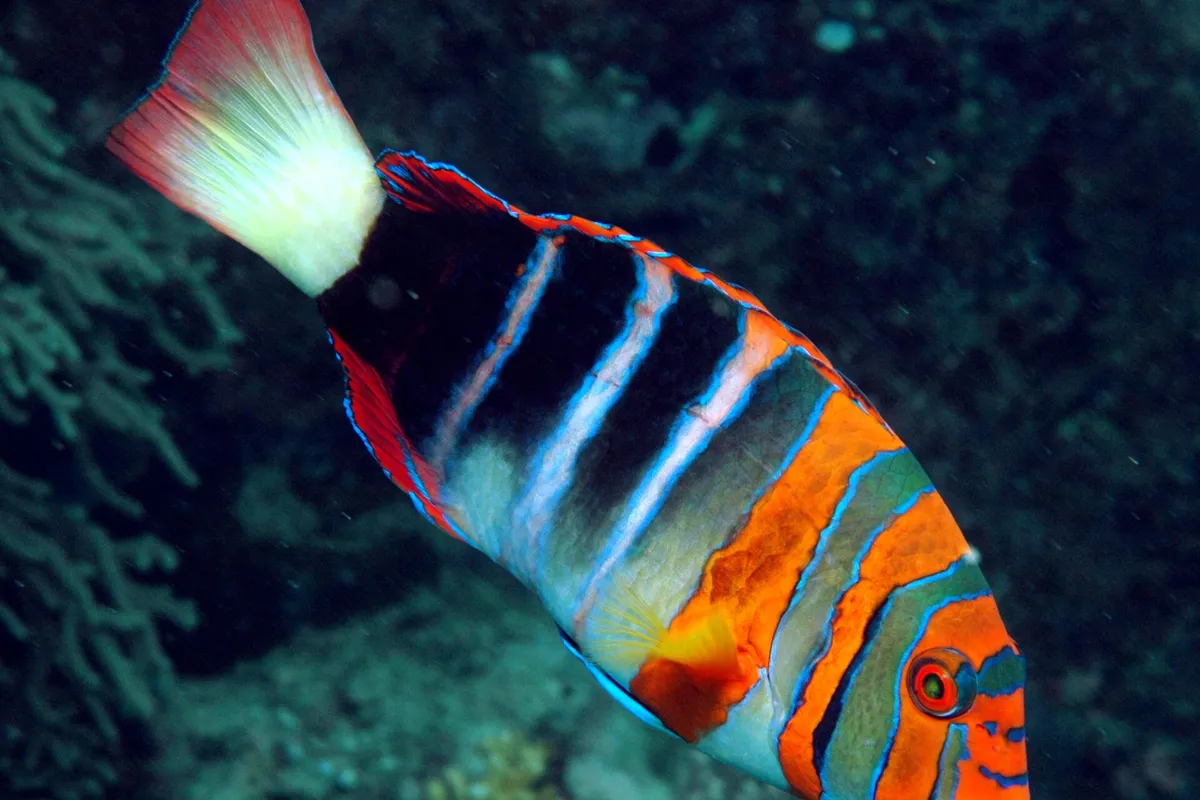
The harlequin tuskfish is a boldly striped wrasse with bright blue teeth. It is hardy and good with corals, but it eats crabs, shrimp and snails an…
Read more →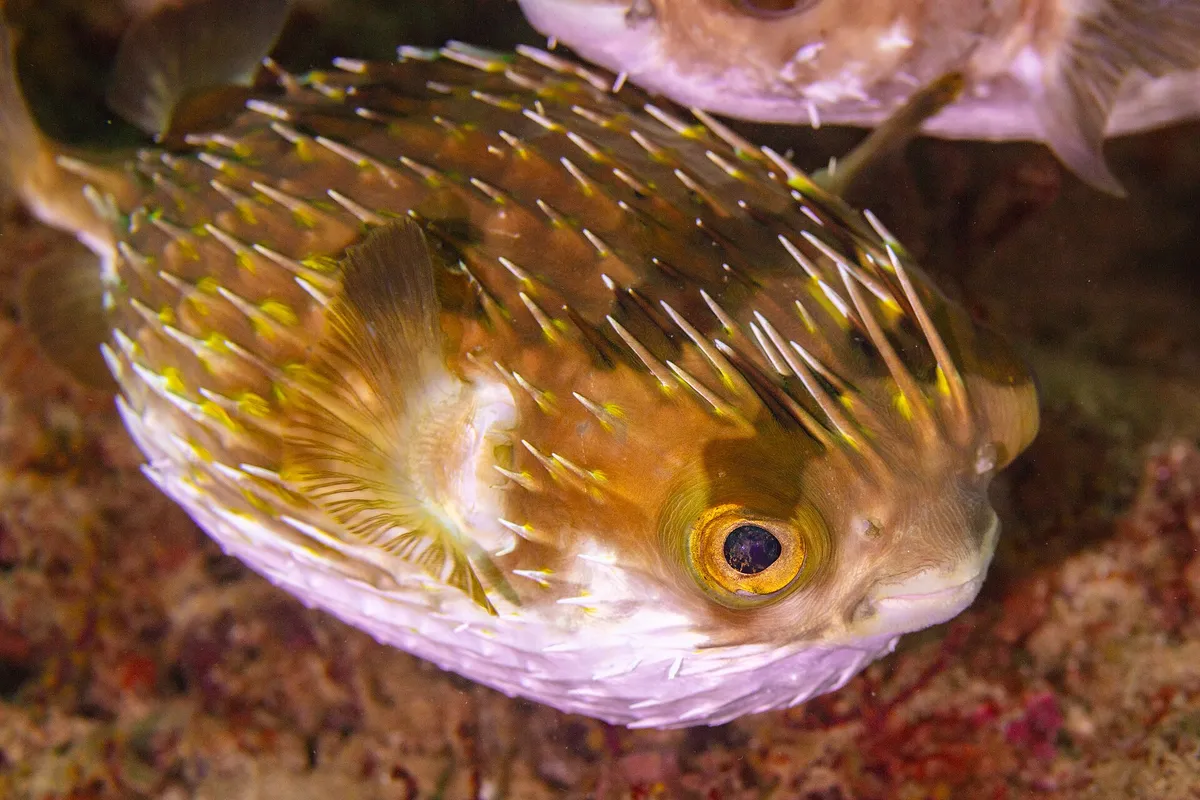
The porcupine puffer is a big-eyed, friendly fish that becomes a real pet. It grows to 30 cm or more, eats shellfish and crabs, and needs a large f…
Read more →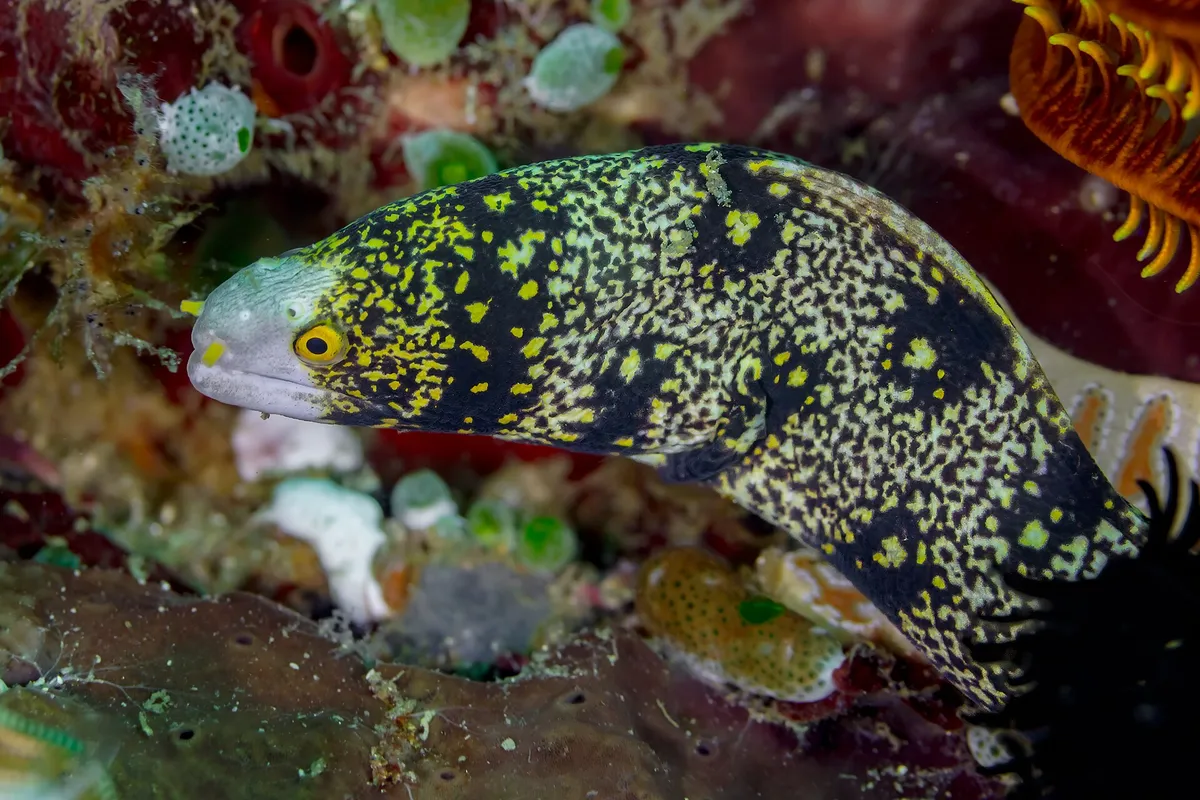
The snowflake moray is one of the best eels for home aquariums: medium-sized, fairly peaceful with fish, and hardy. It eats crustaceans, so it is n…
Read more →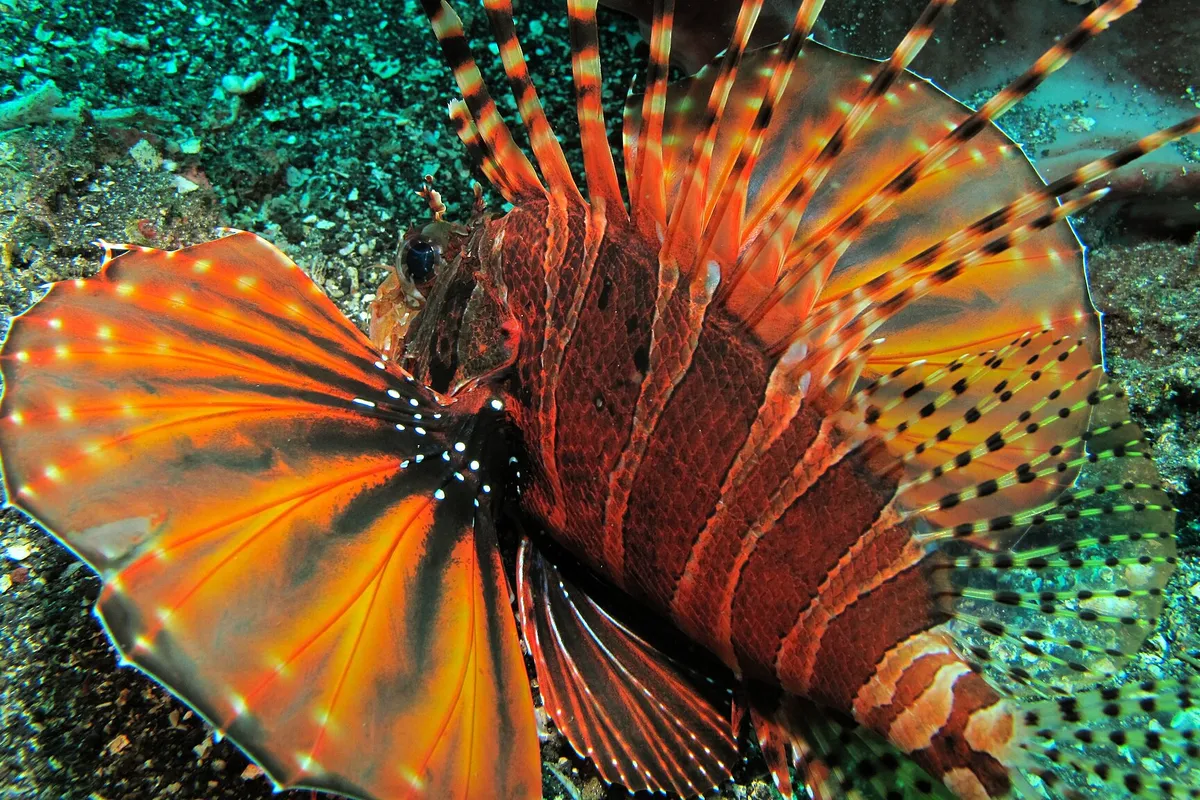
The zebra lionfish is a dwarf lionfish that grows to about 20 cm. It is easier to house than the larger red lionfish, but it is still a venomous pr…
Read more →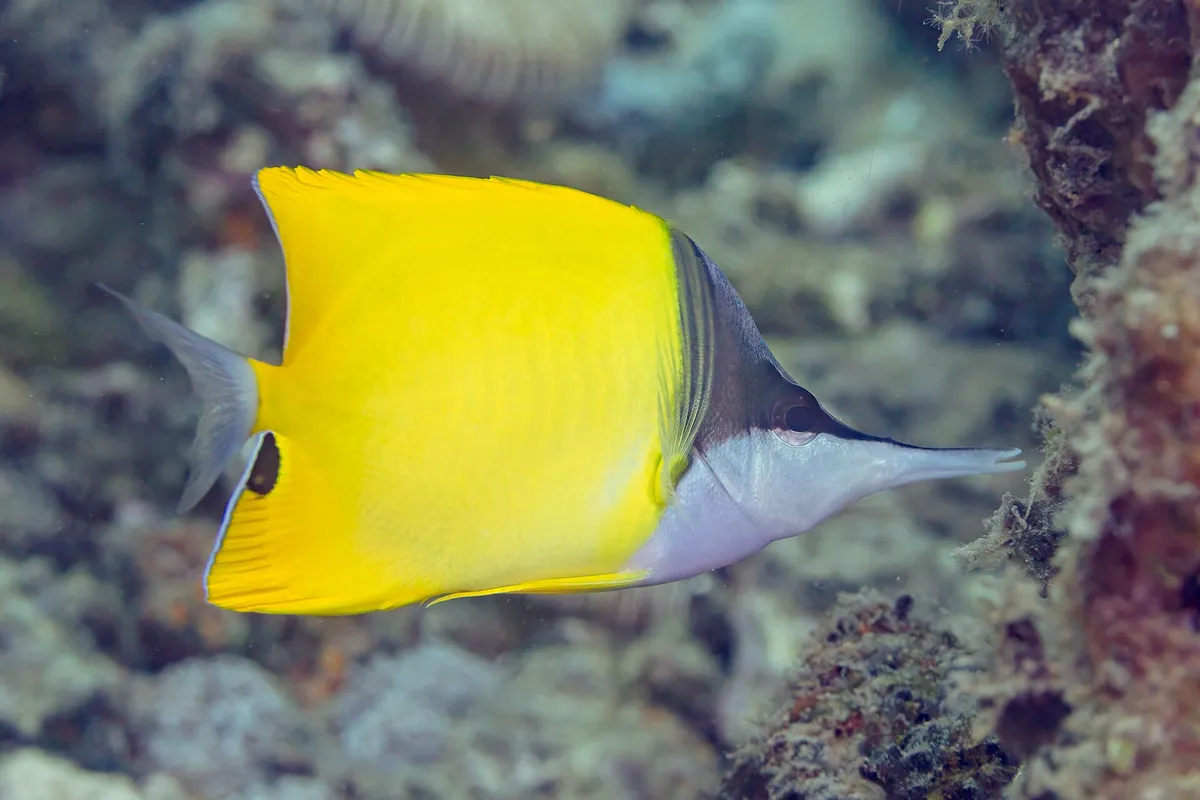
The longnose butterflyfish is a bright yellow butterfly with a long snout for picking food from crevices. It is one of the hardiest butterflyfish,…
Read more →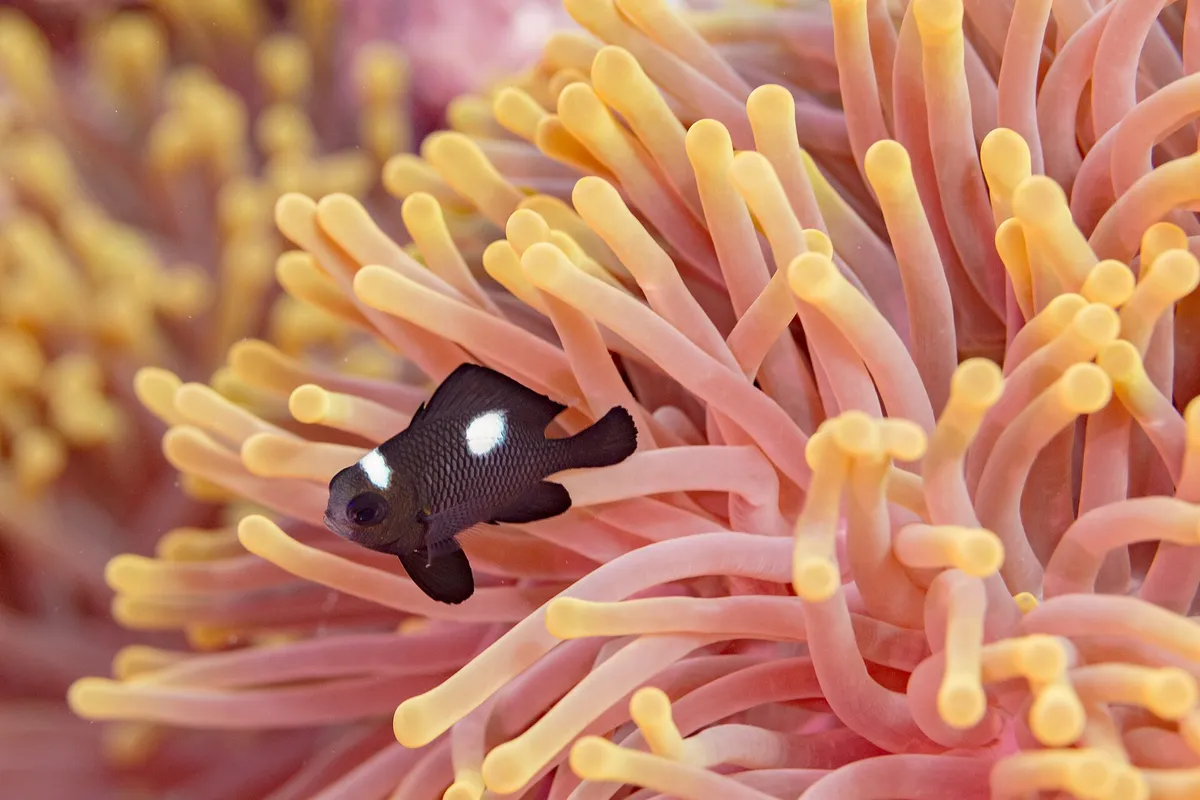
The domino damselfish is a tough, black-and-white damsel that hides in anemones as a juvenile. It is hardy and cheap, but it grows aggressive with…
Read more →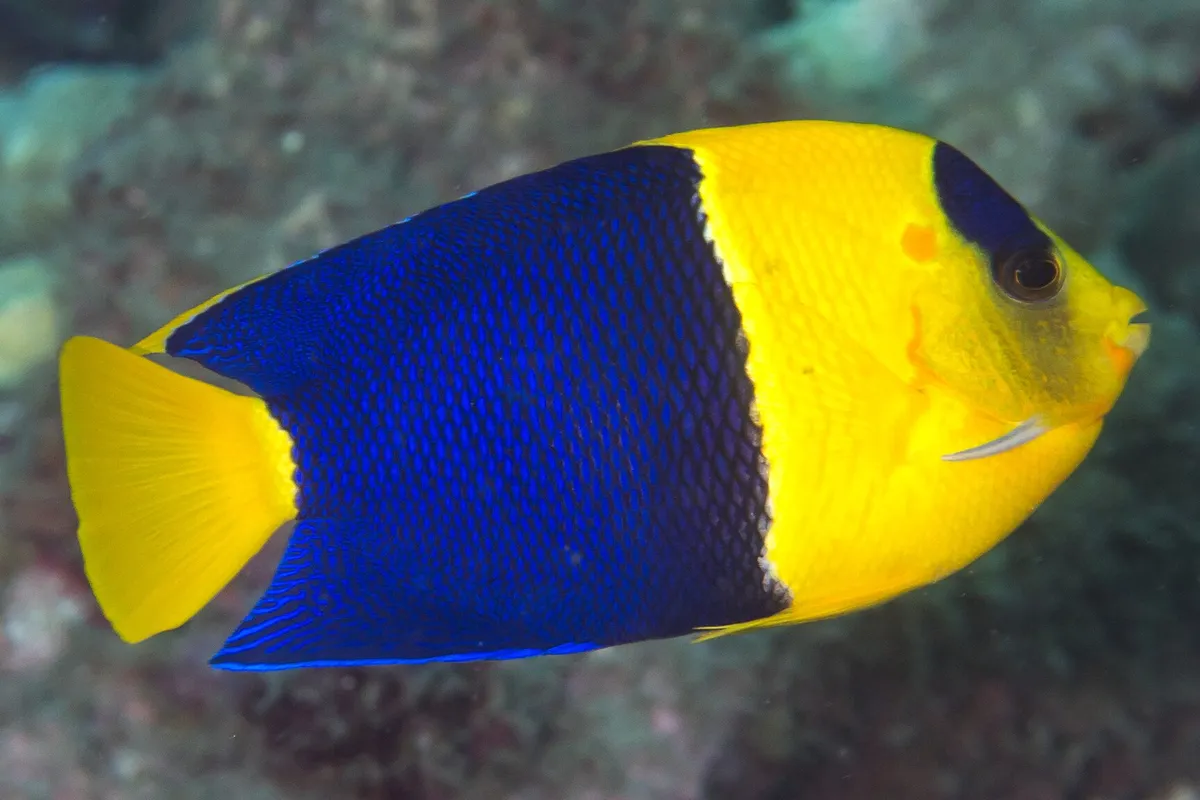
The bicolor angelfish is a striking blue and yellow dwarf angel. It is beautiful but harder to acclimate than most dwarf angels and needs a mature…
Read more →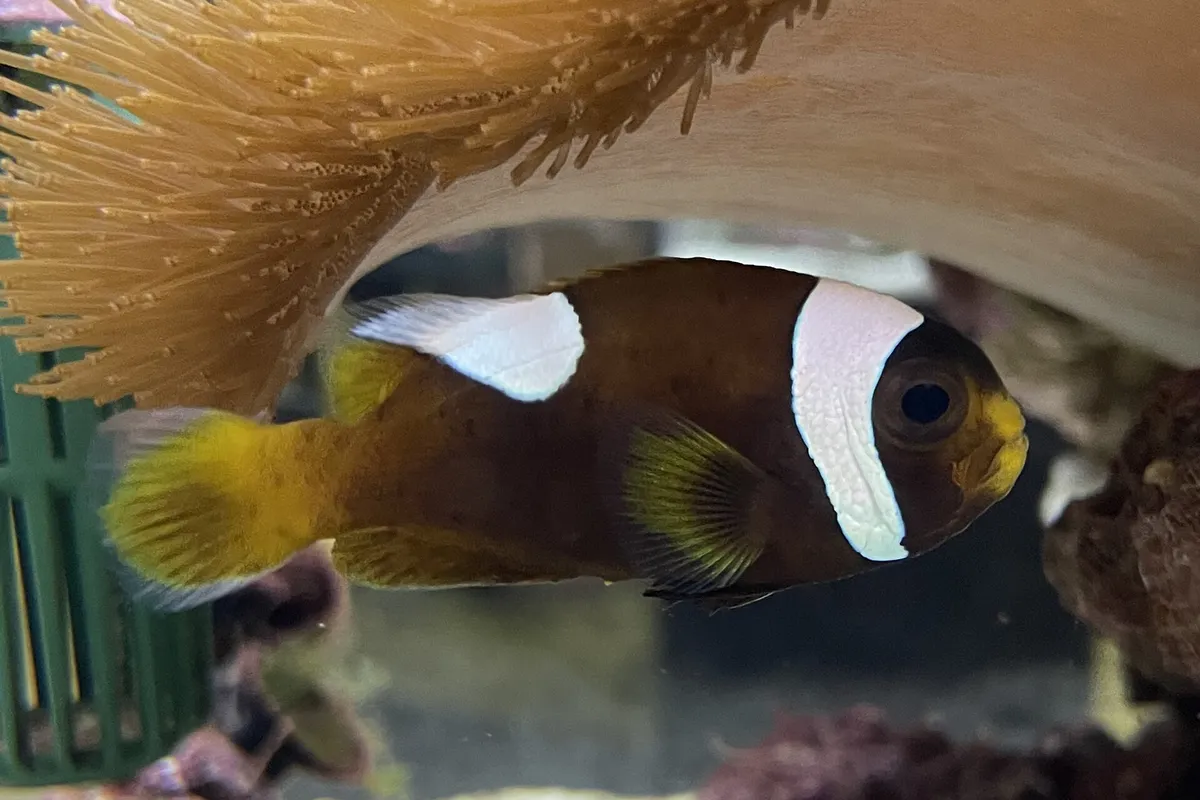
The saddleback clownfish is a dark brown clown with a white saddle that lives in sand anemones. It is more demanding than ocellaris clowns, but tan…
Read more →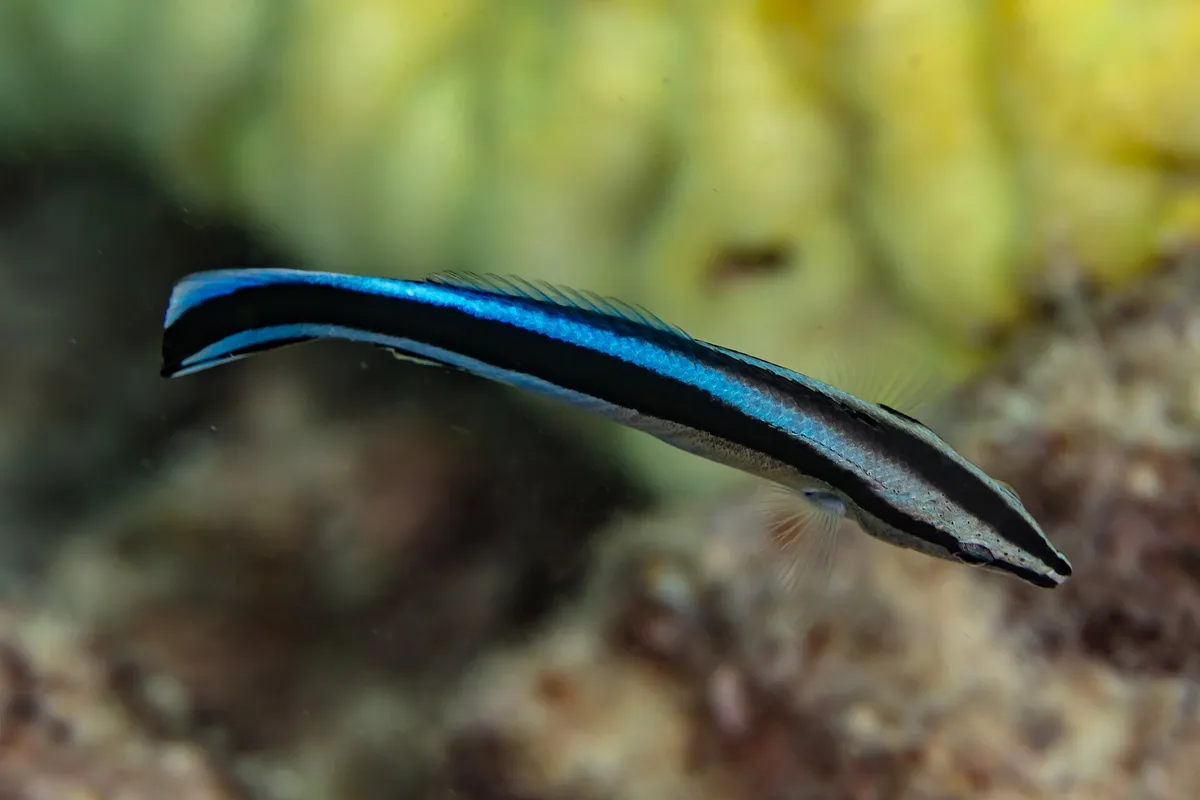
The bluestreak cleaner wrasse cleans parasites off other fish on the reef. It is fascinating to watch but rarely survives in home aquariums. Here i…
Read more →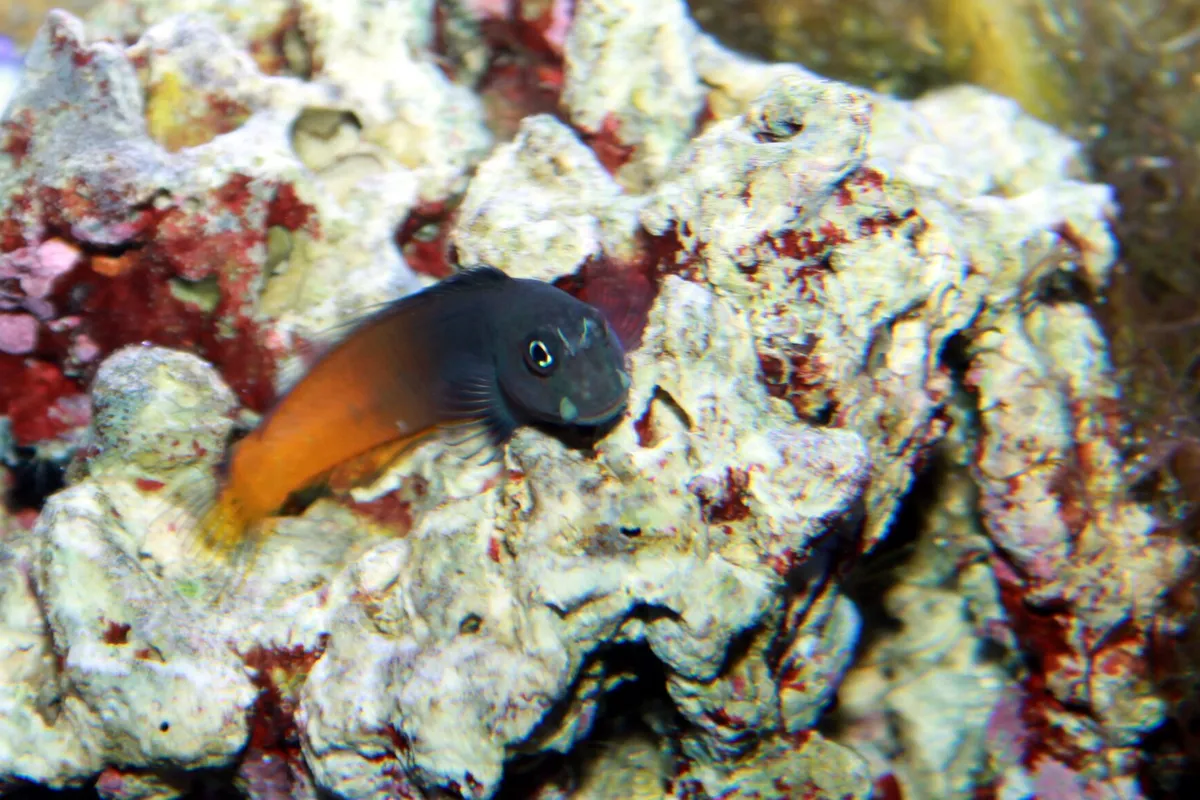
The bicolor blenny is a reef-safe, 10 cm blenny with a dark front half and an orange tail. It perches on rocks, grazes algae and has more personali…
Read more →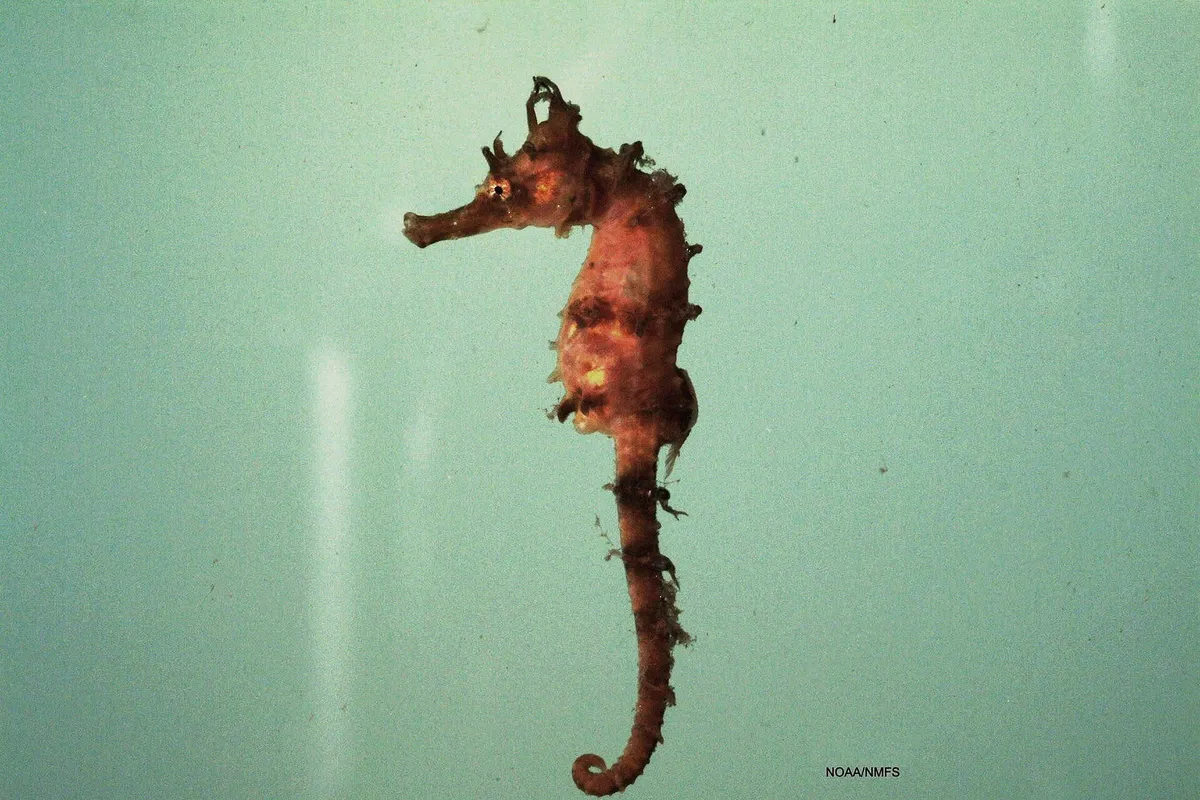
Hippocampus erectus is a hardy 15 cm Atlantic seahorse, widely captive bred, that needs a calm species tank, frozen mysis twice a day and plenty of…
Read more →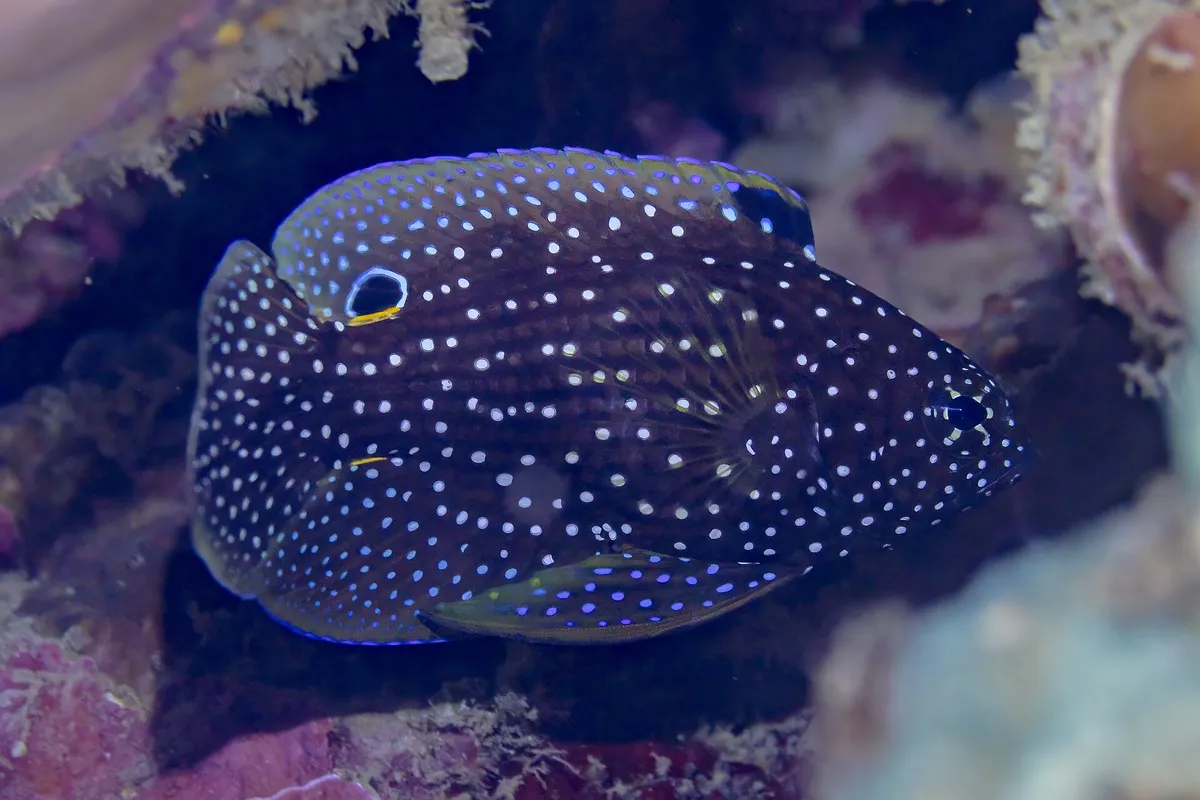
Calloplesiops altivelis is a shy, 15–20 cm white-spotted reef fish with huge fins and a fake eye on its tail that needs caves, calm tank mates an…
Read more →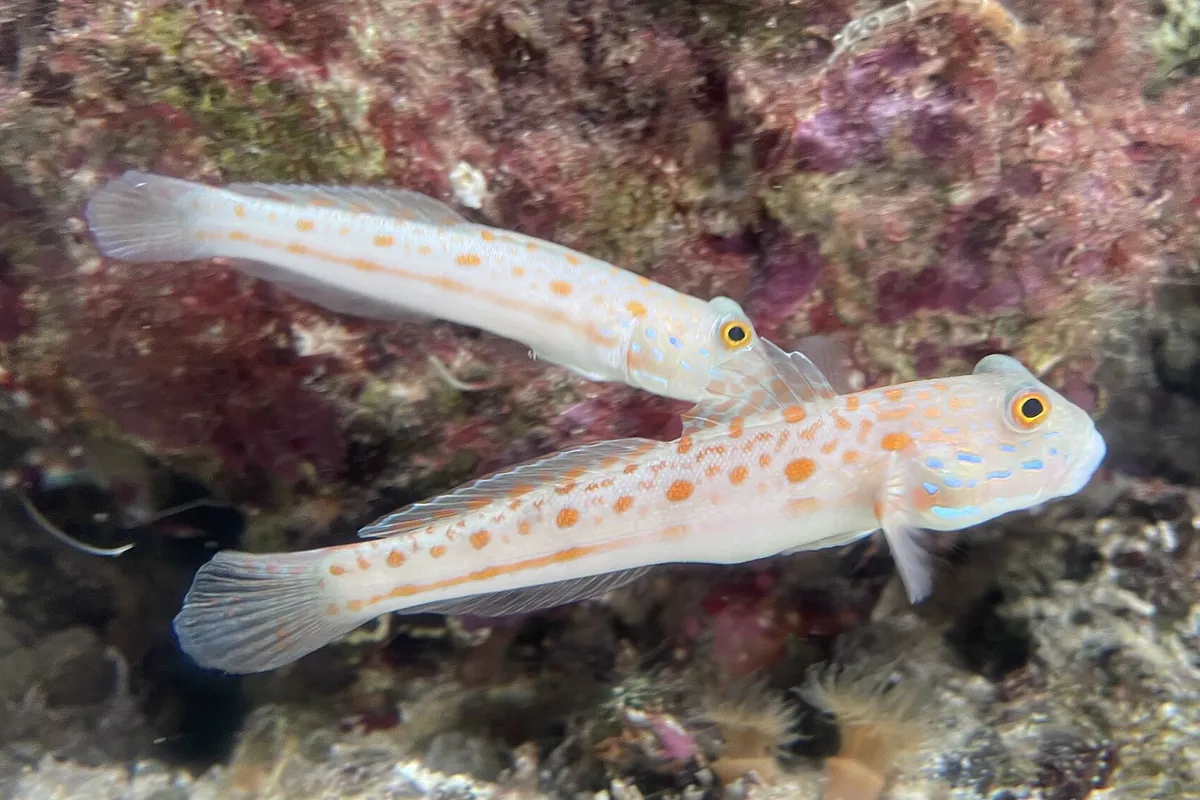
Valenciennea puellaris is a 12–15 cm orange-spotted sleeper goby that sifts sand all day, keeps the bed clean and needs a mature tank with plenty…
Read more →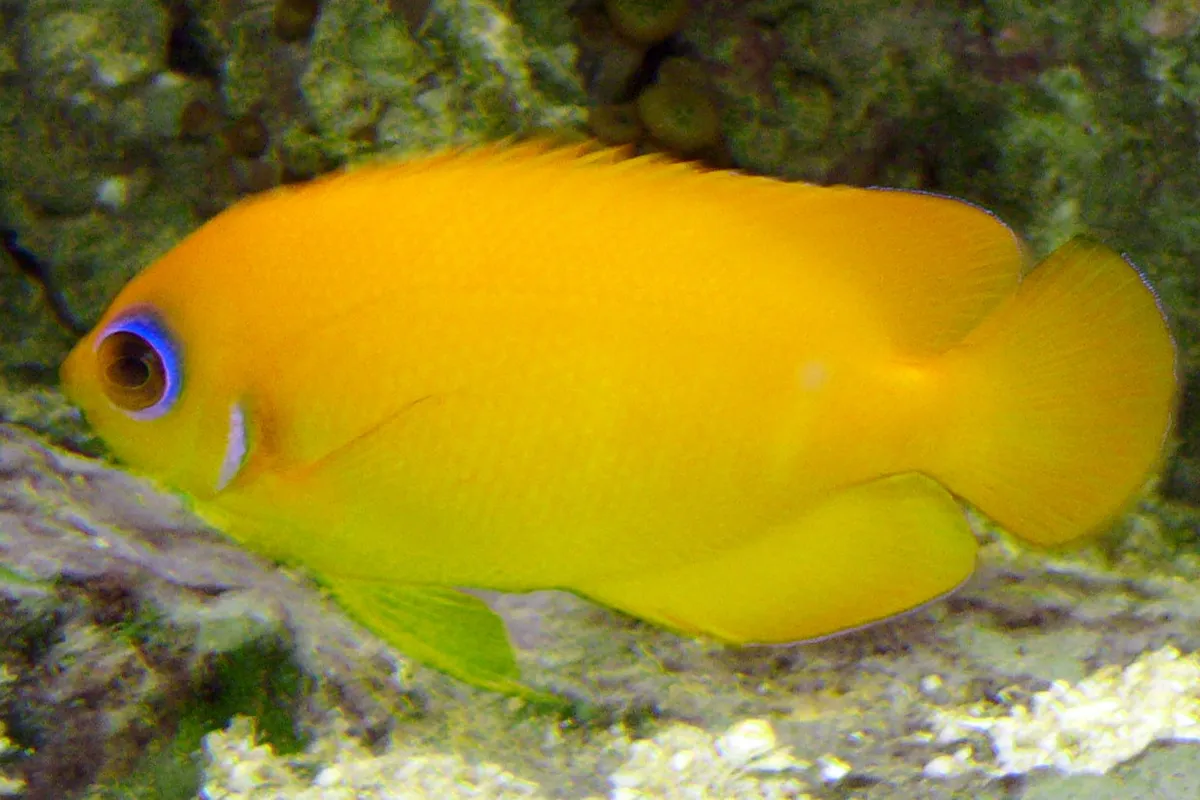
Centropyge flavissima is a 10–14 cm bright yellow dwarf angelfish with blue eye rings that needs mature rockwork to graze and may nip some corals.
Read more →