

Powerheads and Wavemakers Guide
This guide covers aquarium powerhead wavemaker with practical steps for home aquariums. Proper flow keeps reef corals fed, distributes heat and oxygen, and prevents detritus pockets — but too much current stresses fish and plants.
For related reading, see cycling your aquarium the right way, setting up your first freshwater aquarium, quarantine tank setup and Air Pumps and Airline Gear.
Why Flow Matters
Water movement delivers food to corals, lifts detritus toward filtration, and evens temperature. Stagnant zones accumulate waste and low-oxygen pockets, especially behind rockwork.
Freshwater planted tanks need gentler circulation than SPS reef tanks. Match velocity to species — hillstream loaches want torrents; bettas want calm surface access.
Powerheads vs Wavemakers
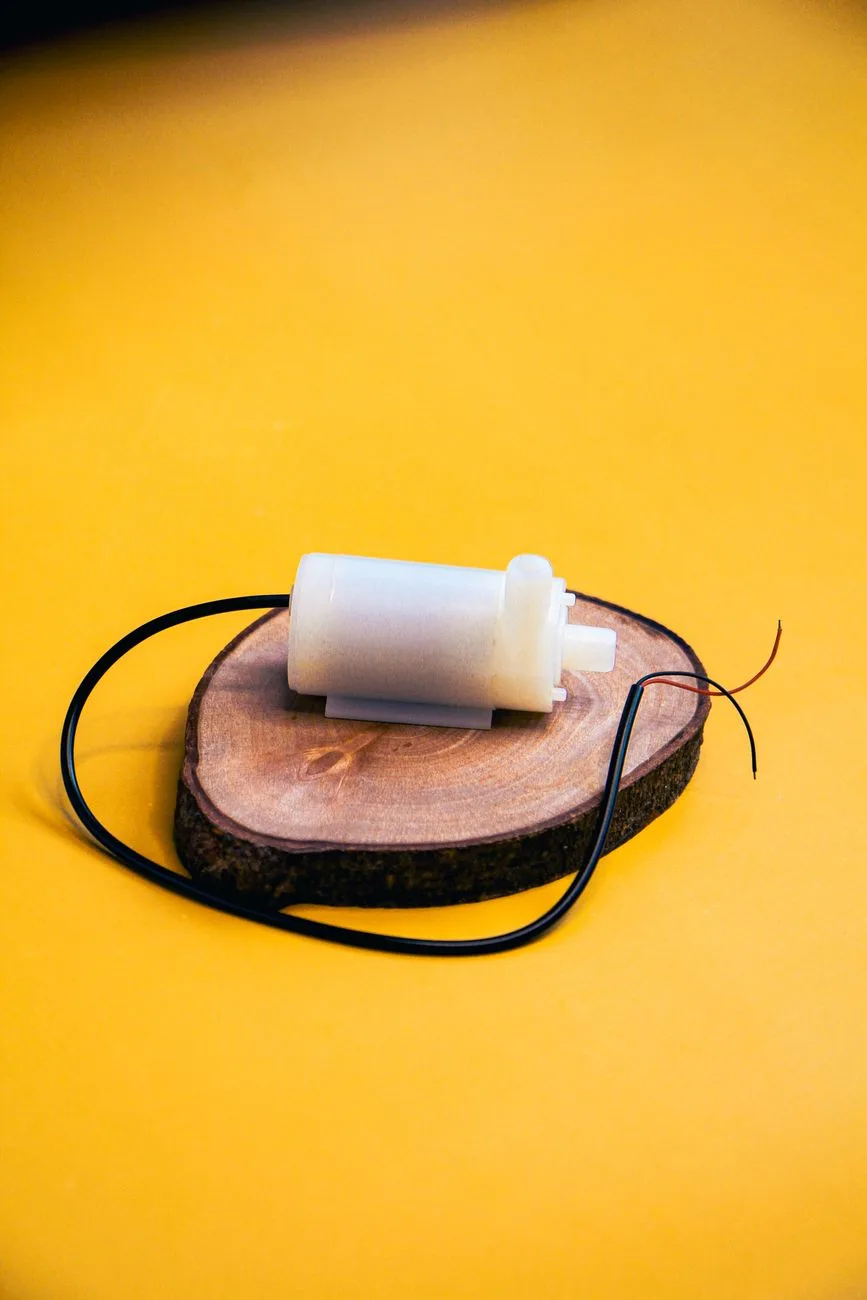
Traditional powerheads push a steady jet — simple and inexpensive. Wavemakers pulse, gyre, or randomize flow to mimic tides and reduce dead spots without one blast point.

Reef keepers often combine return pump flow with one or two controllable wavemakers. Community freshwater tanks may need only a small internal pump or filter return aimed along the long wall.
Sizing Turnover
Reef guidelines often cite 20–40× display volume per hour including return pump — species and aquascape modify that. Soft corals tolerate less; SPS and large polyp stony corals may need more.
In planted tanks, 5–10× turnover is usually plenty if the filter return creates surface ripple. Watch plants — if stems lean permanently, reduce flow or redirect.
Mounting and Safety
Use magnet mounts rated for glass thickness. Keep cords drip-looped below outlet height. Screen intakes on powerheads in fish-only systems to prevent fin damage.
Unplug and inspect impellers monthly. Snails, sand, and calcium creep reduce performance and overheat pumps.
Troubleshooting Dead Spots
If detritus collects in corners, adjust aim or add a small secondary pump on a timer. Random flow modes help more than cranking one pump to maximum.
For anemones and slow corals, ensure they can anchor outside direct blast zones while still receiving indirect food delivery.
Explore other topics
Dive into more aquarium guides across the site.