
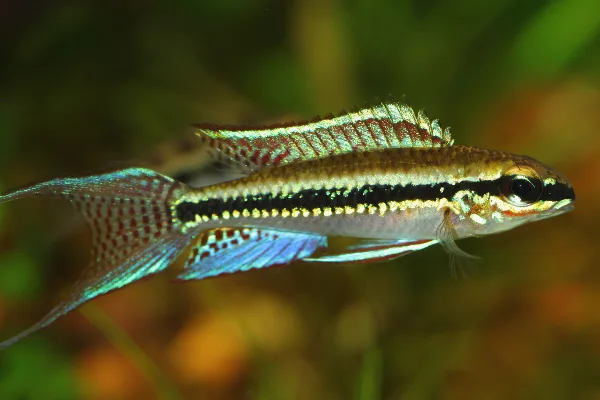
Checkerboard Cichlid (Dicrossus filamentosus)
Dicrossus filamentosus is a blackwater specialist from the Rio Negro and Orinoco: a 6–8 cm checkerboard dwarf that demands extremely soft, acidic…
Read more →
Guides
This Freshwater hub on Fishy Friends gathers practical freshwater fish guidance for keepers who want clear answers before they change water, livestock, or gear.
Use these articles to match species to tank size, plan filtration and feeding, and troubleshoot water chemistry without guessing. Each guide is written for home aquariums and links to related reading when you need more depth on freshwater fish.
Start with the basics — stable parameters, quarantine habits, and a feeding schedule that matches the livestock — then browse the profiles and how-tos below. When you are ready to branch out, jump into neighbouring topics so your freshwater fish plan stays consistent across the whole tank.
Whether you are stocking a first community tank or refining an established scape, bookmark this page and return as questions come up. Healthy aquariums are built from small, repeatable routines more than one-time upgrades, and freshwater fish success follows the same pattern.
Explore next: all guides, aquarium plants, water chemistry, feeding guides.
Fishy Friends publishes species care sheets, plant and invertebrate notes, aquascaping ideas, and water-care explainers so freshwater fish advice stays easy to find. Read one guide thoroughly, apply it slowly, and use the linked hubs above when you want a second angle on the same problem.
Before you buy livestock or rethink filtration, skim two or three freshwater fish articles here and write down target numbers for temperature, hardness, and feeding. That short checklist prevents the most common resets and keeps your aquarium closer to the calm, healthy display you are aiming for.
Come back after water changes or new additions: compare what you see in the tank with the freshwater fish checklists below, then follow one recommended next step instead of changing everything at once. Steady improvements compound, and Fishy Friends is built to support that pace.
Dicrossus filamentosus is a blackwater specialist from the Rio Negro and Orinoco: a 6–8 cm checkerboard dwarf that demands extremely soft, acidic…
Read more →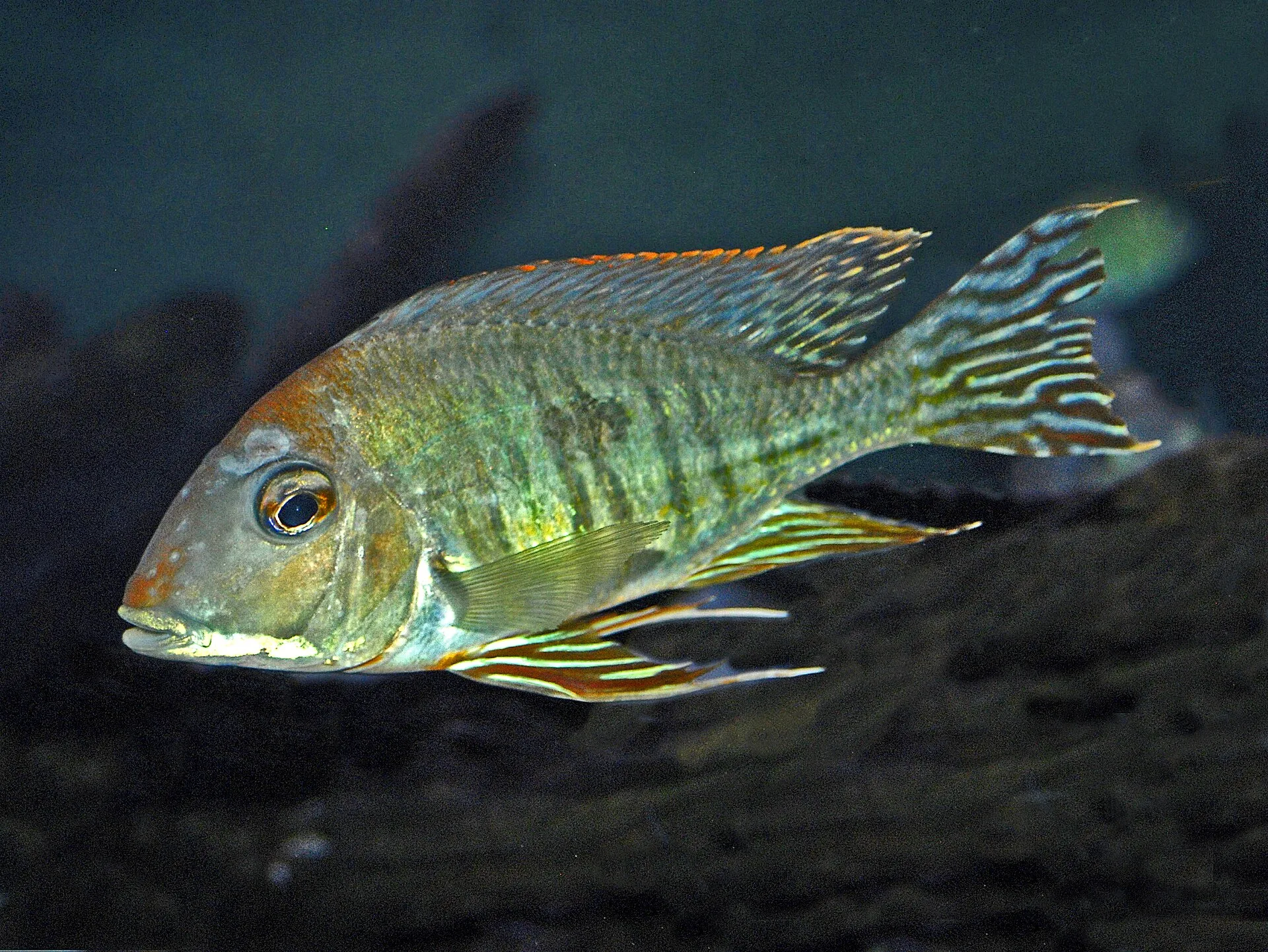
Geophagus altifrons is the high-foreheaded Amazon eartheater: 20–25 cm, warm soft water, a deep sand bed, and a gentler reputation than the pearl…
Read more →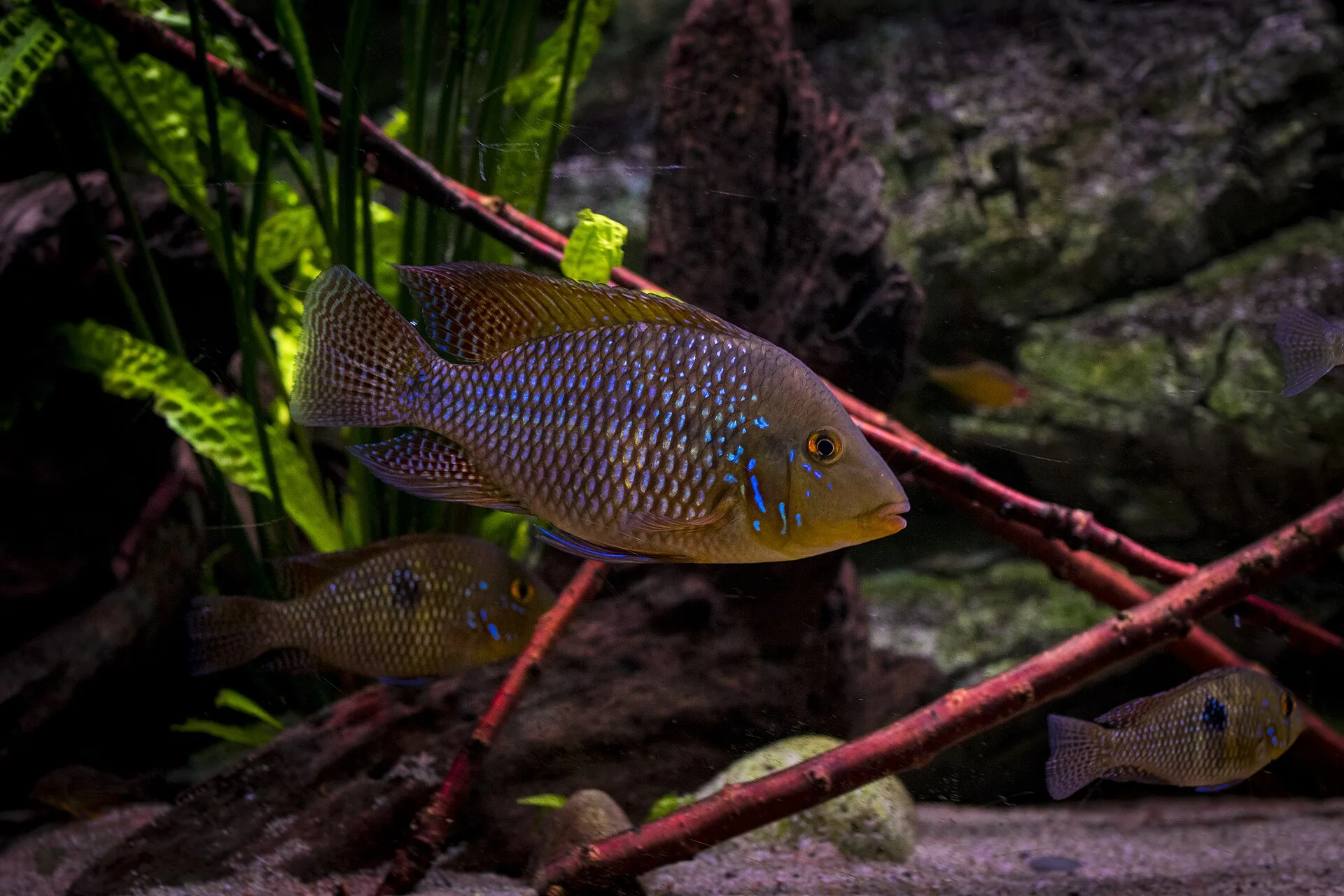
Geophagus brasiliensis is a 20–30 cm coastal Brazilian cichlid: pearl-spangled, sand-sifting, and far more adaptable and territorial than Amazon…
Read more →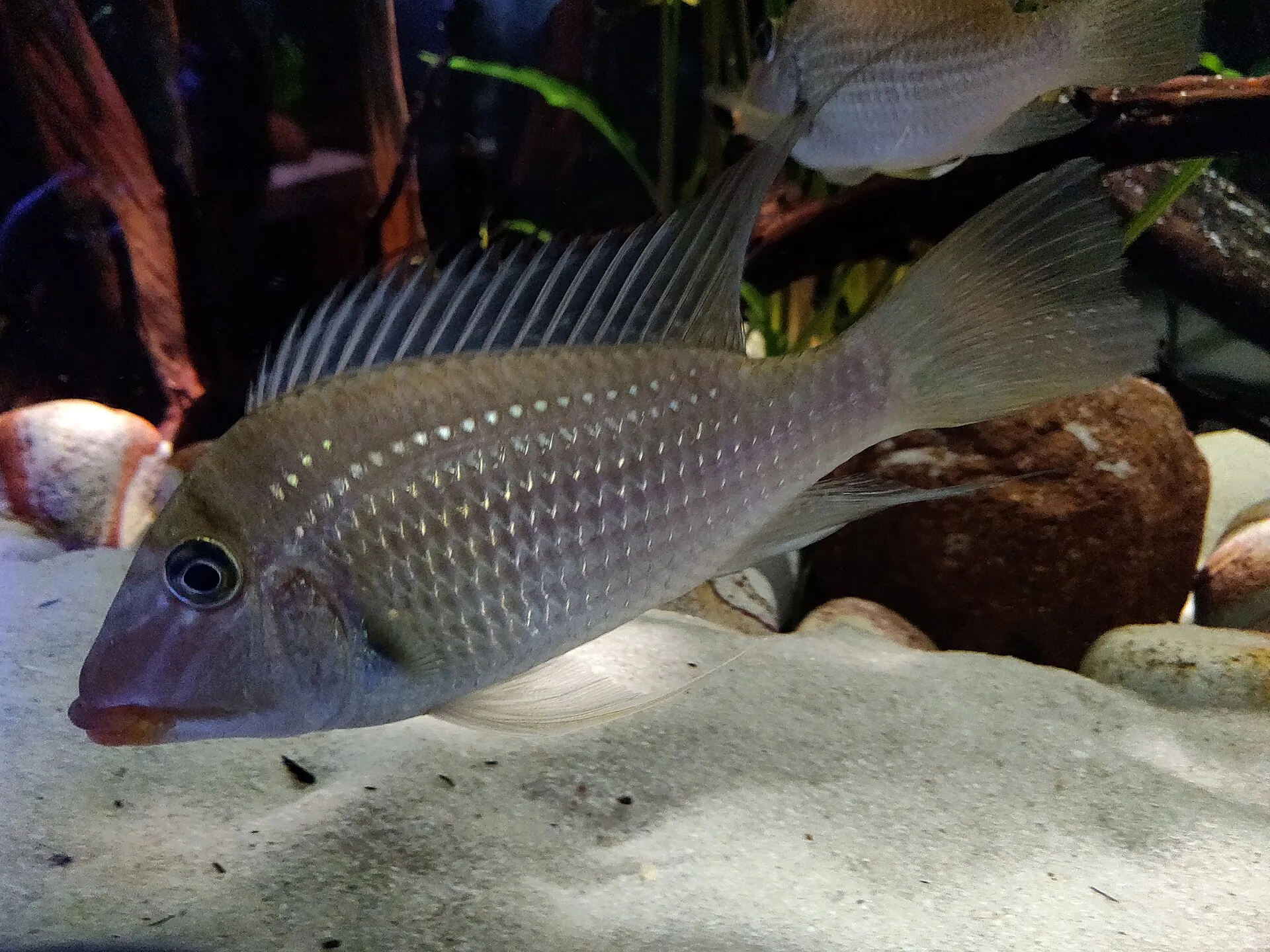
Satanoperca jurupari is a 20–25 cm Amazon sand-sifter that takes mouthfuls of substrate and is a delayed mouthbrooder — give it a deep sand bed…
Read more →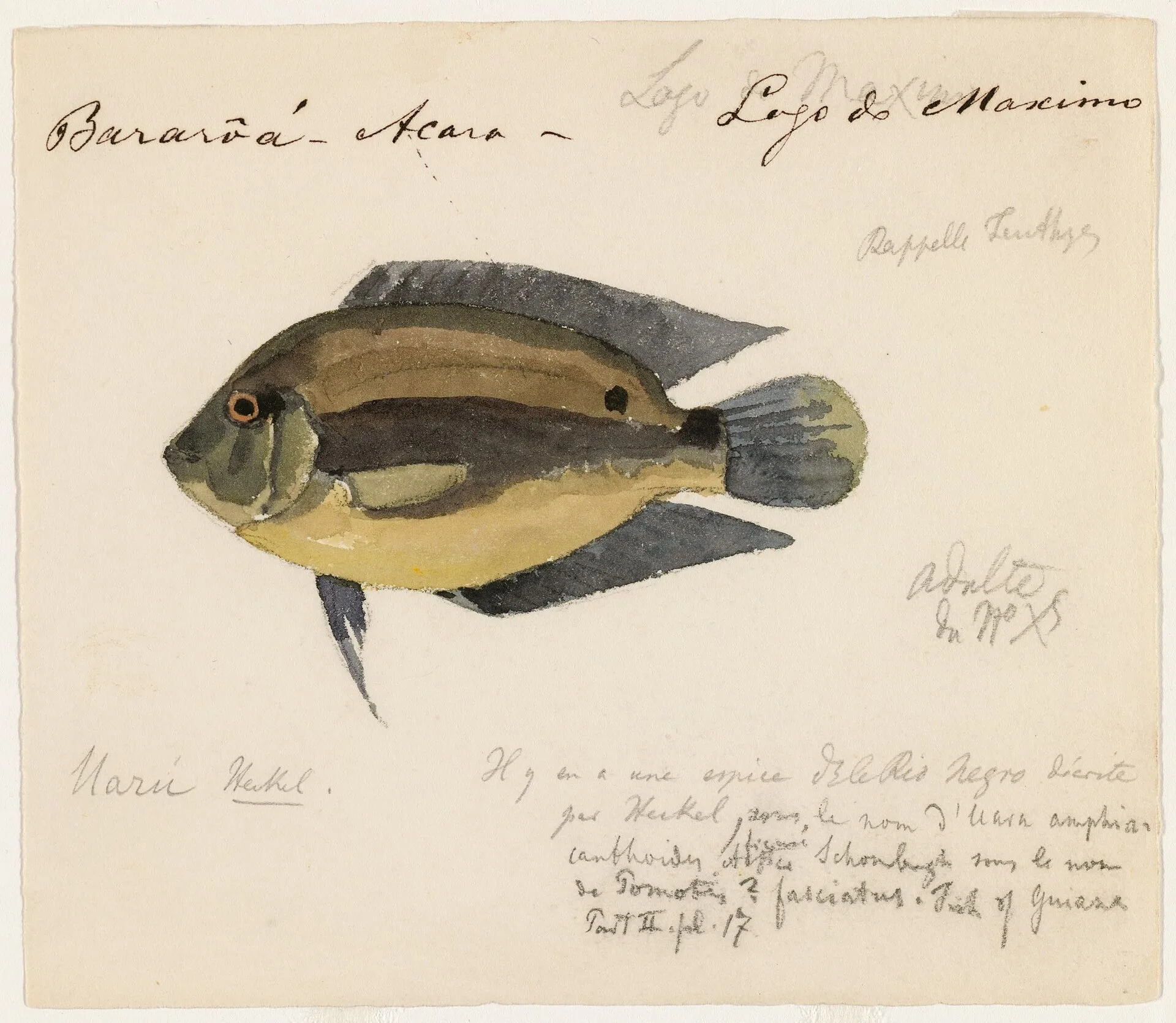
Uaru amphiacanthoides is a 25–30 cm Amazon cichlid that lives like a plant-eating discus cousin: warm, clean, soft water, a huge tank, and vegeta…
Read more →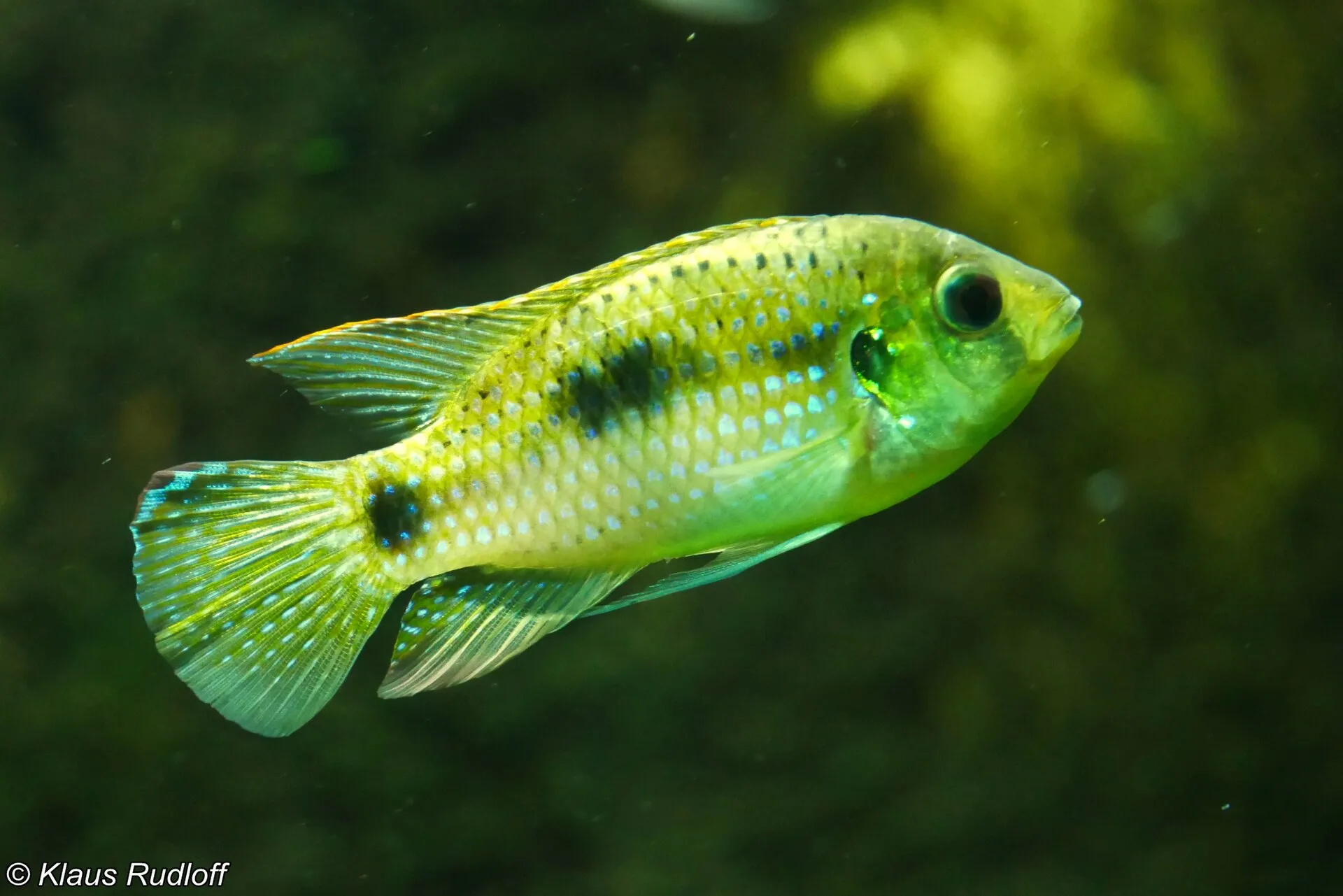
Anomalochromis thomasi is a West African forest-stream dwarf that pair-spawns on leaves and wood in soft, vegetated water — not an Apistogramma,…
Read more →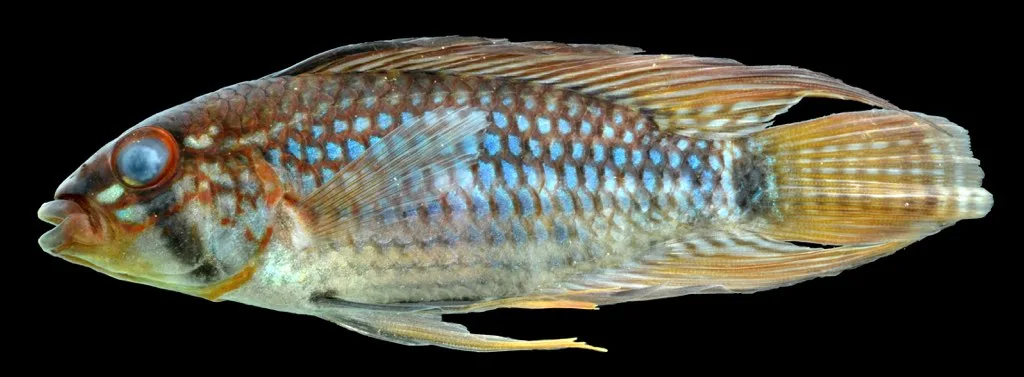
Apistogramma steindachneri is the bigger, more adaptable Guianan apisto: 7–9 cm, still a sand-and-cave dwarf in soft to moderately soft water —…
Read more →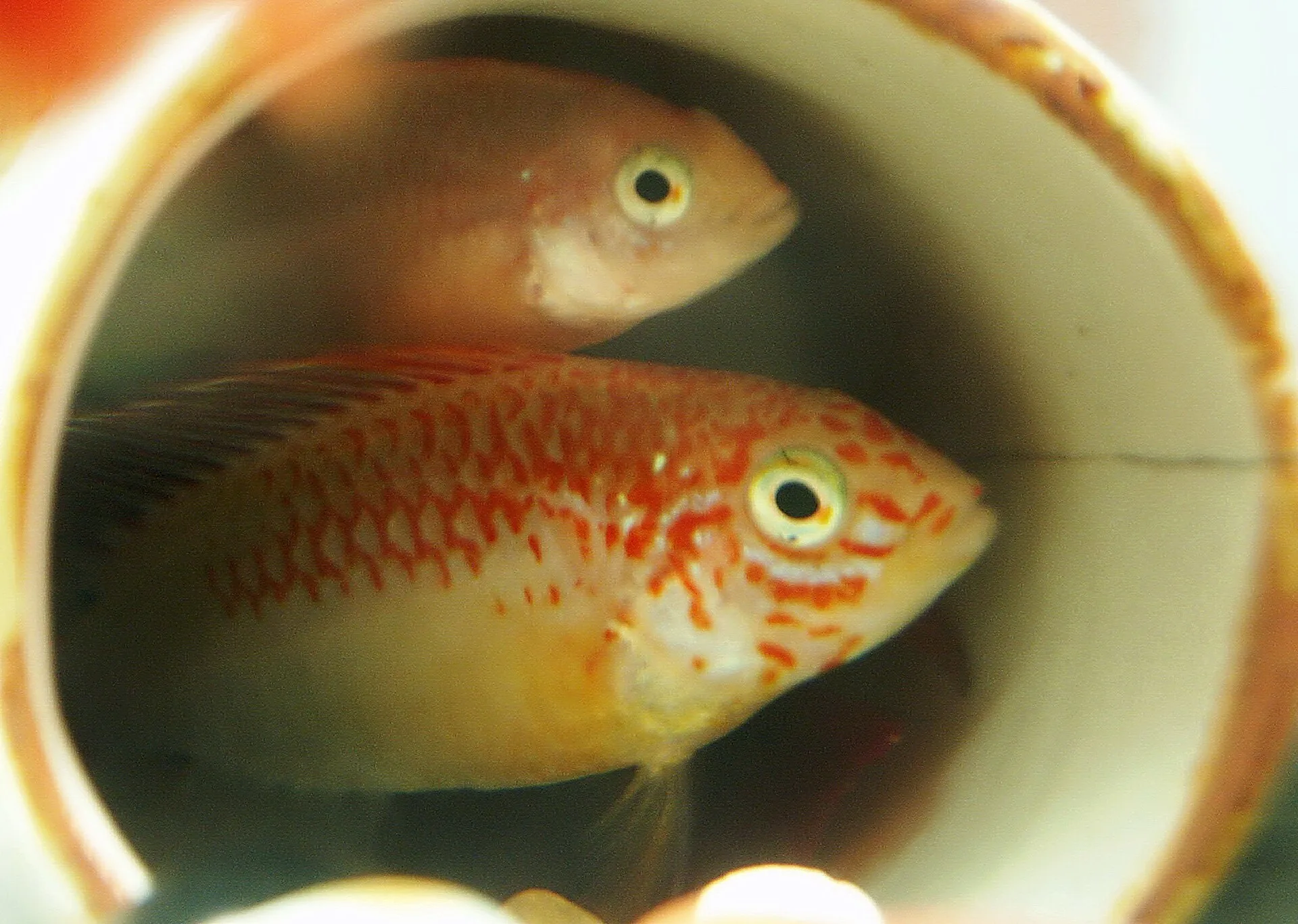
Apistogramma viejita is a Colombian dwarf cichlid sold in red and yellow lines: still a leaf-litter, cave, soft-water harem fish — the colours ar…
Read more →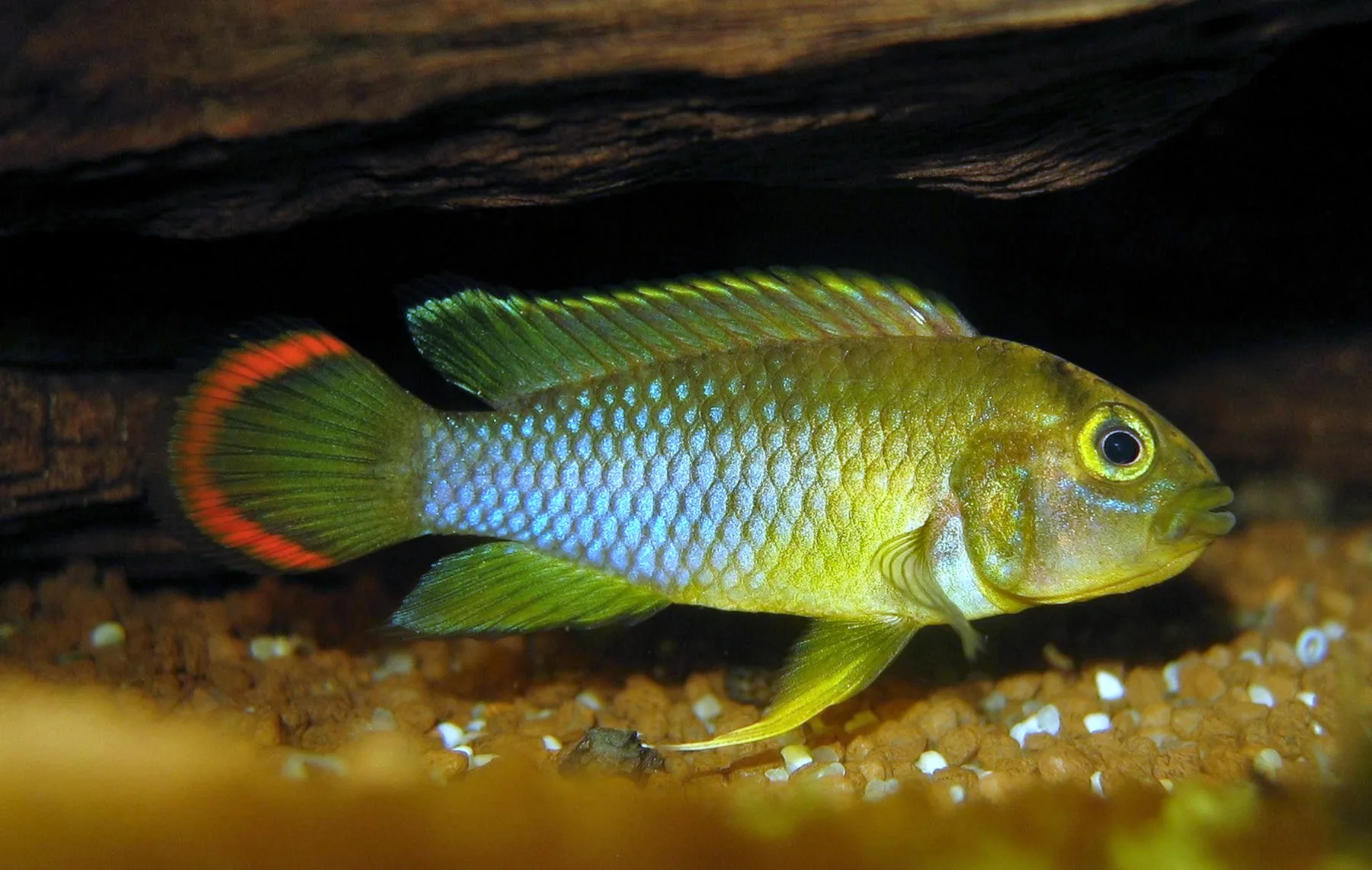
Apistogramma nijsseni — the panda apisto — is a Peruvian blackwater dwarf whose males wear a pale mask and a dark rear; keep it in stained, ver…
Read more →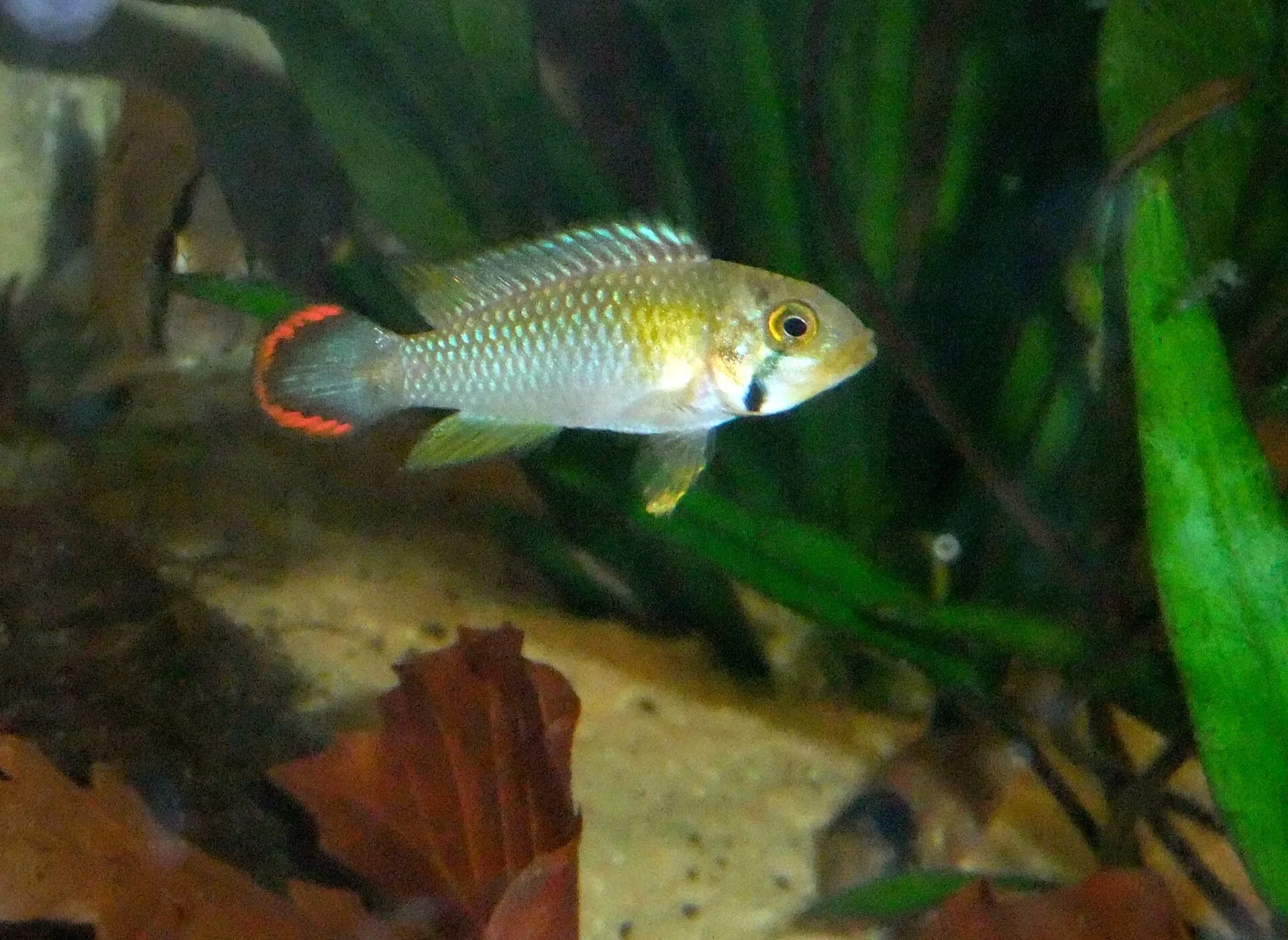
Apistogramma panduro is a Peruvian leaf-litter dwarf cichlid: soft acidic water, botanicals, and caves — a 5–6 cm harem fish that has nothing t…
Read more →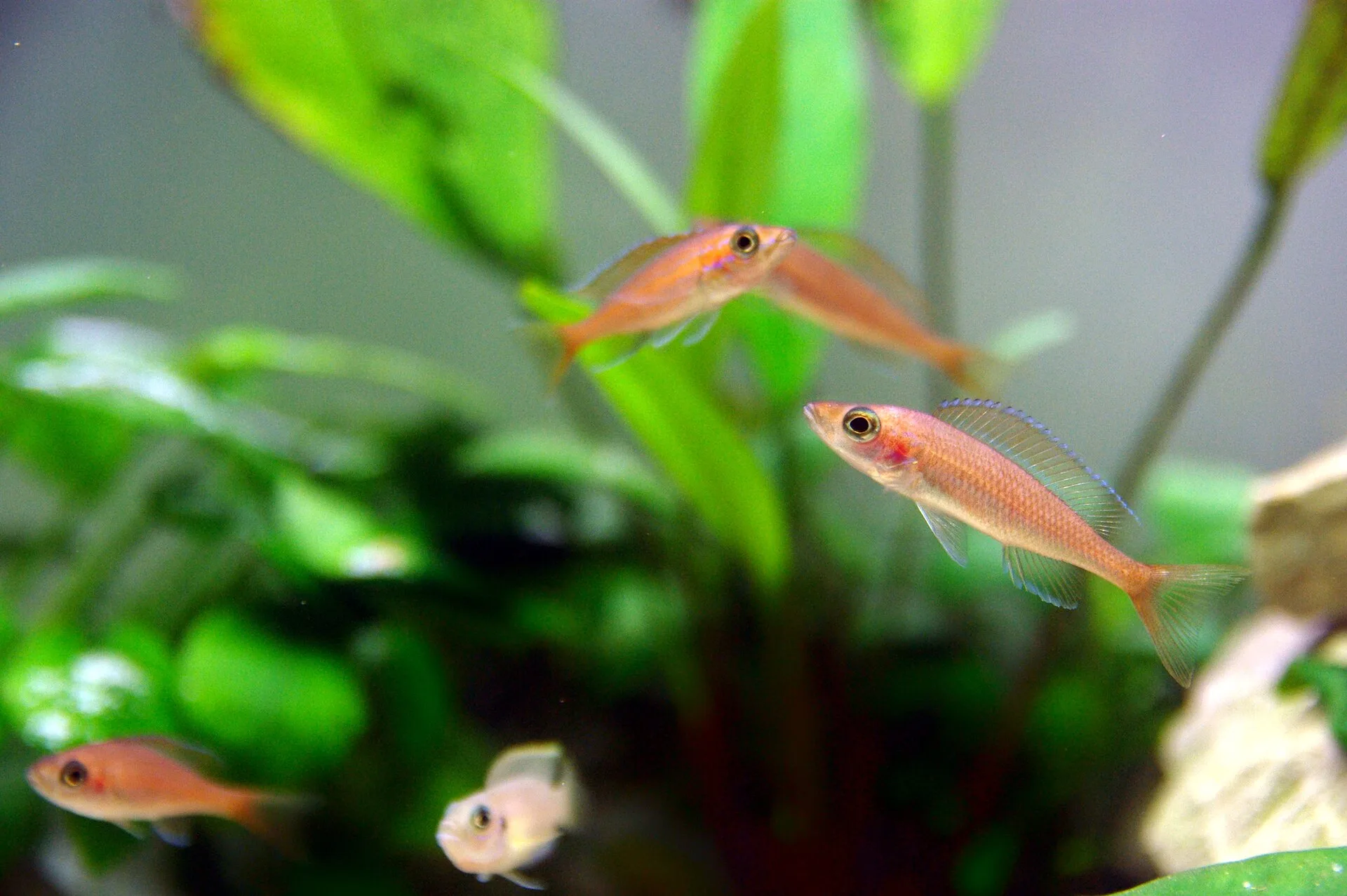
Paracyprichromis nigripinnis is a midwater Tanganyika wall-schooler: males hold a blue neon in a tall, long alkaline tank, mouthbrood, and ignore s…
Read more →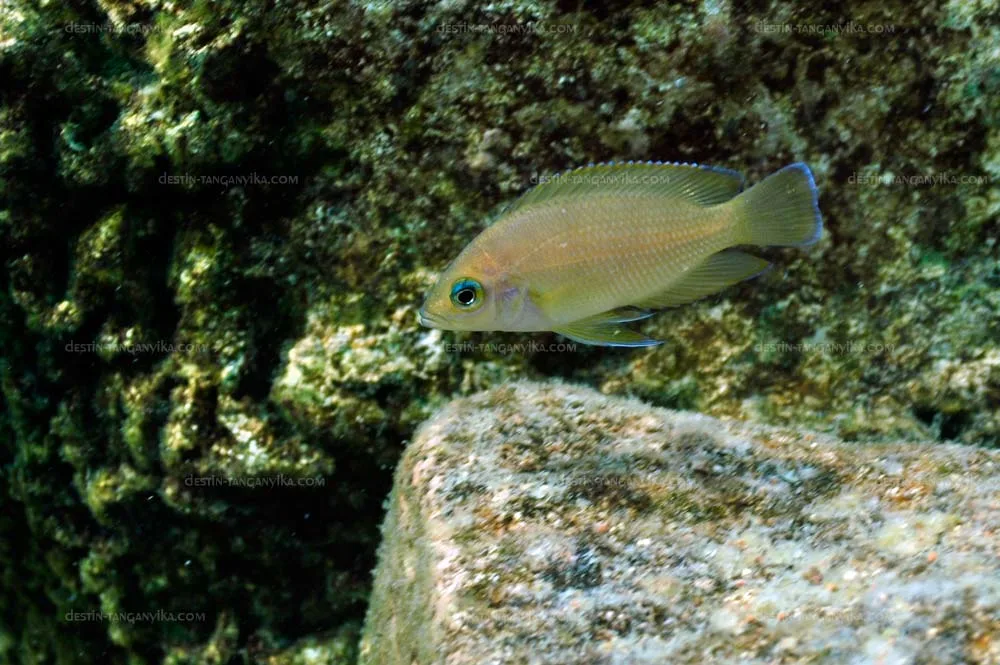
Variabilichromis moorii is the Tanganyika rock cichlid that starts yellow and finishes near-black: a 9–11 cm algal grazer and cave holder in hard…
Read more →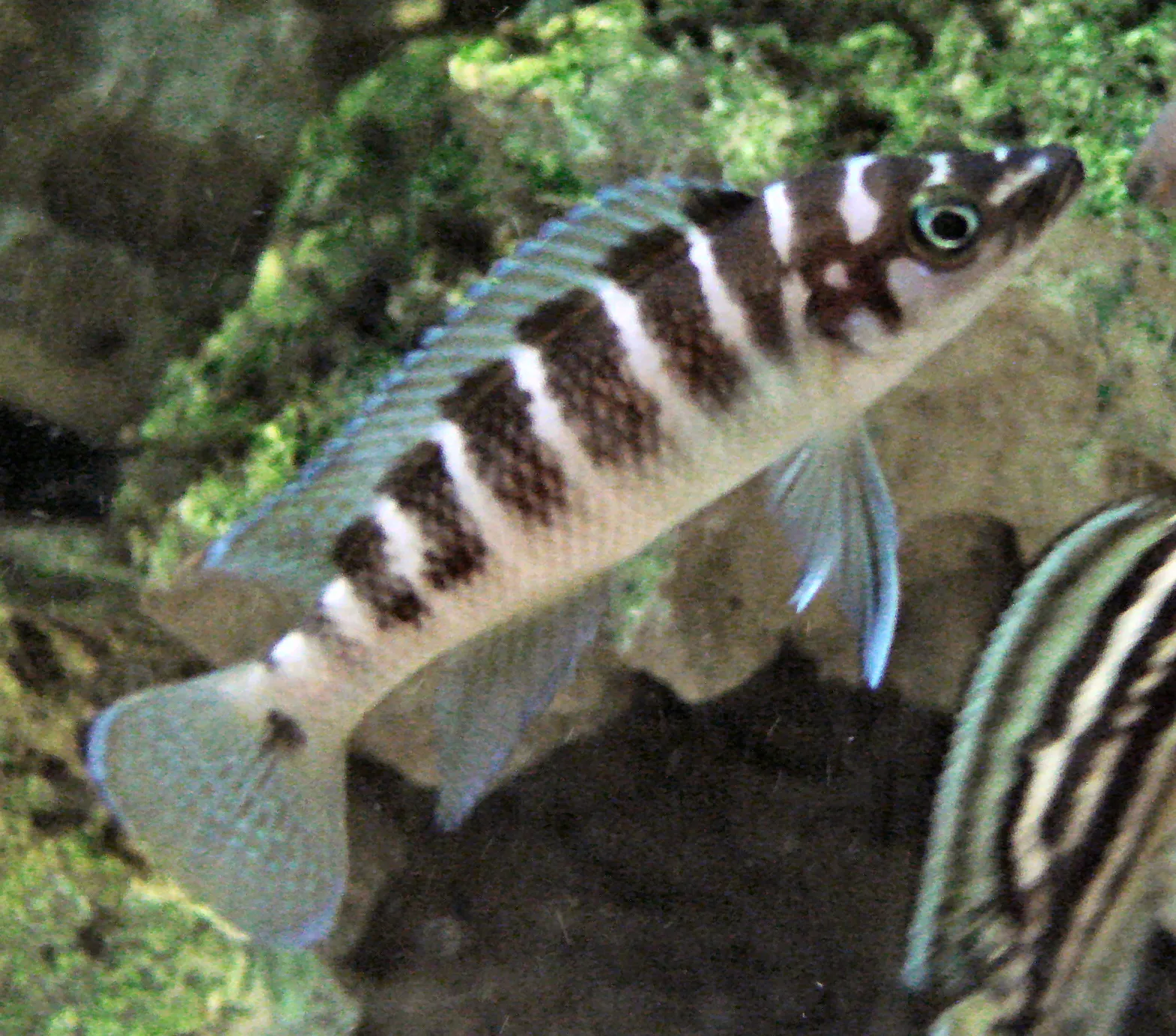
Neolamprologus cylindricus is a tube-bodied Tanganyika rock cichlid that holds caves in the littoral: 8–10 cm of territorial pair in alkaline wat…
Read more →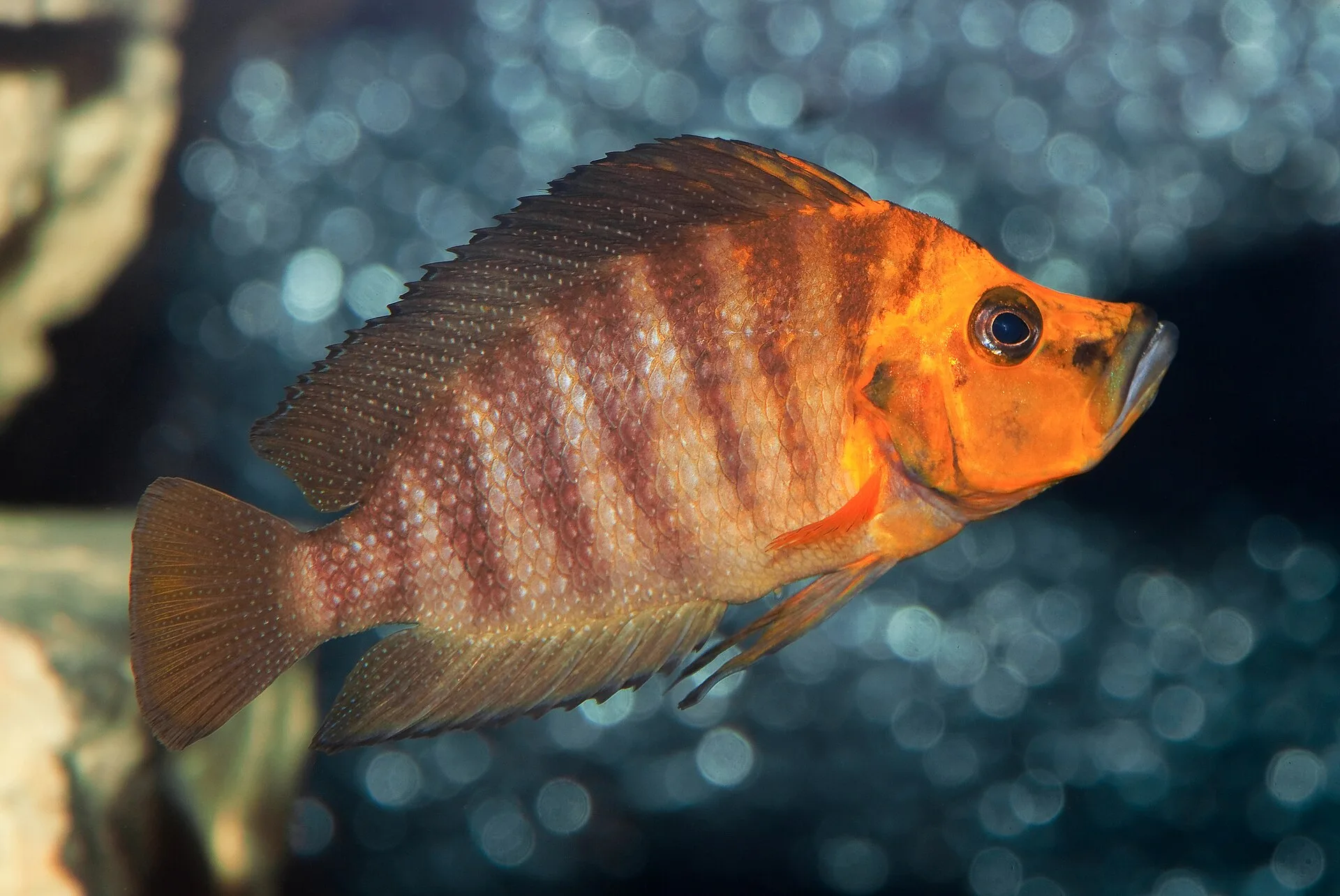
Altolamprologus compressiceps is a laterally flattened Tanganyika hunter that slides into vertical rock seams to eat snails and fry — keep it as…
Read more →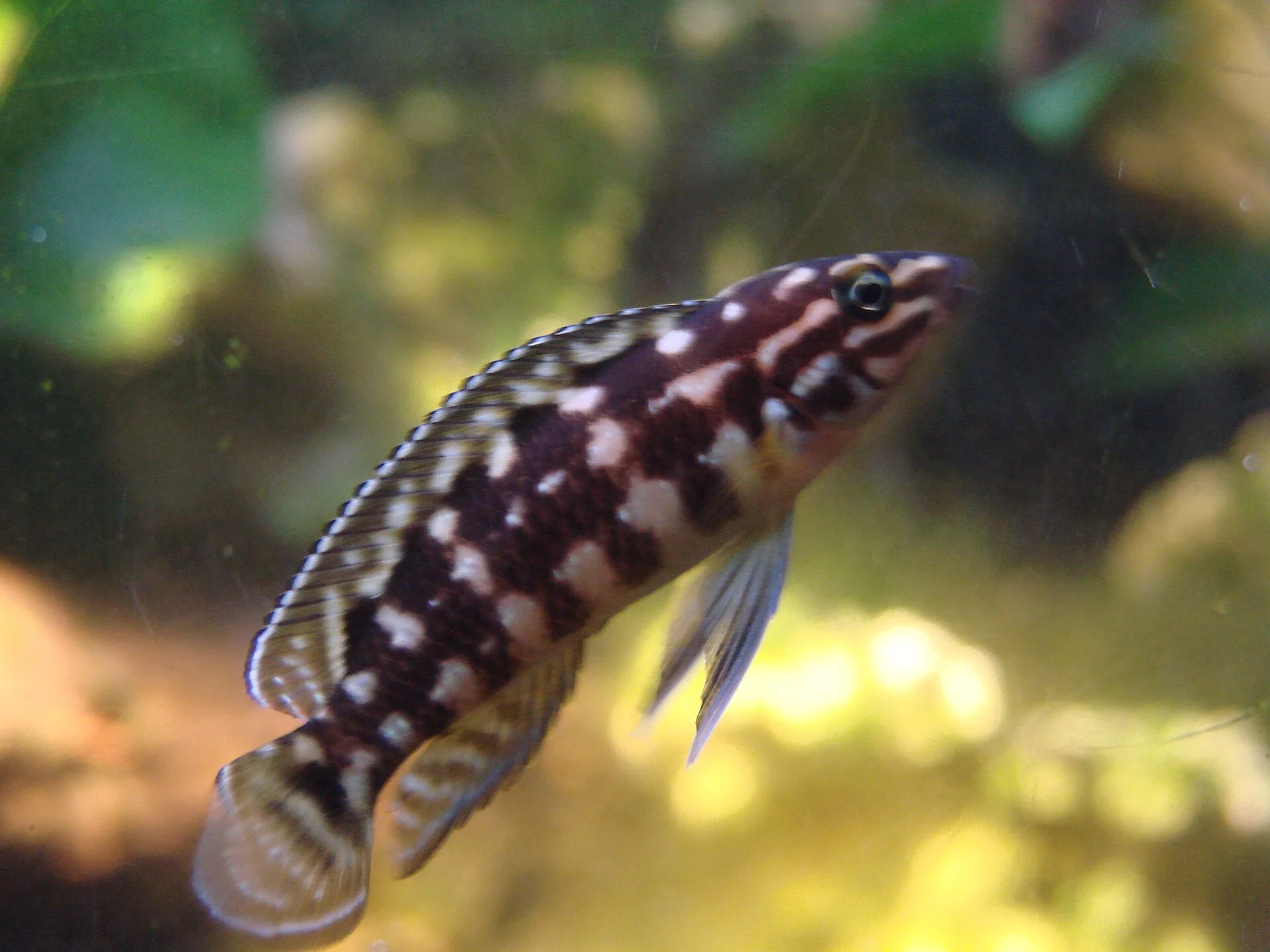
Julidochromis marlieri is the heavier, checkerboard Julie: 8–10 cm of rock-slit cichlid that wants a bigger boulder pile than J. ornatus, the sam…
Read more →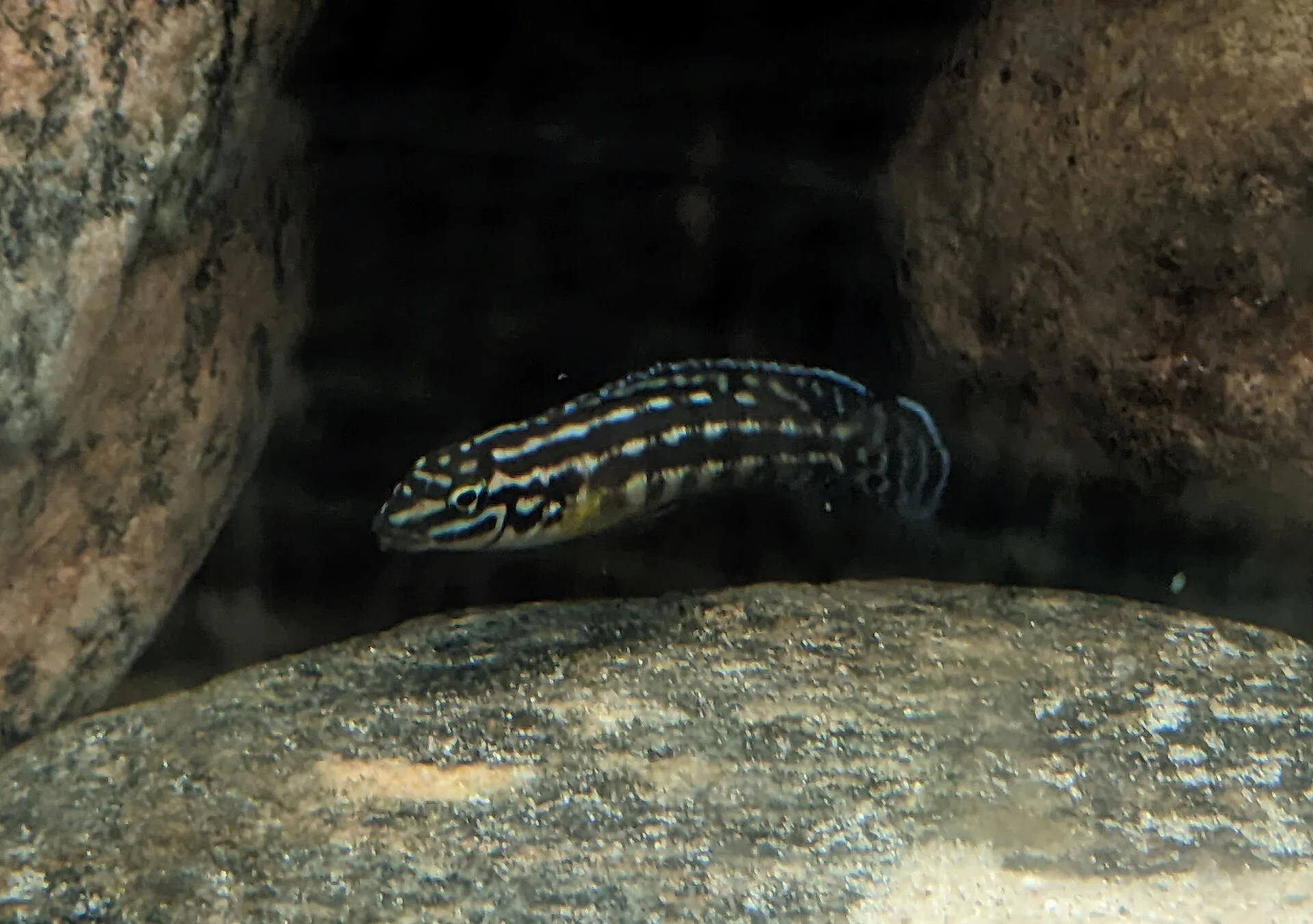
Julidochromis ornatus is a slender Tanganyika rock cichlid that lives in slits, not shells: pair it on a pile of stacked rock in hard alkaline wate…
Read more →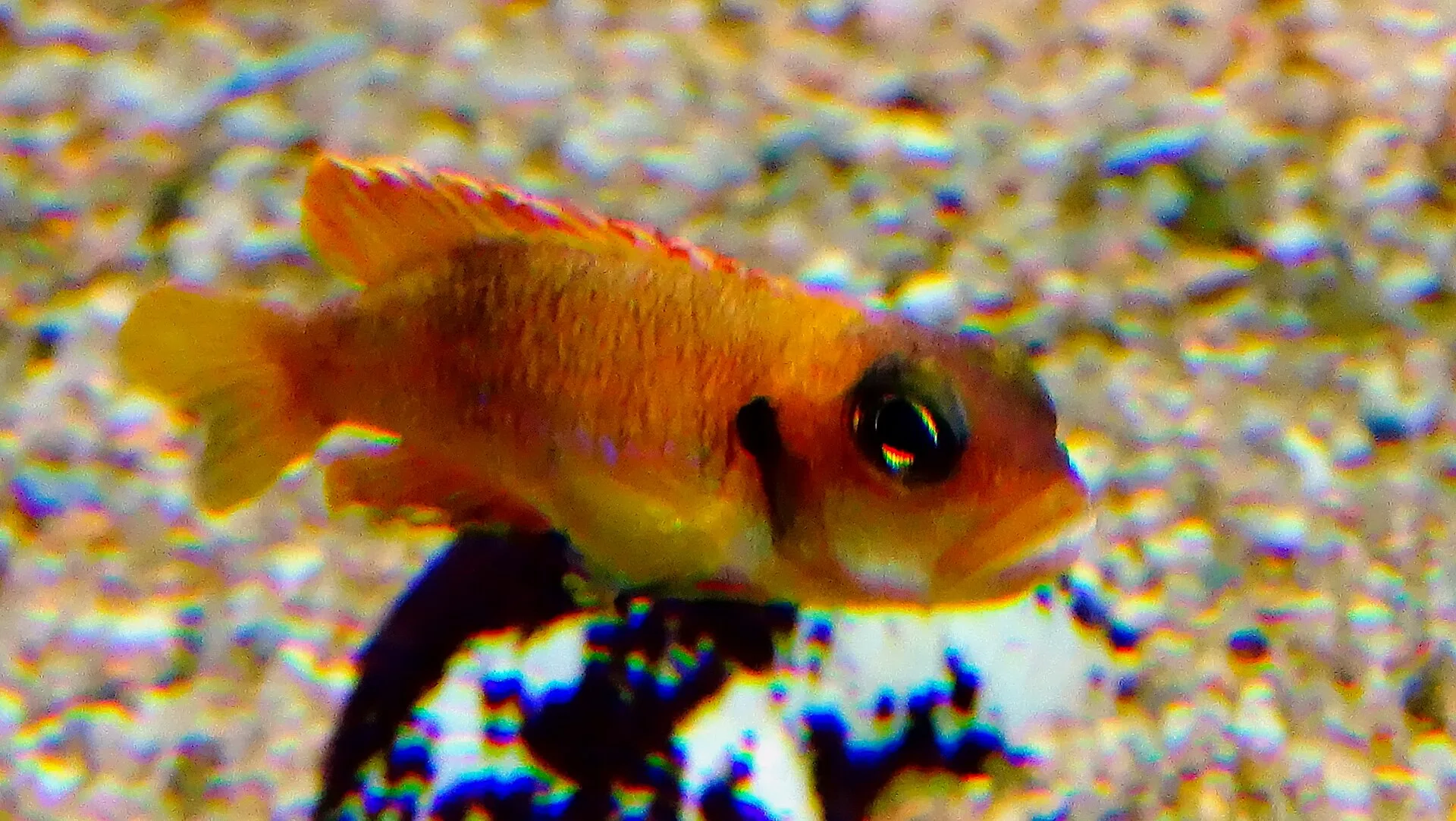
Lamprologus ocellatus is a 4–6 cm Tanganyika shell-dweller: empty snail shells on deep sand, hard alkaline water, and a colony — never a plante…
Read more →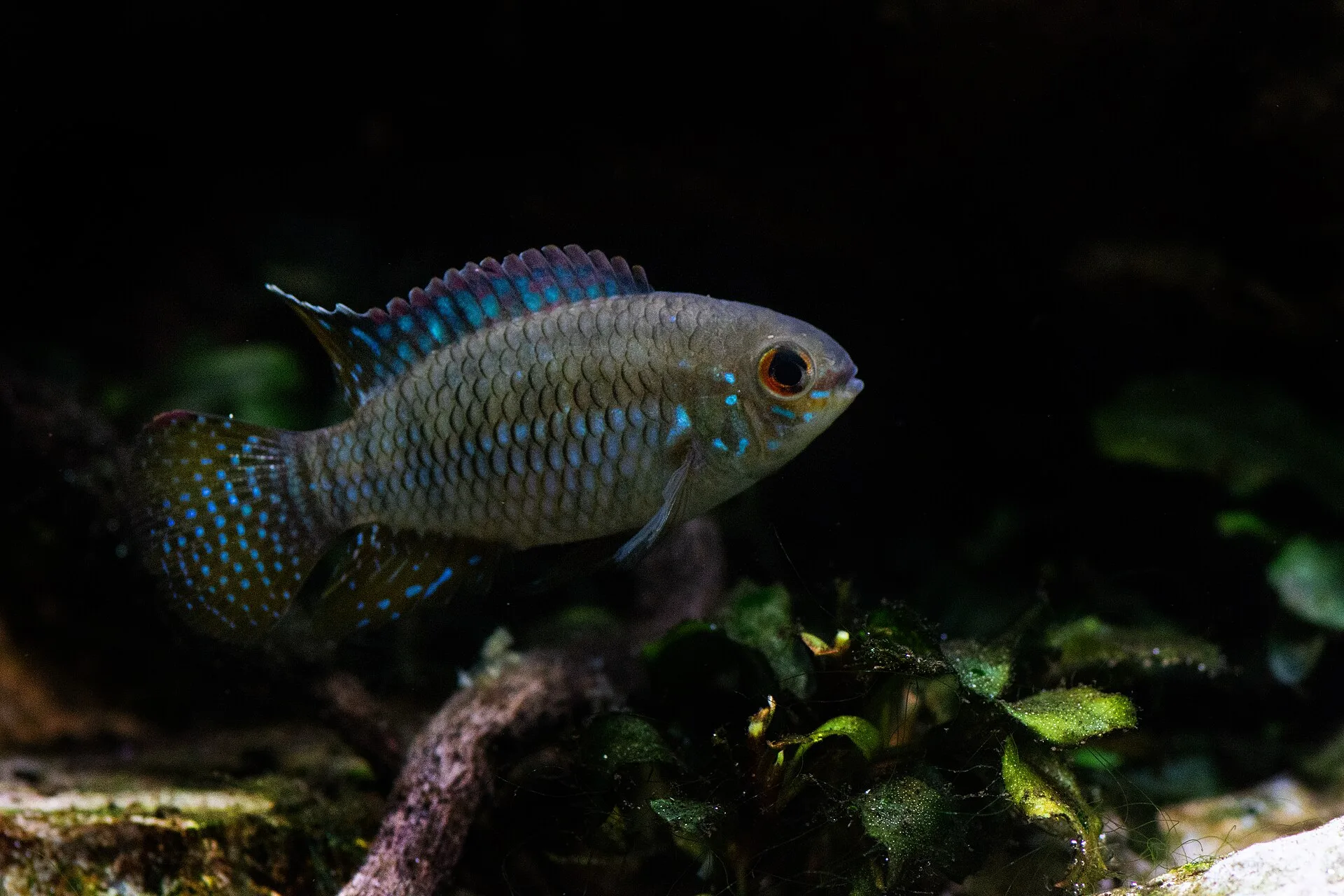
Laetacara curviceps is a gentle 6–8 cm Amazon pair cichlid for a planted, soft-water tank: it spawns on leaves and stones like a ram, not in apis…
Read more →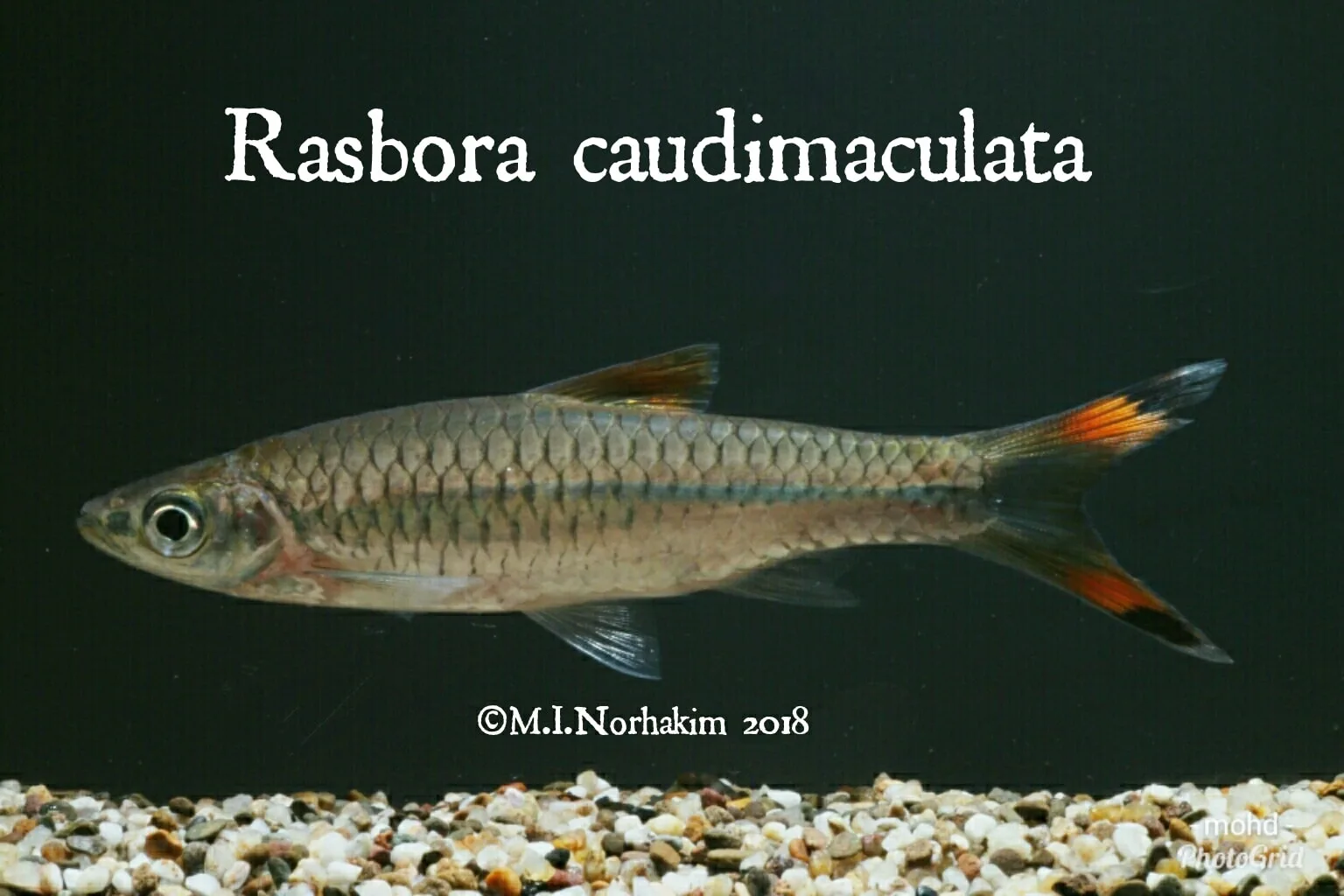
Rasbora caudimaculata is a 10–15 cm river jumper with a spotted, forked tail: give it a long, covered tank and a school, not a peat cube, not a p…
Read more →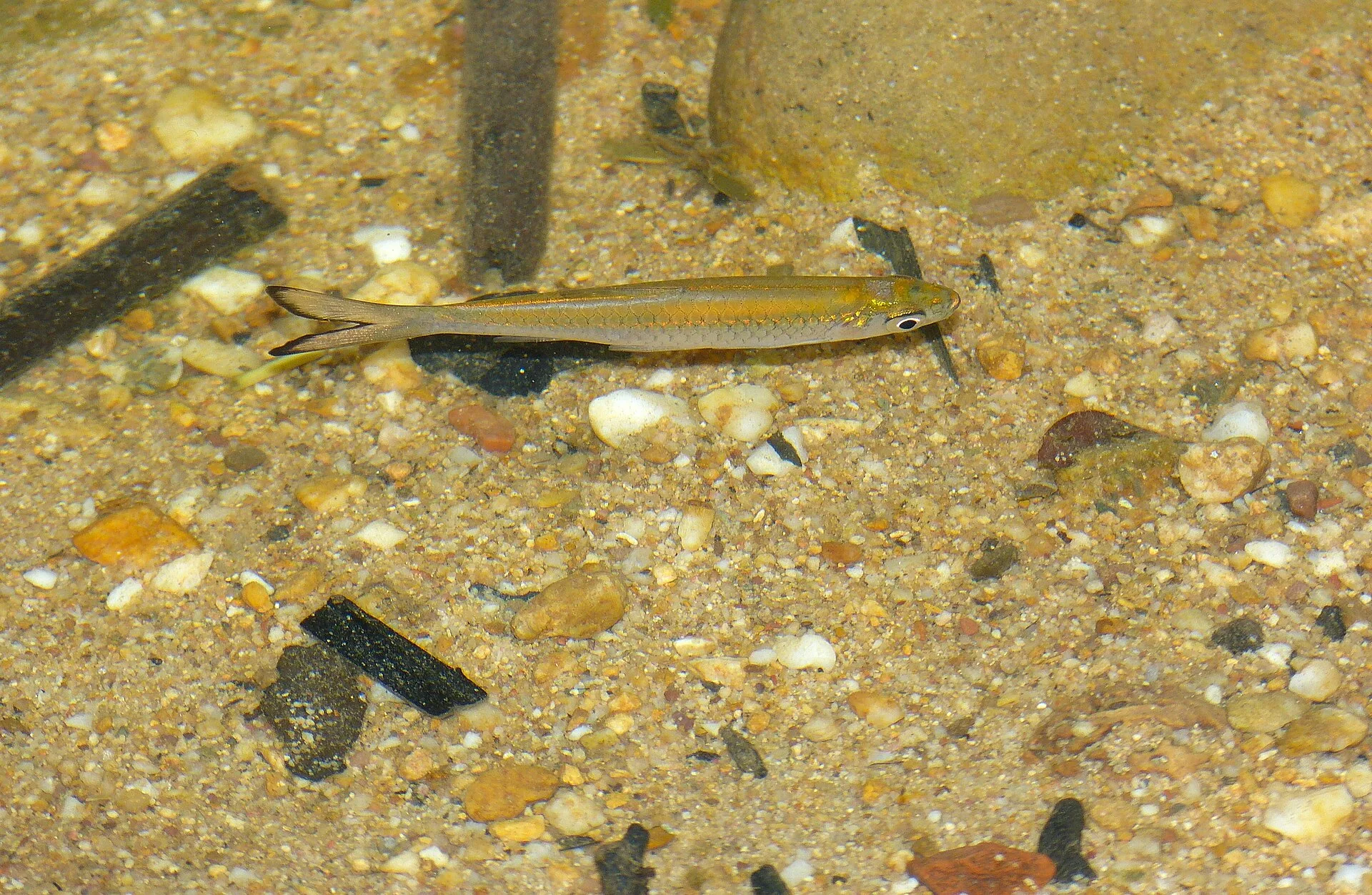
Rasbora dusonensis is a 10–12 cm river rasbora whose pink-red fins only show in a long, oxygenated school — treat it as a swimming cyprinid, no…
Read more →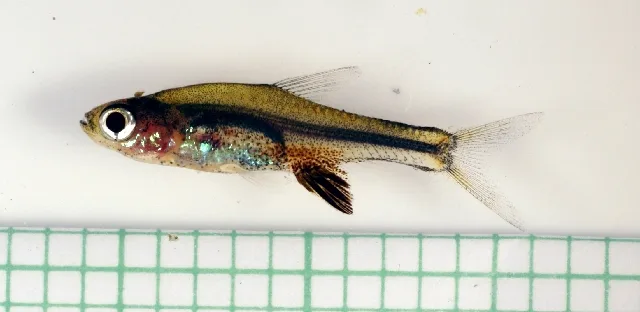
Sundadanio axelrodi is not a true Rasbora: it is a 2 cm Borneo peat fish whose males flash metallic blue-green over tea-stained water — keep it l…
Read more →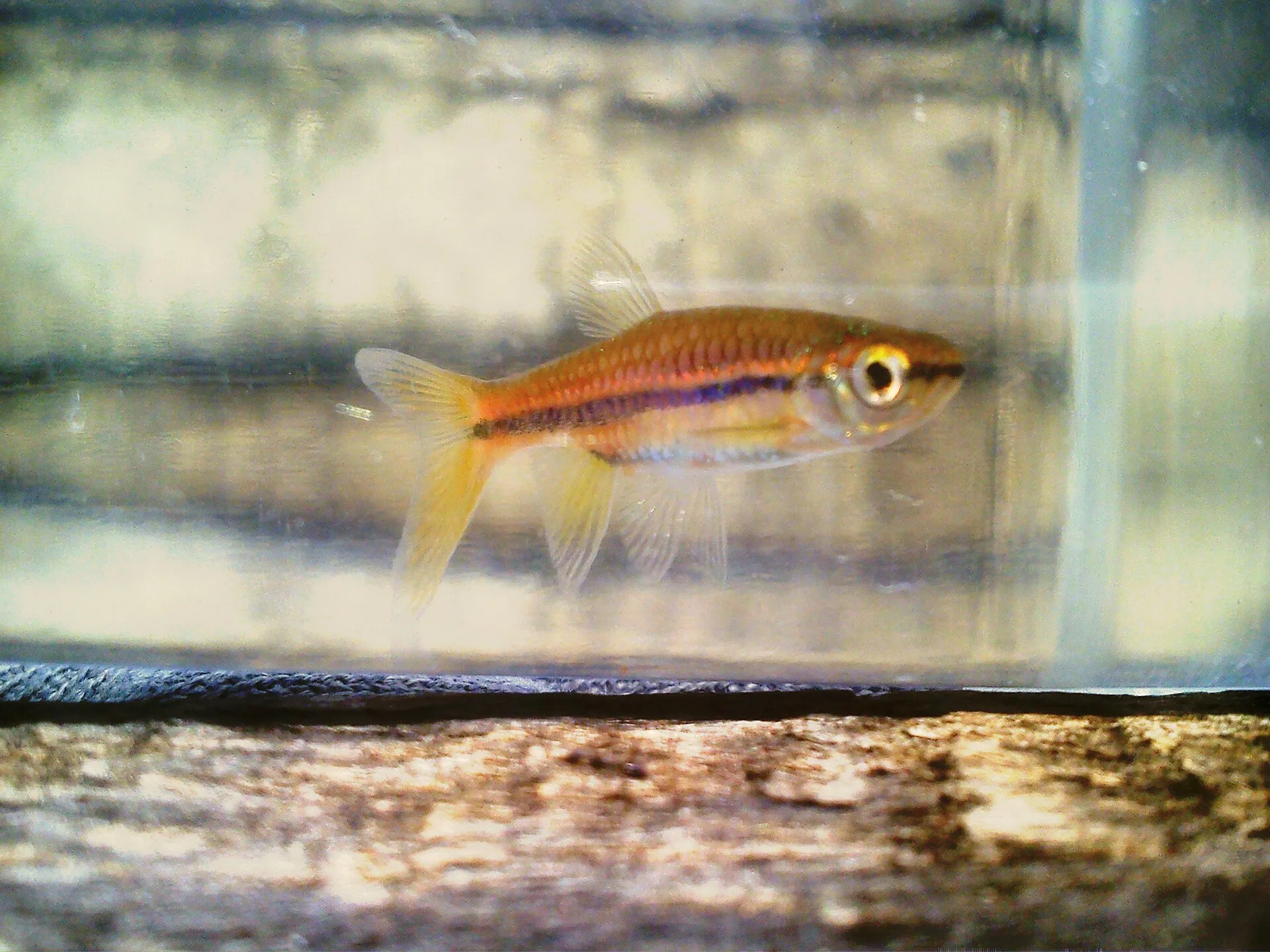
Rasbora einthovenii is an 8–12 cm striped river rasbora: it wants length, a real school, and oxygenated stream water — not a peat-nano cube and…
Read more →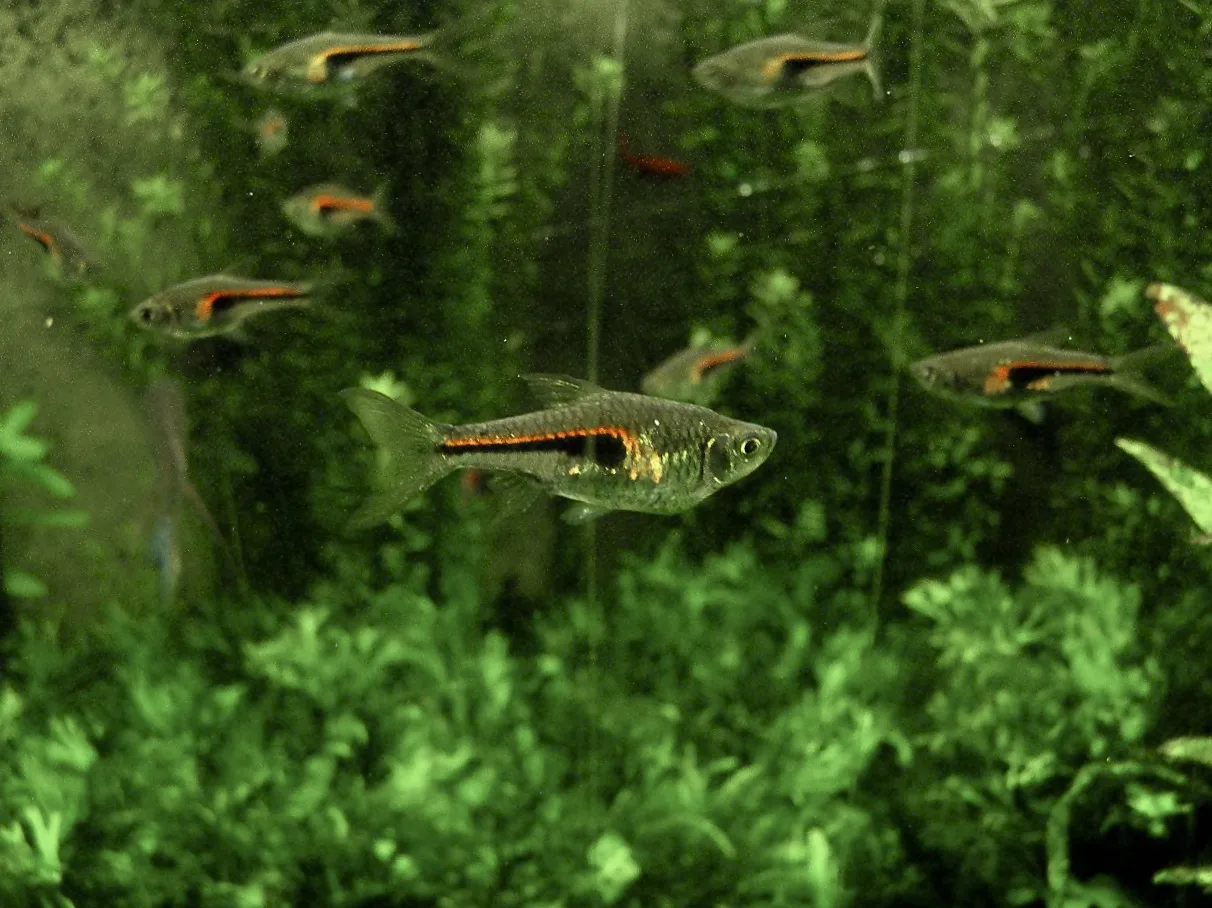
Trigonostigma hengeli is the smaller, shyer harlequin cousin: an orange-gold wedge on a 3–4 cm body that wants a planted, soft forest stream —…
Read more →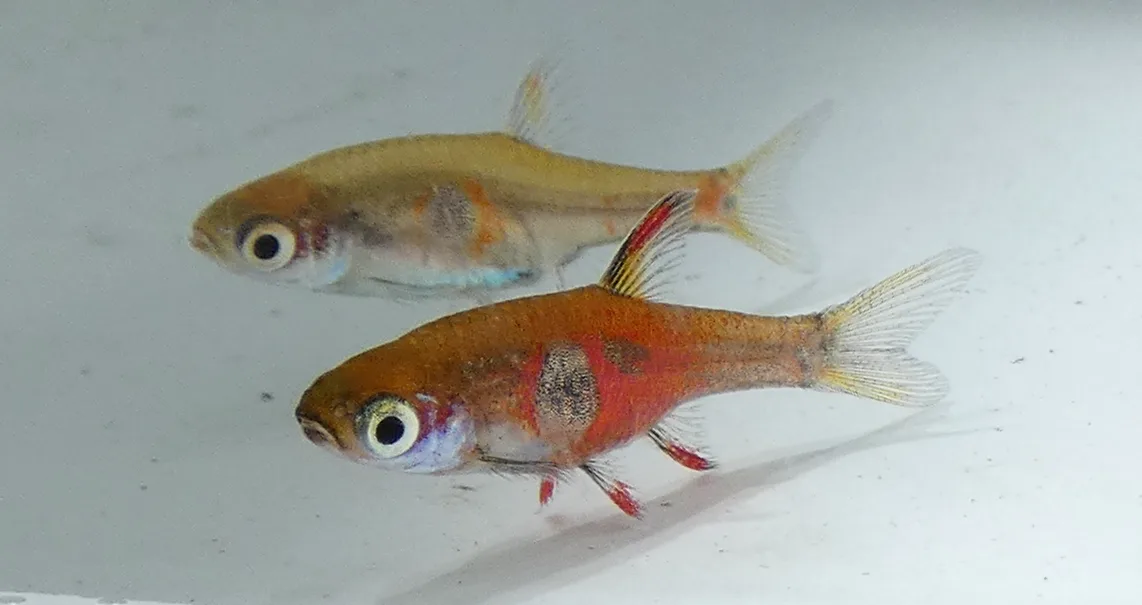
Boraras naevus from southern Thailand peat is a 2 cm rasbora defined by a round flank patch and a need for stained, still, acidic water — keep a…
Read more →