


Sponge Filters for Breeding and Shrimp
This guide covers sponge filter aquarium with practical steps for home aquariums. Sponge filters grow dense biofilm, gentle flow, and zero fry intake — the default choice for shrimp colonies and livebearer breeding tanks.
For related reading, see community fish compatibility and cycling your aquarium the right way.
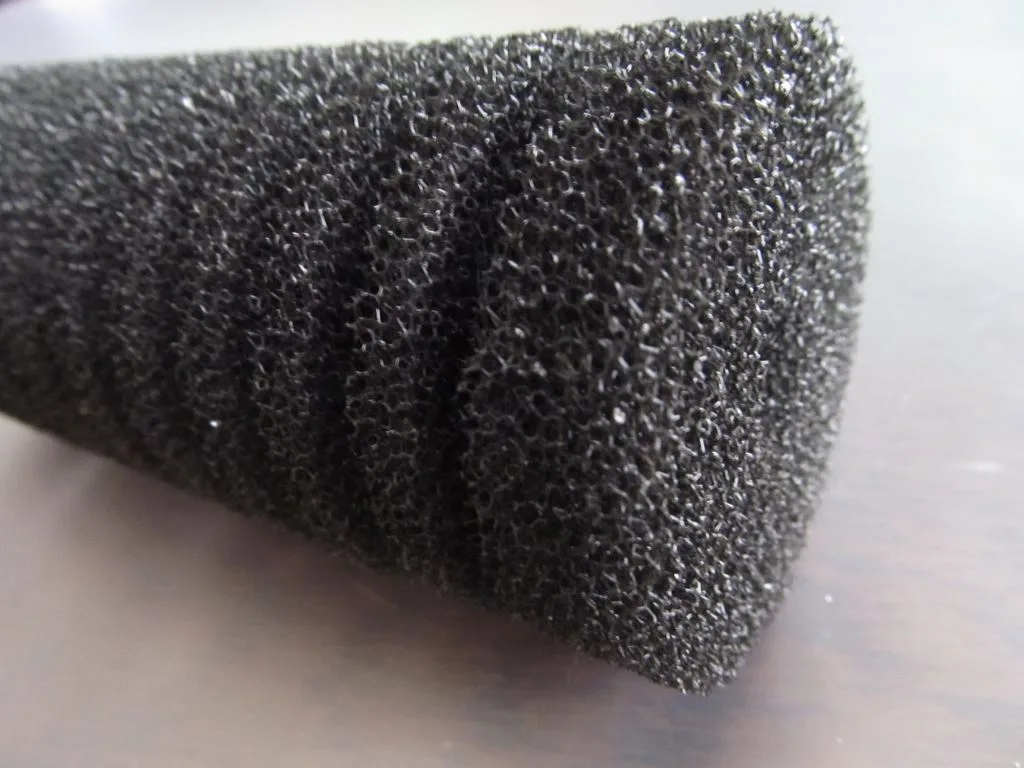
Why Sponge Filters Work
Air-driven or powerhead-driven sponge filters pull water through a porous foam block colonized by nitrifying bacteria. Mechanical filtration is gentle, and the sponge surface becomes a grazing buffet for shrimp and microfauna.
Unlike power filters with strong intakes, sponges rarely suck up newborn fry or shrimplets when sized appropriately.
Air vs Powerhead Drive
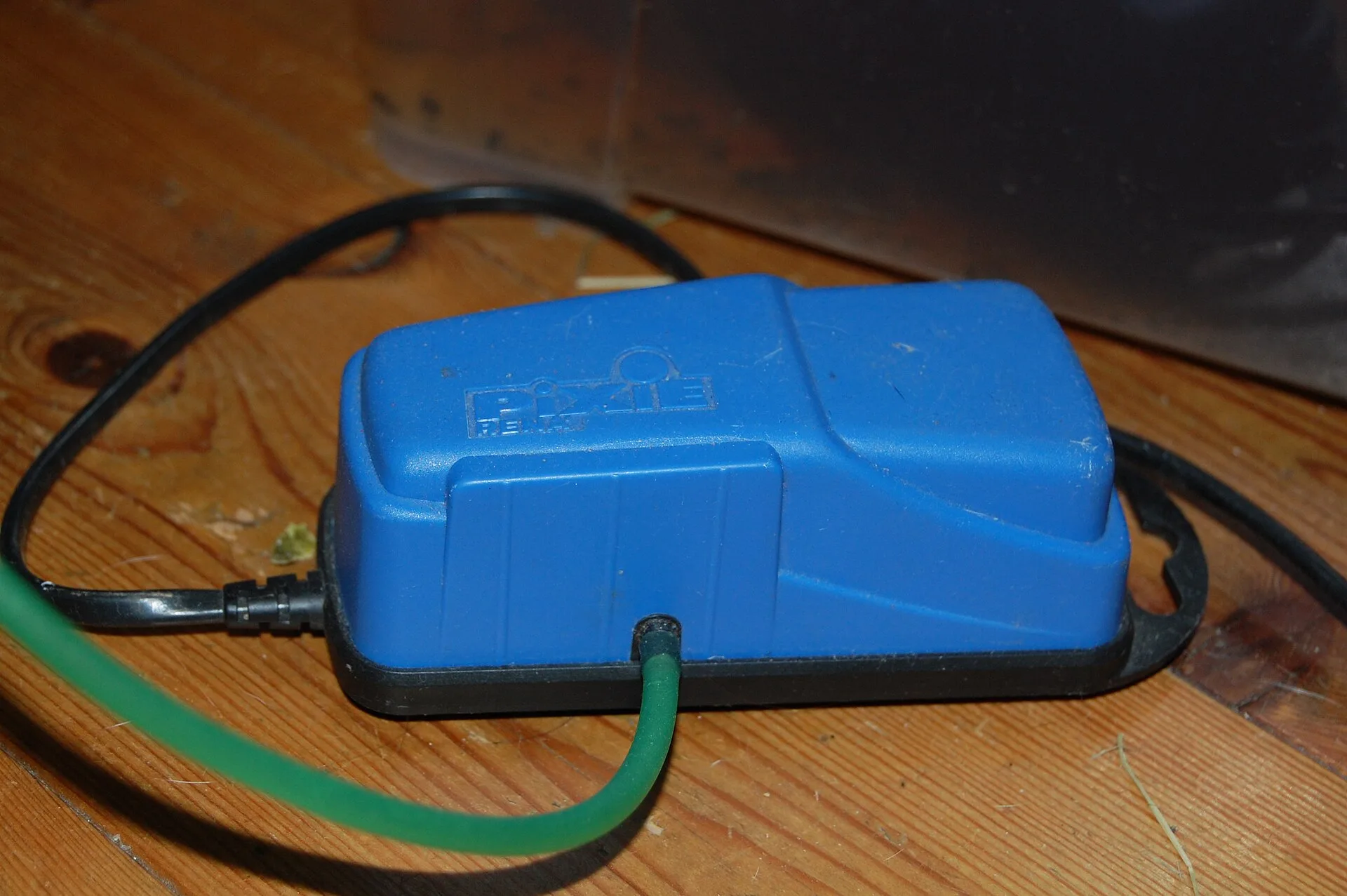
Air-lift sponges are inexpensive, reliable, and add oxygenation — perfect for quarantine, breeding, and hospital tanks. Adjust airflow with a valve for softer current.
Powerhead-driven sponges move more water through larger foam blocks, useful in bigger breeding vats or display shrimp tanks where you still want shrimp-safe filtration.
Sizing and Placement
Choose sponge volume roughly proportional to bioload. Two smaller sponges in a large tank give redundant biofiltration and let you clean one while the other stays seeded.
Position sponges where detritus collects but shrimp can reach all sides. Avoid burying the base in deep substrate where anaerobic pockets may form.
Cleaning Without Crashing the Cycle
Squeeze sponges in a bucket of old tank water, not chlorinated tap water. The goal is to release mulm while keeping bacterial colonies intact.
Replace foam only when it physically breaks down. Mature brown sponges are an asset, not a sign of a dirty tank.
Breeding Tank Tips
Pair sponge filters with floating plants or spawning mops for cover. Gentle flow helps distribute infusoria and microworms toward fry without exhausting them.
In bare-bottom fry tubs, a single large sponge often provides both filtration and a surface for biofilm that first foods can graze.
Explore other topics
Dive into more aquarium guides across the site.