

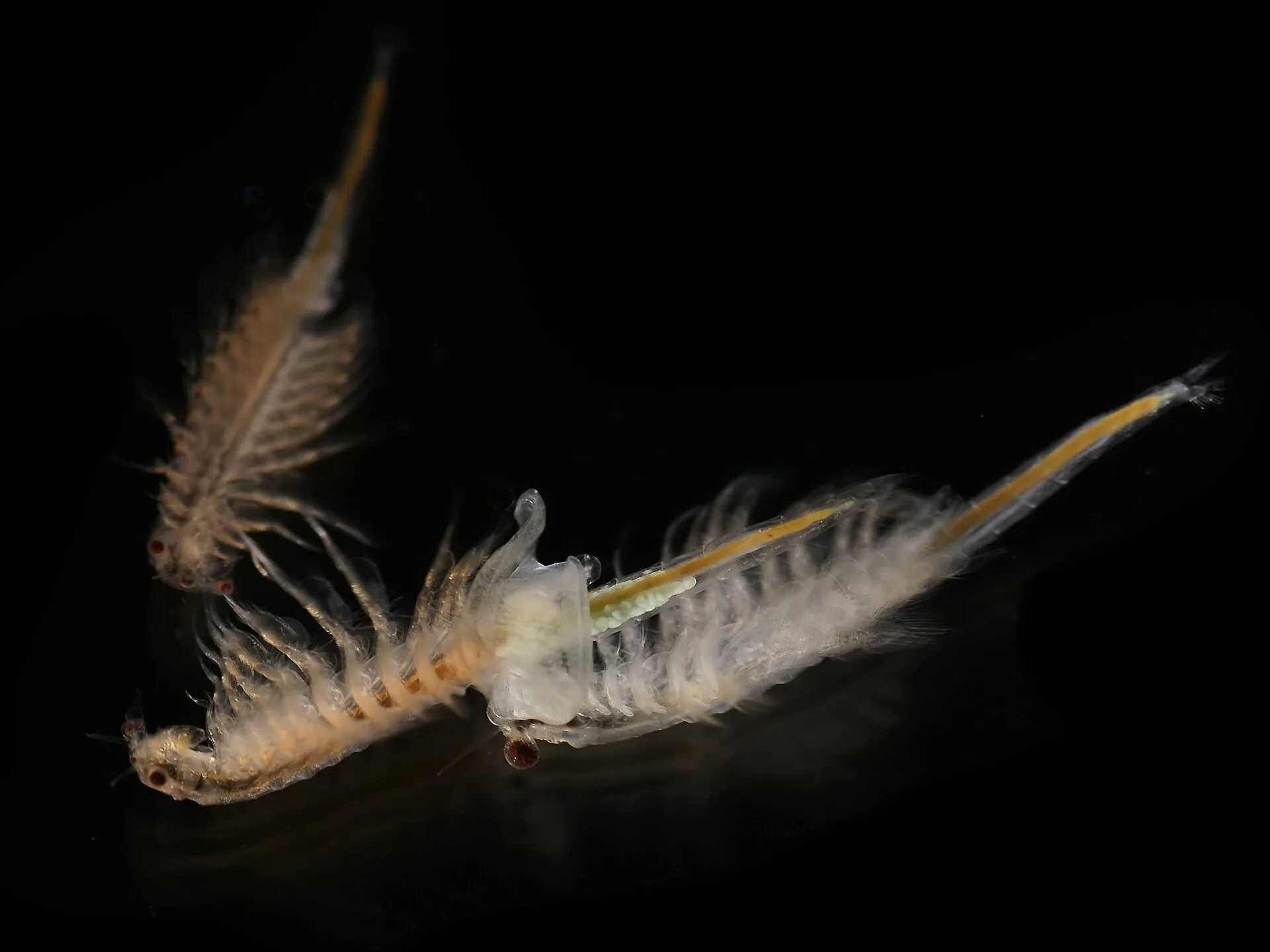
Baby Fish (Fry) First Foods: What to Feed Newborns
Newborn fry starve next to adult flakes. Success means matching food size to mouth size, feeding often, and keeping water pristine while they grow.
Mouth-Size Progression
- Day 1–3: Infusoria, vinegar eels, or commercial liquid fry food
- Next: Microworms / newly hatched baby brine shrimp
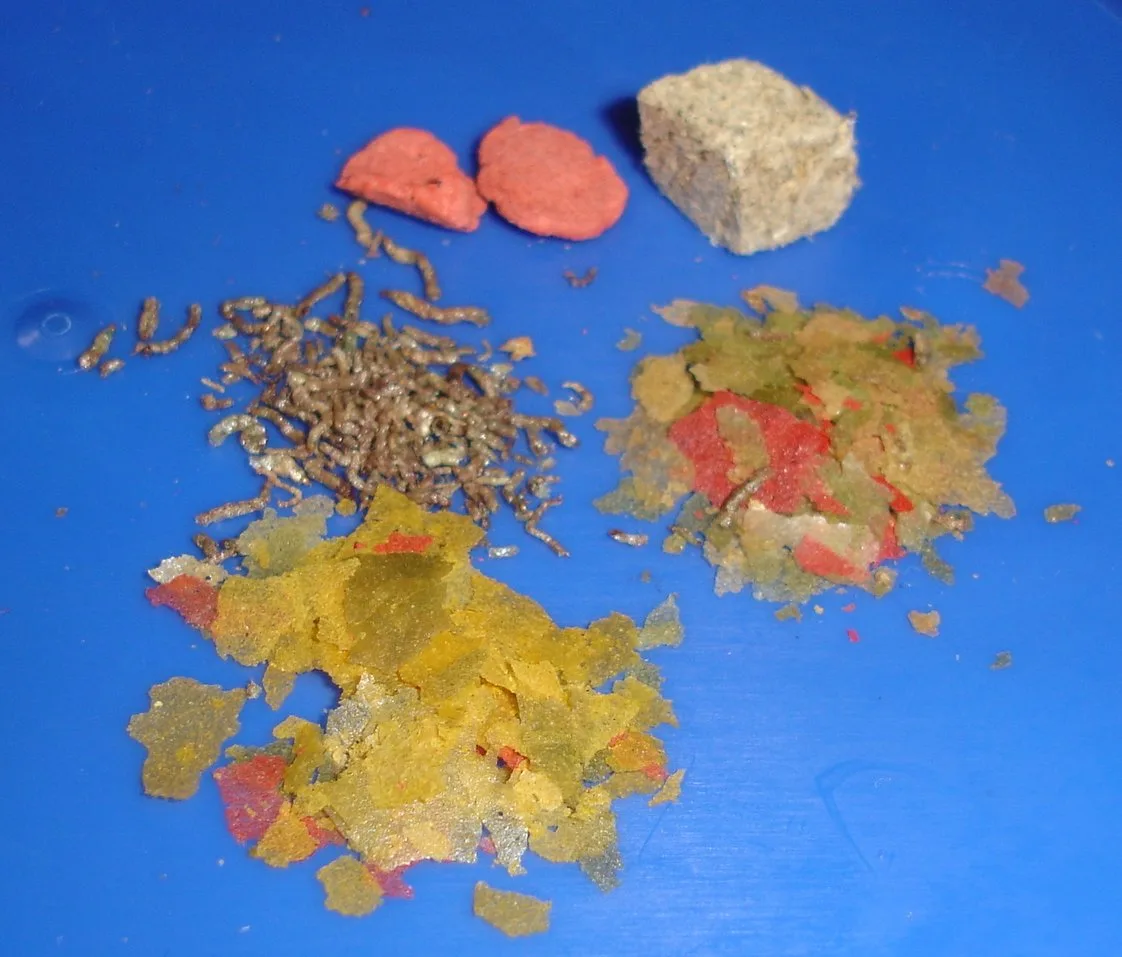
- Then: Crushed flakes, micro pellets, frozen baby brine
- Juveniles: Step up to normal community foods
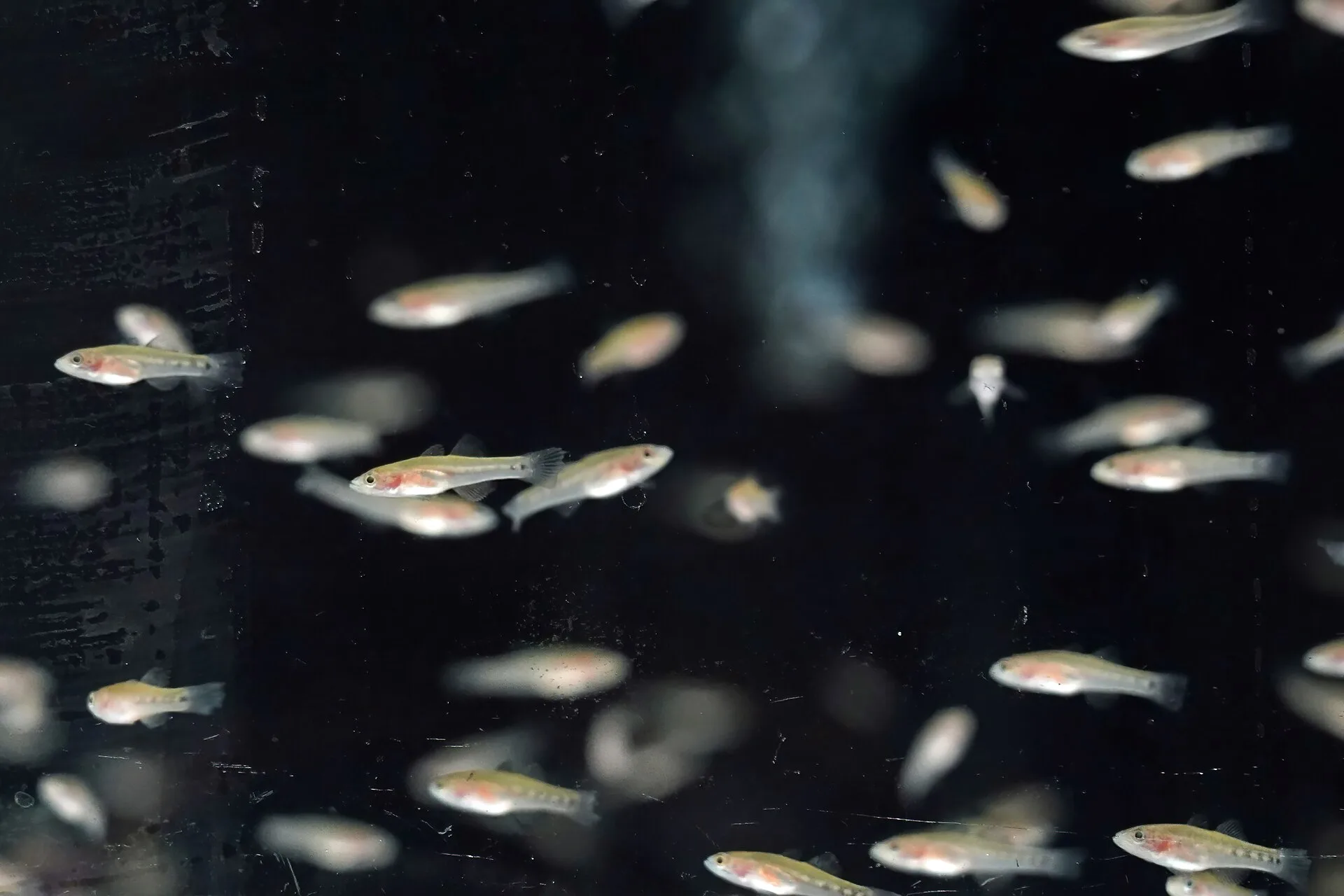
How Often to Feed Fry
Offer micro meals 3–5+ times daily. Tiny guts empty fast. Siphon uneaten dust so ammonia does not outpace their fragile biofilter.
Livebearer vs Egg-Scatterer Tips
Livebearers (guppies, mollies) often take powdered food quickly. Egg-scatterer fry may need infusoria longer. Research your species’ first-food window.

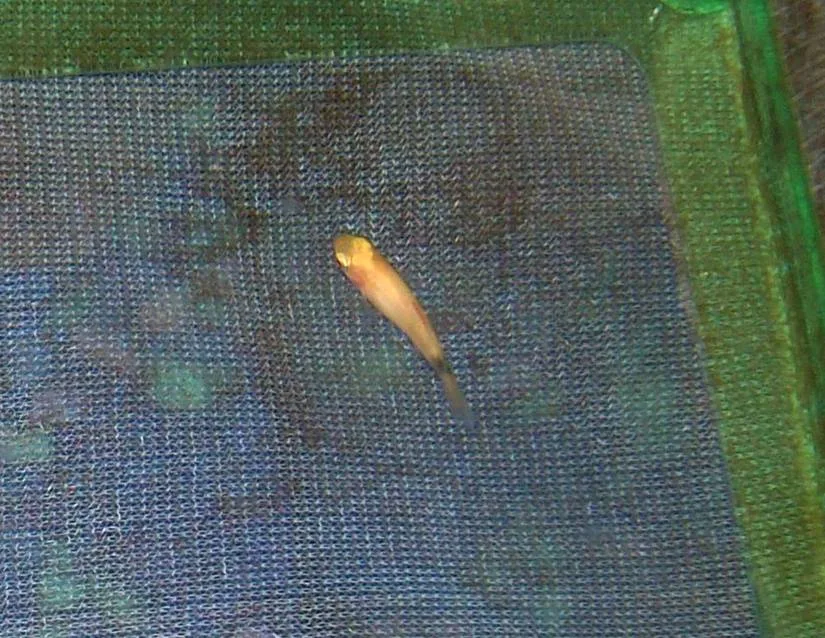
Water Quality While Raising
Daily micro water changes beat heavy feeding in dirty jars. Sponges filters and gentle flow prevent fry from becoming filter snacks.
Weaning Mistakes
- Jumping to adult pellets too early
- Feeding only one food type for weeks
- Leaving cloudy leftover powder overnight
Related Reading
Conclusion
Raise fry like a nursery, not a banquet hall: microscopic foods, frequent tiny meals, and obsessive water care until their mouths catch up to your favourite flakes.
In practice, Baby Fish decisions get easier when you watch appetite, water clarity, and filtration together rather than chasing one number. Keep notes for a week and adjust slowly — most Baby Fish problems improve when ammonia, nitrite, and schedule stay consistent. Browse more Feeding and Nutrition ideas in our Feeding and Nutrition library, or start from the full guides index if you want a broader path. Stable husbandry beats fancy gear: test before you dose, quarantine new arrivals, and match feeding to what the livestock actually eats.
Explore other topics
Dive into more aquarium guides across the site.