

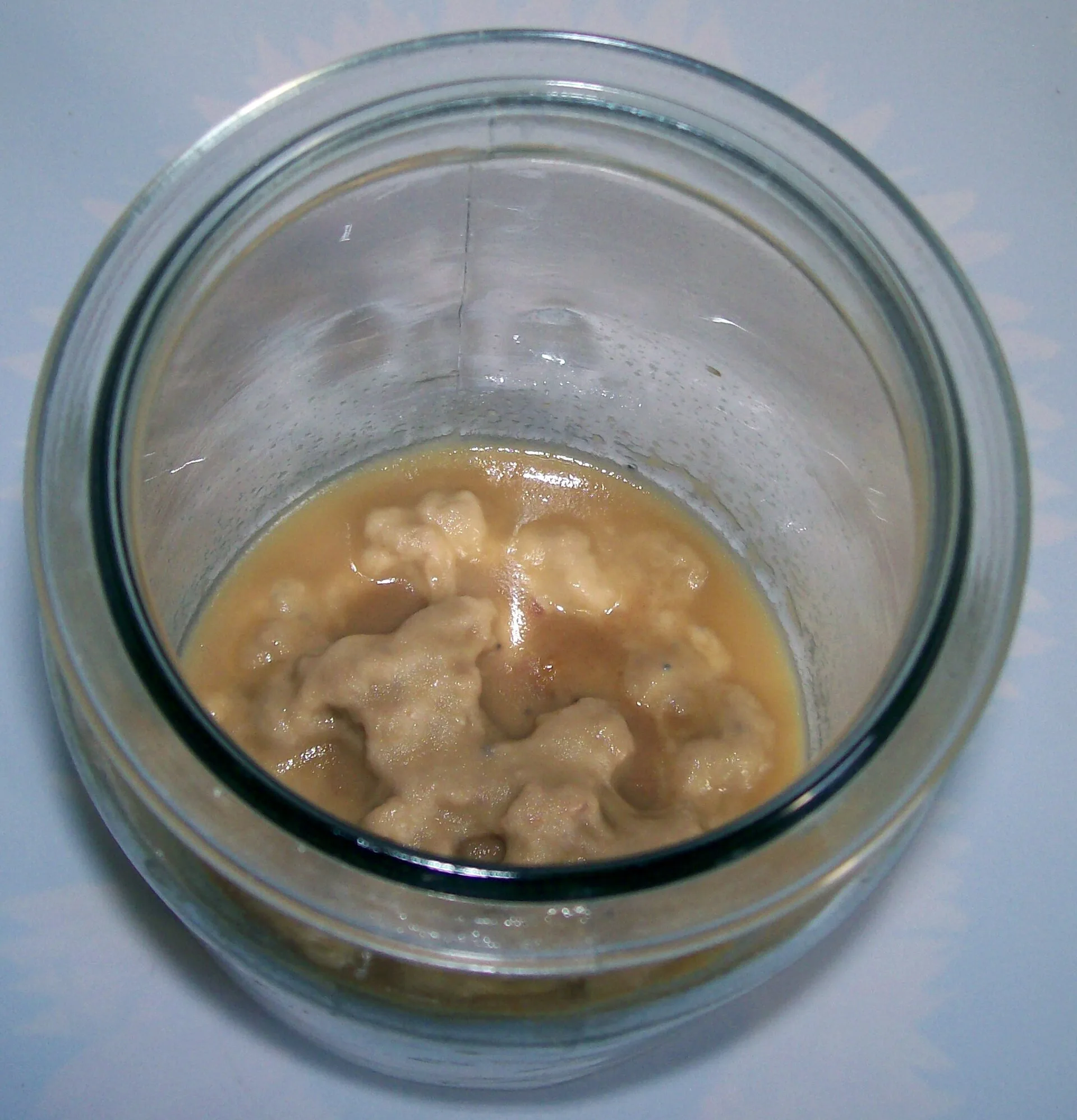
Microworms as Live Food
This guide covers microworms live food with practical steps for home aquariums. Microworms wriggle indefinitely in water, triggering feeding responses in fry — one of the easiest live foods to maintain on a kitchen counter.
For related reading, see natural ways to control aquarium algae, aquarium filtration, complete aquarium fish feeding guide and Culturing Infusoria for Fry.

Why Microworms Work
Microworms (Panagrellus redivivus) stay alive in water long enough for fry to hunt them. Their wiggle triggers predatory reflexes even in slow-feeding species.
They culture in plain plastic tubs on starchy substrate — no brine hatching or daily water changes required once established.
Culture Setup
Mix instant oatmeal or cornmeal with water to a paste in a shallow deli container. Smooth the surface and sprinkle active starter culture or a spoonful from an existing tub.
Poke small ventilation holes in the lid covered with fine mesh to block flies. Keep at 68–75°F. Within days a shiny film climbs container walls — that is your harvest zone.

Harvesting
Wipe worms off the sides with a finger or cotton swab and swish into fry water. Alternatively, scrape into a small cup of tank water and pipette into fry tanks.
Start new cultures every 3–4 weeks before old tubs smell sour or mold overtakes the surface.
Who Eats Microworms
Killifish, betta fry, gourami fry, small tetras, and pygmy corydoras all accept microworms. Adult nano fish enjoy them as treats.
They are too small for cichlid fry past the first week — plan the next size food before microworms run short.
Hygiene Tips
Mold spots are normal on aging cultures; restart if smell turns putrid. Wash hands after handling cultures.
Label tubs and keep them away from food prep areas if household members are squeamish — they are harmless nematodes, not parasites of humans.
Explore other topics
Dive into more aquarium guides across the site.