

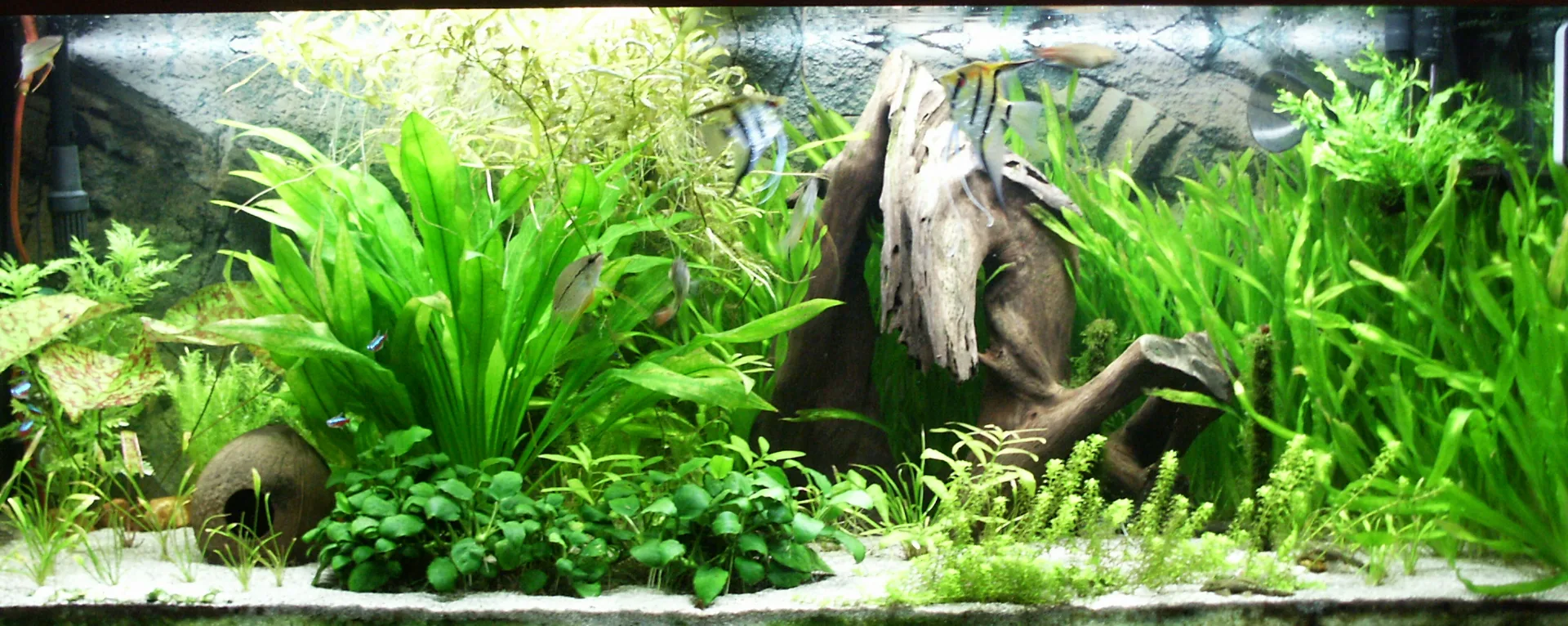
Vacation and Automatic Fish Feeder Guide
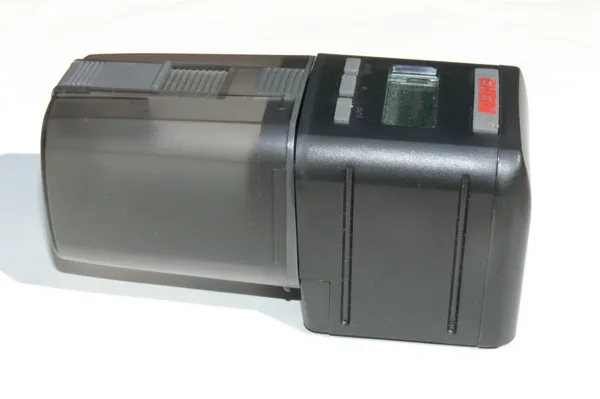
Going away? Most adult fish survive a 2–3 day fast better than a jammed feeder dumping a week of food. For longer trips, a tested automatic fish feeder or trusted sitter keeps the tank alive.
Weekend Trips
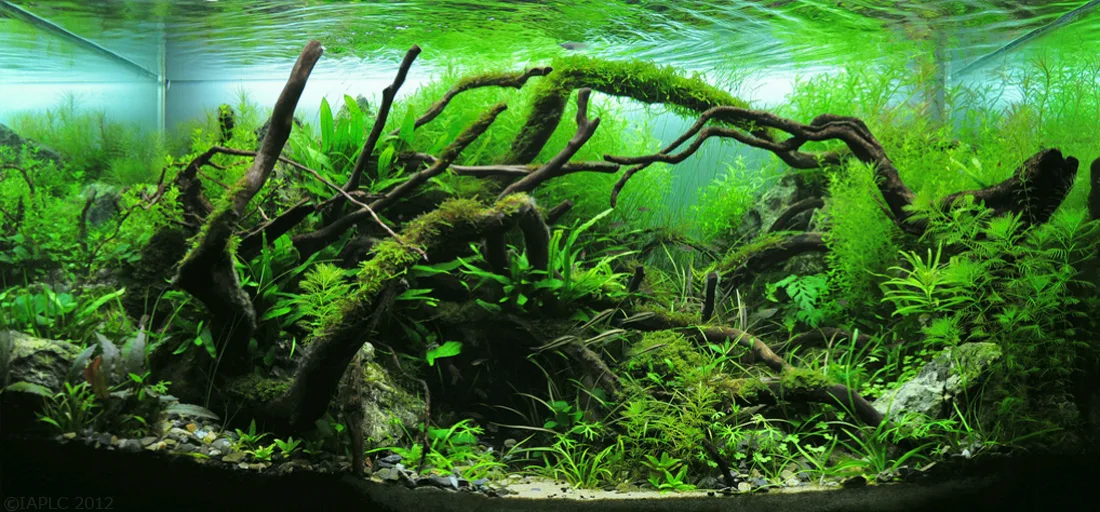
Do a water change, feed lightly the morning you leave, and skip gadgets. Healthy adults are fine for a couple of days without food.
Auto Feeder Setup
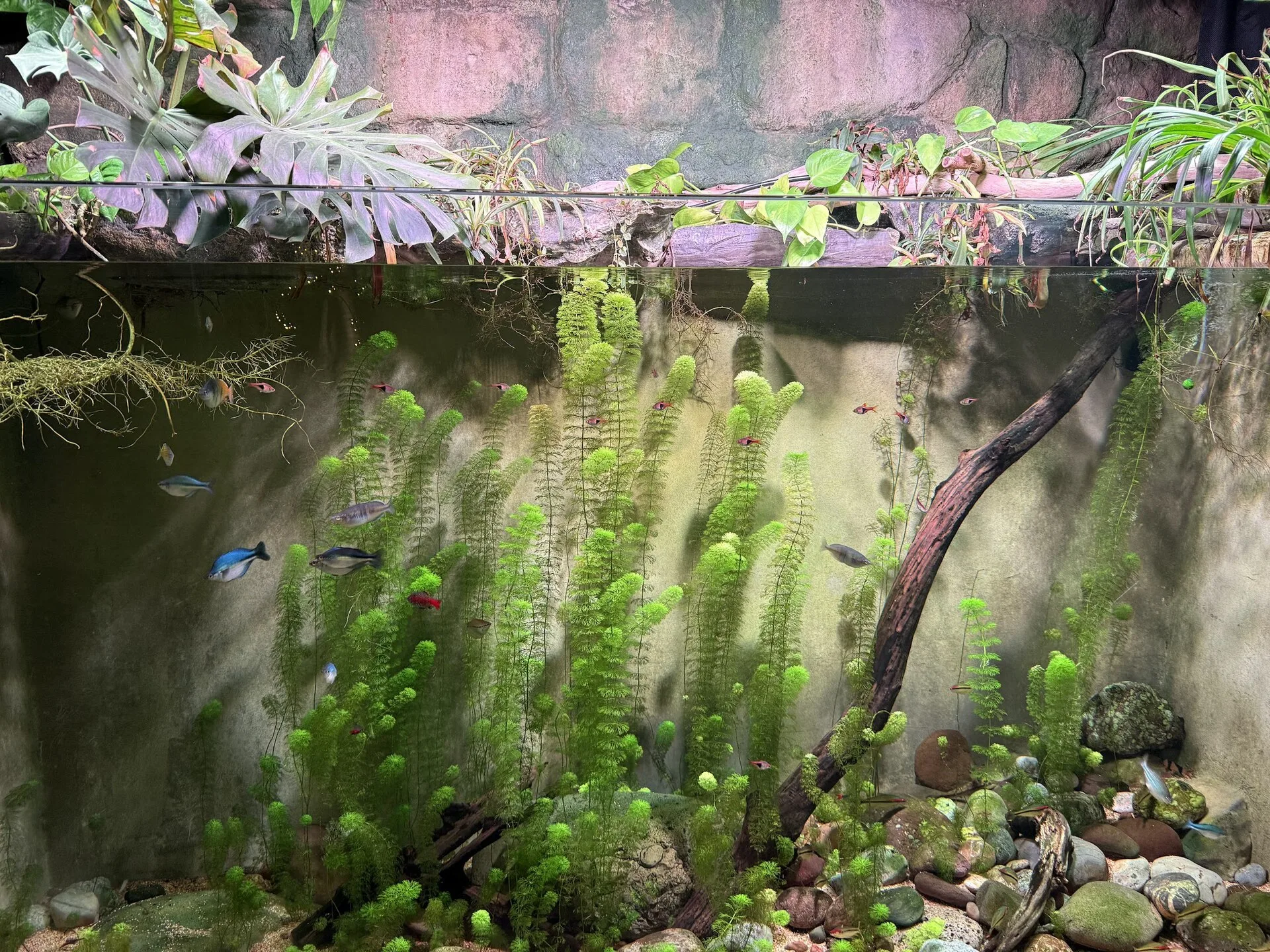
- Clean and dry the hopper; moisture clumps food.
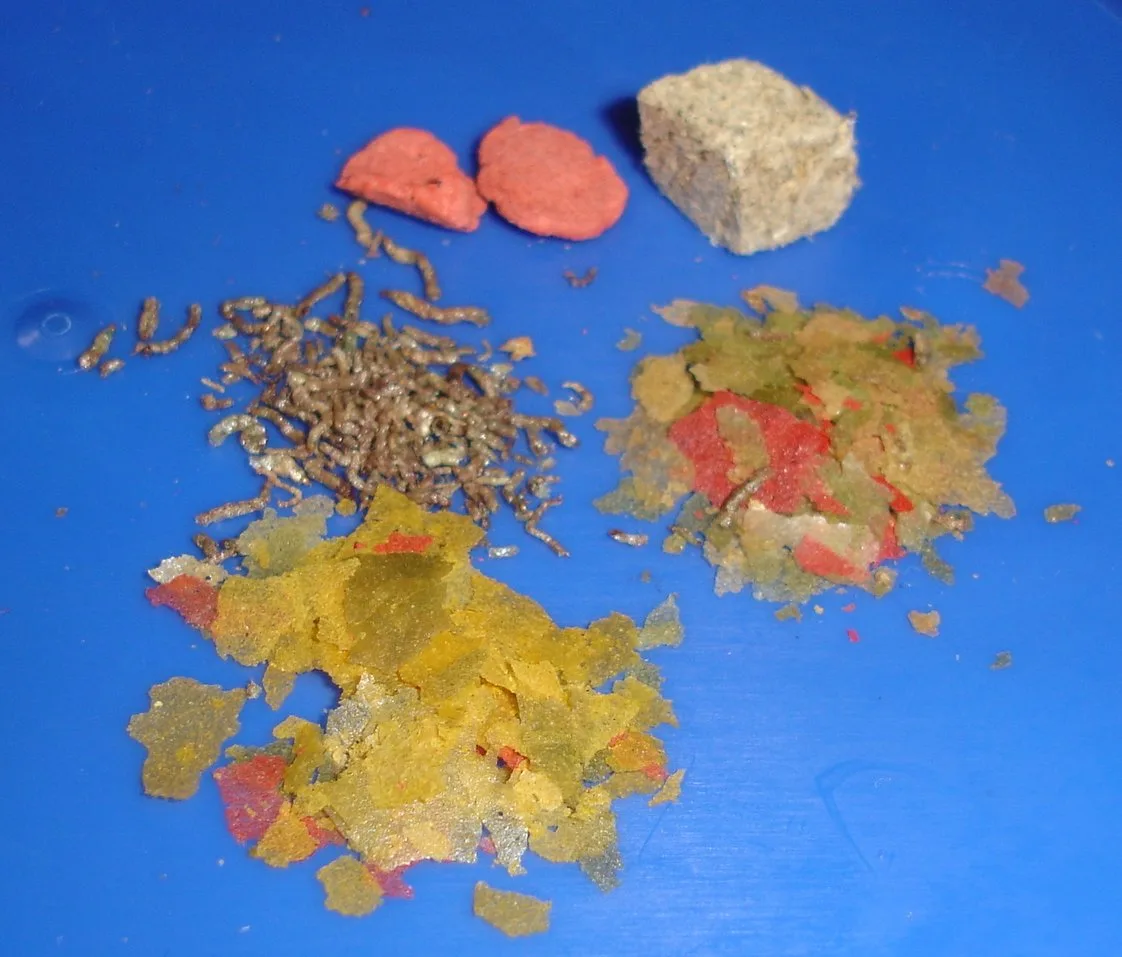
- Use pellets that won’t powder into dust as easily as fine flakes.
- Program conservative portions — less than you hand-feed.
- Run the feeder 3–4 days while you are home and watch leftovers.
Weekend Blocks and Gel Foods
Vacation “feeding blocks” often pollute more than they feed. Prefer metered feeders or a human sitter for sensitive shrimp/reef tanks.

Human Sitter Brief
- Write exact pinch sizes and schedule
- Say “when in doubt, skip a meal”
- Leave pre-portioned daily bags if needed
Pre-Trip Tank Prep
Siphon mulm, confirm the heater/filter, top off water, and test ammonia. An unstable tank fails harder when you are gone.
Related Reading
Conclusion
Short trips: fast and forget. Long trips: test the feeder hard at home, underdose on purpose, or hire a sitter who fears leftovers as much as you do.
In practice, Automatic Fish Feeder Guide decisions get easier when you watch appetite, water clarity, and filtration together rather than chasing one number. Keep notes for a week and adjust slowly — most Automatic Fish Feeder Guide problems improve when ammonia, nitrite, and schedule stay consistent. Browse more Feeding and Nutrition ideas in our Feeding and Nutrition library, or start from the full guides index if you want a broader path. Stable husbandry beats fancy gear: test before you dose, quarantine new arrivals, and match feeding to what the livestock actually eats.
Explore other topics
Dive into more aquarium guides across the site.