

Best Algae-Eating Fish — Honest Guide
This guide covers algae eating fish aquarium with practical steps for home aquariums. No fish solves algae alone — algae eaters supplement good husbandry; some 'algae' fish ignore algae entirely as adults.
For related reading, see peaceful community fish, Honey Gourami and Catfish Types for Home Aquariums.
Setting Expectations
Algae growth tracks light, nutrients, and CO2 balance. Clean-up crew controls mild film and diatoms; they won't fix 12-hour lighting on overstocked tanks.
Starved algae eaters eat slime coat on slow fish — feed supplemental vegetables always.
Freshwater Standouts
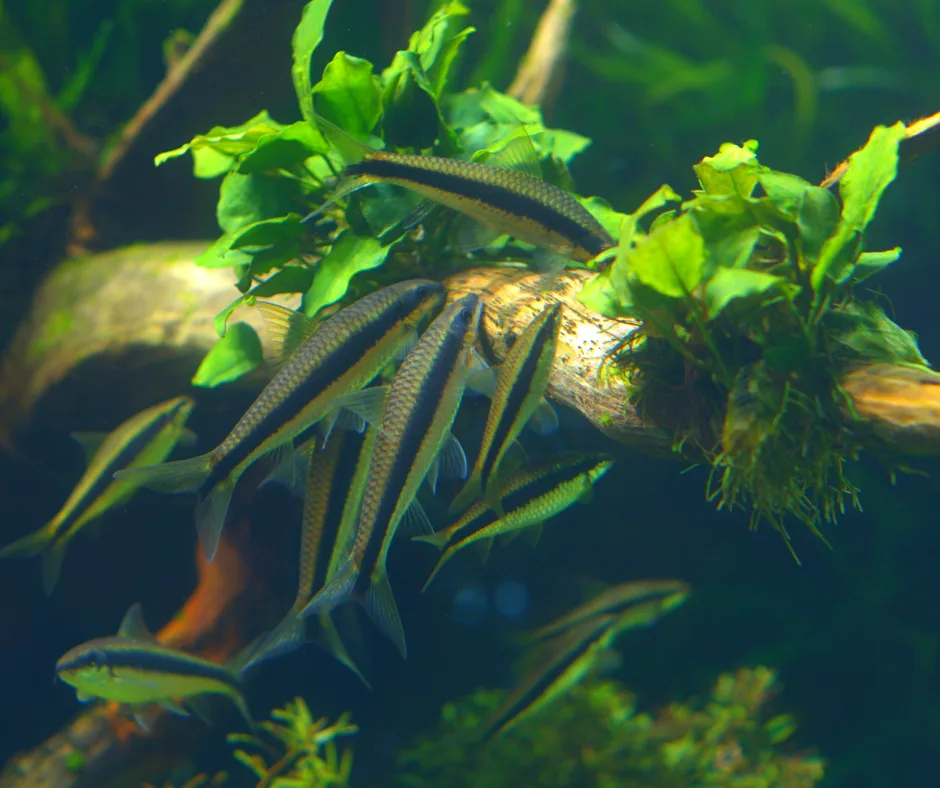
Otocinclus for soft diatoms on plants (fragile — quarantine). Bristlenose plecos for general grazing with manageable adult size. Siamese algae eaters eat hair algae when young — verify ID, not flying fox imposters.
Chinese algae eaters become aggressive as adults — poor long-term community choice.

Invertebrate Heroes
Amano shrimp excel at film algae; nerite snails polish glass. Combined with good flow and manual removal, they handle daily maintenance tasks.
Shrimp colonies need stable parameters and copper-free meds.
Marine Options
Tangs, rabbitfish, and certain blennies graze macroalgae — large tanks required for tangs. Clean-up crews of snails and hermits complement fish.
Research tang minimum tank sizes — impulse buys crash on bioload.
Building a Crew
Mix species covering glass, plants, and hardscape. Avoid multiple territorial plecos in small tanks.
Fix lighting duration and phosphate before adding fifteenth snail.
Explore other topics
Dive into more aquarium guides across the site.