

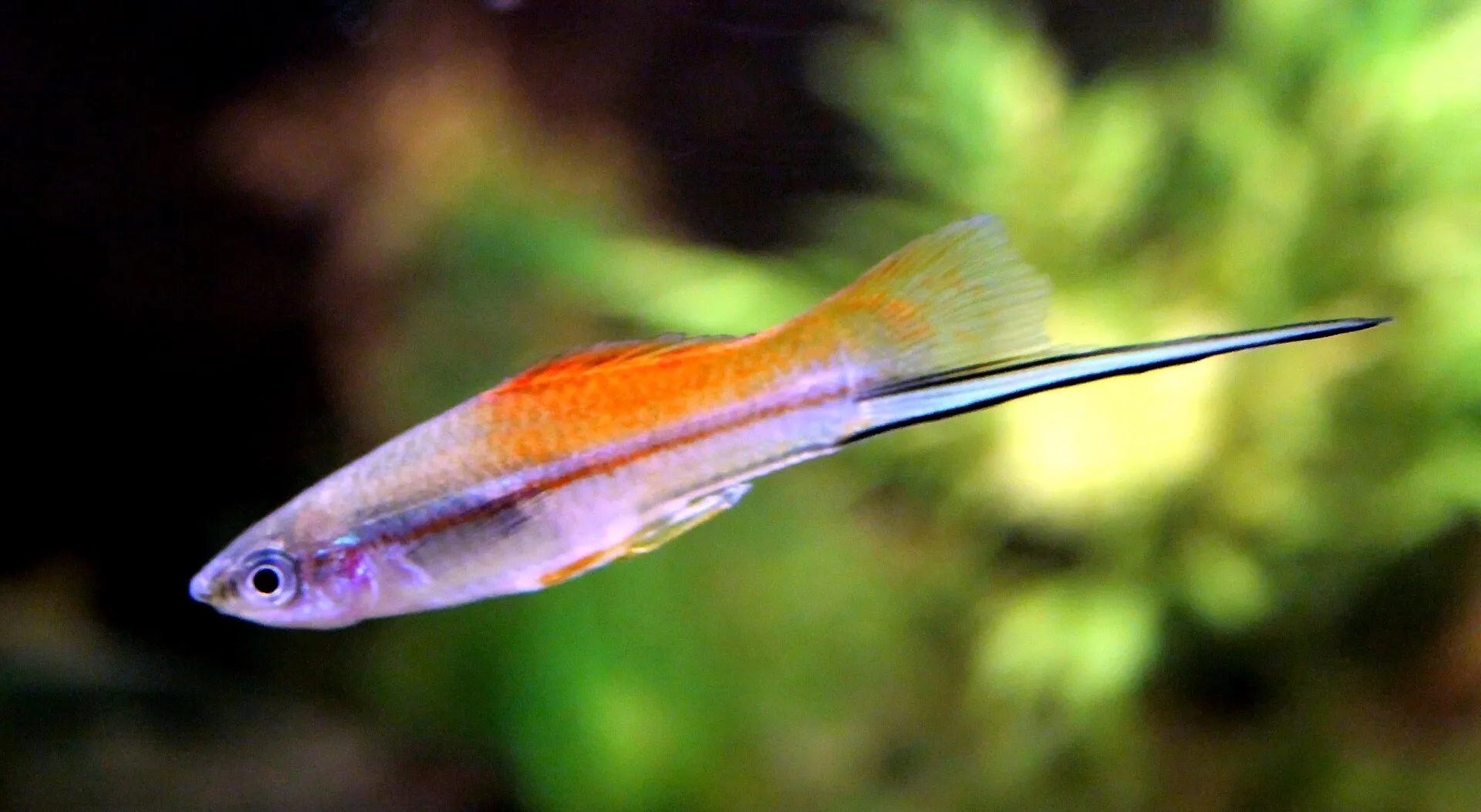
Livebearers Overview Guide
This guide covers livebearer fish guide with practical steps for home aquariums. Livebearers give birth to free-swimming fry — prolific, colourful, and perfect for learning fish breeding basics.
For related reading, see aquarium water chemistry and Goldfish.
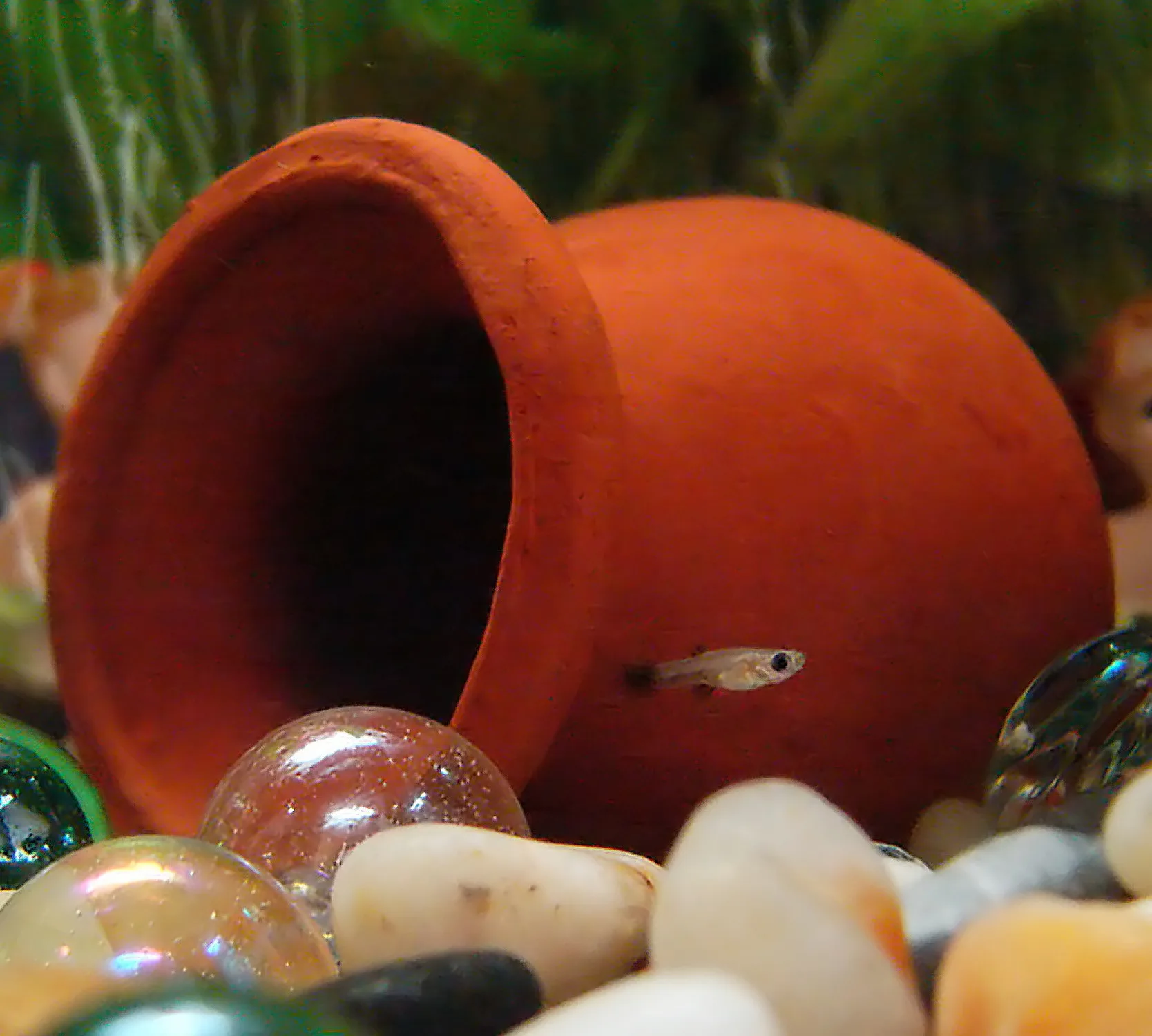
What Makes a Livebearer
Poeciliids and related families bear live young instead of laying eggs. Females store sperm and can produce multiple broods from one mating.
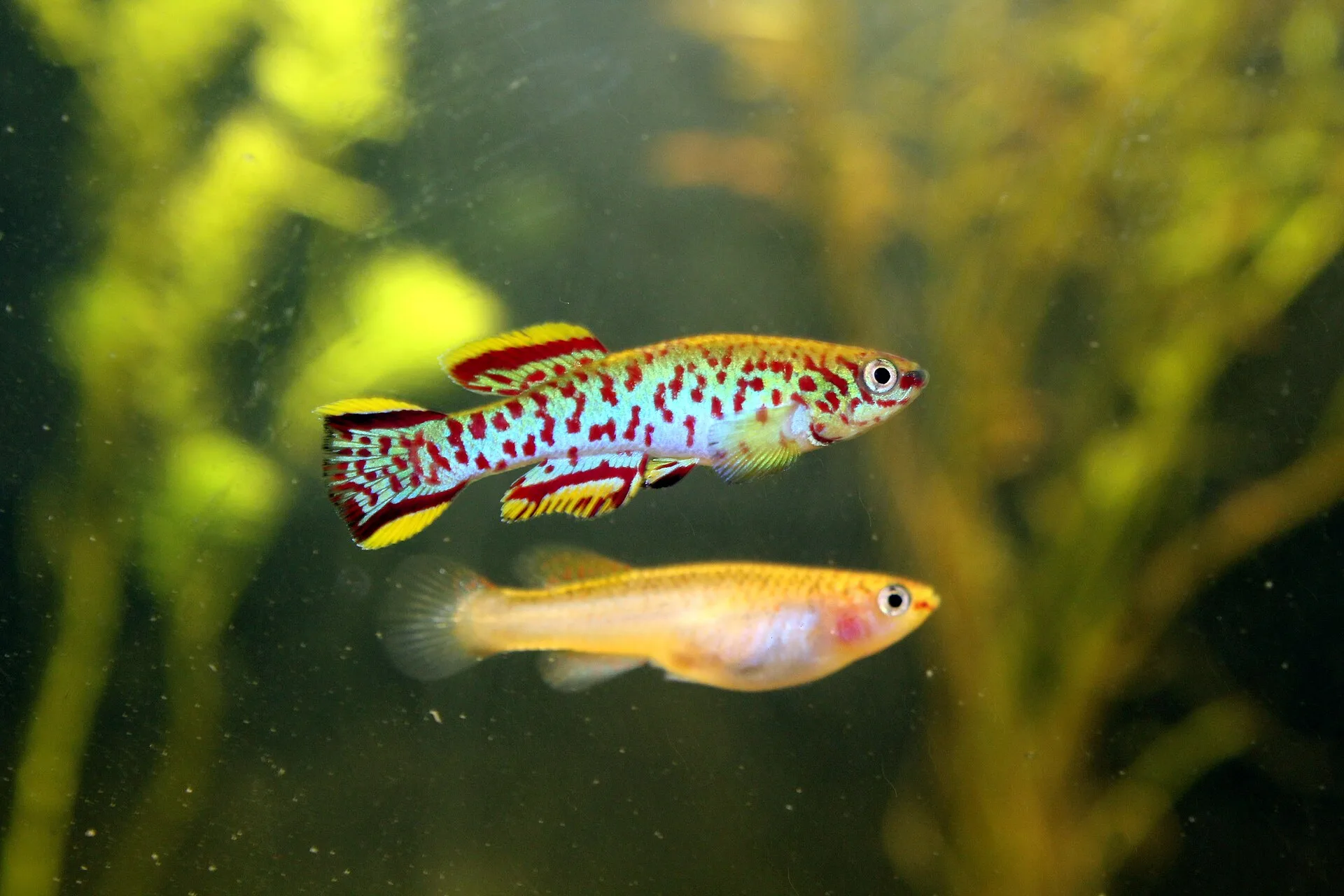
Popular species include guppies, endlers, platies, swordtails, mollies, and mosquito fish — hardness preferences vary.
Water and Hardness
Mollies often want hard, alkaline water with salt tolerance optional. Guppies and platies flex wider but thrive in stable 72–78°F community parameters.
Soft acidic tanks stress many livebearers long term — match remineralization to species.

Breeding Reality
If you keep mixed sexes, fry appear. Dense planting or separate grow-out tanks manage population. One male per 2–3 females reduces harassment.
Endlers hybridize with guppies — keep strains separate if purity matters.
Community Fit
Peaceful with tetras, Corydoras, and Honey Gouramis. Avoid fin nippers that harass flowing tails. Adult fish eat fry unless cover is thick.
Shrimp-safe if tank lacks relentless hunters — guppies nip occasional shrimplets.
Getting Started
Platy and endler groups in 15–20 gallons teach fundamentals cheaply. Feed varied omnivore diet; avoid inbred fancy strains with weak genetics if possible.
Quarantine new stock — livebearers ship stressed and ich-prone.
Explore other topics
Dive into more aquarium guides across the site.