

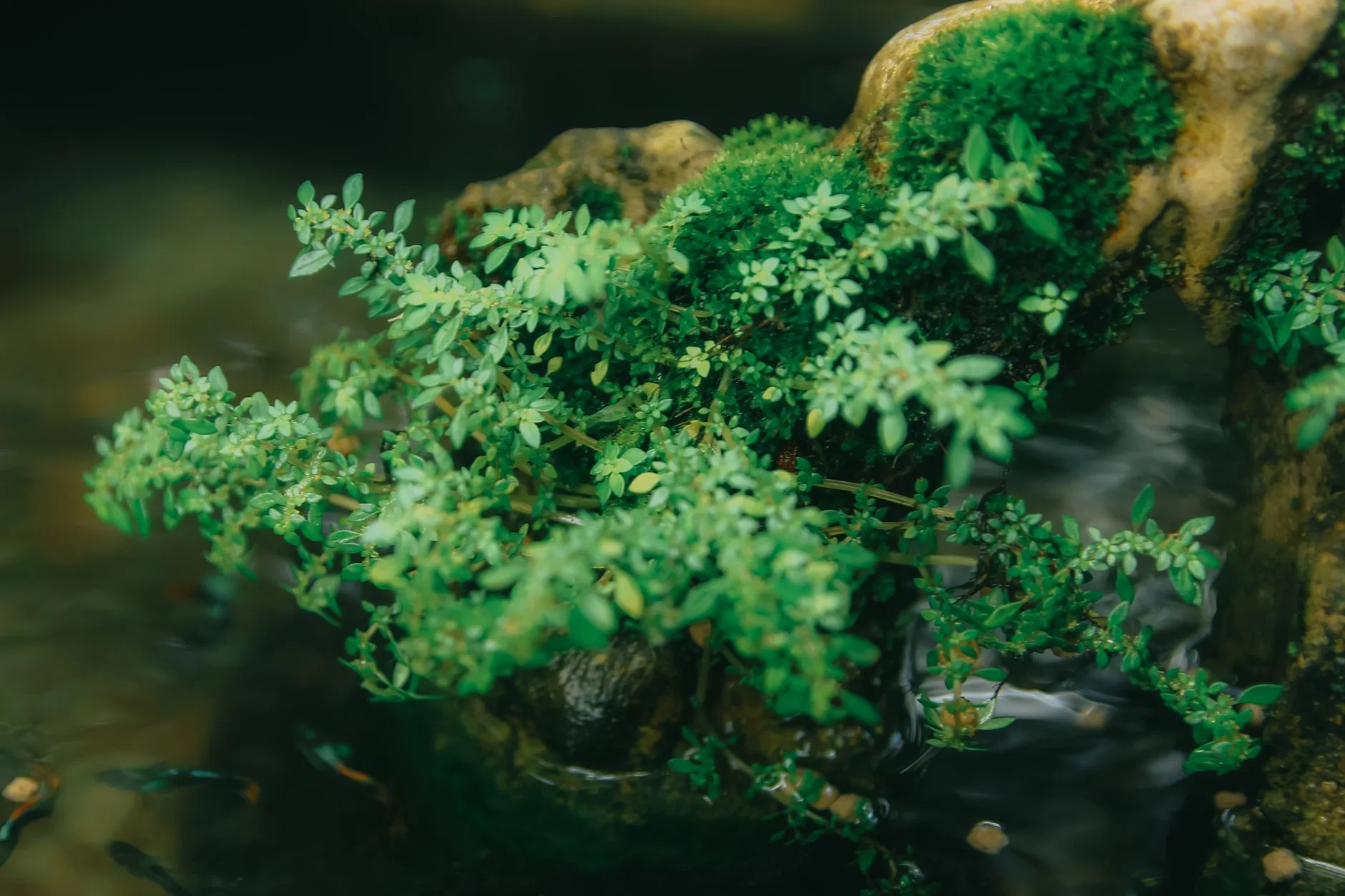
Un tapis sain de plantes vertes luxuriantes peut complètement transformer un aquarium d'eau douce. Que vous créiez un Aquarium Nature, un aquascape néerlandais, ou que vous souhaitiez simplement un premier plan d'apparence naturelle, les plantes de tapis ajoutent de la profondeur, de la texture et du réalisme que peu d'autres plantes d'aquarium peuvent égaler.
Cependant, les plantes de tapis ont également la réputation d'être difficiles. De nombreux aquariophiles achètent de petits pots de belles plantes de premier plan pour les voir fondre en quelques semaines. La vérité est que toutes les plantes de tapis ne conviennent pas à tous les aquariums. Certaines espèces nécessitent un éclairage intense, du CO2 injecté, des substrats riches en nutriments et une fertilisation régulière, tandis que d'autres poussent étonnamment bien dans des configurations simples à faible technologie.
Choisir la bonne plante de tapis pour votre aquarium est bien plus important que d'acheter la plus attrayante. Dans ce guide, nous examinerons quelles espèces réussissent réellement dans de véritables aquariums domestiques, comment établir un tapis sain et l'entretien nécessaire pour le garder à son meilleur.
Avant de planter, il vaut la peine de lire nos guides sur le choix du meilleur substrat pour aquarium, la mise en place d'un aquarium planté à faible technologie pour débutants, et les systèmes de filtration pour aquariums, car ces trois éléments jouent un rôle important dans la croissance réussie des plantes.
Qu'est-ce que les Plantes de Tapis ?
Les plantes de tapis sont des plantes aquatiques à faible croissance qui s'étendent sur le substrat pour créer un premier plan dense. Au lieu de croître vers le haut comme les plantes à tige, elles produisent des coureurs ou des tiges rampantes qui couvrent progressivement le fond de l'aquarium.
Un tapis mature adoucit le hardscape, cache le substrat exposé et crée une transition naturelle entre les rochers, le bois flotté et les plantes de fond plus hautes. Il fournit également un abri pour les crevettes, les alevins et les poissons de fond tout en aidant à absorber les nutriments excédentaires de l'eau.
Choisissez une Plante qui Correspond à Votre Équipement
Une des plus grandes erreurs que font les débutants est d'essayer de cultiver des plantes de tapis exigeantes dans des aquariums à faible technologie. Bien qu'il soit tentant de recréer des aquascapes professionnels vus en ligne, beaucoup de ces présentations reposent sur un éclairage coûteux, du CO2 injecté, une fertilisation quotidienne et un entretien méticuleux.
Si votre aquarium utilise un éclairage LED standard et pas de CO2, vous aurez beaucoup plus de succès avec des espèces tolérantes comme Monte Carlo, Dwarf Sagittaria, des espèces de Marsilea, ou de la mousse de Java attachée à un filet. Ces plantes poussent régulièrement dans des conditions modérées et sont beaucoup plus faciles à entretenir.
Les espèces plus exigeantes, y compris Glossostigma elatinoides et Hemianthus callitrichoides (HC Cuba), nécessitent des niveaux de lumière beaucoup plus élevés et une injection de CO2 constante pour rester compactes. Sans ces conditions, elles poussent souvent vers le haut au lieu de s'étendre ou commencent à fondre.
Achetez toujours la plante qui convient à votre aquarium plutôt que celle qui a l'air la meilleure dans les aquascapes de compétition professionnels.
L'Éclairage Fait une Grande Différence
L'éclairage est l'un des facteurs les plus importants affectant les plantes de tapis. Une faible lumière entraîne généralement une croissance plus lente, un espacement plus large entre les feuilles et des tapis plus faibles. Un éclairage modéré est suffisant pour de nombreuses espèces adaptées aux débutants, tandis qu'une forte lumière est généralement requise pour les plus petites plantes de tapis.
La plupart des aquariums plantés bénéficient d'un éclairage d'environ 7 à 8 heures par jour. Des photopériodes plus longues n'améliorent que rarement la croissance des plantes mais encouragent souvent les algues si les nutriments et le CO2 ne sont pas équilibrés.
Si vous améliorez votre éclairage, évitez de faire des changements dramatiques du jour au lendemain. Augmenter progressivement l'intensité permet aux plantes et à l'écosystème de l'aquarium de s'adapter.
Commencez par une Plantation Dense
Une des façons les plus simples d'obtenir un tapis sain est de planter abondamment dès le début. Au lieu de placer des tiges individuelles à plusieurs centimètres de distance, divisez les gobelets de culture tissulaire ou les pots en dizaines de petites portions et plantez-les étroitement ensemble.
Cette approche permet aux plantes de se répandre beaucoup plus rapidement tout en réduisant la quantité de substrat exposé où les algues indésirables peuvent s'établir.
De nombreux aquascapers expérimentés utilisent également la méthode du démarrage à sec, où les plantes de tapis sont cultivées sur un substrat humide avant que l'aquarium ne soit rempli d'eau. Cela encourage une croissance racinaire extensive et produit souvent un tapis beaucoup plus épais après l'inondation.
L'Importance des Nutriments
Même les plantes de tapis peu exigeantes nécessitent un accès aux nutriments. Les espèces nourrissant les racines bénéficient grandement d'aquasoil riche en nutriments ou de pastilles pour racines, tandis que les nourrisseurs de colonne d'eau réagissent bien aux fertilisants liquides réguliers.
Le fer et le potassium sont particulièrement importants pour maintenir une croissance verte saine, tandis que l'azote et le phosphore soutiennent un développement régulier. Une routine de fertilisation équilibrée produit généralement de bien meilleurs résultats que l'ajout de fortes doses d'un seul nutriment.
Des plantes saines sont également l'une des meilleures défenses naturelles contre les algues, car une croissance vigoureuse consomme les nutriments excédentaires avant que les algues ne puissent en tirer parti.
Maintenir Votre Tapis à Son Meilleur
Une fois établies, les plantes de tapis nécessitent un entretien régulier pour rester attrayantes. À mesure que le tapis devient plus épais, la couche supérieure peut commencer à ombrager la croissance plus ancienne en dessous. Si cela n'est pas contrôlé, cette couche inférieure peut mourir, provoquant le soulèvement de sections du tapis du substrat.
Une taille régulière encourage une nouvelle croissance horizontale et garde le tapis dense. Pensez-y comme à tondre une pelouse : une taille occasionnelle produit un résultat beaucoup plus sain au fil du temps.
Lors des changements d'eau, retirez délicatement les débris piégés à l'aide d'un aspirateur à gravier ou d'une poire à dinde. Les déchets organiques piégés dans des tapis denses peuvent réduire la circulation de l'eau, encourager les algues et finalement endommager les plantes.
Problèmes Courants
Si vos plantes de tapis ne prospèrent pas, c'est généralement parce qu'une ou plusieurs exigences de base ne sont pas satisfaites.
Un éclairage médiocre provoque souvent l'étirement des plantes vers le haut au lieu de s'étendre. Des nutriments insuffisants entraînent des feuilles pâles et une croissance lente, tandis que des niveaux de CO2 instables peuvent provoquer la fonte chez les espèces exigeantes.
Les algues sont un autre problème courant, en particulier pendant les premières semaines après la plantation. Garder l'aquarium propre, éviter un éclairage excessif, maintenir des changements d'eau réguliers et planter densément dès le départ aident tous à minimiser les épidémies d'algues.
Si vous avez essayé sans succès la même plante de tapis plusieurs fois, envisagez de changer d'espèce plutôt que de continuer à améliorer l'équipement. Une plante qui convient naturellement à votre aquarium surpassera presque toujours celle qui lutte contre les conditions.
Quelle Plante de Tapis est la Meilleure ?
Pour la plupart des aquariophiles, Monte Carlo offre le meilleur équilibre entre apparence et facilité d'entretien. Elle produit un tapis attrayant sans nécessiter un éclairage extrême ou des systèmes de CO2 parfaitement réglés.
Dwarf Sagittaria est un autre excellent choix pour les débutants, en particulier dans les aquariums plus grands où un premier plan légèrement plus haut a l'air plus naturel. Les mousses aquatiques peuvent également être utilisées de manière créative pour créer des effets semblables à des tapis tout en nécessitant très peu d'entretien.
Si vous exploitez un aquarium planté à haute technologie entièrement équipé, Glossostigma et HC Cuba peuvent produire des tapis spectaculaires, mais seulement lorsqu'ils sont fournis avec un éclairage fort, du CO2 injecté et une fertilisation constante.
Pensées Finales
Une belle plante de tapis peut devenir la pièce maîtresse d'un aquarium d'eau douce, mais le succès dépend du choix de la bonne espèce pour votre configuration. Plutôt que de sélectionner la plante la plus exigeante disponible, faites correspondre votre choix à votre éclairage, votre substrat, votre routine de fertilisation et si vous avez l'intention d'utiliser du CO2.
Avec des techniques de plantation appropriées, un entretien régulier et un peu de patience, même les débutants peuvent faire pousser un impressionnant tapis vert qui améliore l'ensemble de l'aquascape. Commencez avec des attentes réalistes, concentrez-vous sur une croissance saine plutôt que sur des résultats instantanés, et vous apprécierez un premier plan qui continue à s'améliorer au fil des ans.
Explore other topics
Dive into more aquarium guides across the site.