
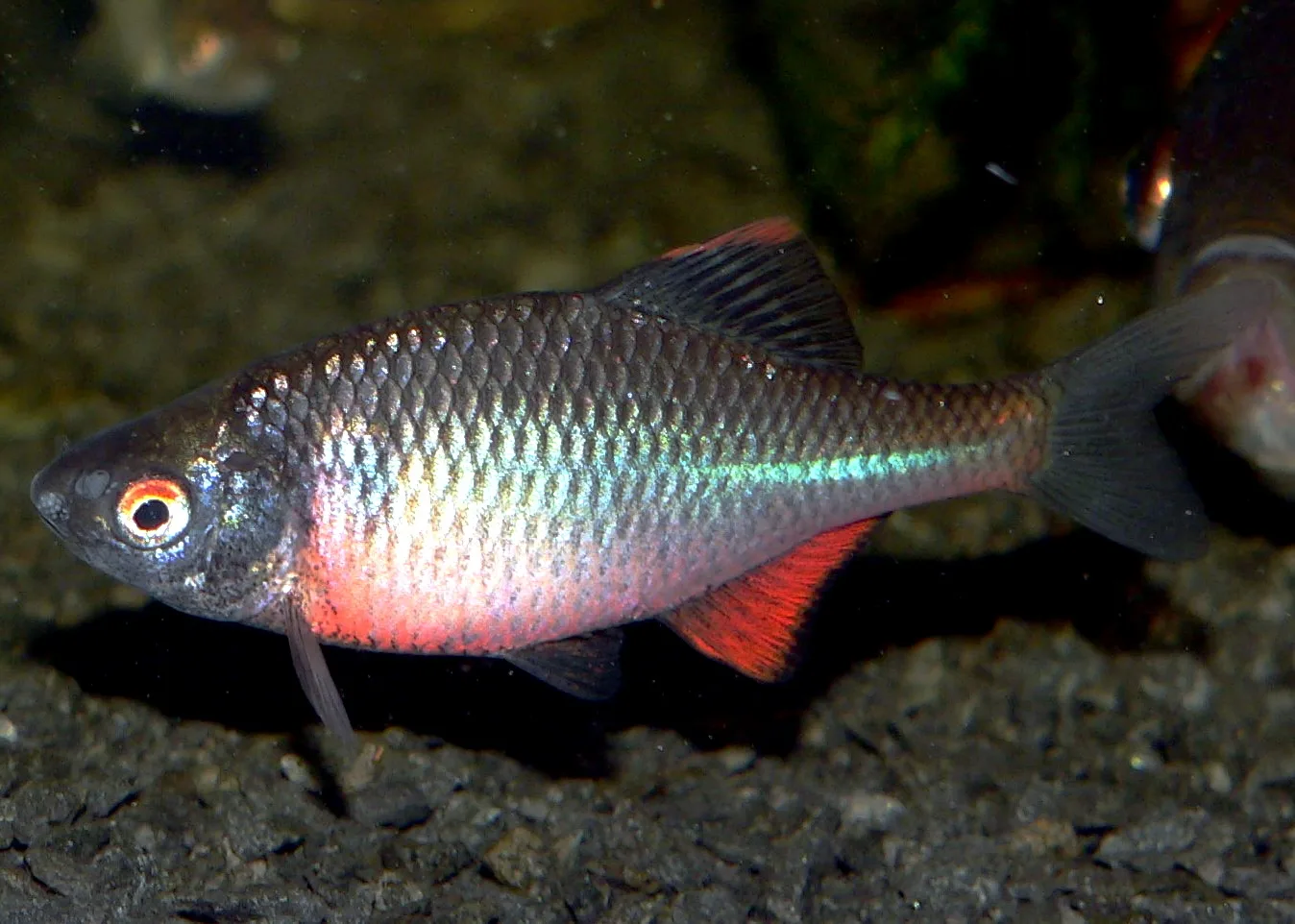
European Bitterling (Rhodeus amarus)
A practical care guide to keeping European Bitterling (Rhodeus amarus) healthy in the home aquarium.
Read more →
This Guides hub on Fishy Friends gathers practical aquarium guides guidance for keepers who want clear answers before they change water, livestock, or gear.
Use these articles to match species to tank size, plan filtration and feeding, and troubleshoot water chemistry without guessing. Each guide is written for home aquariums and links to related reading when you need more depth on aquarium guides.
Start with the basics — stable parameters, quarantine habits, and a feeding schedule that matches the livestock — then browse the profiles and how-tos below. When you are ready to branch out, jump into neighbouring topics so your aquarium guides plan stays consistent across the whole tank.
Whether you are stocking a first community tank or refining an established scape, bookmark this page and return as questions come up. Healthy aquariums are built from small, repeatable routines more than one-time upgrades, and aquarium guides success follows the same pattern.
Explore next: Fishy Friends home, freshwater fish, saltwater fish, live plants.
Fishy Friends publishes species care sheets, plant and invertebrate notes, aquascaping ideas, and water-care explainers so aquarium guides advice stays easy to find. Read one guide thoroughly, apply it slowly, and use the linked hubs above when you want a second angle on the same problem.
Before you buy livestock or rethink filtration, skim two or three aquarium guides articles here and write down target numbers for temperature, hardness, and feeding. That short checklist prevents the most common resets and keeps your aquarium closer to the calm, healthy display you are aiming for.
Come back after water changes or new additions: compare what you see in the tank with the aquarium guides checklists below, then follow one recommended next step instead of changing everything at once. Steady improvements compound, and Fishy Friends is built to support that pace.
A practical care guide to keeping European Bitterling (Rhodeus amarus) healthy in the home aquarium.
Read more →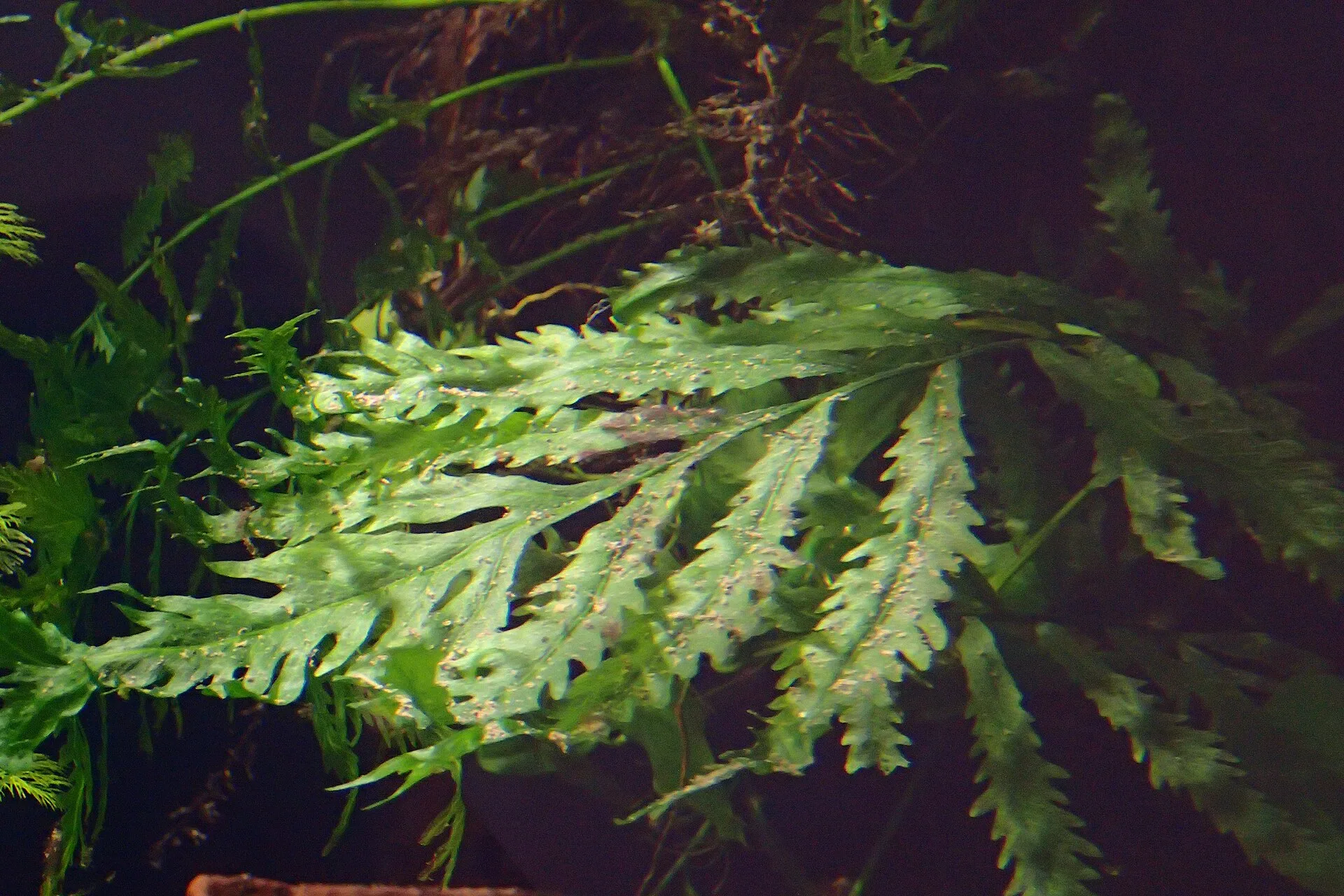
A dark green lace-leaved fern for wood and stone — slower than stem plants, dramatic when attached in gentle current.
Read more →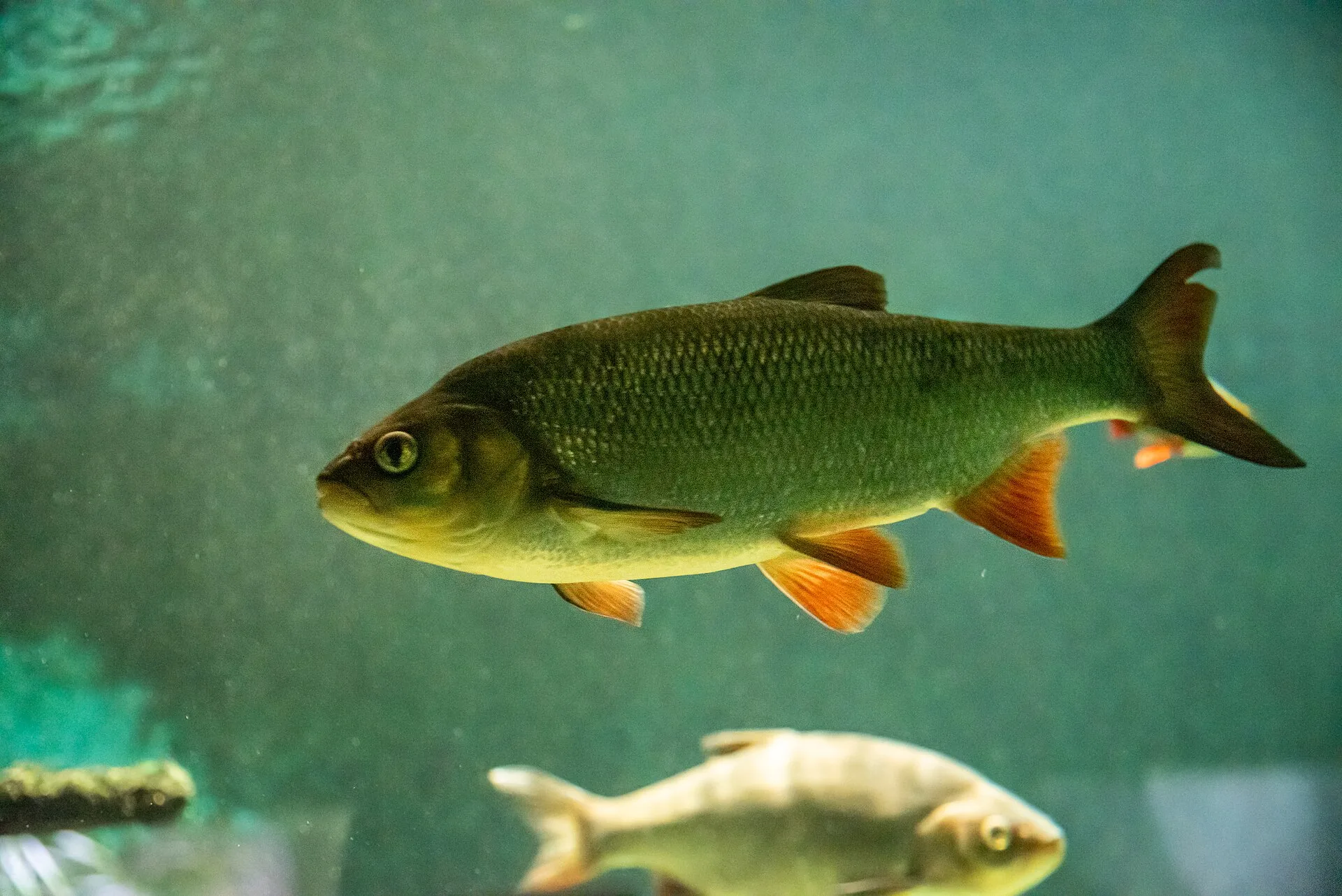
A practical care guide to keeping Golden Orfe (Leuciscus idus) healthy in the home aquarium.
Read more →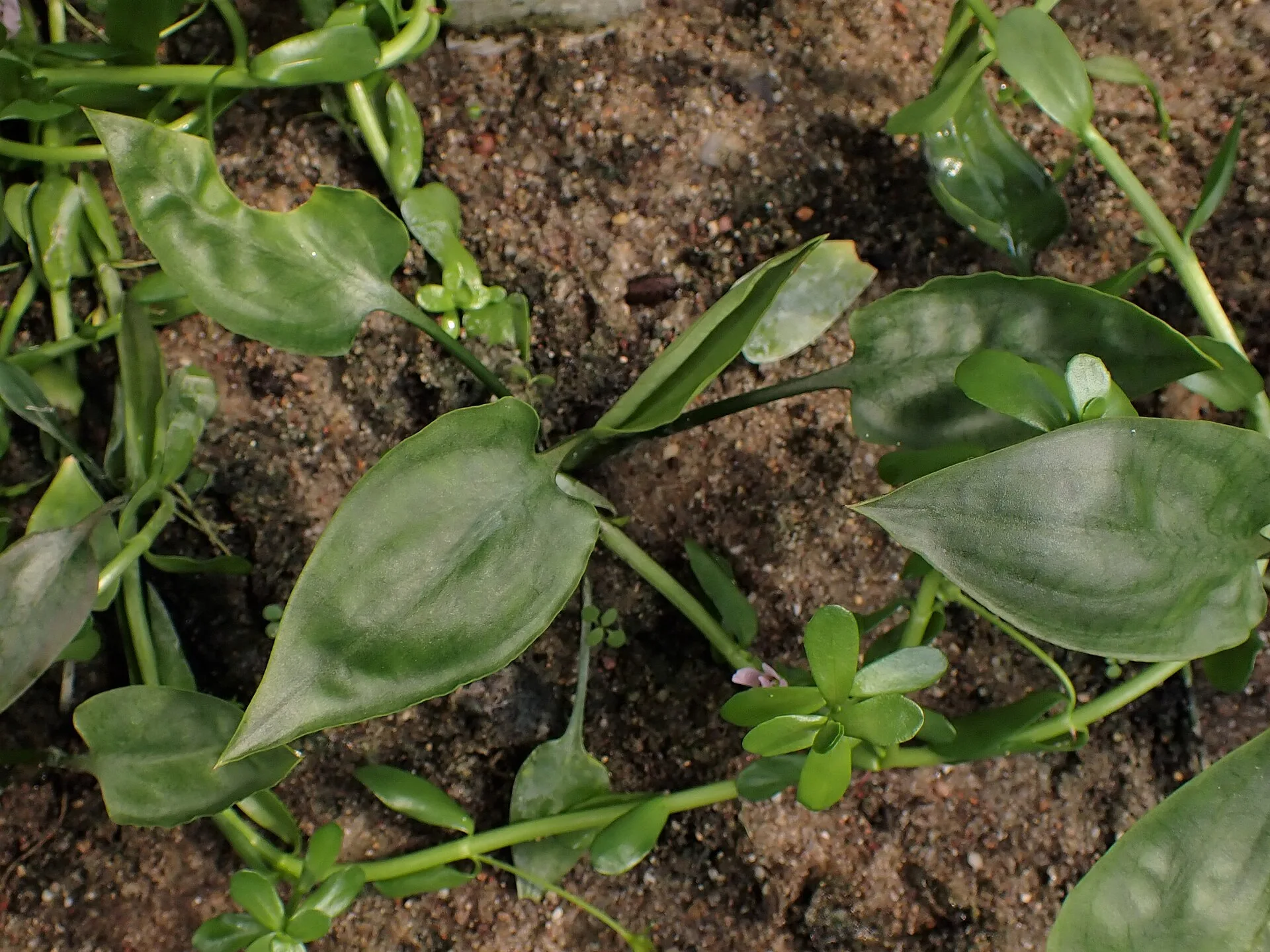
A robust Crypt midground plant with broad green leaves — settles into durable stands once past transplant melt.
Read more →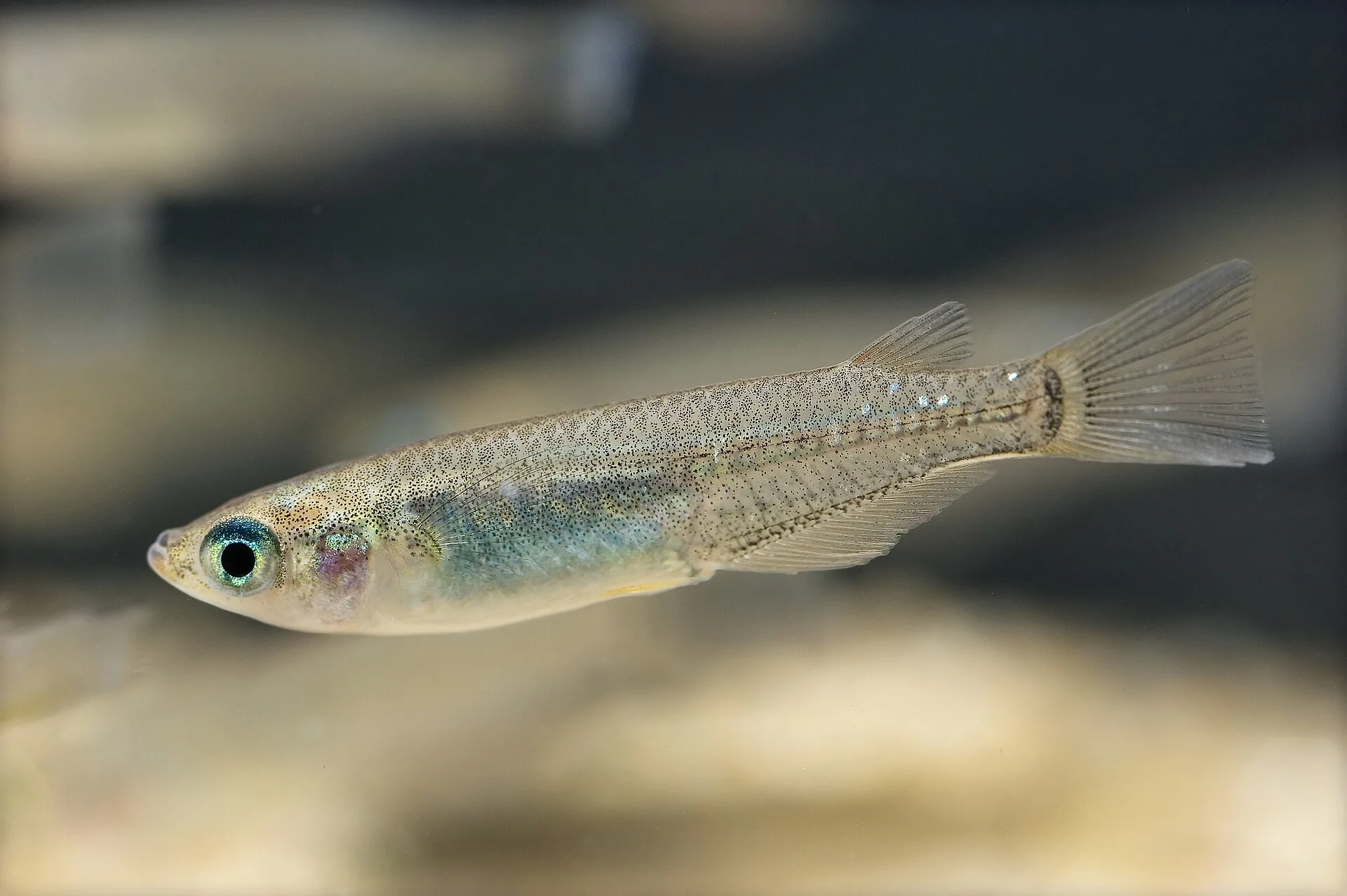
A practical care guide to keeping Medaka (Oryzias latipes) healthy in the home aquarium.
Read more →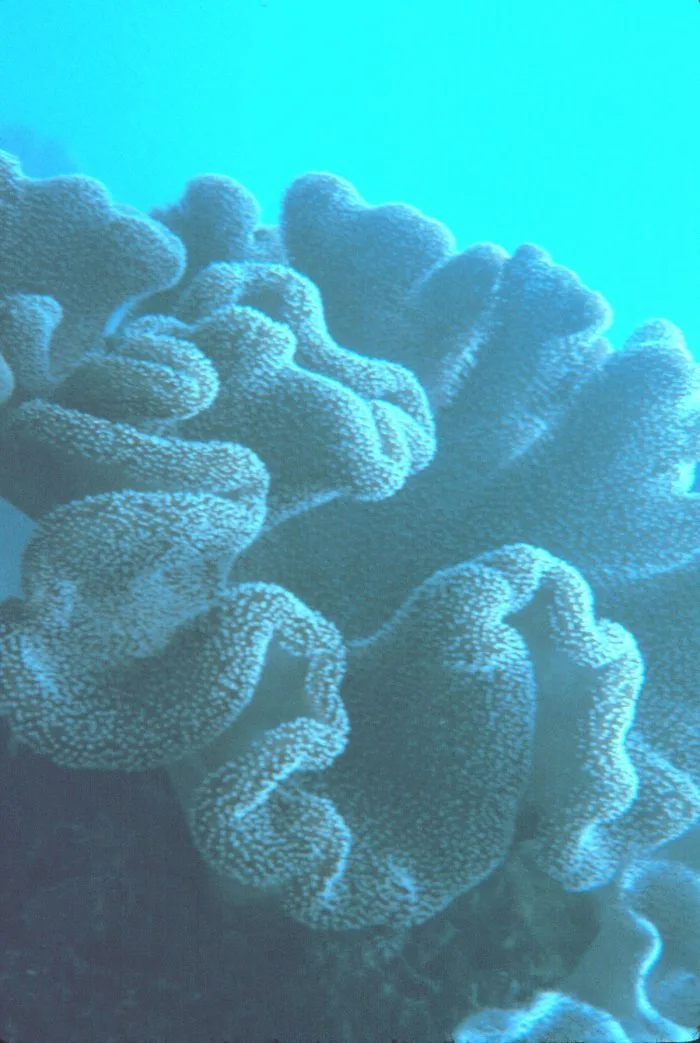
Classic mushroom-shaped soft corals that pulse with polyps — hardy reef staples that periodically shed a waxy skin.
Read more →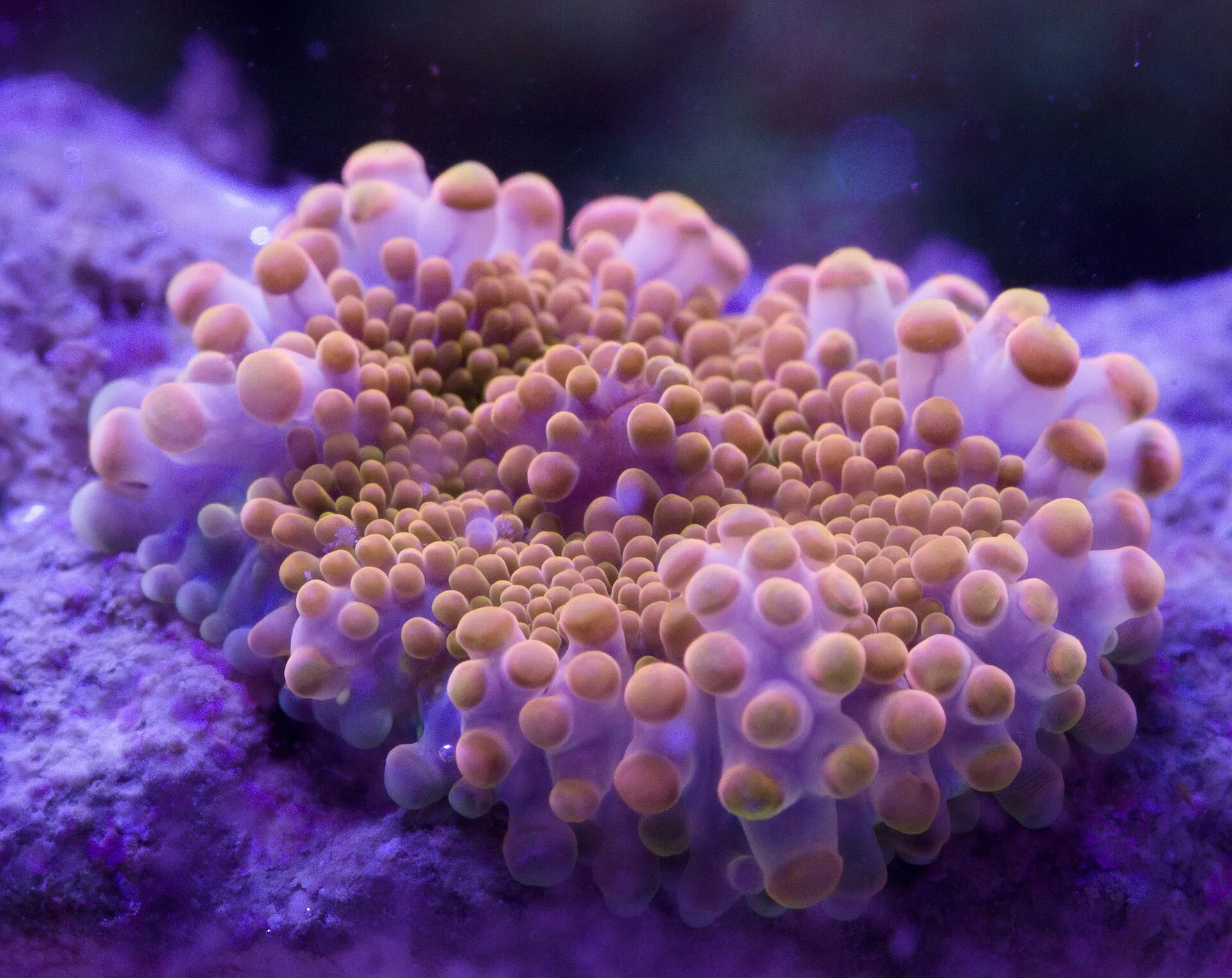
Bump-textured mushroom corals in electric colour morphs — lower-flow LPS softies that carpet rock shelves when happy.
Read more →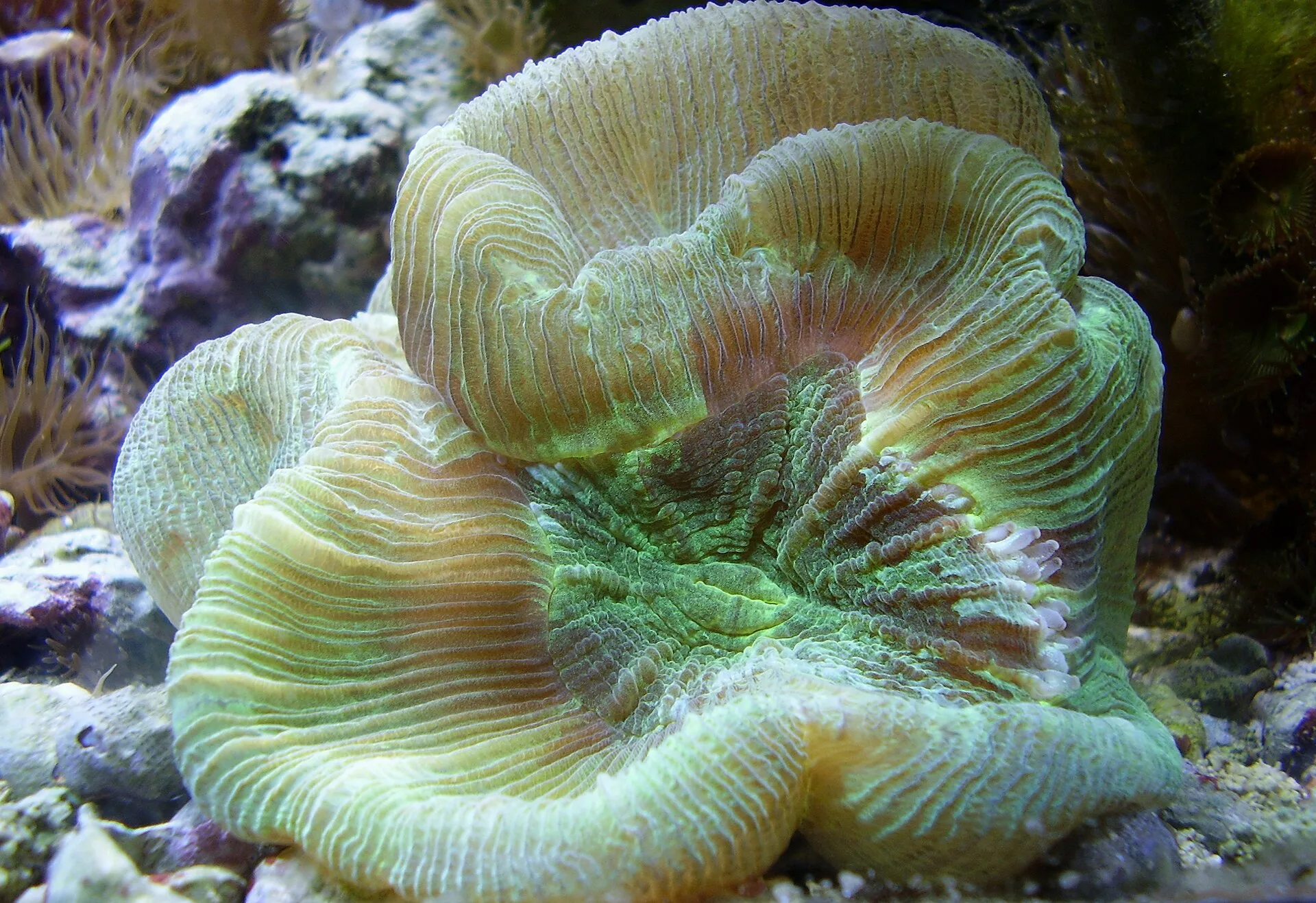
A fleshy free-living LPS coral often placed on sand — dramatic folds of colour that inflate under stable reef chemistry.
Read more →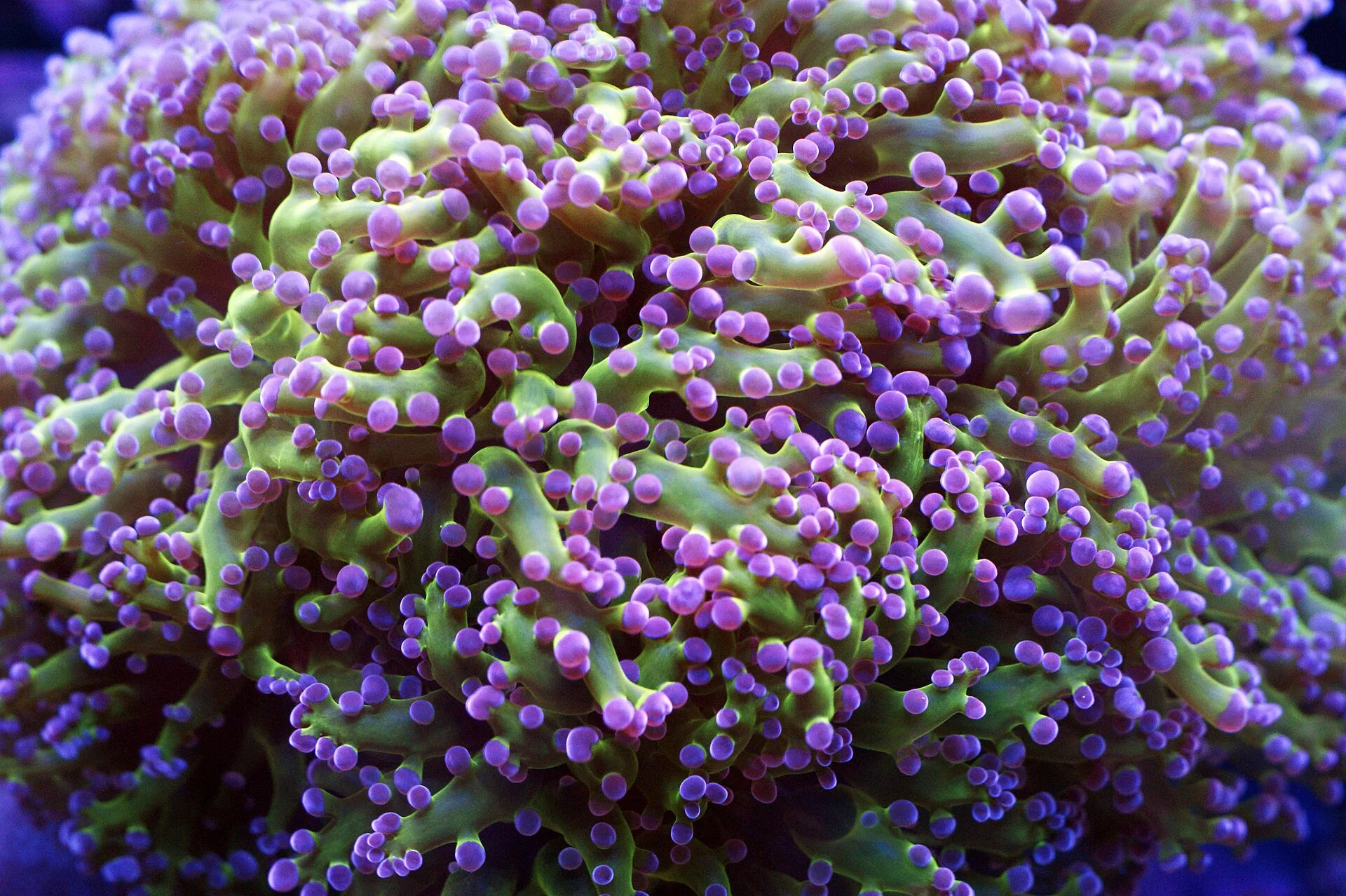
Branching Euphyllia with grape-like tips that dance in flow — a showpiece LPS coral that needs space from neighbours.
Read more →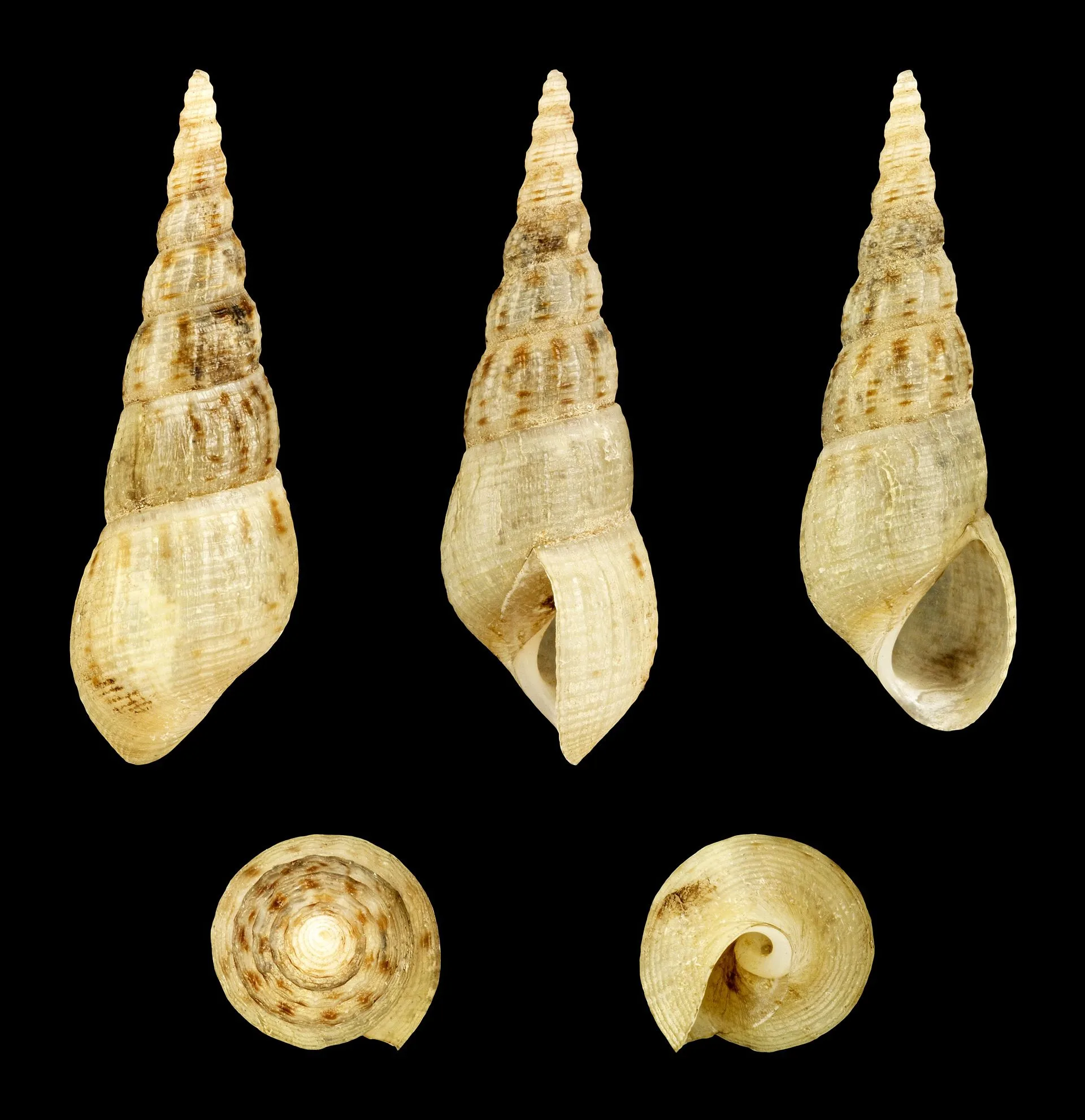
Cone-shelled substrate diggers that aerate sand beds and appear at night — useful recyclers that boom when tanks are overfed.
Read more →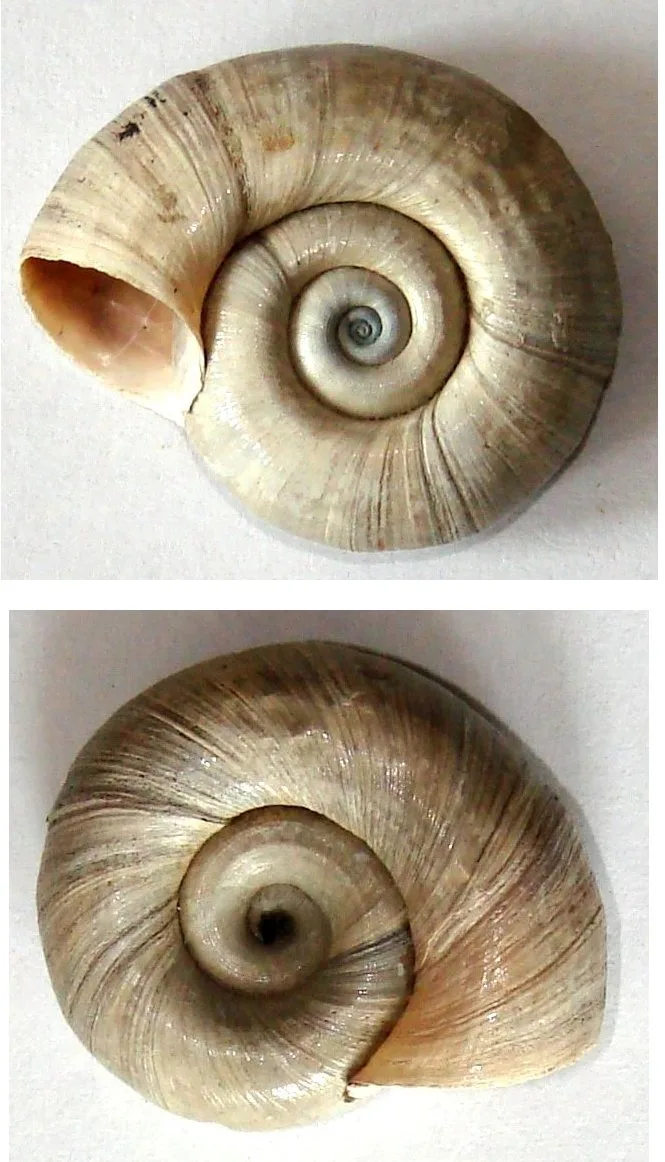
Disk-shaped snails in wild and brightly coloured forms — helpful scavengers that multiply when overfeeding leaves excess food.
Read more →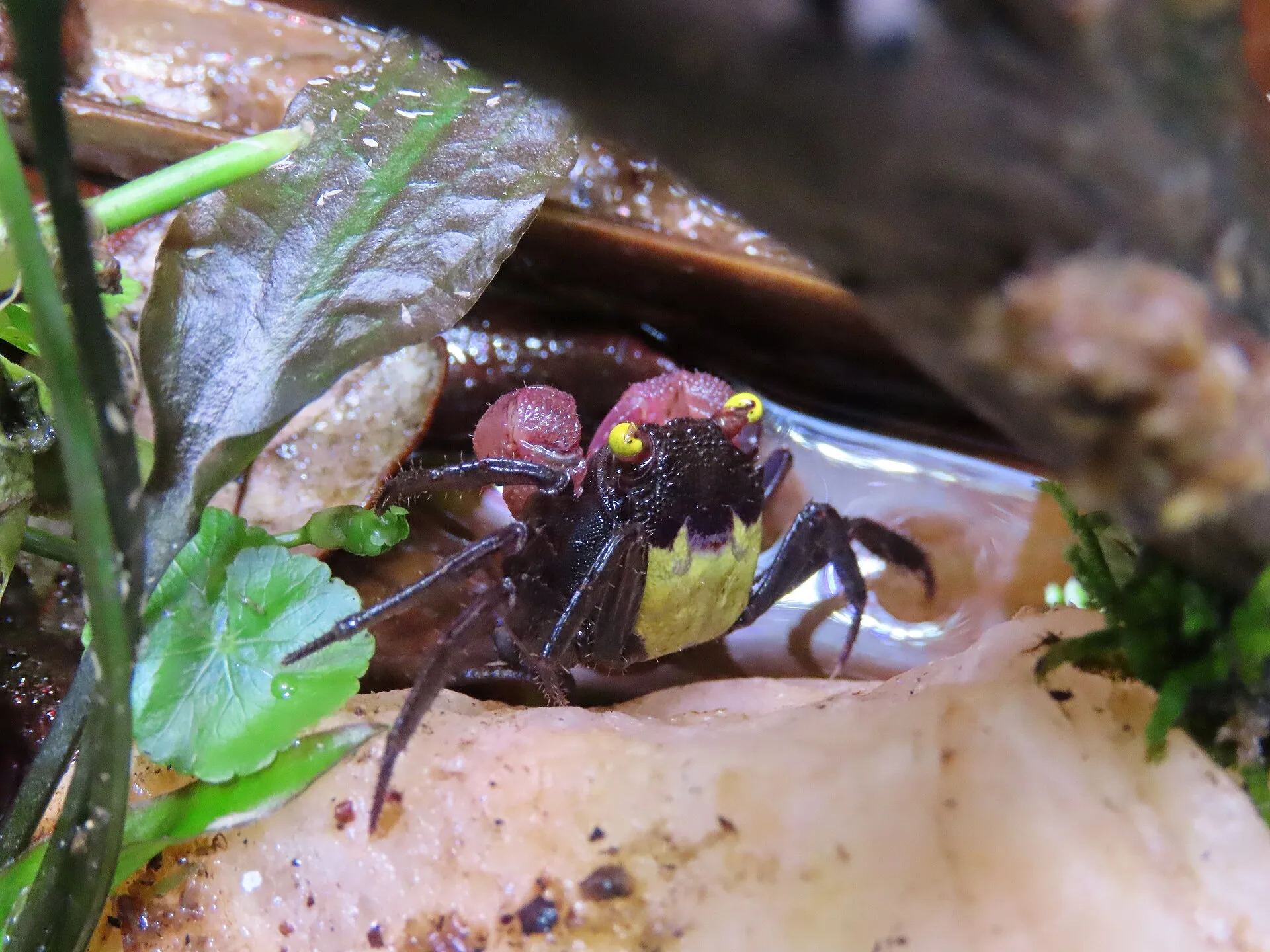
Colourful semi-terrestrial crabs that need land shelves and shallow water — personality-packed invertebrates for secure paludariums.
Read more →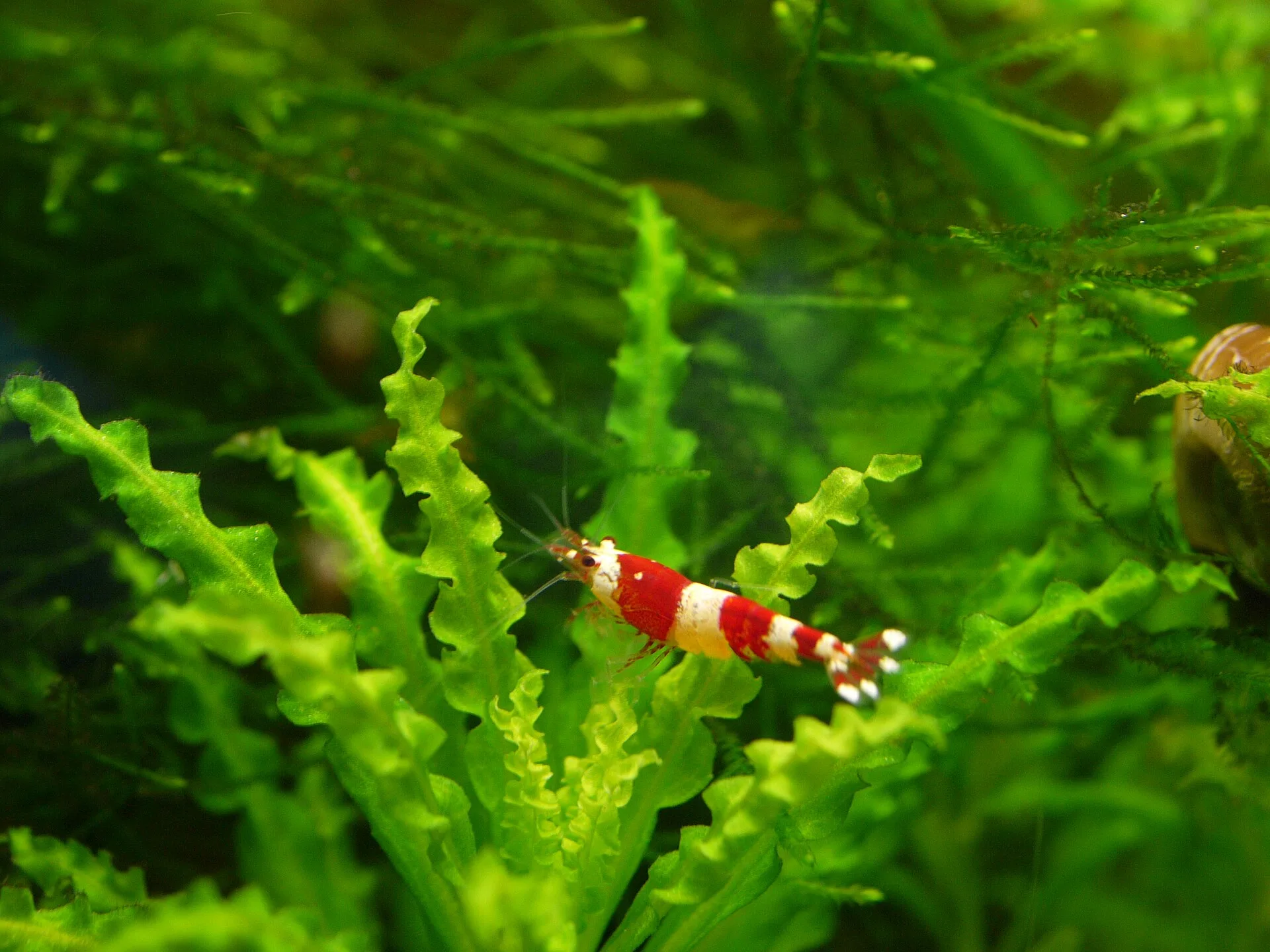
Striking red-and-white Caridina shrimp for soft-water nano tanks — more parameter-sensitive than Neocaridina, breathtaking in mossy aquascapes.
Read more →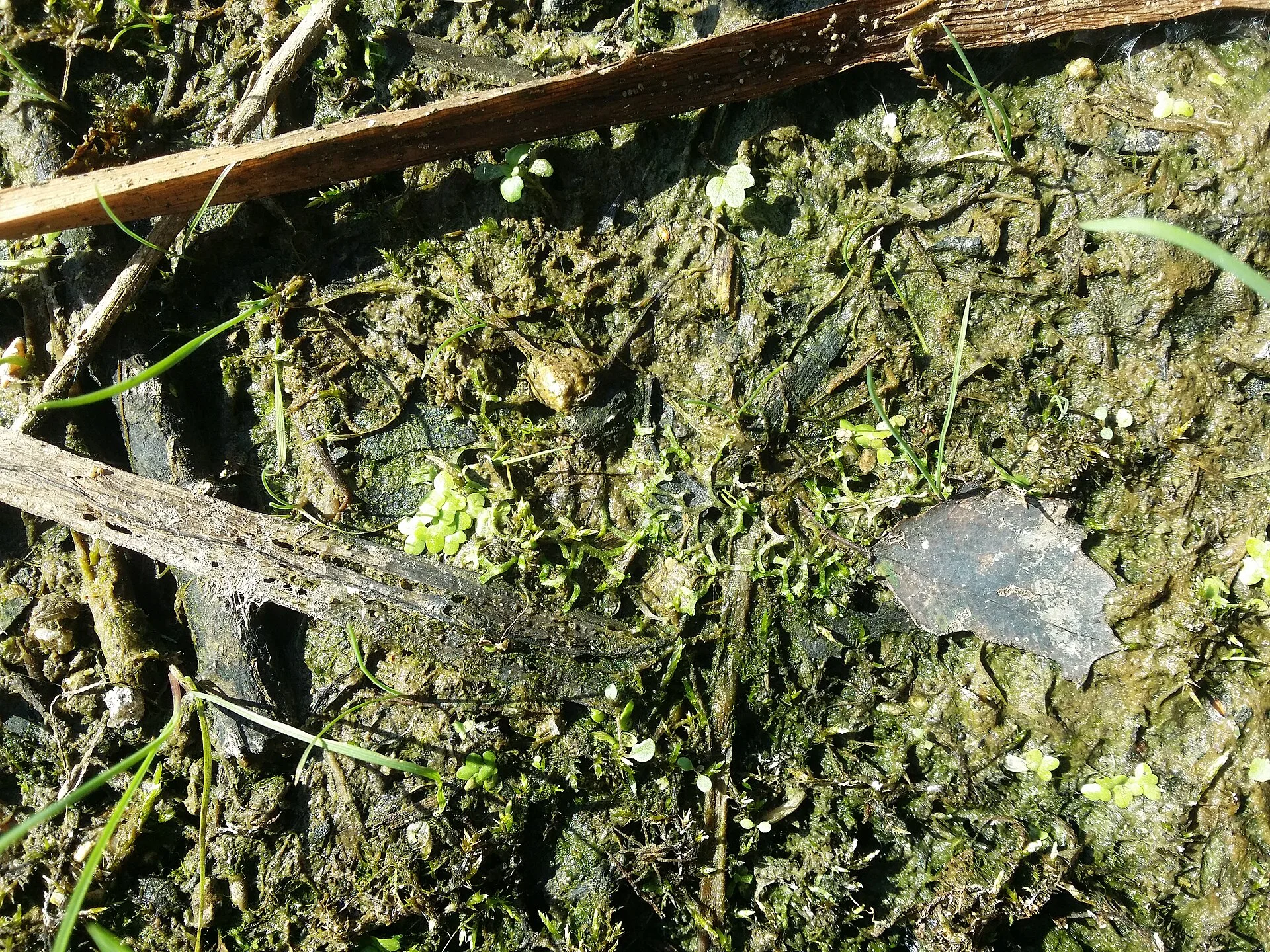
Crystalwort liverwort used as floaters or tied carpets that pearl under CO2 — a Takashi Amano–famous aquascape texture plant.
Read more →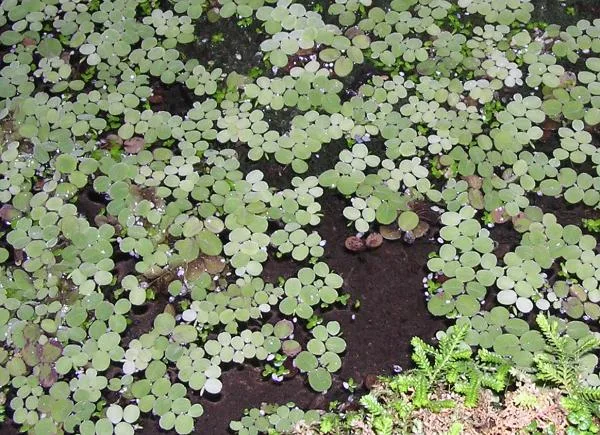
Fuzzy floating fern leaflets that shade tanks and soak nutrients — excellent for fry cover and algae competition.
Read more →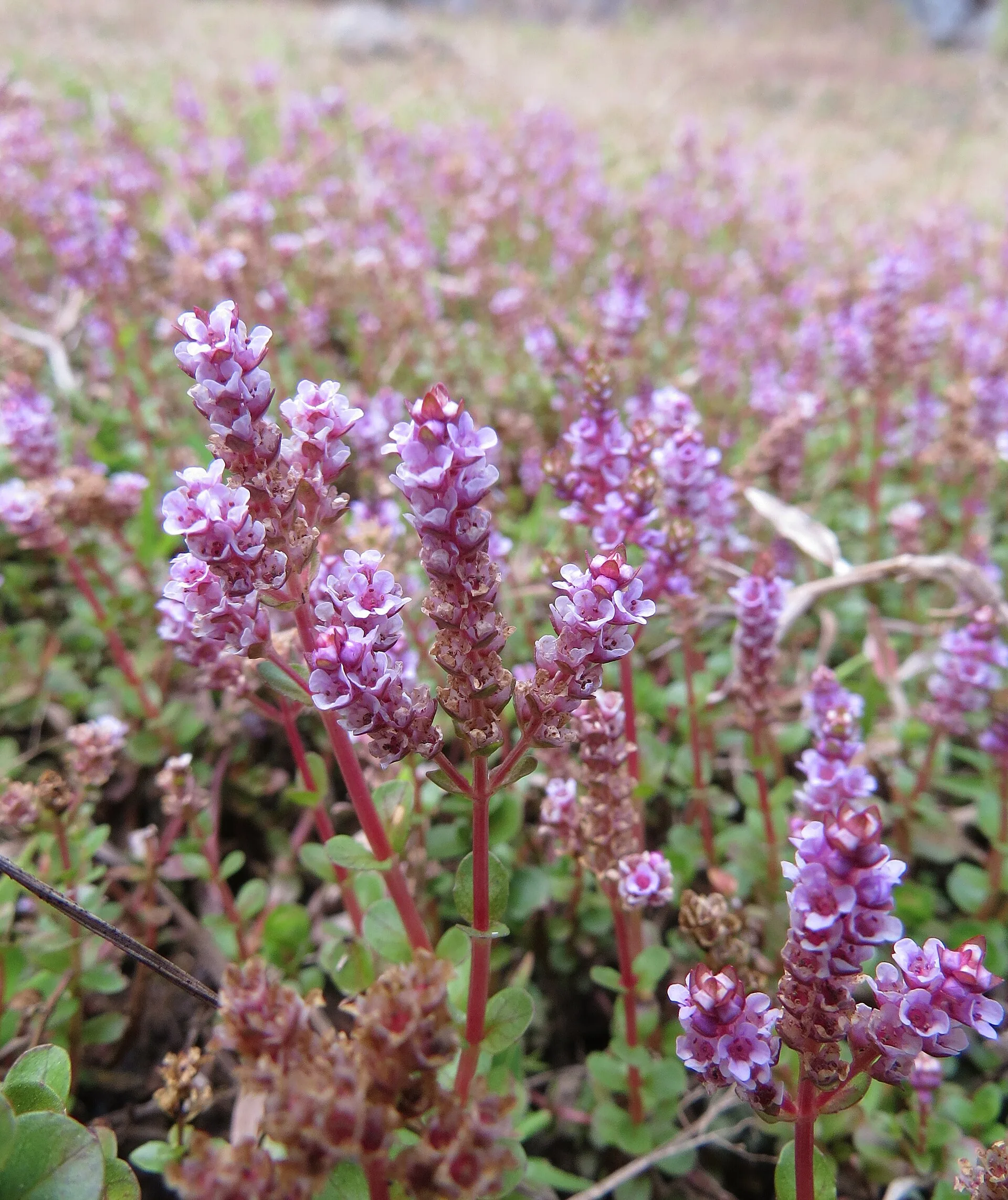
A versatile stem plant that shifts from green to pink-red under strong light — fast, forgiving, and great for learning stem aquascaping.
Read more →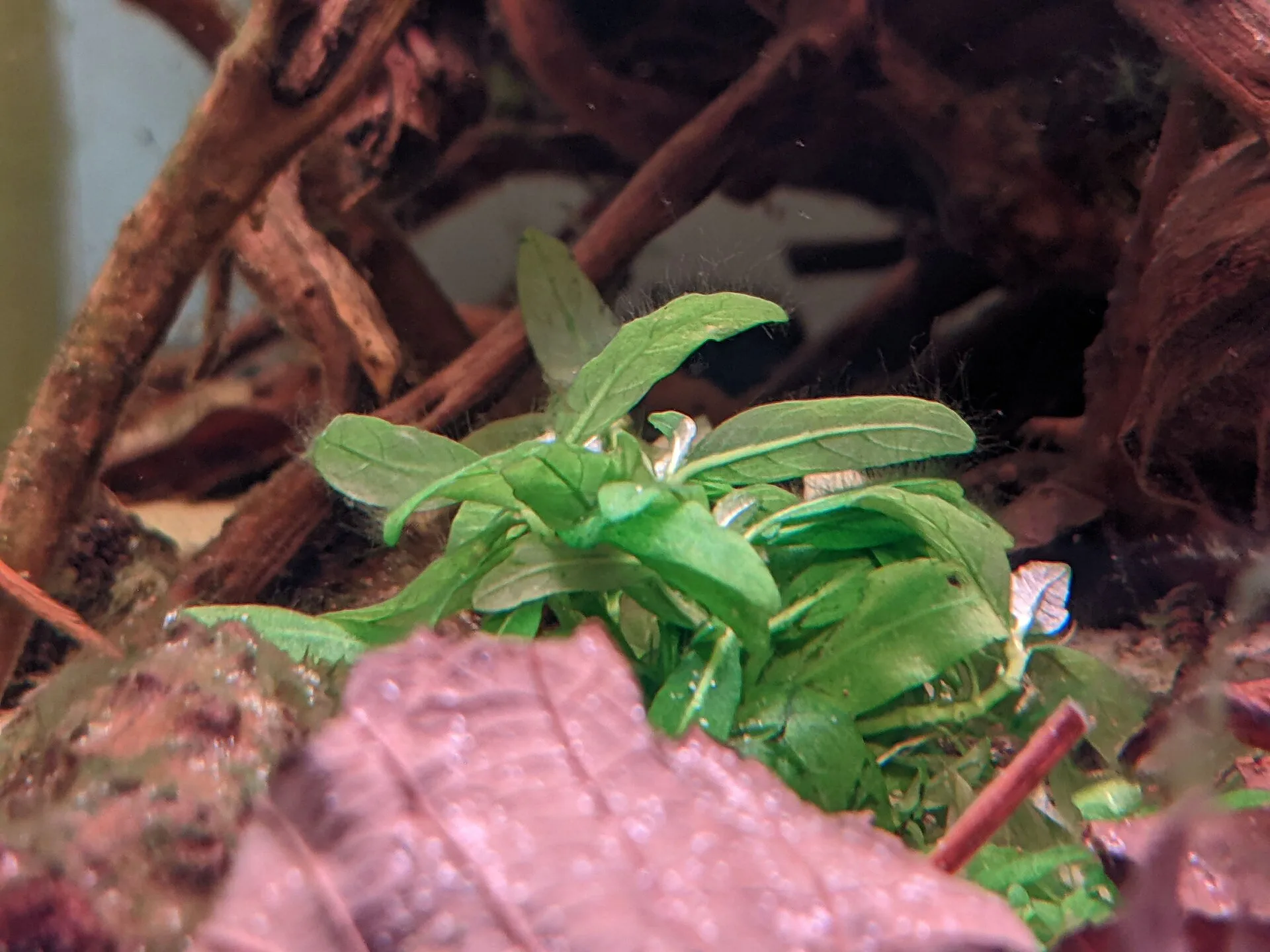
A compact green bush plant that replaces baby tears hassle for many scapers — sturdy stems, easy trimming, and strong mid-foreground presence.
Read more →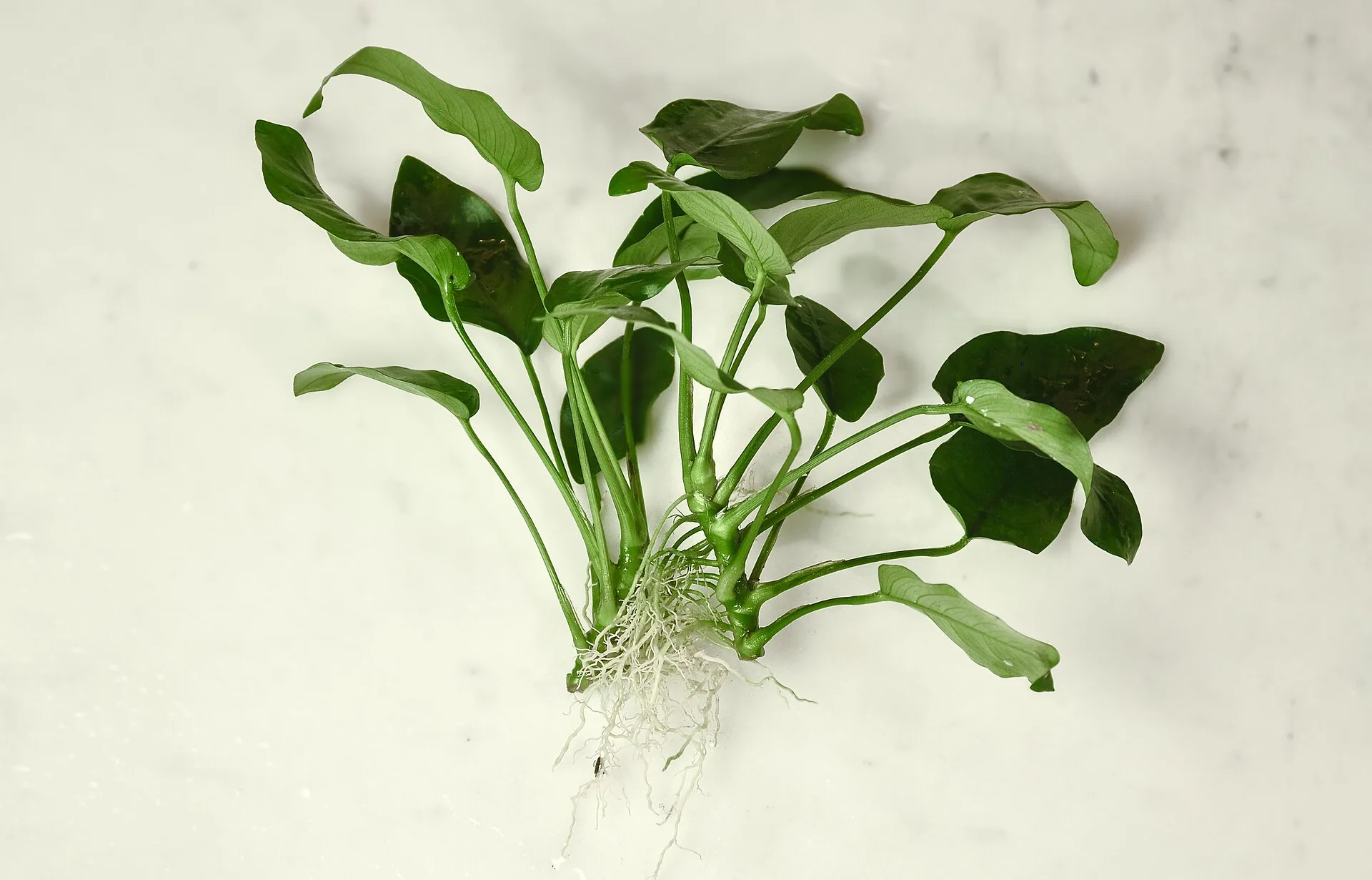
The quintessential rhizome plant for wood and stone — tough leaves, slow growth, and perfect shrimp resting platforms.
Read more →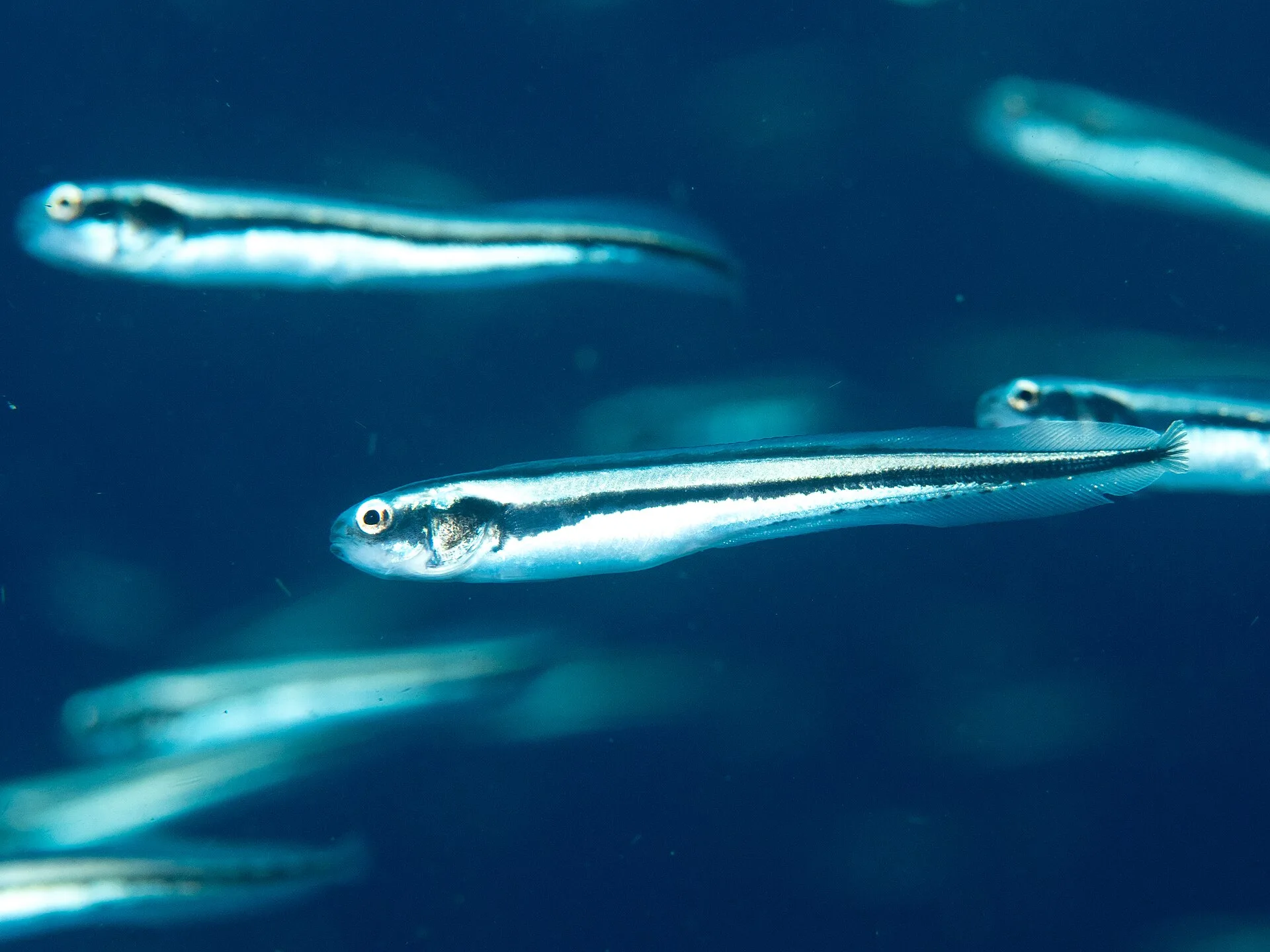
Sold as cute striped juveniles that become large eel-like burrowers — fascinating excavators that need soft substrate and room to dig.
Read more →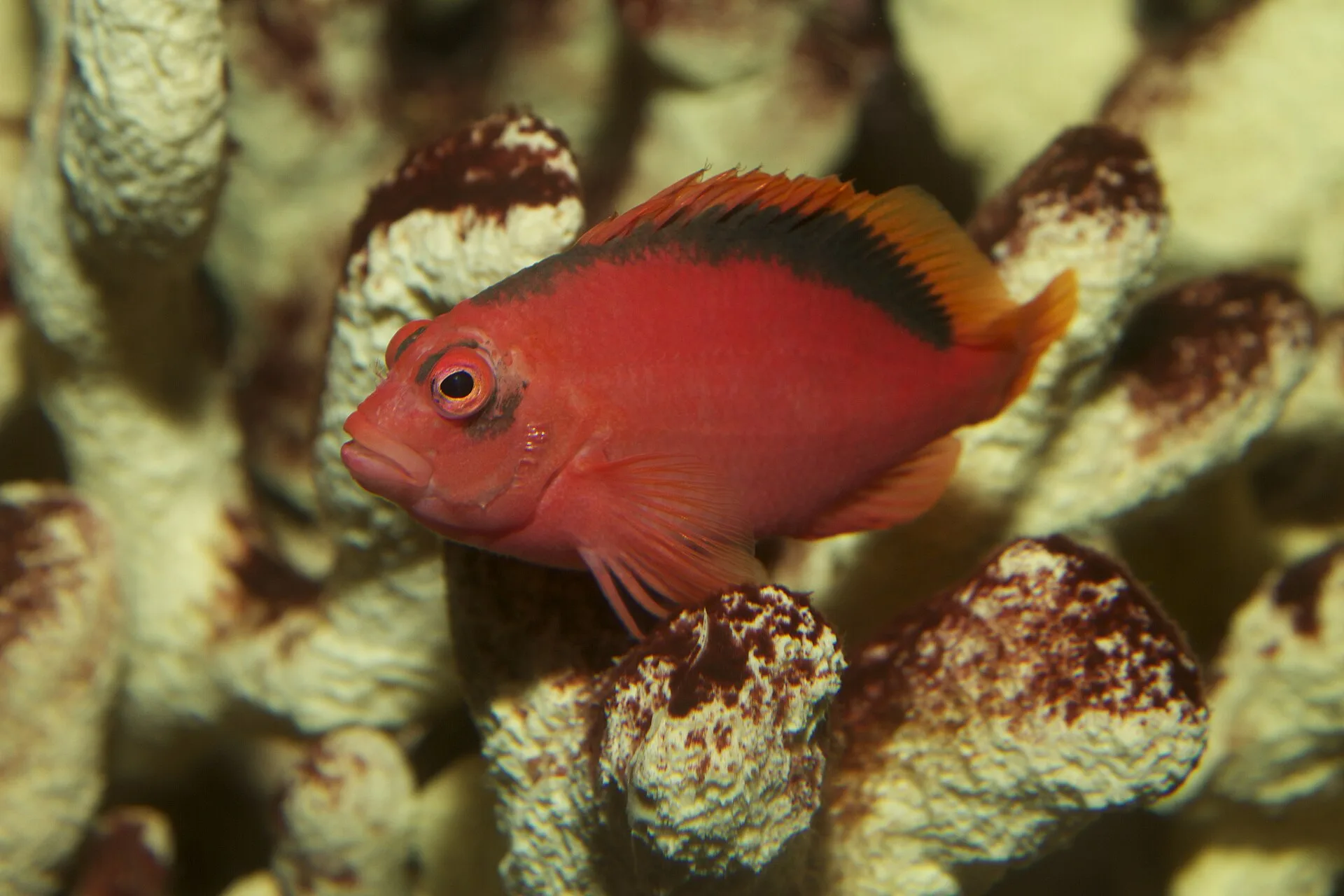
A vivid red perching hawkfish that surveys the reef from coral heads — bold personality in a compact reef package.
Read more →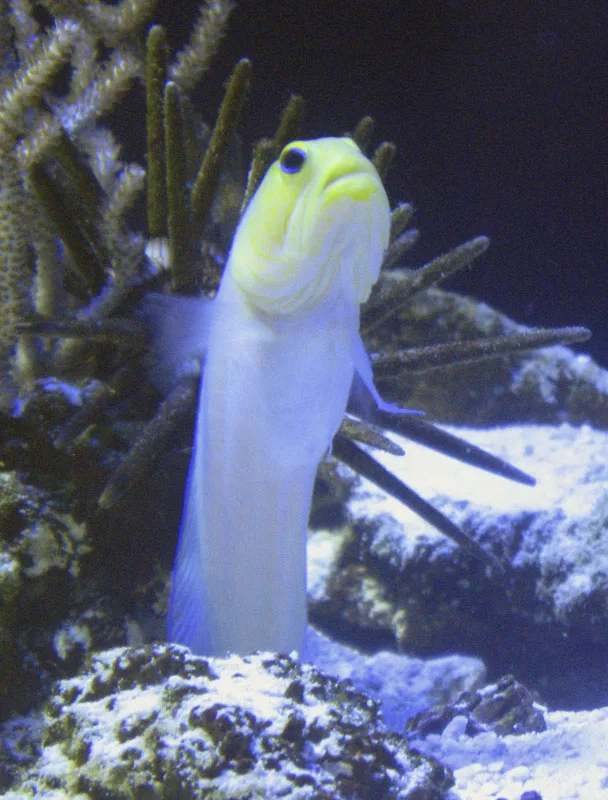
A charming burrow-builder with a bright yellow head — needs deep sand, rubble for tunnel walls, and a secure lid.
Read more →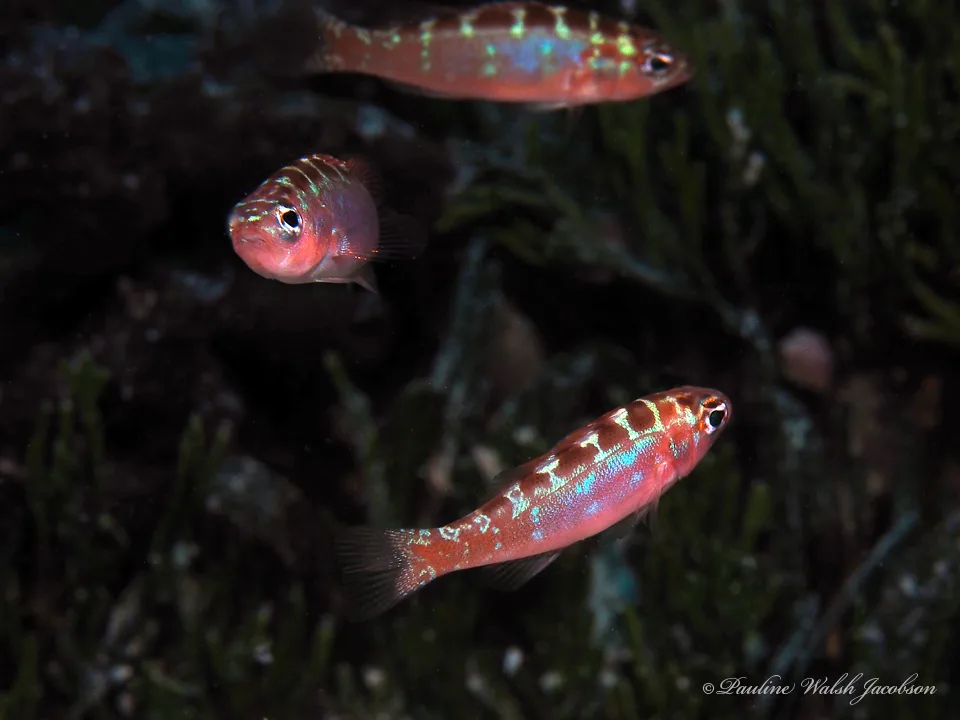
Small Caribbean basslets with soft pastel bars — peaceful enough for reefs and comfortable in small groups when space allows.
Read more →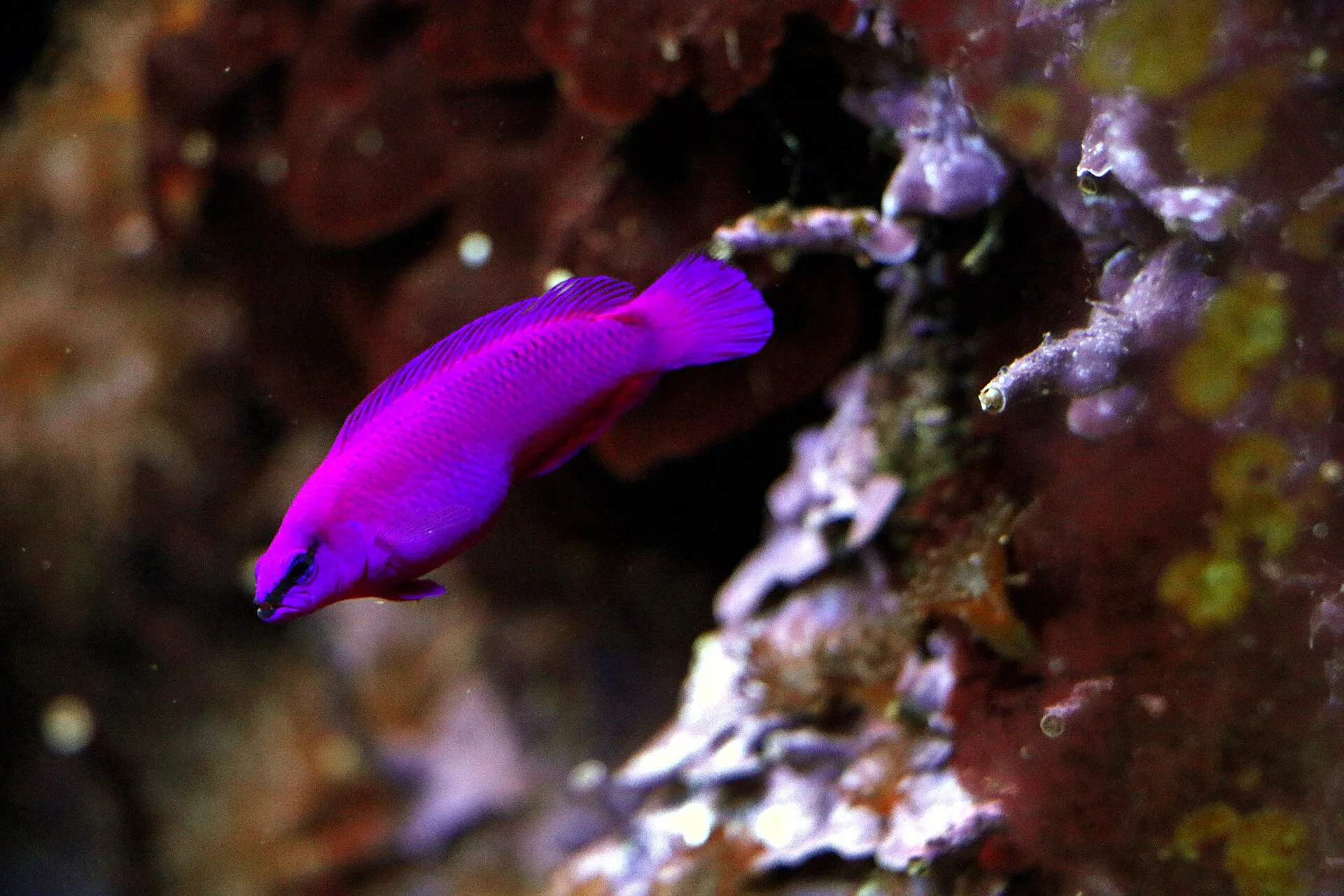
A vivid magenta Red Sea dottyback that is calmer than many Pseudochromis — caves, meaty foods, and moderate space keep them settled.
Read more →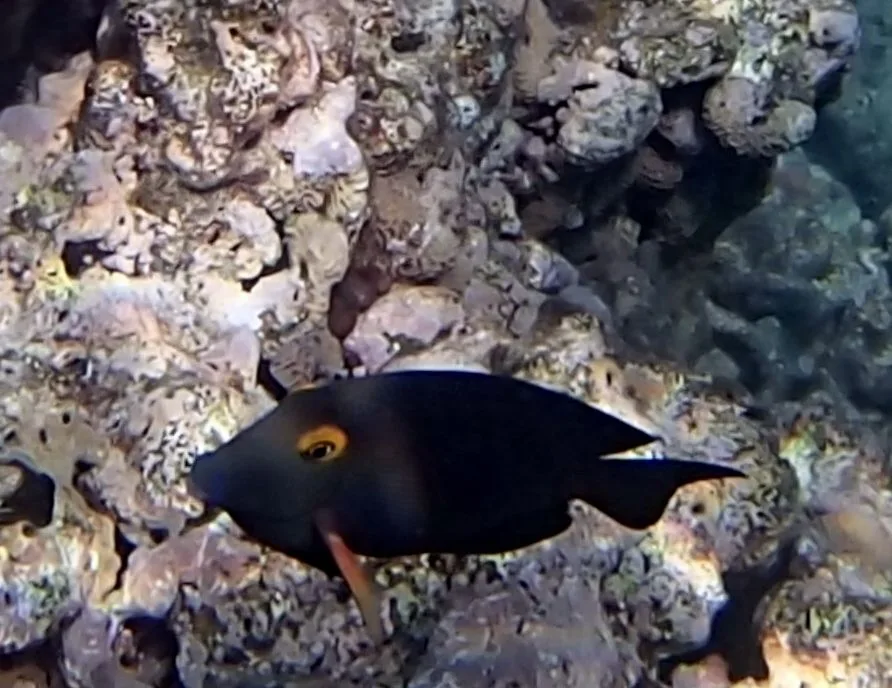
A smaller bristle-tooth tang that comb-grazes detritus and film algae — one of the more reef-friendly surgeonfish when given room.
Read more →