

Black Beard Algae (BBA): How to Get Rid of It
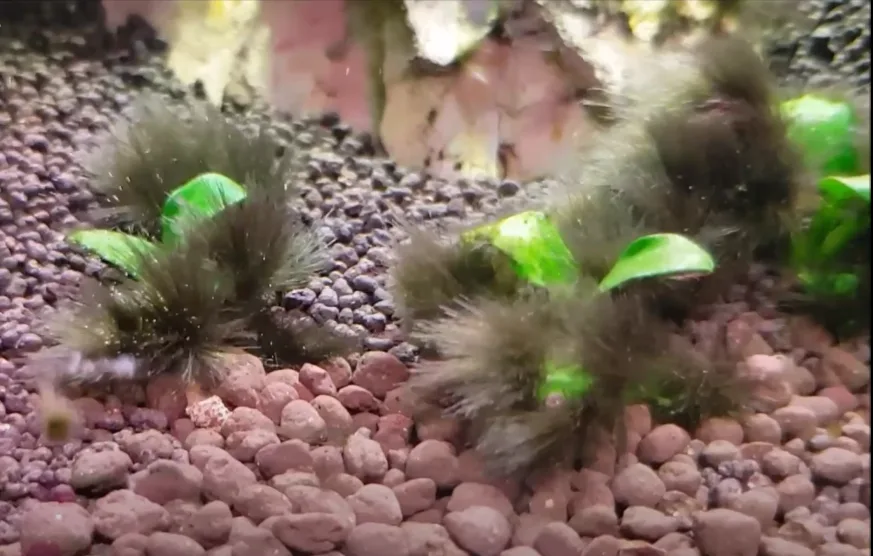
Black beard algae (BBA) — often linked to Audouinella-type red algae — looks like dark, bristly whiskers on wood, rock rims, and slow leaves such as Anubias. It thrives when CO₂, flow, and nutrients are unstable. This guide covers identification, spot treatment, and the tank conditions that stop BBA from reclaiming your scape.
How to Identify BBA
BBA is dark green to nearly black, short, and brush-like. It hangs on stubbornly when you pull it — unlike soft green hair algae. It loves the hard edges of hardscape and older leaves where plant growth is slow.
Root Causes
- Excess light for the plant mass you actually grow
- Unstable or insufficient CO₂ in “almost high-tech” tanks
- Patchy flow that leaves dead spots on wood and rock
- Organic waste buildup and irregular fertiliser dosing
BBA is a symptom of imbalance. Scrubbing alone without fixing the imbalance is temporary.
Removal Methods That Work

- Manual: Pull what you can; remove heavily coated leaves.
- Spot treat: Many aquascapers liquid-carbon spot treat BBA tufts during a water change (follow product safety; protect sensitive animals).
- Shade & flow: Redirect flow across hardscape; trim overshadowing mess so light is even, not patchy.
- Reset photoperiod: Start around 6–7 hours and only increase when plants thrive.
Prevention for Planted Tanks
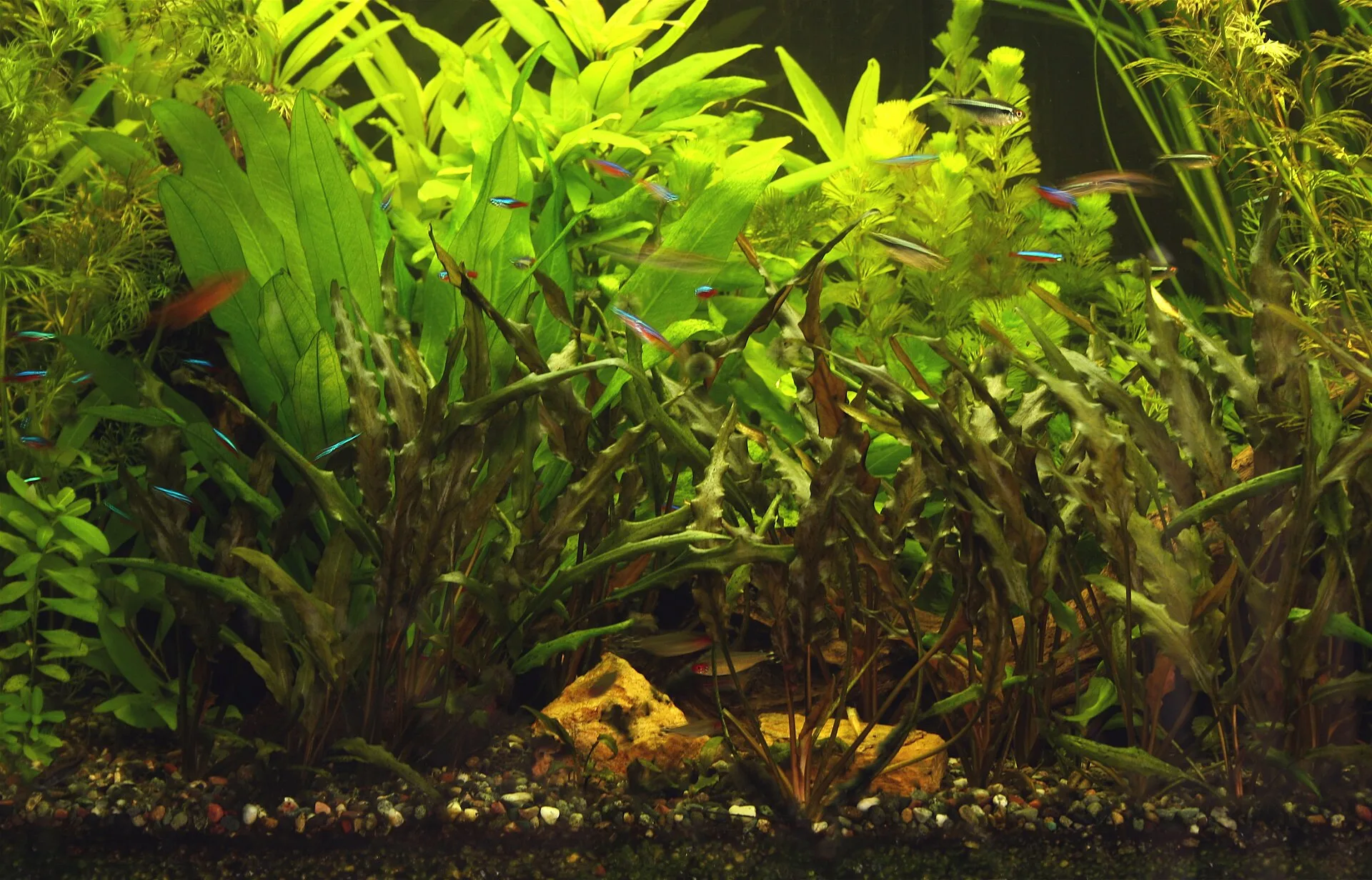
- Grow biomass — healthy stems outcompete algae for nutrients
- Keep CO₂ steady if you use it; swinging CO₂ invites BBA
- Dose fertiliser consistently rather than weekend “catch-up” dumps
- Siphon detritus from wood crevices where organics feed algae
When to Redesign
If hardscape is permanently fuzzy despite treatments, remove and scrub décor outside the tank, or replace exhausted slow plants. Sometimes a cleaner scape layout with better flow paths is the real fix.
Related Reading
Conclusion
Black beard algae rewards inconsistent high-light tanks. Cut back chaos, treat visible tufts, and build a stable planted system with even flow and healthy growth — BBA loses interest when plants are winning.
Explore other topics
Dive into more aquarium guides across the site.