

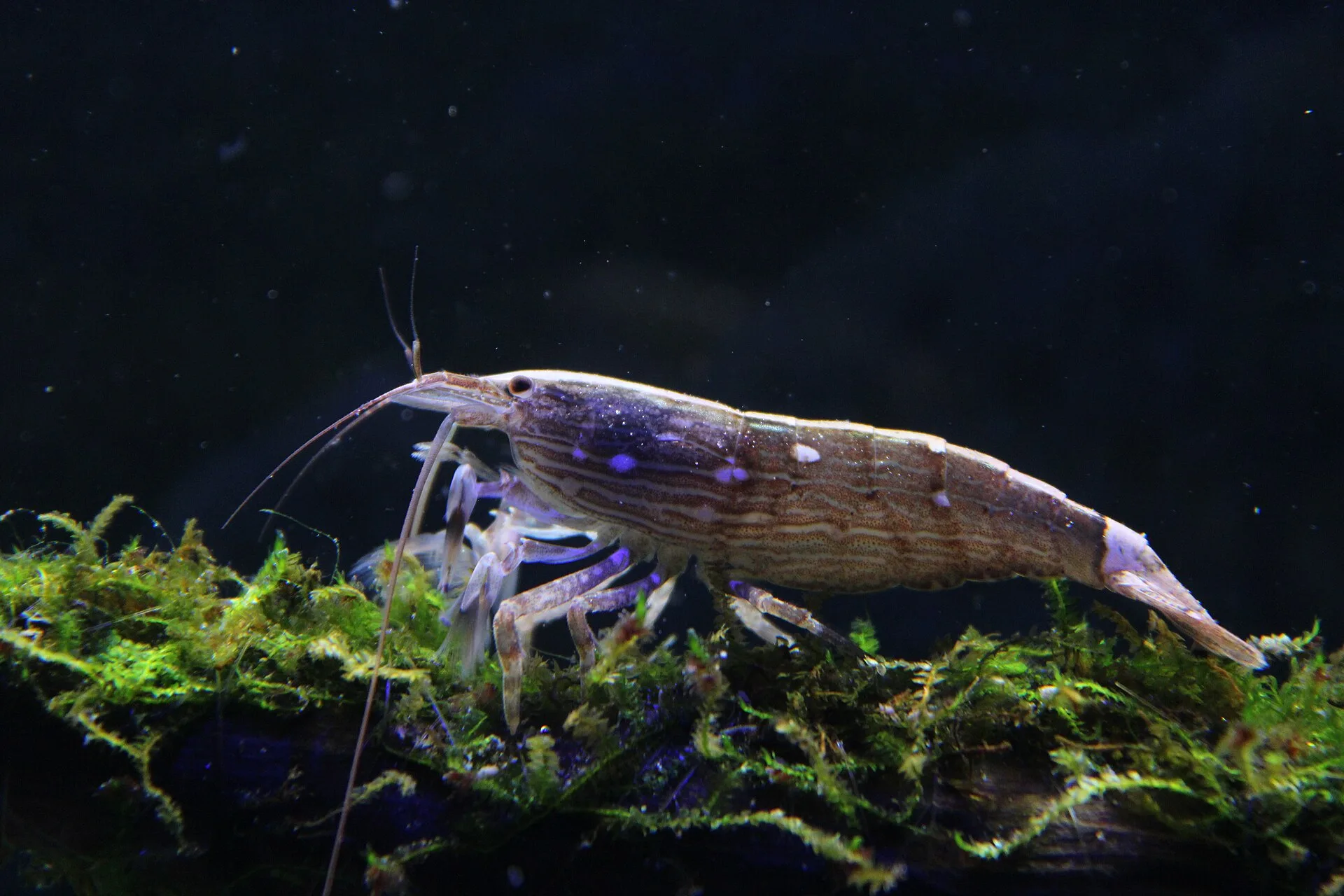
Bamboo Shrimp (Atyopsis moluccensis)
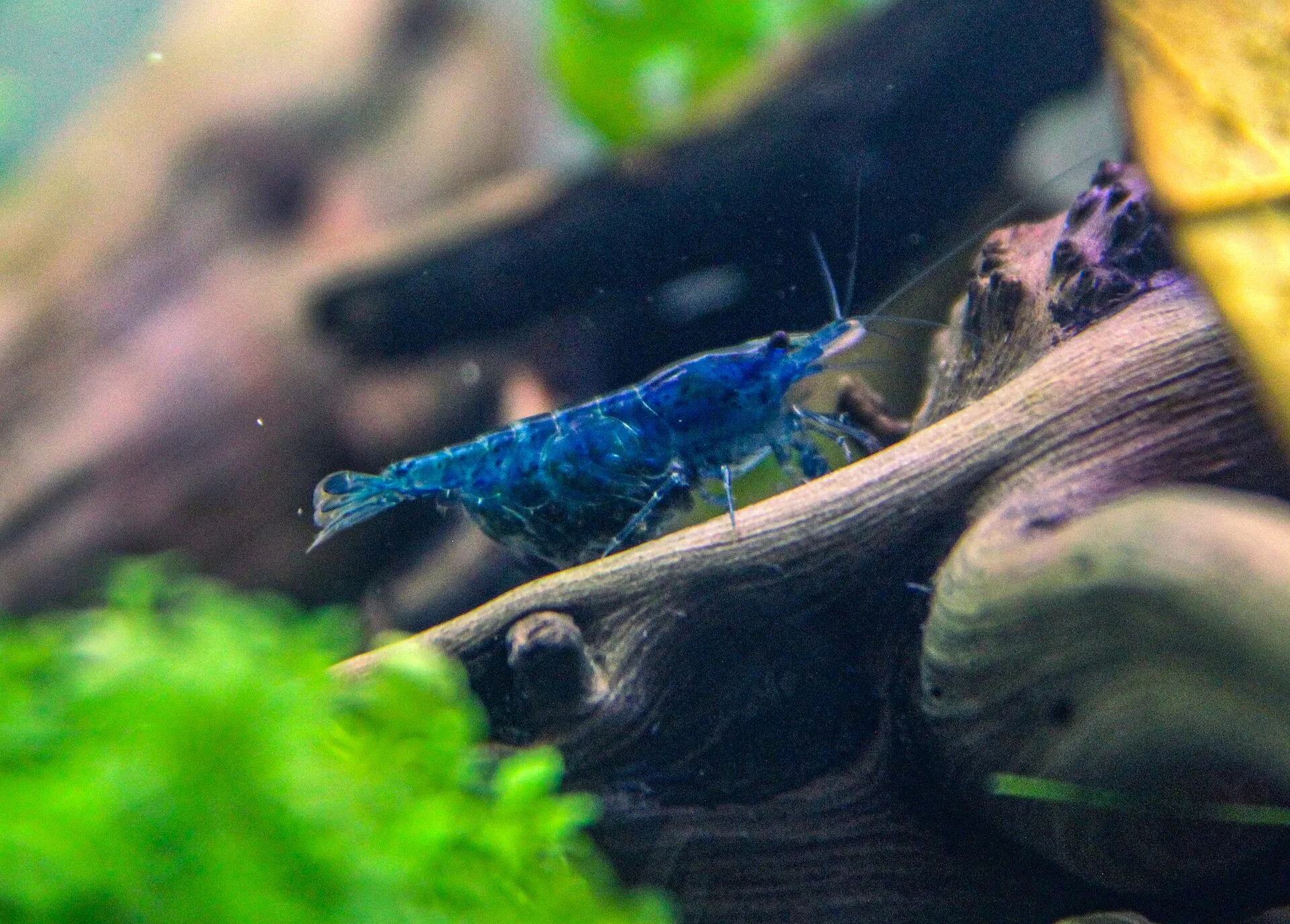
The Bamboo Shrimp (Atyopsis moluccensis) is a freshwater invertebrate kept for cleaning behaviour, visual interest, or specialised feeding styles. This profile matches our other invertebrate guides with habitat, appearance, tank needs, diet, compatibility, sexing/breeding, water chemistry, and health notes.
Keeper notes: Fans only work when fine particles drift past. Aim a gentle current at a perch (wood/rock). Dust powdered foods or crushed flakes into the flow; without suspended food they reabsorb fans and starve in spotless tanks.
Native Habitat
Wild populations are associated with flowing freshwater streams of Southeast Asia. Translating that into aquariums means mature biofilm, places to hide, and water free of copper and ammonia spikes. Sudden parameter swings are harder on invertebrates than on many community fish.
Physical Description and Size
Adults typically reach 2–3 inches (5–7.5 cm). Healthy individuals stay active (according to the species’ normal schedule), keep appendages intact, and show clear responses during feeding. Opaque, lethargic, or shell-eroded animals deserve immediate water testing.
Diet
Natural feeding mode: filter feeder (bacteria, biofilm flakes, powdered foods in current). In captivity combine opportunistic scavenging with intentional foods:
- Species-appropriate wafers, blanched vegetables, or powdered foods for filter feeders
- Frozen foods or meaty offerings for carnivorous snails/shrimp when biofilm alone is scarce
- Calcium sources (cuttlebone, mineral blocks, or mineral-rich foods) for shell builders
Do not assume “they will live on leftovers.” Direct feeding prevents starvation in clean tanks.
Sexing and Breeding
Reproductive strategies vary: some shrimp carry eggs under the abdomen, snails may lay clutches on hardscape or above the waterline, and a few species require brackish larval stages that make home breeding advanced. Provide cover for berried females and remove lethal tank mates before expecting population growth.
Community Compatibility
Best kept with peaceful fish that ignore small invertebrates. Avoid large cichlids, aggressive loaches that hunt snails, and any copper-based treatments. In shrimp tanks, choose snails and fish known for gentle behaviour.
Water Conditions
- Temperature: 72–82°F (22–28°C)
- pH: 6.5–7.5
- Ammonia / nitrite: 0 ppm
- Tank size: 20 gallon (75 L)+ with directed current
- Notes: drip-acclimate newcomers; avoid sudden salinity or hardness crashes for mineral-dependent shells
Ease of Care

Care level: intermediate. Stability, clean water, and copper-free medication habits matter more than expensive décor. A mature, planted aquarium with biofilm is the friendliest starting point.
Behavior and Interaction
Watch how the species forages — grazing films on glass, fanning in current, hunting pest snails, or scavenging substrate. Those behaviours tell you whether flow, feeding, or cover needs adjusting.
FAQs
Do they need a heater?
Match temperature to the range above. Tropical rooms may be fine without one; cooler climates usually need a small, reliable heater.
Will they eat my plants?
Most of these invertebrates prefer biofilm, detritus, or animal prey over healthy plant tissue. Starved mystery snails may sample soft leaves; well-fed animals rarely damage aquascapes.
Can they live with shrimp?
Often yes in peaceful tanks, but predatory snails or large shrimp can occasionally prey on tiny shrimp shrimplets. Observe and provide moss cover.
Related Reading
Conclusion
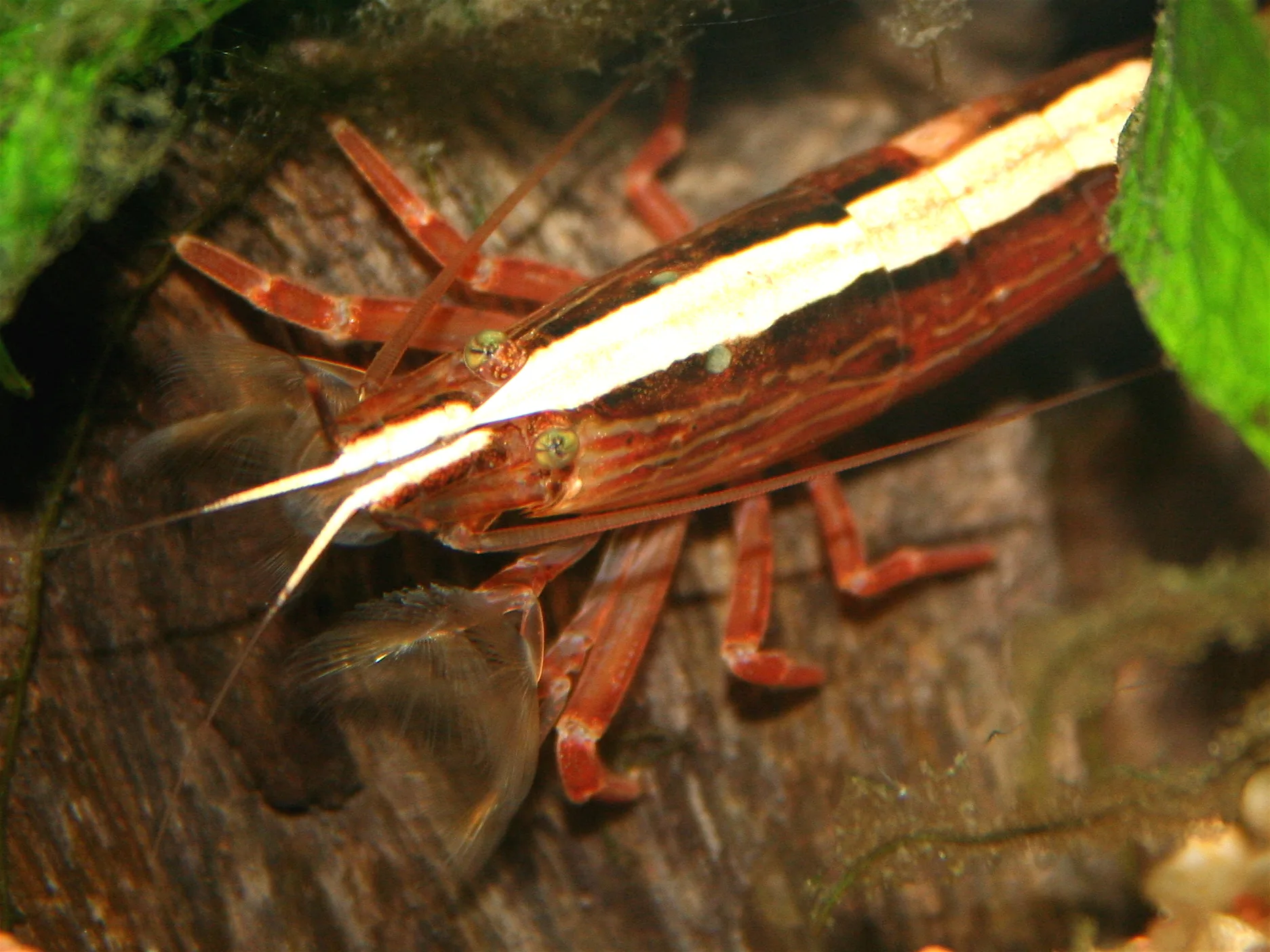
Bamboo Shrimp (Atyopsis moluccensis) adds ecological function and quiet fascination to freshwater aquariums when water quality stays pristine and tank mates stay polite. Use this guide alongside our other invertebrate profiles for consistent, information-rich care decisions.
Explore other topics
Dive into more aquarium guides across the site.