

Ammonia Spikes and New Tank Syndrome: Causes and Fixes
An ammonia spike is an emergency: even low readings burn gills and stress immune systems. When it happens in a new setup, aquarists call it new tank syndrome — the filter’s beneficial bacteria have not caught up with fish waste yet. This guide covers symptoms, emergency response, and how to keep ammonia at a permanent 0 ppm.
Symptoms of Ammonia Poisoning
- Gasping at the surface or clinging to high-flow areas
- Red or inflamed gills, streaked fins, cloudy eyes
- Lethargy, refusal to eat, sudden deaths without white spots
- Test kit showing ammonia above 0 ppm (any positive reading matters)
Trust the test, not vibes. Clear water can still be toxic.
What Causes Spikes
- Adding fish before the cycle finishes
- Overfeeding or a mass die-off that dumps protein into the water
- Cleaning all filter media in tap water (kills bacteria)
- Medications or antibiotics that smash the biofilter
- Filter failure / power outage long enough to crash oxygen and bacterial activity
Emergency Fix Right Now
- Large water change with dechlorinated, temperature-matched water (often 40–50%).
- Stop feeding for 24–48 hours.
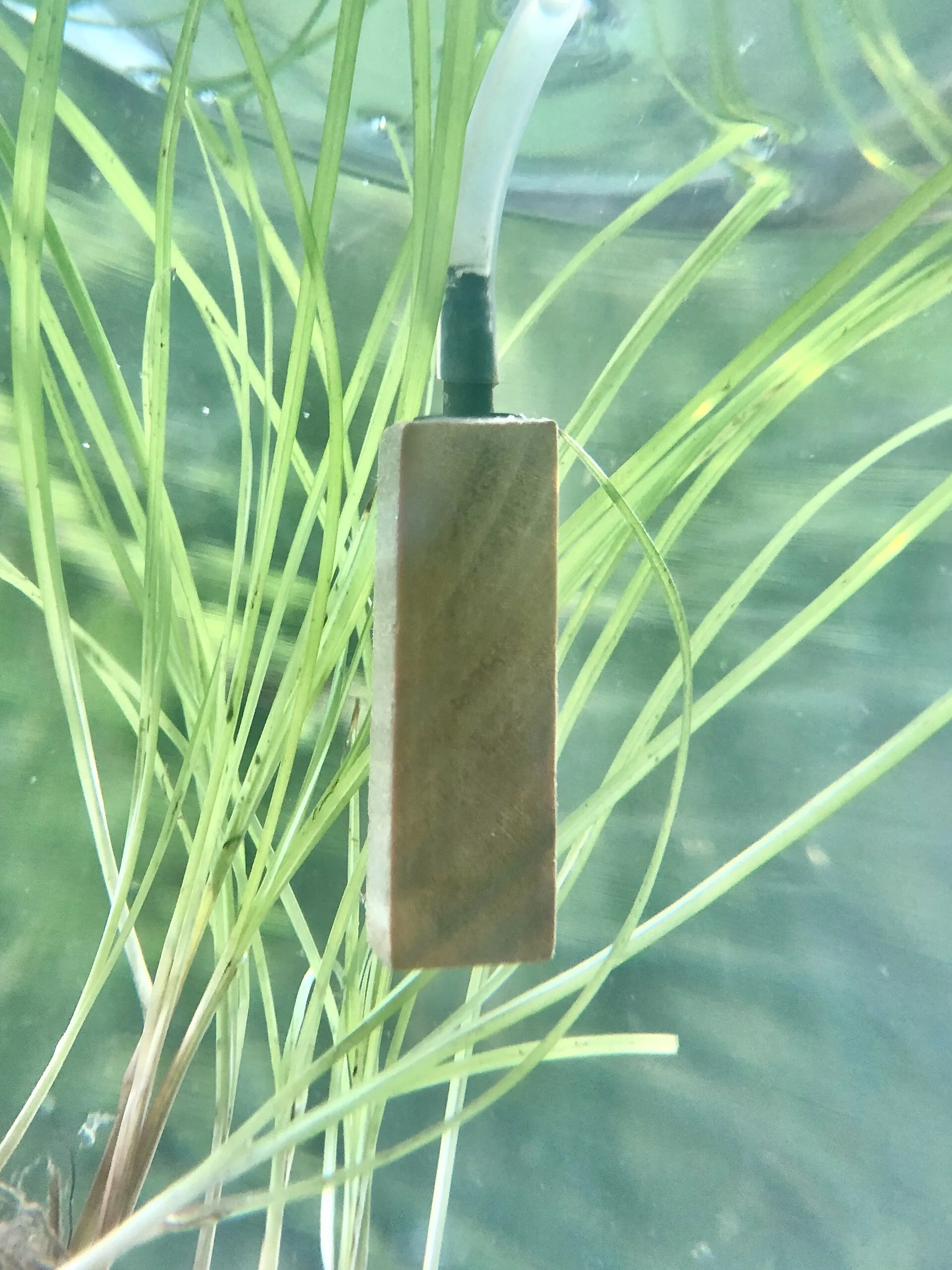
- Add aeration immediately.
- Use a reliable ammonia detoxifier if fish are present while you retest.
- Retest every few hours and repeat water changes until ammonia is 0.
- Seed media from a healthy tank or bottled bacteria if the filter is young.

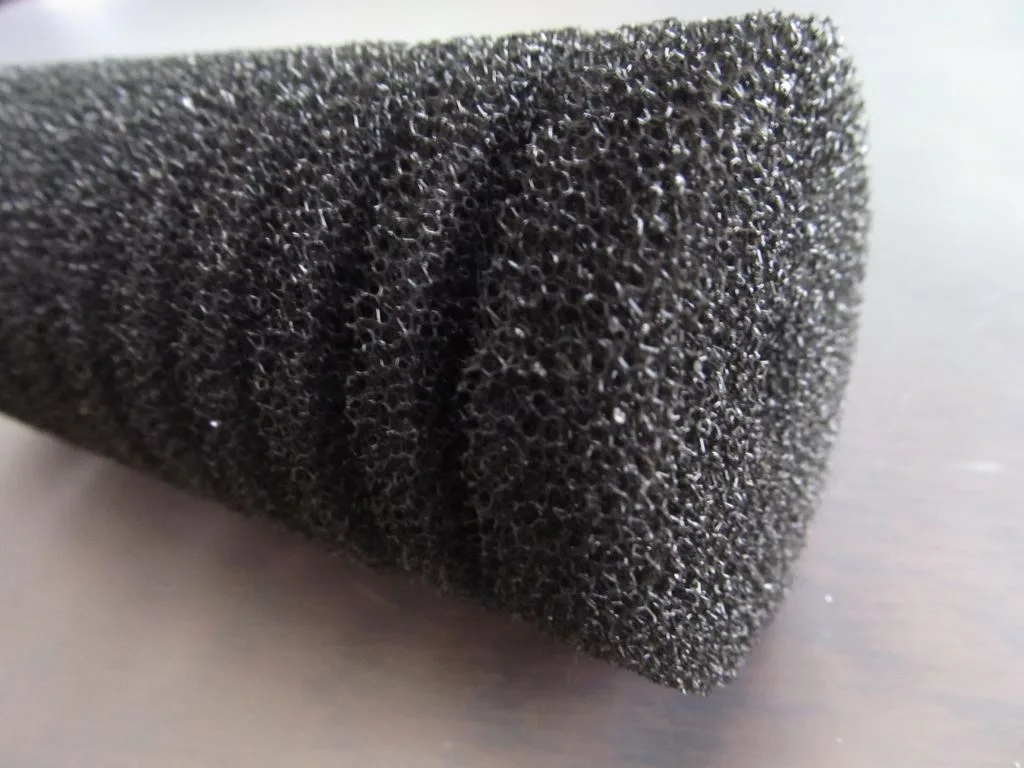
Do not rinse sponge filters under chlorinated tap during a crisis — squeeze them in old tank water only.
New Tank Syndrome vs Mature Crash
New tanks: Bacteria colonies are still growing. Stock lightly, feed lightly, and finish a fishless cycle when you can.
Mature tanks: Spikes usually mean a dead fish unnoticed behind décor, a cleaned-to-death filter, or a sudden bioload jump. Find the source or the spike returns tomorrow.
Prevention Checklist
- Cycle fully before stocking; confirm ammonia and nitrite read 0 for several days
- Add fish in small groups, not all at once
- Never replace all biomedia at once
- Keep a test kit you actually use weekly for the first months
Related Reading
- How to cycle your aquarium
- Aquarium water chemistry basics
- Test kits in aquarium keeping
- How often to change aquarium water
Conclusion
Ammonia should always read zero in a stocked aquarium. When it doesn’t, change water, cut feeding, oxygenate, and rebuild the biofilter — then slow down your stocking plan so new tank syndrome never gets a second chance.
Explore other topics
Dive into more aquarium guides across the site.