

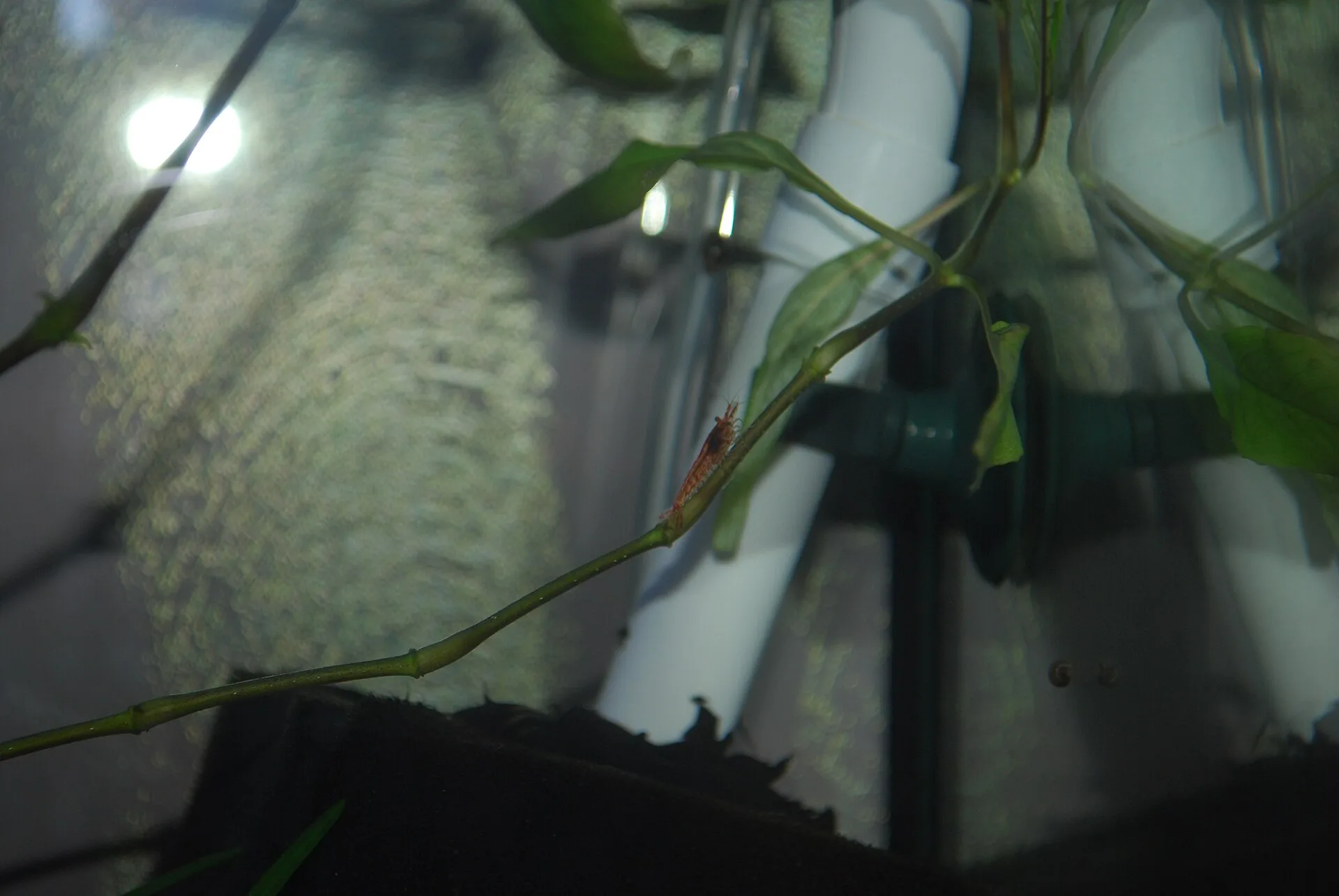
Drip Acclimation: How to Acclimate New Fish and Shrimp
Drip acclimation slowly mixes your tank water into the shipping bag or a bucket so temperature, pH, GH, and salinity equalise without shocking livestock. It is especially important for shrimp, snails, wild-caught fish, and anything moving between very different water chemistries.
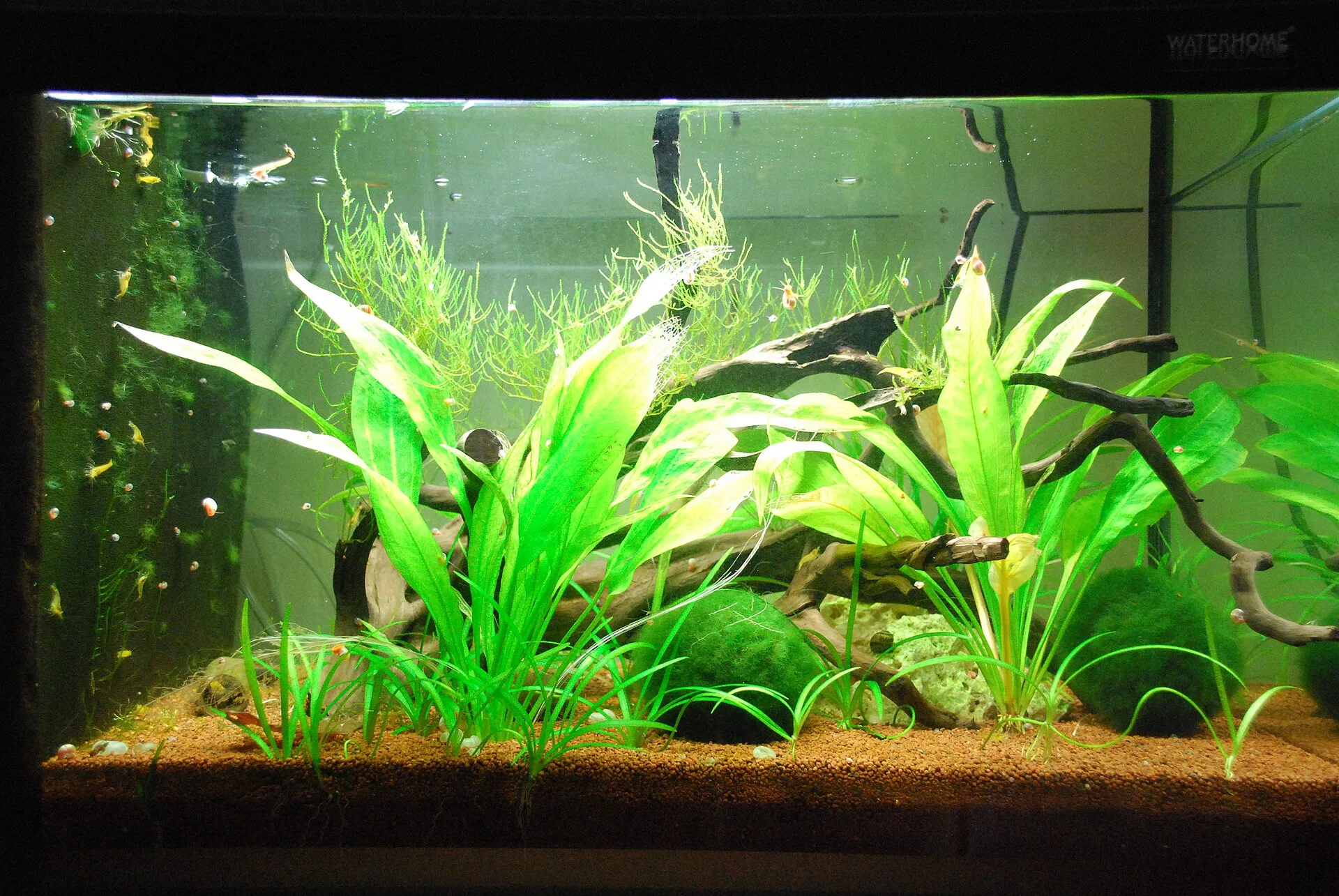
When to Drip vs Float
Float the bag for 15–20 minutes when temperature is the main gap and parameters are similar. Drip whenever GH/pH differ, livestock is expensive/sensitive, or you are moving between RO, soft blackwater, hard tap, or reef salinity.
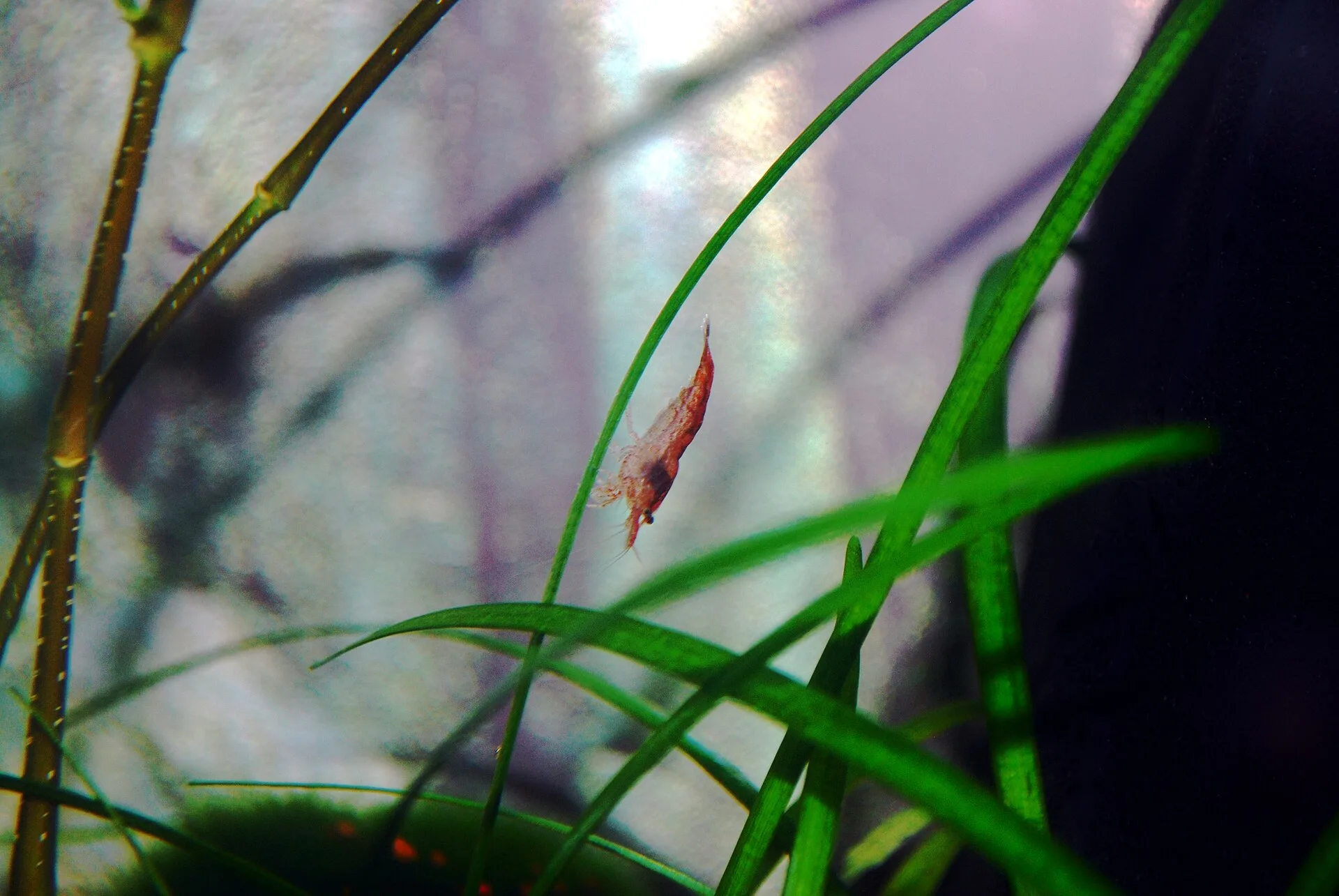
Gear List
- Clean bucket dedicated to aquarium use
- Airline tubing + valve (or a tight knot to restrict flow)
- Airline tubing siphon from the display tank
- Thermometer and towel
- Net for transferring animals — leave bag water behind
Step-by-Step Method
- Dim lights. Float sealed bags briefly only to equalise temperature if needed.
- Open bags and pour fish/shrimp into a bucket (discard oxygen-depleted bag water if foul).
- Start a drip from the tank at roughly 2–4 drops per second.
- Continue until bucket volume roughly triples (often 45–90 minutes).
- Net animals into the tank or QT; discard drip water.
- Keep lights low and skip food for a few hours.
Special Notes for Shrimp & Saltwater
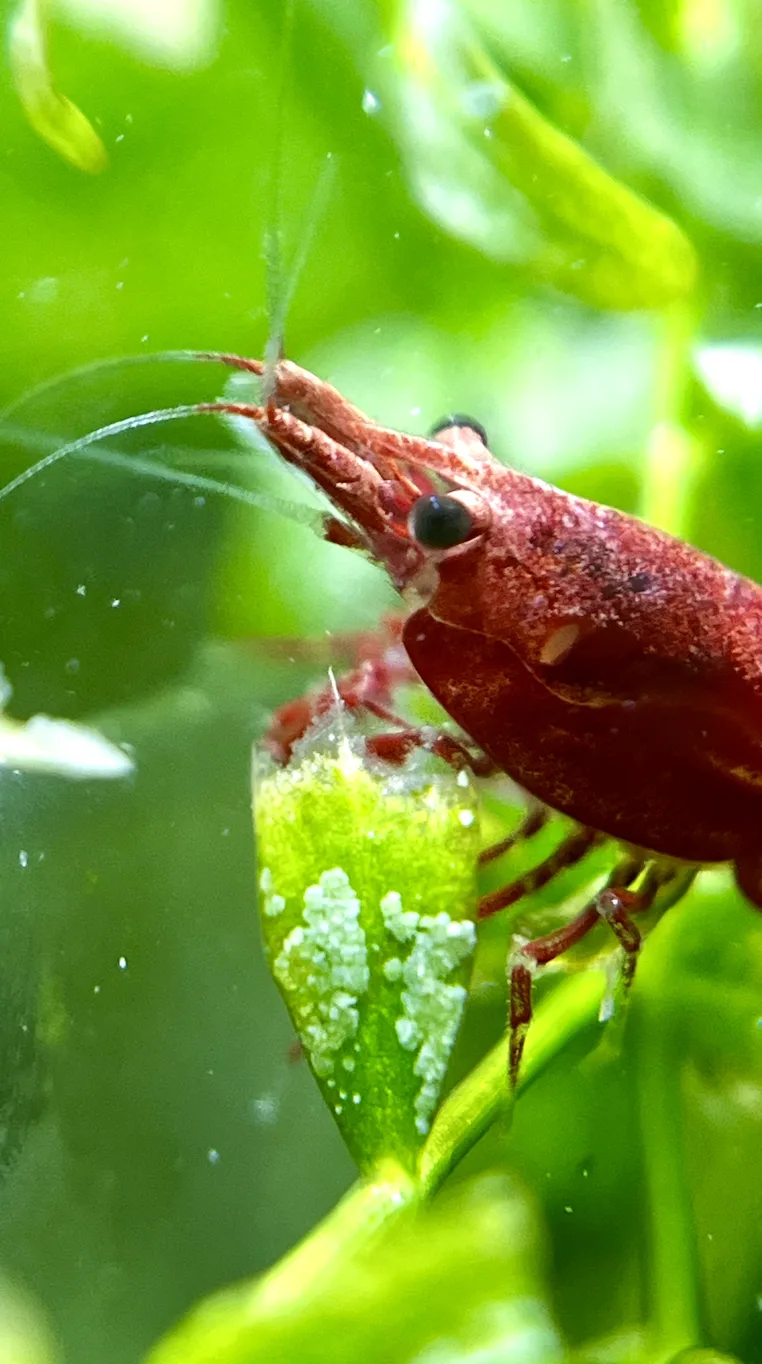
Shrimp: Prefer slower drips and longer windows — GH swings crash colonies.
Marine fish: Match salinity carefully; drip into a clean container and never add store water to the reef.
Mistakes to Avoid
- Dumping bag water into the aquarium
- Rushing a 5-minute “drip” that barely changes chemistry
- Leaving livestock in an ammonia-laden bag for hours while you set up gear
- Acclimating into an uncycled quarantine with no bacteria
Related Reading
Conclusion
Drip acclimation is slow on purpose. Equalise temperature and chemistry, transfer the animals — not the bag water — and pair the process with quarantine when you can. Soft landings create strong livestock.
Explore other topics
Dive into more aquarium guides across the site.