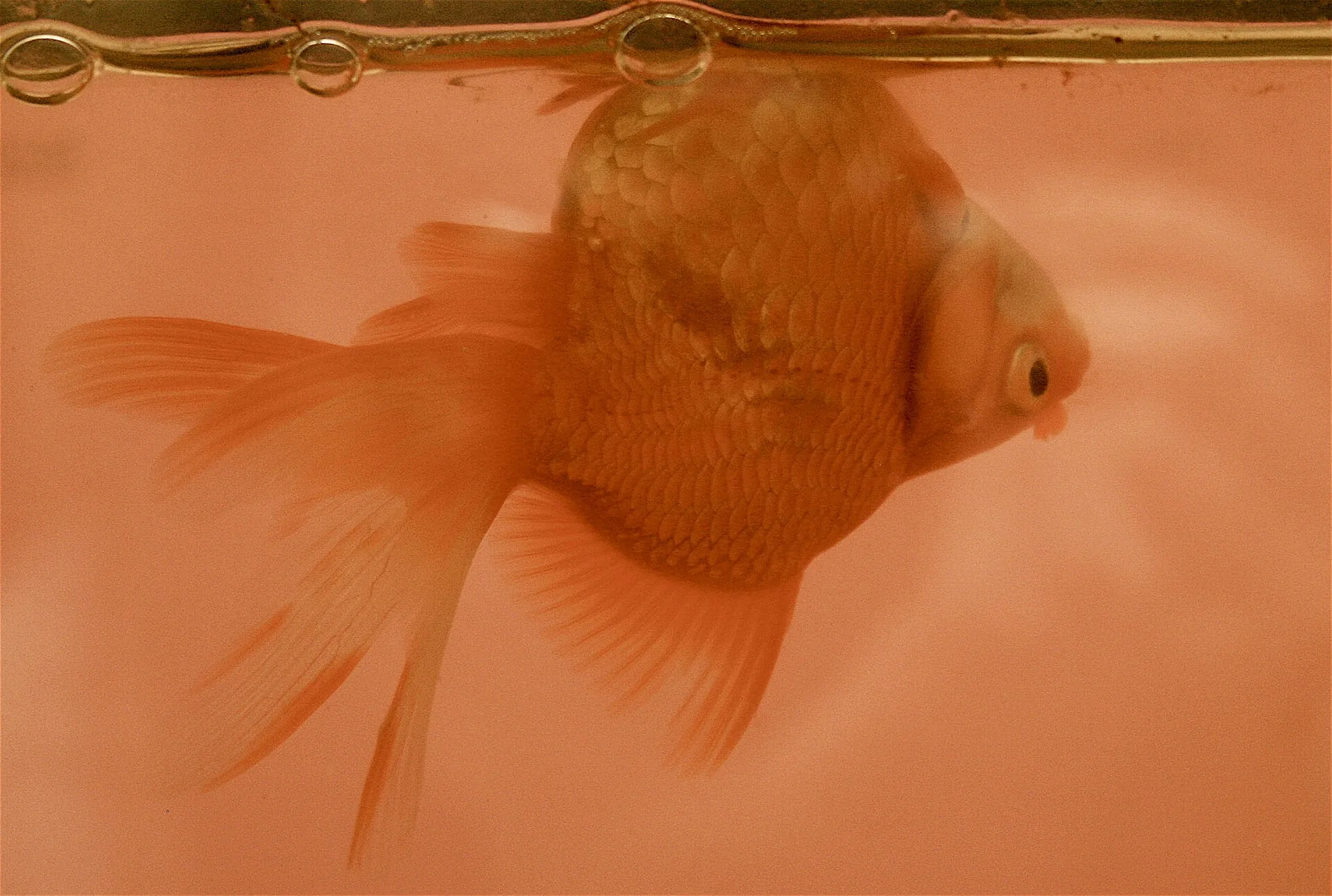
How to Recognize Aquarium Fish Stress
Spot behavioural and physical warning signs, then investigate water quality, aggression and environmental changes.
Read more →
Spot behavioural and physical warning signs, then investigate water quality, aggression and environmental changes.
Read more →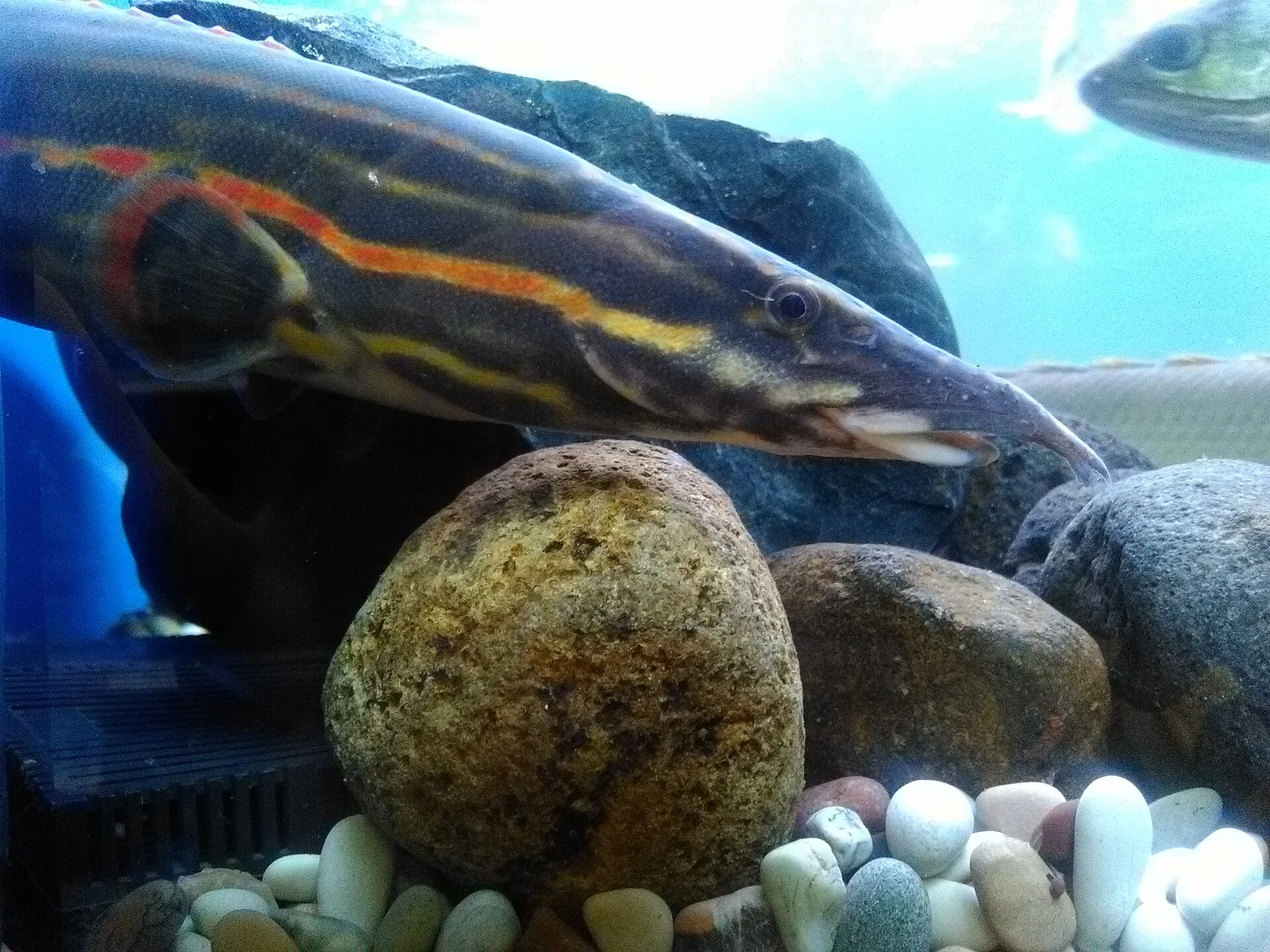
Use targeted feeding and calm routines to help timid fish eat without increasing waste.
Read more →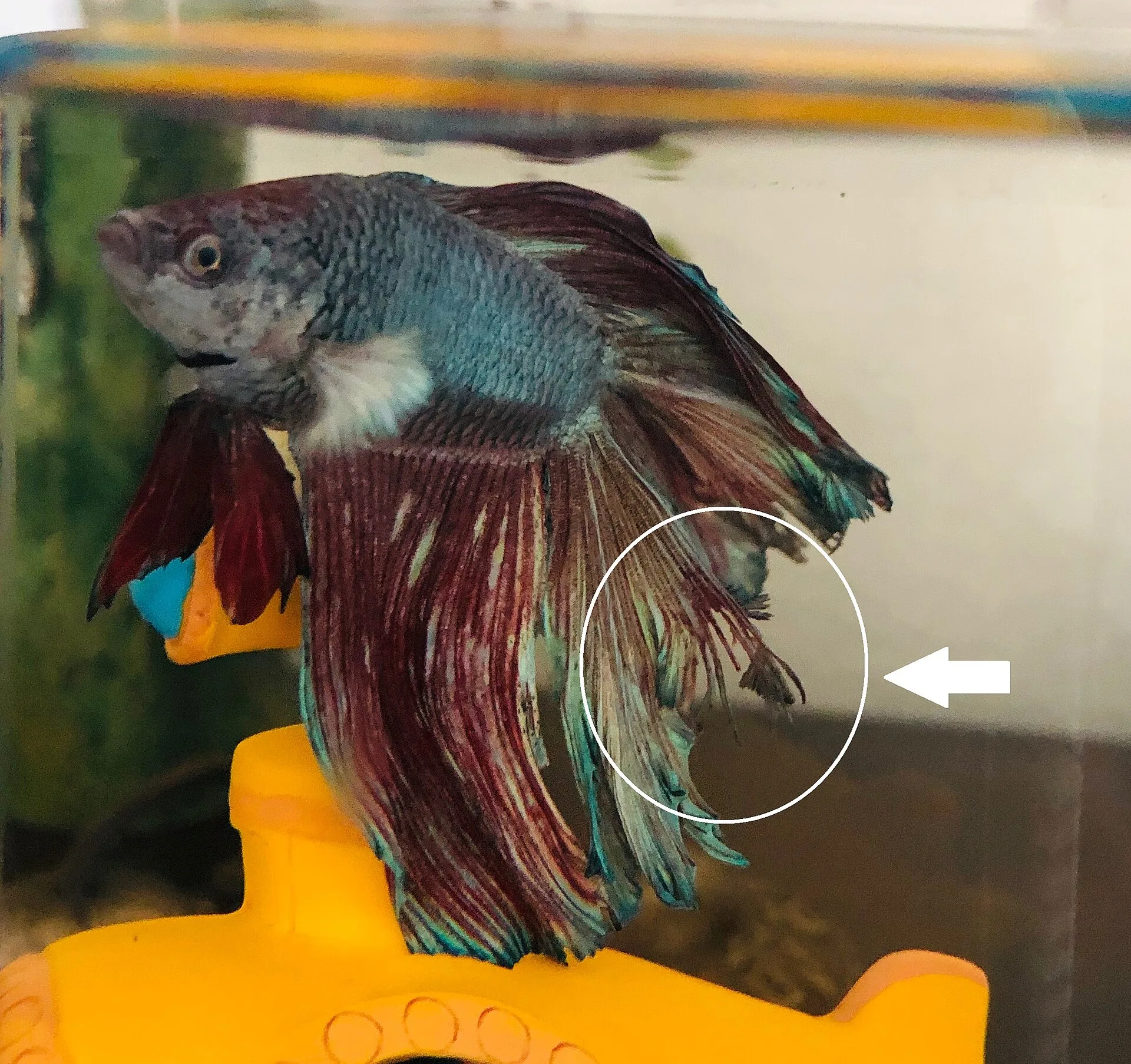
Treat clamped fins as a symptom that requires careful observation rather than a diagnosis by itself.
Read more →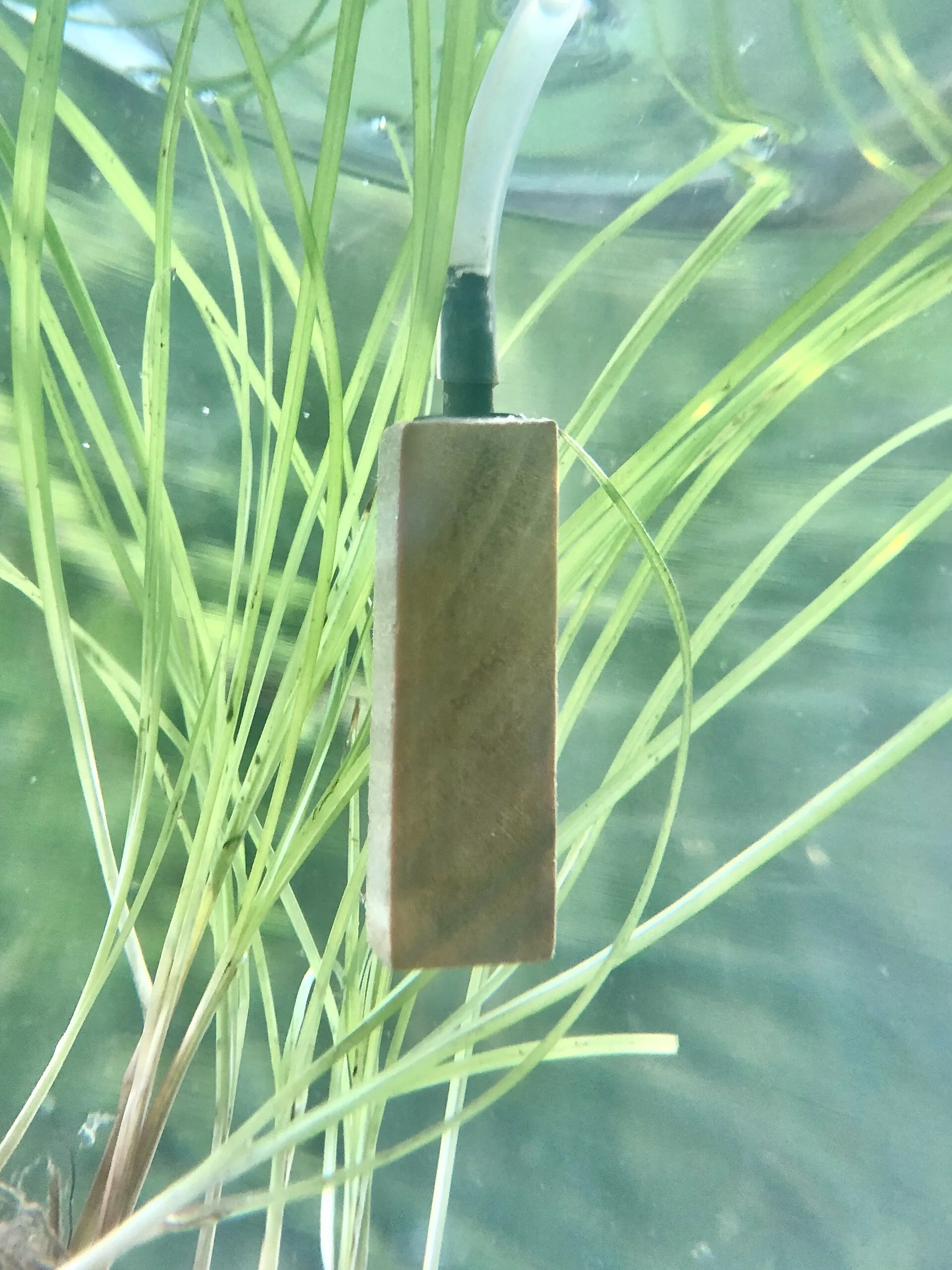
Learn to recognize low oxygen and improve gas exchange without creating excessive turbulence.
Read more →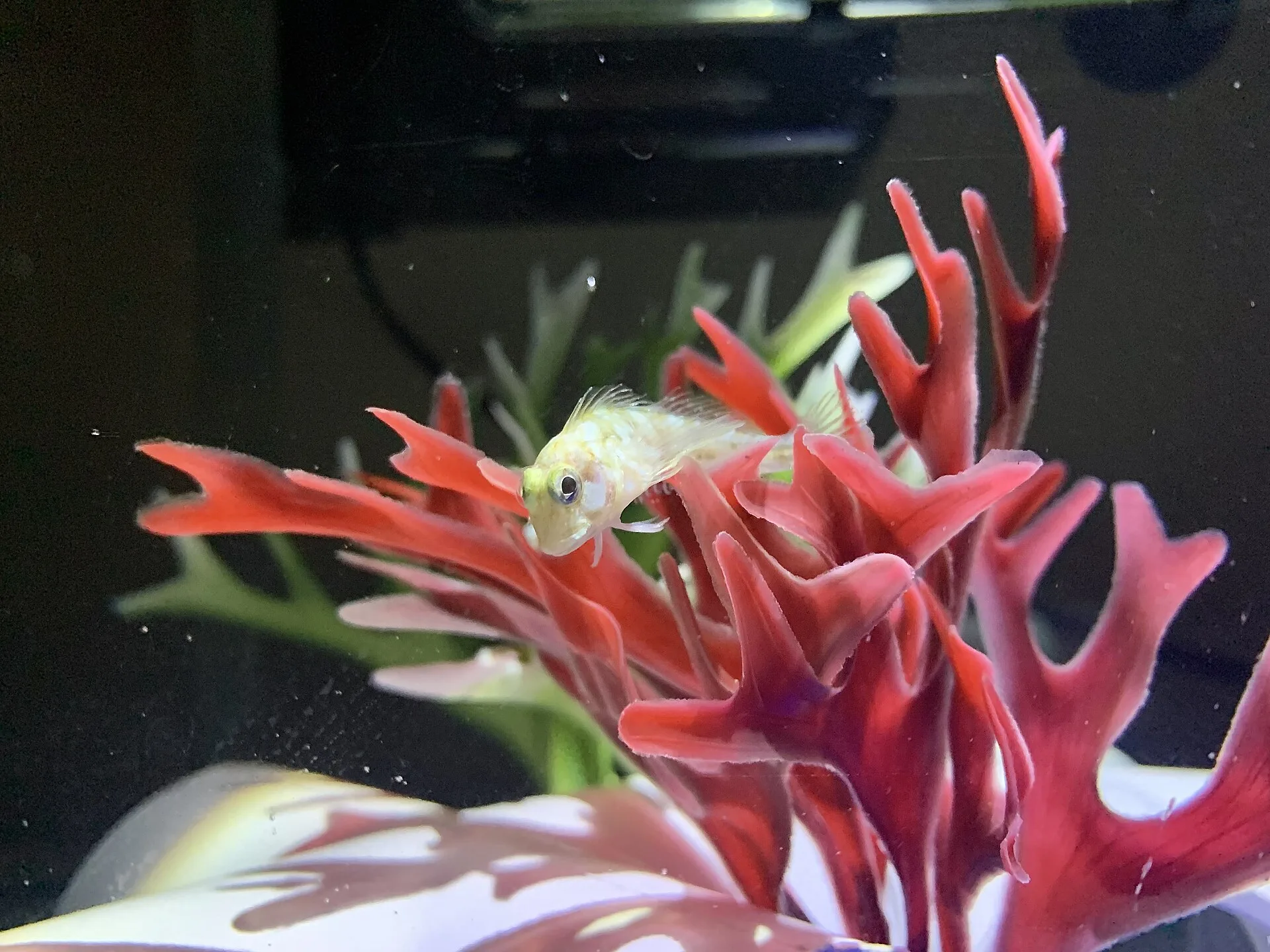
Create a practical treatment tank with stable heat, oxygen and easy observation.
Read more →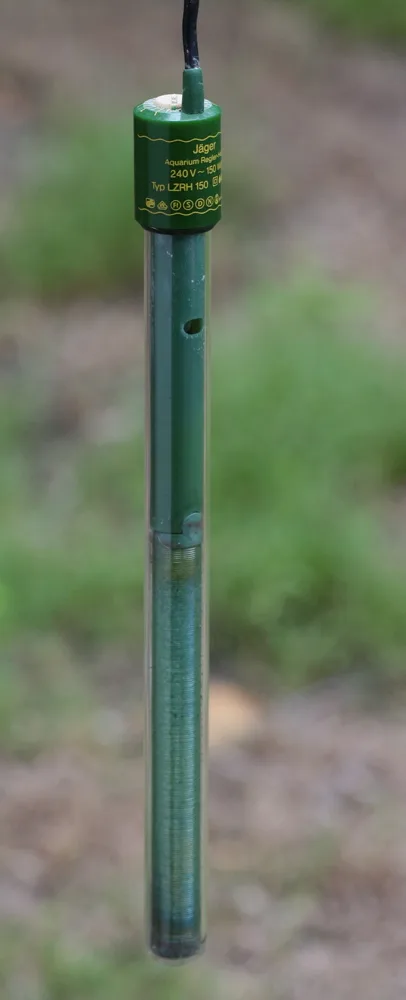
Position heaters near circulation so the whole aquarium remains stable and livestock are protected.
Read more →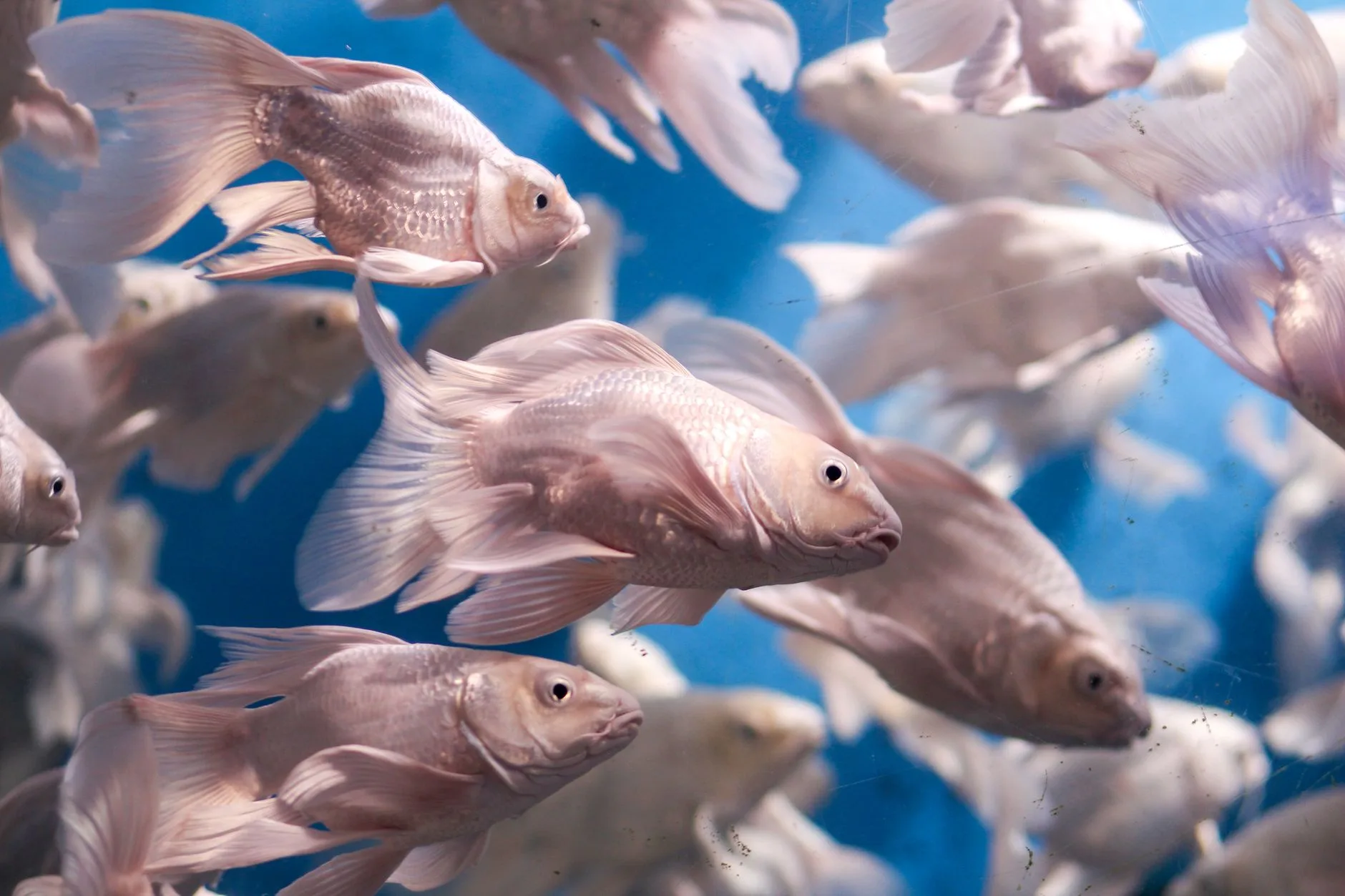
A beginner-friendly guide to nitrite toxicity, common causes and the steps that support recovery.
Read more →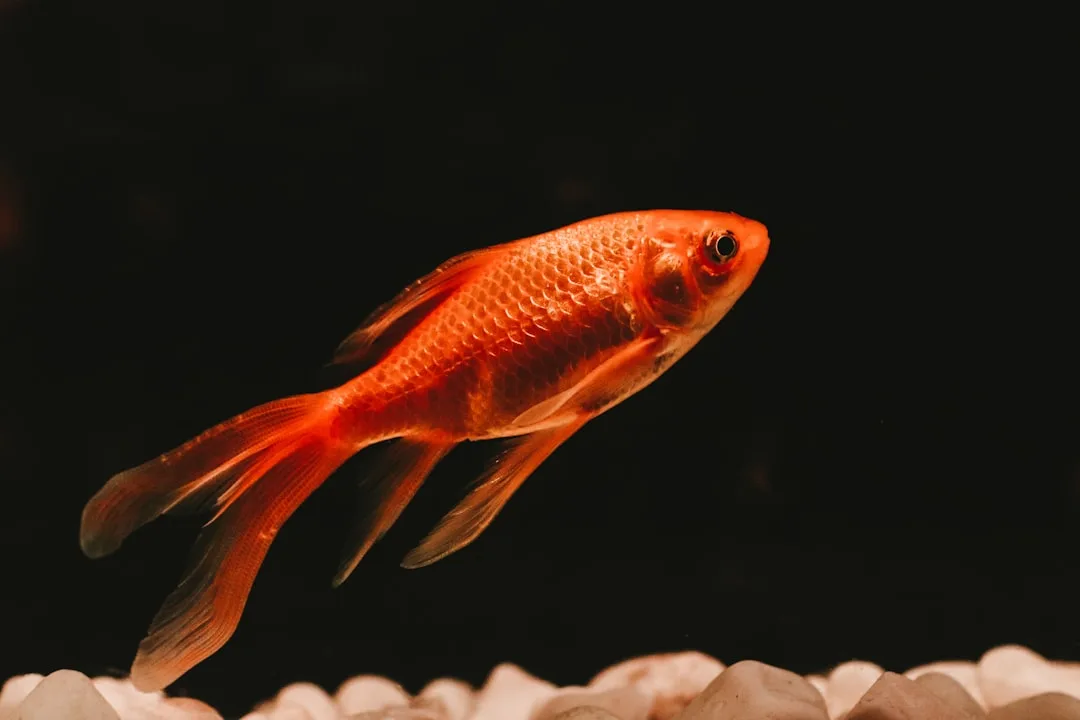
Learn why fish rub against decor and what evidence to gather before choosing treatment.
Read more →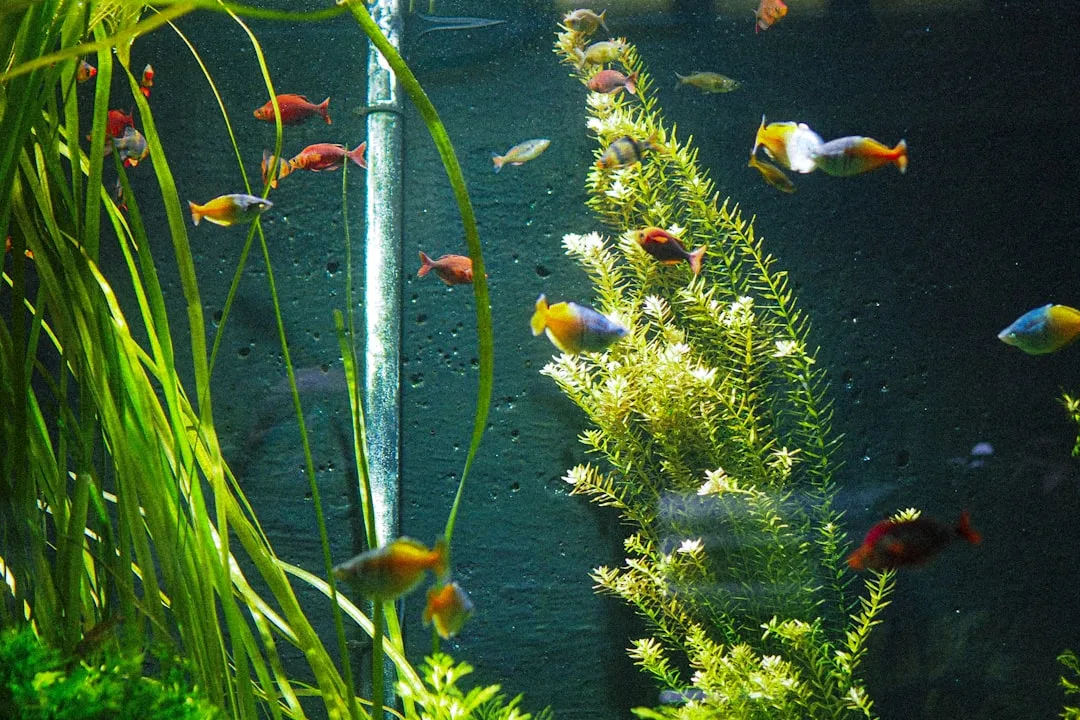
Understand why ammonia rises and what to do immediately to protect fish while the biofilter recovers.
Read more →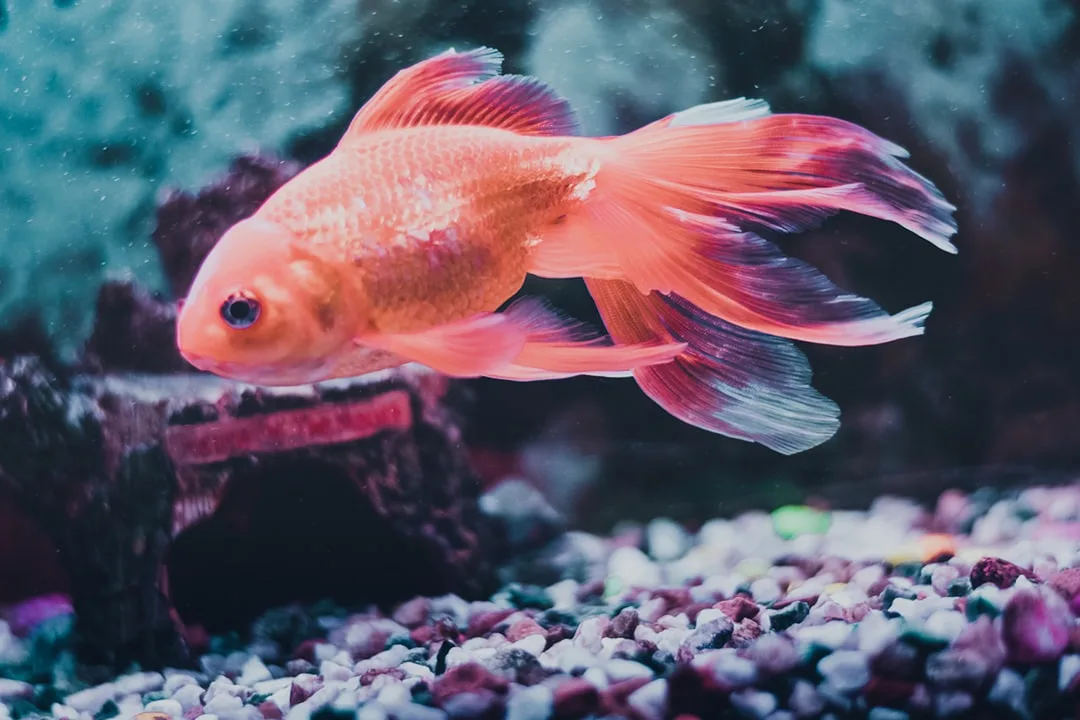
A practical quarantine routine that reduces the risk of introducing parasites or disease to an established aquarium.
Read more →
Temperature matching is not enough. Drip acclimation gently equalises GH, pH, and salinity so new livestock arrives without chemical shock.
Read more →
A small quarantine tank is the cheapest insurance against ich, parasites, and nasty surprises — here’s how to set one up and use it properly.
Read more →
A practical guide to spotting, treating, and preventing ich — the classic white-spot disease that spreads quickly when fish are stressed.
Read more →