
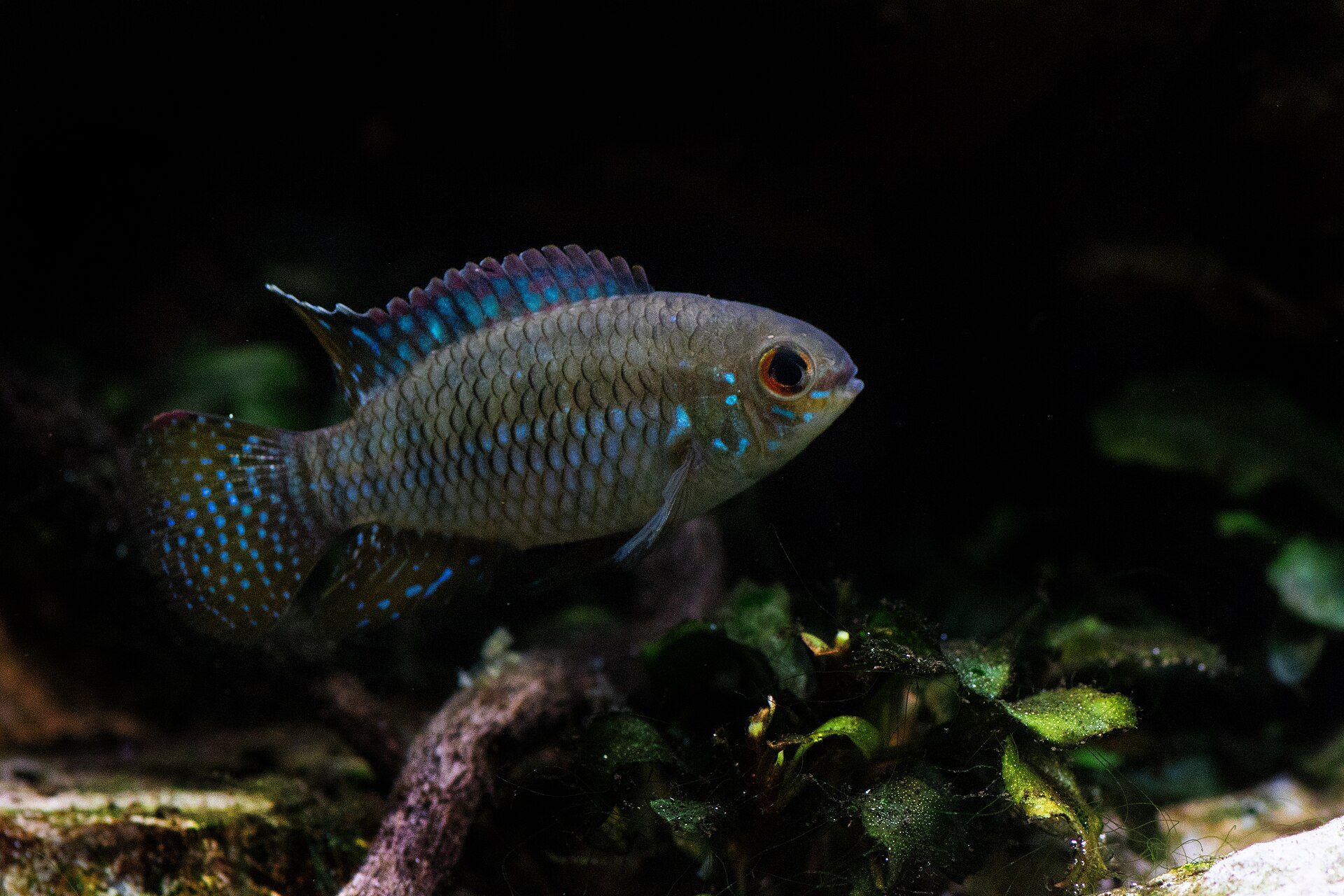
Flag Acara (Laetacara curviceps)
Laetacara curviceps is a gentle 6–8 cm Amazon pair cichlid for a planted, soft-water tank: it spawns on leaves and stones like a ram, not in apis…
Read more →
Jump into popular groups — tetras, corys, danios, and more.
Laetacara curviceps is a gentle 6–8 cm Amazon pair cichlid for a planted, soft-water tank: it spawns on leaves and stones like a ram, not in apis…
Read more →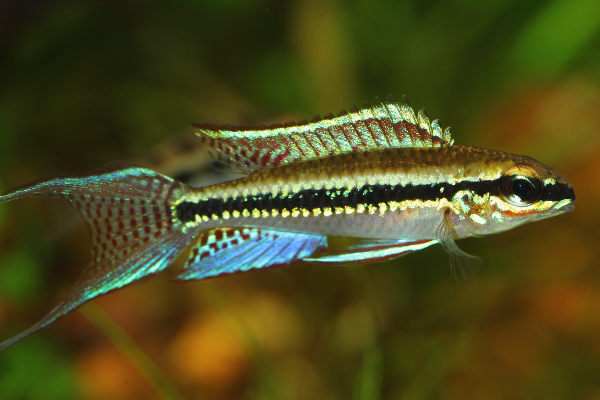
Dicrossus filamentosus is a blackwater specialist from the Rio Negro and Orinoco: a 6–8 cm checkerboard dwarf that demands extremely soft, acidic…
Read more →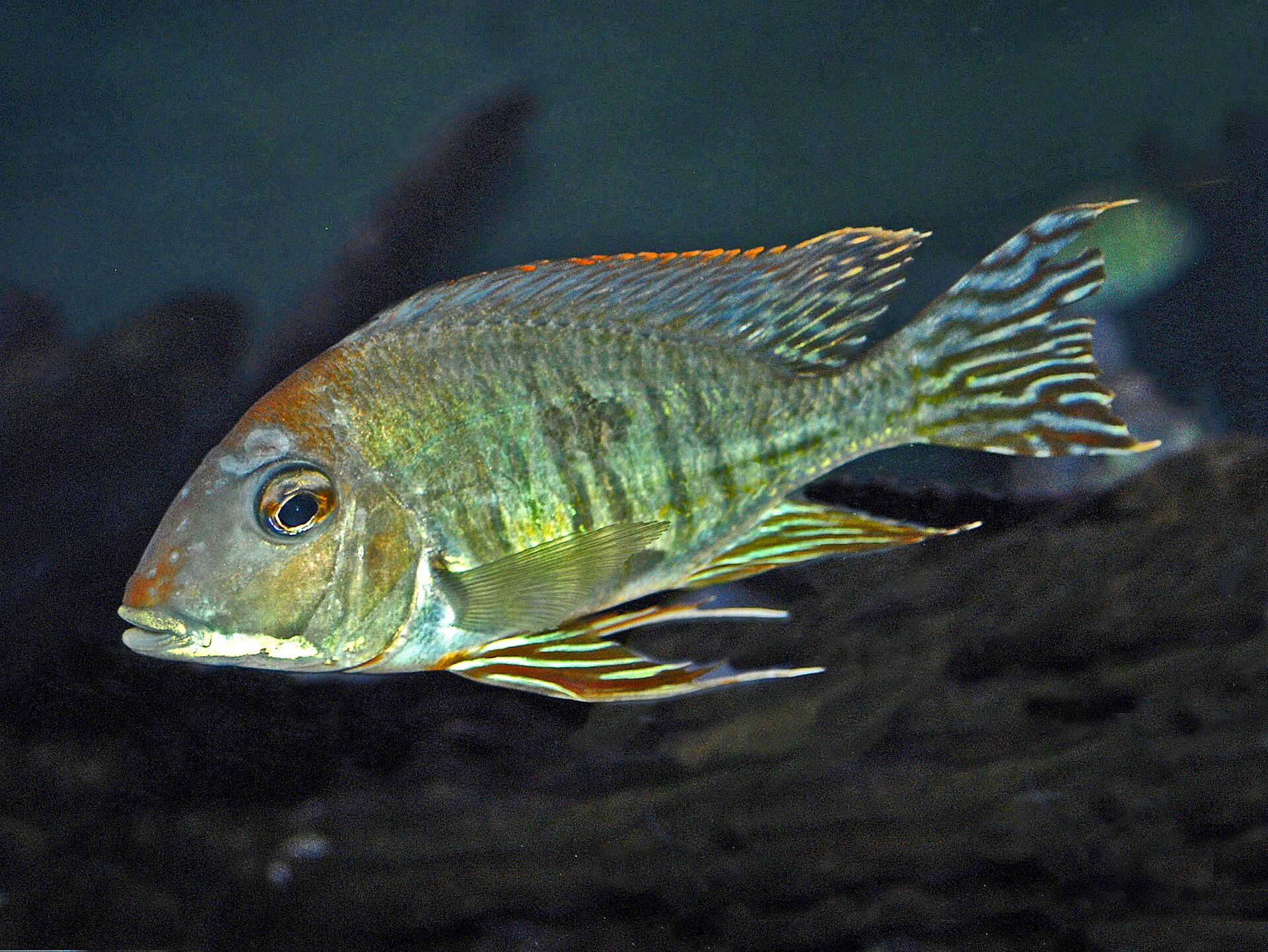
Geophagus altifrons is the high-foreheaded Amazon eartheater: 20–25 cm, warm soft water, a deep sand bed, and a gentler reputation than the pearl…
Read more →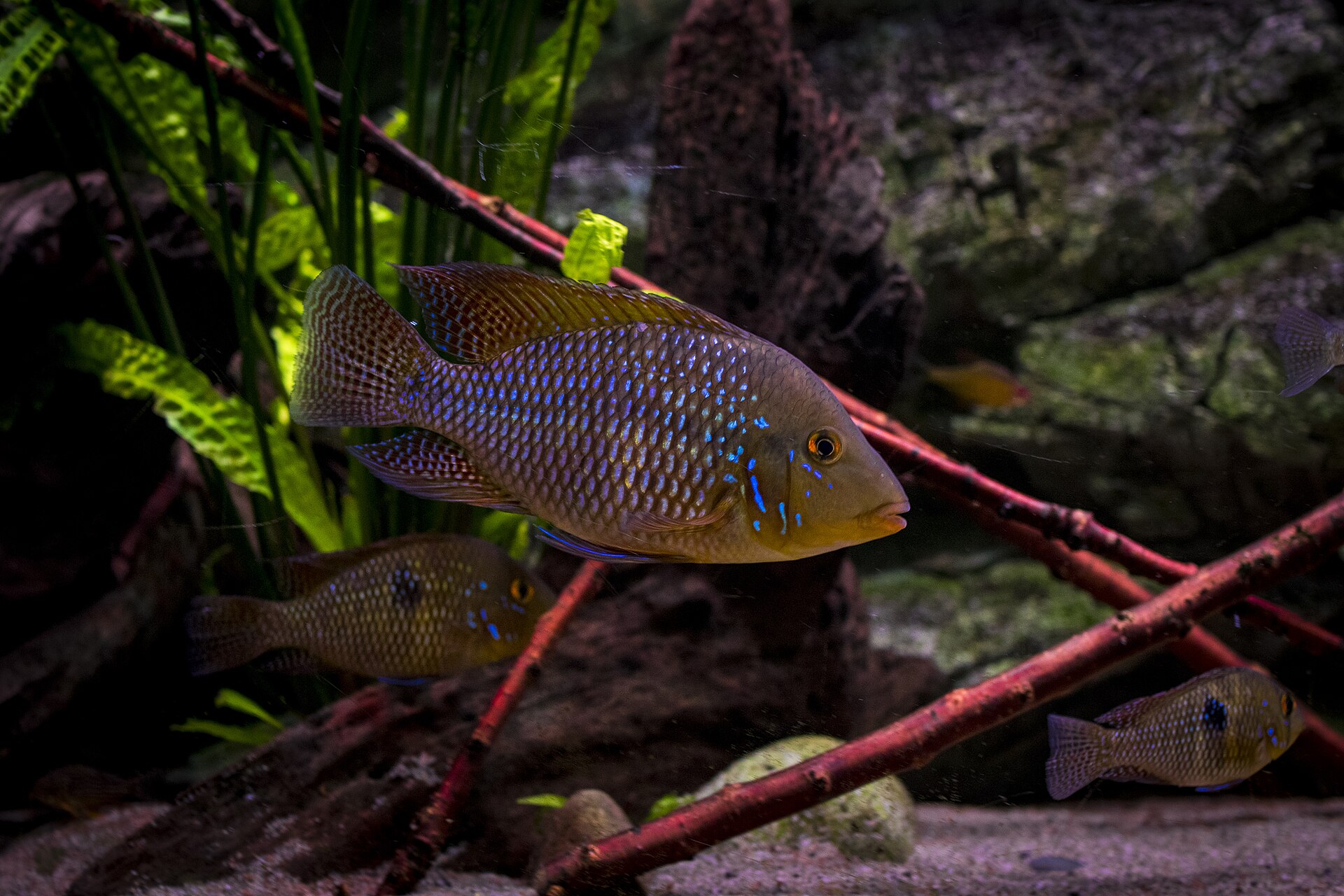
Geophagus brasiliensis is a 20–30 cm coastal Brazilian cichlid: pearl-spangled, sand-sifting, and far more adaptable and territorial than Amazon…
Read more →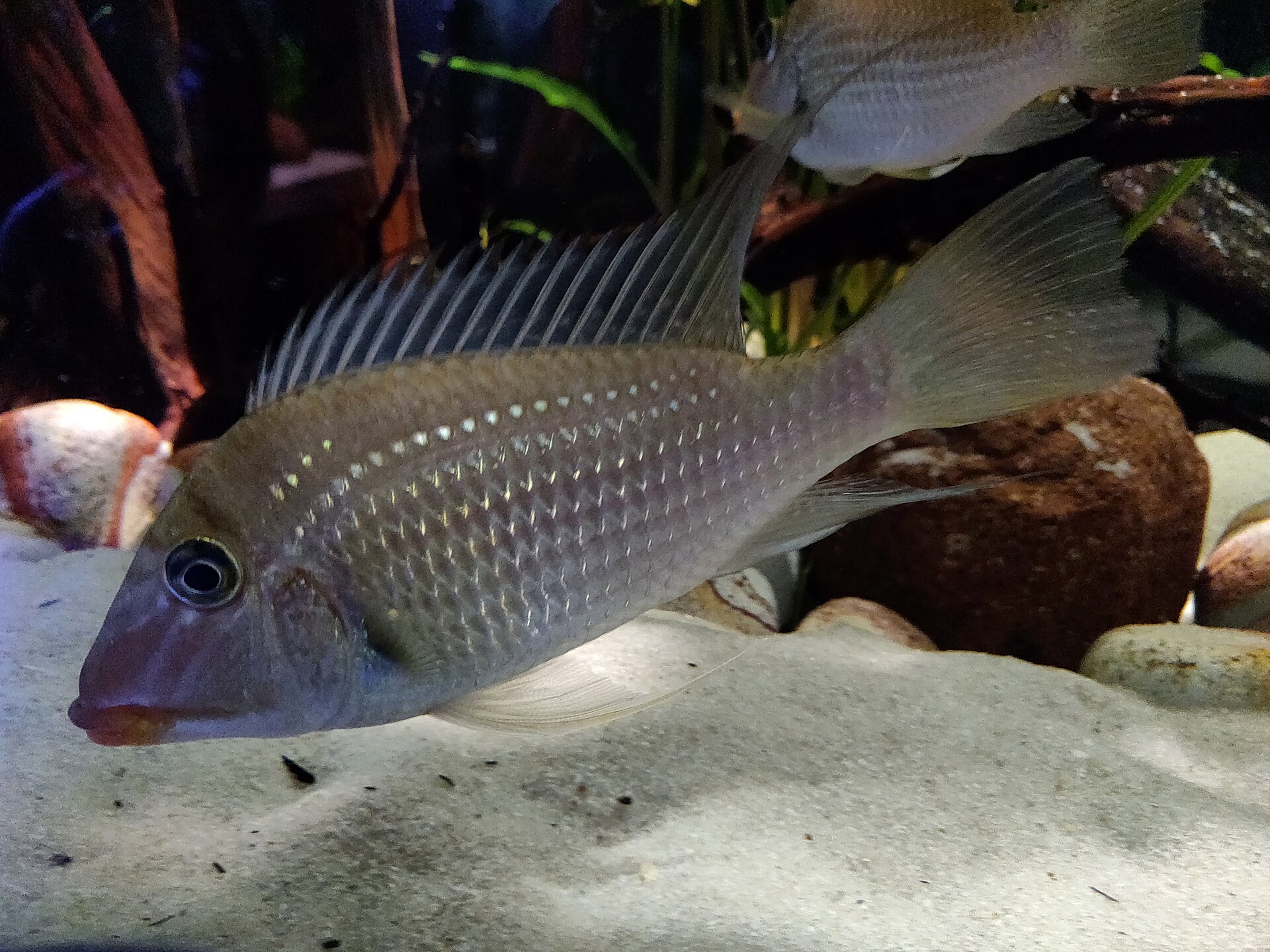
Satanoperca jurupari is a 20–25 cm Amazon sand-sifter that takes mouthfuls of substrate and is a delayed mouthbrooder — give it a deep sand bed…
Read more →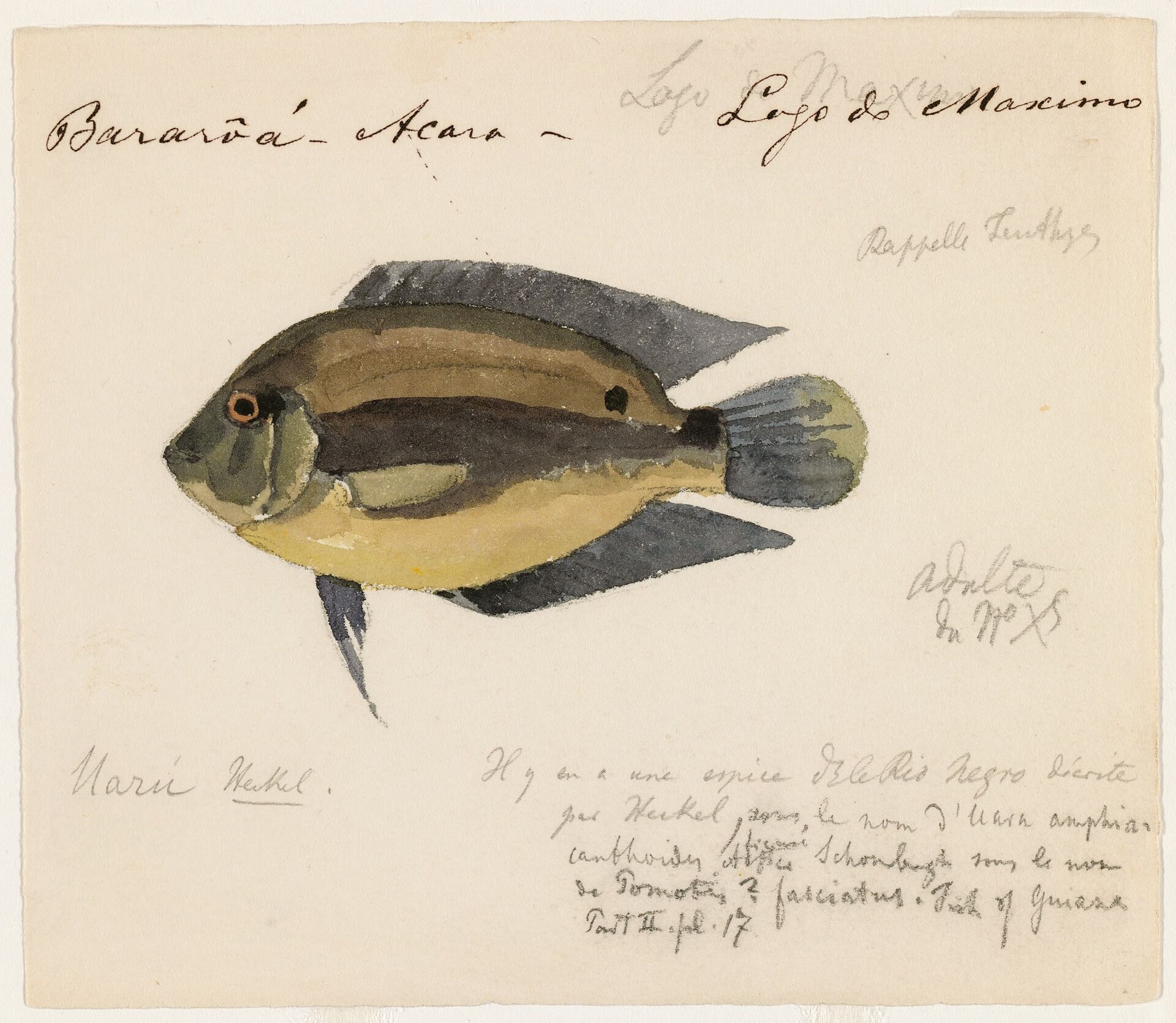
Uaru amphiacanthoides is a 25–30 cm Amazon cichlid that lives like a plant-eating discus cousin: warm, clean, soft water, a huge tank, and vegeta…
Read more →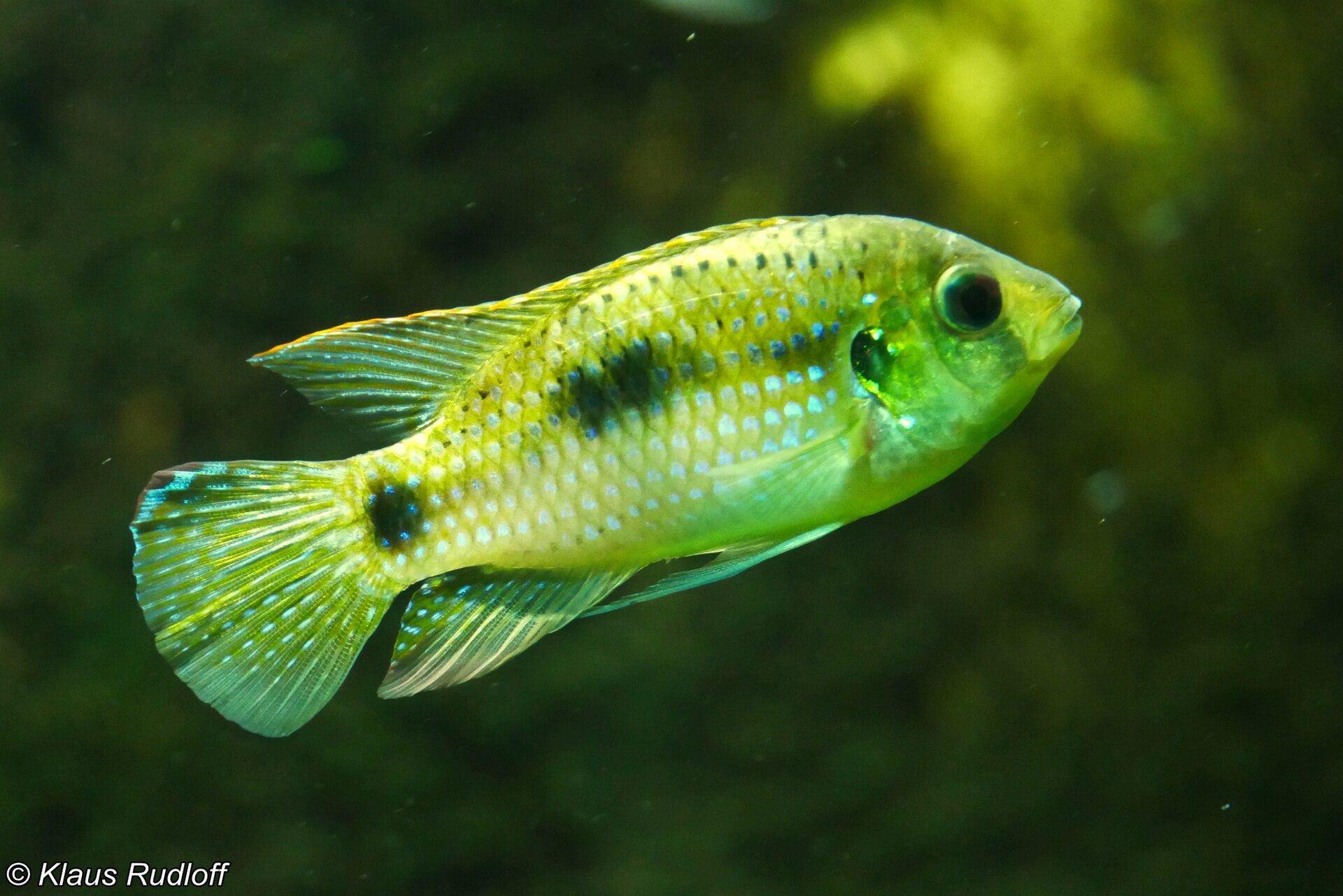
Anomalochromis thomasi is a West African forest-stream dwarf that pair-spawns on leaves and wood in soft, vegetated water — not an Apistogramma,…
Read more →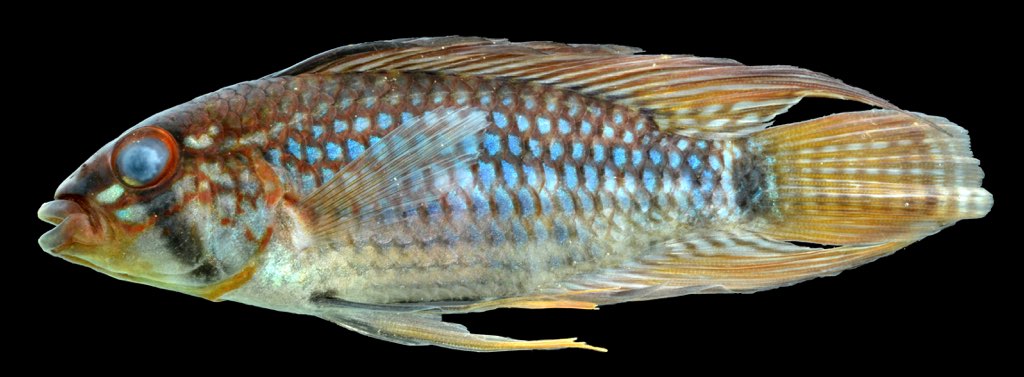
Apistogramma steindachneri is the bigger, more adaptable Guianan apisto: 7–9 cm, still a sand-and-cave dwarf in soft to moderately soft water —…
Read more →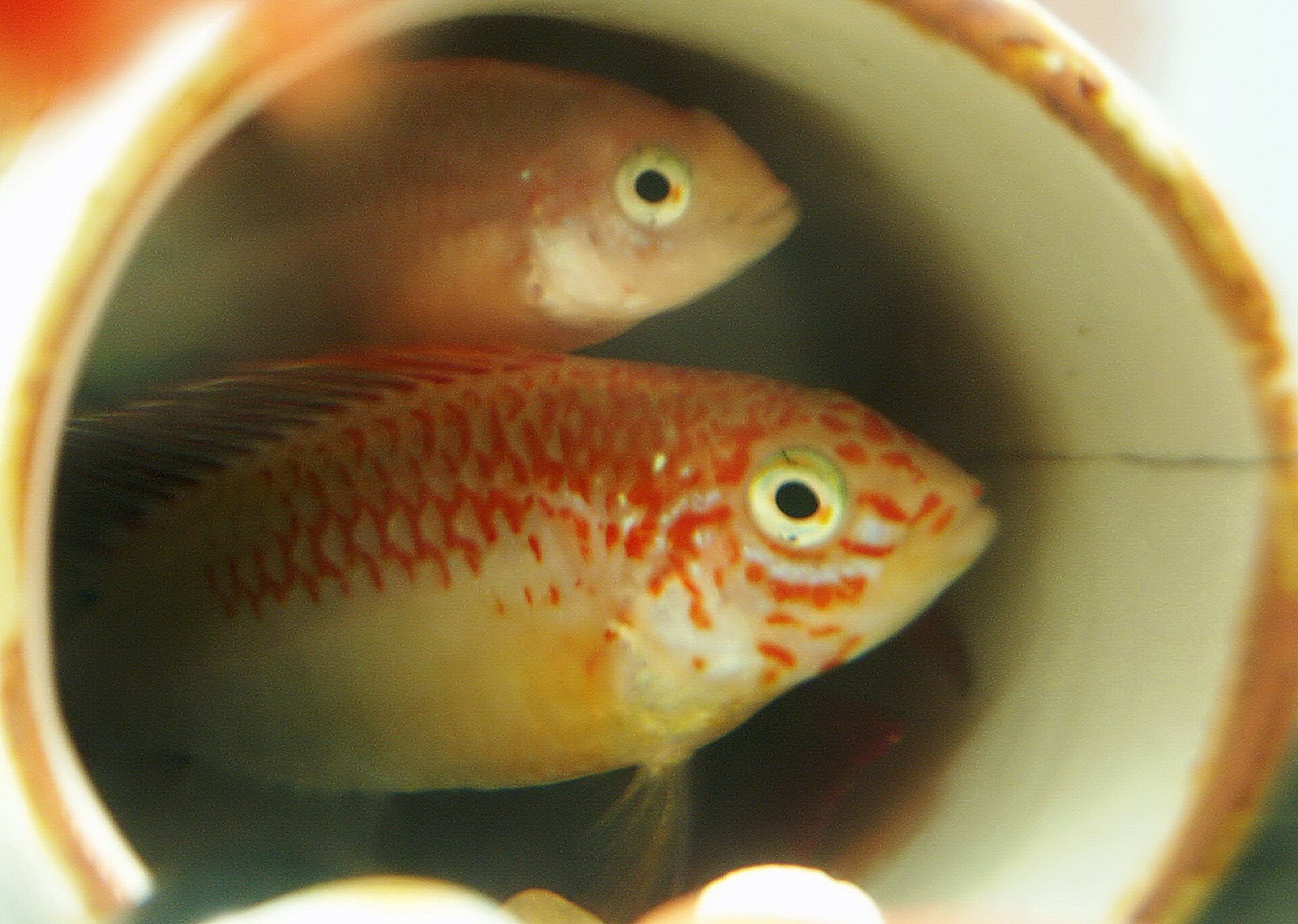
Apistogramma viejita is a Colombian dwarf cichlid sold in red and yellow lines: still a leaf-litter, cave, soft-water harem fish — the colours ar…
Read more →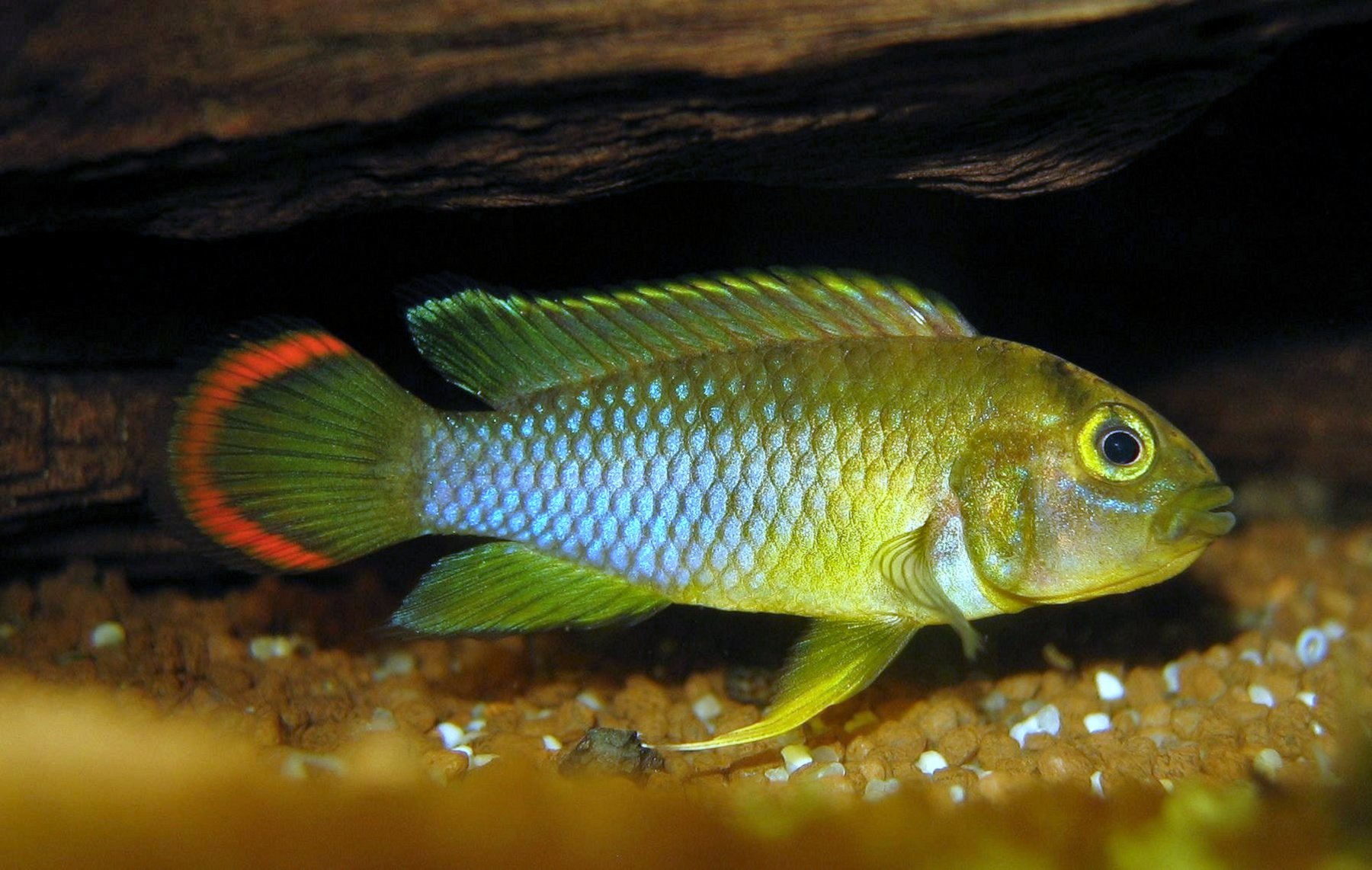
Apistogramma nijsseni — the panda apisto — is a Peruvian blackwater dwarf whose males wear a pale mask and a dark rear; keep it in stained, ver…
Read more →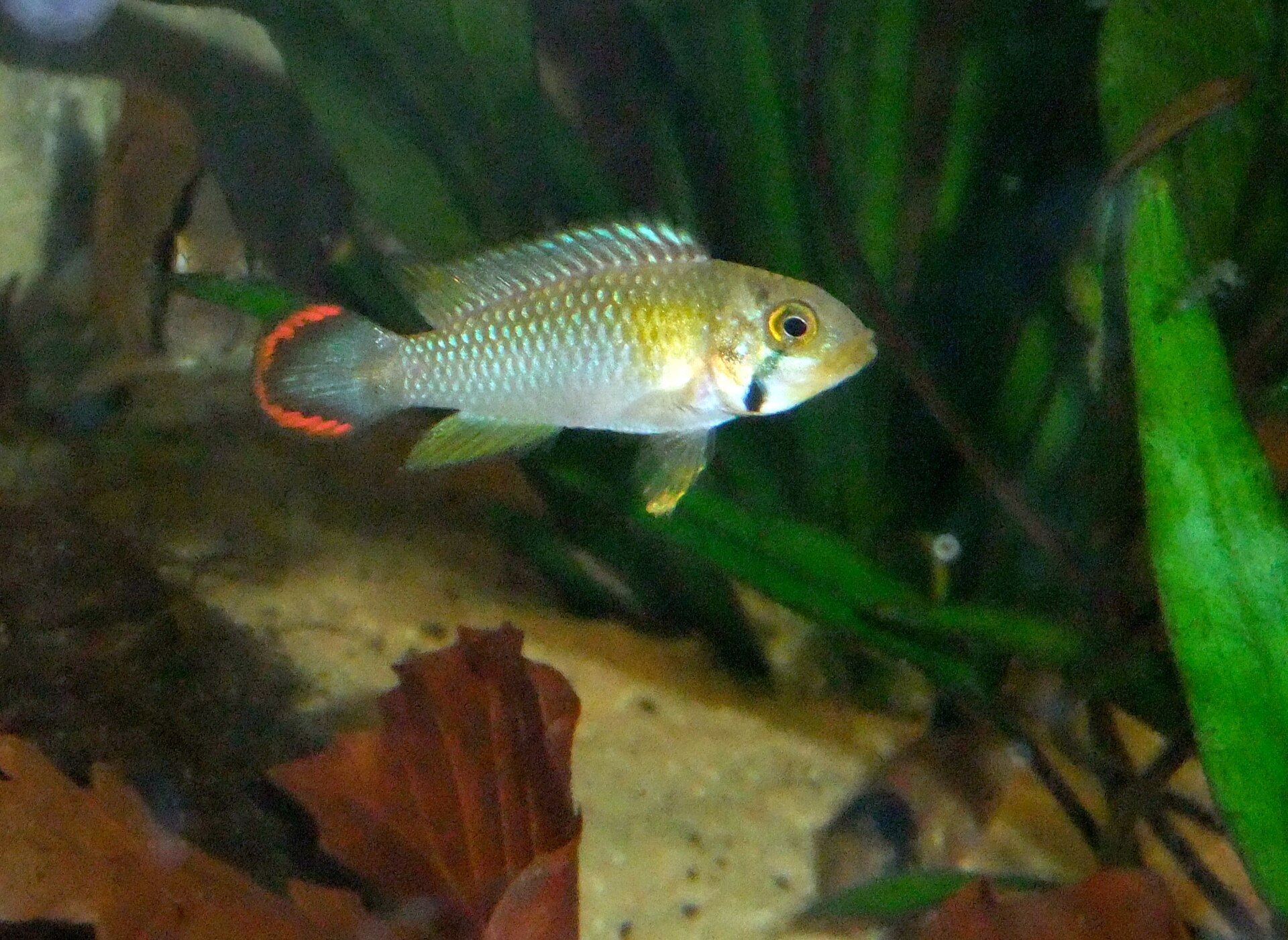
Apistogramma panduro is a Peruvian leaf-litter dwarf cichlid: soft acidic water, botanicals, and caves — a 5–6 cm harem fish that has nothing t…
Read more →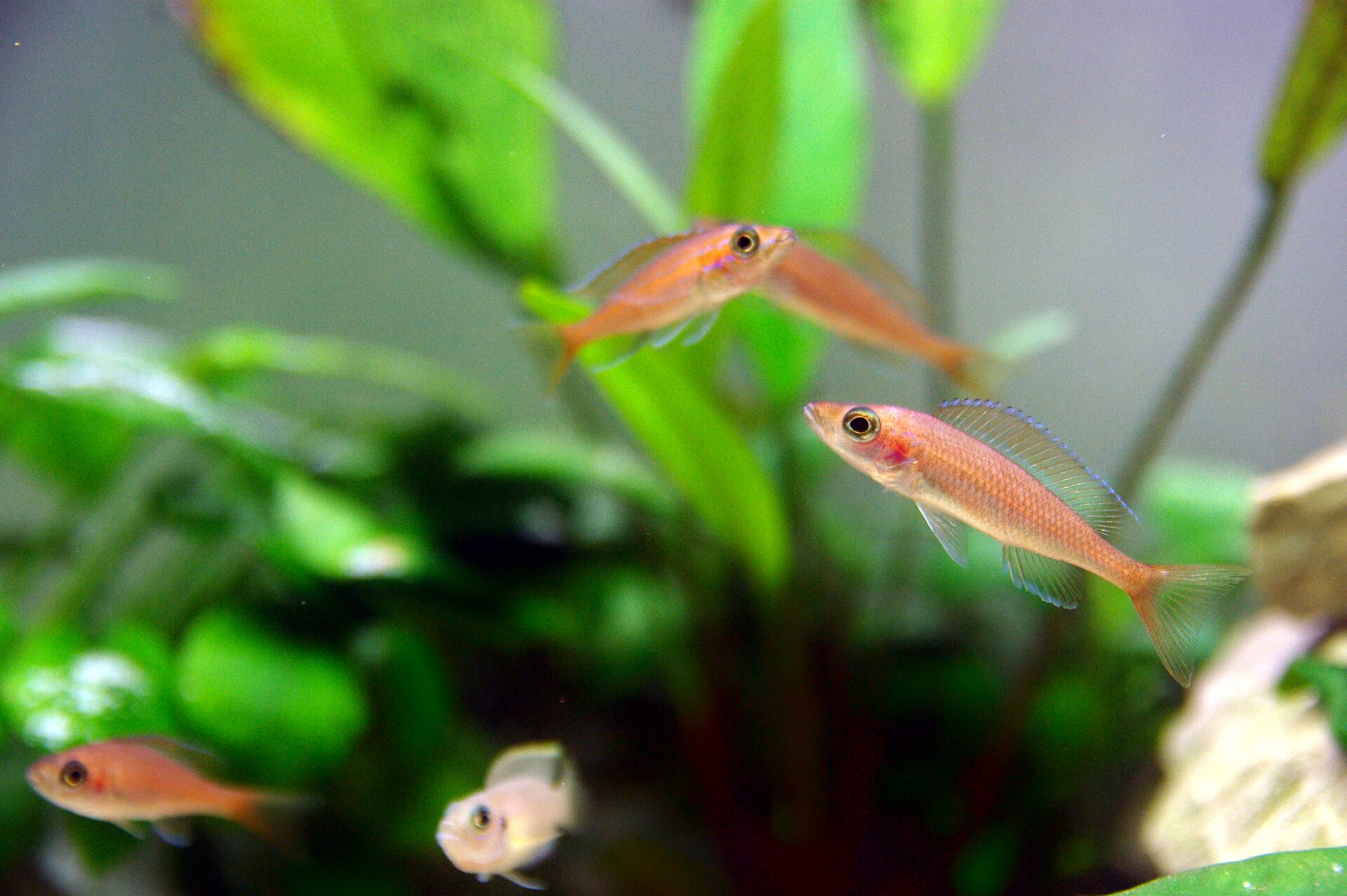
Paracyprichromis nigripinnis is a midwater Tanganyika wall-schooler: males hold a blue neon in a tall, long alkaline tank, mouthbrood, and ignore s…
Read more →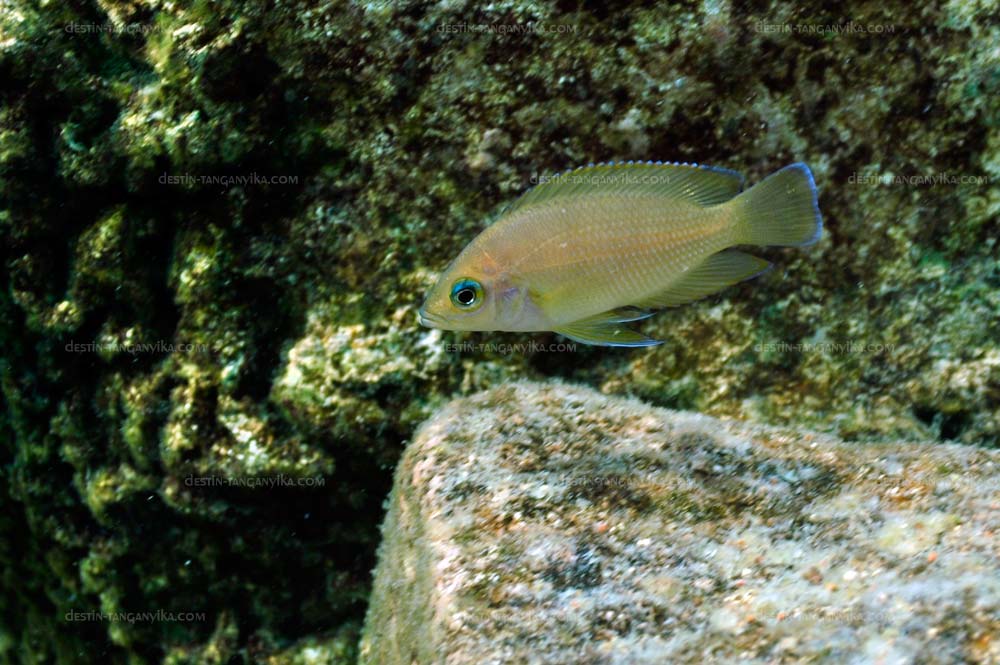
Variabilichromis moorii is the Tanganyika rock cichlid that starts yellow and finishes near-black: a 9–11 cm algal grazer and cave holder in hard…
Read more →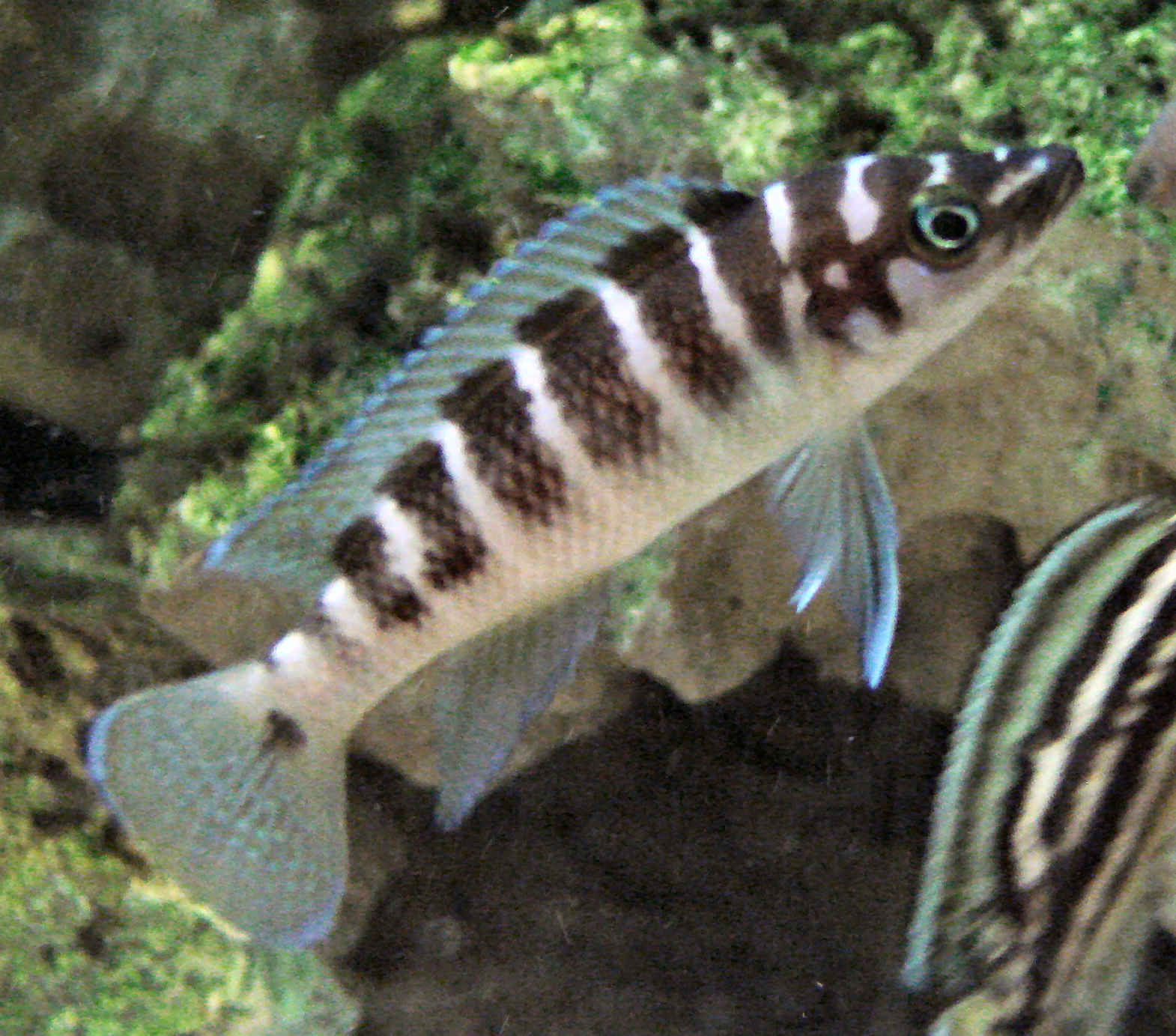
Neolamprologus cylindricus is a tube-bodied Tanganyika rock cichlid that holds caves in the littoral: 8–10 cm of territorial pair in alkaline wat…
Read more →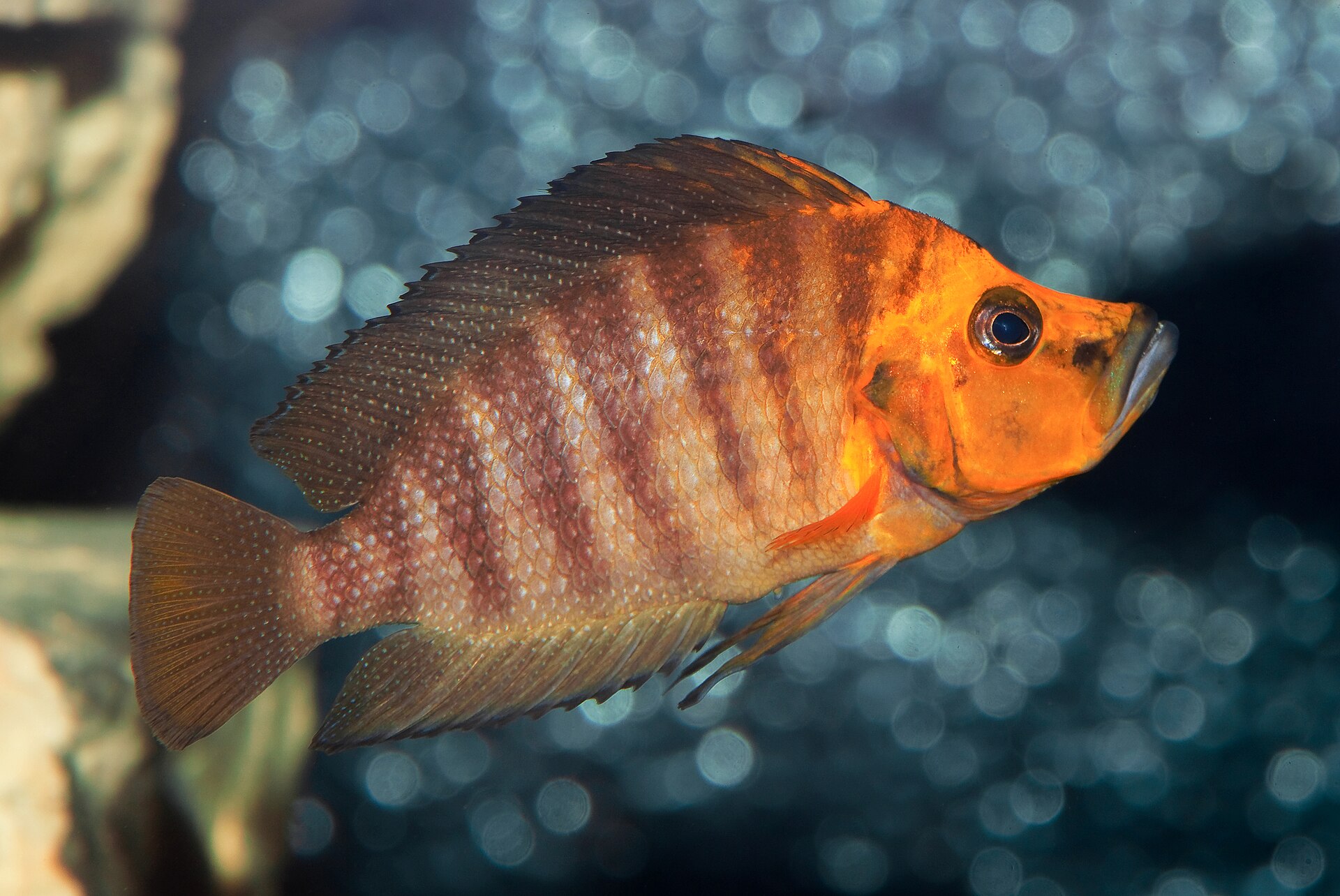
Altolamprologus compressiceps is a laterally flattened Tanganyika hunter that slides into vertical rock seams to eat snails and fry — keep it as…
Read more →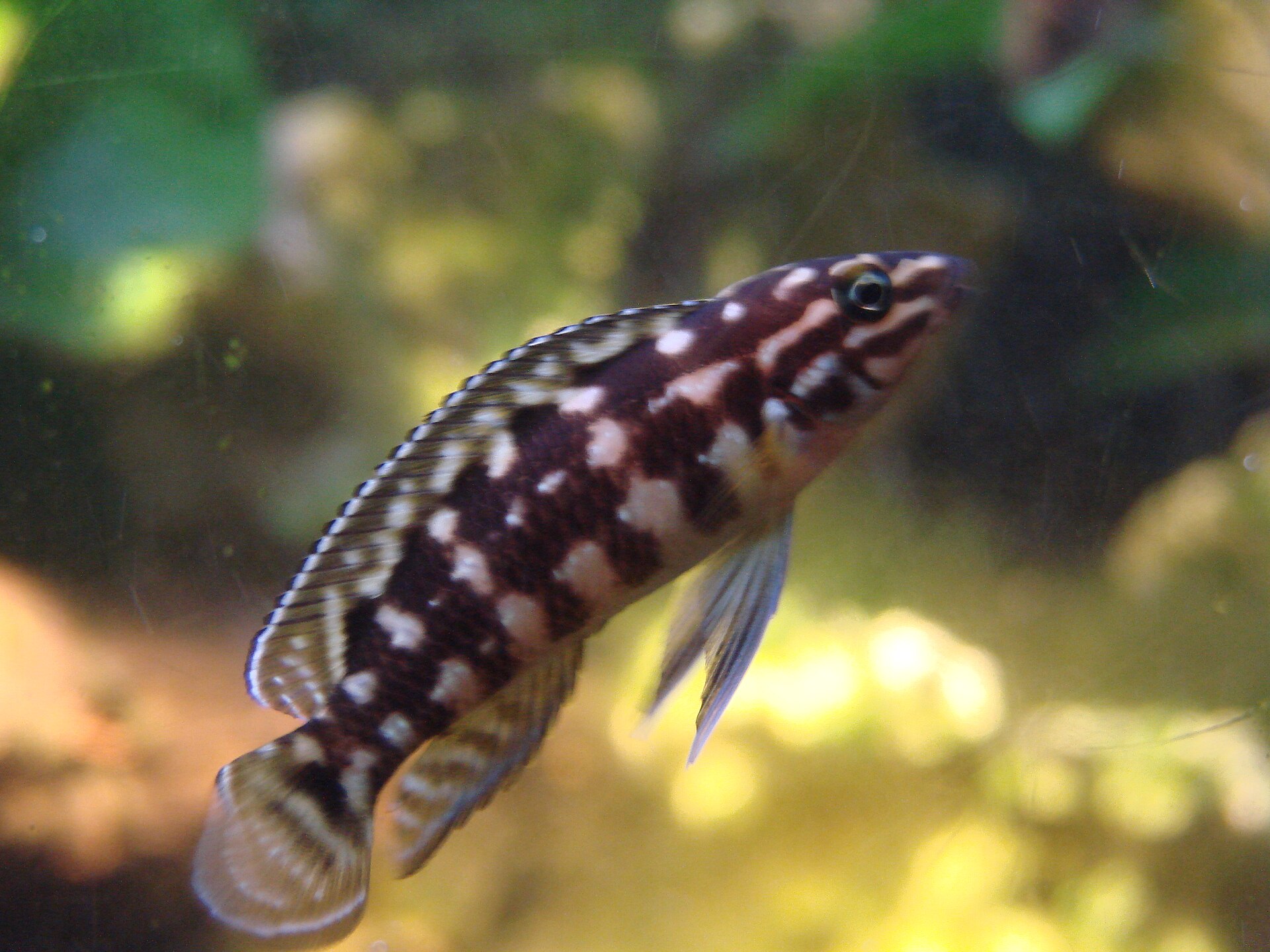
Julidochromis marlieri is the heavier, checkerboard Julie: 8–10 cm of rock-slit cichlid that wants a bigger boulder pile than J. ornatus, the sam…
Read more →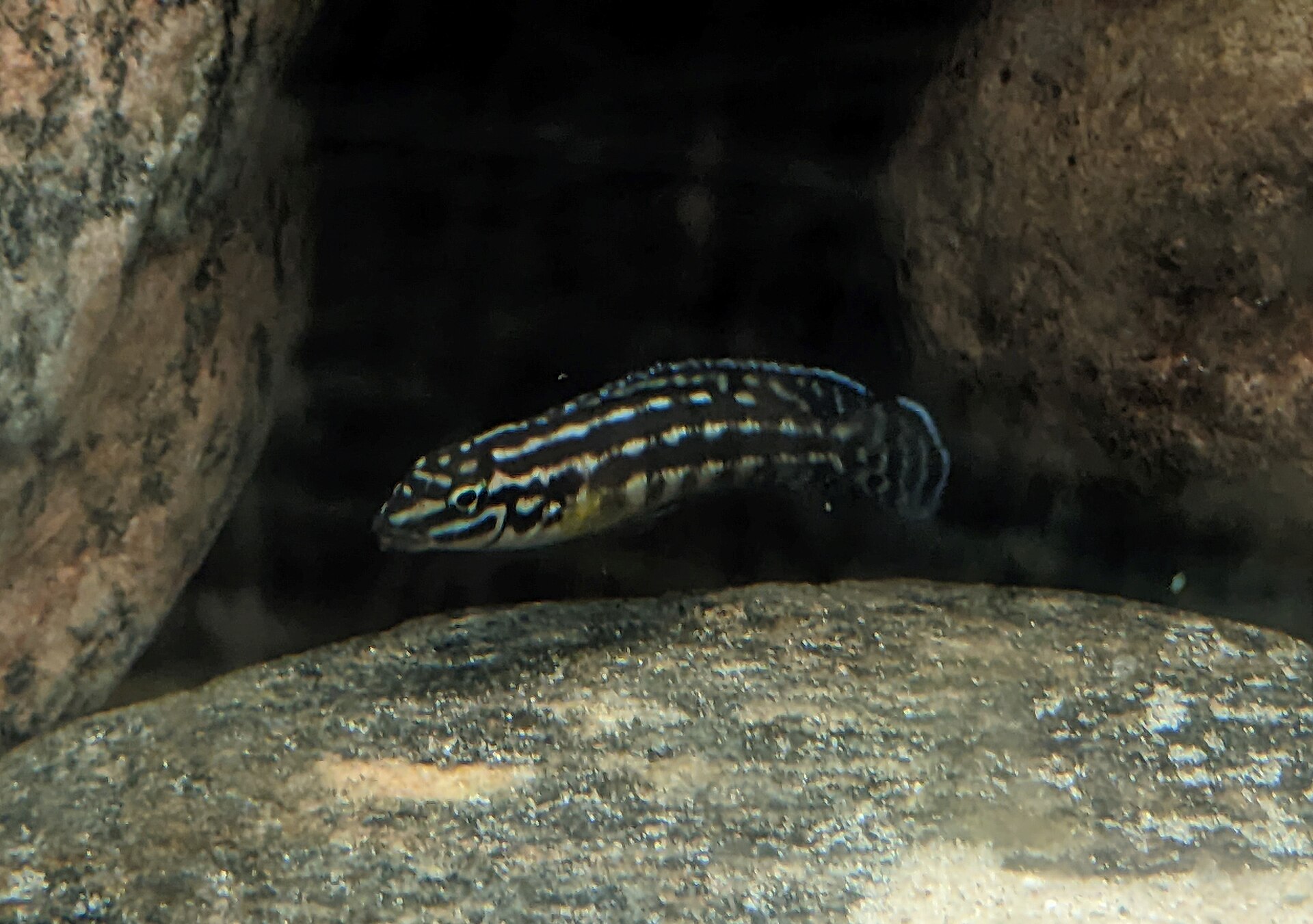
Julidochromis ornatus is a slender Tanganyika rock cichlid that lives in slits, not shells: pair it on a pile of stacked rock in hard alkaline wate…
Read more →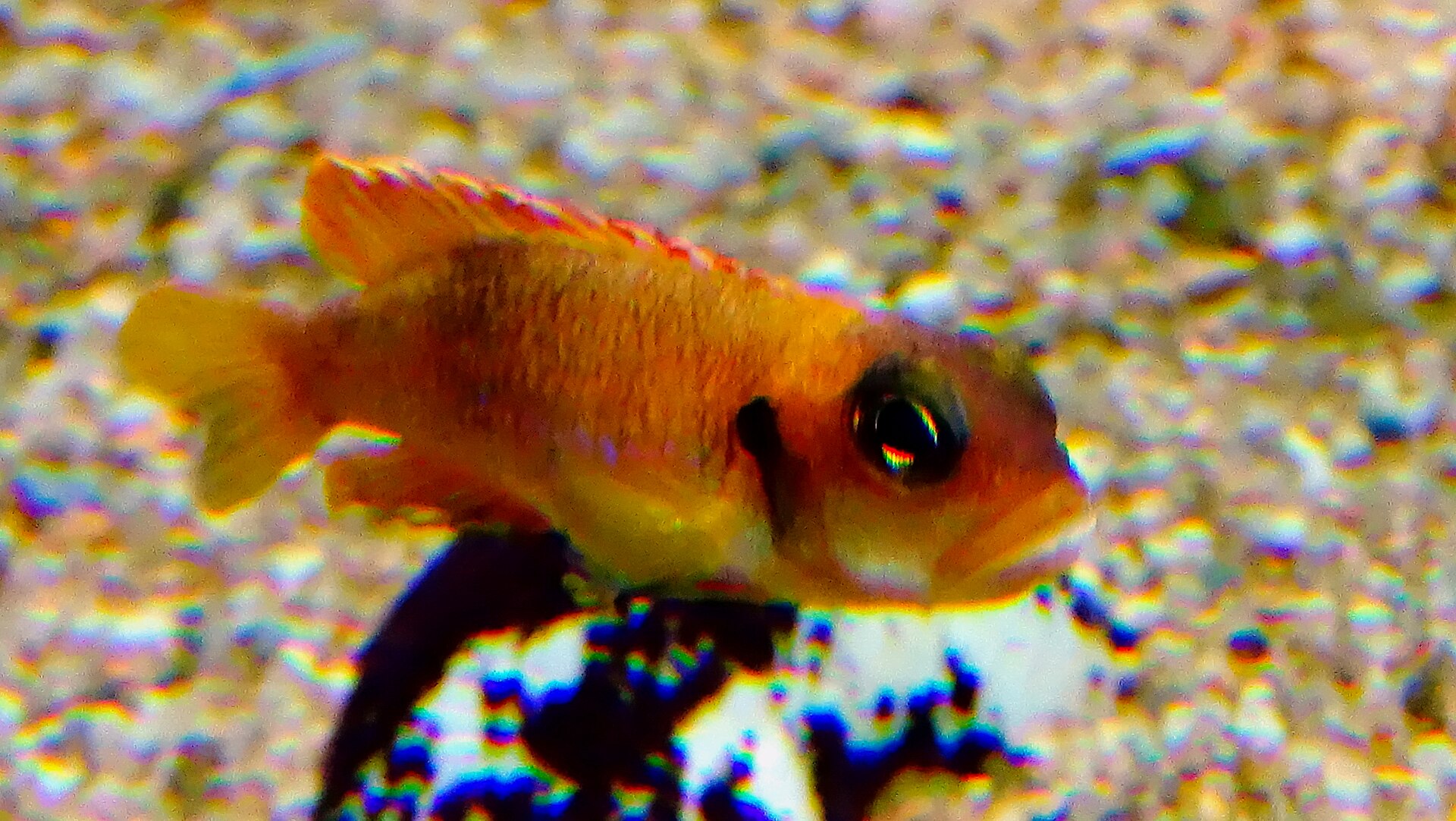
Lamprologus ocellatus is a 4–6 cm Tanganyika shell-dweller: empty snail shells on deep sand, hard alkaline water, and a colony — never a plante…
Read more →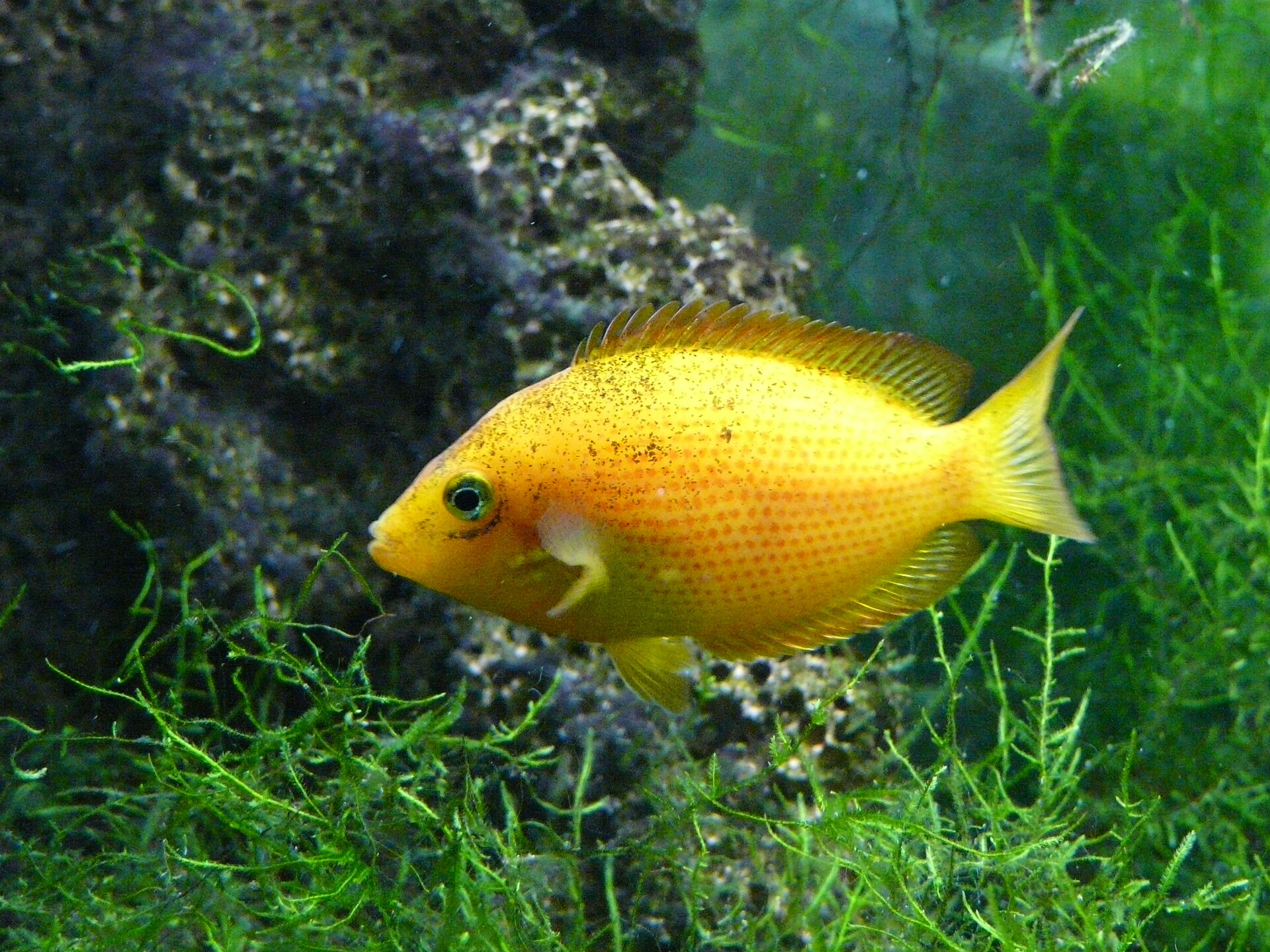
Etroplus maculatus, the orange chromide of India and Sri Lanka, colours like a sunset when the pair and the hardness are right, with optional brack…
Read more →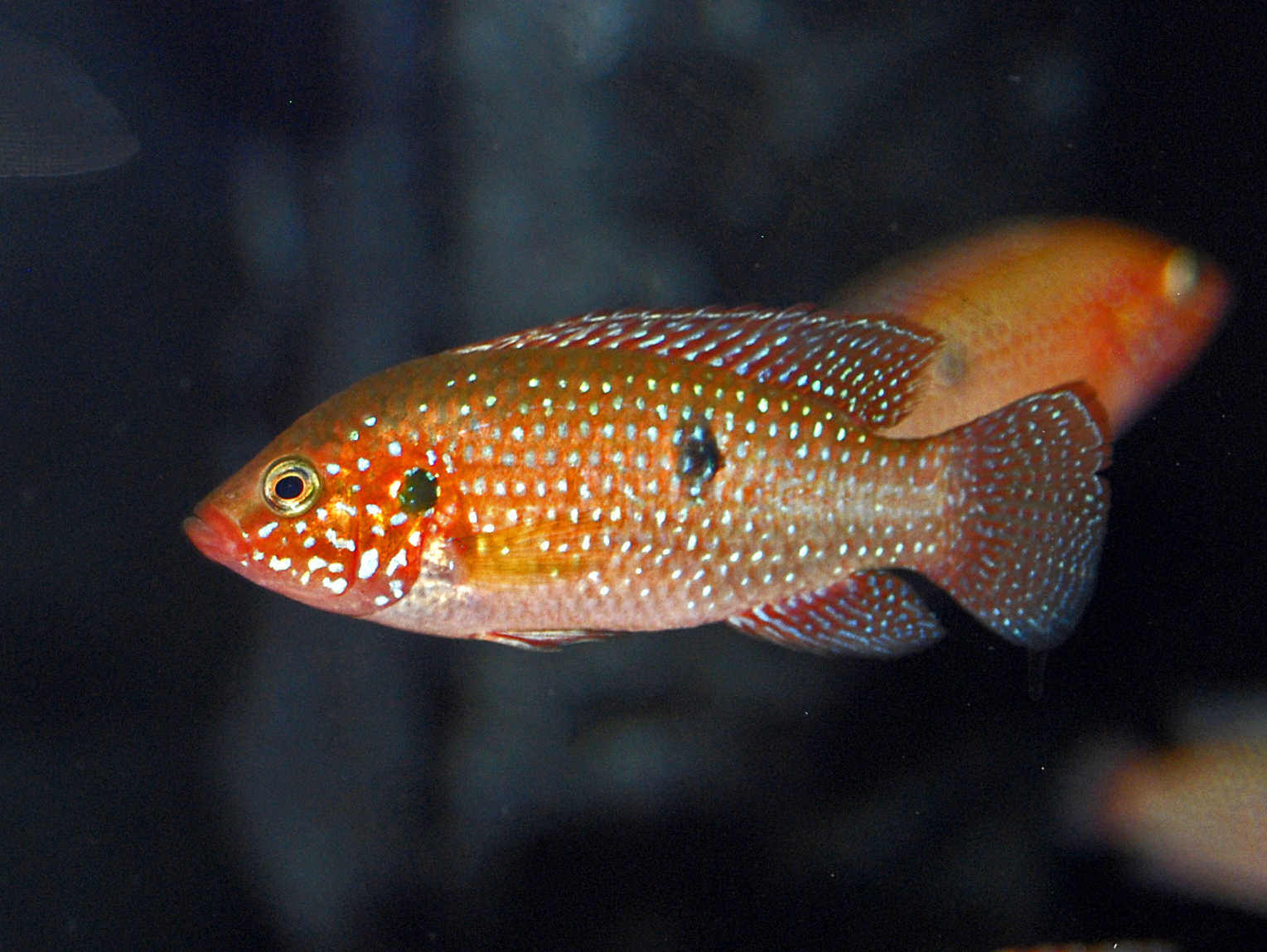
Hemichromis lifalili is a Congo jewel the size of a hand and the confidence of a much larger cichlid — red, turquoise-spangled, and territorial t…
Read more →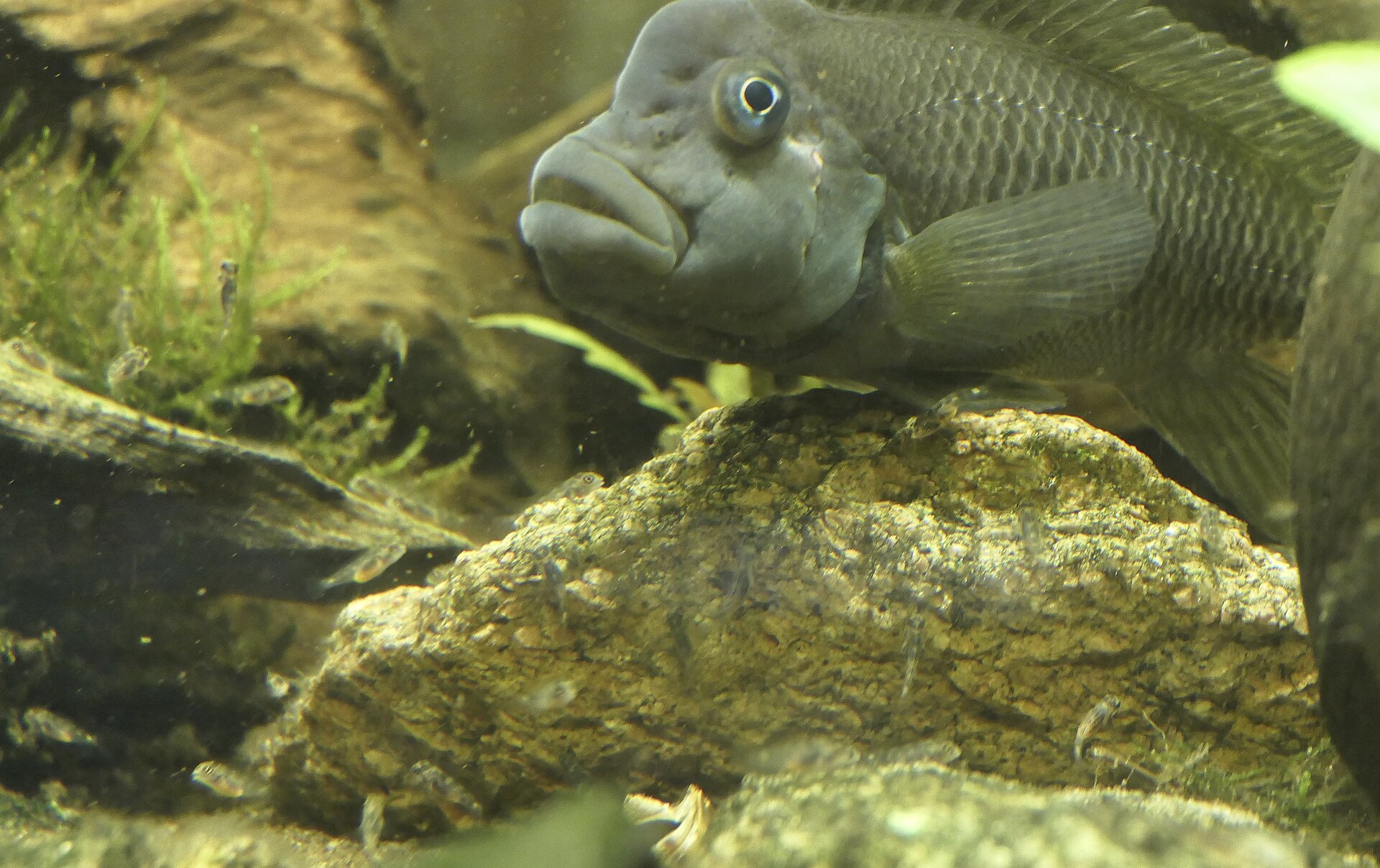
Steatocranus casuarius hops through Congo rapids more than it swims: a reduced swim bladder, a nuchal hump on the male, and an aquarium built of cu…
Read more →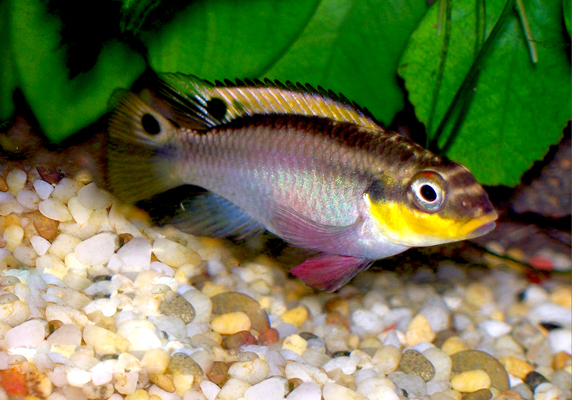
Moliwe, Nigerian red, Wouri — Pelvicachromis taeniatus is a West African cave cichlid whose locality name is the point, not a generic krib in a d…
Read more →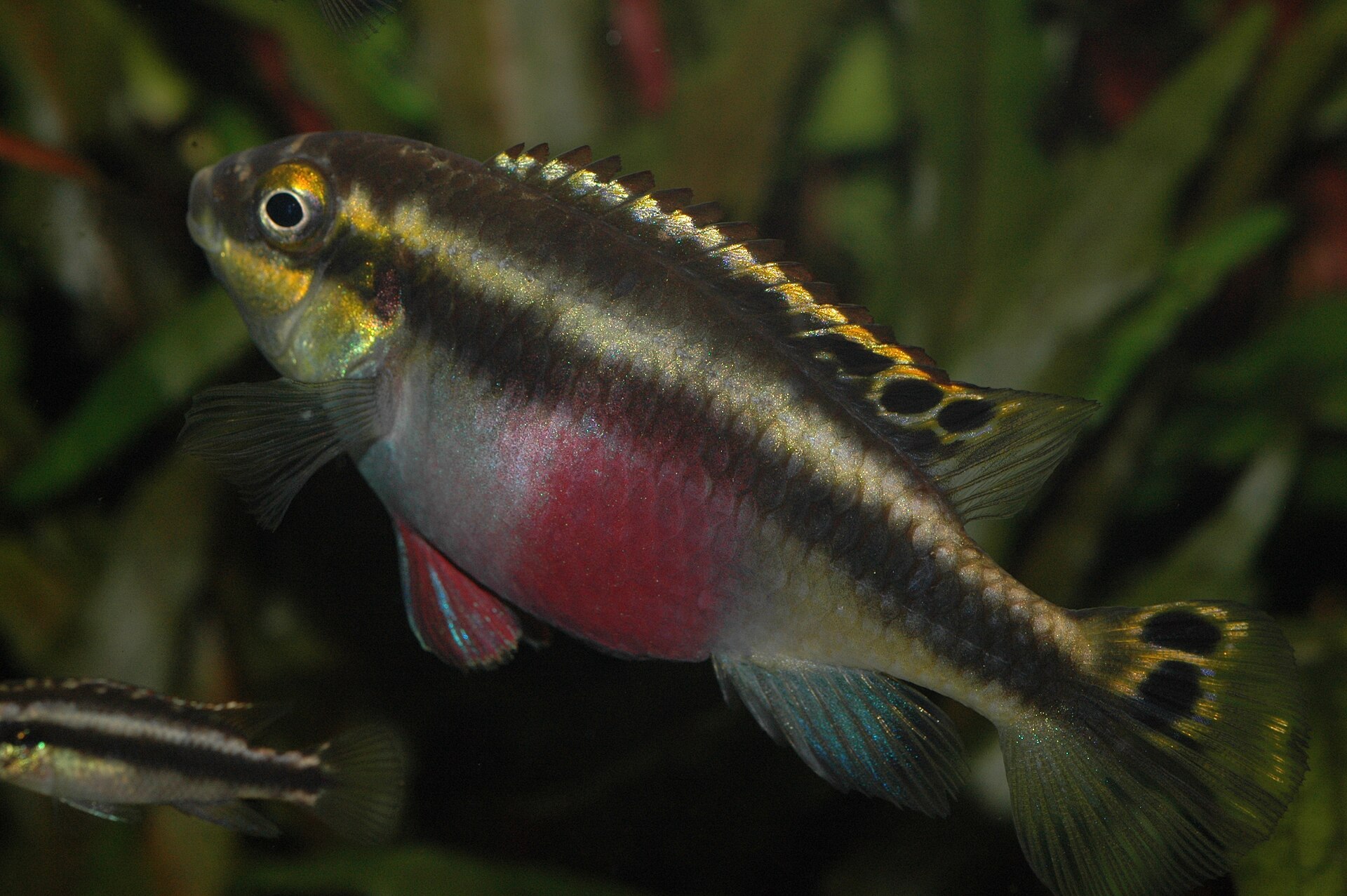
Kribensis is West Africa’s household cave cichlid: a pair that chose each other, a pot they both approve of, and a pink belly that means the rest…
Read more →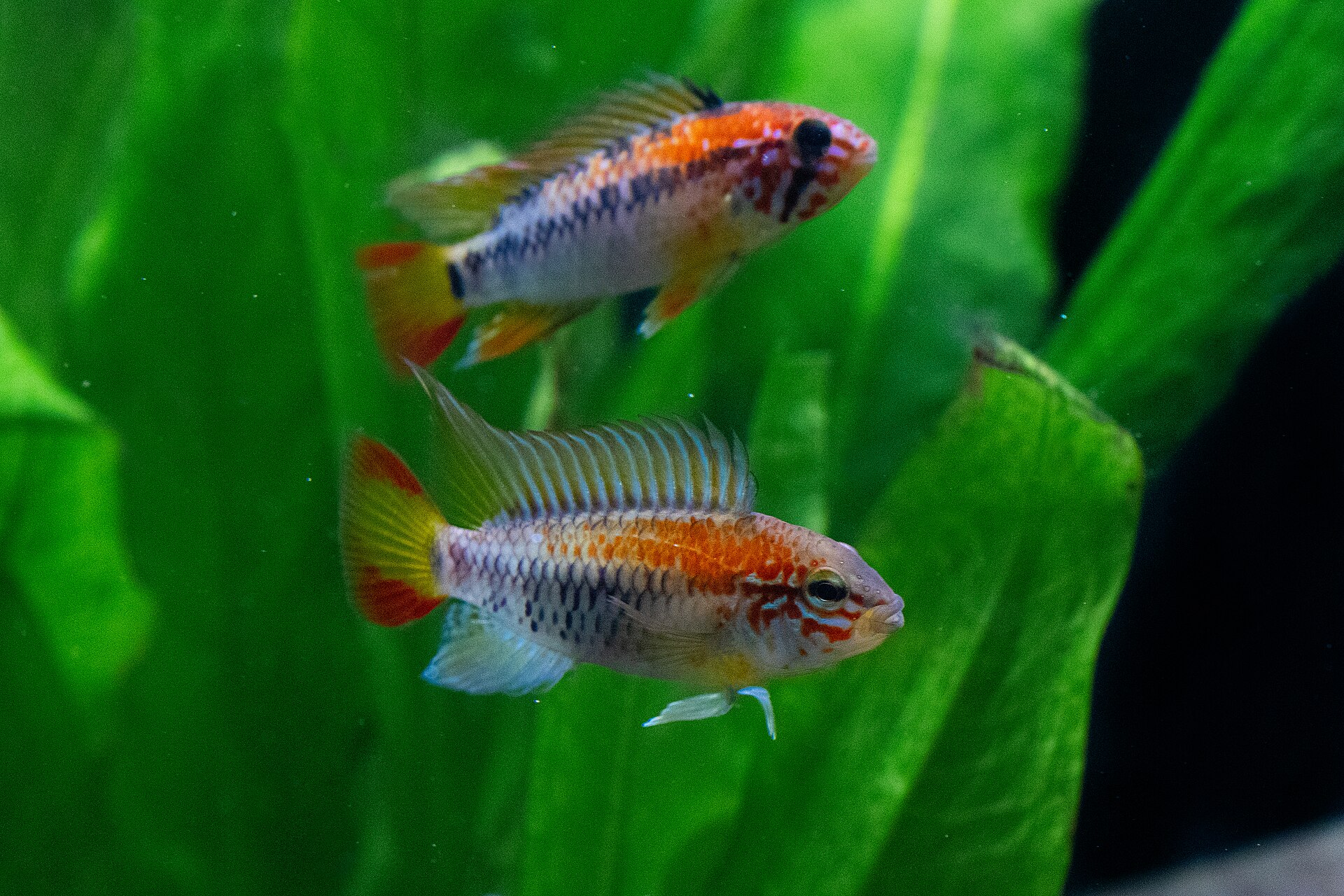
Apistogramma macmasteri arrives looking like cardboard and turns red-orange only in tea-stained creek water, with a clay pot and a tank that belong…
Read more →