


Blackworms vs Tubifex
This guide covers blackworms vs tubifex with practical steps for home aquariums. Both worms drive fish into a feeding frenzy — but sourcing, hygiene, and disease history differ sharply between cultured blackworms and wild tubifex.
For related reading, see community fish compatibility, Copepods in Reef Tanks, natural ways to control aquarium algae and complete aquarium fish feeding guide.

Blackworm Basics
California blackworms (Lumbriculus variegatus) are widely cultured for the aquarium trade. They live submerged, wriggle constantly, and trigger predatory fish.
Purchase from reputable aquaculture suppliers and rinse before feeding. Store in shallow trays of cold, dechlorinated water with daily rinses.
Tubifex Concerns
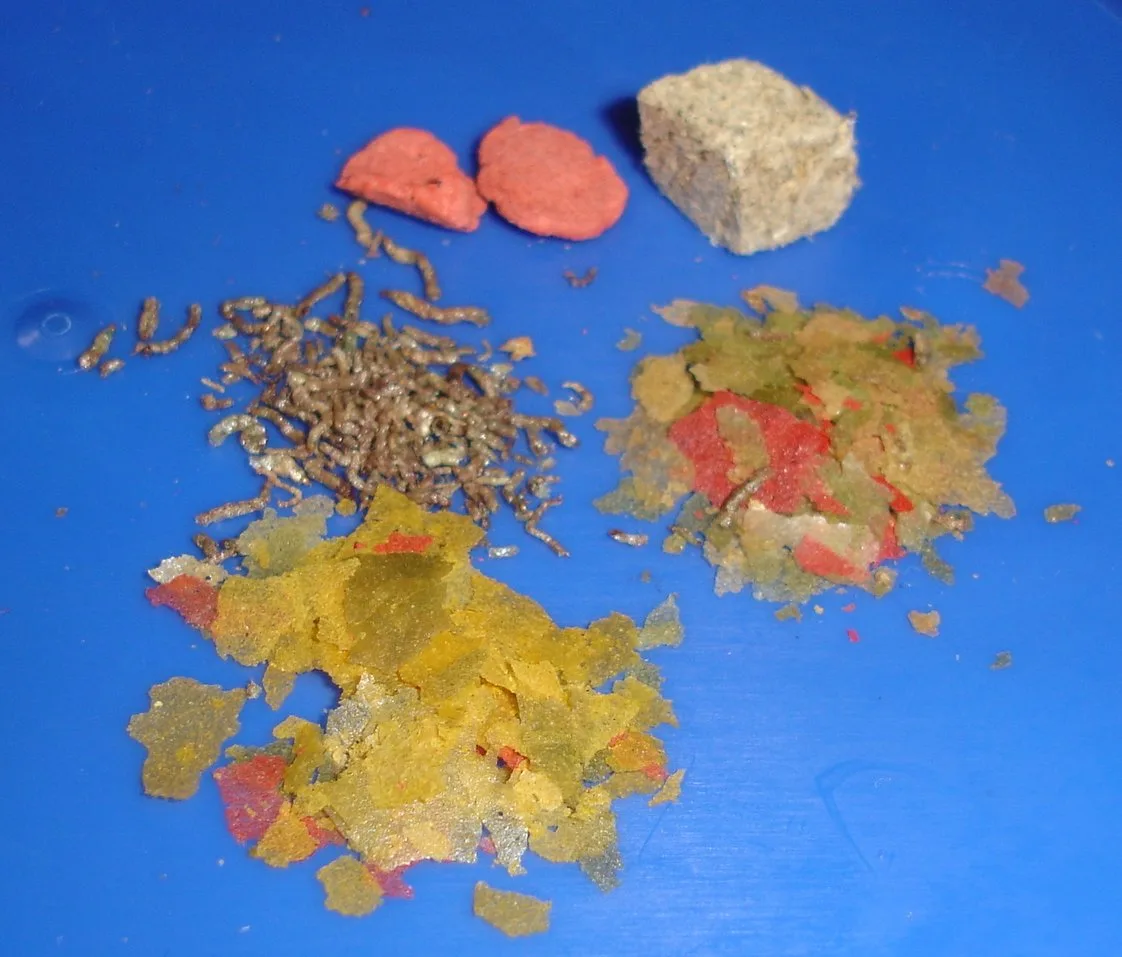
Tubifex from polluted sources historically carried parasites and bacteria. Modern freeze-dried tubifex is safer than raw wild-collected blocks.
If feeding live tubifex, source farm-raised when possible and quarantine or rinse thoroughly. Many experienced keepers avoid raw tubifex entirely.

Nutrition and Use
Both are high-protein treats, not daily staples. Feed after thawing or rinsing; remove uneaten portions within an hour to prevent ammonia spikes.
Small scissors can chop worms for fry or small tetras. Large cichlids and catfish take whole worms.
Storage Tips
Keep blackworms in a refrigerator in shallow water, rinsed daily. Discard if smell turns foul or worms fragment excessively.
Freeze-dried tubifex stores at room temperature but rehydrate fully before feeding to avoid digestive issues.
Practical Recommendation
For most hobbyists, cultured blackworms or frozen bloodworm substitutes offer better risk-reward than questionable tubifex blocks.
Rotate live treats with quality pellets so fish receive balanced nutrition — worms excel as conditioning food before breeding.

Explore other topics
Dive into more aquarium guides across the site.