

Copepods in Reef Tanks
This guide covers copepods reef tank with practical steps for home aquariums. Copepods are living reef plankton — mandarins, wrasses, and corals all benefit when populations persist in live rock and refugiums.
For related reading, see complete aquarium fish feeding guide, aquarium filtration, aquarium water chemistry, community fish compatibility and Amano shrimp.
Ecological Role
Amphipods and copepods graze detritus and reproduce in refugiums, live rock pores, and macroalgae. They export nutrients when harvested by fish and reduce microalgae pressure.
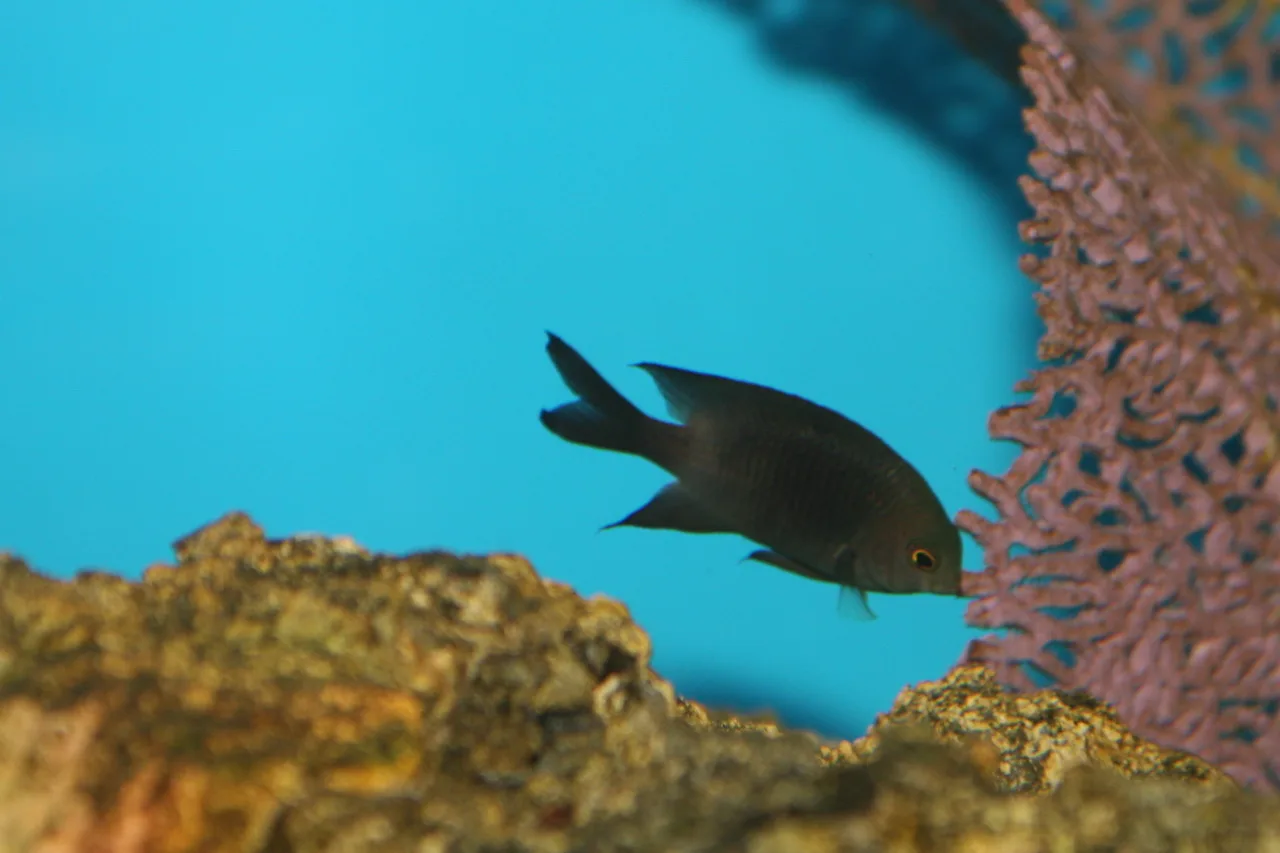
Mandarin dragonets and leopard wrasses hunt pods constantly — tanks without replenishment often starve these specialists.
Building Populations
Start with live rock, refugium chaeto under light, and avoid copper medications that wipe microfauna. Pod populations explode when phosphate and nitrate are managed but not zeroed.
Commercial live cultures can seed new systems — pour into refugiums at night when fish cannot instantly hunt them all.

Refugium Design
Fine sand, macroalgae, and slow flow give pods refuge from daytime fish predation. Reverse photoperiod lets algae consume nutrients while pods reproduce under light at night.
Harvest some algae weekly to export nutrients permanently — pods ride along and repopulate.
Supplementing Live Doses
Periodic bottle doses help mandarin-heavy displays but are not a substitute for habitat. Budget recurring cost if keeping obligate hunters.
Target feed frozen copepod products when live numbers are uncertain — observe hunting behavior at the glass after lights dim.
Monitoring Success
Use a flashlight after dark to spot pods on glass and rock. Mandarins with pinched bellies need more pod density or supplemental feeding.
Avoid over-cleaning rock — scrubbing every surface destroys refugia pods need.

Explore other topics
Dive into more aquarium guides across the site.