

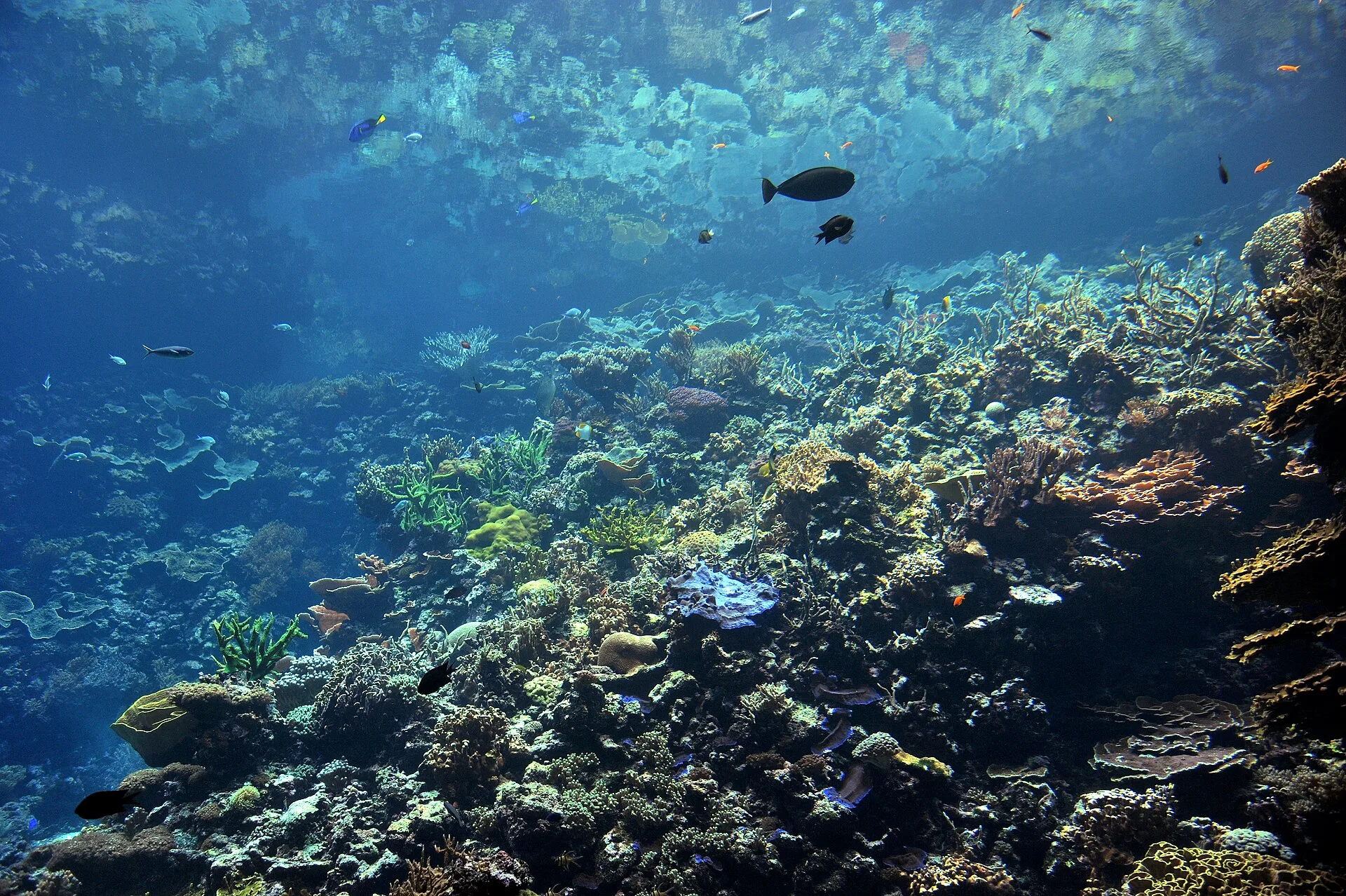
Reef Fish Feeding Schedule for Saltwater Tanks
A reef fish feeding schedule balances metabolism against nutrients. Marine fish often prefer multiple small frozen meals, while corals and exporters decide how far you can push enrichment.
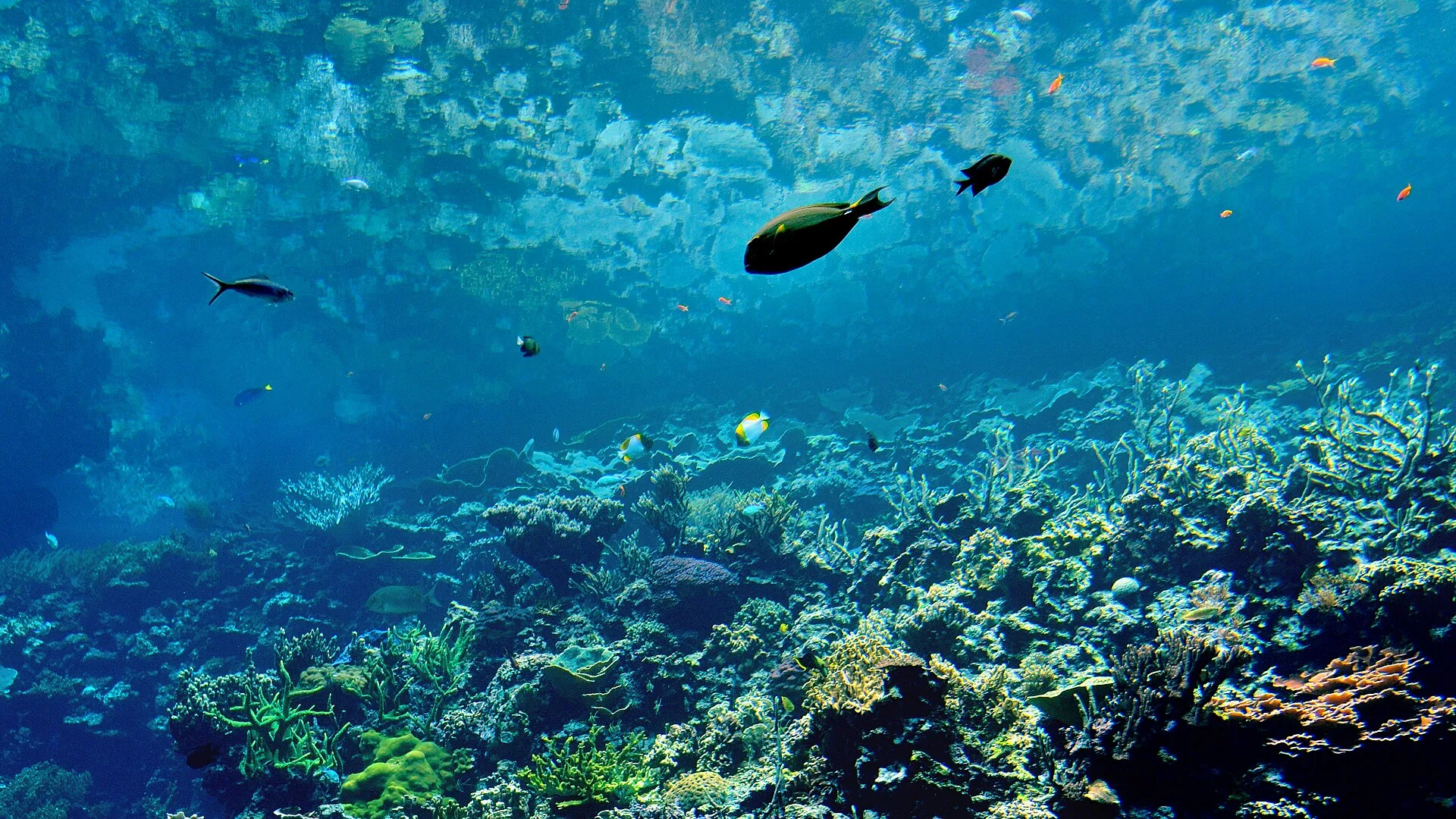
Typical Fish Schedule
- Most mixed reefs: 1–3 small frozen/prepared meals daily
- Heavy fish-only systems: more frequent feeds with strong export
- Nipping herbivores (tangs): nori sheets plus meaty foods
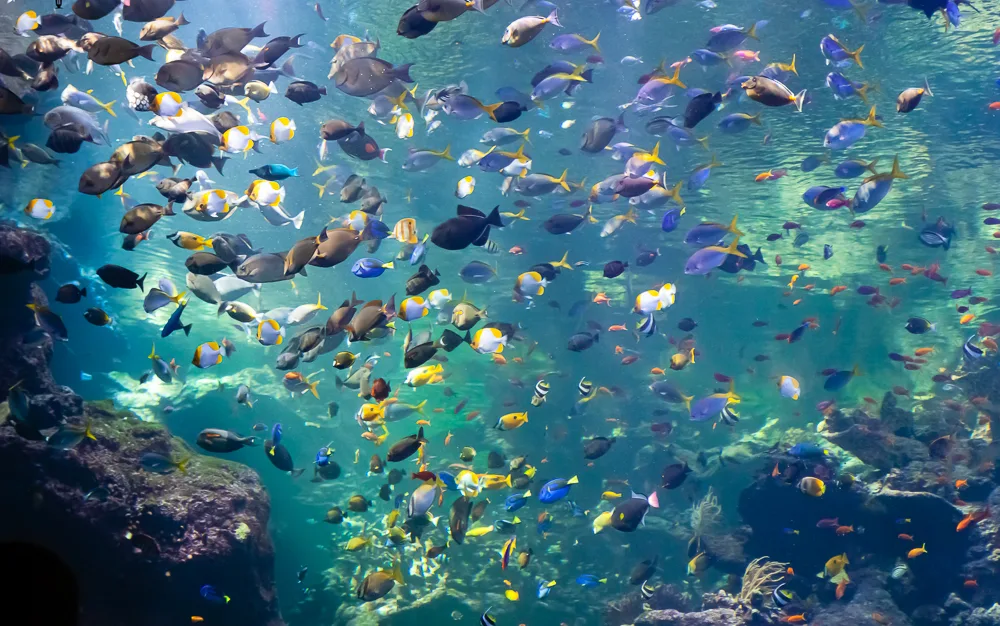
Staple Marine Foods
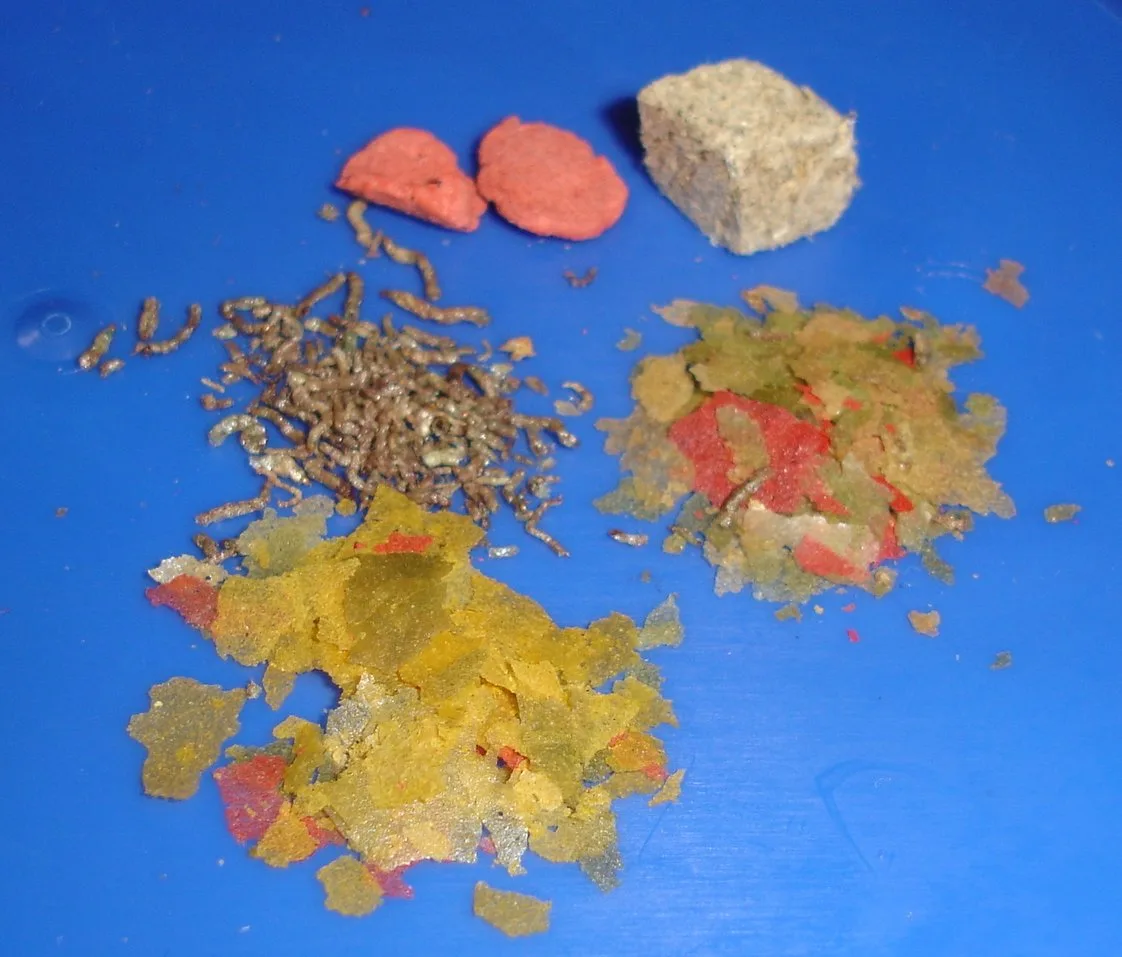
Frozen mysis, enriched brine, chopped seafood mixes, and quality marine pellets/flakes. Vary foods to cover fatty acids.
Coral Feeding Notes
Photosynthetic corals get most energy from light; optional coral foods are extras. Never broadcast so much coral food that nitrate and phosphate rocket overnight.

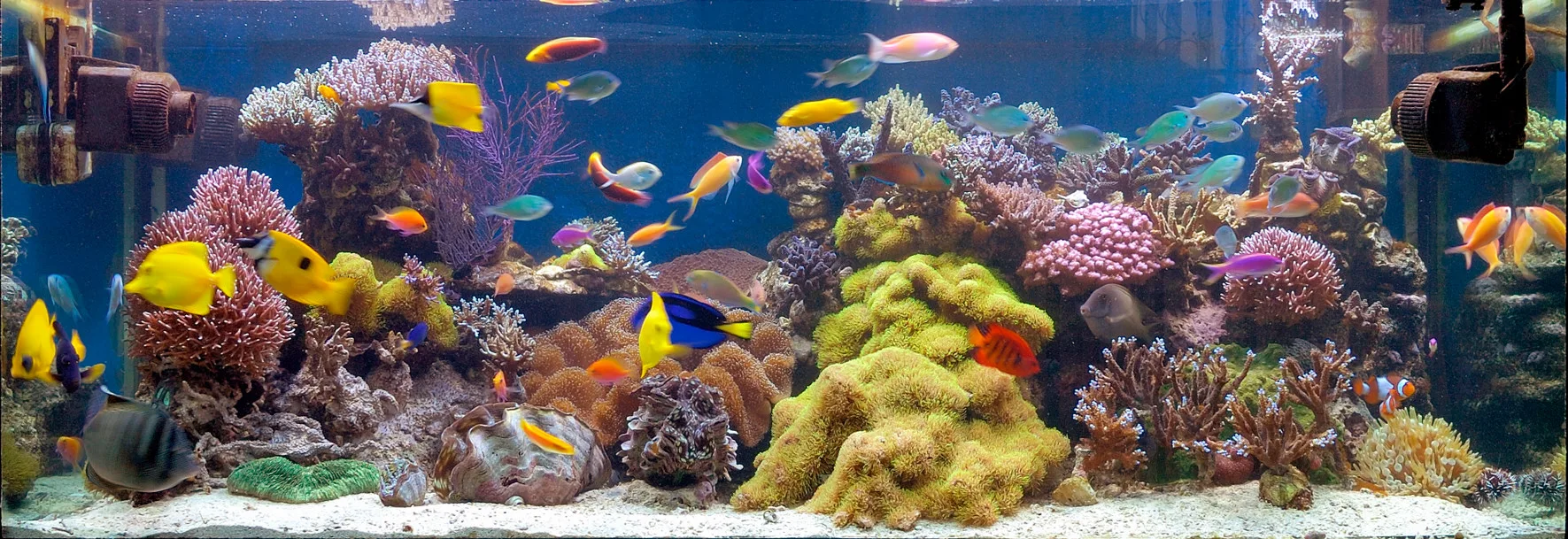
Nutrient Export Partnership
Turn up feeding only if skim, refugium, or water changes keep nutrients in range. Green hair algae is often a feeding schedule problem.
Observation Tips
Watch belly shape and aggression. Underfed damsels harass tankmates; overfed systems smother rock in film.
Related Reading
- Frozen mysis shrimp benefits
- Complete nutrition guide
- Photosynthetic coral feeding
- How often to feed freshwater
Conclusion
Feed reef fish often and lightly, vary frozen staples like mysis, and let your nutrient export — not wishful thinking — set the upper limit.
In practice, Reef Fish Feeding Schedule decisions get easier when you watch appetite, water clarity, and filtration together rather than chasing one number. Keep notes for a week and adjust slowly — most Reef Fish Feeding Schedule problems improve when ammonia, nitrite, and schedule stay consistent. Browse more Feeding and Nutrition ideas in our Feeding and Nutrition library, or start from the full guides index if you want a broader path. Stable husbandry beats fancy gear: test before you dose, quarantine new arrivals, and match feeding to what the livestock actually eats.

Explore other topics
Dive into more aquarium guides across the site.