

When to Feed After a Water Change or Medication
After a big water change or a course of medication, appetite often dips. Feeding on autopilot can spike ammonia while fish are already stressed. Time meals to behaviour — not the calendar alone.
After Routine Water Changes
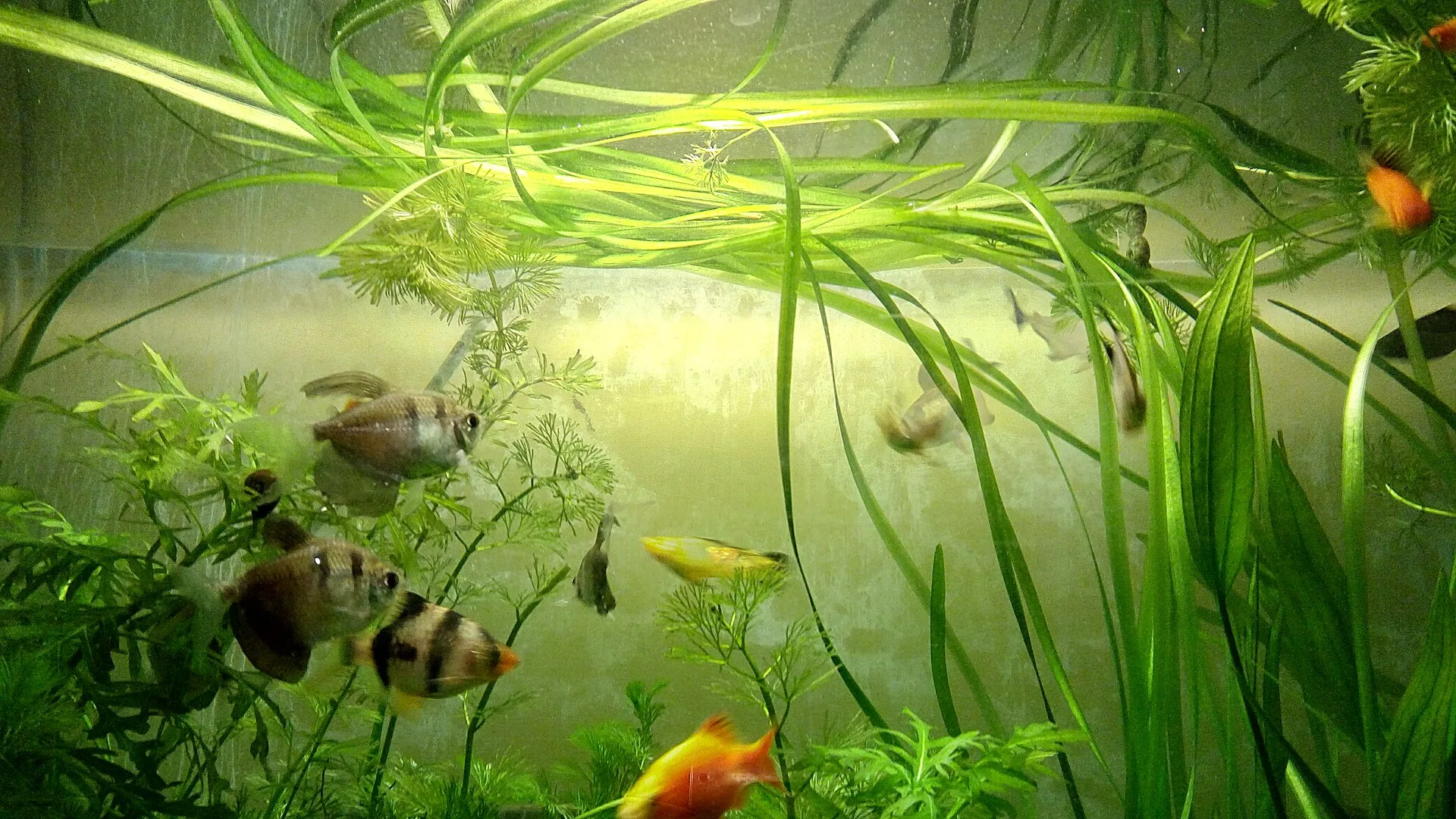
Small weekly changes: feed on schedule. Large 40–50% changes: wait 30–60 minutes for temperature/chemistry to settle, then offer a reduced portion once fish swim normally.
After Heavy Siphoning or Aquascaping
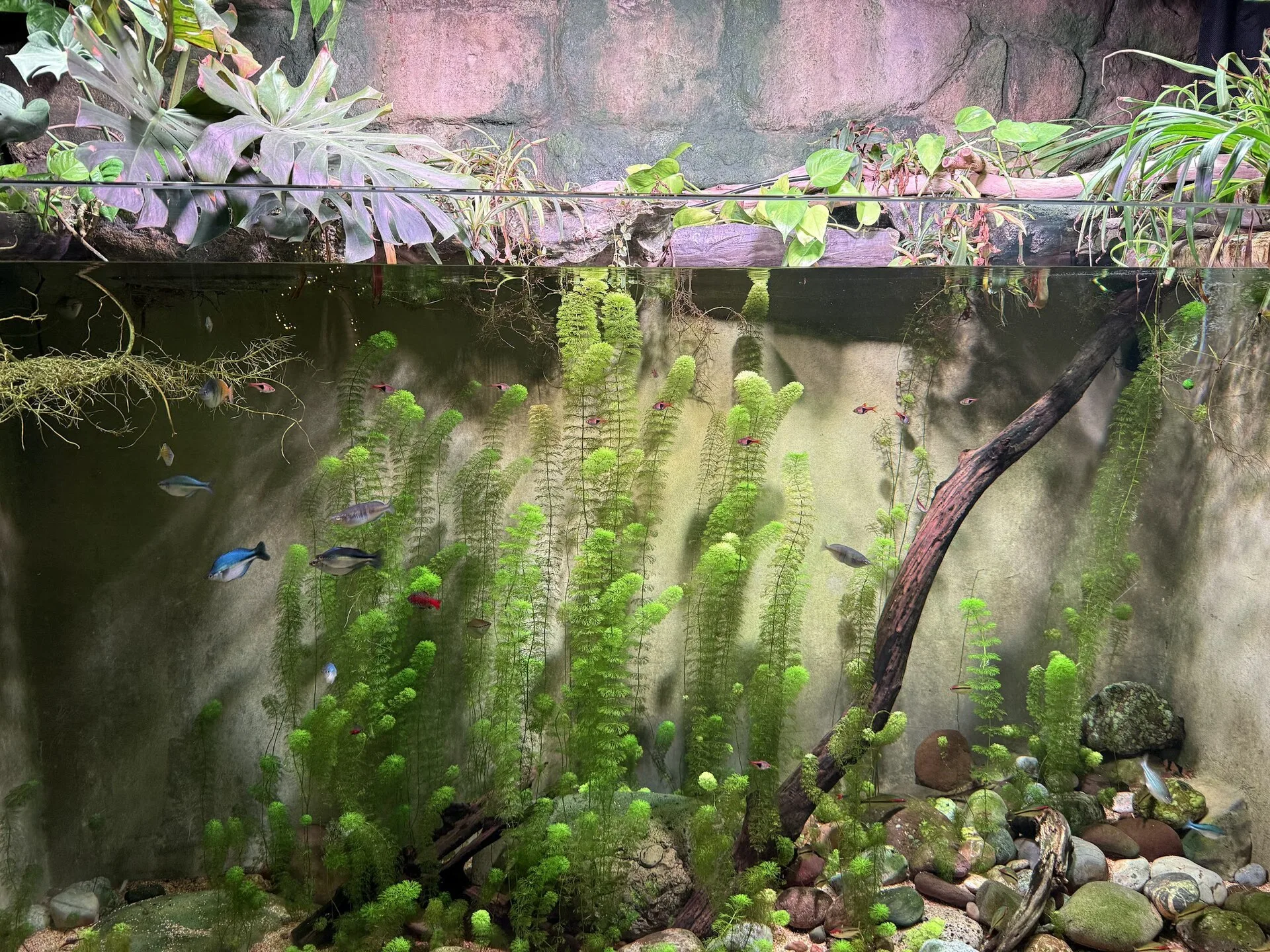
Turbid water and rearranged territory stress fish. Wait until the tank clears and fish reclaim their spots before feeding.
During Medication
Read the label. Many treatments recommend light feeding or fasting. Protein leftovers plus dying pathogens overload biofilters. Prefer highly digestible foods in tiny amounts if fish still eat.

After Treatment Ends
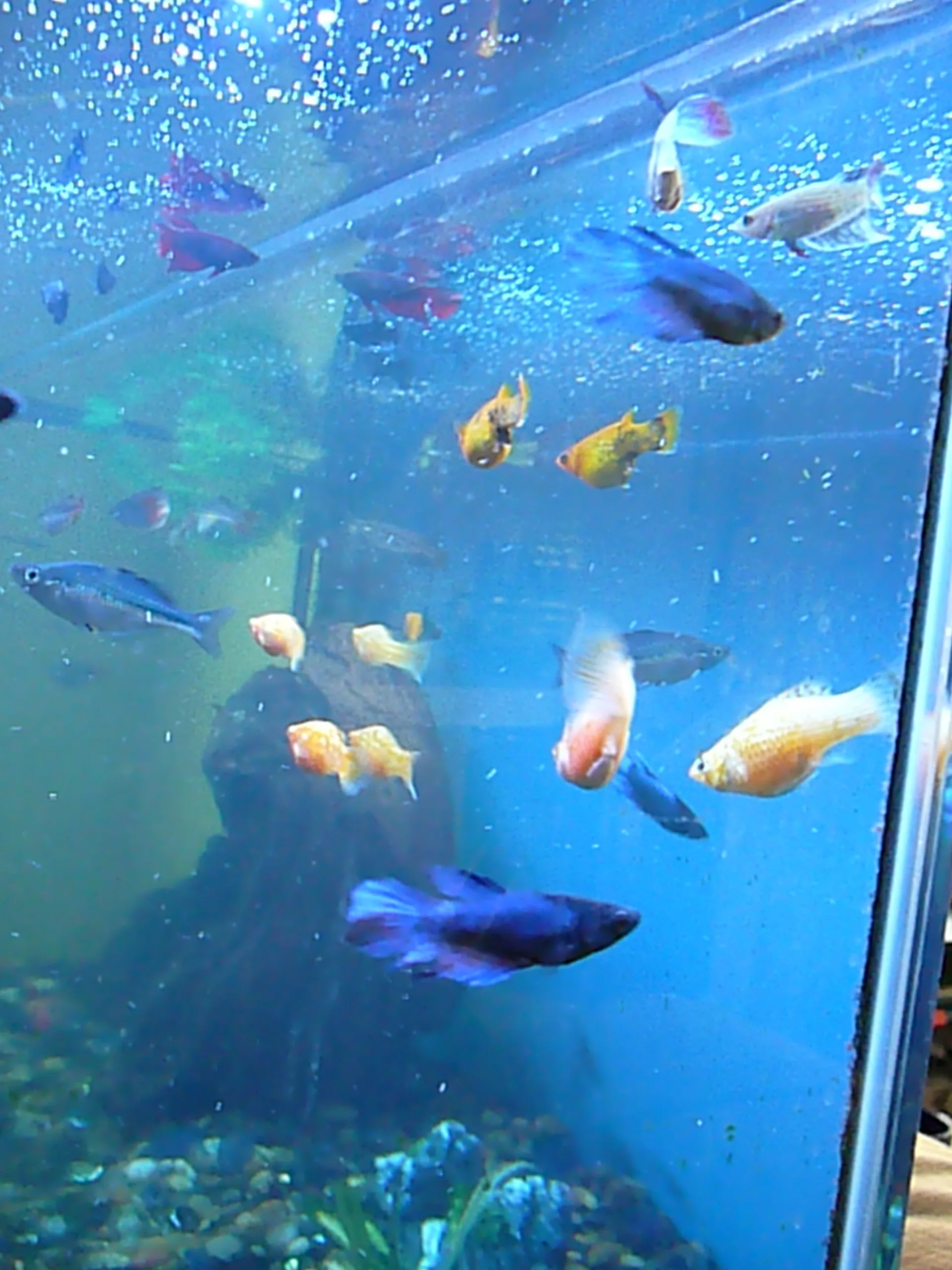
Do a water change if directed, then restore food slowly over 2–3 days. Jumping straight to pre-illness treat levels invites constipation.
Appetite Red Flags
- Clamped fins and hiding after meals → stop and retest water
- One fish fasting while others eat → observe for bullying or disease
Related Reading
Conclusion
Let water and medication settle first. Tiny resumed portions beat loyalty to a feeding alarm while fish are still recovering.
In practice, Water Changes decisions get easier when you watch appetite, water clarity, and filtration together rather than chasing one number. Keep notes for a week and adjust slowly — most Water Changes problems improve when ammonia, nitrite, and schedule stay consistent. Browse more Feeding and Nutrition ideas in our Feeding and Nutrition library, or start from the full guides index if you want a broader path. Stable husbandry beats fancy gear: test before you dose, quarantine new arrivals, and match feeding to what the livestock actually eats.
Explore other topics
Dive into more aquarium guides across the site.