
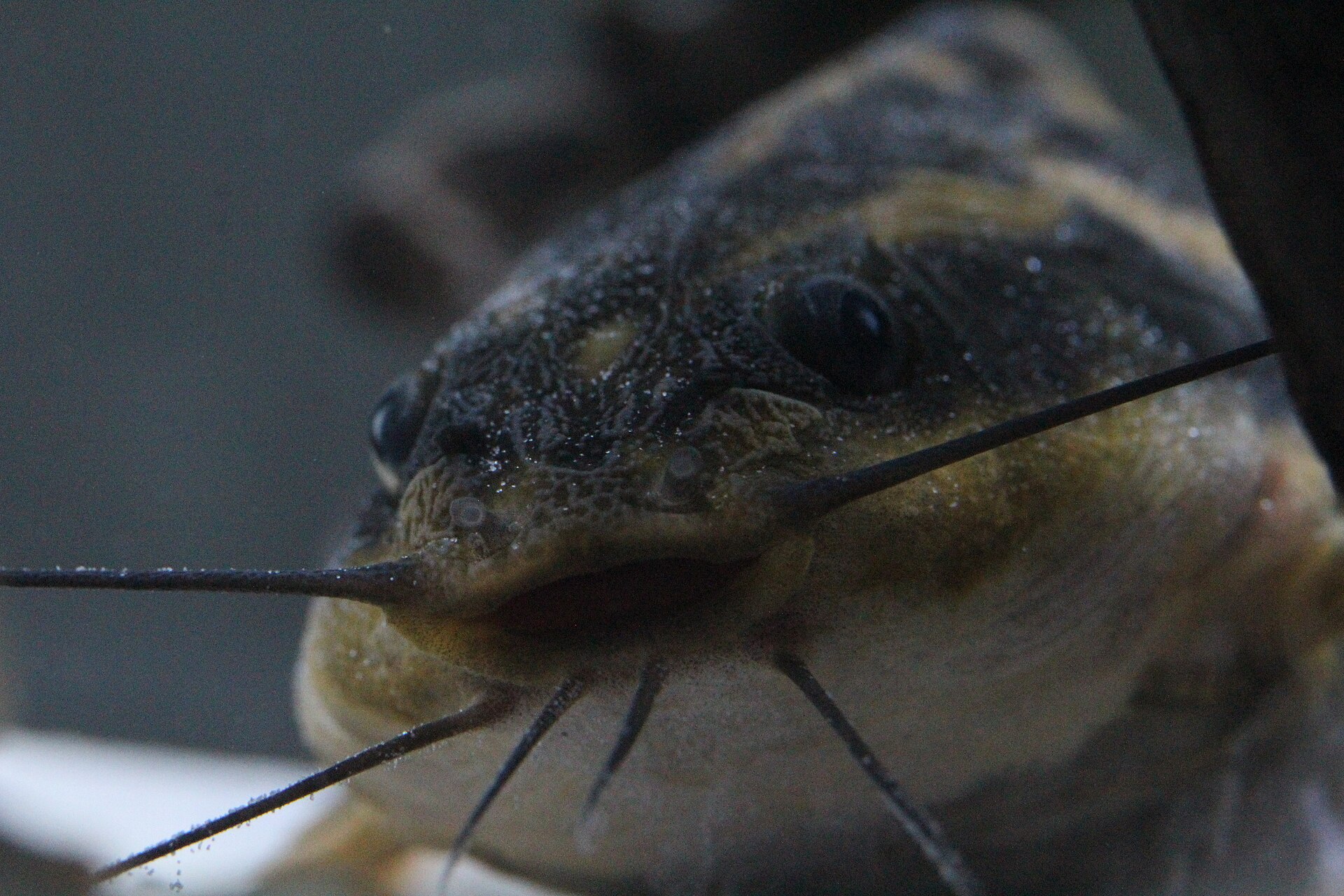
Striped Raphael Catfish (Platydoras armatulus)
Platydoras armatulus, the striped Raphael, is a thorny Amazon talking catfish that can live two decades — an armoured night forager, not a pleco…
Read more →
Platydoras armatulus, the striped Raphael, is a thorny Amazon talking catfish that can live two decades — an armoured night forager, not a pleco…
Read more →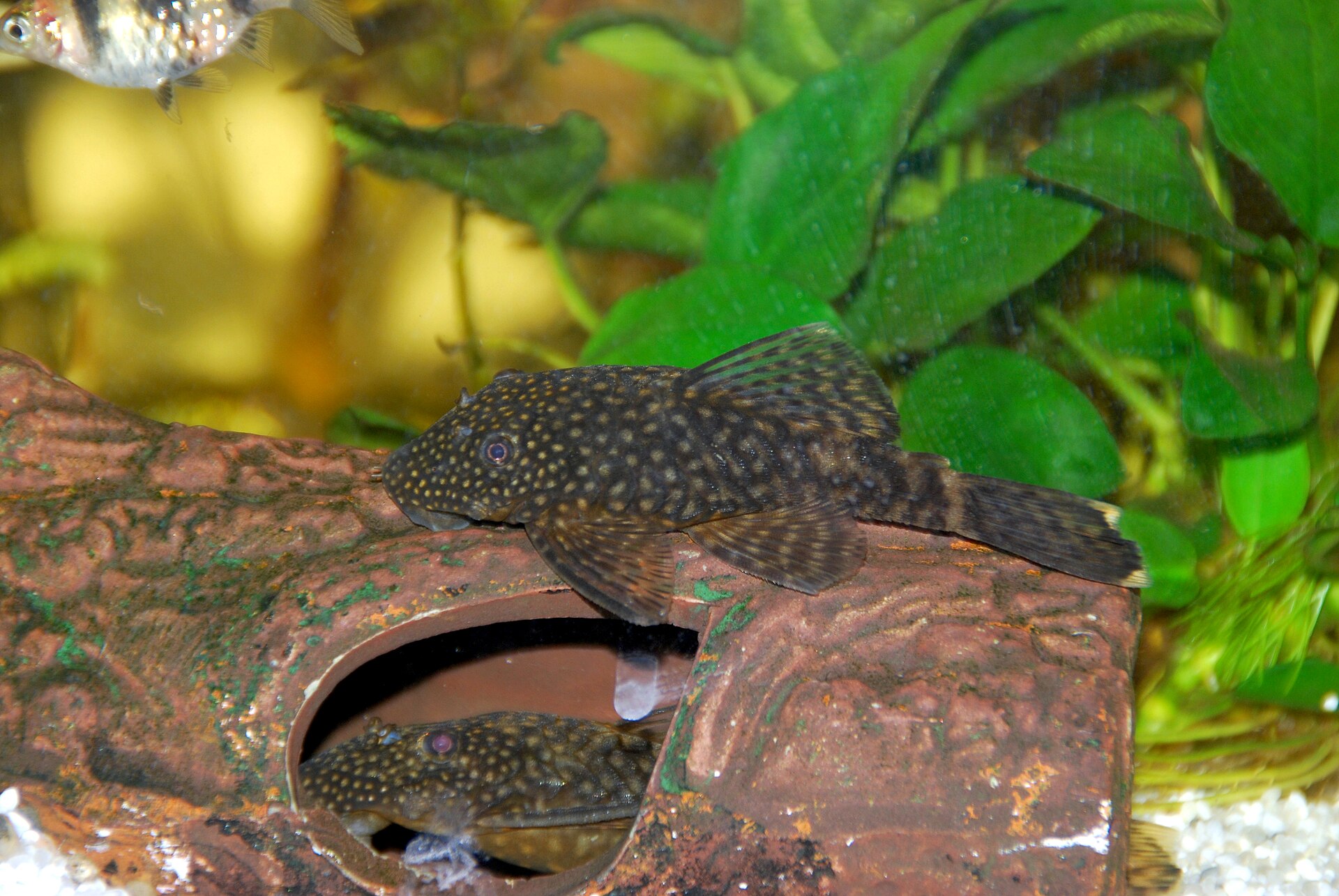
True Ancistrus temminckii is Temminck’s bristlenose from the Guianas — a cave-holding forest-stream fish, not the common pet-trade Ancistrus so…
Read more →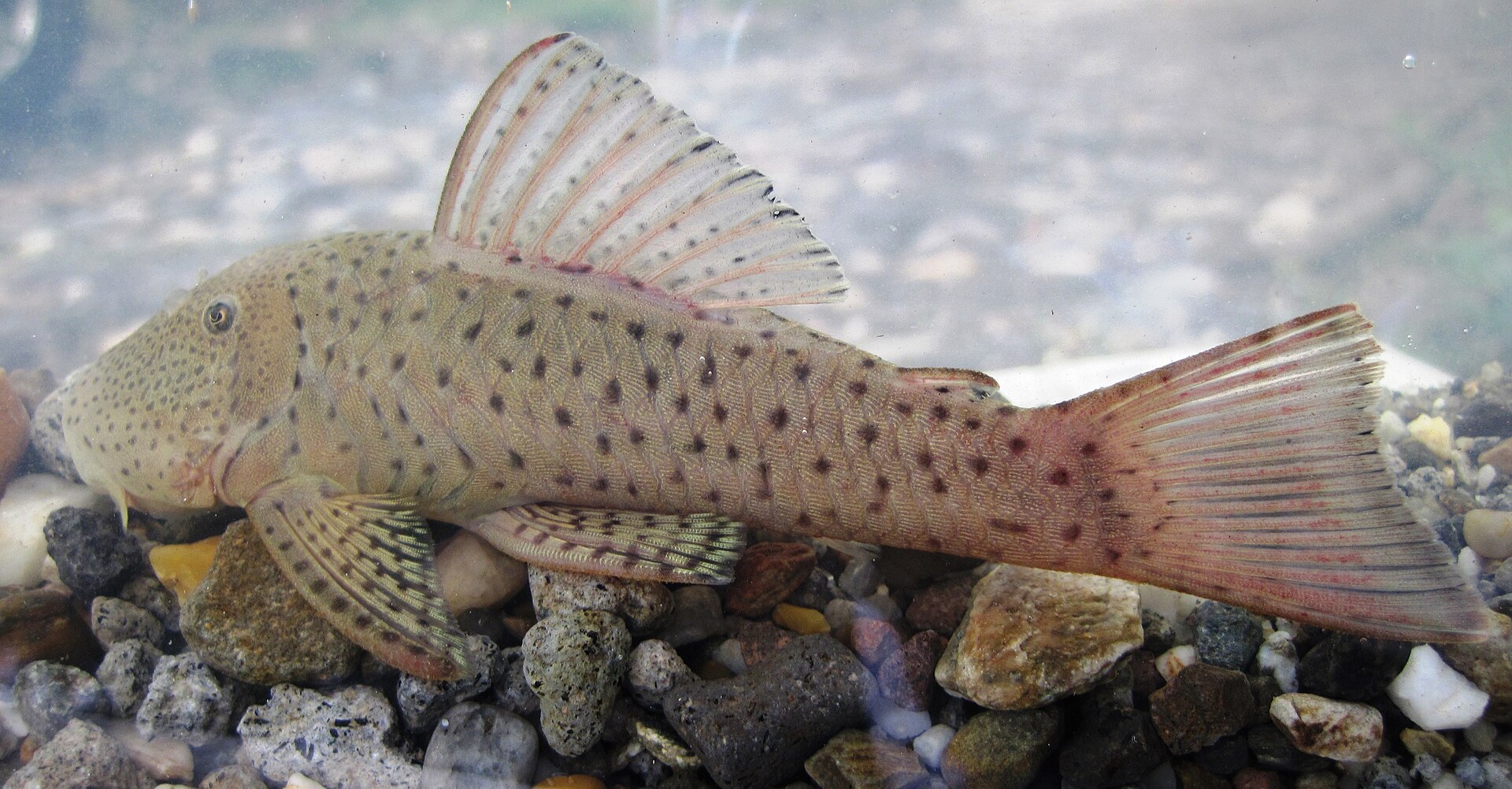
Chaetostoma milesi is an Andean torrent pleco with a fleshy mouth built for cobble, cool current, and oxygen — not a warm, still community algae…
Read more →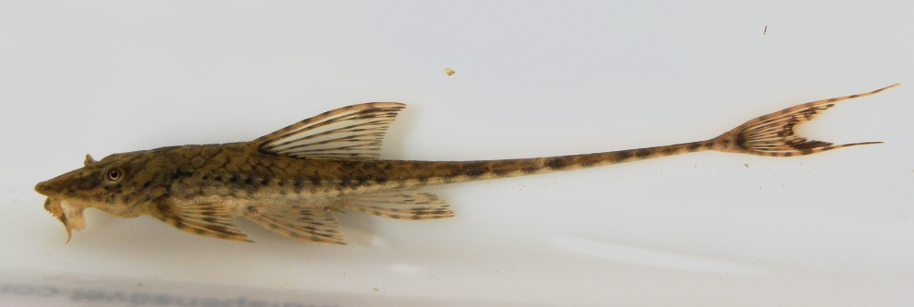
Rineloricaria parva is the small Paraguay whiptail that sits on sand and spawns in tubes. Easier than a twig cat, still a suckermouth with a cave j…
Read more →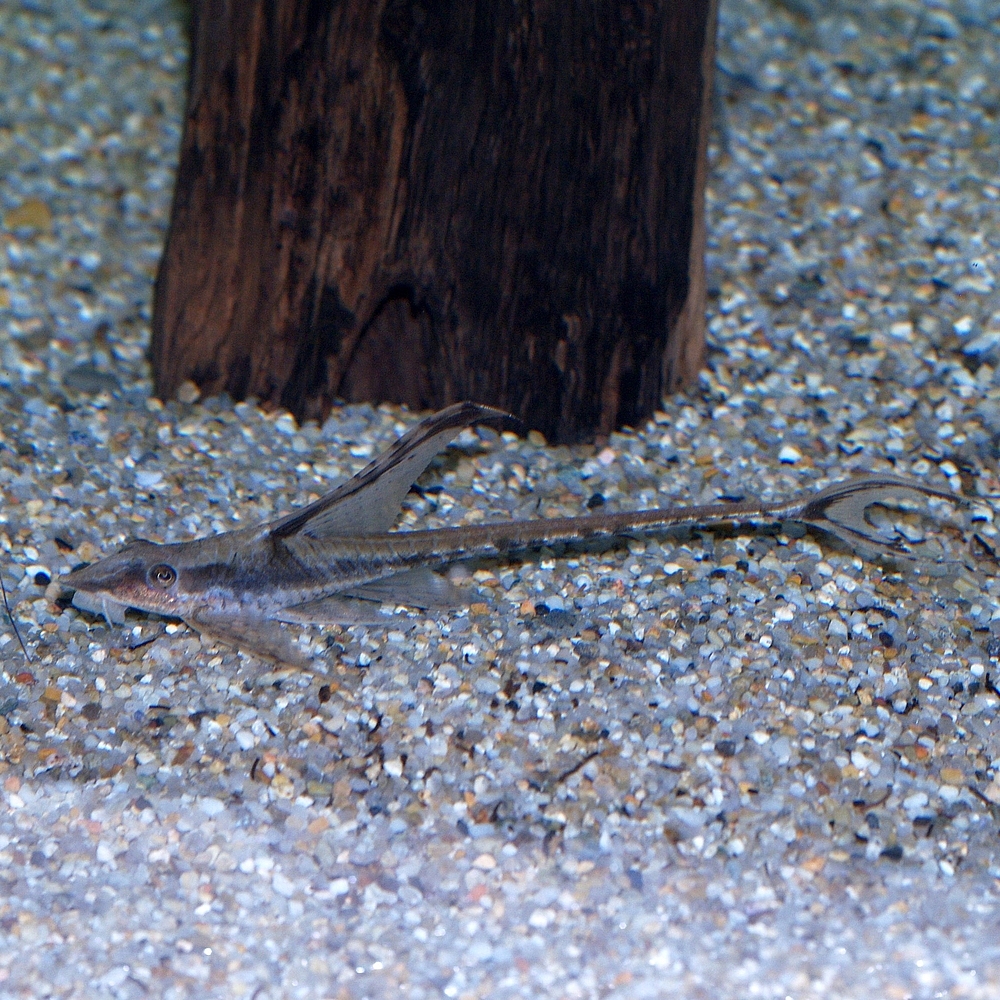
The royal whiptail is a Panama-region loricariid with a filamented tail, a grazing habit, and glass-guarding males. Current, wood, and vegetables �…
Read more →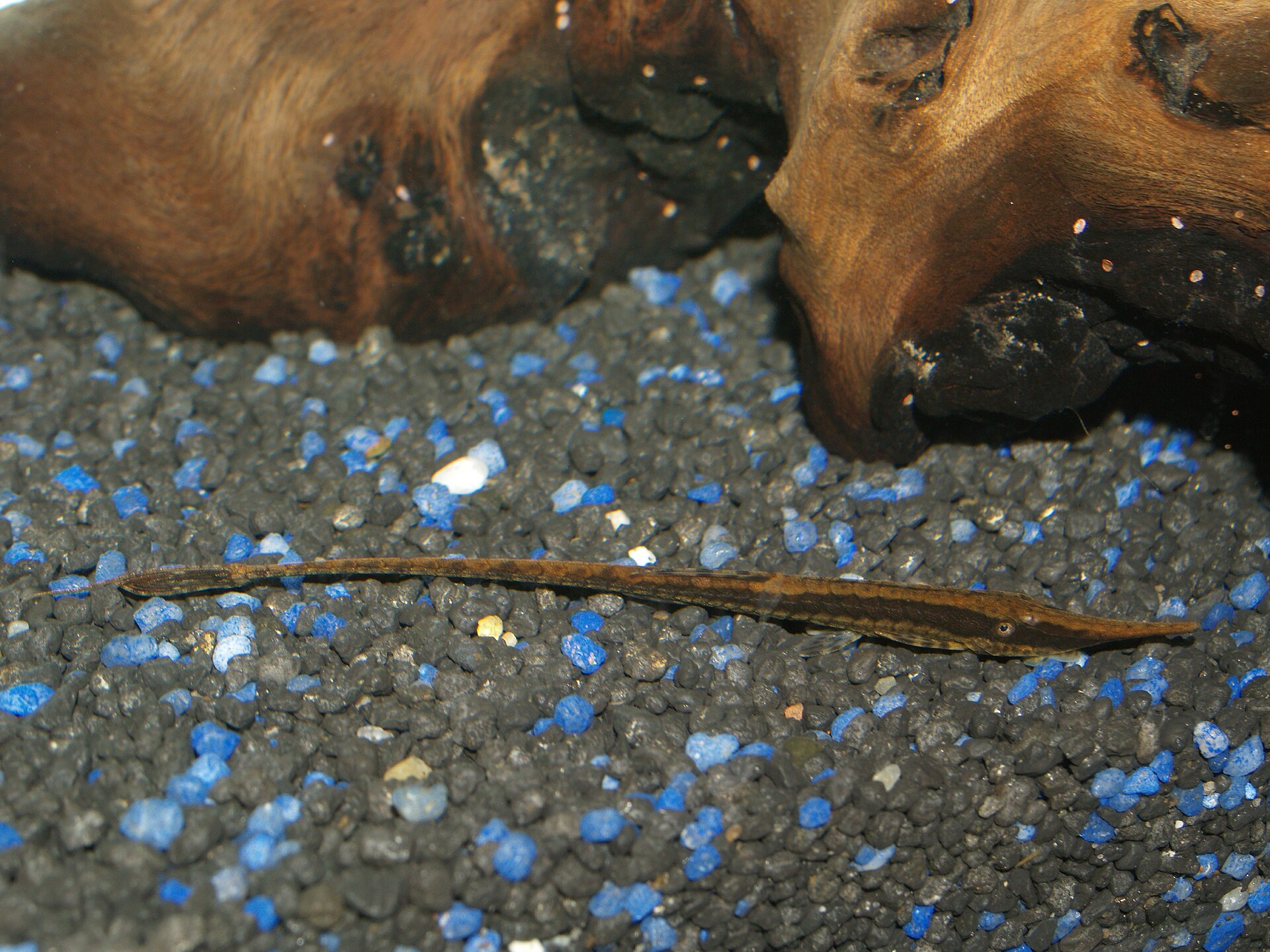
Farlowella vittata is an Orinoco twig cat that rasps biofilm on wood. It is not a cory and will not live on leftover flake. Mature surfaces, vegeta…
Read more →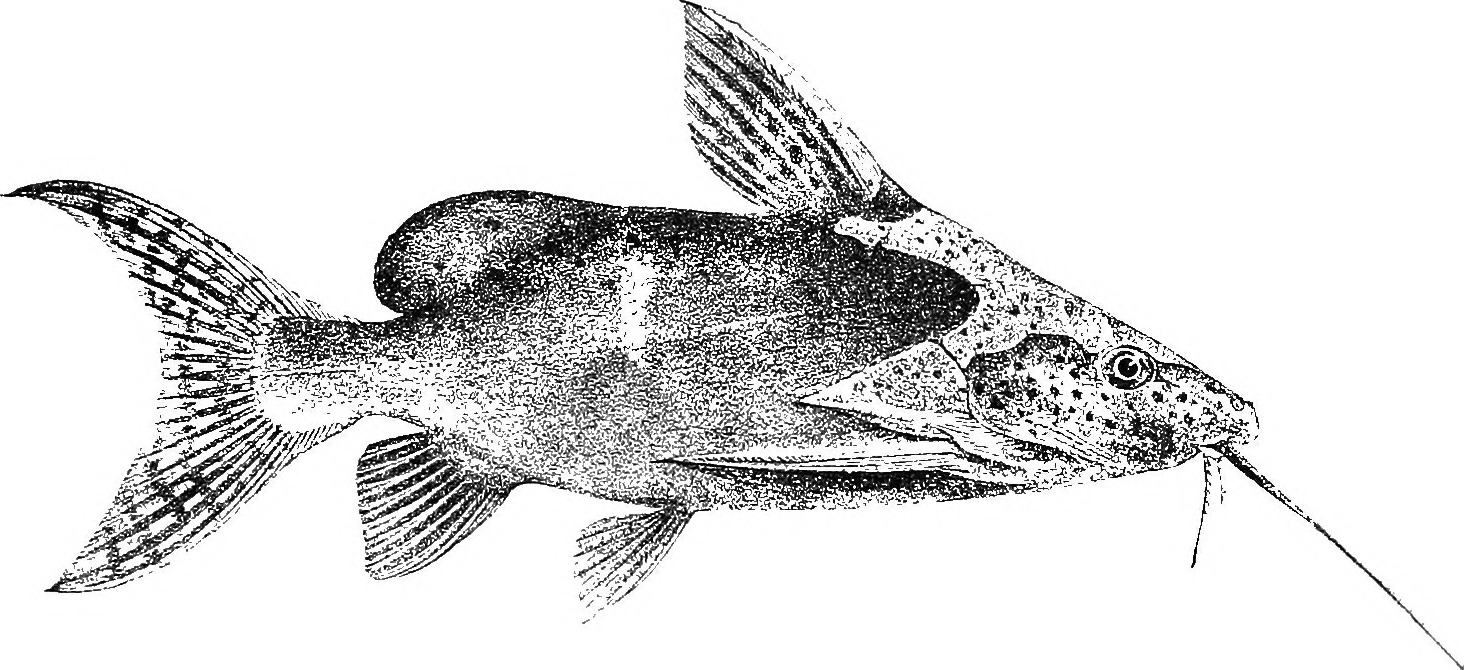
Synodontis nigrita is a West African spotted squeaker that usually sits right-way-up. The true upside-down cat is nigriventris. Nigrita wants a lar…
Read more →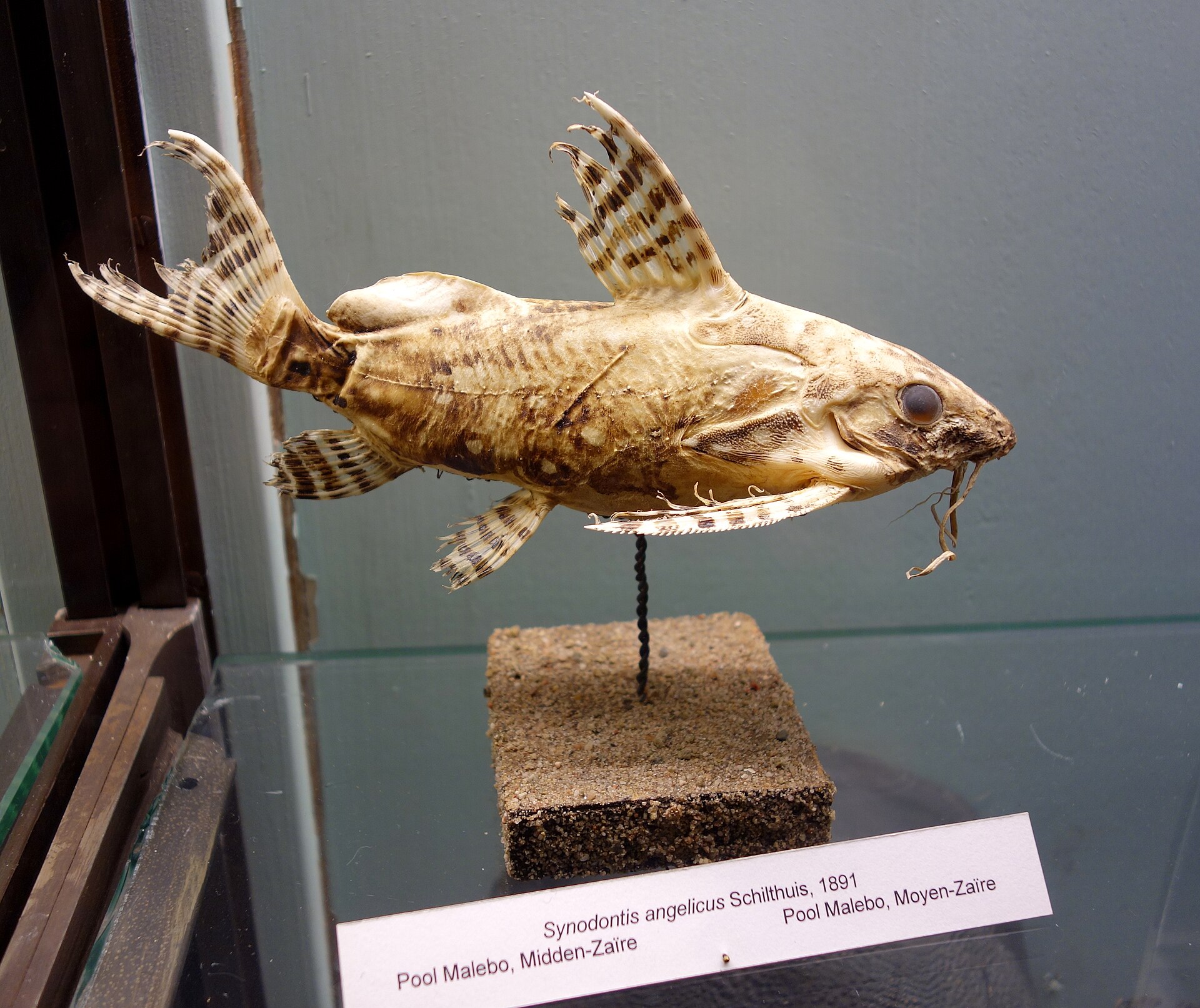
Angelicus Synodontis is the Congo polkadot squeaker whose spots break as it grows into a 25 cm, expensive, territorial adult. House the cave-dwelle…
Read more →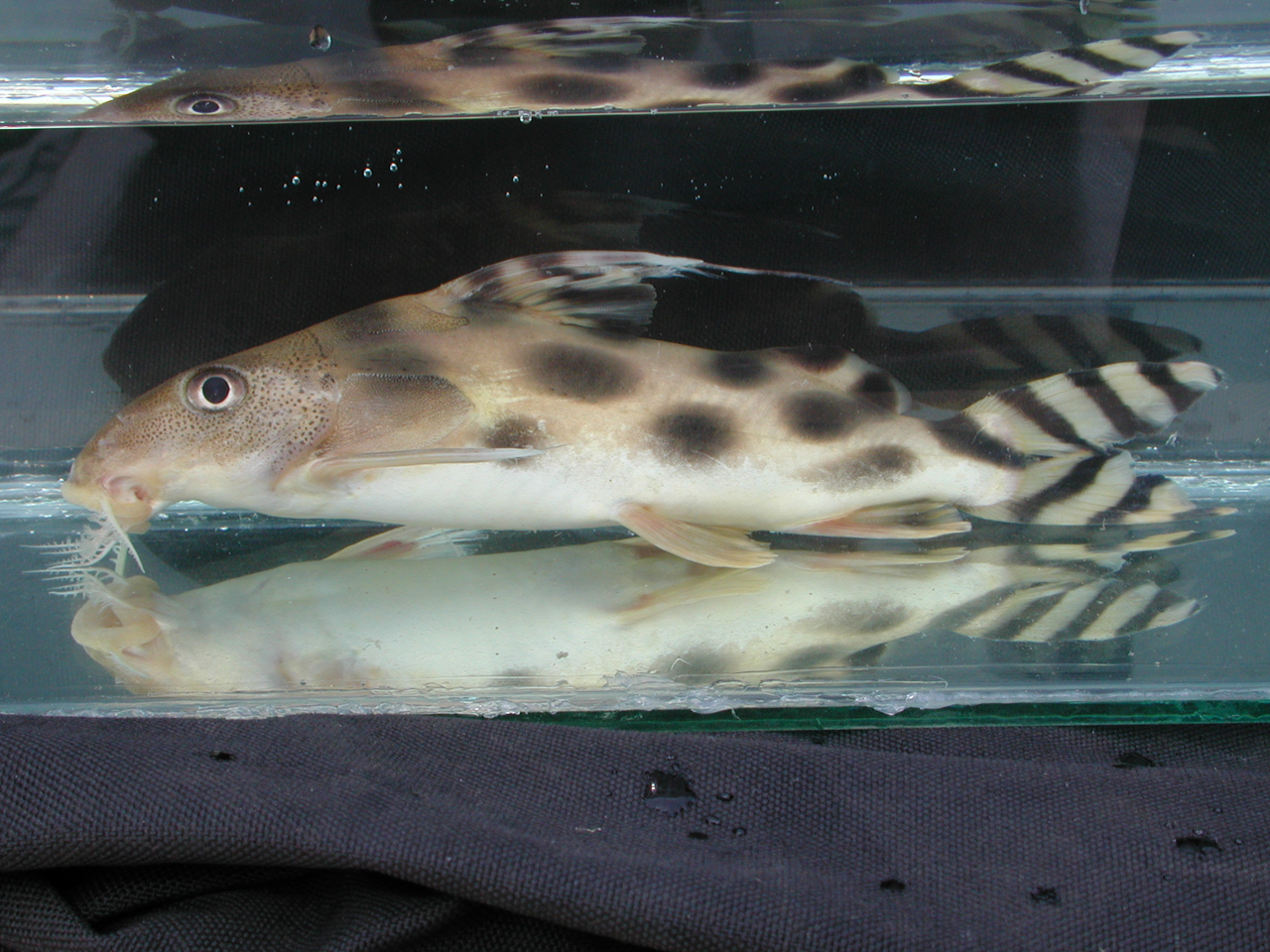
Decorated Synodontis is a Congo squeaker that grows a long dorsal filament and a 20–30 cm body. Nocturnal, cave-owning, and capable of eating sma…
Read more →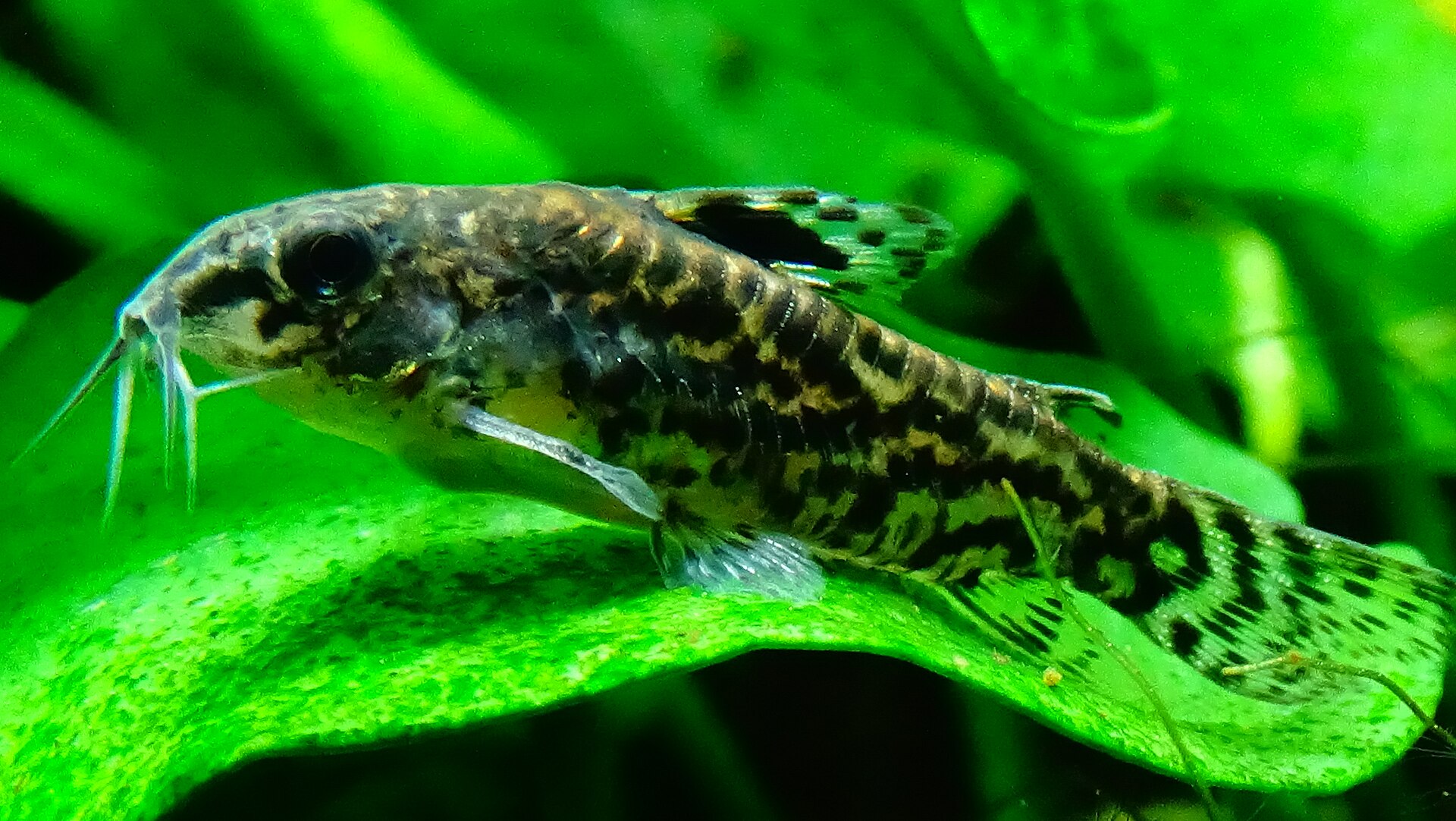
Aspidoras pauciradiatus is the tiny, few-rayed Araguaia catfish shops file as a dwarf cory. Sponge filters, dozens if you can, and fry-scale food �…
Read more →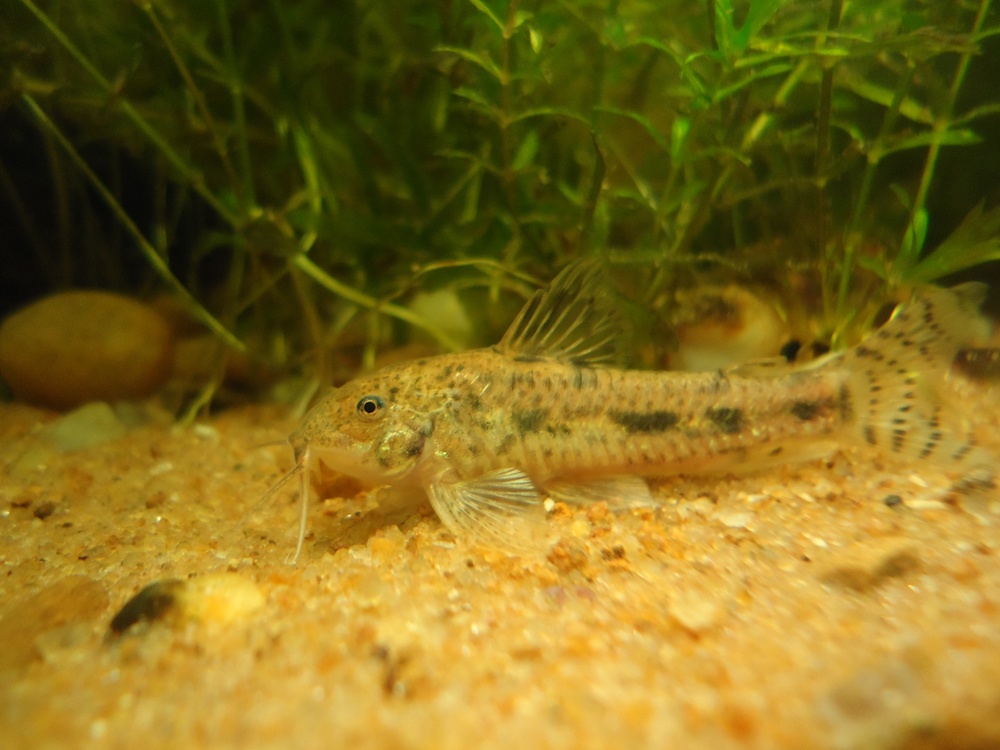
Aspidoras fuscoguttatus is a slender, brown-dotted Paraná catfish, not a small Corydoras. Cooler water, a nervous little flock, and micro-food —…
Read more →
Scleromystax barbatus is a large, bearded, cool-water catfish from Atlantic-forest streams. Males grow cheek odontodes and want oxygen at 18–22°…
Read more →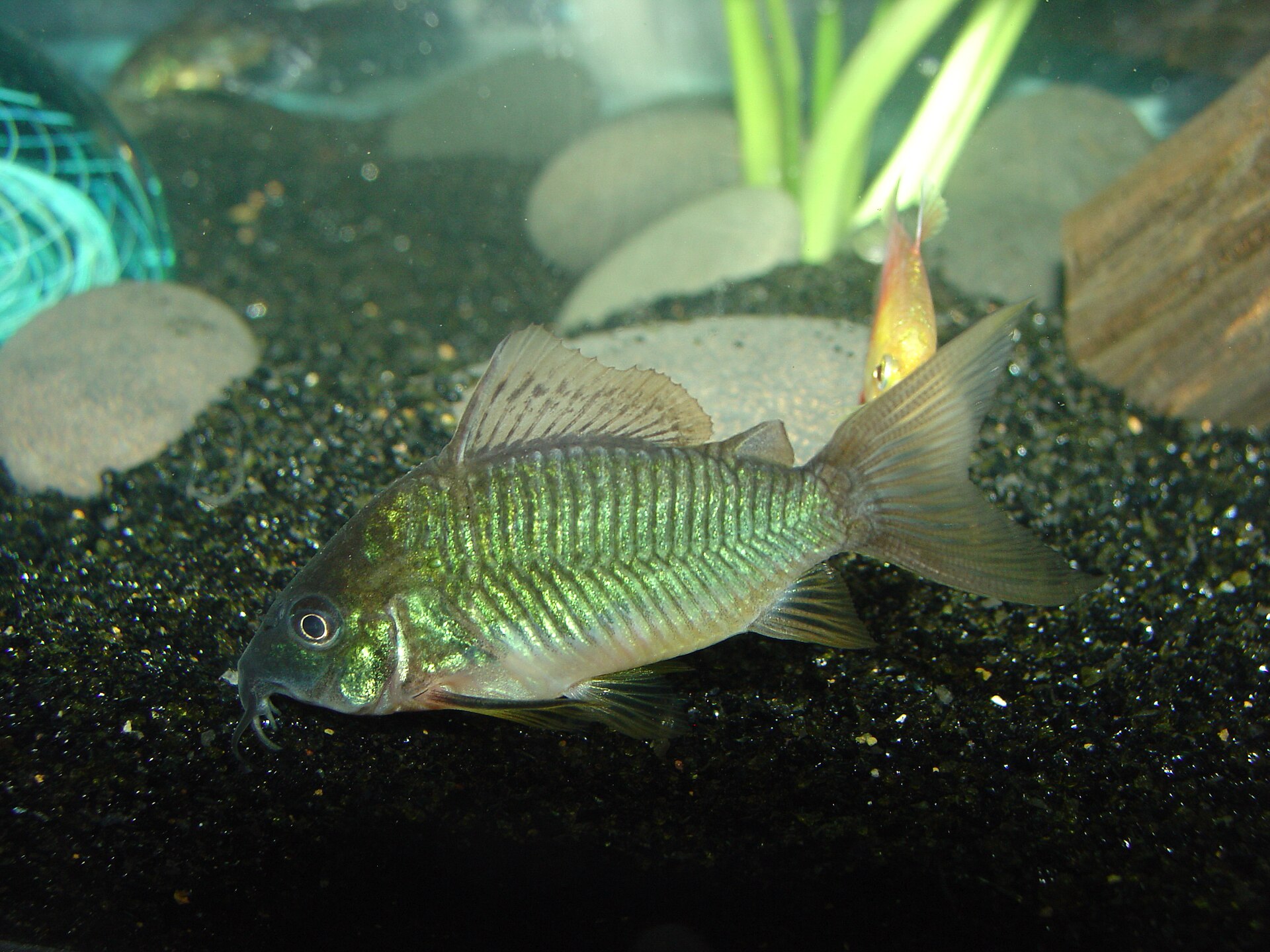
Emerald Brochis is a high-backed, metallic-green Amazon callichthyid that outgrows pandas and eats like a herd. Extra dorsal rays, real bulk, and a…
Read more →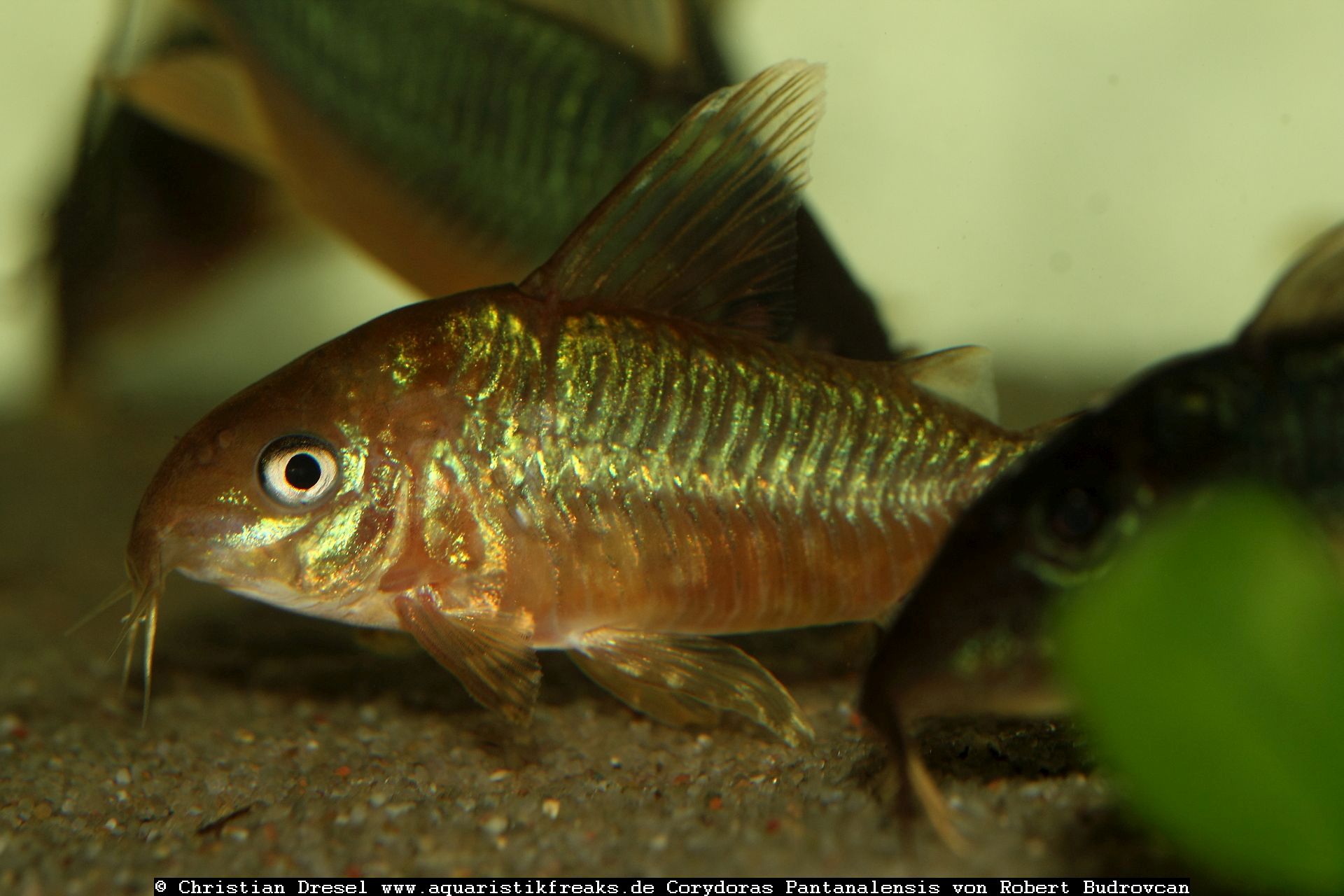
Pantanal Corydoras wears a gold net in clear, planted wetland water — not Amazon tea. Seasonal floods, sand, and a vegetated tank show the specie…
Read more →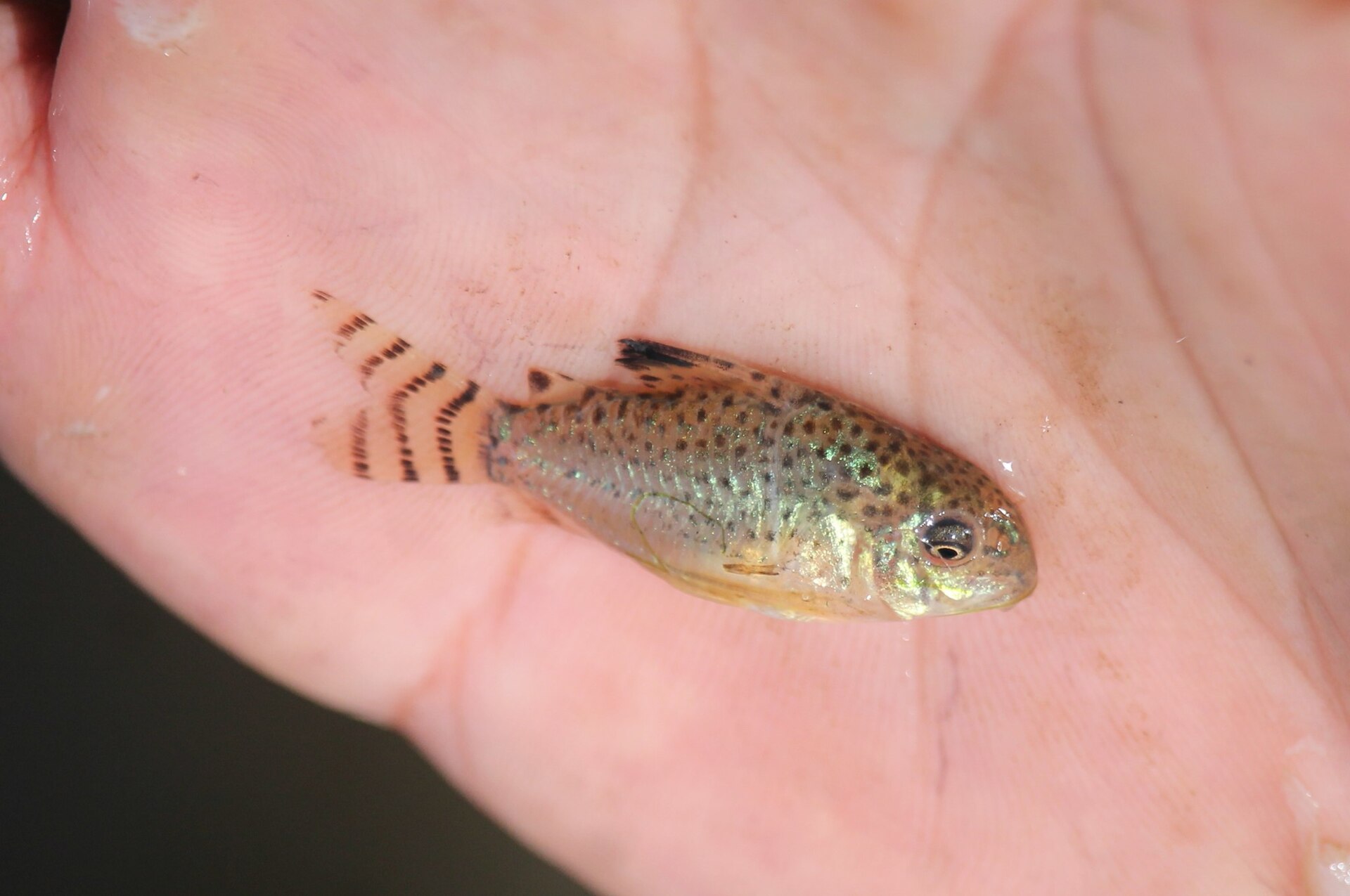
Cruz's Corydoras is C012 from Bolivia's Santa Cruz department: a small golden mosaic from Madeira-basin streams. Short-snouted, uncommon, and not a…
Read more →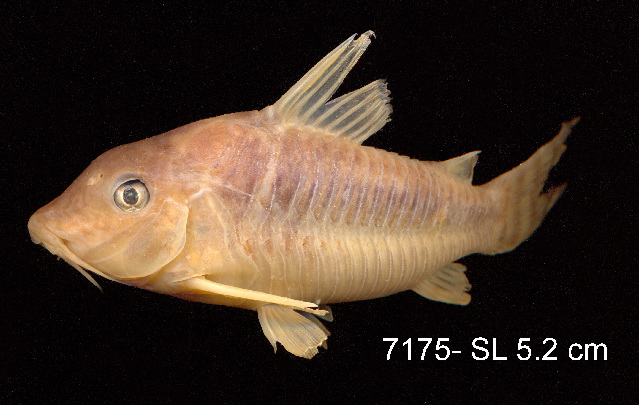
Seuss's Corydoras (C027) is the long-snouted, orange-spined Mamoré fish — not Sterbai with a stretched face. It likes warmth, a group, and sand,…
Read more →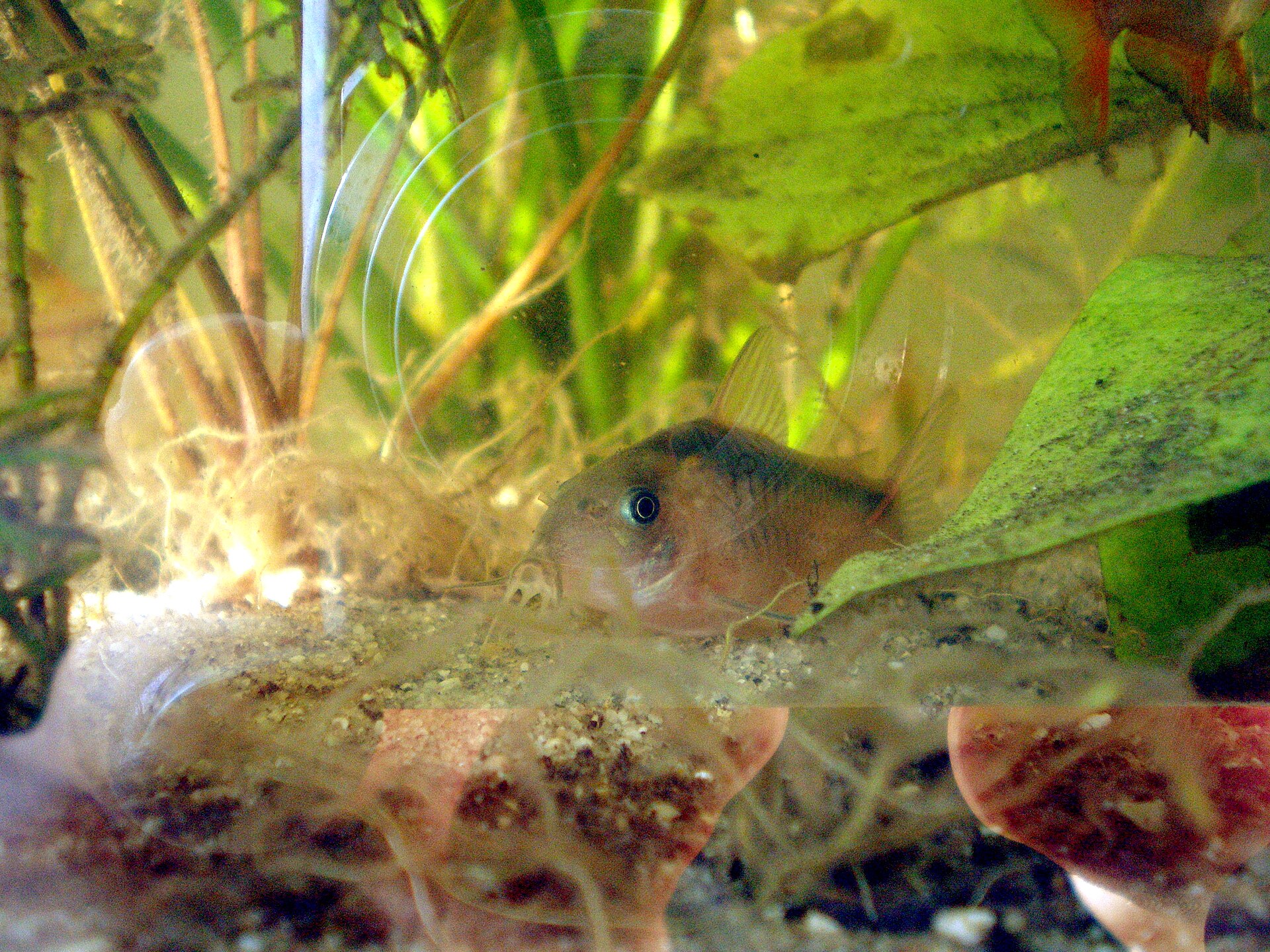
Zygatus is the rusty Peruvian cory with a dark yoke along the back. Side by side with rabauti the cape is the ID. Keep a saddle-matched troop on sa…
Read more →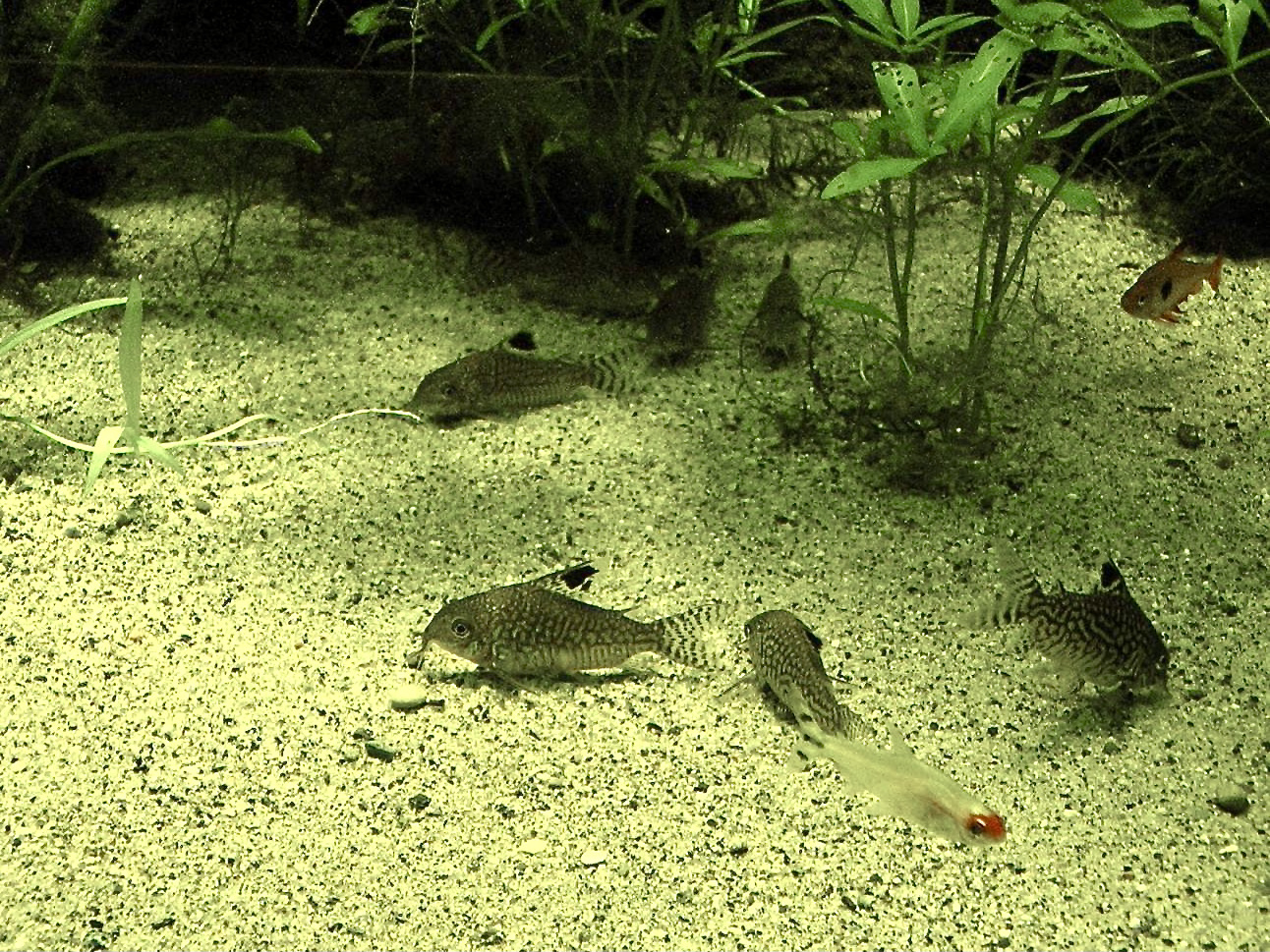
Reticulated Corydoras is the Ucayali network catfish with a dorsal blotch — Peruvian mesh, not a Brazilian stamp and not leopardus. The lace fade…
Read more →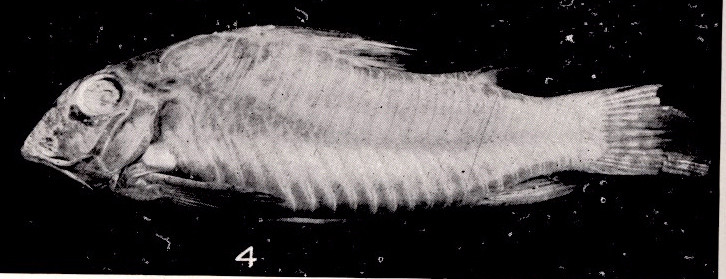
Aurofrenatus is the gold-bridled, long-snouted cory of the Paraguay basin (ellisae is the same fish). The pointed snout probes sand; gravel files i…
Read more →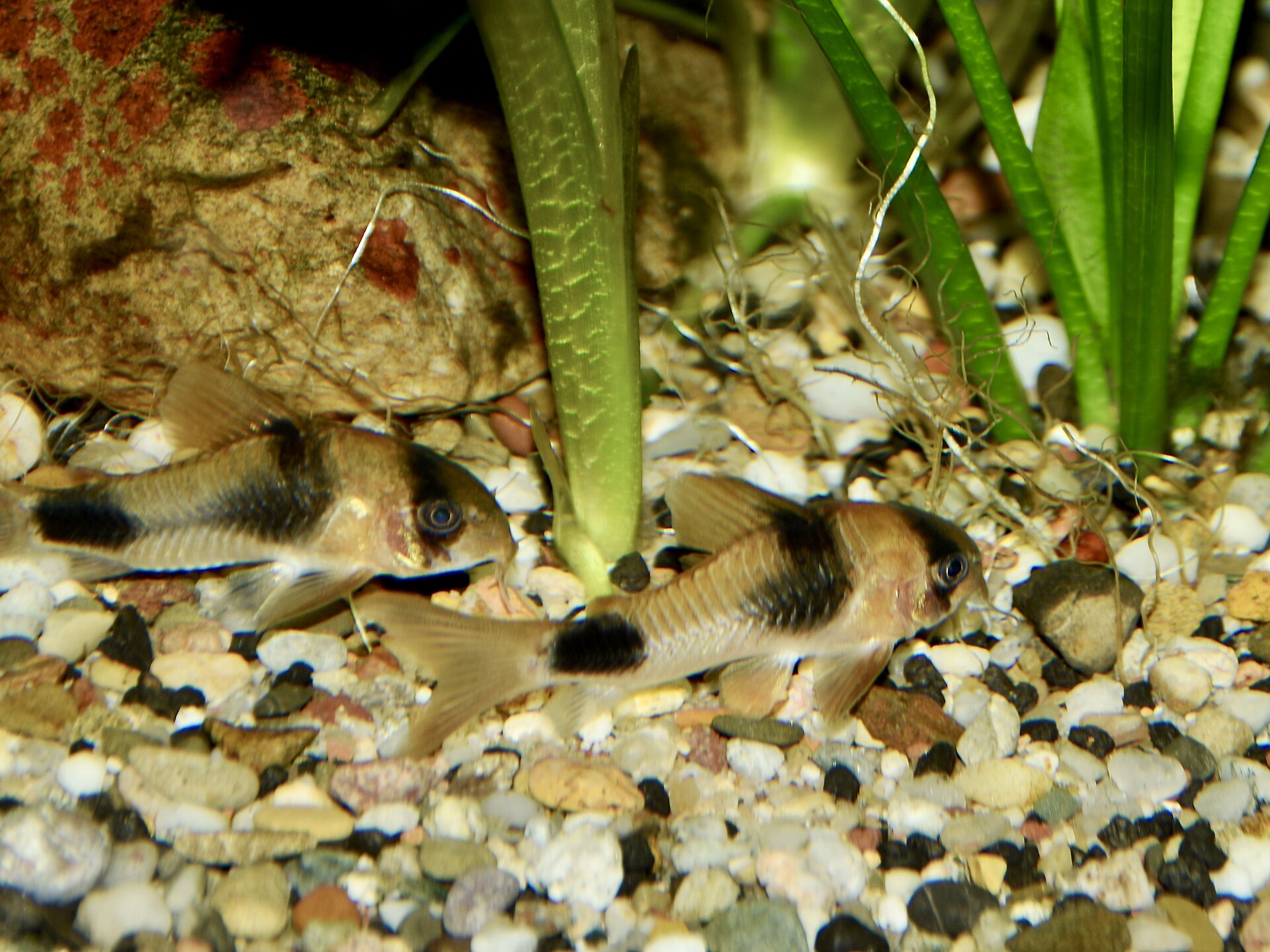
Weitzmani is the Peruvian fox cory: ivory body, dark mask, orange in the fins. It is not Adolfoi's blaze. Buy a group, keep the water soft, and fee…
Read more →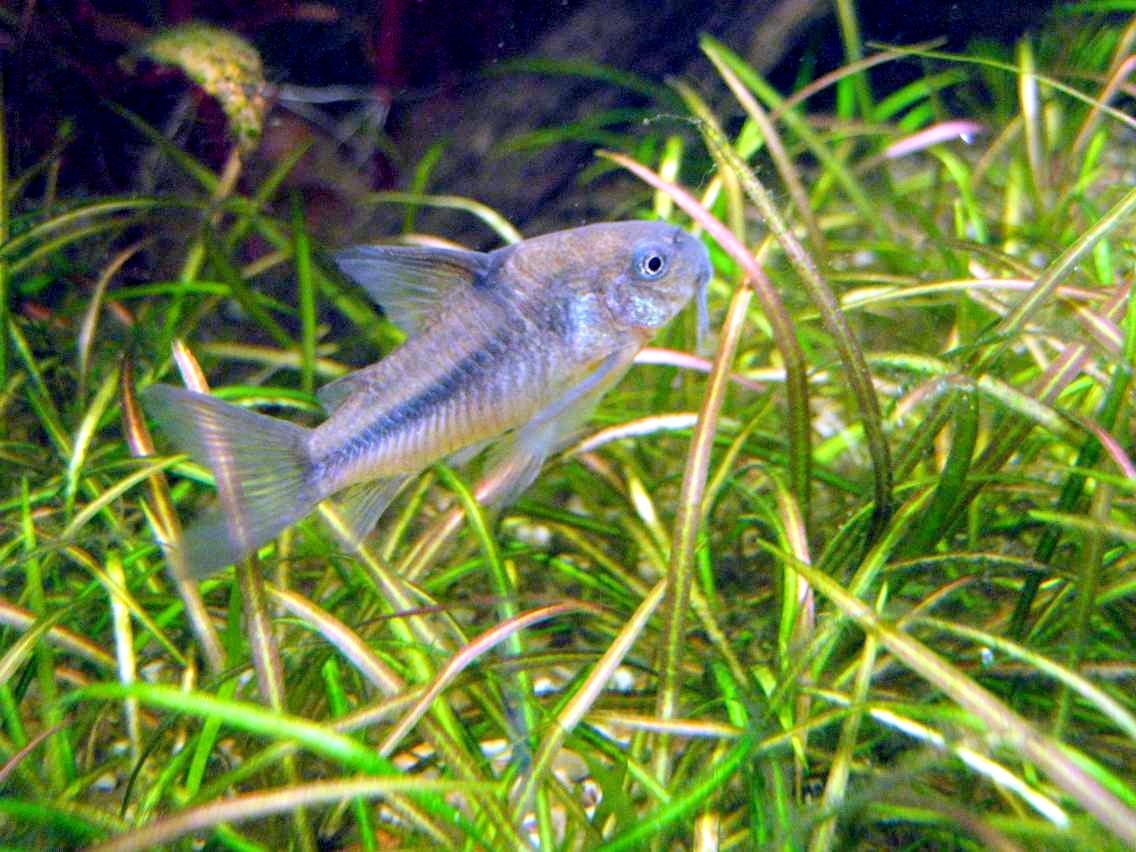
Natterer's Corydoras is a steel-blue coastal Brazilian fish, cooler than Amazon blackwater corys. Keep the sheen with clean, well-oxygenated water…
Read more →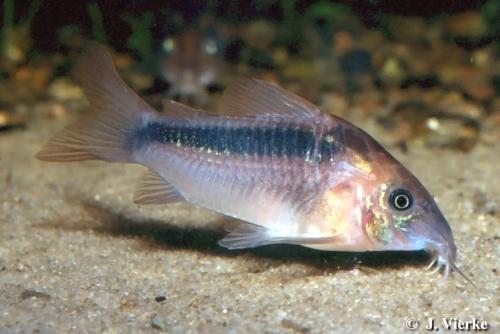
Rabauti Corydoras is the uniform rusty Amazon catfish, not a faded bronze and not zygatus with a dark cape. A copper troop on pale sand is the whol…
Read more →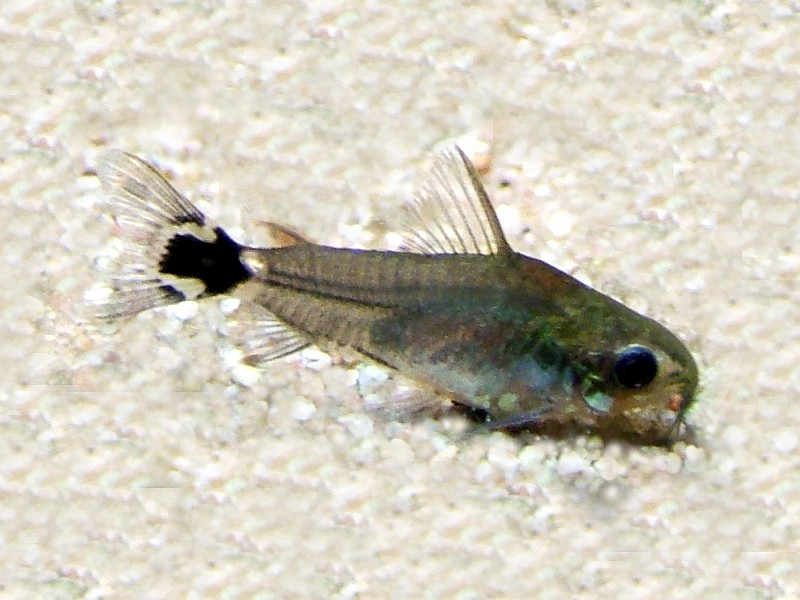
Hastatus is the Paraguay pygmy cory that schools in midwater like a tiny tetra, with a spear-spot on the tail. Huge numbers, micro-food, and plants…
Read more →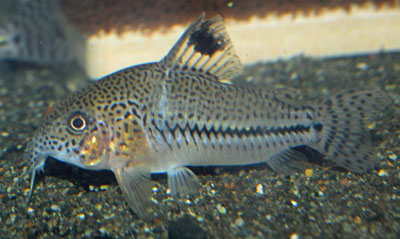
Leopard Corydoras is the larger, long-snouted Amazon cat with coarse blotches — not julii, not trilineatus. Give it a wide sand paddock and a gro…
Read more →