

Swim Bladder Disorders
This guide covers swim bladder disorder fish with practical steps for home aquariums. A fish stuck at the surface or on the substrate often has swim bladder distress — diet and water quality fix many cases.
For related reading, see Columnaris in Aquarium Fish, community fish compatibility, Dropsy — Causes and Care, balanced nutrition and aquarium filtration.
Symptoms
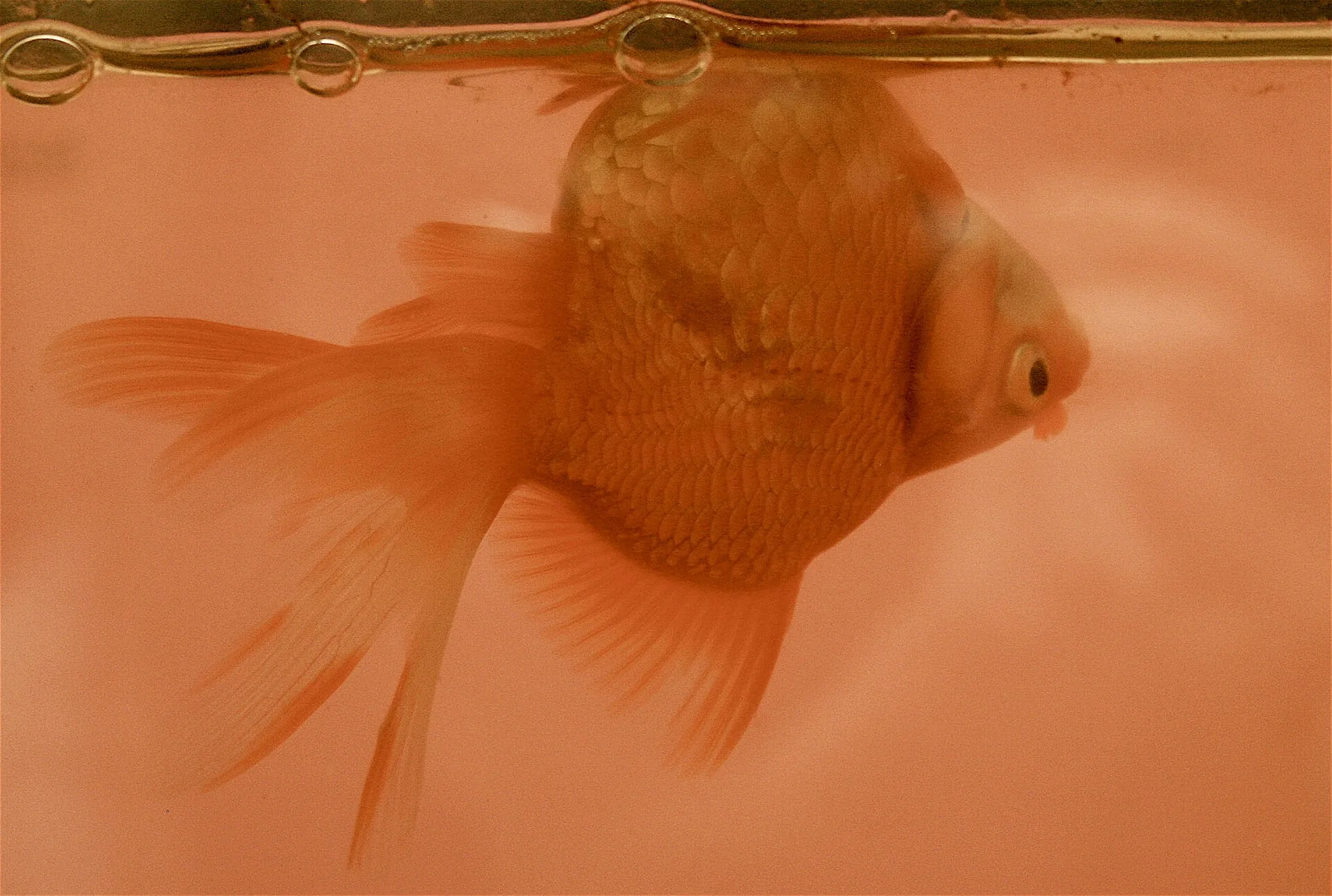
Fish float uncontrollably, sink and struggle to rise, swim nose-down or upside-down, or list to one side. Appetite may remain normal initially.
Repeated post-feeding floating strongly implicates diet — especially dry flake expanding in the gut.
Common Causes
Constipation from dry foods, overfeeding, sudden temperature drops, bacterial infection, and congenital defects in round-bodied goldfish.
Physical injury from breeding aggression or rough handling damages the swim bladder less commonly.

Dietary Fixes
Skip feeding 24–48 hours, then offer shelled peas (for omnivores) or daphnia. Switch to sinking gel or soaked foods that expand before ingestion.
Fancy goldfish benefit from frequent small meals of varied soft foods rather than floating pellets at surface.
Environmental Support
Maintain stable temperature in species range. Lower water level slightly so fish reach surface easily if struggling — reduce stress, not permanent solution.
Gentle flow; avoid fish being buffeted while weakened.
When It's Chronic
Some fancy goldfish never fully correct — provide easy access to food and resting spots. Euthanize if fish cannot eat or is beaten by tank mates.
Avoid breeding severely compromised lines if deformity is genetic.
Explore other topics
Dive into more aquarium guides across the site.