

Dropsy — Causes and Care
This guide covers dropsy aquarium fish with practical steps for home aquariums. Dropsy is a symptom not a disease — swollen bodies and raised scales mean internal failure, often with low recovery odds.
For related reading, see Columnaris in Aquarium Fish and balanced nutrition.
What Dropsy Looks Like
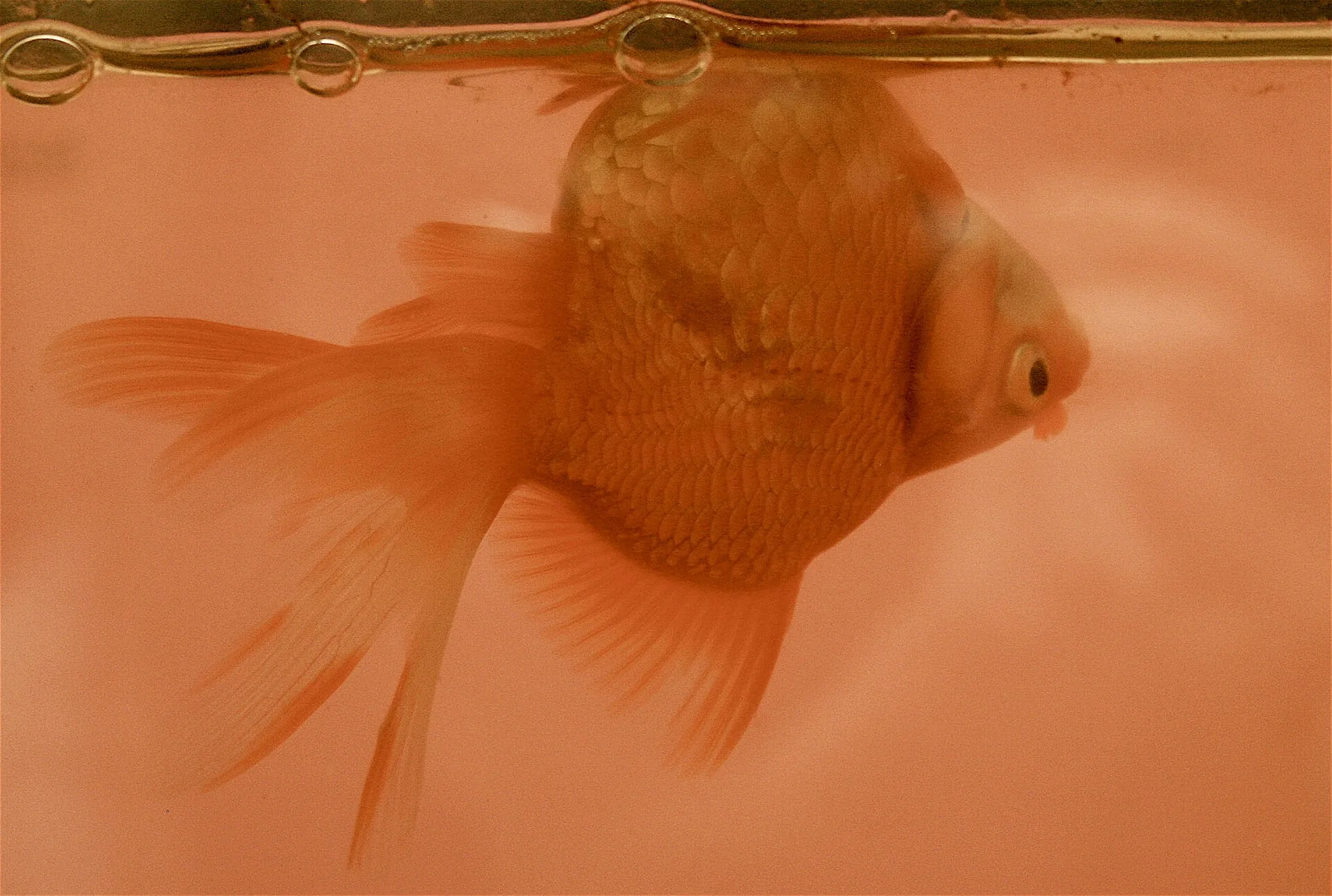
Severe abdominal swelling, scales standing outward like a pinecone, lethargy, and loss of appetite. Eyes may bulge concurrently.
Early bloating without pineconing might be constipation or egg binding — observe progression carefully.
Underlying Causes
Kidney and fluid-regulation failure from bacterial infections (often Aeromonas), long-term poor water quality, or internal parasites. By visible pineconing, prognosis is grave.
Treatable causes exist in early stages — most advanced cases do not recover humanely.

Care Steps
Isolate in hospital tank with pristine water and gentle aeration. Epsom salt baths at appropriate concentration may reduce fluid retention temporarily on some species — research species tolerance first.
Broad antibiotics in food for willing eaters; force-feeding stressed fish rarely helps.
Honest Prognosis
Many experienced keepers euthanize when pineconing appears to prevent suffering. Continuing treatment days on a fish that cannot swim or eat is often prolonging distress.
If one fish dropsies in a community tank, test water and watch others — contagious bacterial components exist.
Tank Aftermath
Remove deceased fish promptly. Large water change, gravel vacuum, and monitor survivors two weeks. Disinfect nets and hospital equipment.
Prevent future cases with quarantine, stable parameters, and avoiding chronic overfeeding that strains organs.
Explore other topics
Dive into more aquarium guides across the site.