

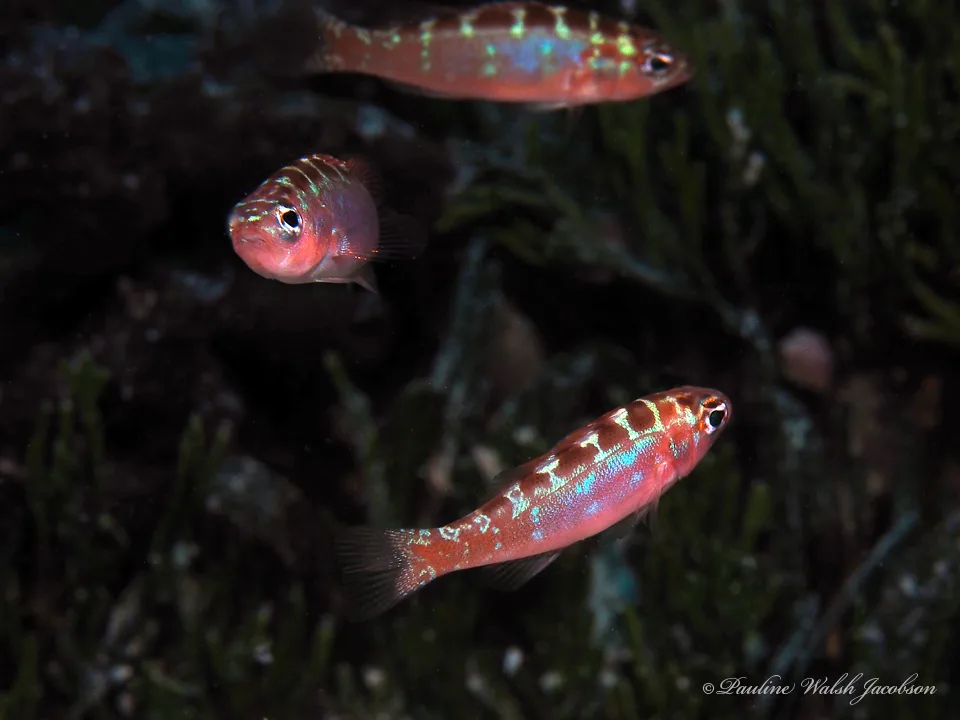
Chalk Bass (Serranus tortugarum)
The Chalk Bass (Serranus tortugarum) is a popular saltwater aquarium fish for reef and FOWLR systems. This guide covers natural habitat, appearance, tank setup, marine water conditions, diet, compatibility, breeding notes, ease of care, and health concerns — matching the depth of our other saltwater species profiles.
Keeper notes: Can be kept in small groups. Feed varied frozen foods and leave open rock caves for resting.
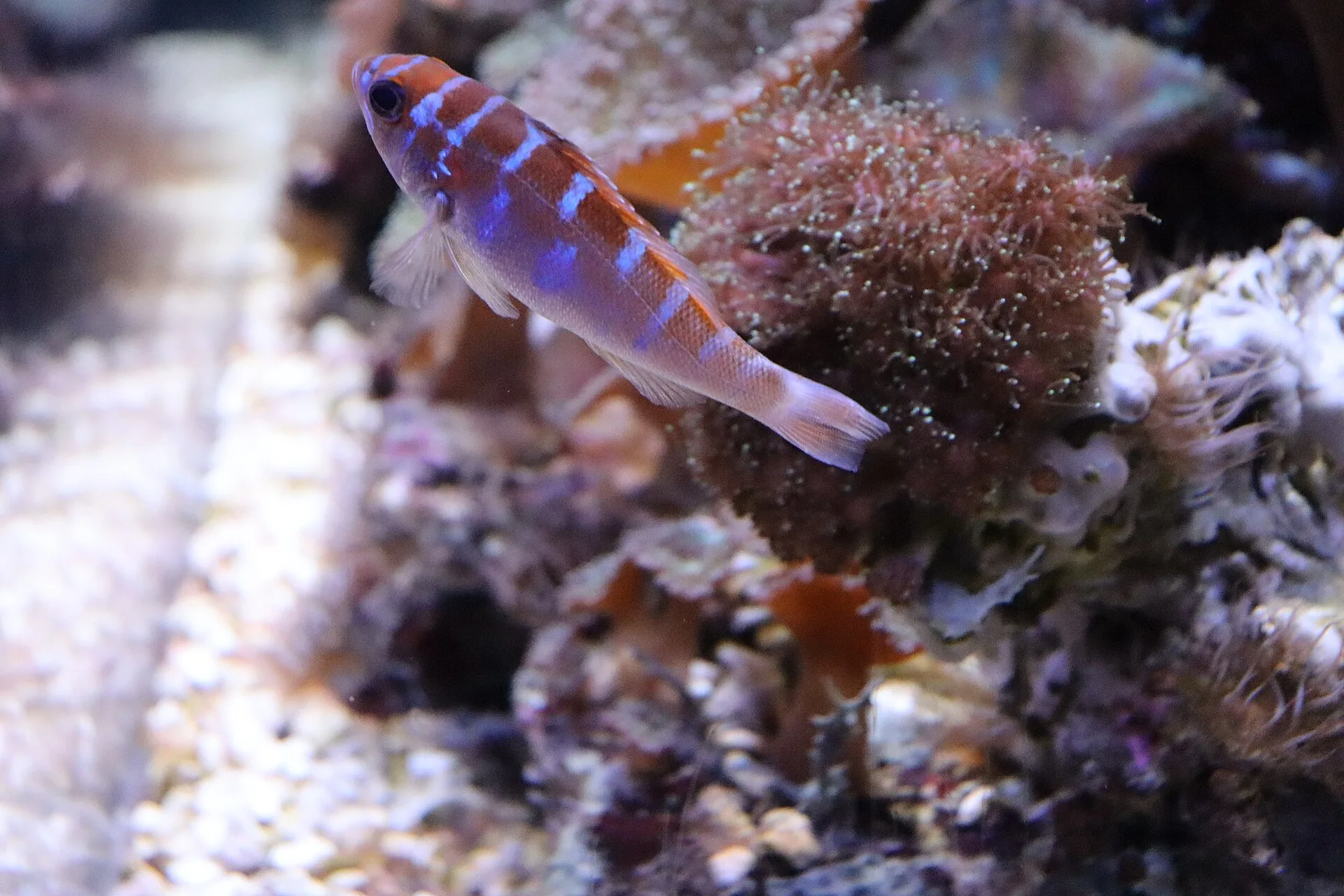
Natural Habitat and Origin
Chalk Basss are native to Caribbean and western Atlantic reefs. Wild individuals use live rock, sand, or coral structure for cover and hunting grounds. Recreating mature rock work, stable salinity, and appropriate flow helps them settle faster in captivity.
Appearance and Size
Adults typically reach about 2.5–3 inches (6–8 cm). Colour intensity tracks diet, lighting, and stress level. Clear eyes, intact fins, and steady breathing are everyday health signs; flickering scratching or rapid breathing warrants water testing and quarantine review.
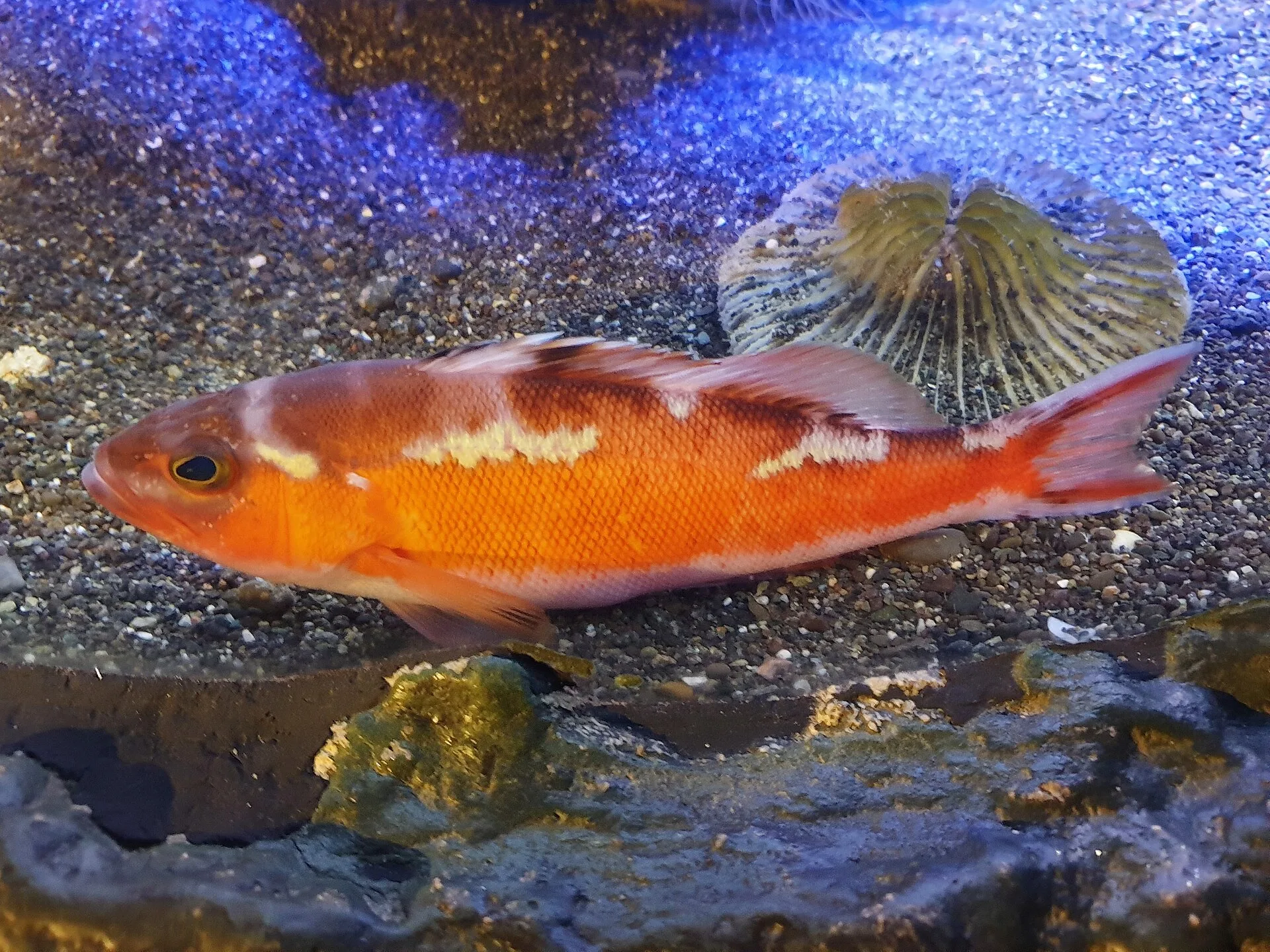
Tank Size and Aquarium Setup
Plan around 30 gallon (110 L)+ with cured live rock and established biological filtration.
Setup tips:
- Provide caves, overhangs, or sand for the species’ natural behaviour.
- Maintain strong gas exchange and mature rock before adding sensitive livestock.
- Use a tight-fitting lid for jumpers and a UV/protein skimmer appropriate to bioload.
- Quarantine all new fish — marine ich and velvet travel easily among unquarantined stock.
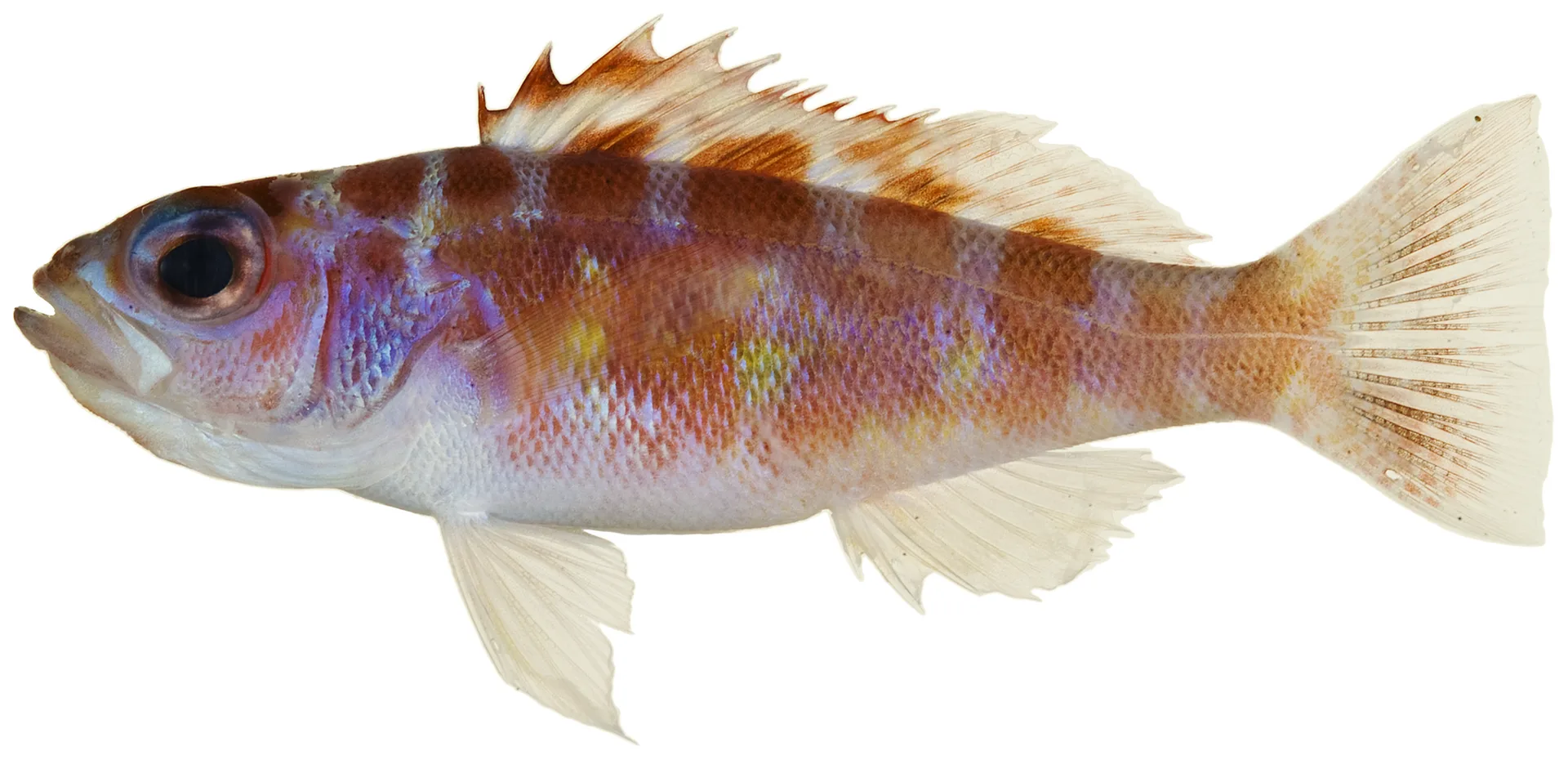
Water Conditions
- Temperature: 74–80°F (23–27°C)
- Salinity / SG: 1.023–1.026
- pH: 8.1–8.4
- Ammonia / nitrite: 0 ppm; keep nitrates modest for reef systems
- Maintenance: regular water changes with matched salinity and temperature

Stability matters more than chasing perfect numbers. Sudden salinity or alkalinity swings cause more losses than slightly imperfect but steady parameters.
Diet and Feeding
Feeding ecology: carnivore / zooplankton hunter. Offer multiple small meals of marine pellets, frozen mysis/brine, nori or angel formulas where relevant, and enrichment foods. Watch for competition from aggressive tank mates that steal food mid-water.
Temperament and Reef Compatibility
Care level and behaviour: beginner. Research individual reef-safety — many marine fish are peaceful toward coral until underfed or poorly stocked. Provide territories and avoid overcrowding.
Sexing and Breeding
Many marine ornamentals are sequential hermaphrodites or difficult to sex as juveniles. Home breeding is uncommon for most reef fish and usually requires dedicated systems. Focus captive care on healthy adults and ethical sourcing.
Ease of Care
Overall care level: beginner. Success hinges on quarantine, mature filtration, and consistent feeding more than decorative complexity.
Common Health Concerns
- Cryptocaryon (marine ich) and Amyloodinium after stress or poor quarantine
- Starvation in shy new arrivals outcompeted at feeding time
- Jumping from uncovered tanks
- Aggression when territories overlap in small aquariums
Related Reading
Conclusion
The Chalk Bass (Serranus tortugarum) rewards patient reef husbandry: quarantine, stable saltwater chemistry, varied marine foods, and smart stocking. Treat those pillars as non-negotiable and this species will show the colour and behaviour that make it a saltwater favourite.
Explore other topics
Dive into more aquarium guides across the site.