
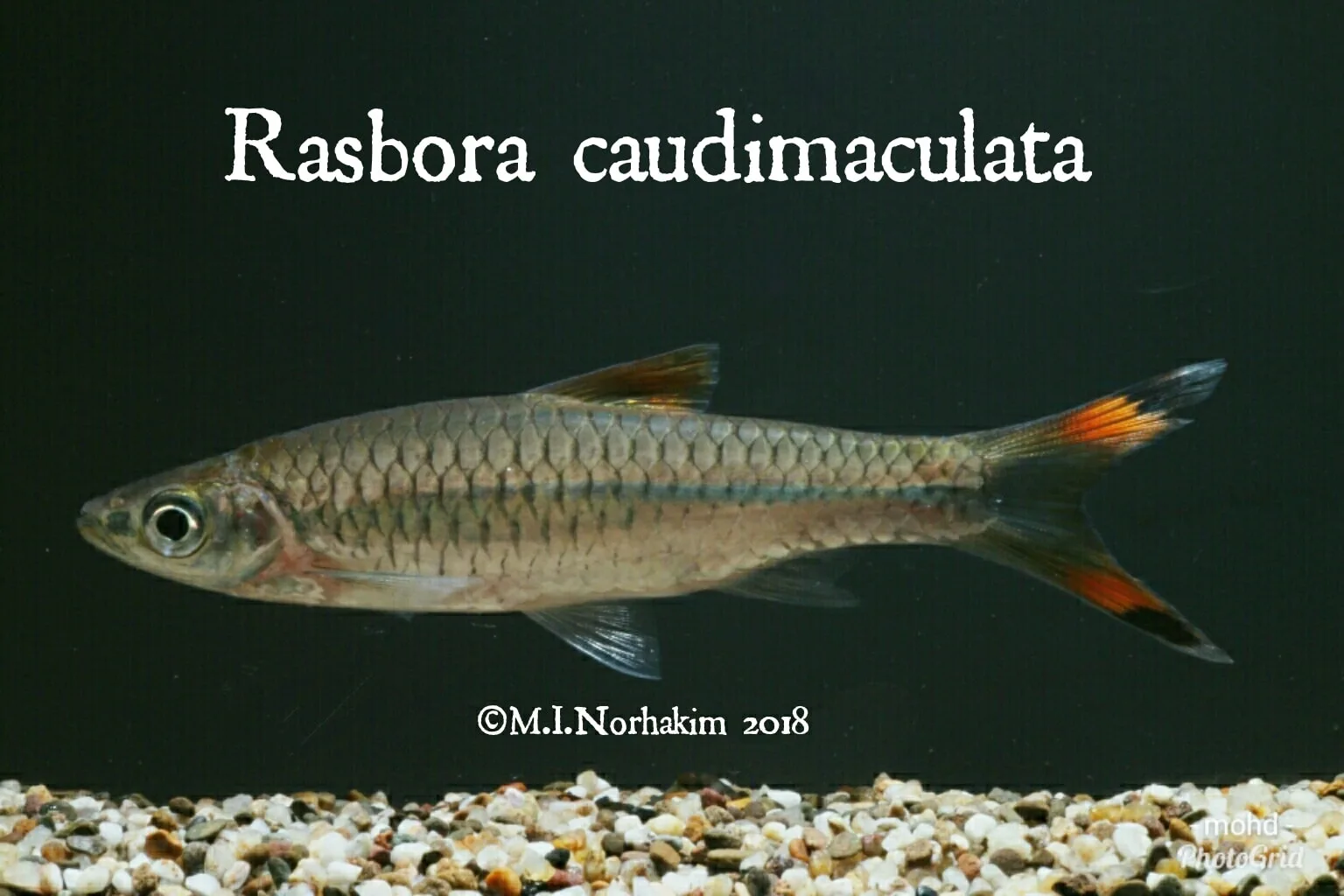
Greater Scissortail Rasbora (Rasbora caudimaculata)
Rasbora caudimaculata is a 10–15 cm river jumper with a spotted, forked tail: give it a long, covered tank and a school, not a peat cube, not a p…
Read more →
Rasbora caudimaculata is a 10–15 cm river jumper with a spotted, forked tail: give it a long, covered tank and a school, not a peat cube, not a p…
Read more →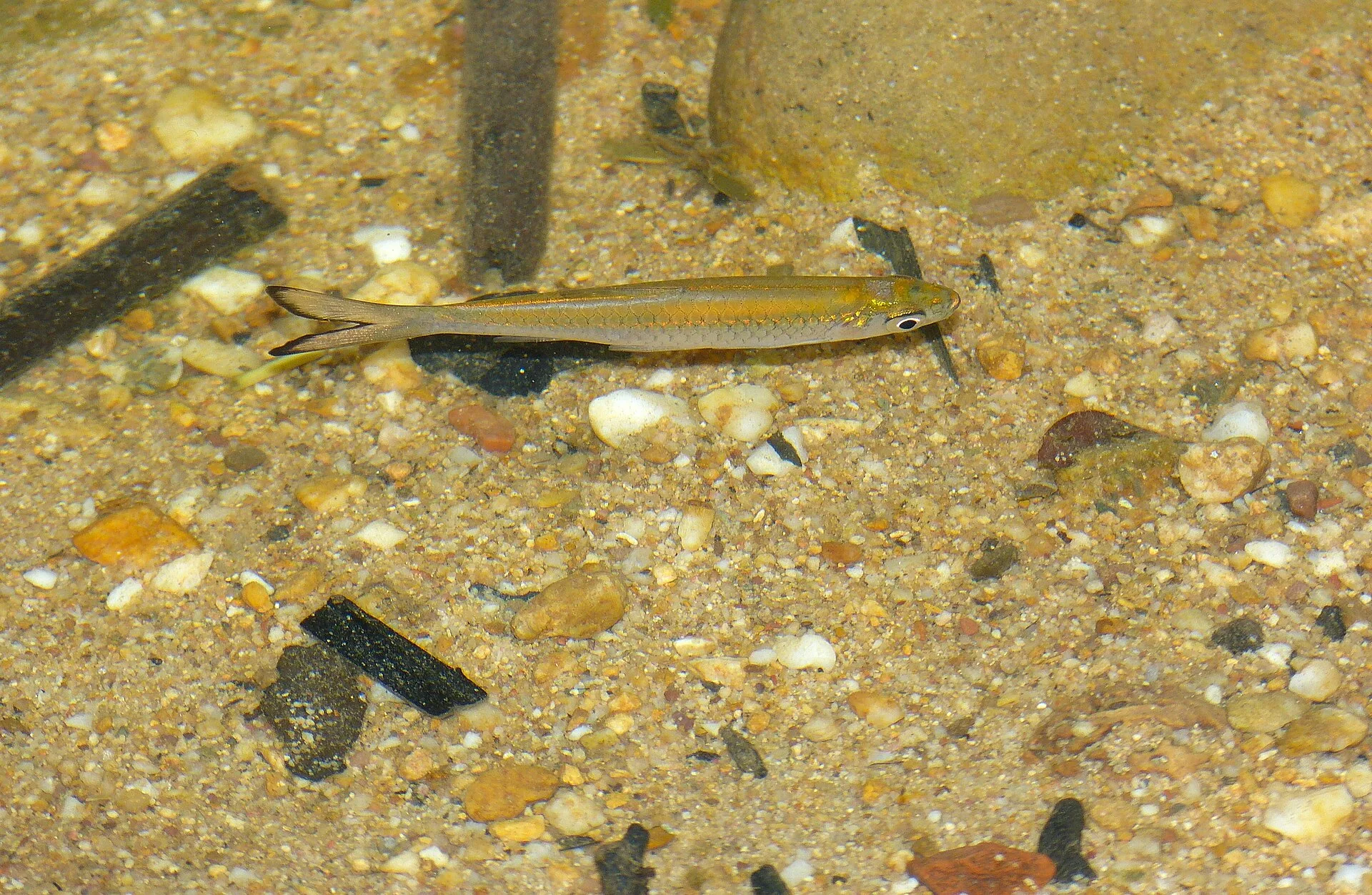
Rasbora dusonensis is a 10–12 cm river rasbora whose pink-red fins only show in a long, oxygenated school — treat it as a swimming cyprinid, no…
Read more →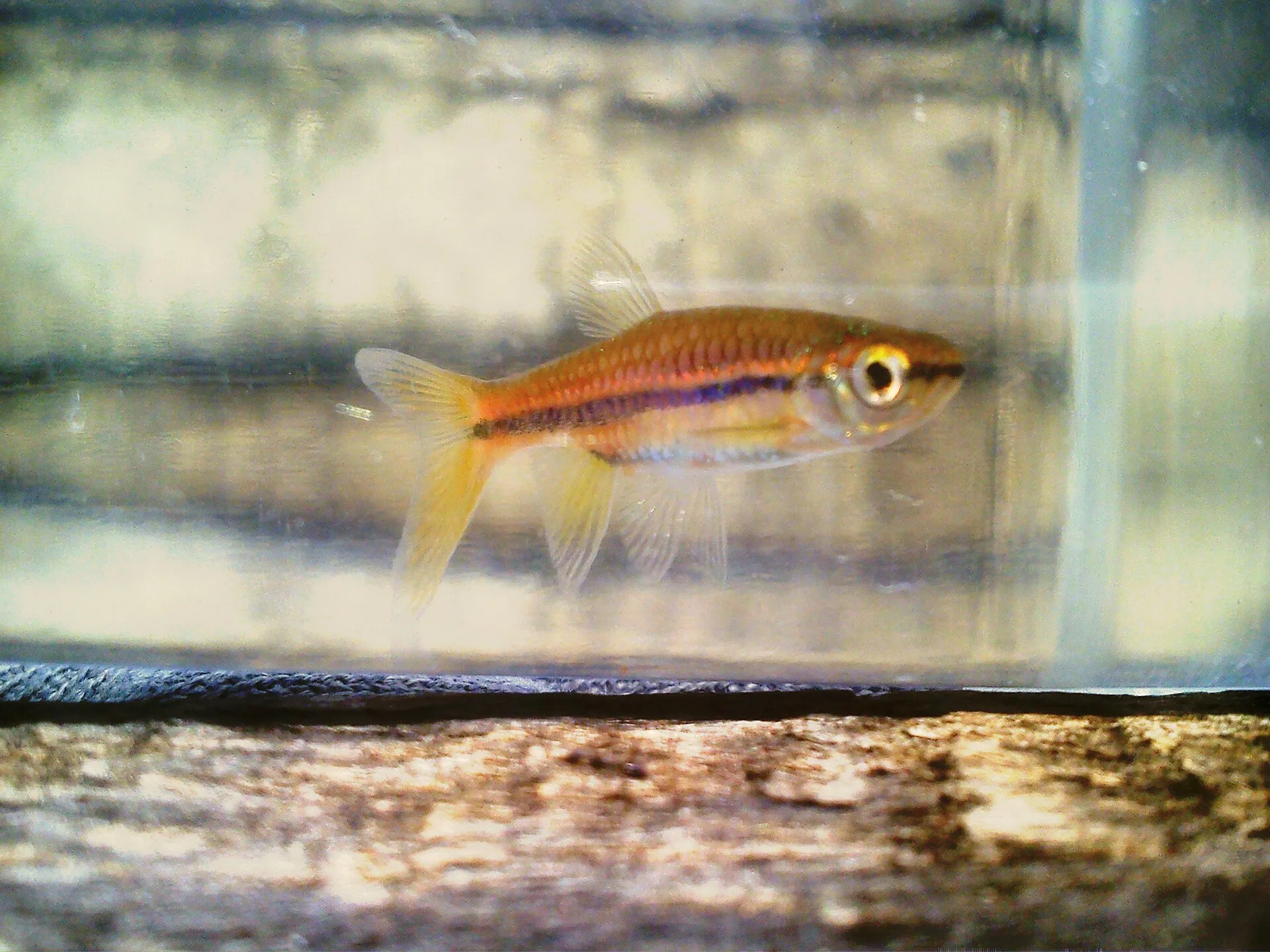
Rasbora einthovenii is an 8–12 cm striped river rasbora: it wants length, a real school, and oxygenated stream water — not a peat-nano cube and…
Read more →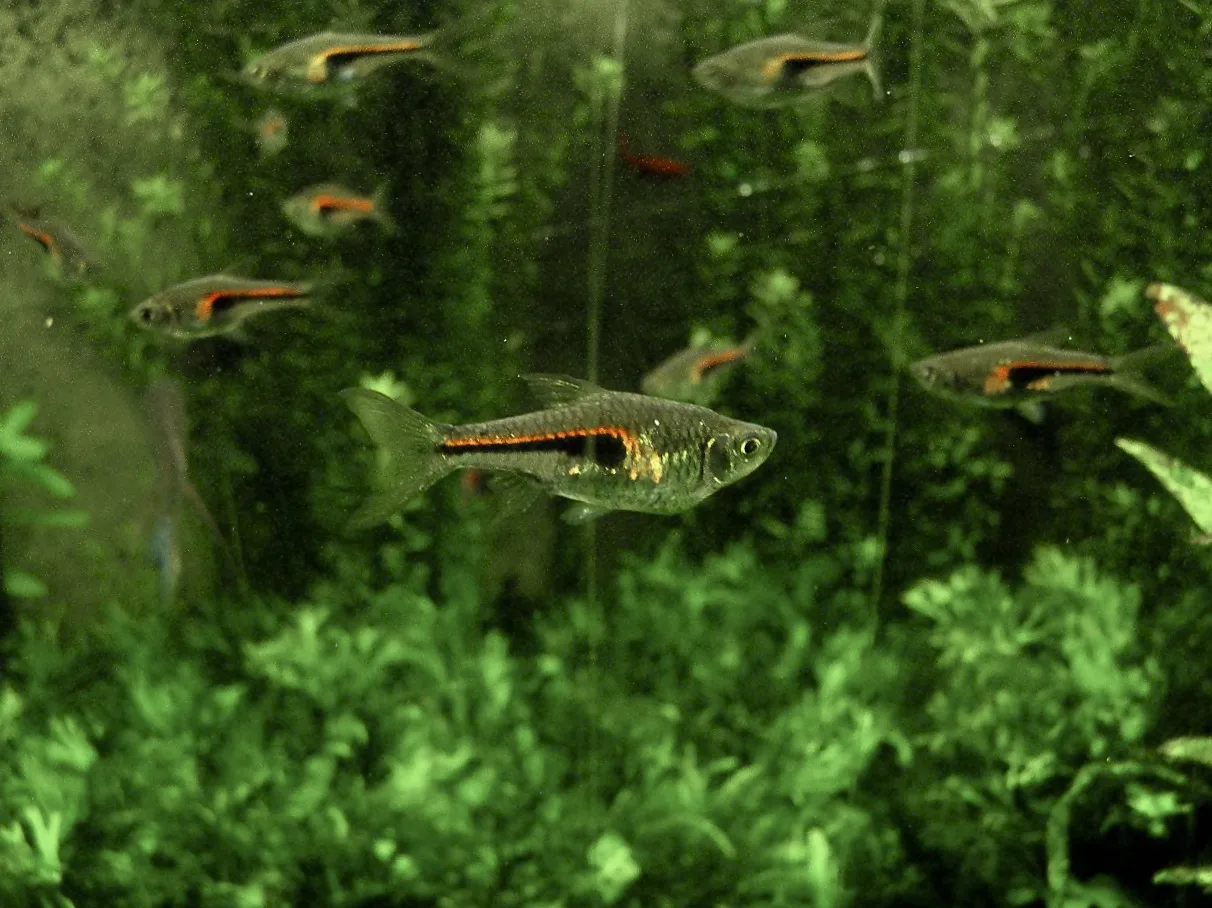
Trigonostigma hengeli is the smaller, shyer harlequin cousin: an orange-gold wedge on a 3–4 cm body that wants a planted, soft forest stream —…
Read more →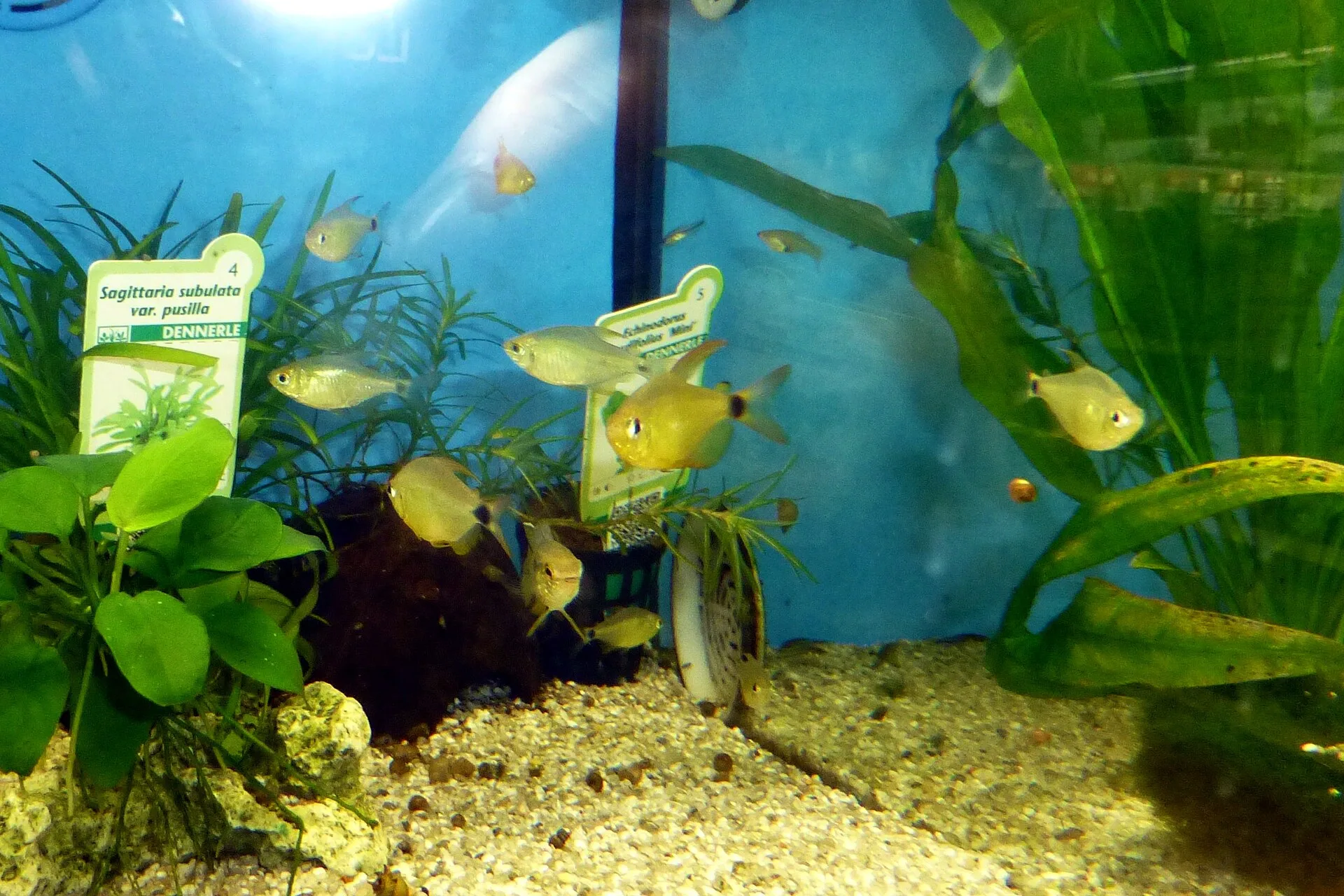
A 2002 Tapajós species whose males grow filamentous fins. Soft, slow, species-focused tanks — or shredded gold splinters.
Read more →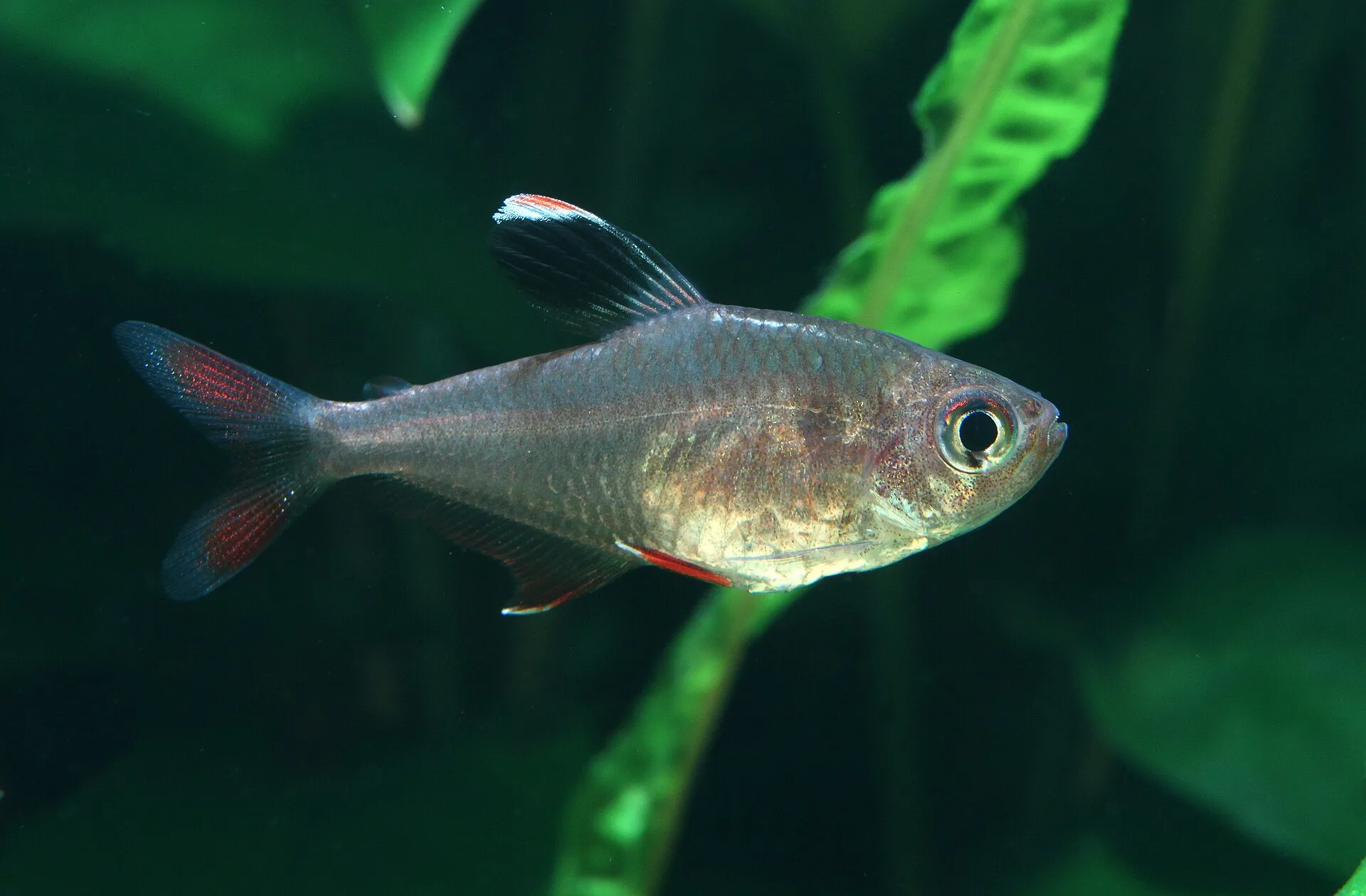
Deep-bodied Amazon tetras with white-tipped fins. Warm, planted schools; males flare, and nippers destroy the reason you bought them.
Read more →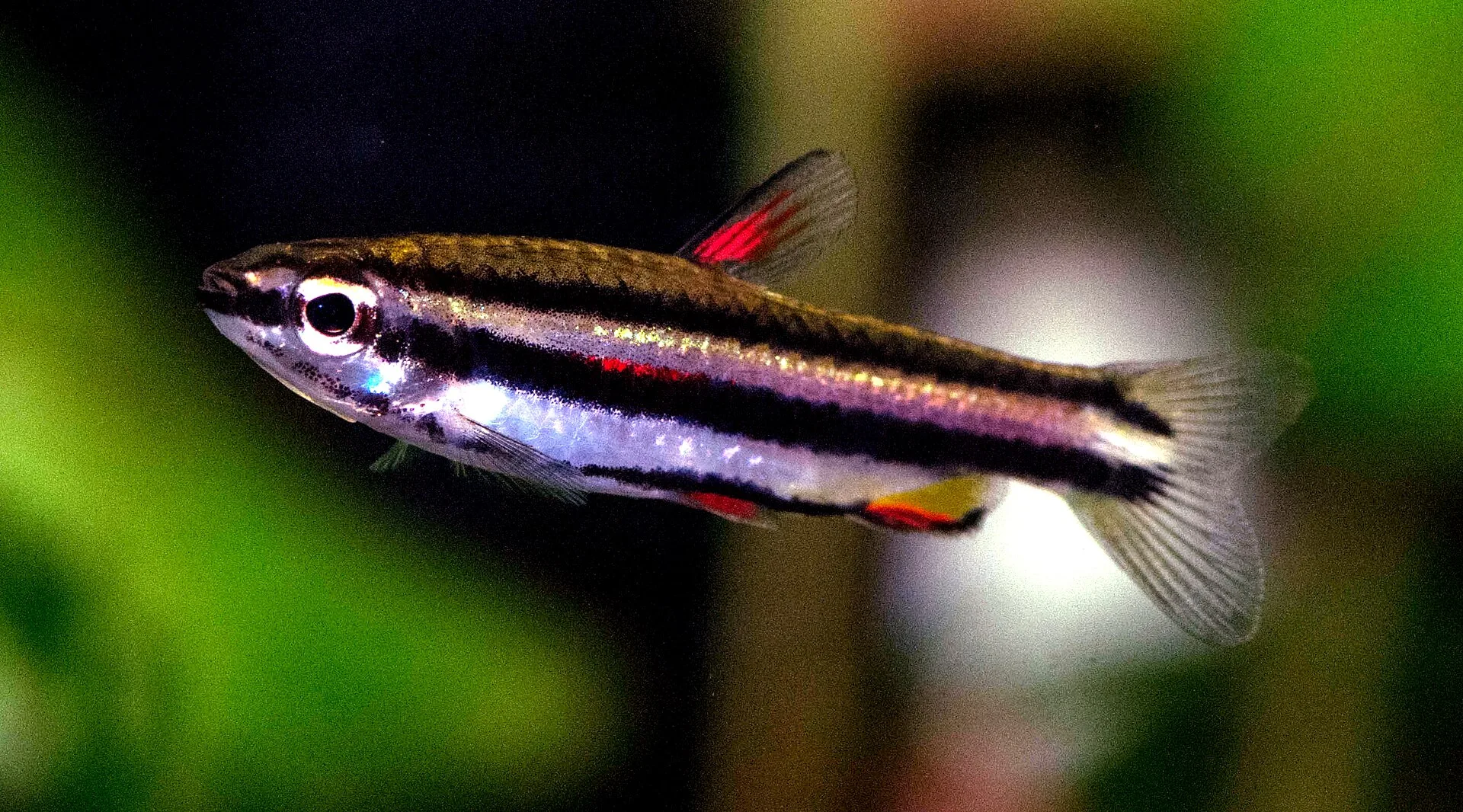
A 3 cm lebiasinid with three stripes, a pinhead mouth, and a need for still, stained water — not a tetra and not a danio.
Read more →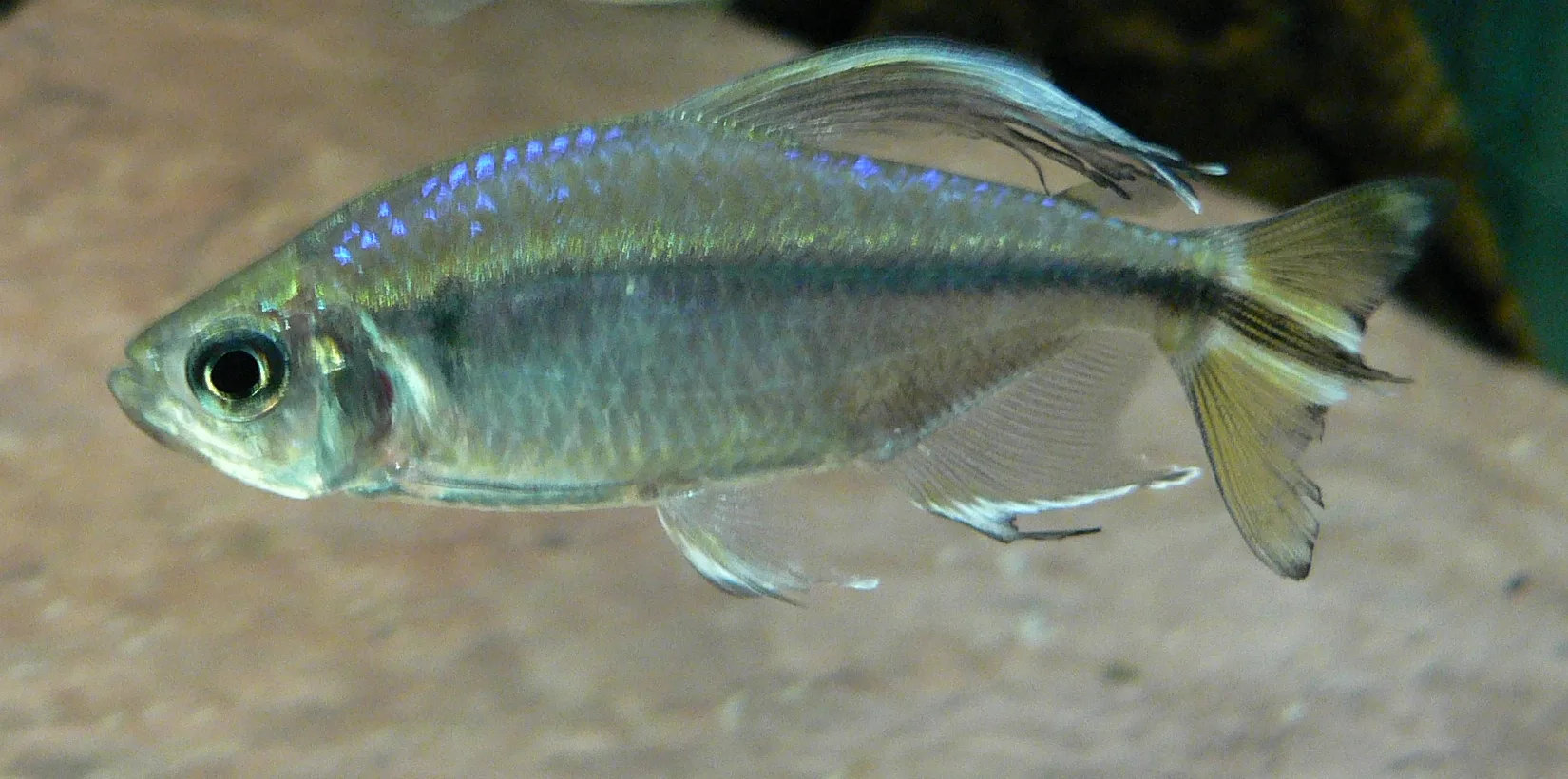
An African alestid from the Congo, not a South American tetra. Gold-yellow tails need length, tannins, and a large shy school.
Read more →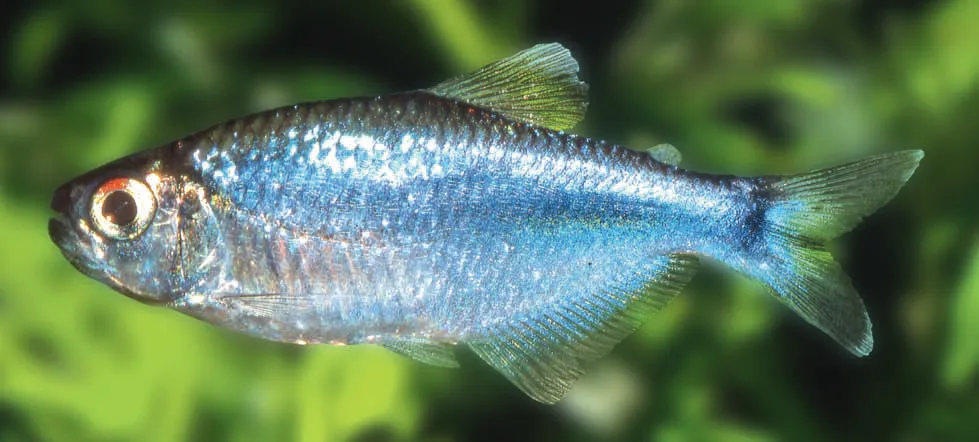
Peru’s steel-blue schooler. Colour is a crowd effect; small groups go grey and start nipping long fins.
Read more →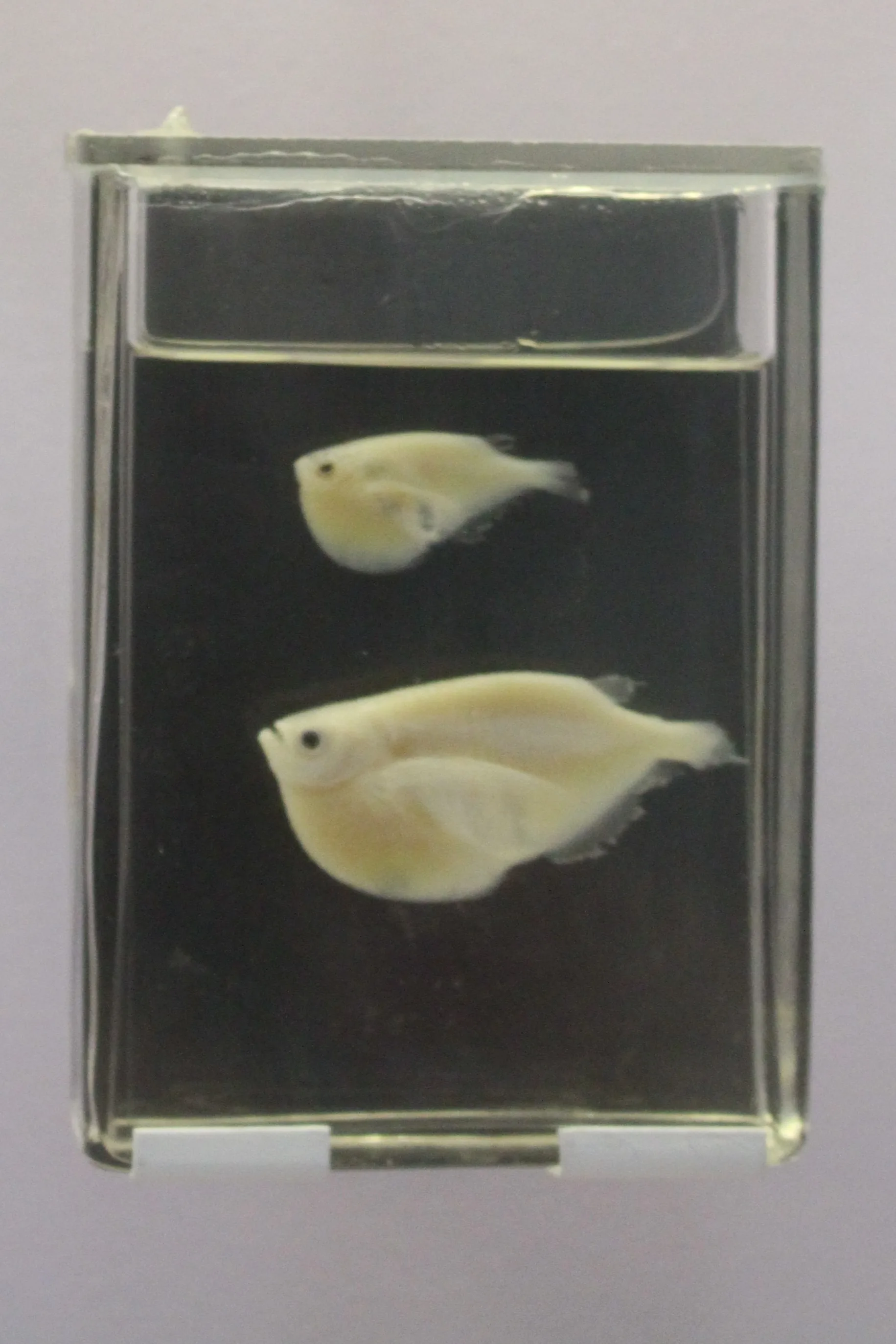
Chrome river hatchets that need a sealed top and a long surface runway. Larger and hardier than marbles, still dedicated jumpers.
Read more →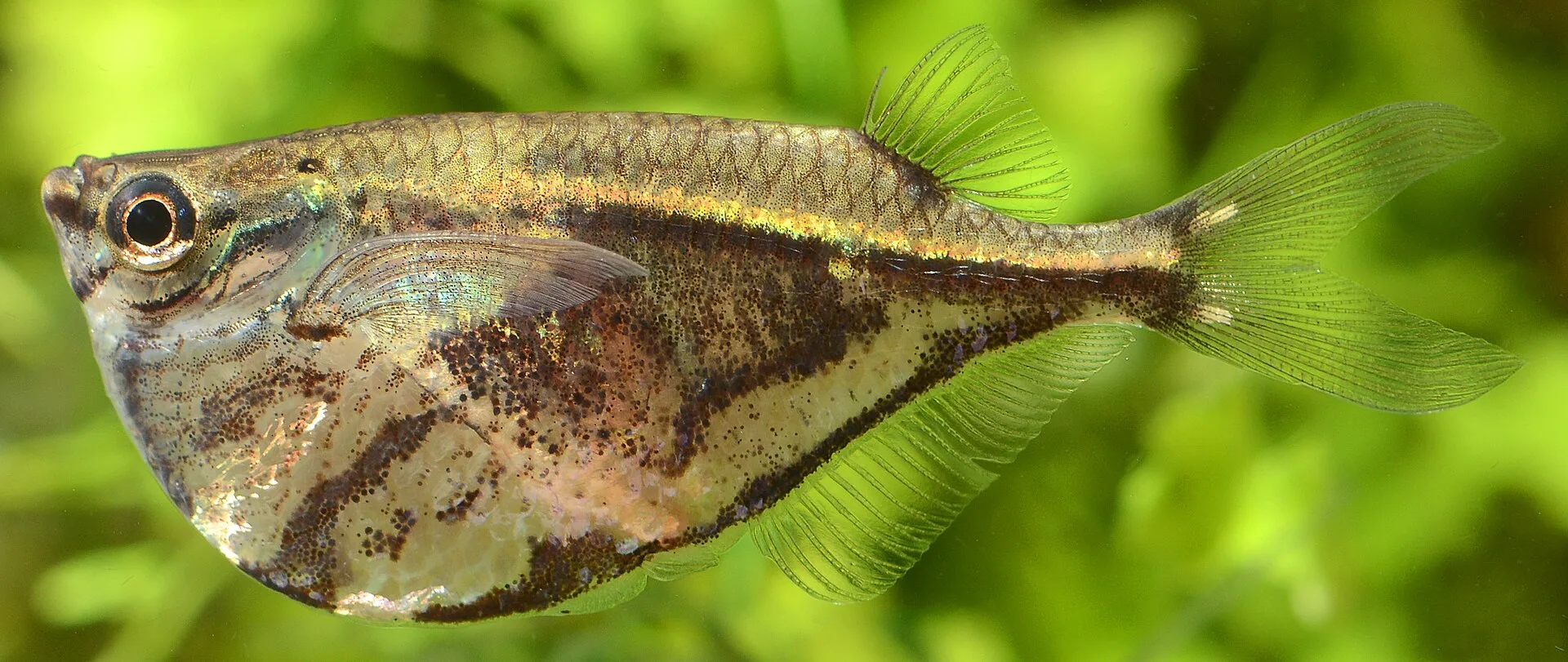
A 4 cm Amazon glider that lives in the surface film. Tight lid, floating food, soft blackwater, and a school — or an empty tank.
Read more →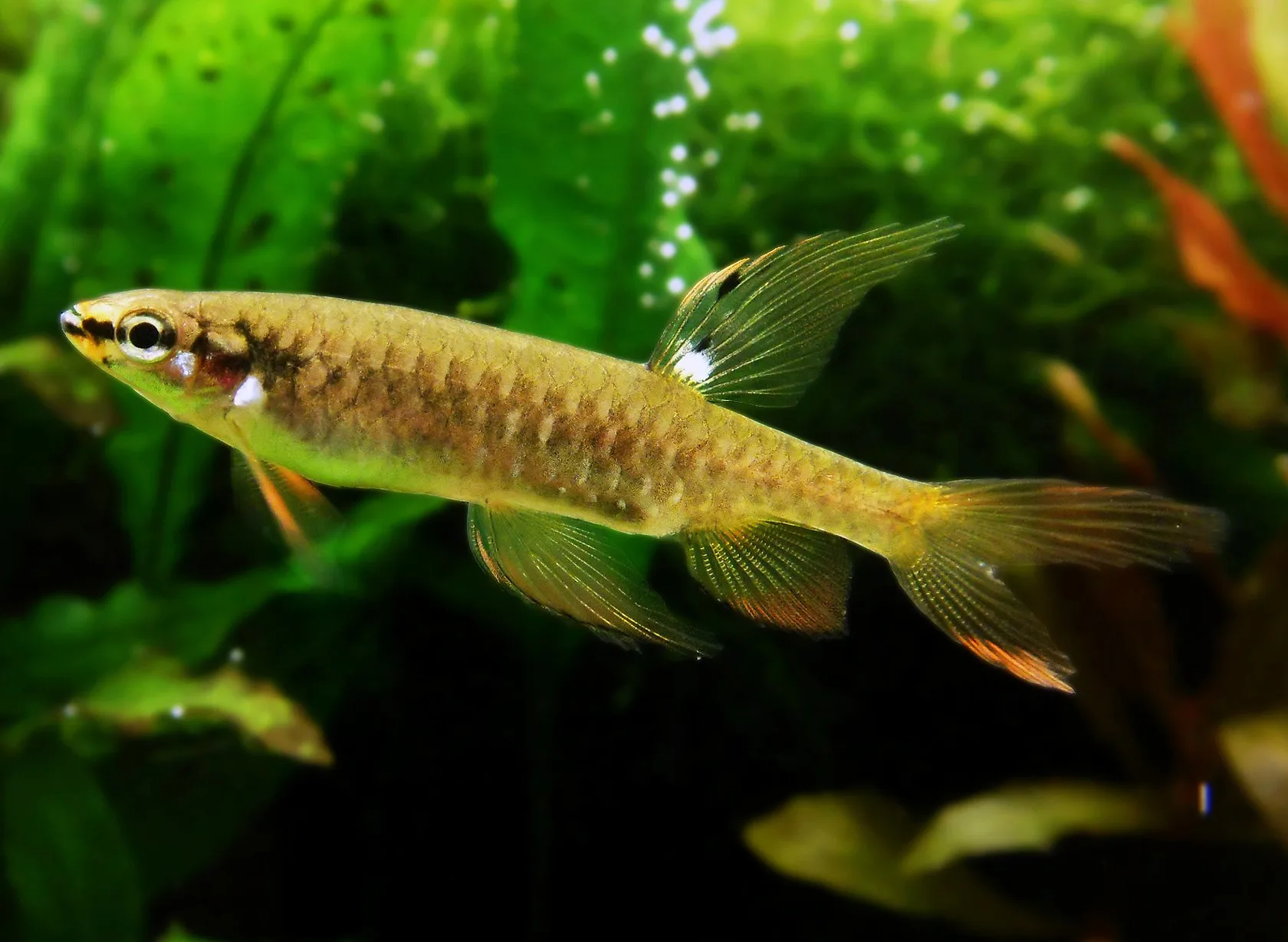
Eggs glued above the waterline, a male who splashes them for hours, and a lid that must leave humid air — not a normal tetra spawn.
Read more →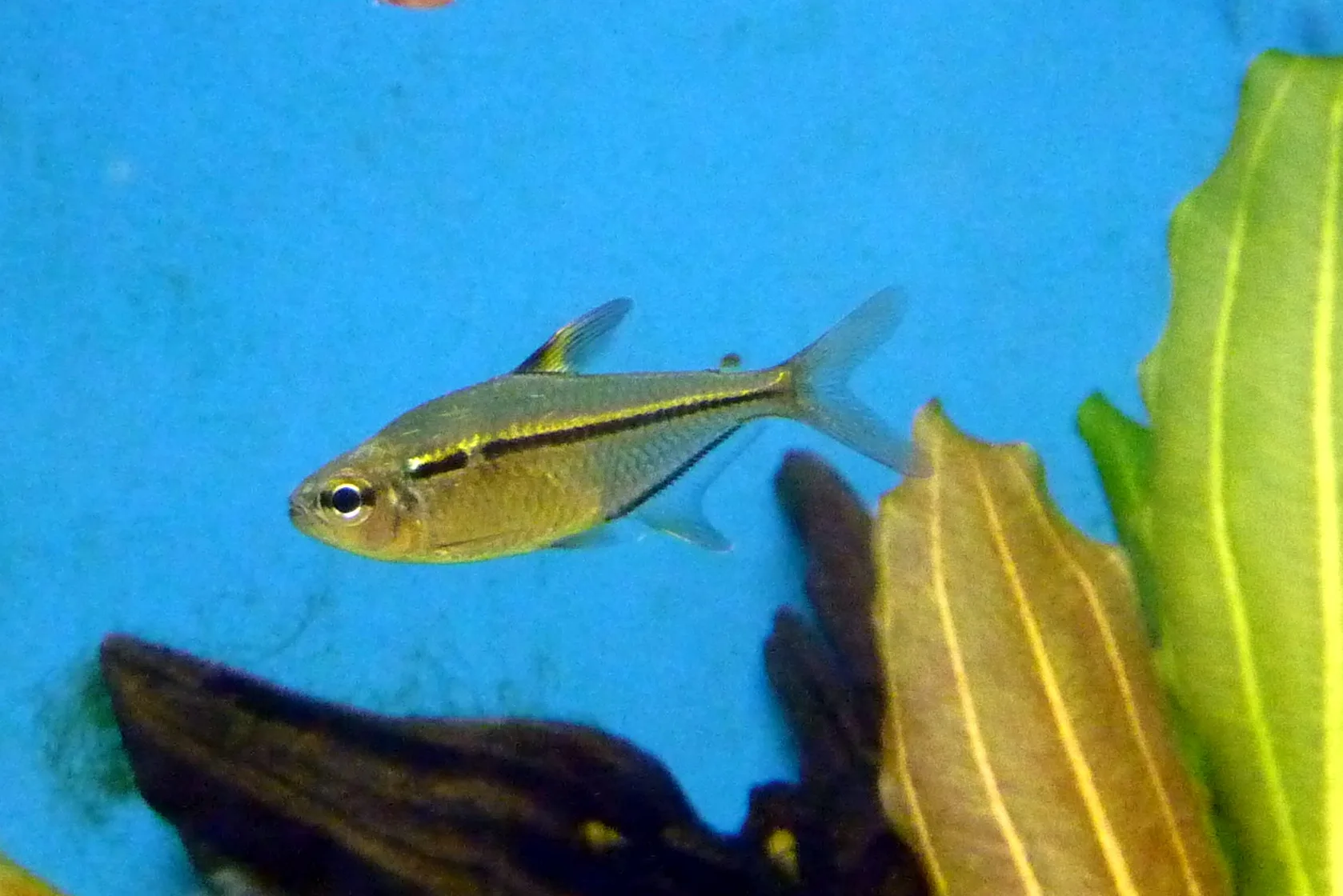
Three-lined Paraguay basin tetras that get sold as pencilfish. Cooler than Amazon characins, calmer than Buenos Aires tetras.
Read more →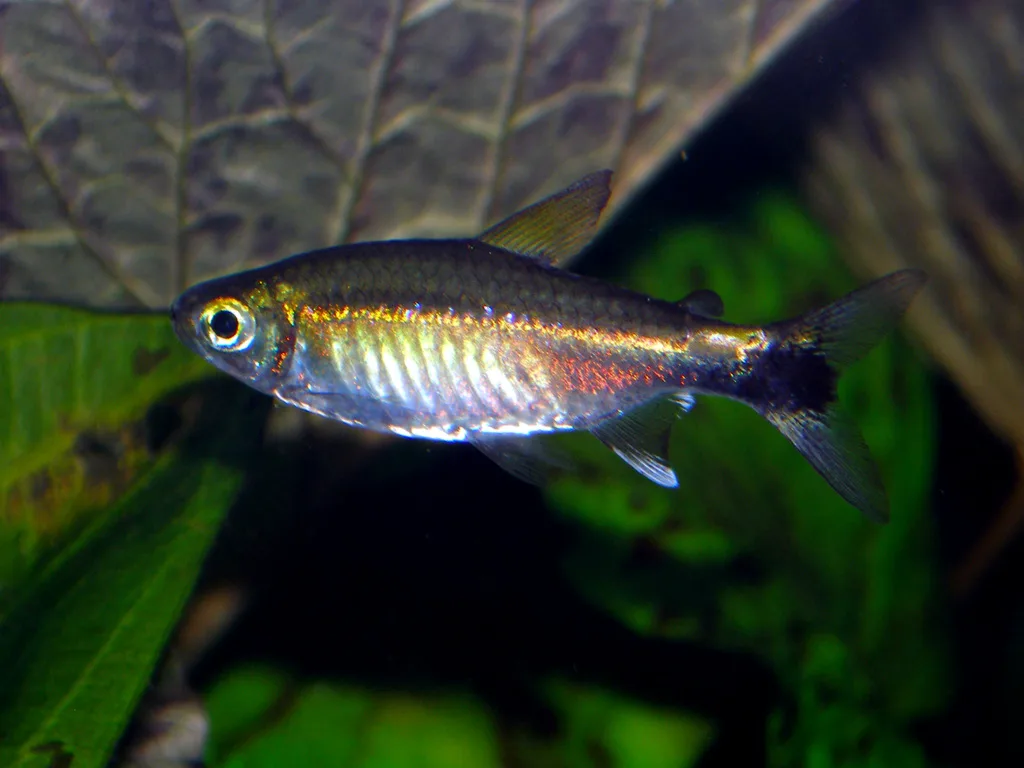
Named for Lago Hyanuary, not a person. Green-gold iridescence and a caudal mark — not a Paracheirodon and not a dyed “green neon.”
Read more →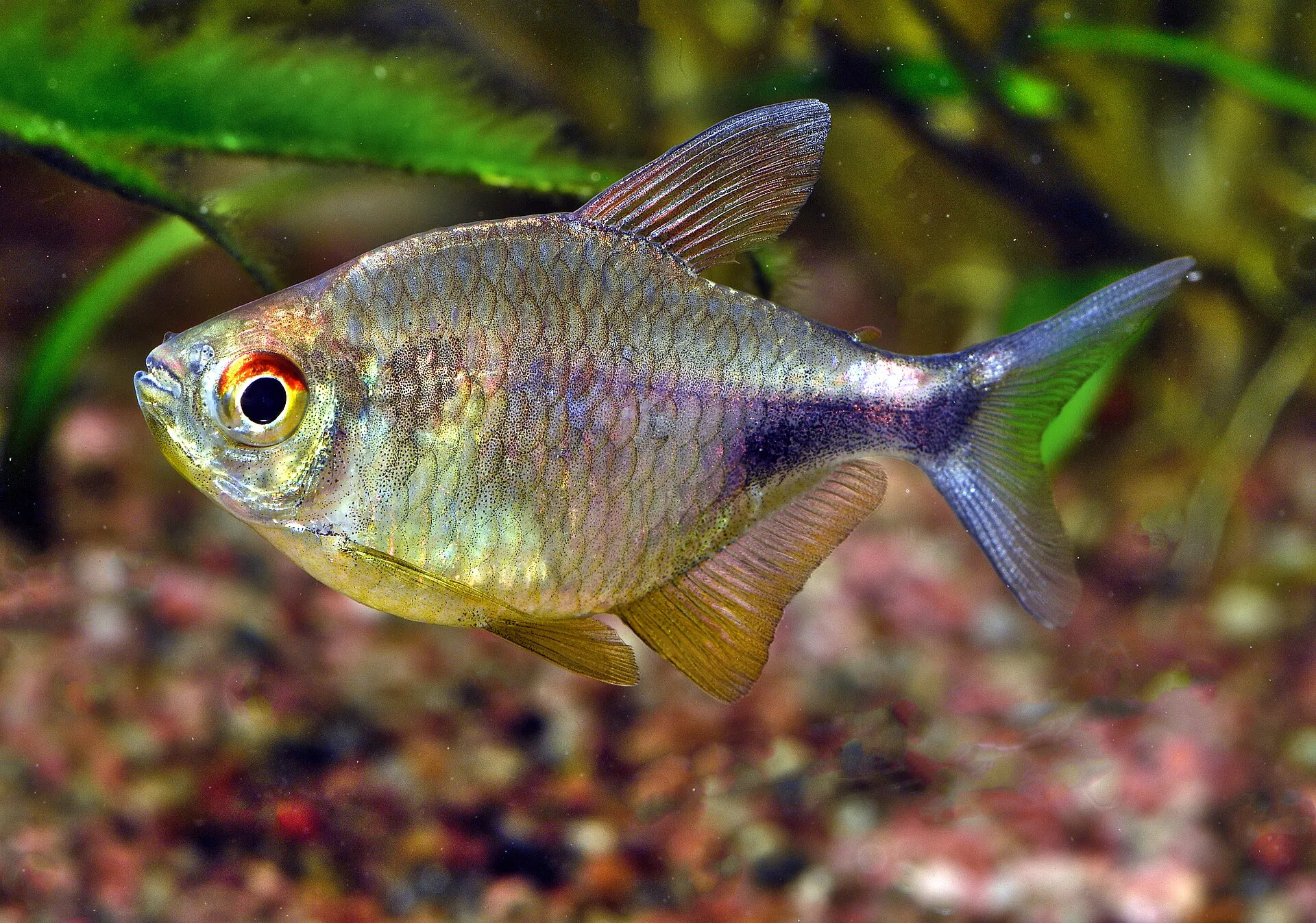
Western Amazon tetras whose black rear wedge only reads as a pattern when the school is large and the water is stained.
Read more →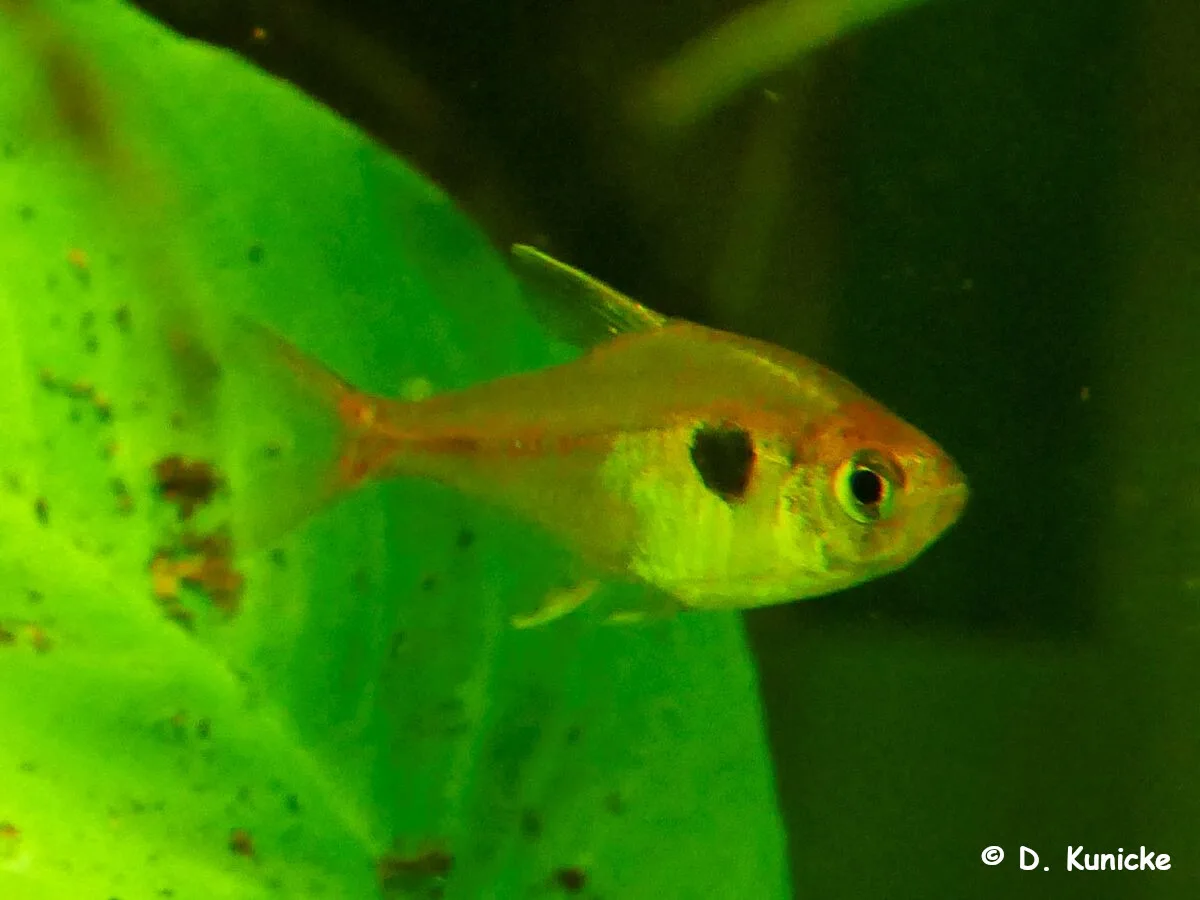
Guiana Shield gold with a shoulder blotch, not a bleached black phantom. Quiet midwater schools in soft, dim, planted water.
Read more →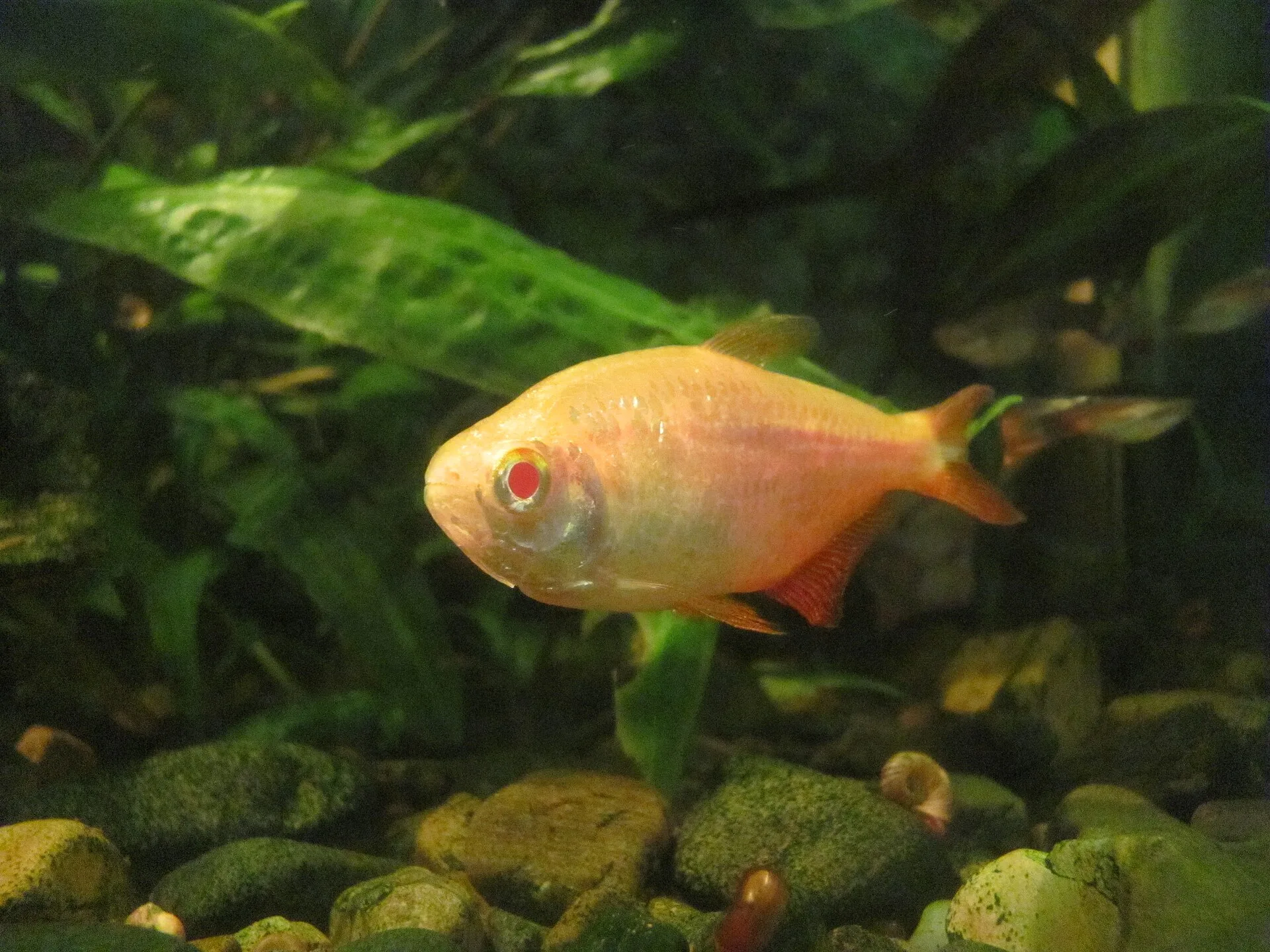
A La Plata schooler that likes cooler water, eats soft plants, and nips when understocked — not an Amazon neon with a different label.
Read more →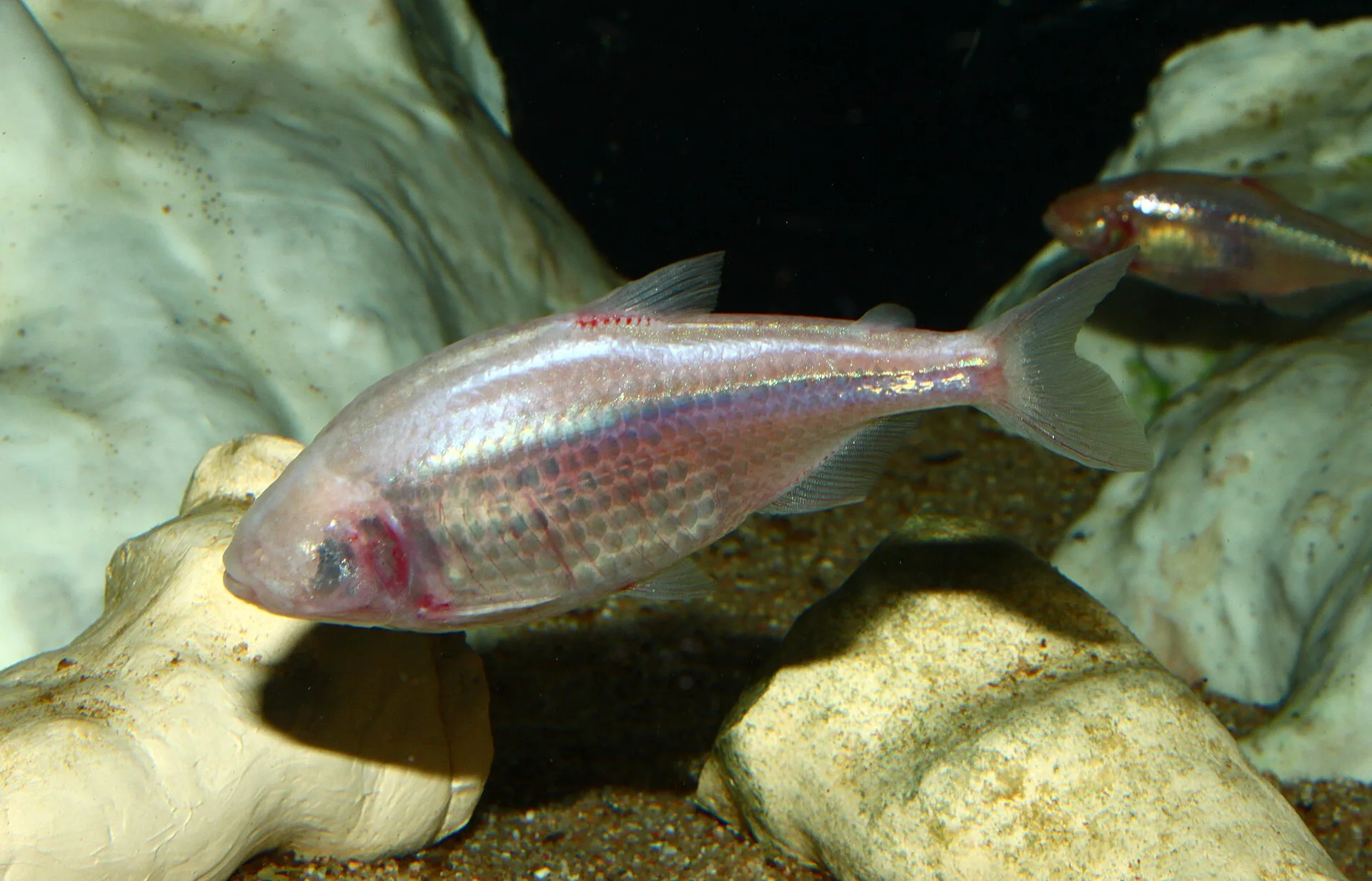
Eyed river fish and blind cave morphs share a Latin name. Mexican tetra care splits on light, schooling, and whether the animal can even see its food.
Read more →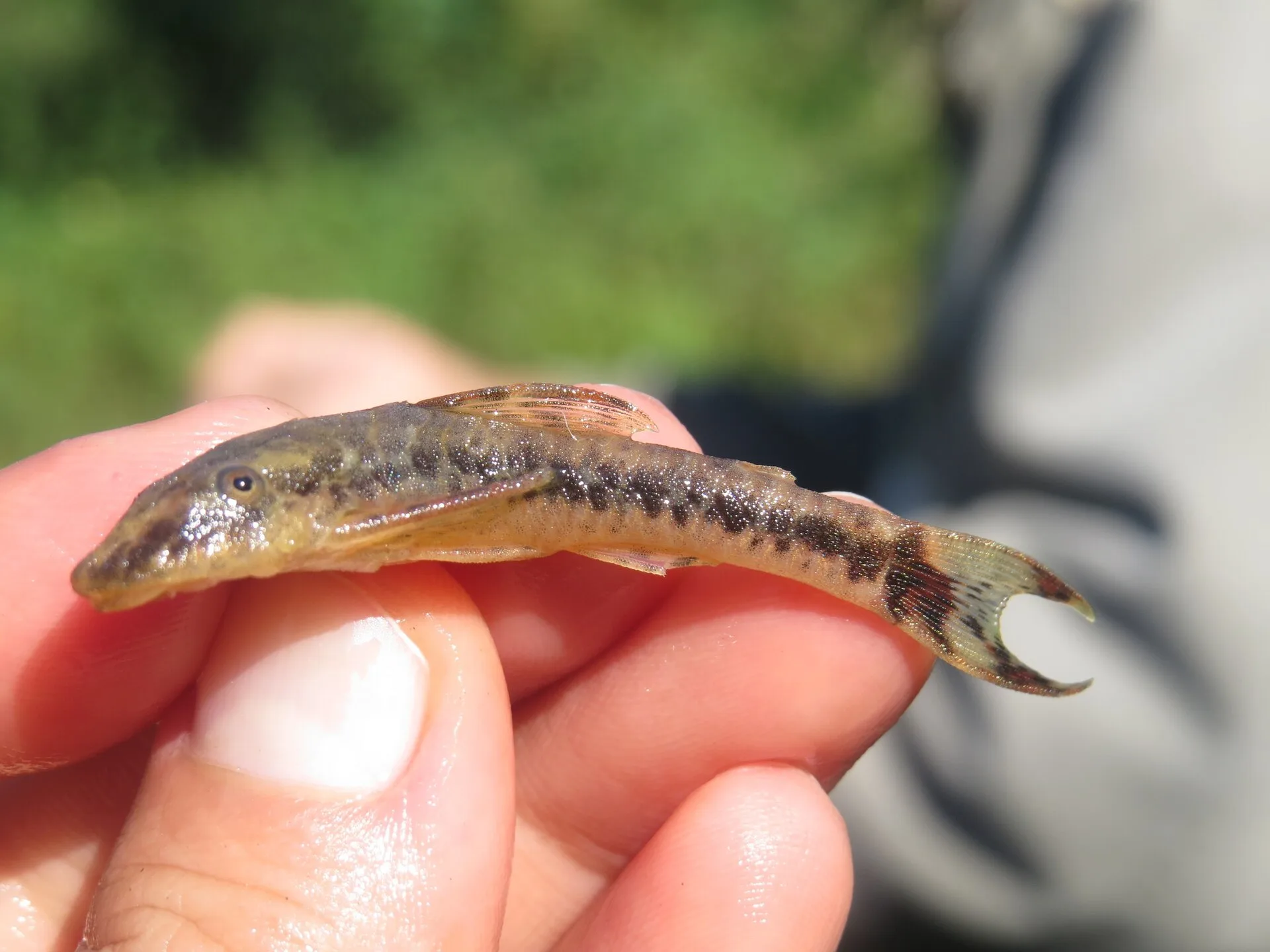
Parotocinclus maculicauda is a spotted-tail stream loricariid from Brazil’s Atlantic drainages — more of a riffle dwarf than a still-water oto,…
Read more →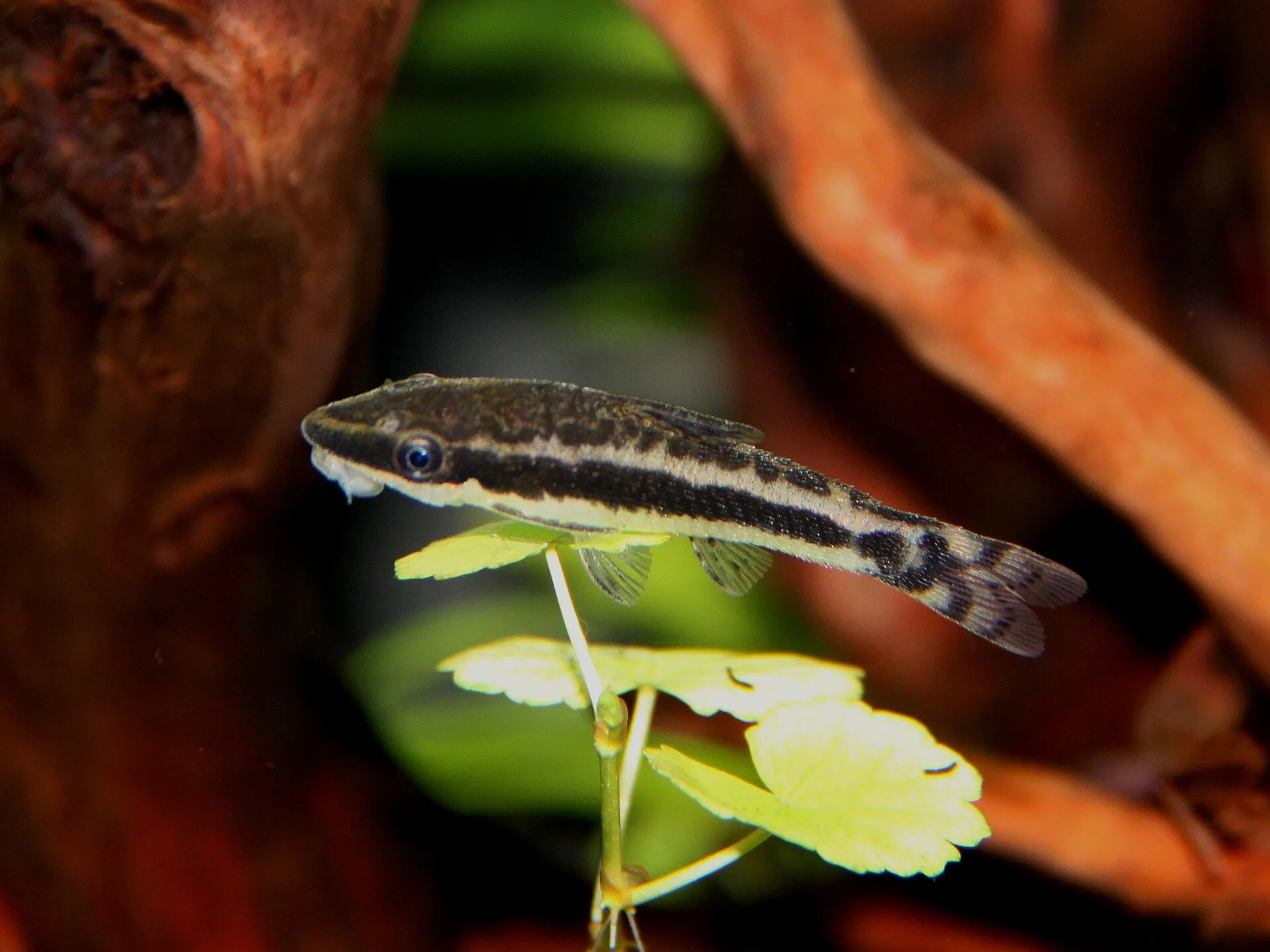
Macrotocinclus affinis, the golden oto of Rio de Janeiro drainages, is a small Atlantic-forest rasper with a warm gold wash — split from Otocincl…
Read more →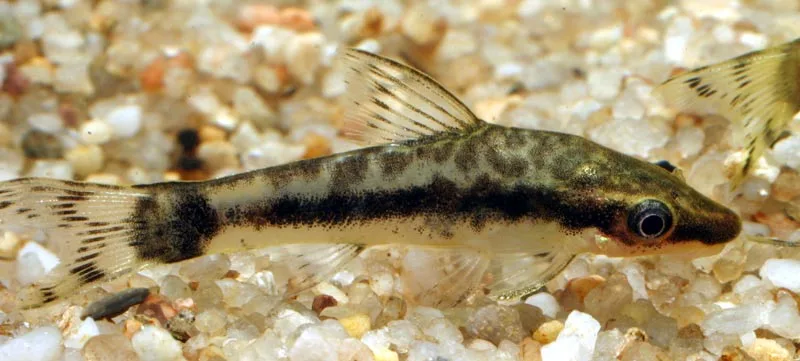
Otocinclus macrospilus is a small Peruvian dwarf suckermouth that lives in a grazing school — a biofilm specialist that starves in new tanks, not…
Read more →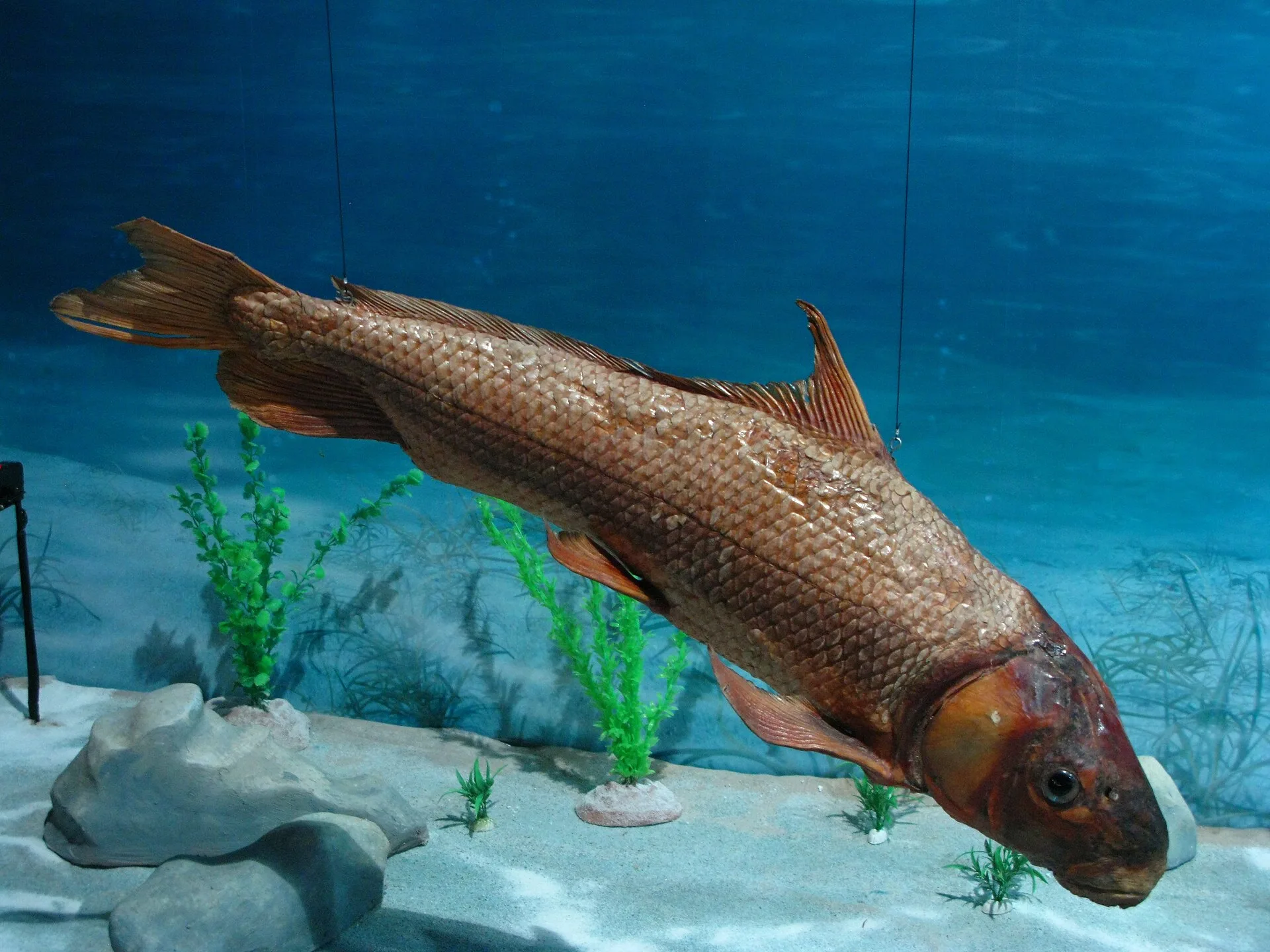
Myxocyprinus asiaticus is a Yangtze sucker — a cool-water carp relative with a juvenile sail, not a shark, not a catfish, and not a tropical comm…
Read more →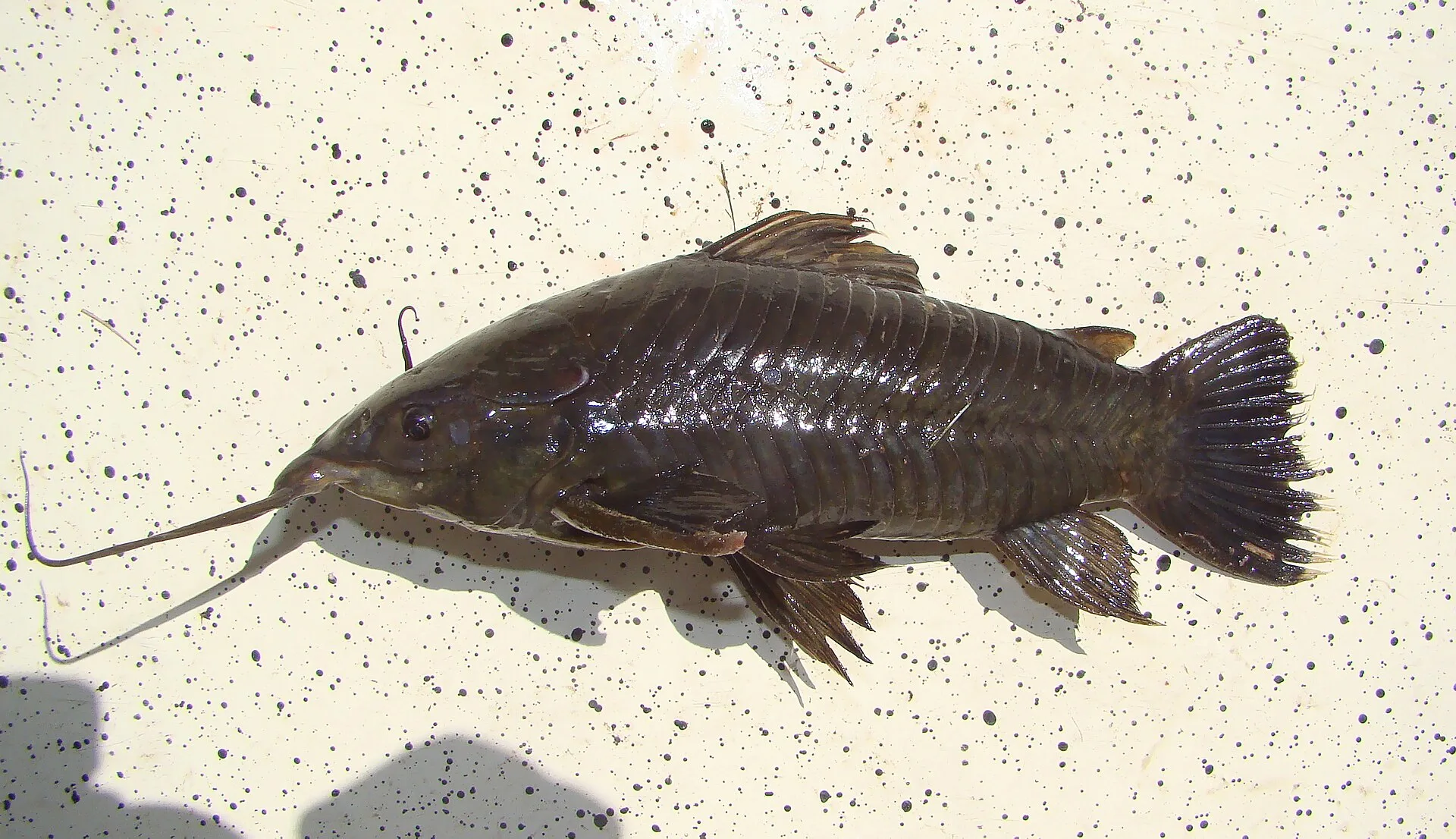
Hoplosternum littorale, the port hoplo or hassar, is a large air-breathing callichthyid of coastal plains and a regional food fish — heavier and…
Read more →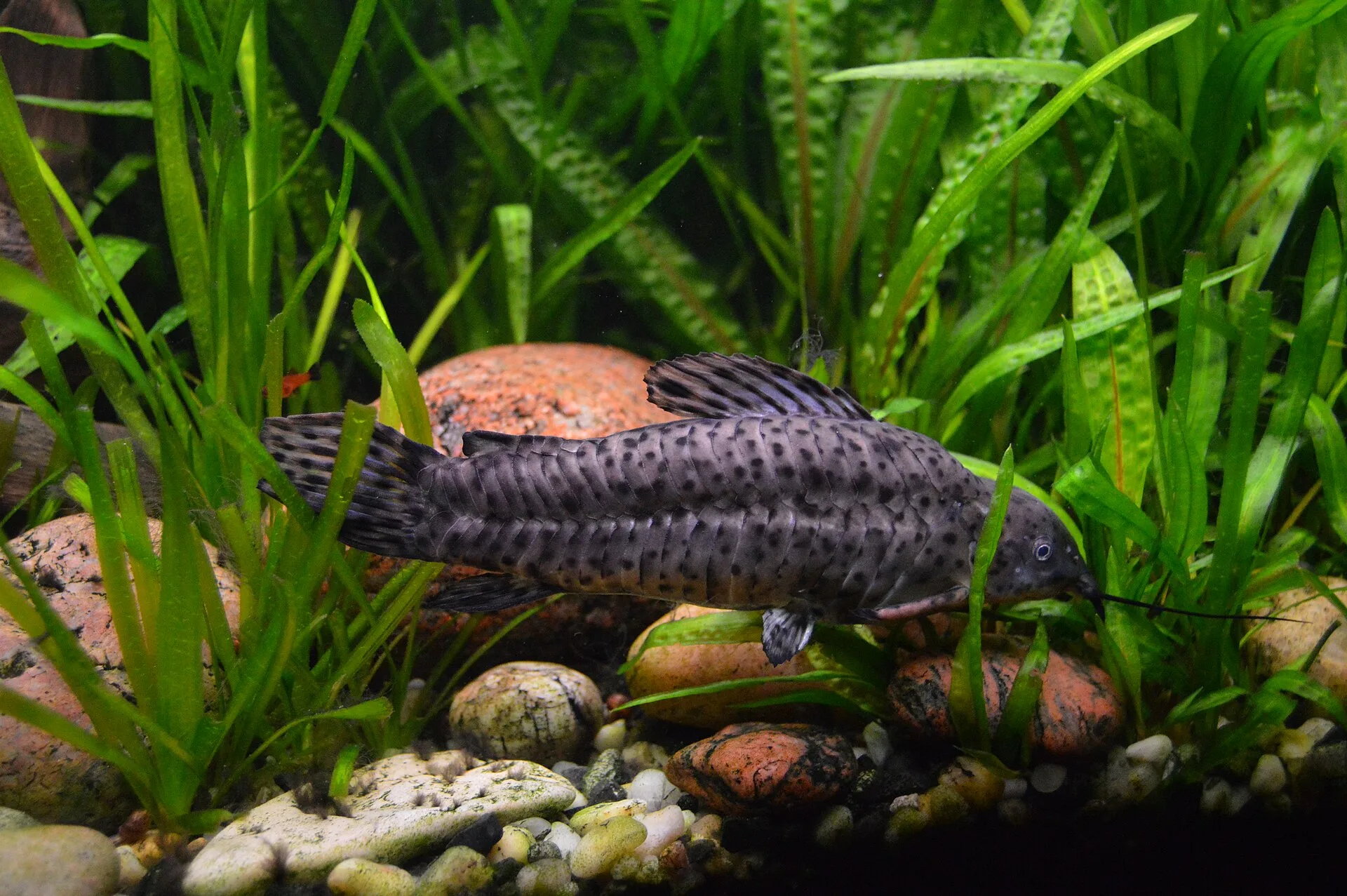
Megalechis thoracata, the brown hoplo, is a floodplain callichthyid that gulps air and builds bubble nests — a spotted armoured catfish, not a po…
Read more →