

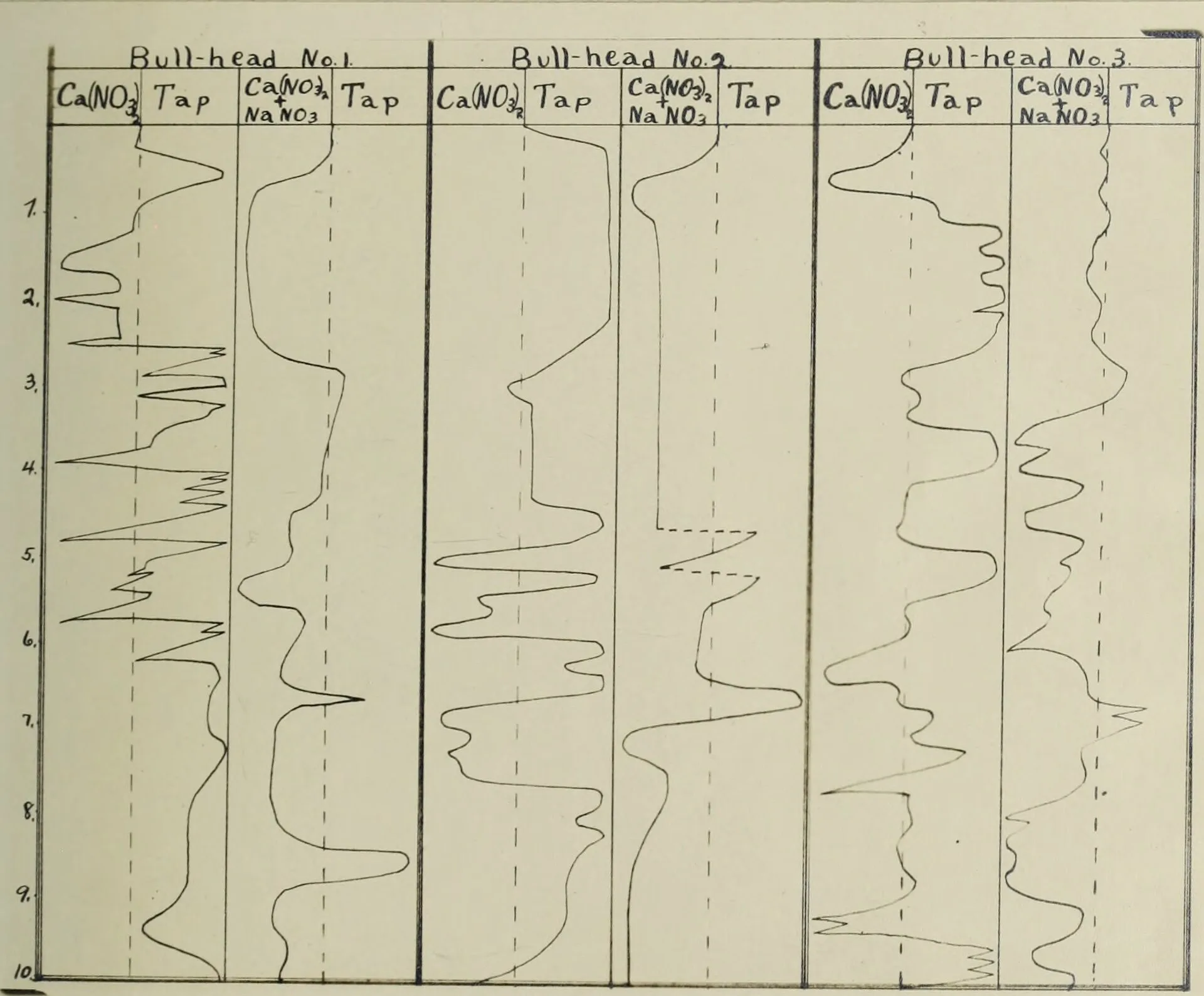
Controlling Nitrates Long Term
This guide covers controlling aquarium nitrates with practical steps for home aquariums. Nitrate is the end of the nitrogen cycle — controlling it long term means managing inputs and exports, not chasing one magic product.
For related reading, see Phosphates in Reef and Freshwater.
Understanding Nitrate
Nitrate (NO3) accumulates when bacterial conversion outpaces removal. It is less toxic than ammonia or nitrite but chronic elevation stresses fish and fuels algae.
Freshwater community tanks often aim below 40 ppm; reefs target lower — sometimes under 10 ppm for sensitive SPS.
Reduce Inputs
Overfeeding is the largest nitrate source in most tanks. Feed what fish consume in two minutes; remove uneaten food.
Stock appropriately — more fish means more nitrate regardless of filter brand.

Increase Exports
Regular partial water changes remain the most reliable export. Ten percent weekly is a baseline; heavy bioload may need twenty percent or more.
Macroalgae refugiums, fast-growing stem plants, and nitrate-absorbing resin help but do not replace water changes entirely on stocked tanks.
Filtration and Maintenance
Clean mechanical filtration before it converts to a nitrate factory. Deep substrate vacuuming removes detritus that would otherwise mineralize.
Protein skimmers export dissolved organics before they become nitrate — essential on many reef systems.
Monitoring Habits
Test monthly minimum; weekly on new or heavily stocked tanks. Log results to catch slow climbs before algae outbreaks.
If nitrate won't fall despite discipline, verify test kit expiry and consider hidden death — a decaying snail colony under rock can sustain high readings.
Explore other topics
Dive into more aquarium guides across the site.