

Soft Water Fish and Blackwater Chemistry
This guide covers blackwater aquarium chemistry with practical steps for home aquariums. Blackwater is more than tea-colored water — soft, acidic, tannin-rich conditions unlock natural behavior in many Amazonian species.
For related reading, see Hard Water Fish and Rift Lake Chemistry, mastering aquarium pH, community fish compatibility and Controlling Nitrates Long Term.
Defining Blackwater
Blackwater habitats feature low mineral content, acidic pH, and dissolved tannins from leaf litter and wood. Fish from these systems expect stability, not sterile RO-only water without buffering strategy.
Visual tint from Indian almond leaves or alder cones is optional aesthetics — chemistry matters more than color.
GH, KH, and pH
Many soft-water tetras and dwarf cichlids thrive at GH under 6 dGH and KH under 3 dKH with pH 5.5–6.8. Crash-prone tanks need gentle buffering — pure RO with zero KH swings wildly.
Test before and after leaf additions — tannins lower pH slowly while adding organic acids.

Building the Environment
Use driftwood, catappa leaves, and fine sand substrates. Replace leaves as they decompose — they also export microfilm fry eat.
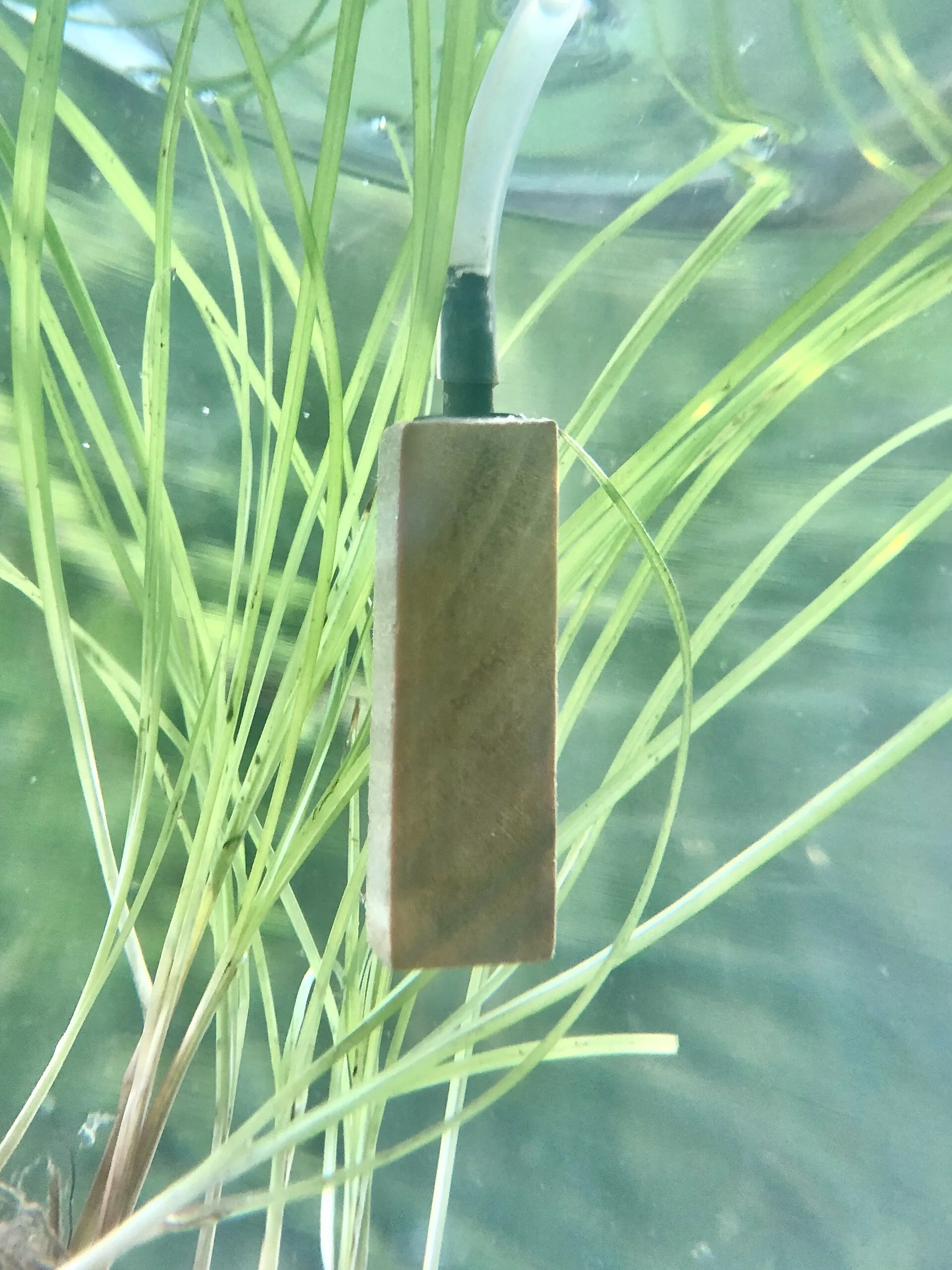
Filtration should be gentle; sponge filters excel. Bright lighting optional; many blackwater fish prefer dim tanks.
Water Change Strategy
Match replacement water parameters to display — sudden hard alkaline changes shock soft-water fish. Premix RO with remineralizer or cut tap with RO to stable recipe.
Small frequent changes beat large irregular ones in sensitive species tanks.
Species Examples
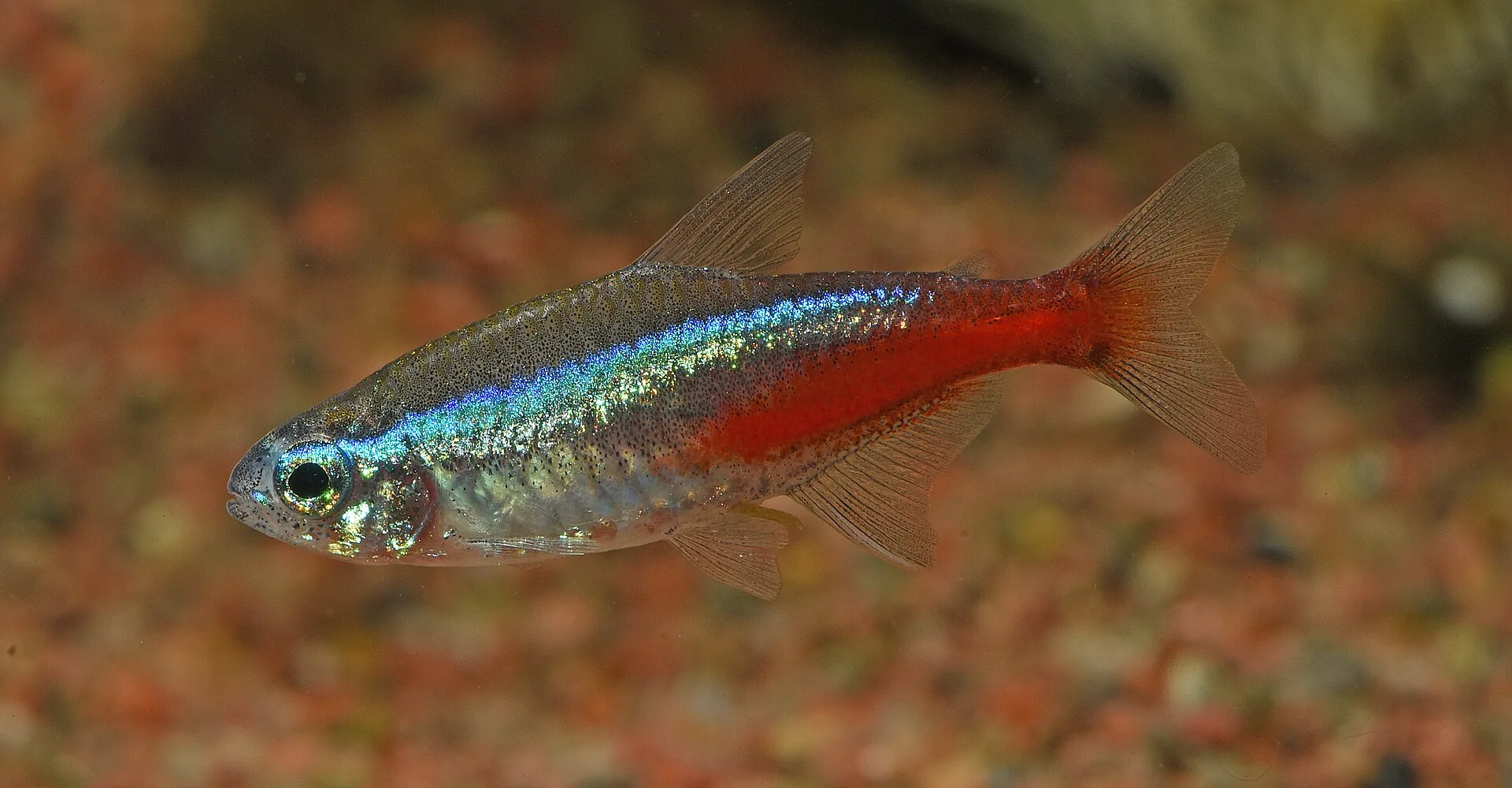
Discus, cardinal tetras, rams, apistogramma, and many pencilfish show richer color and spawning in appropriate soft water.
Do not keep with hard-water livebearers or African cichlids — long-term stress is guaranteed.
Explore other topics
Dive into more aquarium guides across the site.