

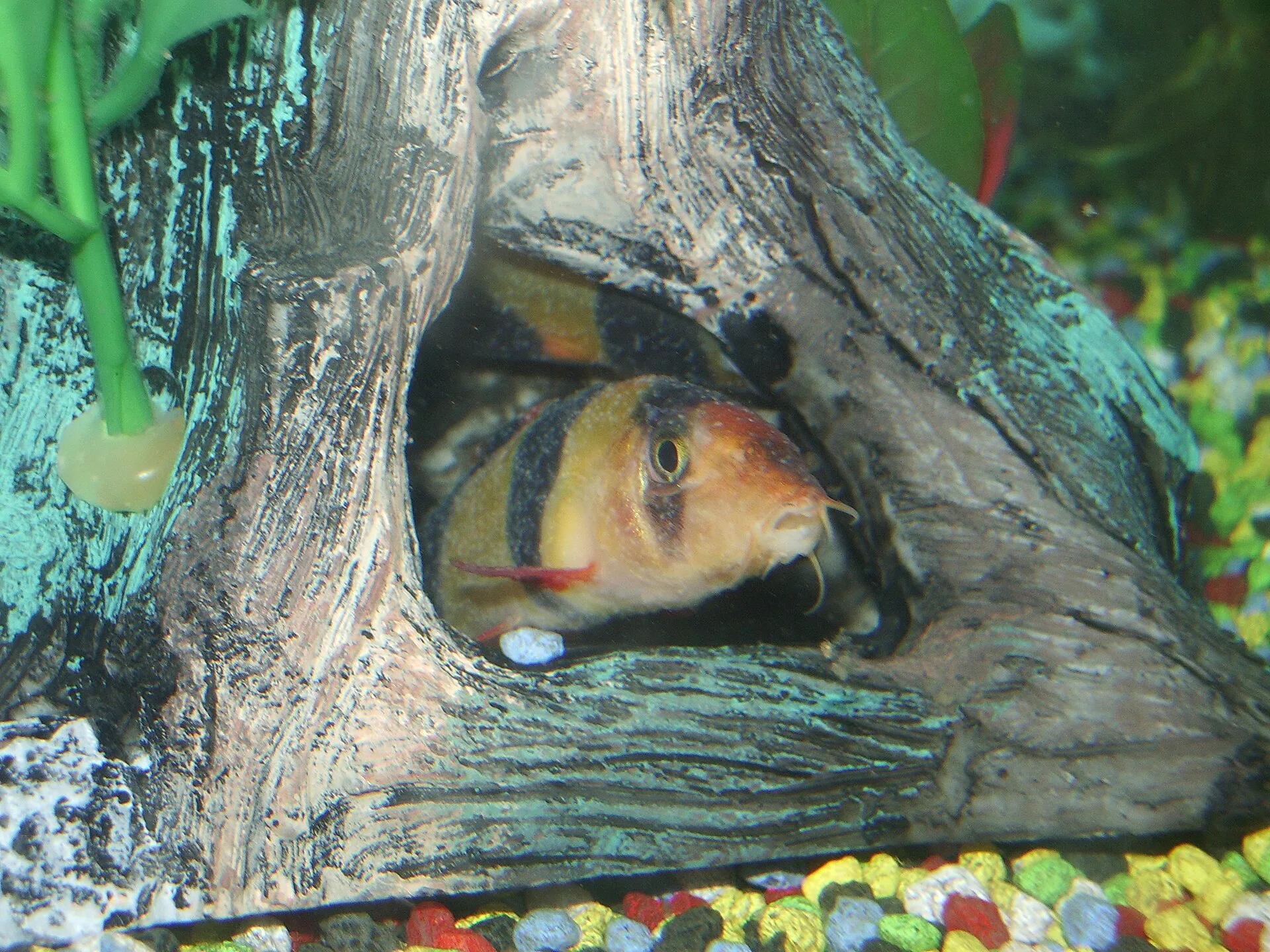
Ich (White Spot Disease): Symptoms, Causes, and Treatment
Ich (also called white spot disease) is one of the most common freshwater aquarium parasites. Caused by Ichthyophthirius multifiliis, it shows up as tiny salt-like spots on fins and body — and it spreads fast when fish are cold-shocked, crowded, or living in unstable water. This guide covers symptoms, causes, treatment options, quarantine strategy, and prevention so you can act before an outbreak becomes a tank-wide crisis.
What Ich Looks Like
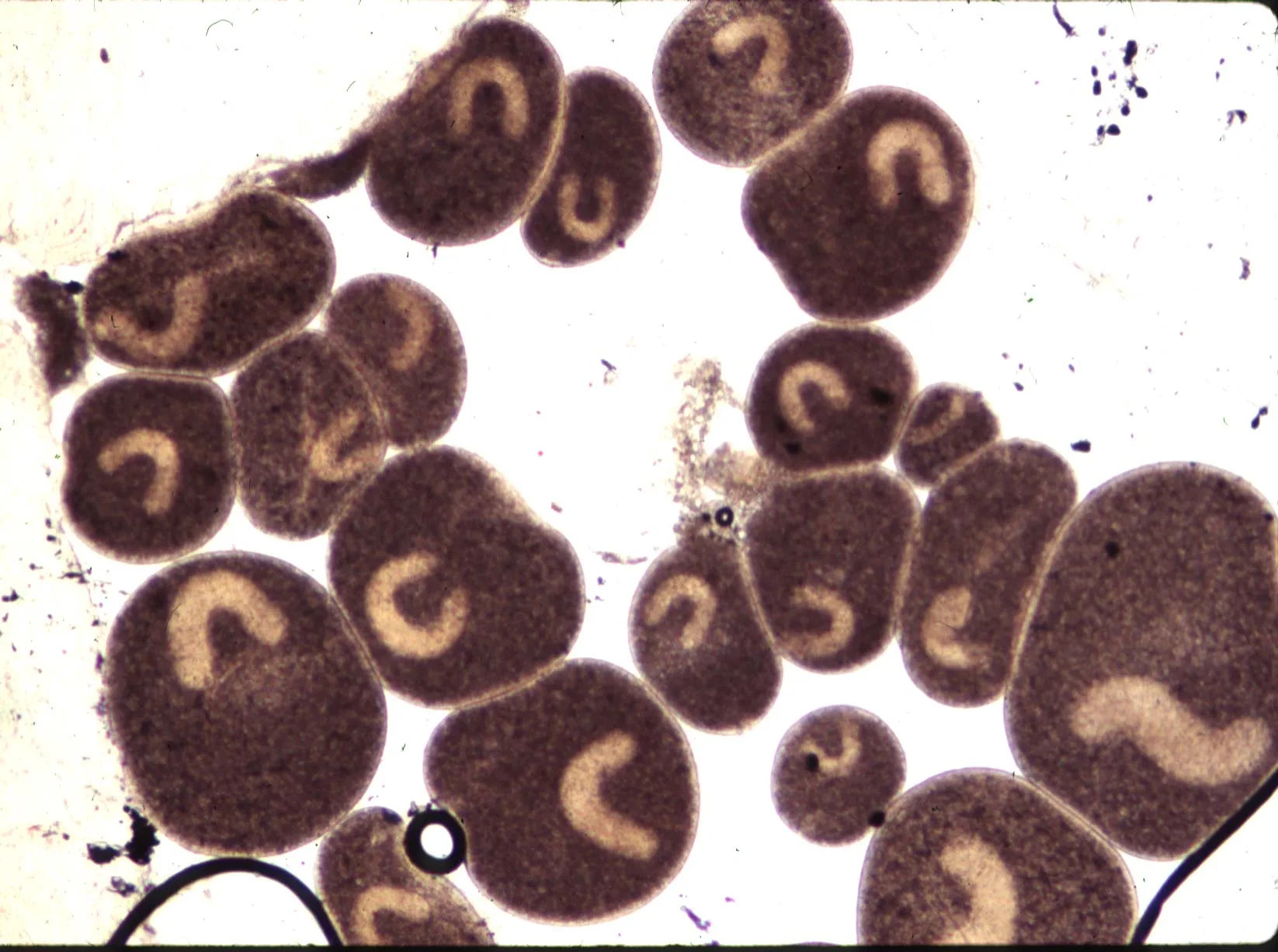
Classic ich looks like fine white grains of salt sprinkled on fins, gills, and flanks. Fish may flash (rub) on décor, clamp fins, breathe faster, hang near the surface or filter outlet, and lose appetite. In heavy infections, gill damage alone can kill fish even before spots look severe.
- Early: a few spots on fins, mild flashing
- Active: many spots on body, lethargy, clamped fins
- Severe: rapid breathing, listlessness, secondary infections
Do not confuse ich with Epistylis, lymphocystis, or velvet. When unsure, treat as contagious and isolate new fish before guessing.
What Causes Outbreaks
Ich is almost always triggered by stress plus exposure. Common triggers include:
- Temperature swings or shipping chill
- Adding unquarantined fish or plants
- Ammonia/nitrite spikes after overfeeding or incomplete cycling
- Crowding and aggression that abrades fins
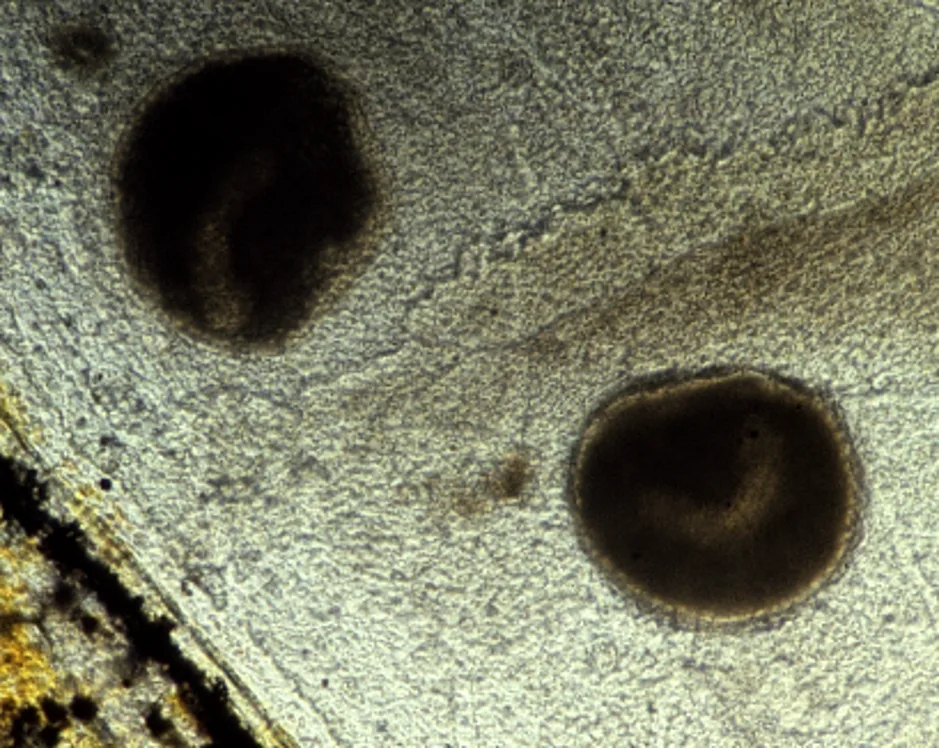
The parasite has a life cycle: trophonts live on the fish, then drop off to encyst and release free-swimming theronts that must find a host. Medication works best on free-swimming stages — which is why multi-day treatments matter more than a single dose.
Treatment Options
1. Raise temperature carefully (with caution): Warm water can speed the life cycle so medication finishes faster — but only if species and oxygen levels can handle it. Increase aeration and do not roast delicate fish.
2. Medication: Follow a proven ich treatment labelled for freshwater aquaria (copper-free options for tanks with invertebrates). Remove carbon from filters during dosing and complete the full course even if spots disappear early.
3. Water changes + salt (species-dependent): Some keepers use aquarium salt with heat as supportive care for hardy community fish. Avoid this with scaleless fish, plants that hate salt, or shrimp unless you know the cocktail is safe.
4. Quarantine hospital tank: Treating in a bare QT tank is often cleaner than dosing an aquascaped display full of wood, soil, and invertebrates.
Step-by-Step Recovery Plan
- Test ammonia, nitrite, nitrate, and temperature immediately.
- Increase oxygenation (air stone / more surface agitation).
- Start an evidence-based treatment and note doses on a calendar.
- Siphon mulm and do modest water changes as the medication label allows.
- Keep lights calm, reduce feeding for a few days, then resume lightly.
- Continue observation for a full week after the last visible spots vanish.
Prevention
- Quarantine new fish for 2–4 weeks when possible
- Match temperature during acclimation; avoid drastic bag-to-tank swings
- Keep the tank cycled and parameters stable
- Do not overstock or mix aggressive fin-nippers with long-finned show fish
Prevention is cheaper than a full-tank medication marathon — especially in planted shrimp tanks where copper treatments are off the table.
Related Reading
- How to spot an unhealthy fish
- Why are my fish dying
- Quarantine tank setup
- Aquarium water chemistry basics
Conclusion
Ich is common, contagious, and beatable when you act early. Confirm the spots, stabilise water and oxygen, treat through the full parasite life cycle, and invest in quarantine so the next outbreak never reaches your display tank.
Explore other topics
Dive into more aquarium guides across the site.