
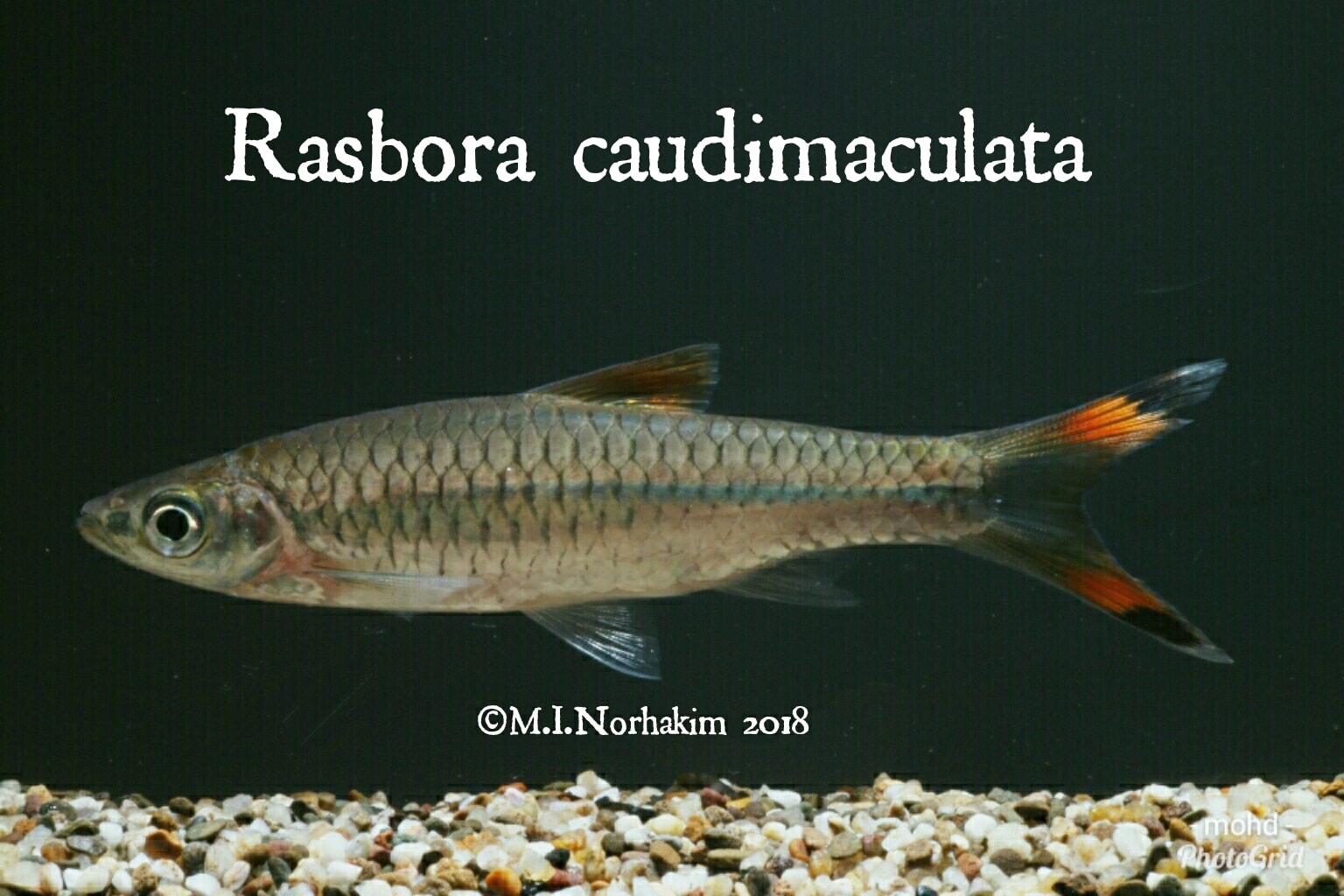
Greater Scissortail Rasbora (Rasbora caudimaculata)
Rasbora caudimaculata is a 10–15 cm river jumper with a spotted, forked tail: give it a long, covered tank and a school, not a peat cube, not a p…
Read more →
Rasbora caudimaculata is a 10–15 cm river jumper with a spotted, forked tail: give it a long, covered tank and a school, not a peat cube, not a p…
Read more →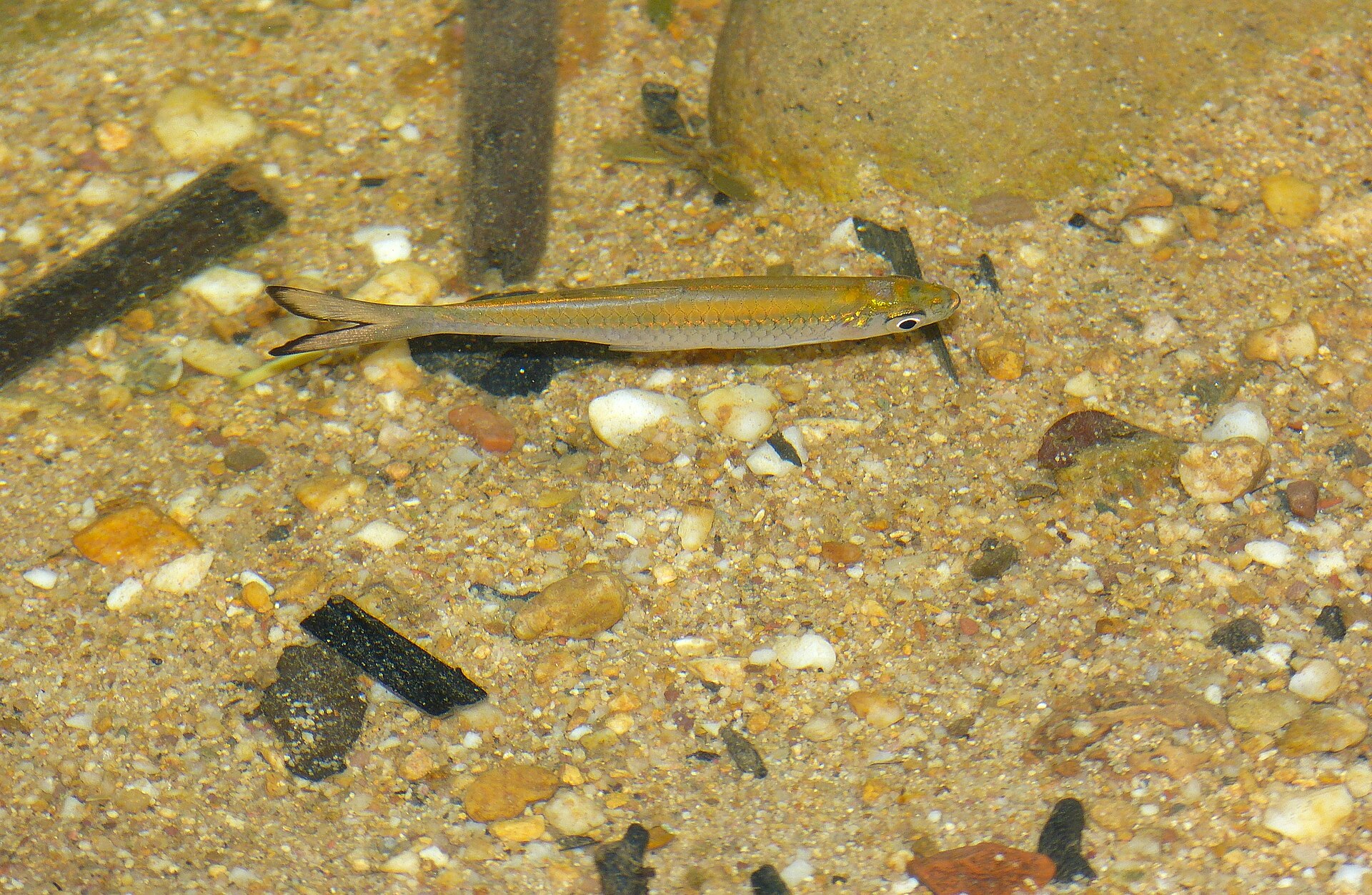
Rasbora dusonensis is a 10–12 cm river rasbora whose pink-red fins only show in a long, oxygenated school — treat it as a swimming cyprinid, no…
Read more →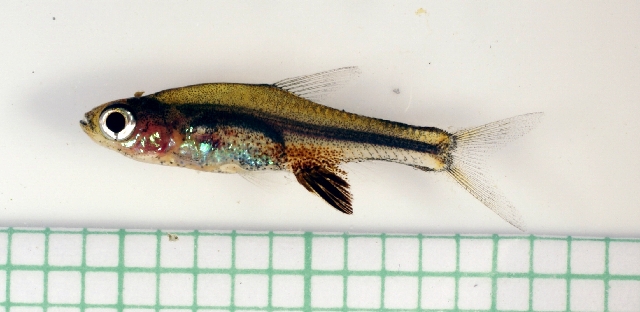
Sundadanio axelrodi is not a true Rasbora: it is a 2 cm Borneo peat fish whose males flash metallic blue-green over tea-stained water — keep it l…
Read more →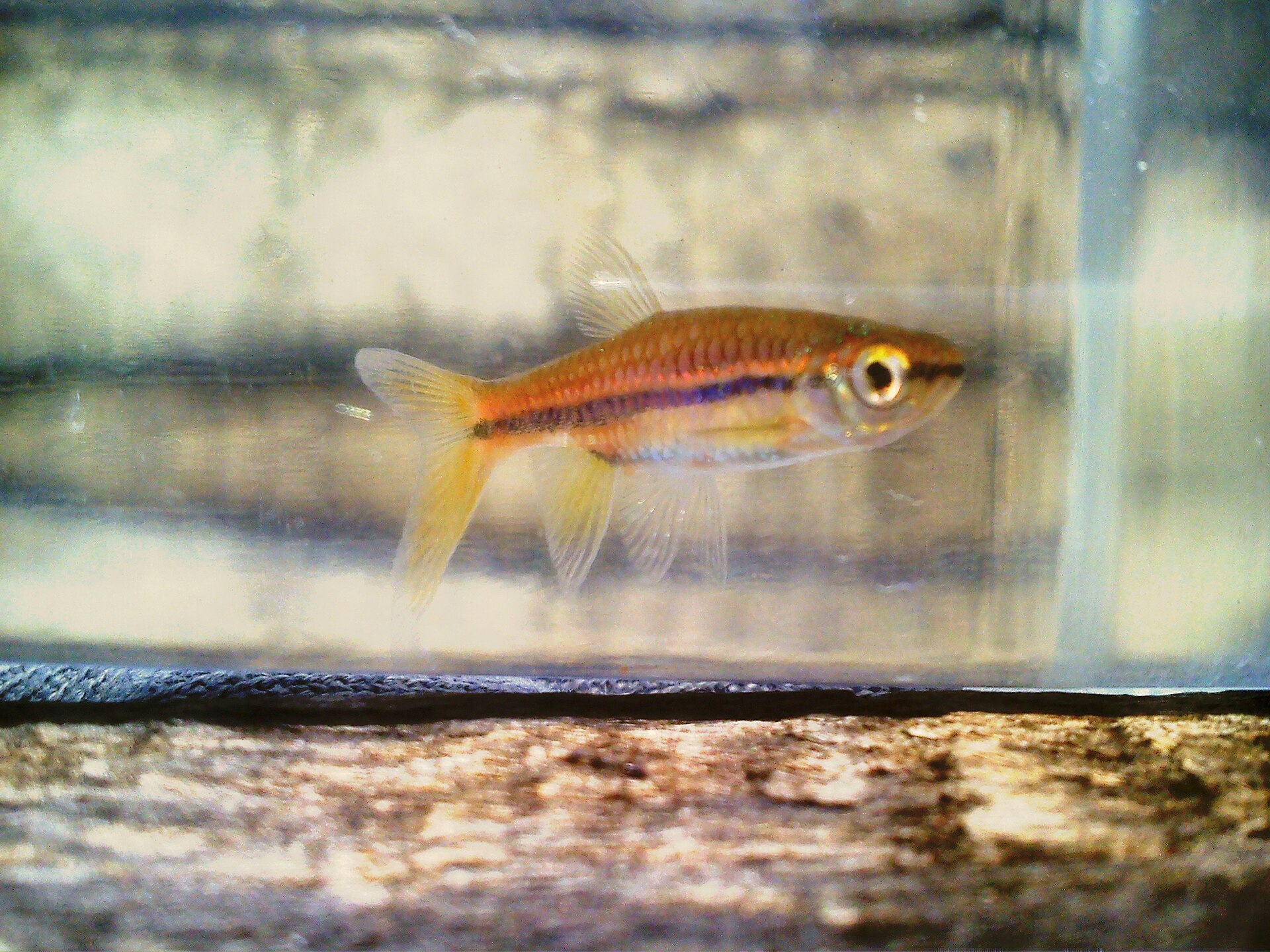
Rasbora einthovenii is an 8–12 cm striped river rasbora: it wants length, a real school, and oxygenated stream water — not a peat-nano cube and…
Read more →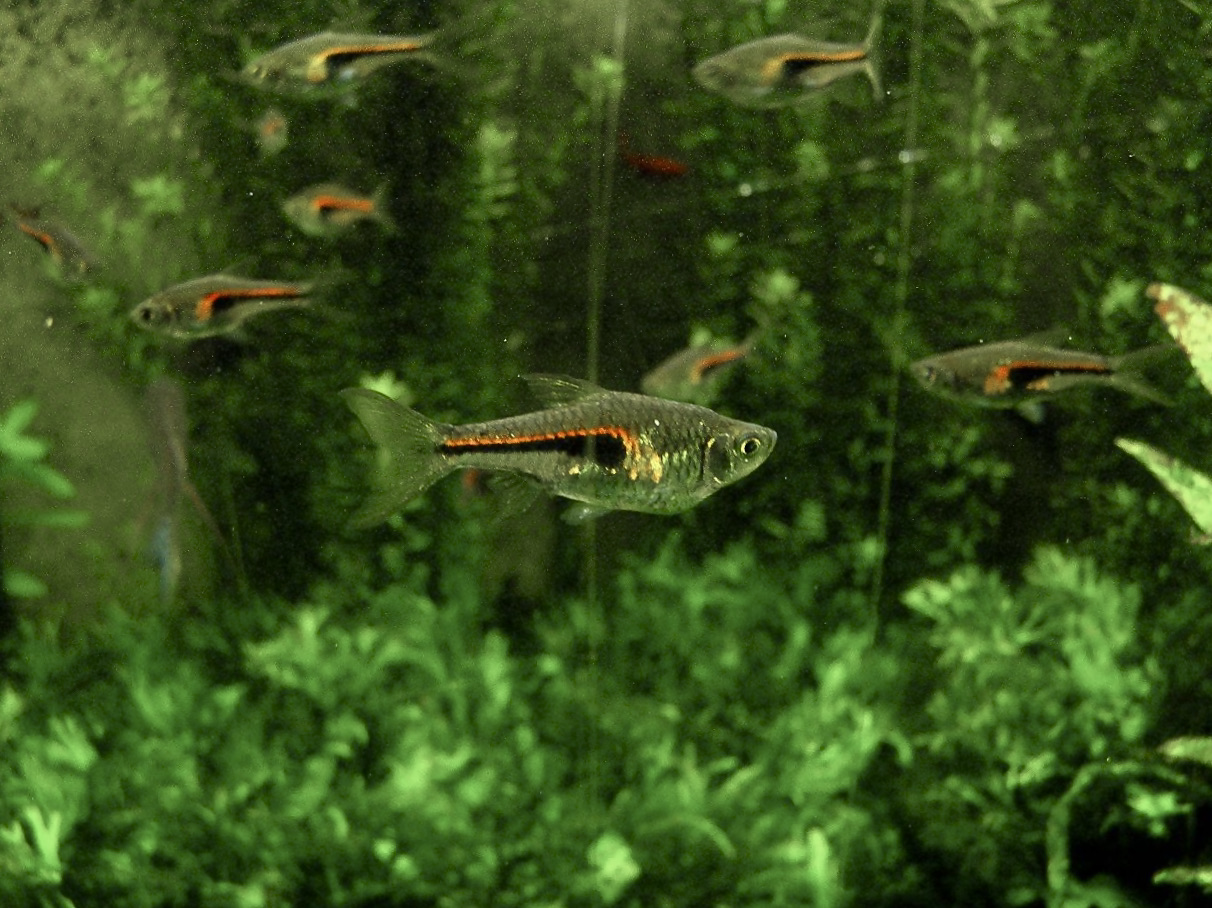
Trigonostigma hengeli is the smaller, shyer harlequin cousin: an orange-gold wedge on a 3–4 cm body that wants a planted, soft forest stream —…
Read more →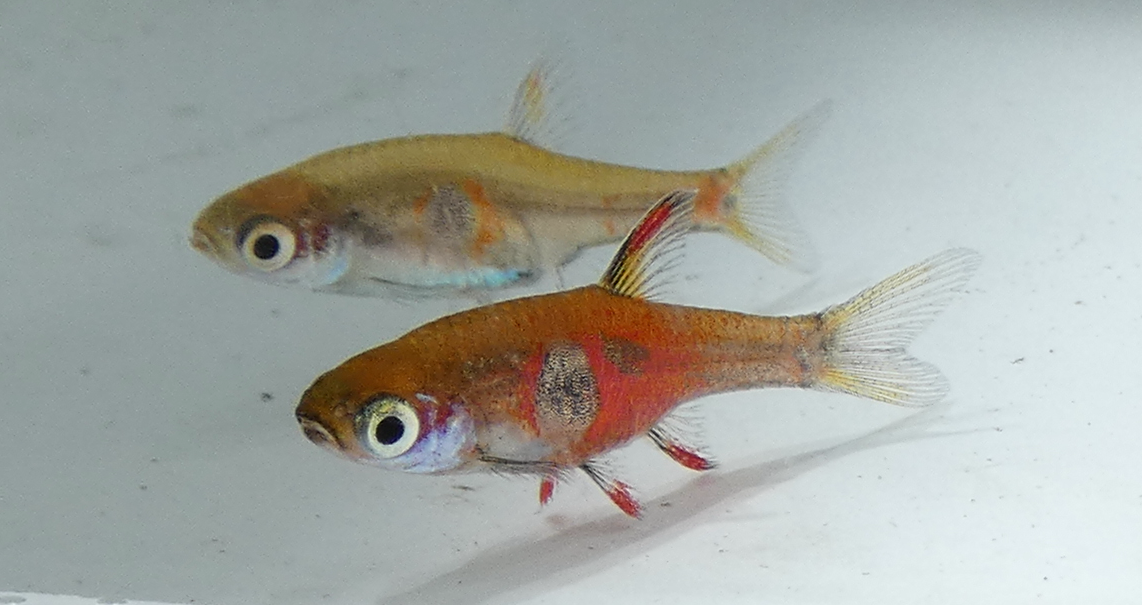
Boraras naevus from southern Thailand peat is a 2 cm rasbora defined by a round flank patch and a need for stained, still, acidic water — keep a…
Read more →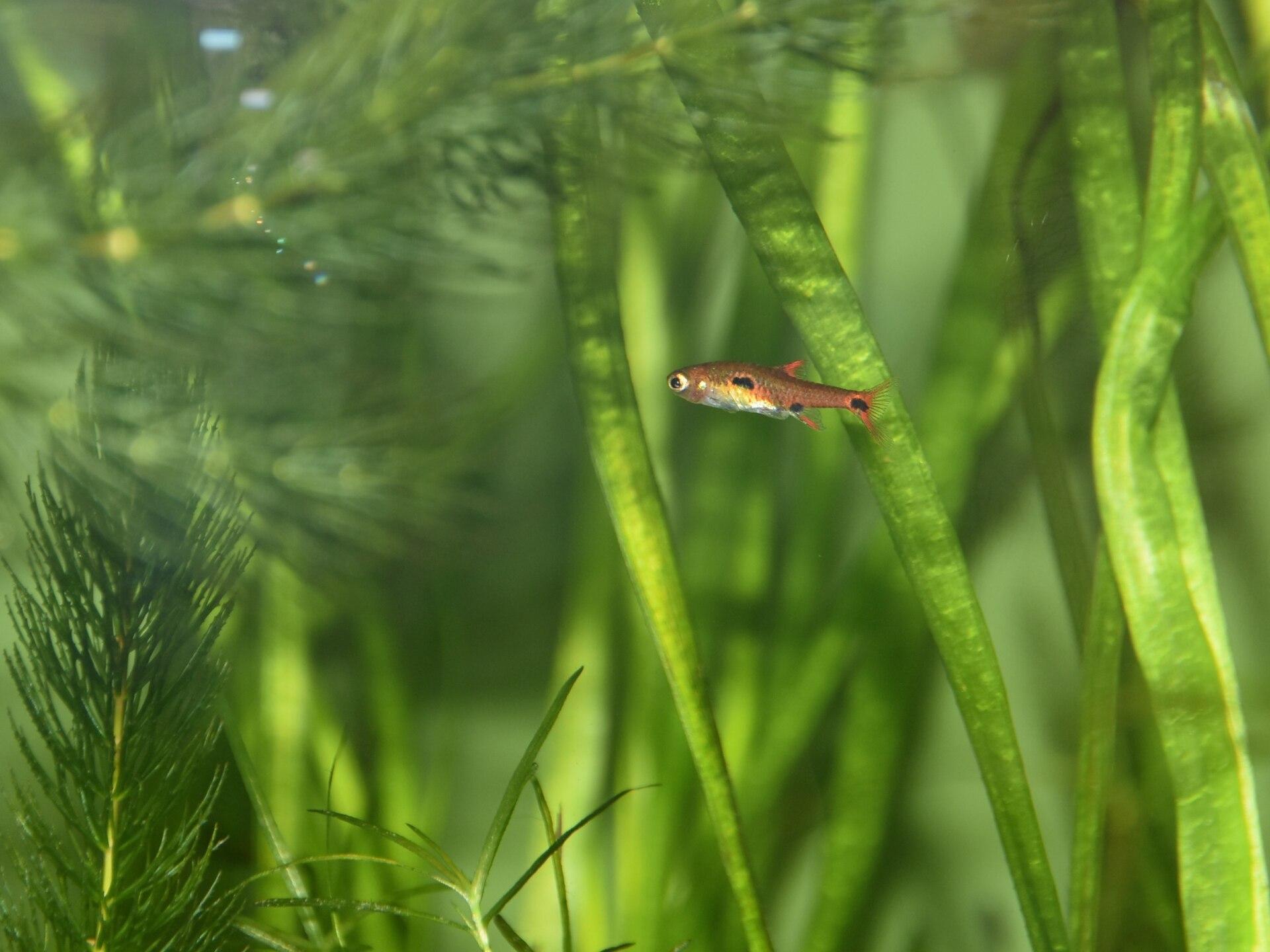
Boraras maculatus is a peat-swamp speck from Peninsular Malaysia and Sumatra: tiny mouth, tea-stained water, and a school that only settles when th…
Read more →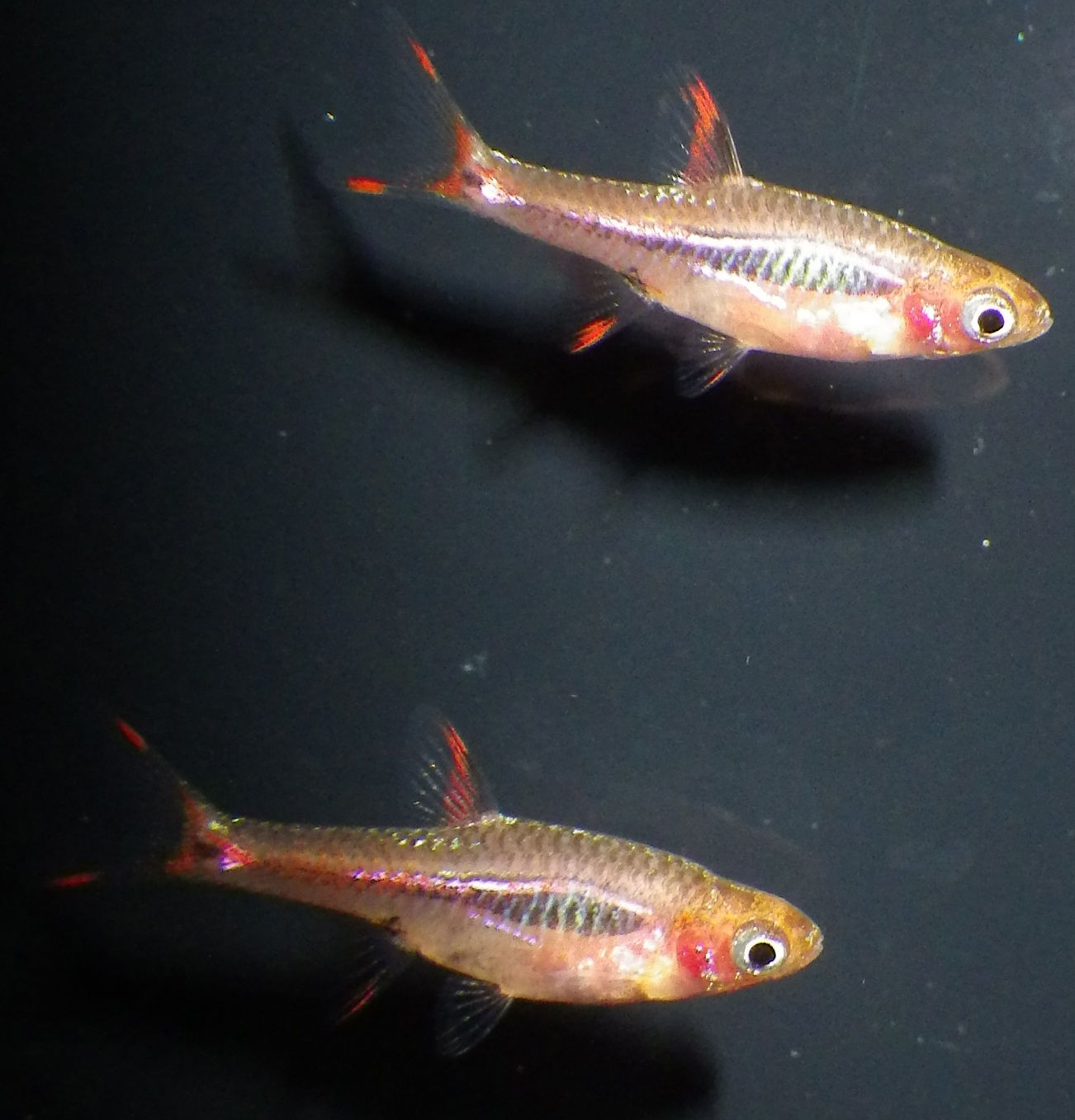
Borneo peat-swamp dwarfs in tea-coloured water. Tiny mouths, leaf litter, a huge school, and chemistry that would bleach an Inle fish.
Read more →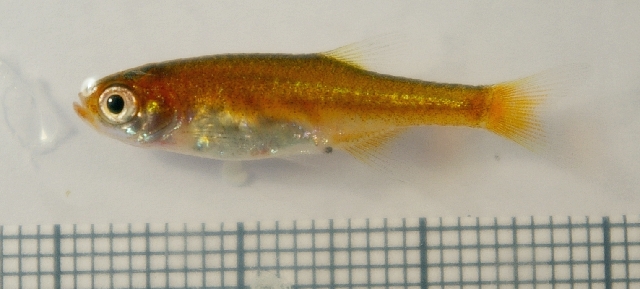
Inle Lake rubies. Cooler, harder, alkaline water — the opposite of Boraras peat. Captive-bred fish for a threatened plateau lake.
Read more →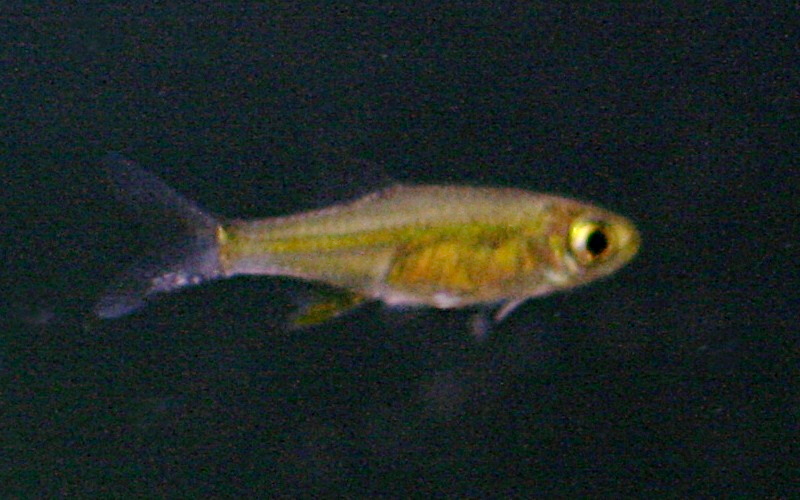
Neon-green Ataran micros that need a crowd, powder food, and gentle planted water — not peat-swamp pH 4 and not a danio river.
Read more →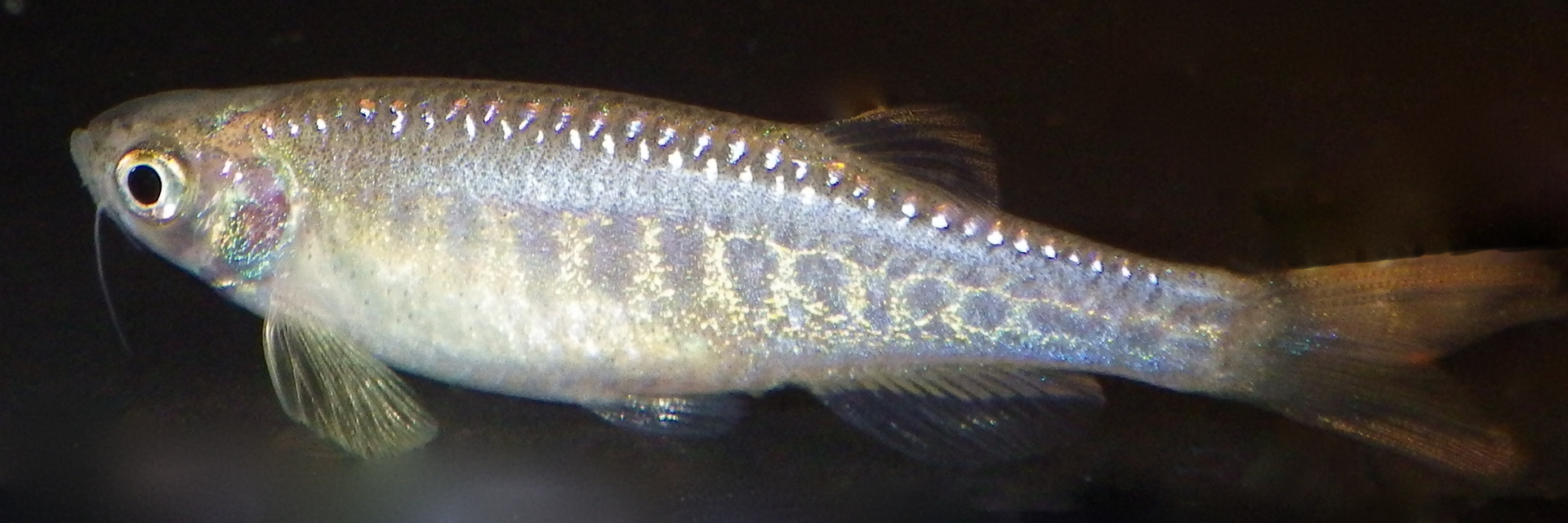
A 2009 Rakhine stream danio, still uncommon. Length, current, a closed breeding group, and no invented tetra rituals.
Read more →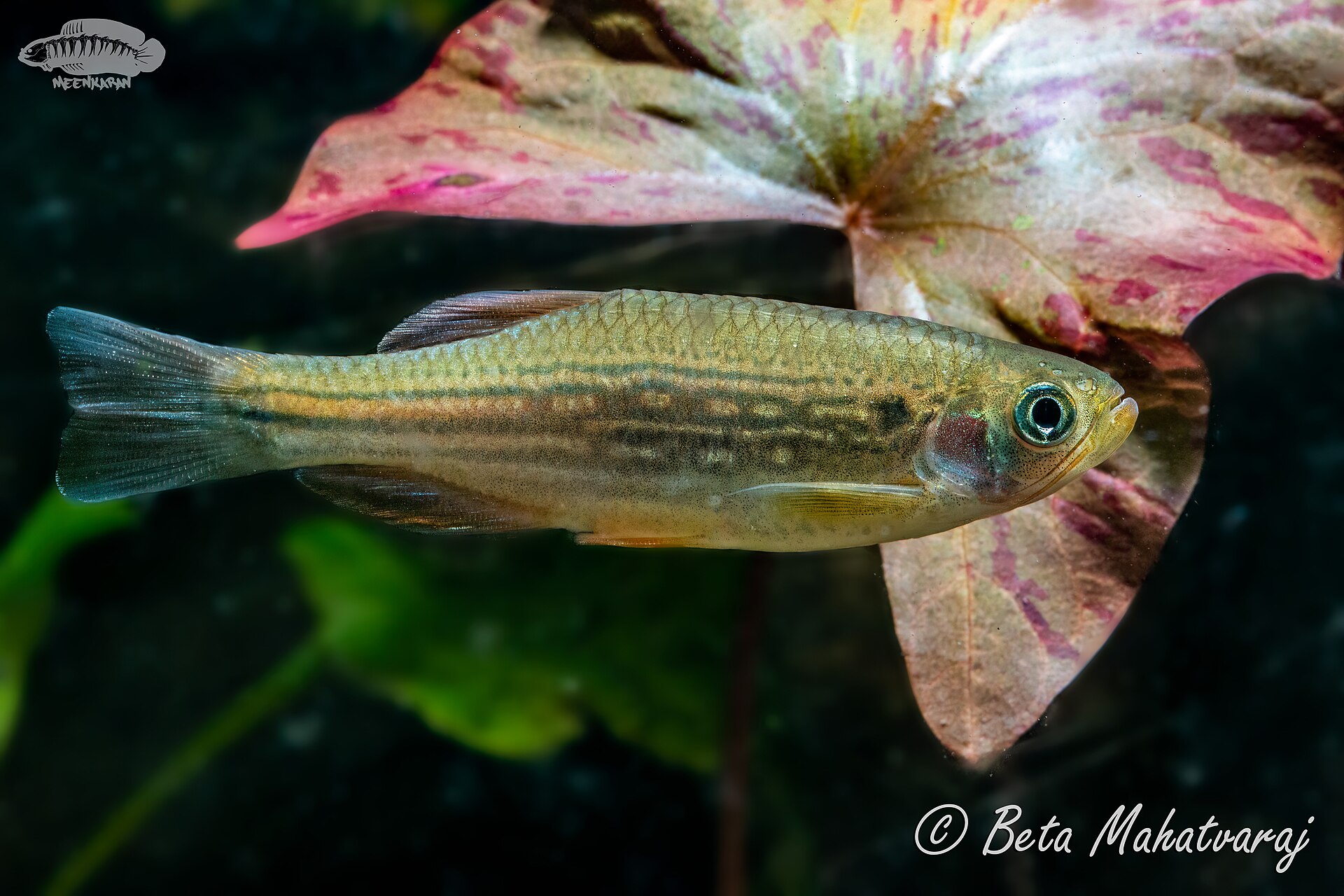
Moustached foothill danios that reach 10 cm-plus. Barbels, cool monsoon flow, and a four-foot tank — not a zebra with whiskers.
Read more →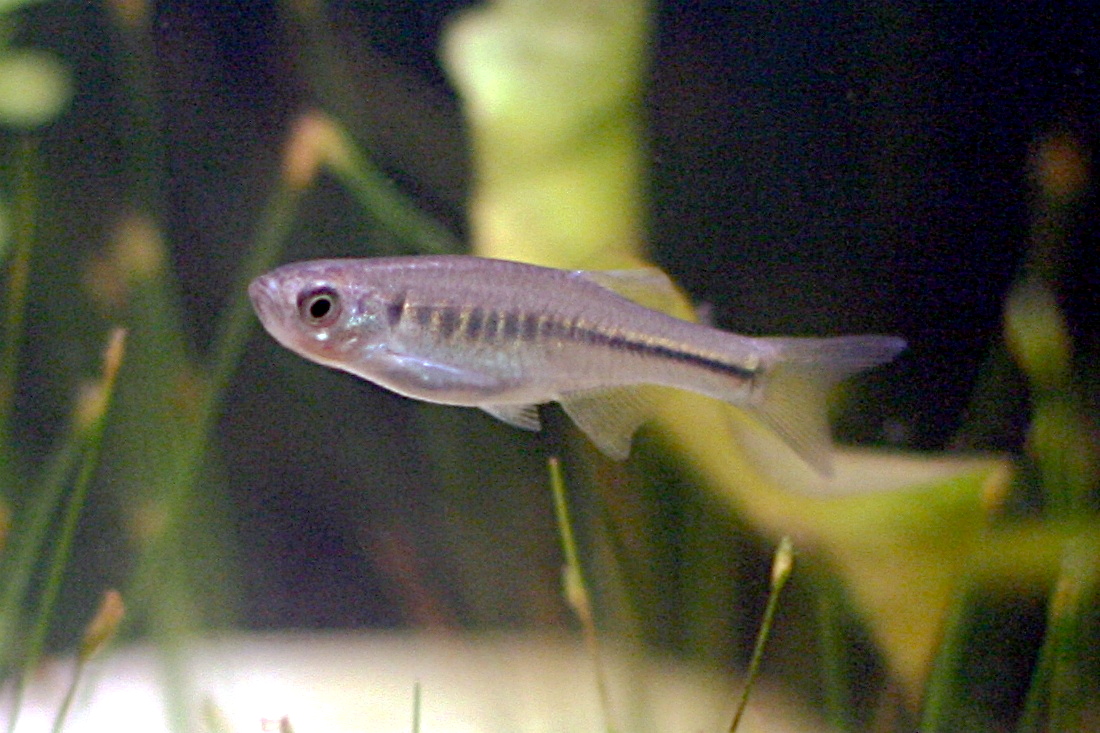
Mae Taeng Devario in a 90 cm river, not a nano peat cube. Red bars are a current-and-condition colour.
Read more →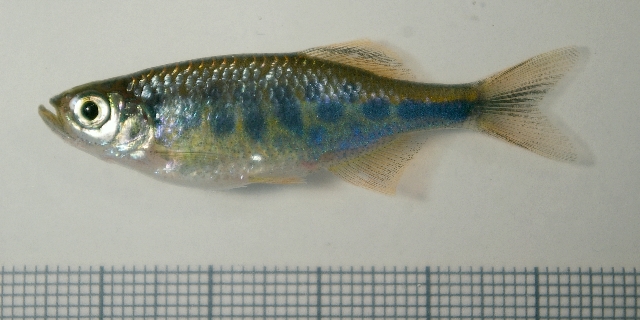
Sri Lankan Nilwala endemic with vertical bars. Buy captive-bred, keep a flowing school, and do not hybridise the pattern away.
Read more →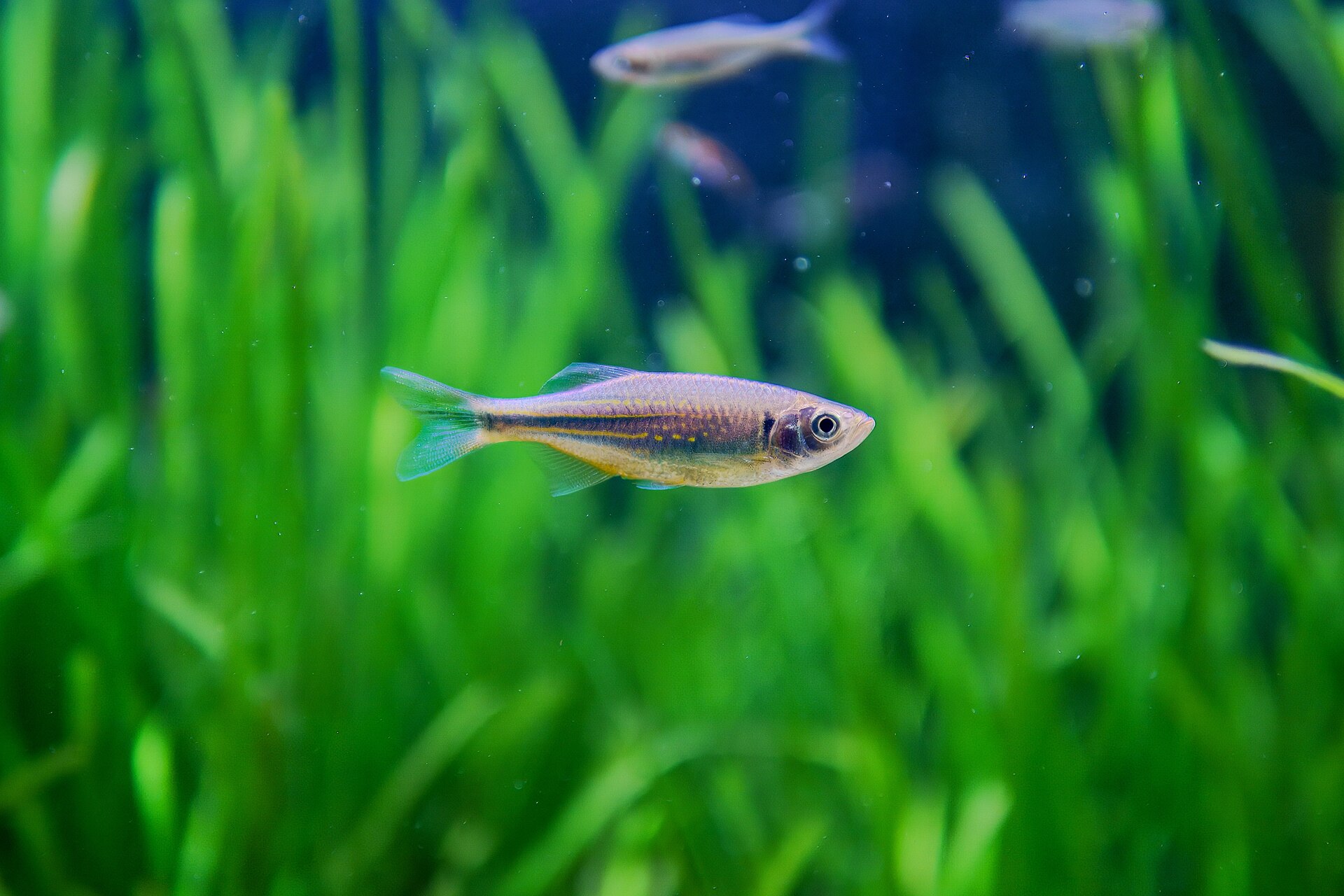
Western Ghats giants to 15 cm. A 120 cm cool, fast tank or a different species — shop juveniles outgrow “danio” assumptions.
Read more →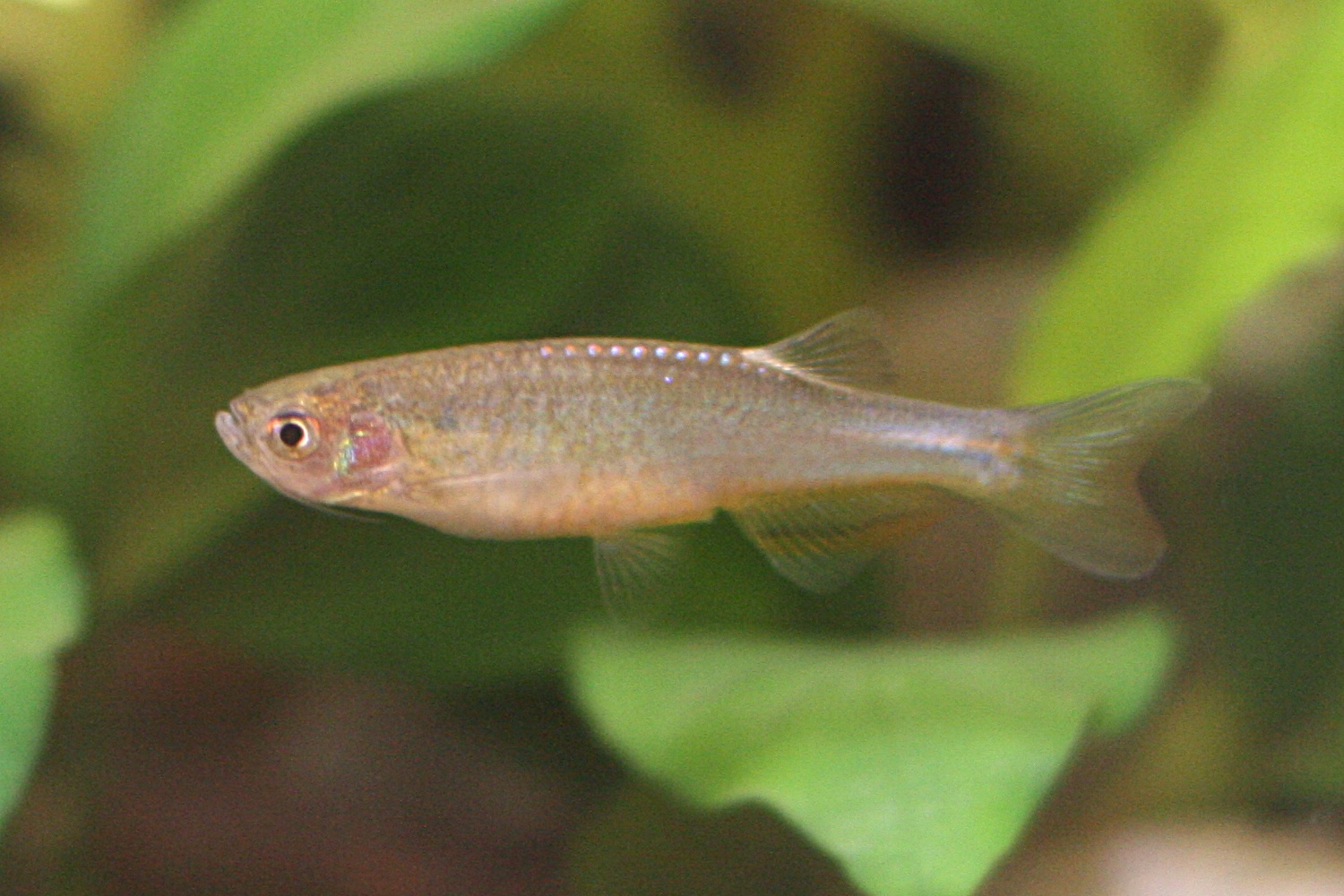
Hill-stream pink and two blue lines. Turn the heater down, stretch the tank, seal the lid, and feed in the current.
Read more →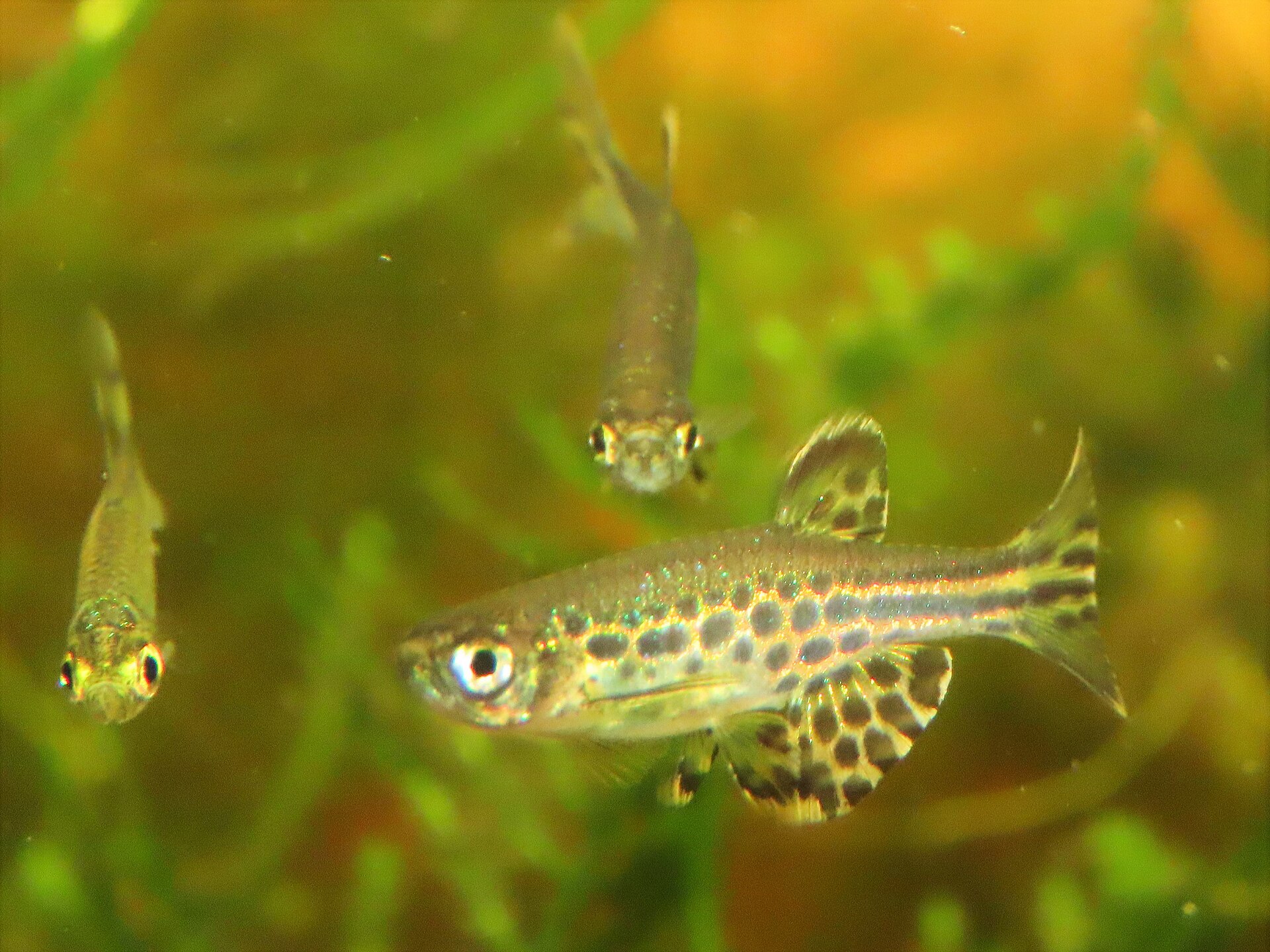
Tiny spotted gold-ring danios from the upper Irrawaddy. Cooler water, a long box, and enough males that sparring stays theatre.
Read more →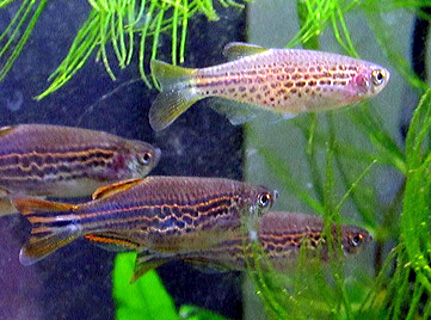
Myanmar stream danios with orange paddles. Length, current, a lid, and no zebra hybrids — not a still tetra community fish.
Read more →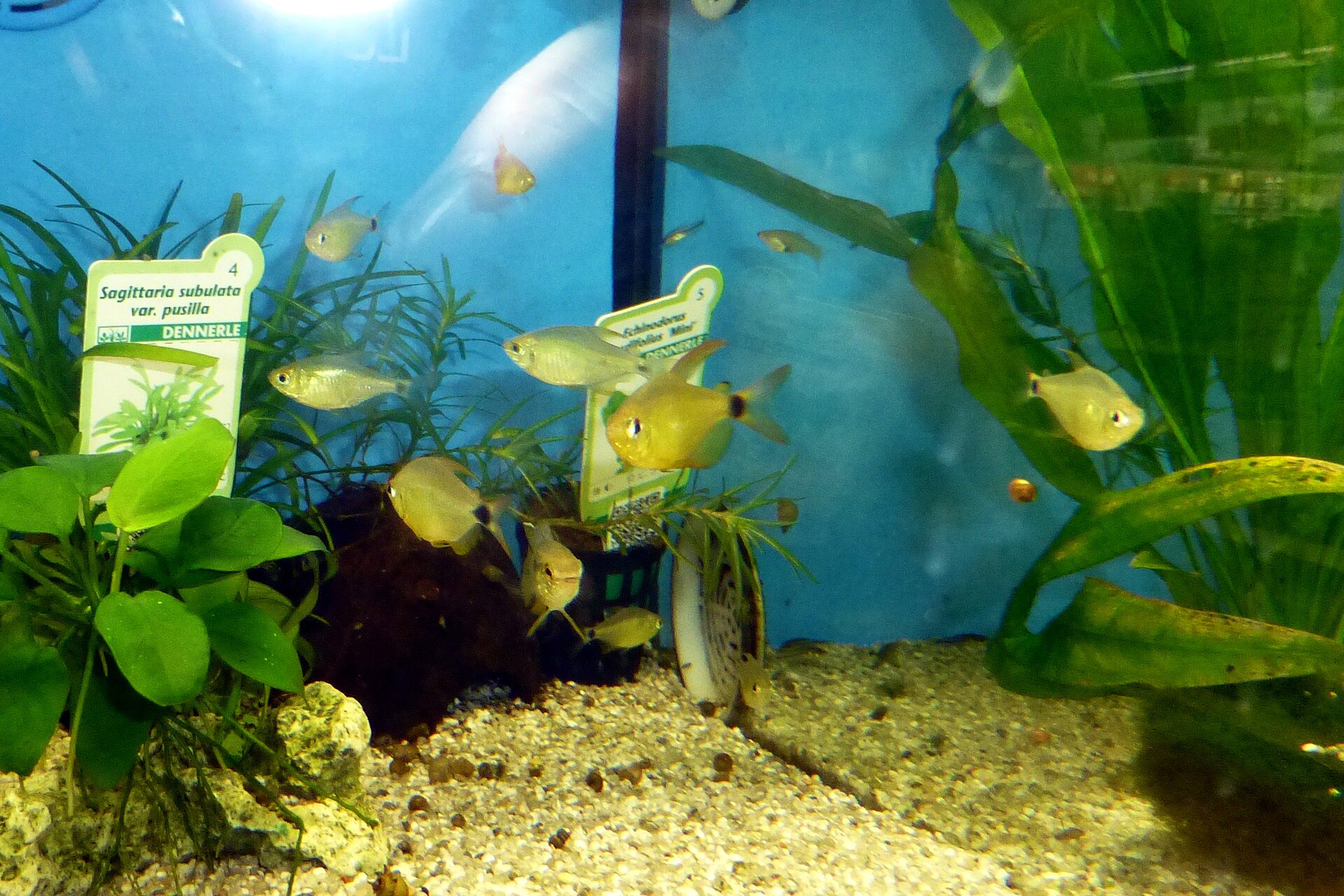
A 2002 Tapajós species whose males grow filamentous fins. Soft, slow, species-focused tanks — or shredded gold splinters.
Read more →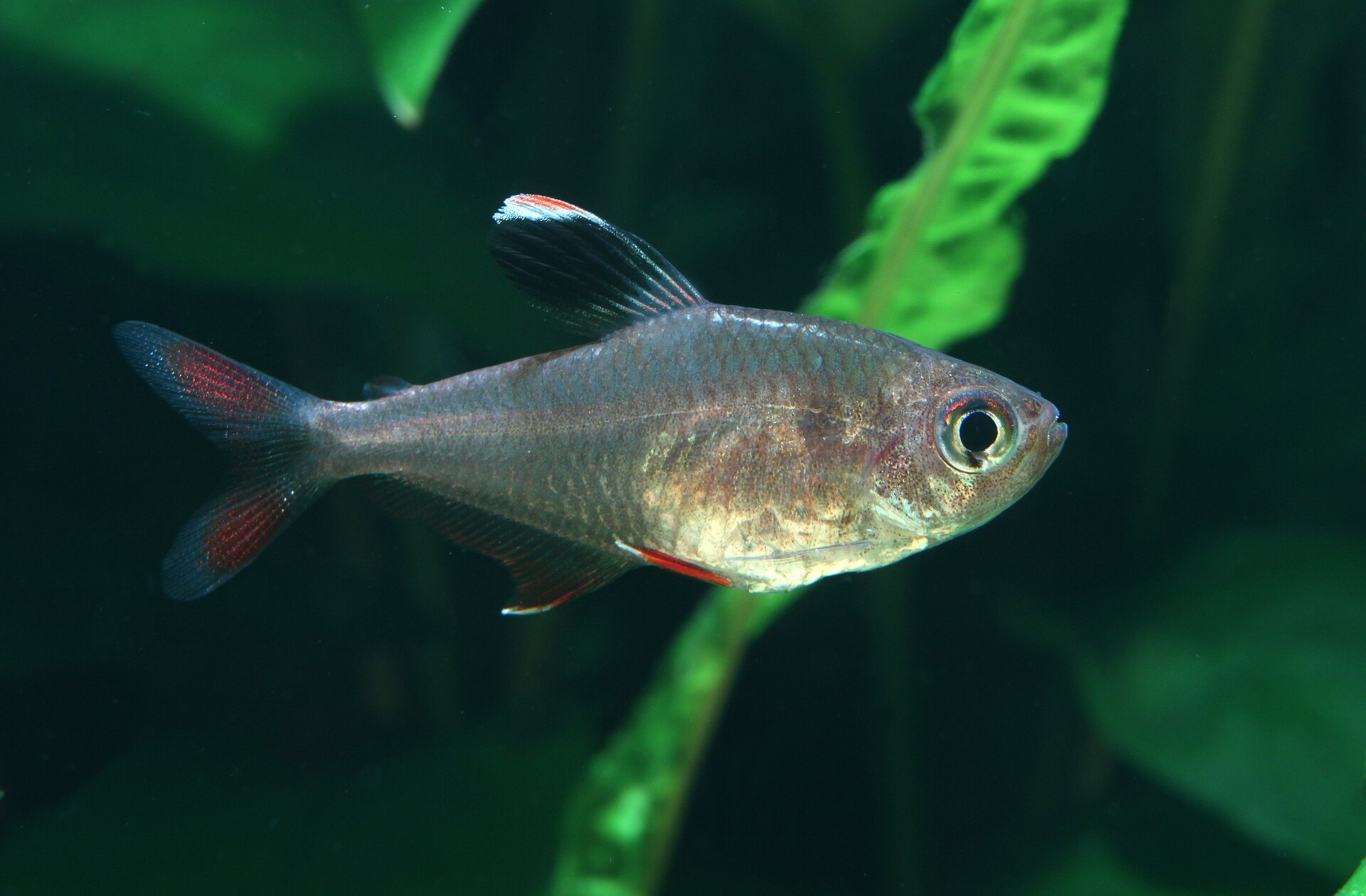
Deep-bodied Amazon tetras with white-tipped fins. Warm, planted schools; males flare, and nippers destroy the reason you bought them.
Read more →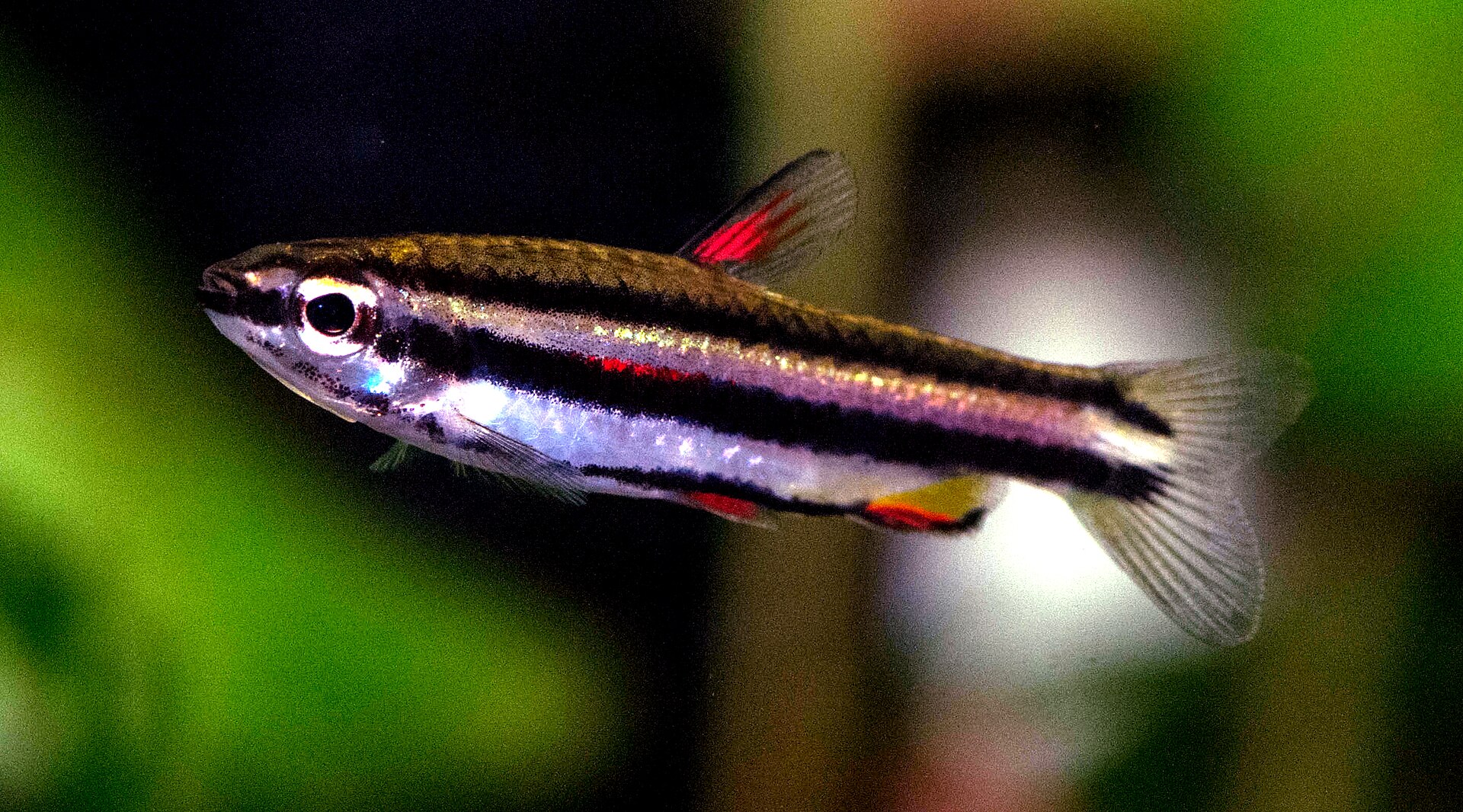
A 3 cm lebiasinid with three stripes, a pinhead mouth, and a need for still, stained water — not a tetra and not a danio.
Read more →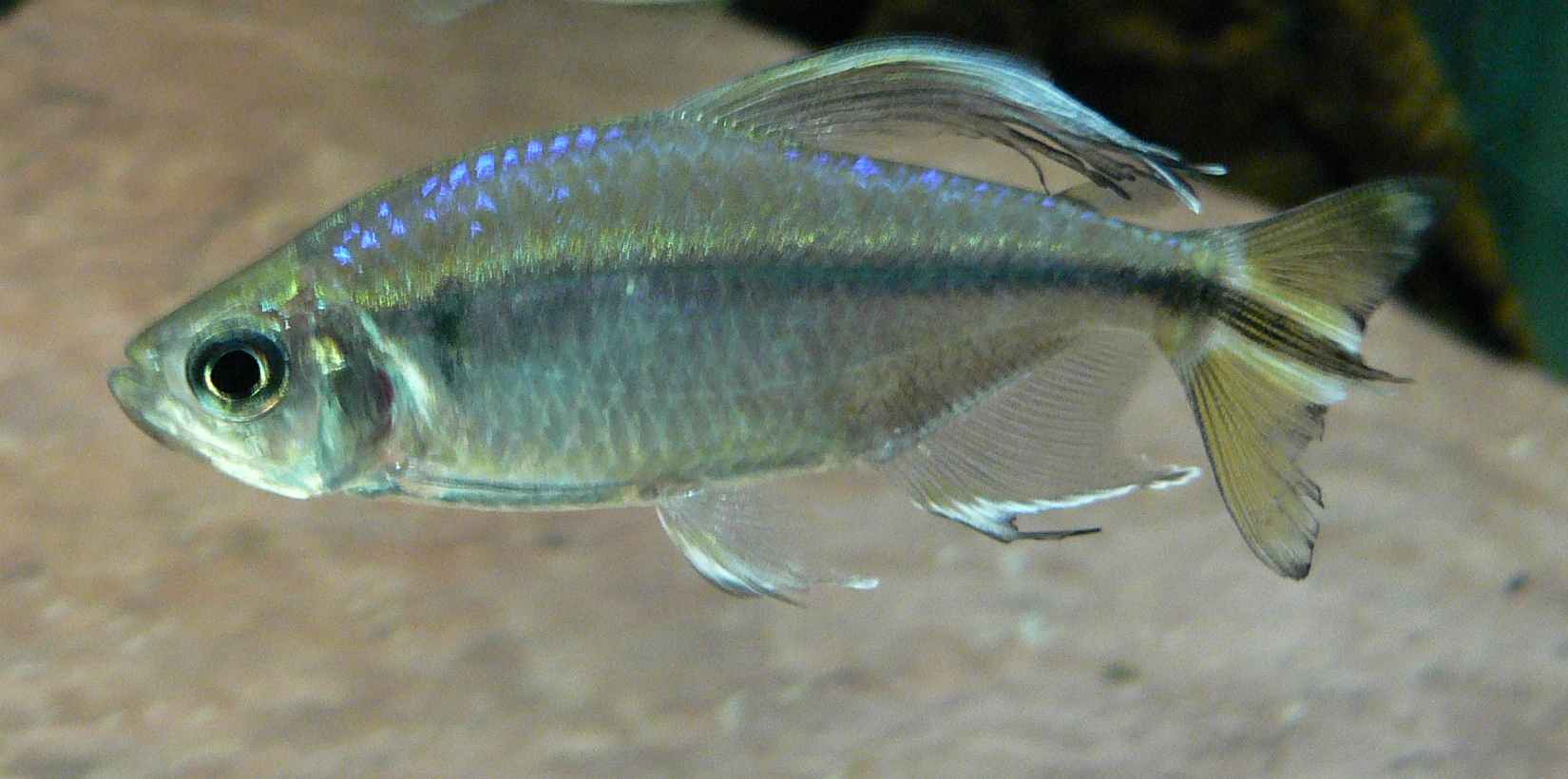
An African alestid from the Congo, not a South American tetra. Gold-yellow tails need length, tannins, and a large shy school.
Read more →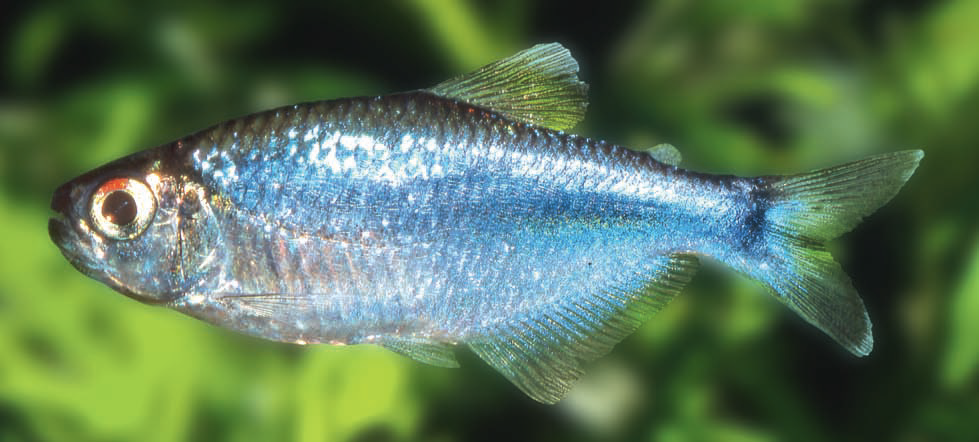
Peru’s steel-blue schooler. Colour is a crowd effect; small groups go grey and start nipping long fins.
Read more →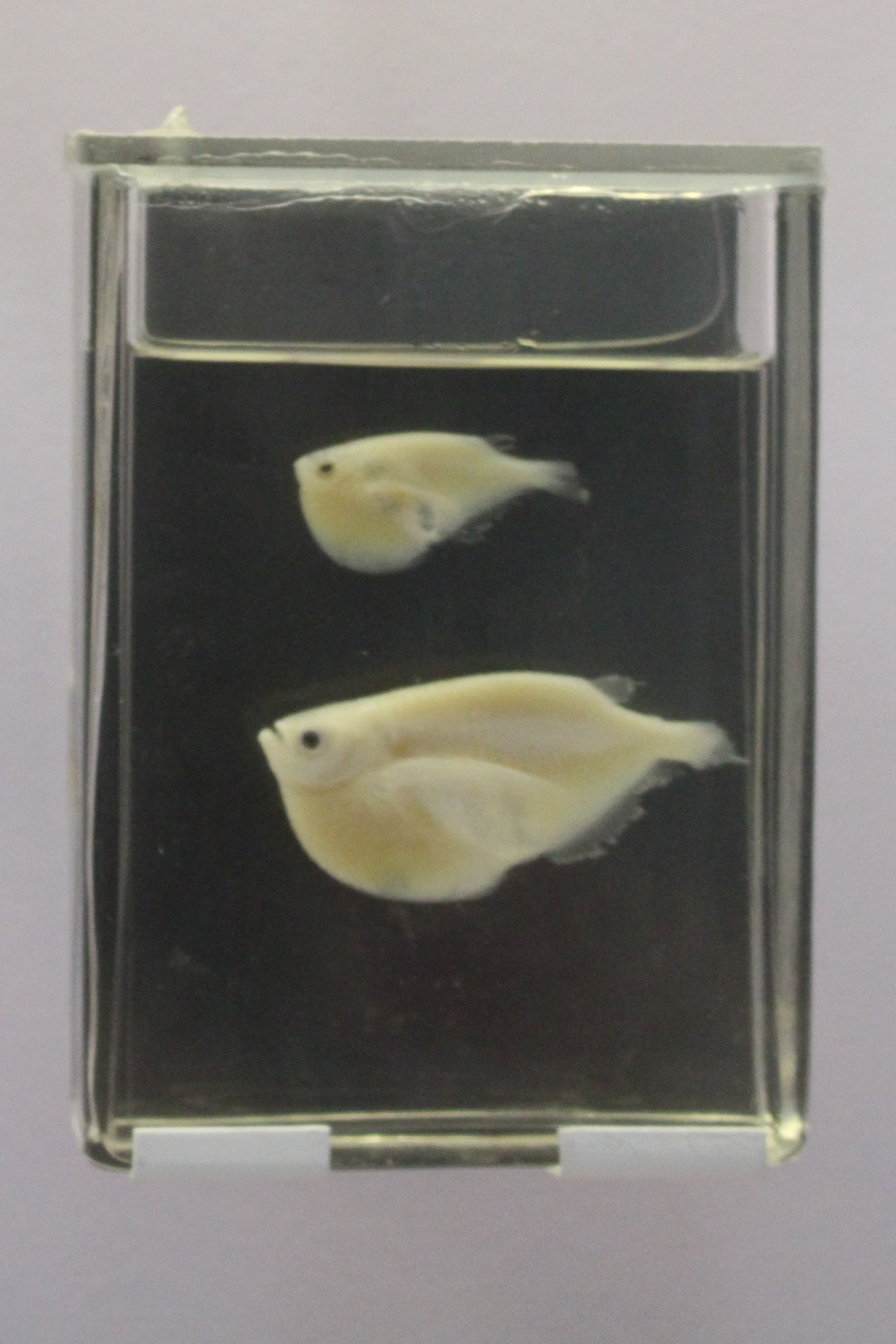
Chrome river hatchets that need a sealed top and a long surface runway. Larger and hardier than marbles, still dedicated jumpers.
Read more →