

Spirulina and Colour-Enhancing Fish Foods Explained
Spirulina and carotenoid-rich foods can deepen reds and support herbivores — when water quality and genetics already allow good colour.
Read more →
Este centro de Guías en Fishy Friends reúne guías prácticas de acuarios para cuidadores que desean respuestas claras antes de cambiar el agua, el ganado o el equipo.
Utiliza estos artículos para emparejar especies con el tamaño del tanque, planificar la filtración y la alimentación, y solucionar problemas de química del agua sin adivinar. Cada guía está escrita para acuarios domésticos y enlaza a lecturas relacionadas cuando necesites más profundidad sobre guías de acuarios.
Comienza con lo básico: parámetros estables, hábitos de cuarentena y un horario de alimentación que coincida con el ganado; luego explora los perfiles y cómo hacerlo a continuación. Cuando estés listo para diversificar, salta a temas vecinos para que tu plan de guías de acuarios se mantenga consistente en todo el tanque.
Ya sea que estés llenando un primer tanque comunitario o refinando un paisaje establecido, guarda esta página en tus marcadores y regresa a medida que surjan preguntas. Los acuarios saludables se construyen a partir de pequeñas rutinas repetibles más que de mejoras únicas, y el éxito de las guías de acuarios sigue el mismo patrón.
Explora a continuación: Inicio de Fishy Friends, peces de agua dulce, peces de agua salada, plantas vivas.
Fishy Friends publica hojas de cuidado de especies, notas sobre plantas e invertebrados, ideas de aquascaping y explicaciones sobre el cuidado del agua para que los consejos de guías de acuarios sean fáciles de encontrar. Lee una guía a fondo, aplícala lentamente y utiliza los centros enlazados arriba cuando quieras un segundo ángulo sobre el mismo problema.
Antes de comprar ganado o repensar la filtración, revisa dos o tres artículos de guías de acuarios aquí y anota los números objetivo para temperatura, dureza y alimentación. Esa breve lista de verificación previene los reinicios más comunes y mantiene tu acuario más cerca de la exhibición tranquila y saludable que estás buscando.
Regresa después de los cambios de agua o nuevas adiciones: compara lo que ves en el tanque con las listas de verificación de guías de acuarios a continuación, luego sigue un siguiente paso recomendado en lugar de cambiar todo de una vez. Las mejoras constantes se acumulan, y Fishy Friends está diseñado para apoyar ese ritmo.
Spirulina and carotenoid-rich foods can deepen reds and support herbivores — when water quality and genetics already allow good colour.
Read more →
Fish often fast themselves after big changes or treatments. Here’s when to resume feeding — and when food makes recovery worse.
Read more →
Reef tanks juggle hungry fish against nutrient export. Here’s a practical marine feeding schedule that keeps fish fit without greening the rock.
Read more →
Neocaridina and Caridina graze constantly on biofilm. Pellets are supplements — here’s how to balance natural grazing with prepared foods.
Read more →
Weekend trips rarely need gadgets. Longer holidays do. Here’s how to set an auto feeder — and when fasting or a sitter is safer.
Read more →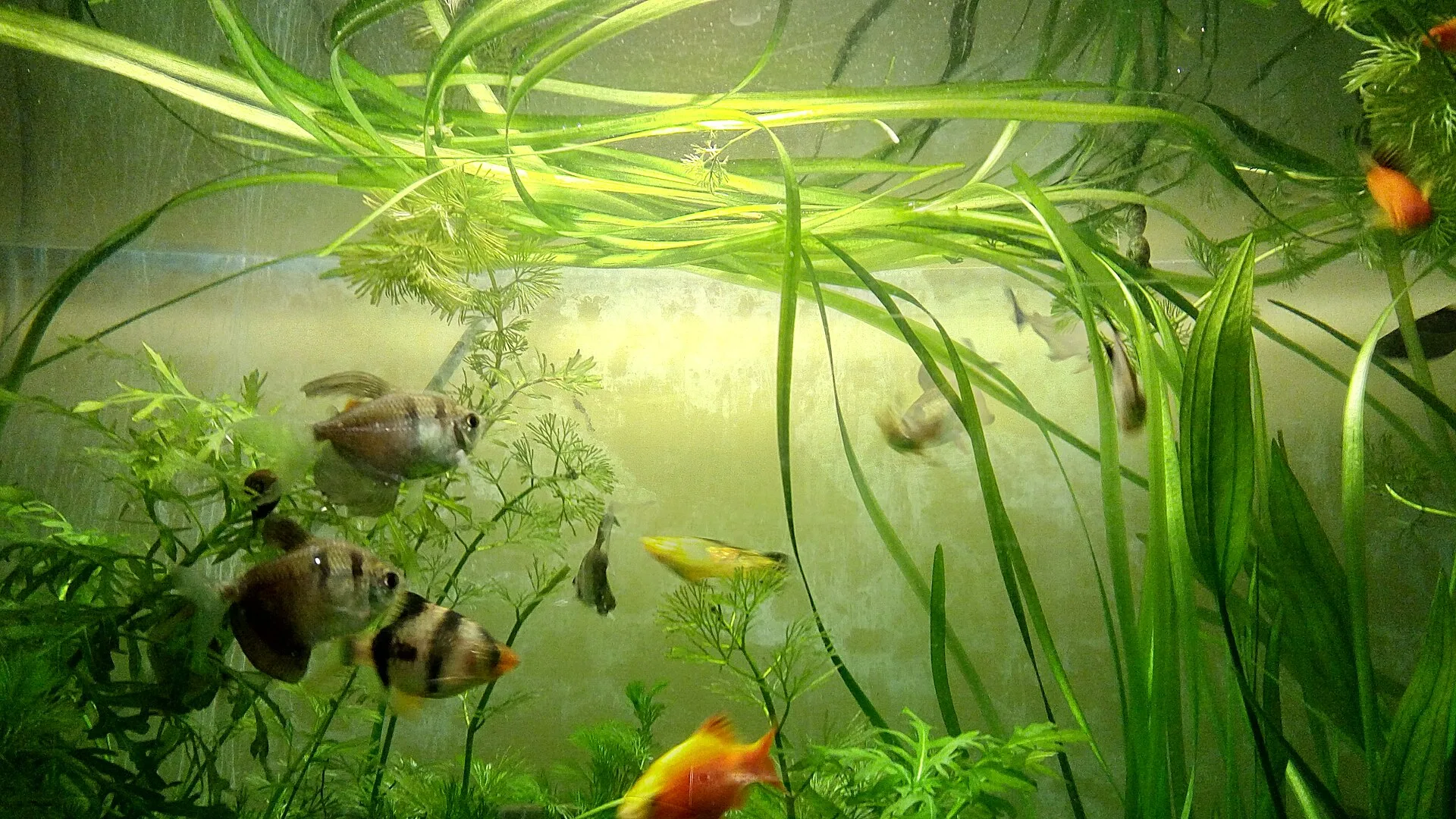
Mouth shape and gut length tell you what a fish should eat. Match protein and plant content to carnivores, herbivores, and omnivores.
Read more →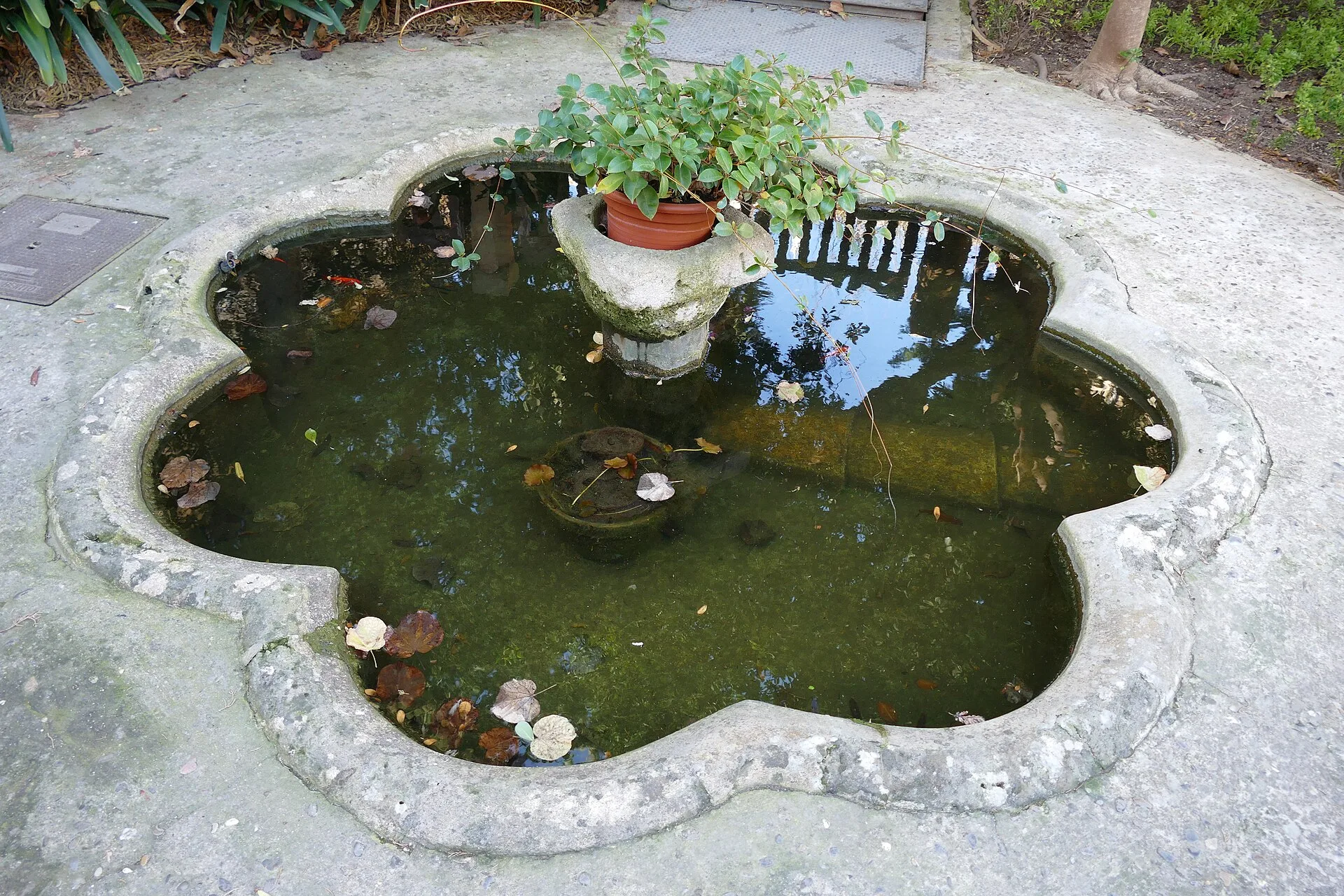
Goldfish are opportunistic omnivores with a long gut. The right pellets, greens, and portion control prevent the classic bloating problems.
Read more →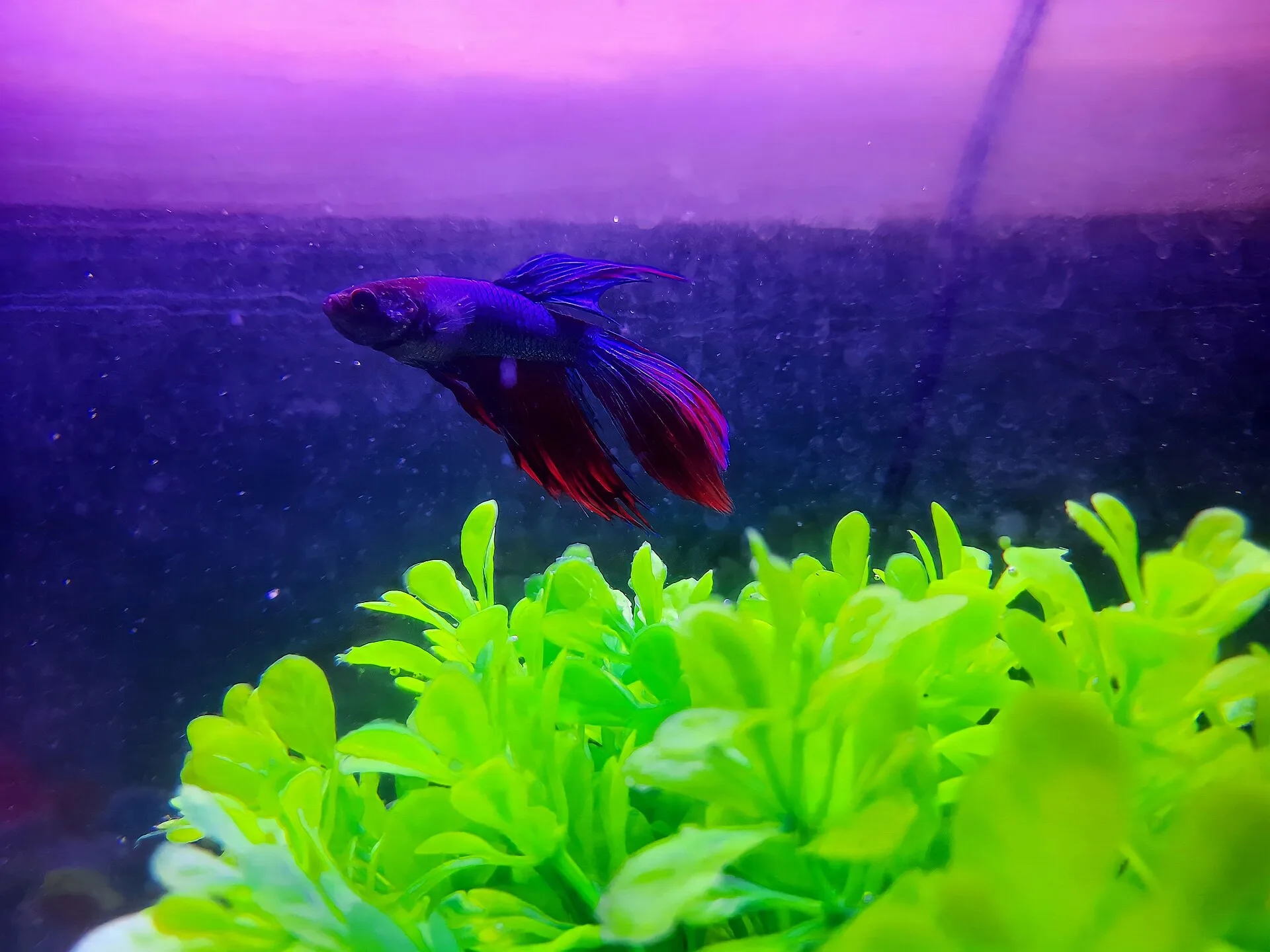
Bettas are carnivorous insect-eaters — not flake vacuum cleaners. Build a high-protein pellet staple with frozen variety and strict portions.
Read more →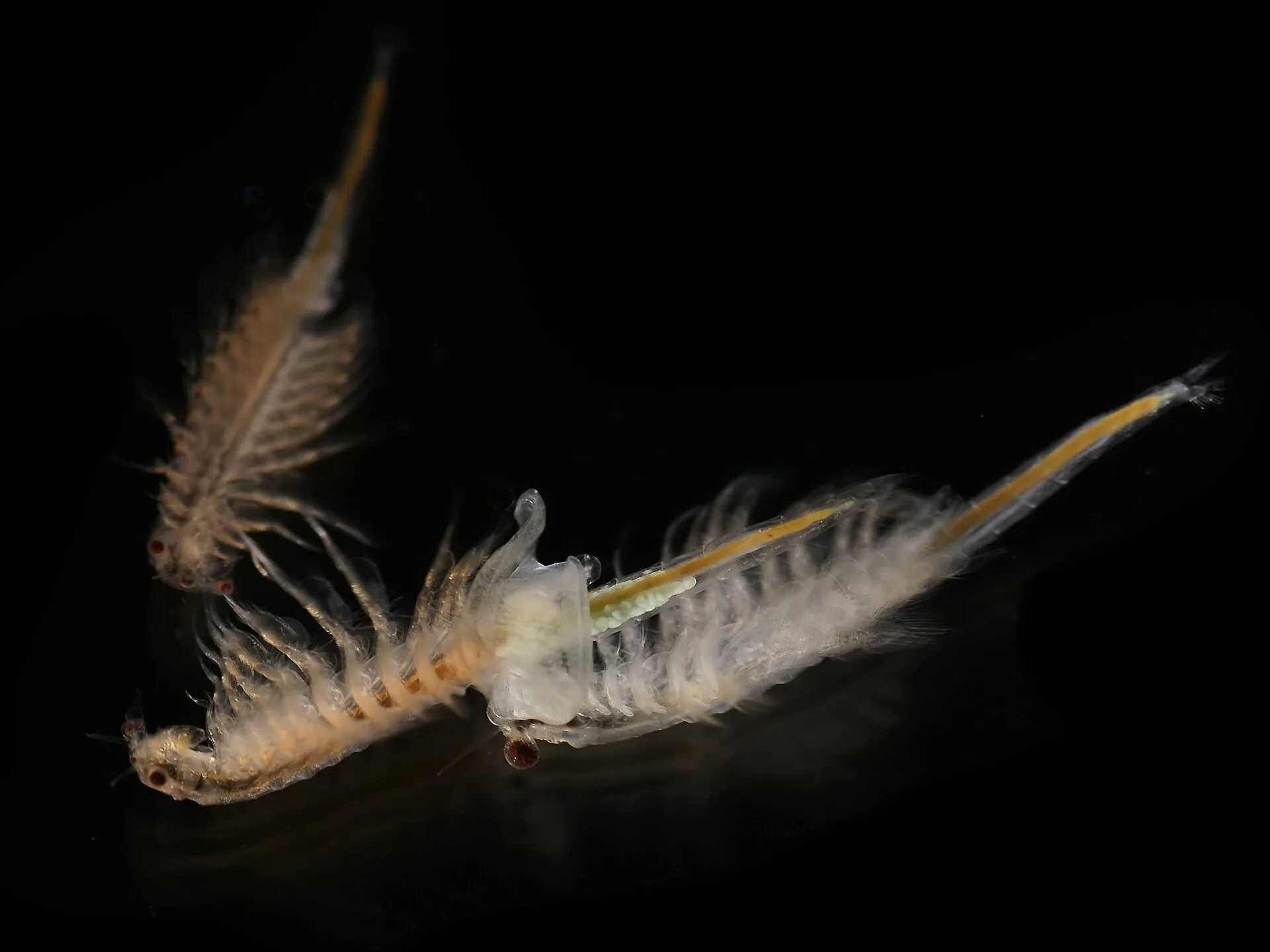
Fry mouths are tiny and metabolism is sky-high. Match food size to mouth size and feed often — here’s the progression that raises survivors.
Read more →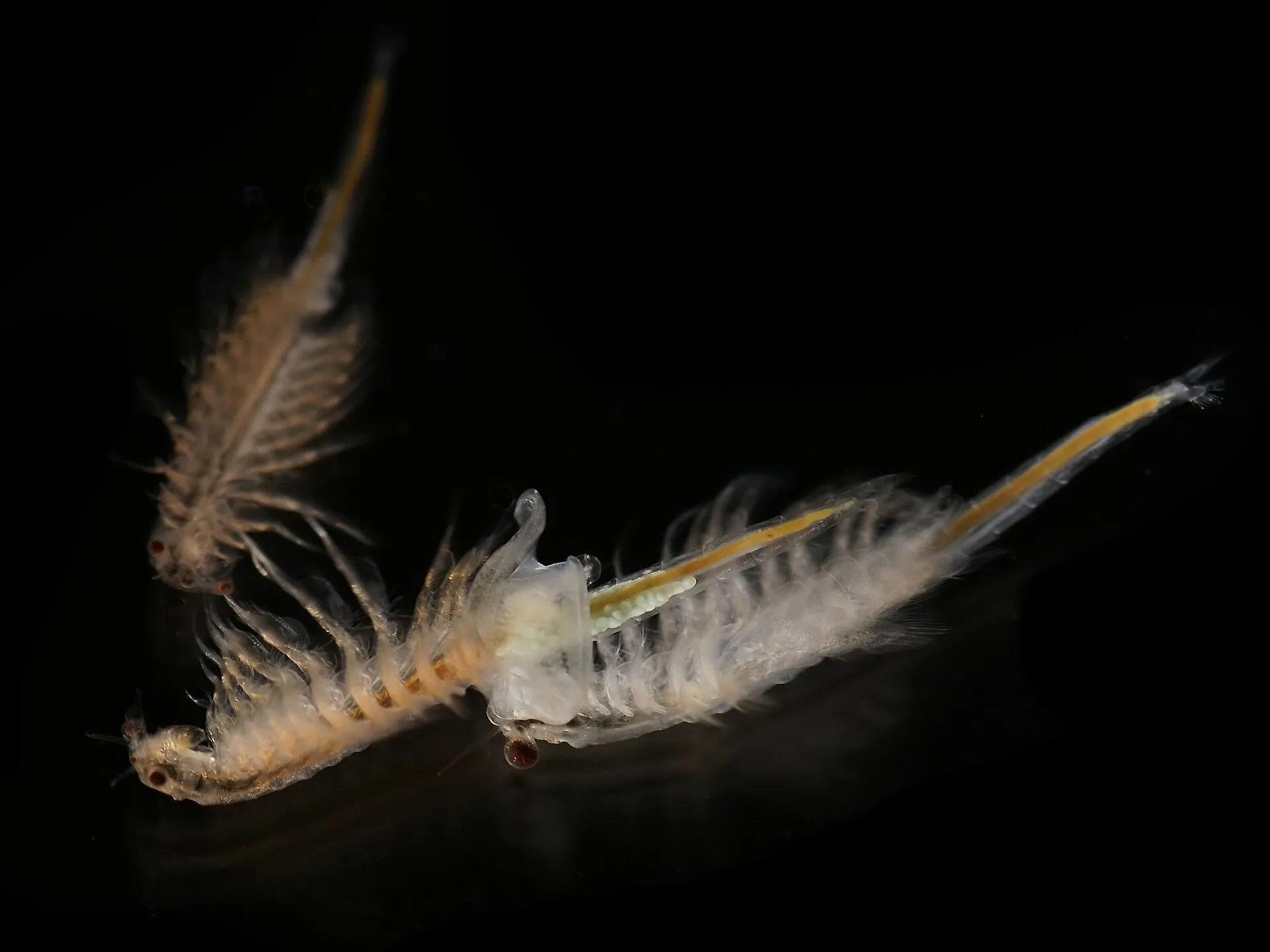
Live foods trigger hunting behaviour and deliver excellent nutrition. Here’s what to feed, how to culture basics, and how to avoid parasites.
Read more →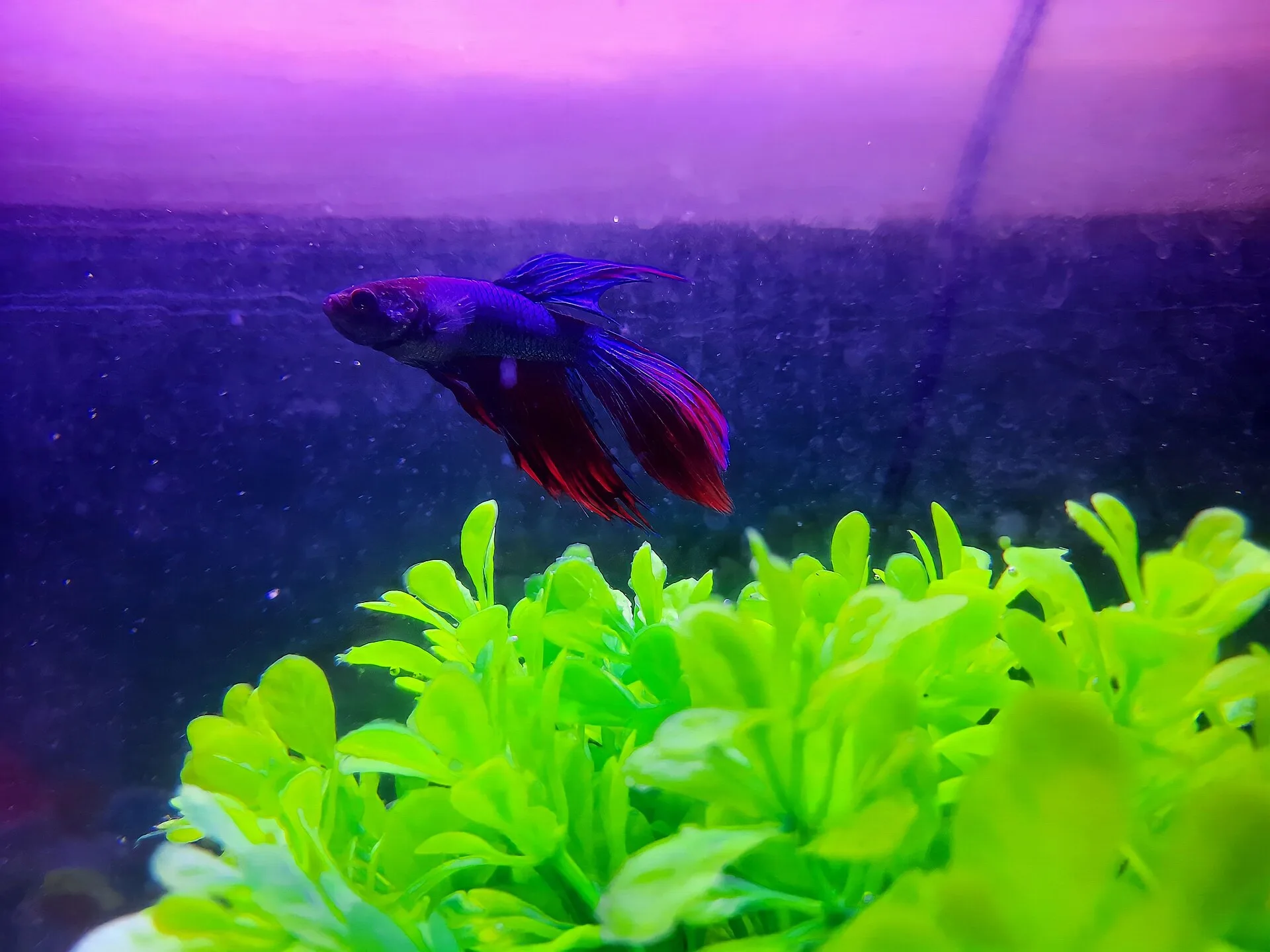
Dry pellets that expand in the gut can bloat greedy feeders. Soaking — and optional garlic coating — makes meals safer and more appealing.
Read more →
Flakes are convenient; pellets often pack more nutrition with less mess. Here’s how to choose — or mix both — for your community tank.
Read more →
Overfeeding is the quiet killer of beginner tanks. Learn the warning signs, emergency cleanup steps, and portion habits that stick.
Read more →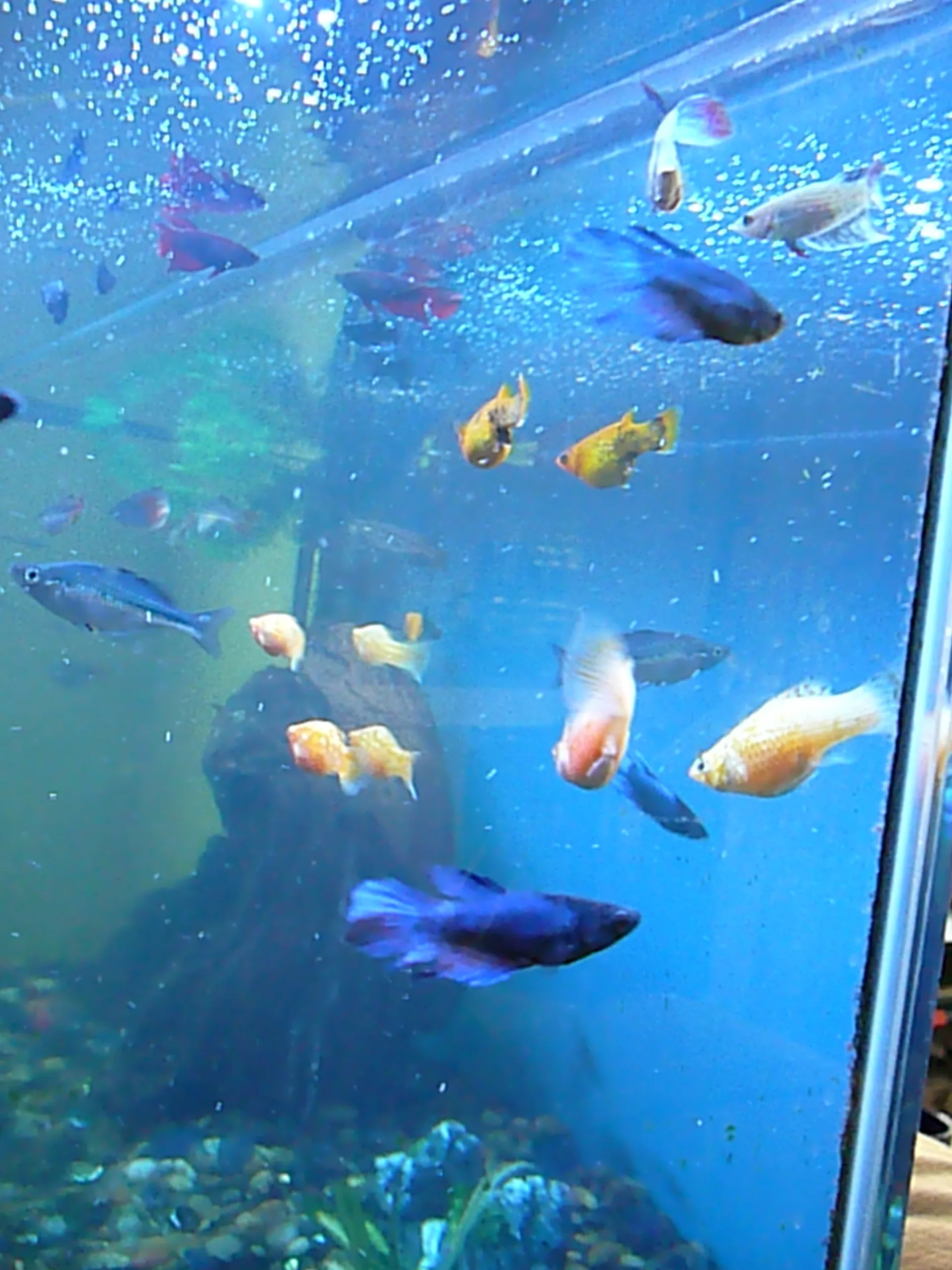
Most adult community fish do best on small meals once or twice a day. Here’s how to set a schedule by species, age, and tank bioload without over…
Read more →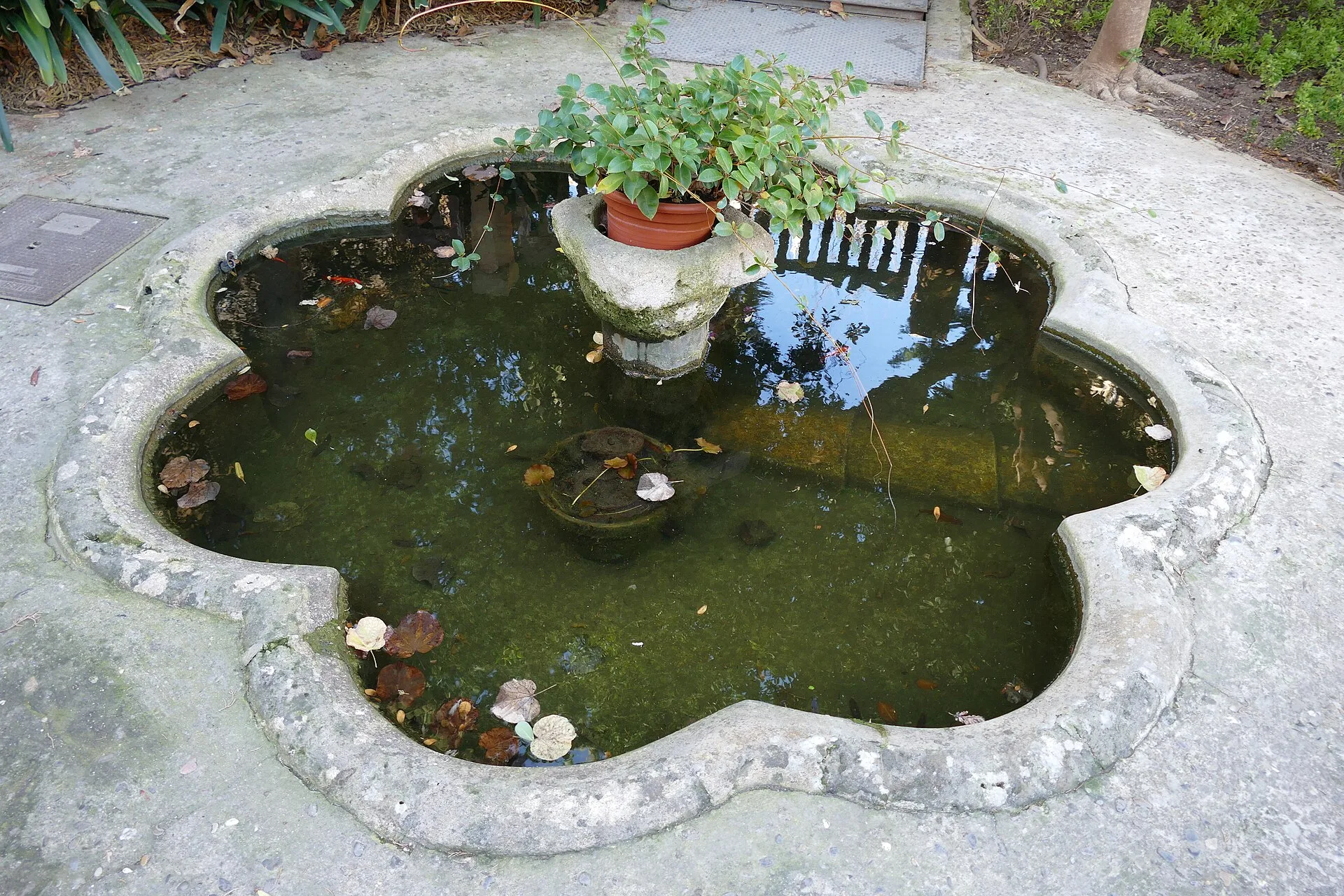
Not every fish wants 78°F — unheated rooms suit goldfish, minnows, and hillstream specialists with the right setup.
Read more →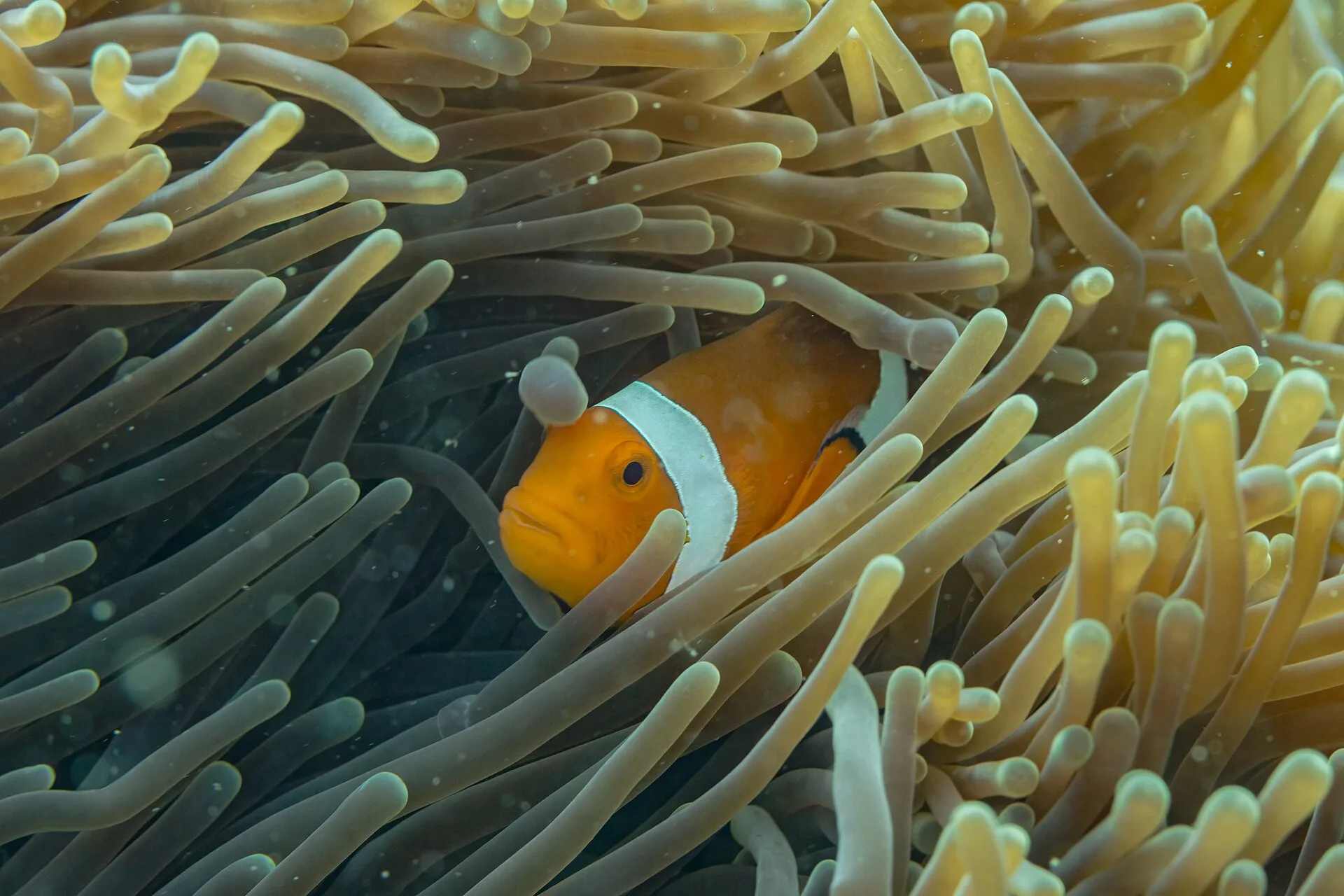
Marine tanks start with hardy forgiving fish — clownfish and gobies teach saltwater basics before tangs and butterflies.
Read more →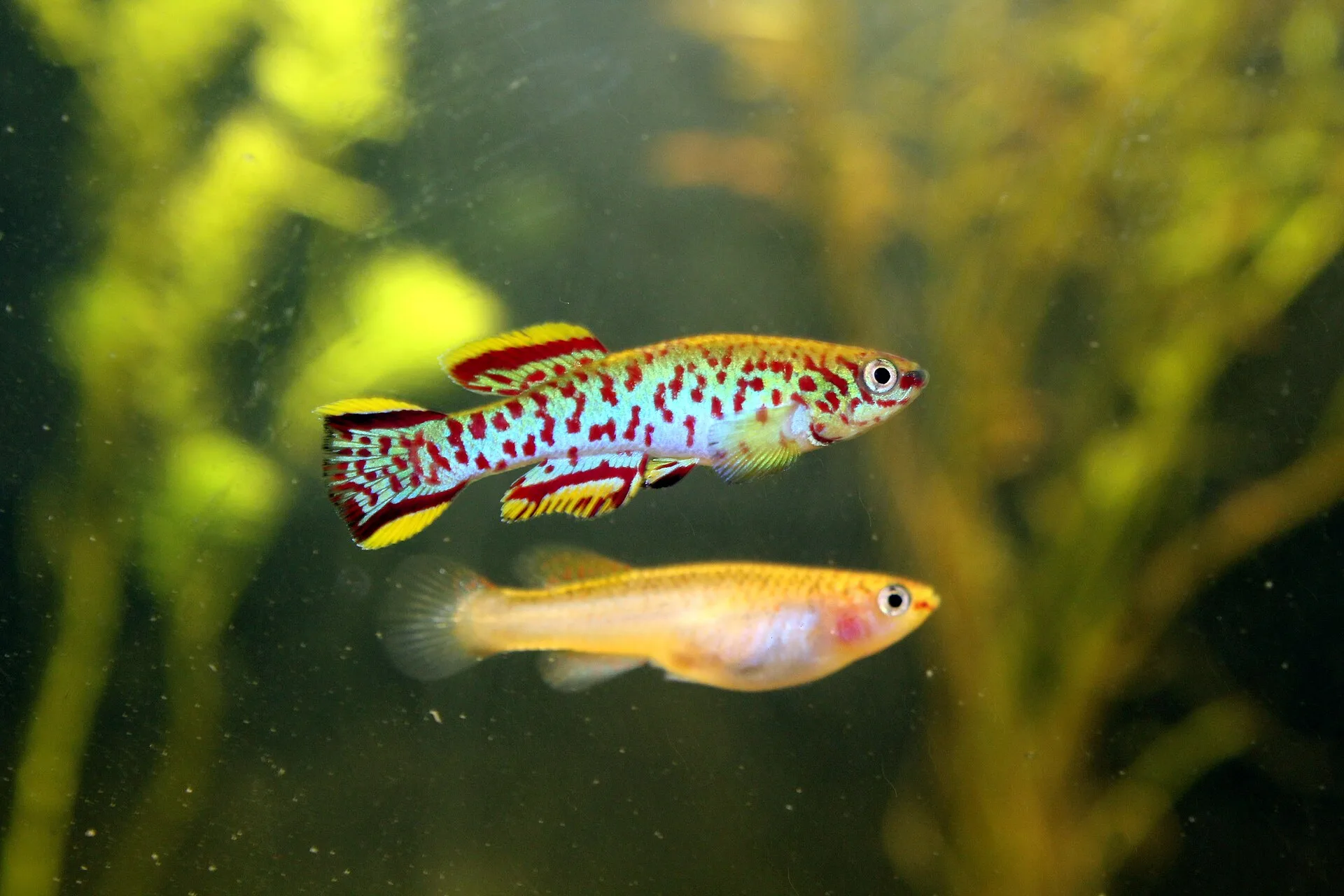
Killifish range from colorful annual peat spawners to hardy classroom fish — pick non-annual species first.
Read more →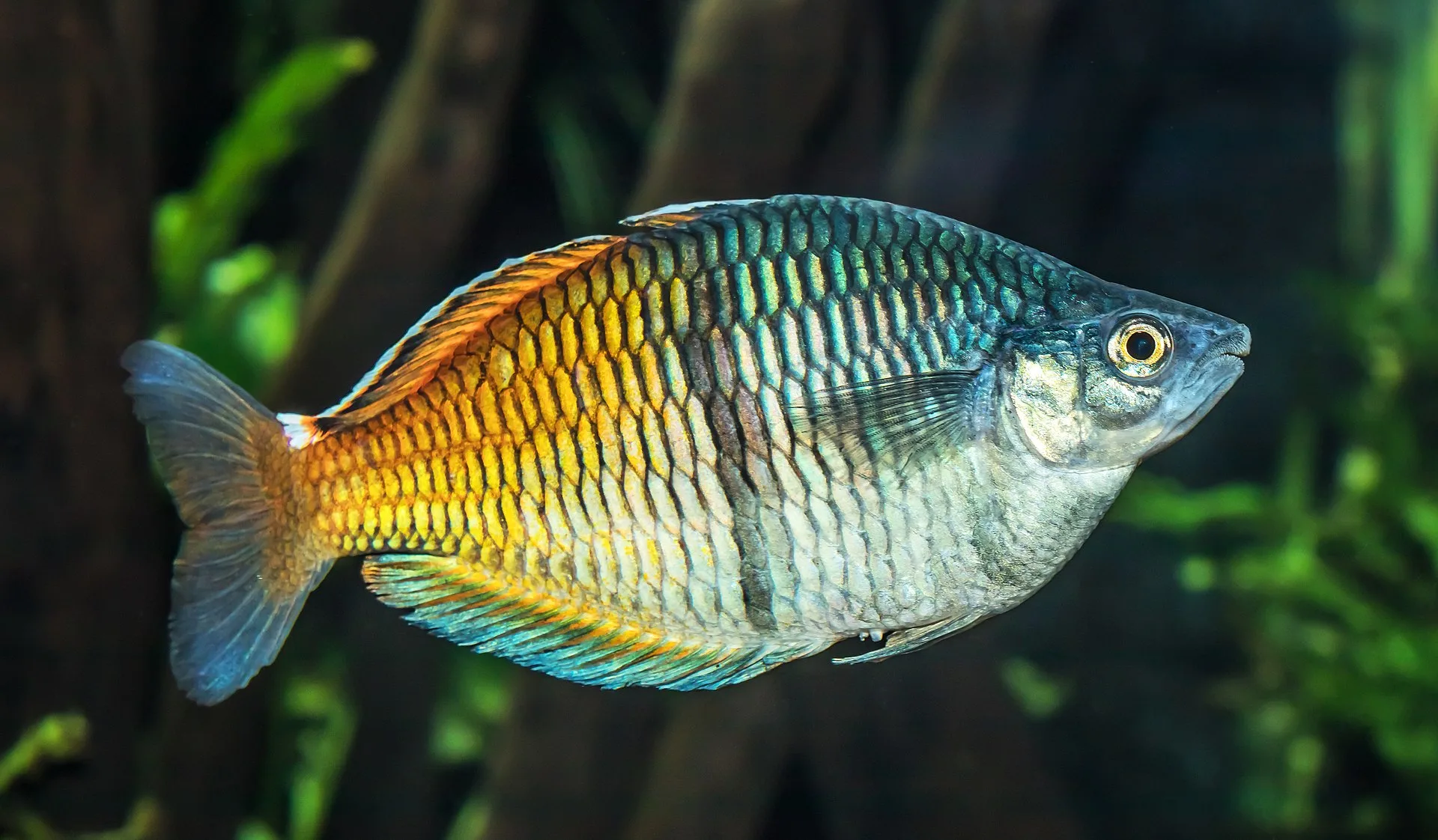
Rainbowfish shine in schools — juveniles look plain until maturity reveals iridescent sides worth the wait.
Read more →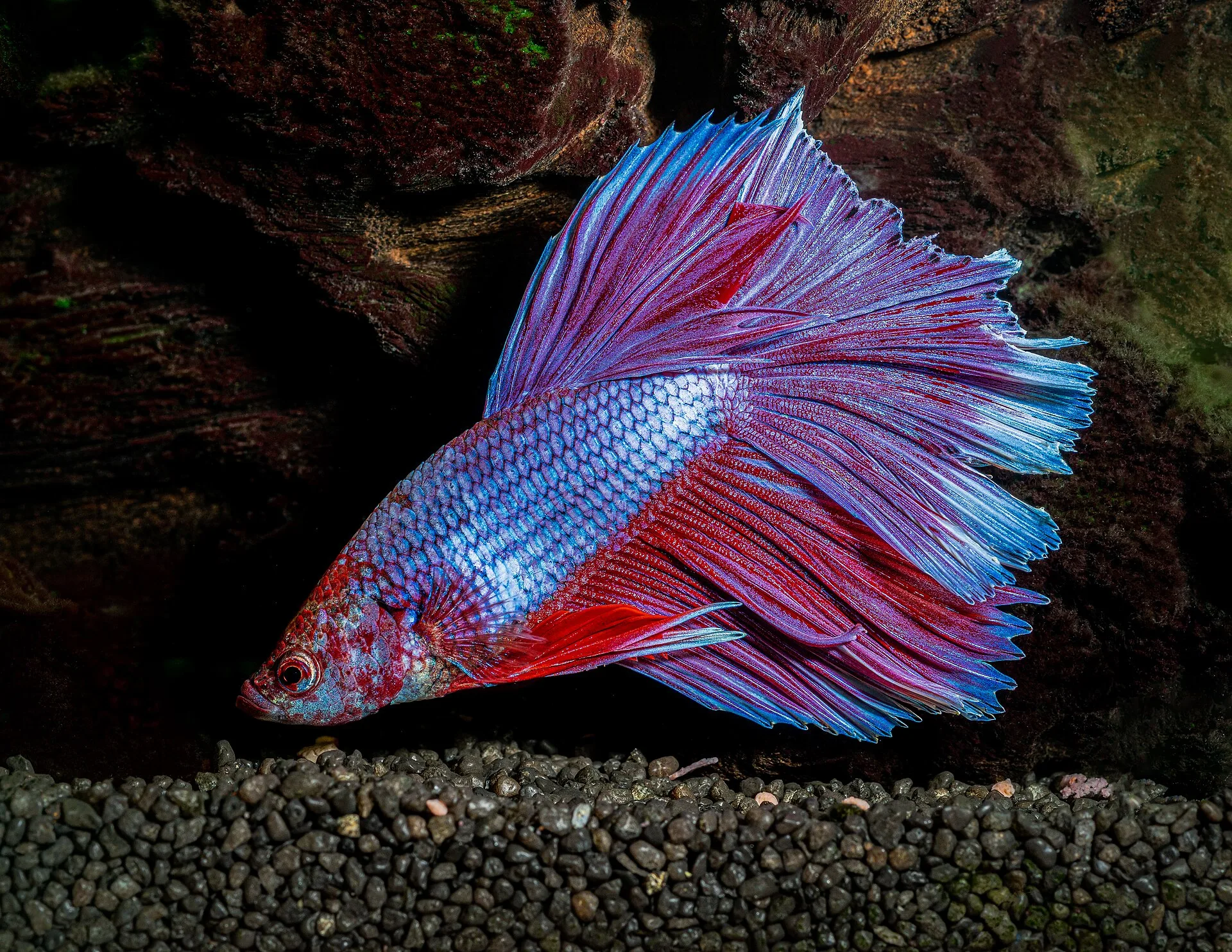
Labyrinth fish breathe air at the surface — bettas and gouramis bring personality, color, and specific territorial rules.
Read more →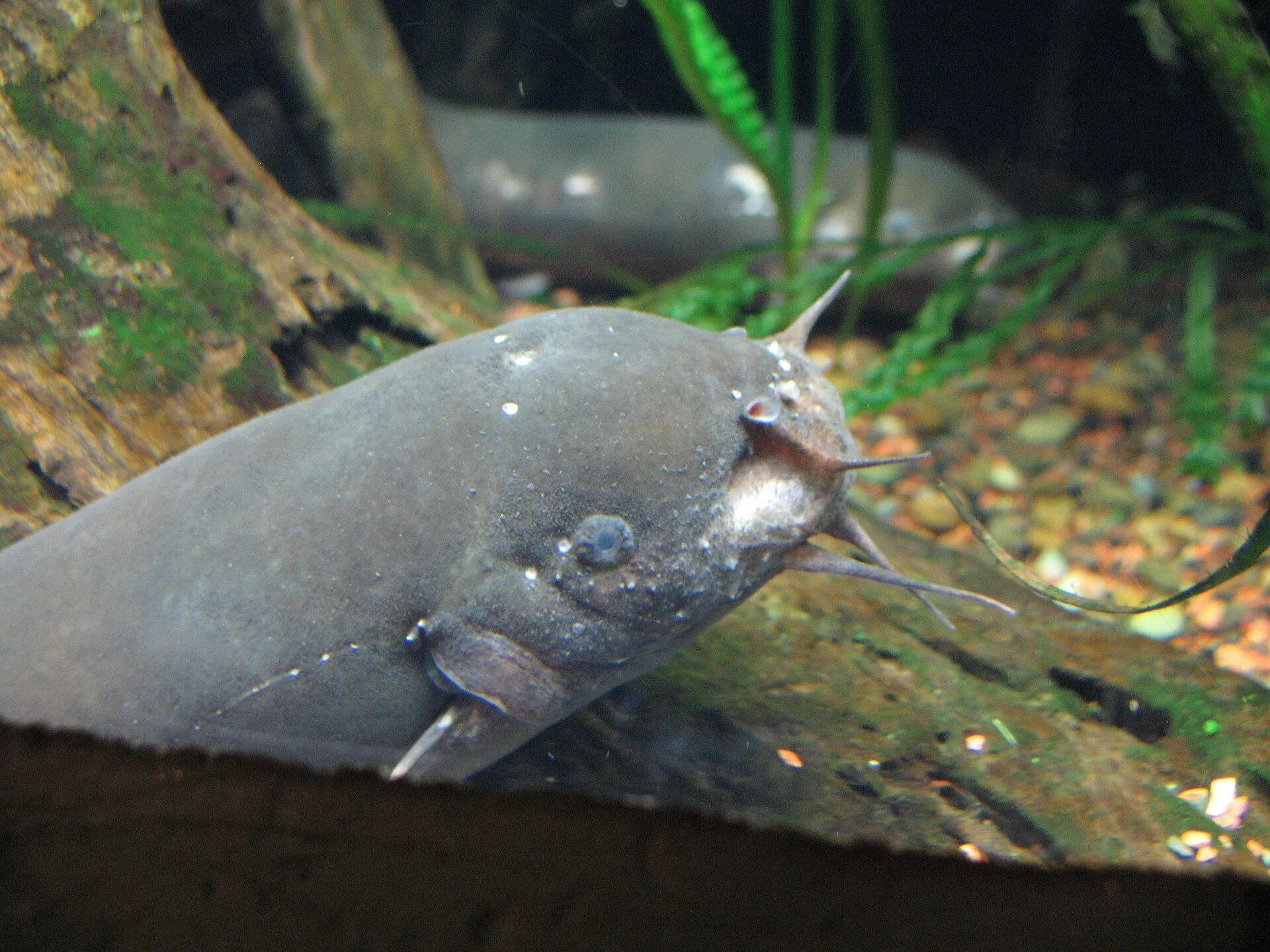
Catfish aren't all bottom-dwelling algae machines — the family spans tiny Corydoras schools to giant red-tailed predators.
Read more →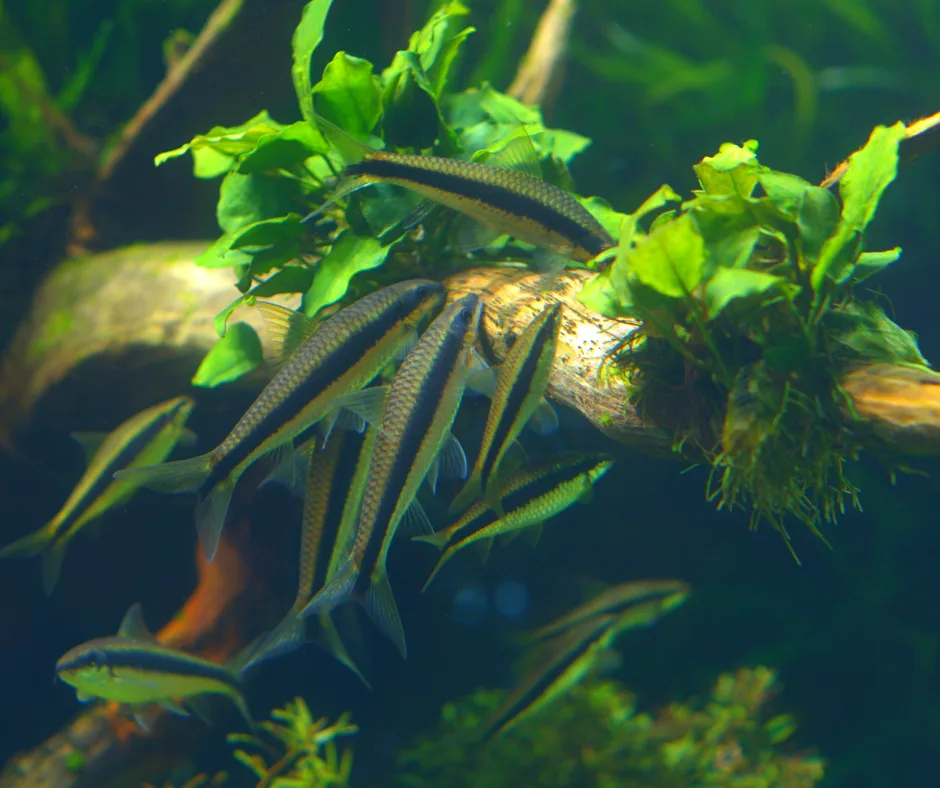
No fish solves algae alone — algae eaters supplement good husbandry; some 'algae' fish ignore algae entirely as adults.
Read more →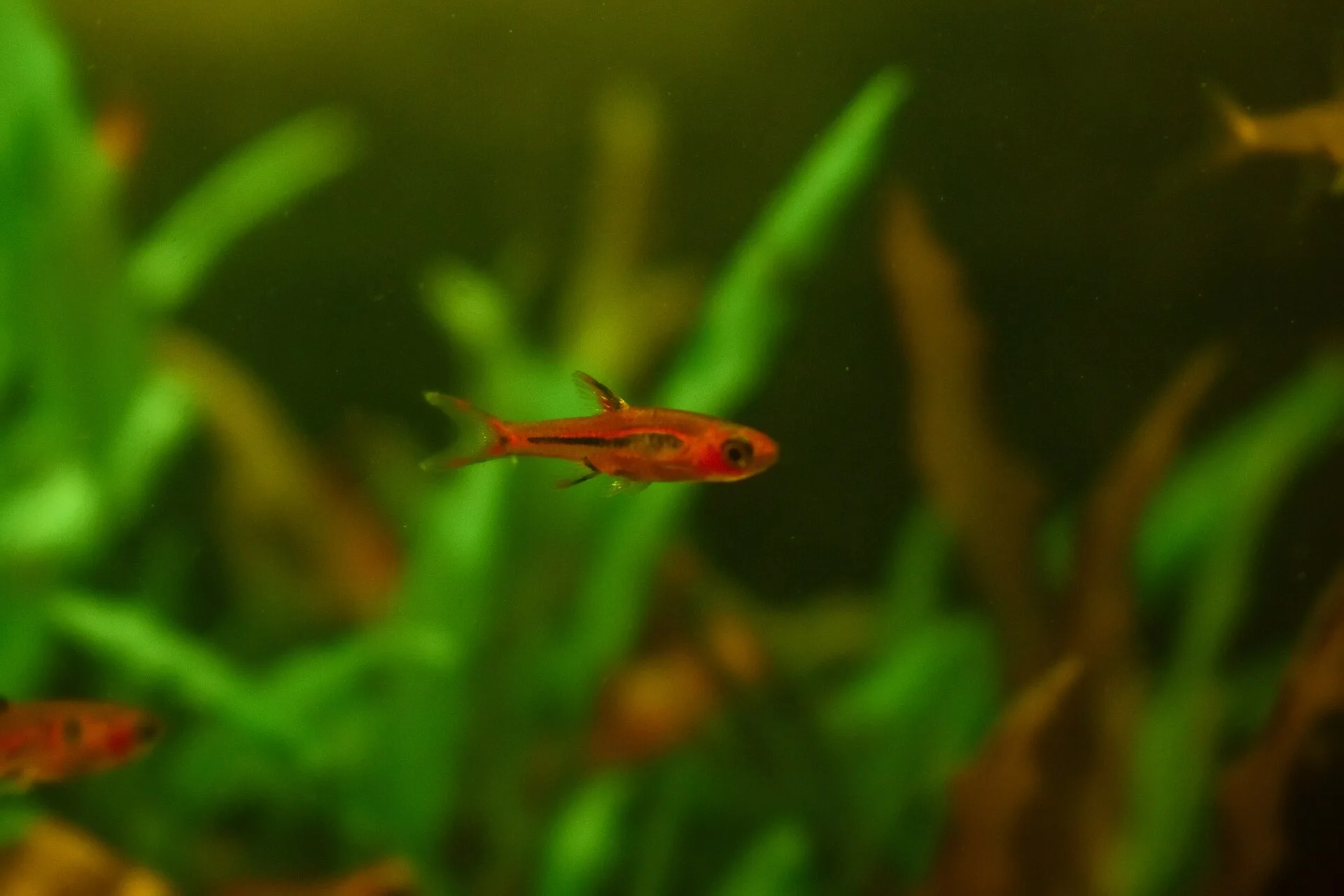
Nano tanks need nano fish — species under two inches that thrive in planted small volumes without crowding.
Read more →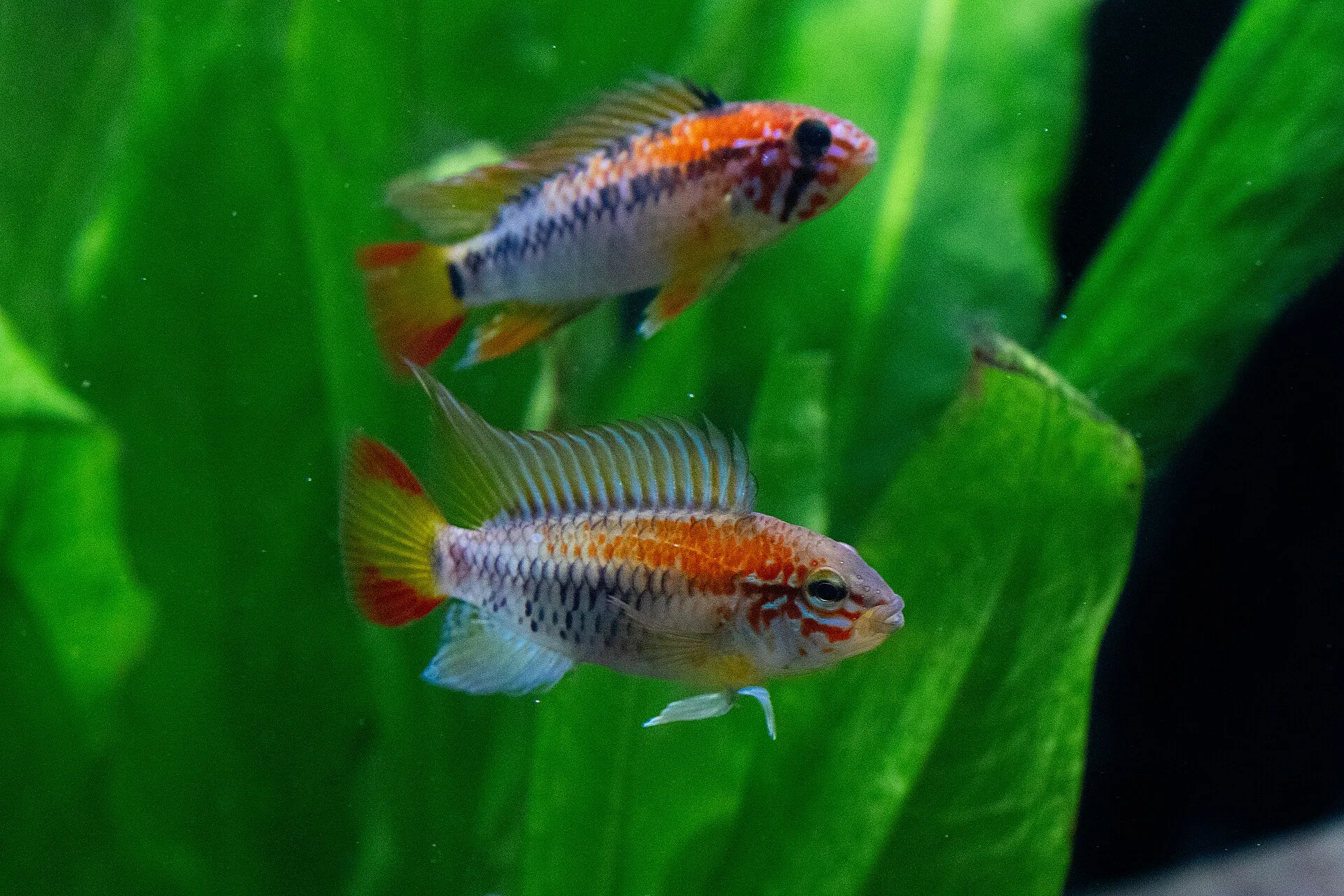
Cichlids reward personality and color — pick dwarf or gentle species first, not oscars in a twenty gallon.
Read more →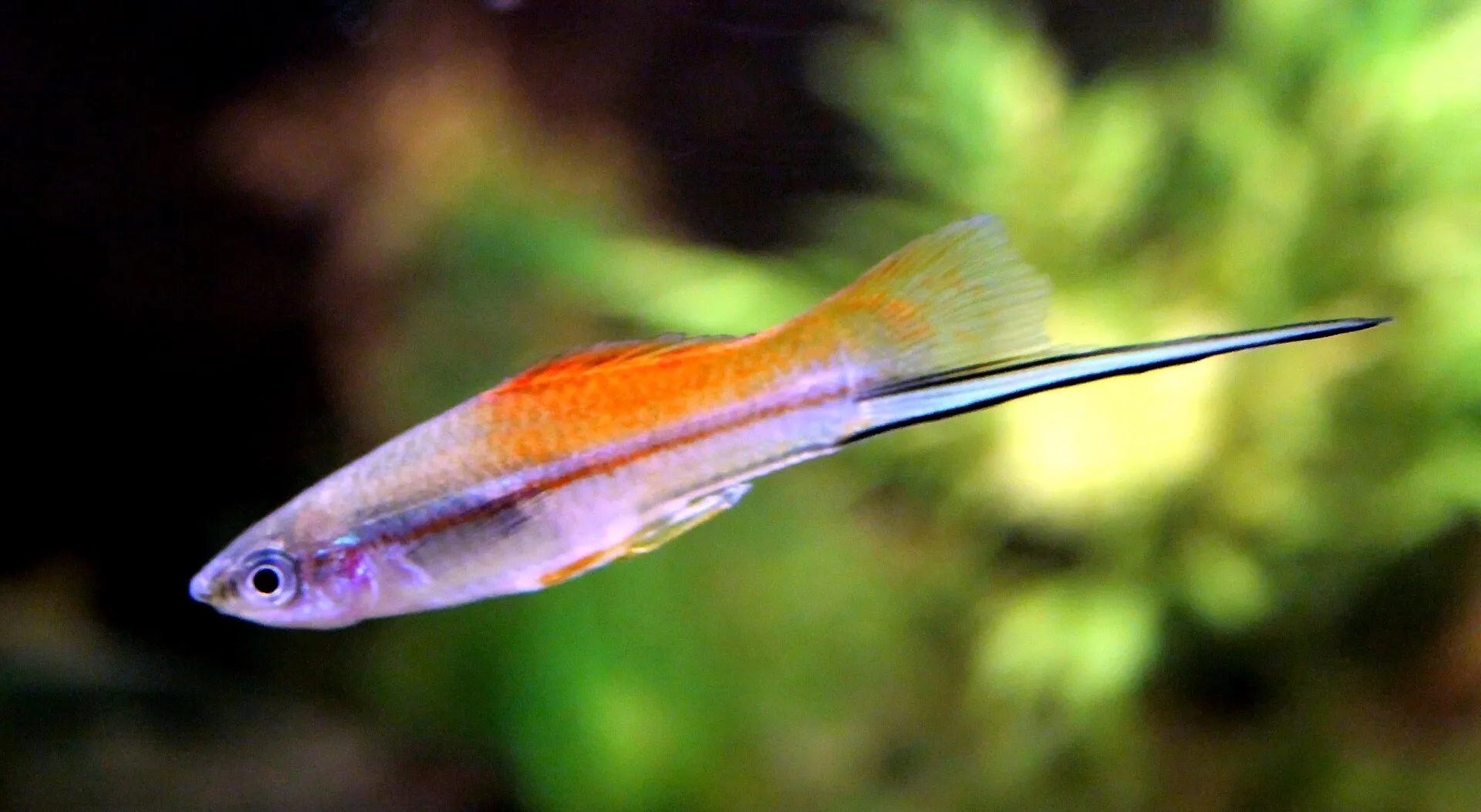
Livebearers give birth to free-swimming fry — prolific, colourful, and perfect for learning fish breeding basics.
Read more →