
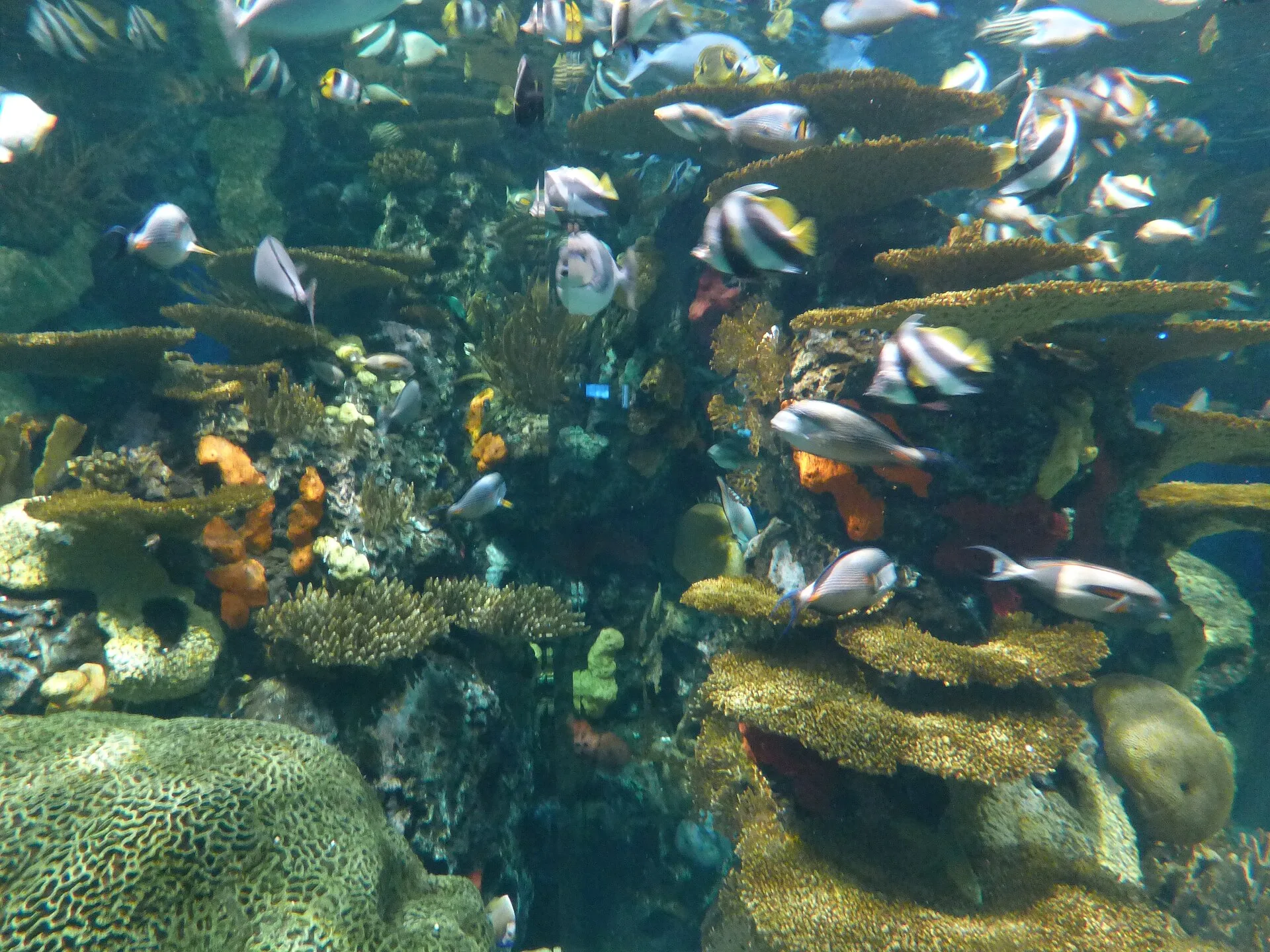
Magnesium in Reef Tanks
Magnesium keeps calcium and alkalinity in solution — low Mg causes white precipitation on heaters and stalled coral growth.
Read more →
Este centro de Guías en Fishy Friends reúne guías prácticas de acuarios para cuidadores que desean respuestas claras antes de cambiar el agua, el ganado o el equipo.
Utiliza estos artículos para emparejar especies con el tamaño del tanque, planificar la filtración y la alimentación, y solucionar problemas de química del agua sin adivinar. Cada guía está escrita para acuarios domésticos y enlaza a lecturas relacionadas cuando necesites más profundidad sobre guías de acuarios.
Comienza con lo básico: parámetros estables, hábitos de cuarentena y un horario de alimentación que coincida con el ganado; luego explora los perfiles y cómo hacerlo a continuación. Cuando estés listo para diversificar, salta a temas vecinos para que tu plan de guías de acuarios se mantenga consistente en todo el tanque.
Ya sea que estés llenando un primer tanque comunitario o refinando un paisaje establecido, guarda esta página en tus marcadores y regresa a medida que surjan preguntas. Los acuarios saludables se construyen a partir de pequeñas rutinas repetibles más que de mejoras únicas, y el éxito de las guías de acuarios sigue el mismo patrón.
Explora a continuación: Inicio de Fishy Friends, peces de agua dulce, peces de agua salada, plantas vivas.
Fishy Friends publica hojas de cuidado de especies, notas sobre plantas e invertebrados, ideas de aquascaping y explicaciones sobre el cuidado del agua para que los consejos de guías de acuarios sean fáciles de encontrar. Lee una guía a fondo, aplícala lentamente y utiliza los centros enlazados arriba cuando quieras un segundo ángulo sobre el mismo problema.
Antes de comprar ganado o repensar la filtración, revisa dos o tres artículos de guías de acuarios aquí y anota los números objetivo para temperatura, dureza y alimentación. Esa breve lista de verificación previene los reinicios más comunes y mantiene tu acuario más cerca de la exhibición tranquila y saludable que estás buscando.
Regresa después de los cambios de agua o nuevas adiciones: compara lo que ves en el tanque con las listas de verificación de guías de acuarios a continuación, luego sigue un siguiente paso recomendado en lugar de cambiar todo de una vez. Las mejoras constantes se acumulan, y Fishy Friends está diseñado para apoyar ese ritmo.
Magnesium keeps calcium and alkalinity in solution — low Mg causes white precipitation on heaters and stalled coral growth.
Read more →
Alkalinity is the backbone of coral skeleton building — unstable dKH causes more reef losses than any single parasite.
Read more →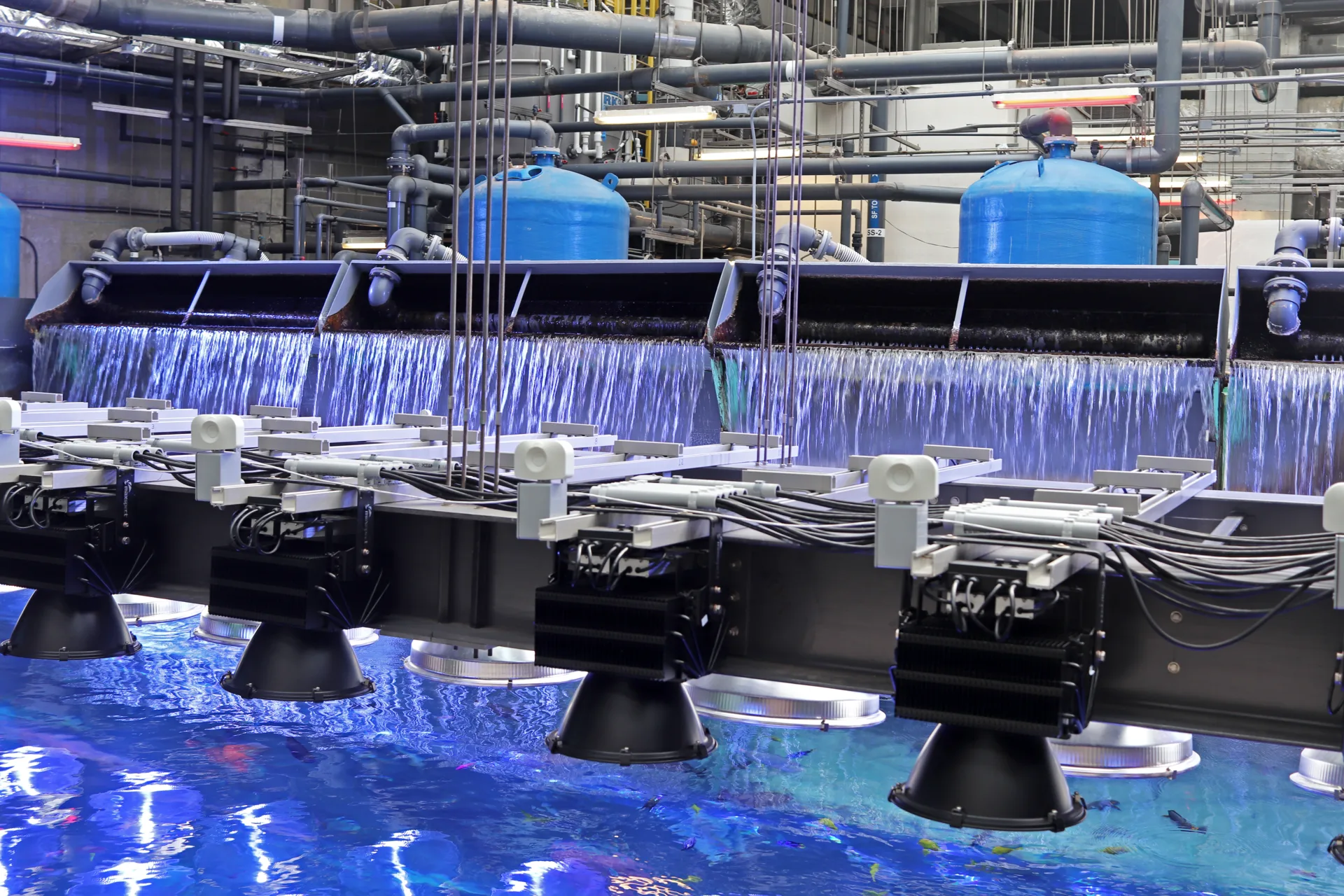
Phosphate fuels algae and slows coral calcification — learn where it enters and how to export it without crashing a balanced reef.
Read more →
Total dissolved solids affect shrimp, discus, and soft-water species — a TDS pen is cheap insurance against invisible parameter drift.
Read more →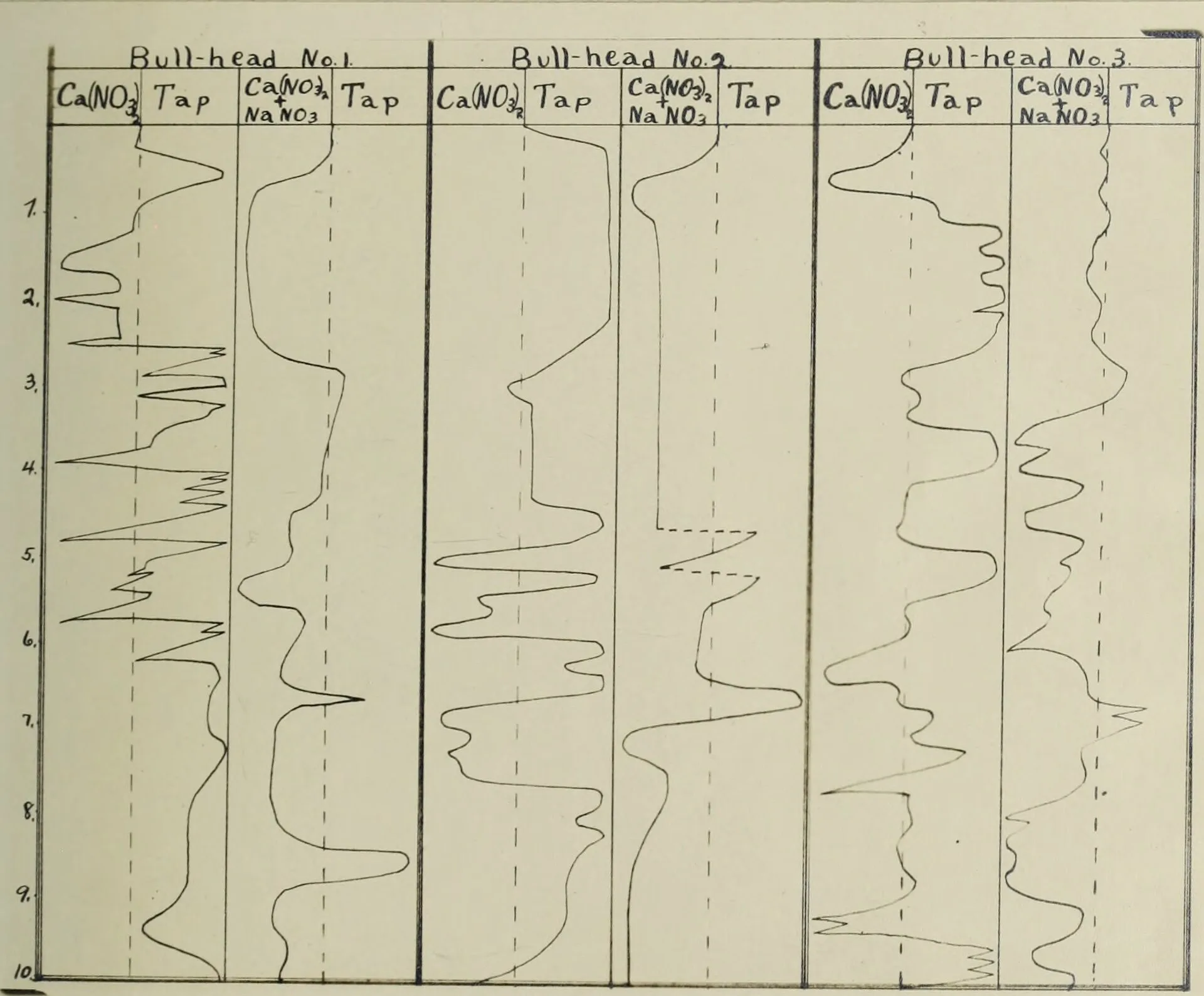
Nitrate is the end of the nitrogen cycle — controlling it long term means managing inputs and exports, not chasing one magic product.
Read more →
Nitrite poisoning turns fish lethargic and gasping — identify the source fast and stop the spike before permanent gill damage.
Read more →
Skipping meals occasionally can aid digestion and water quality — but the right schedule depends on species, age, and tank conditions.
Read more →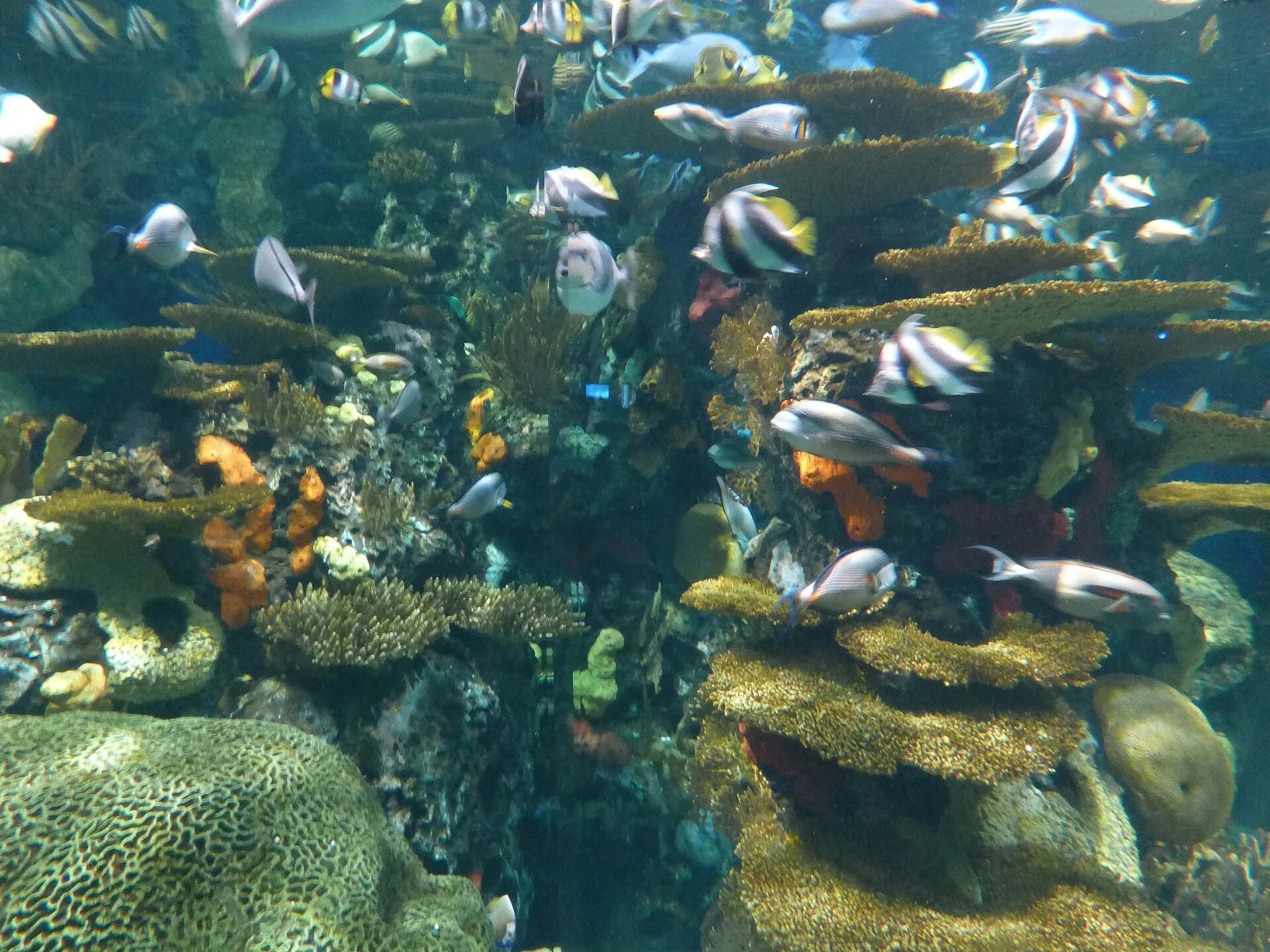
Target feeding delivers meaty foods directly to coral polyps — growth and color improve when done consistently without overloading the system.
Read more →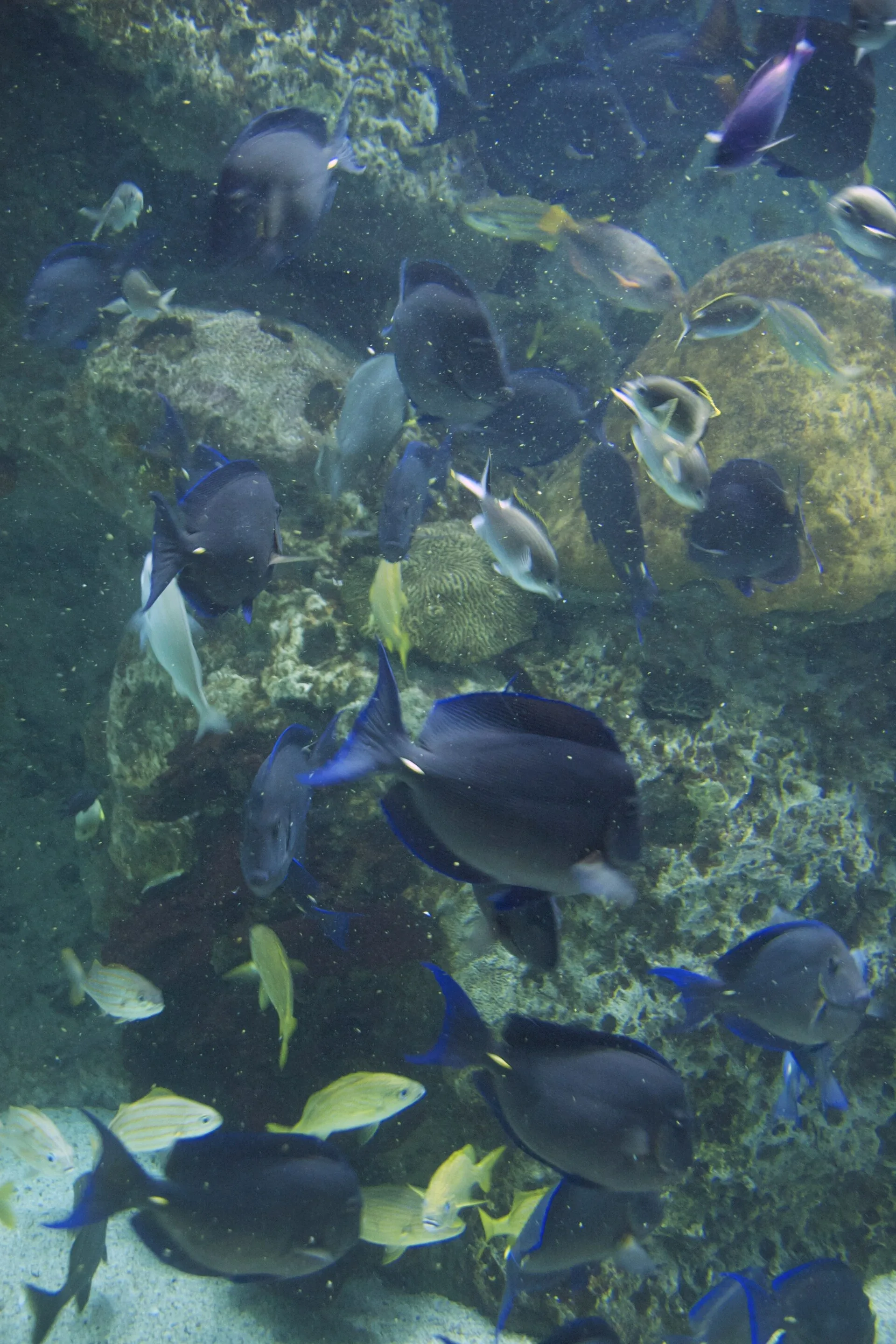
Homemade gel food lets you control ingredients for picky breeders, cichlids, and catfish — cheaper than boutique frozen blends at scale.
Read more →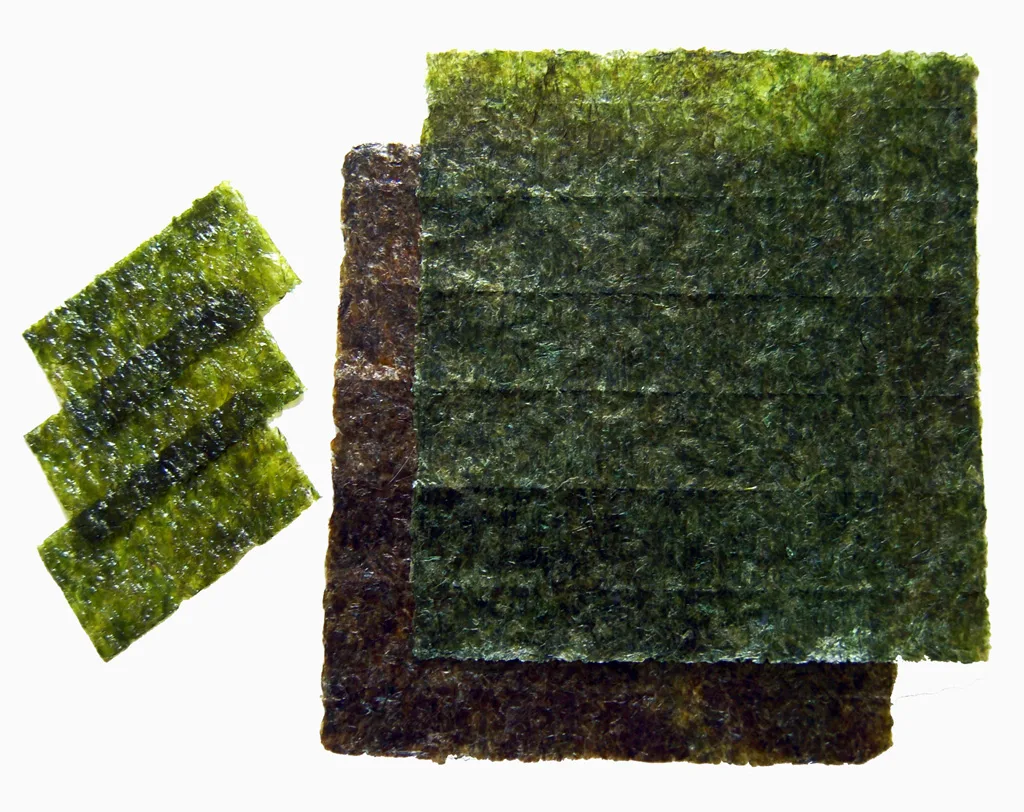
Human-grade nori sheets are cheap marine greens — clip them in the tank and watch tangs, rabbitfish, and plecos graze for hours.
Read more →
Phytoplankton feeds filter-feeding corals and clams — valuable when dosed in moderation to tanks that actually consume it.
Read more →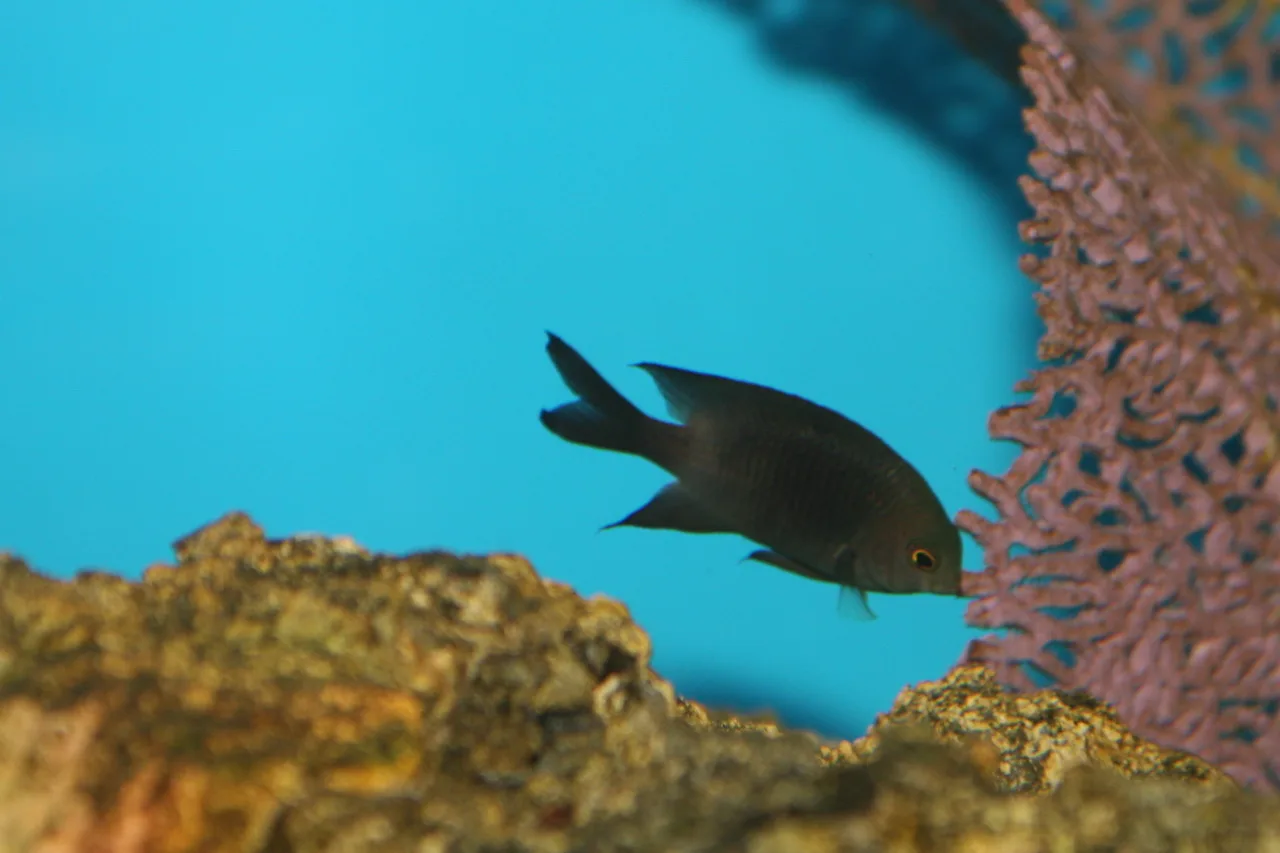
Copepods are living reef plankton — mandarins, wrasses, and corals all benefit when populations persist in live rock and refugiums.
Read more →
Both worms drive fish into a feeding frenzy — but sourcing, hygiene, and disease history differ sharply between cultured blackworms and wild tubi…
Read more →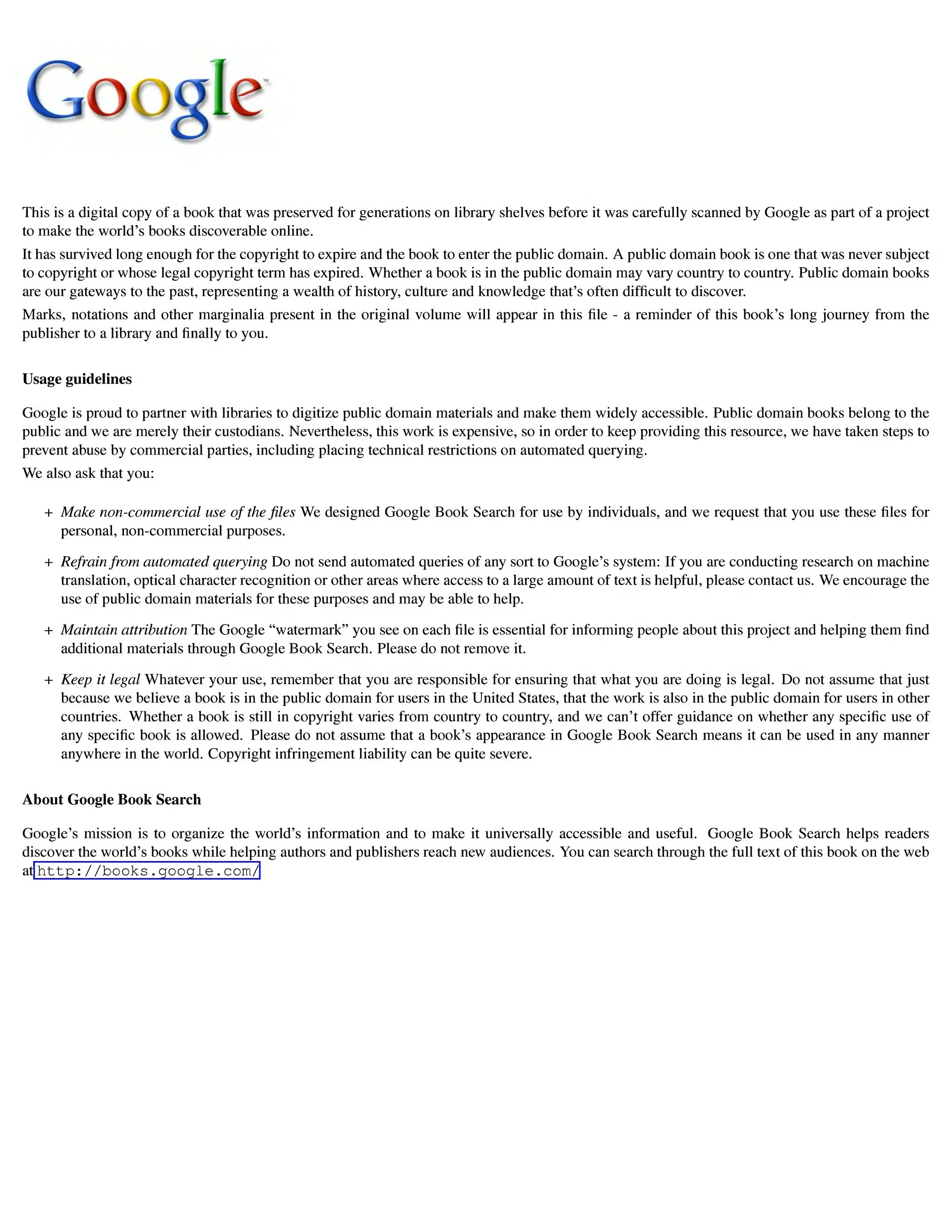
Vinegar eels survive days in freshwater without drowning fry tanks in acid — perfect for species too small for microworms at hatch.
Read more →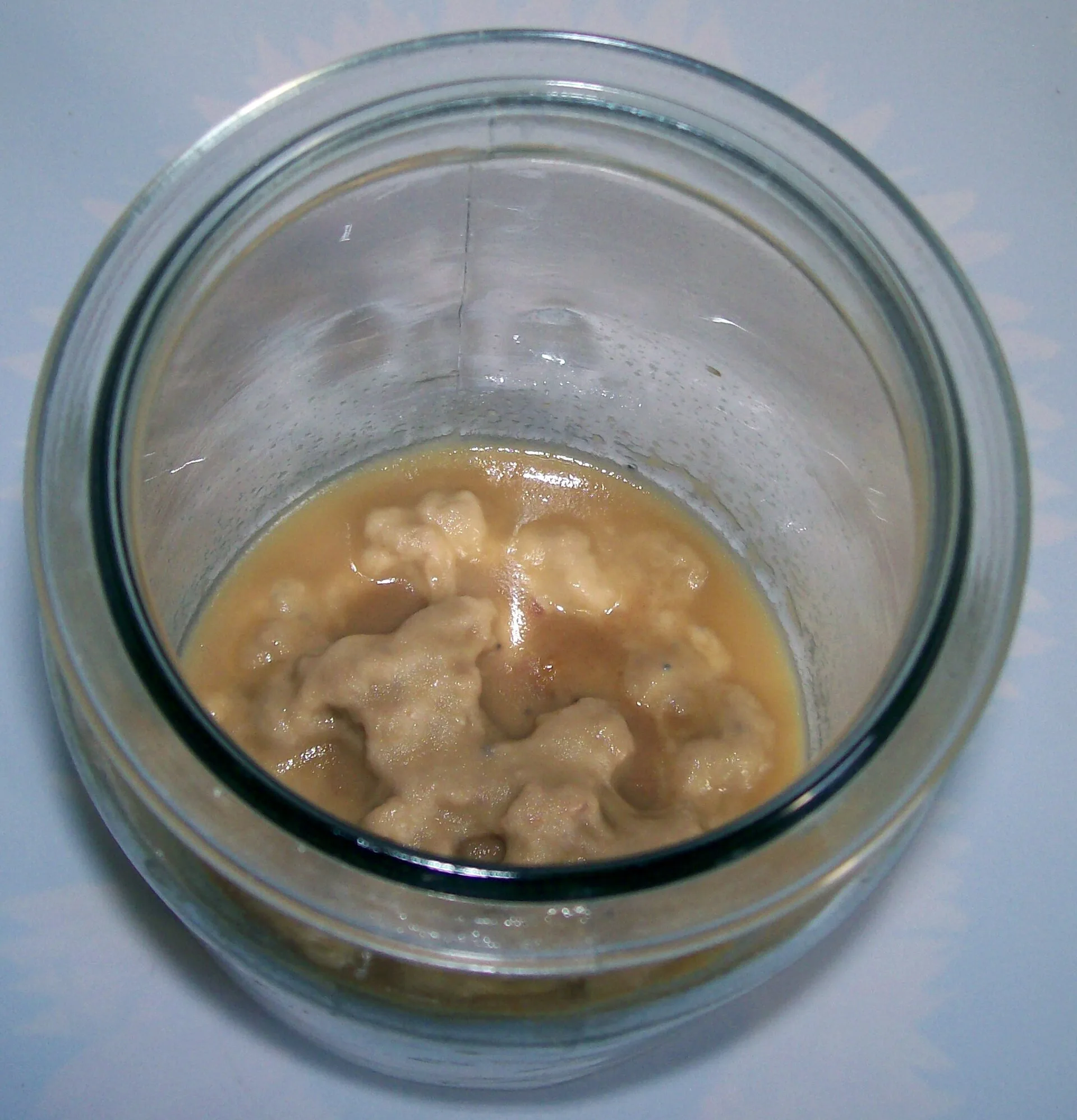
Microworms wriggle indefinitely in water, triggering feeding responses in fry — one of the easiest live foods to maintain on a kitchen counter.
Read more →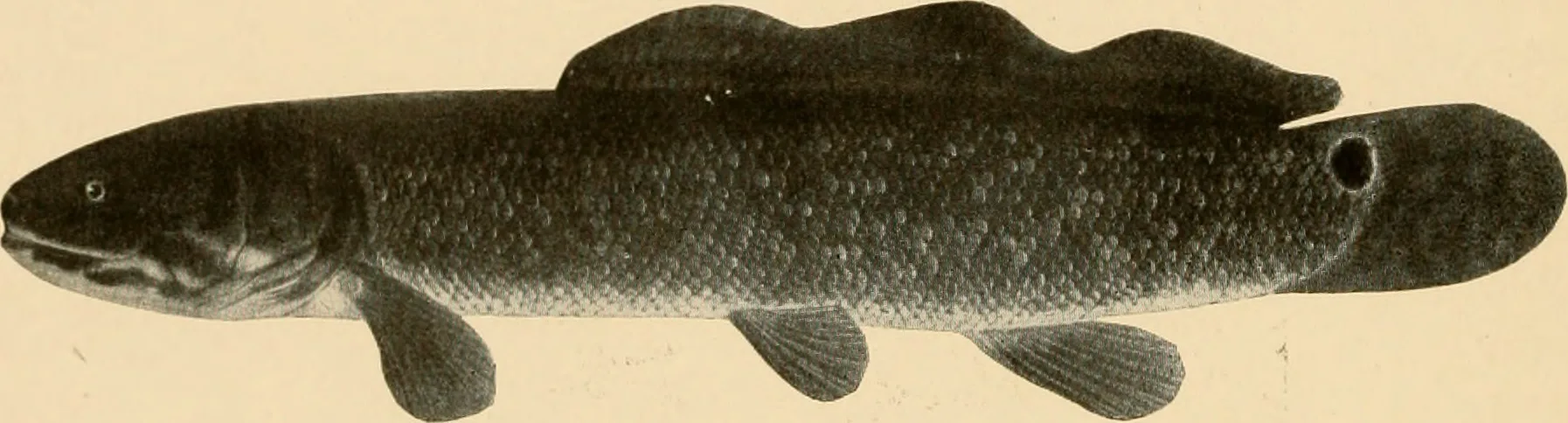
Infusoria are the invisible first meal for the tiniest fry — easy to culture at home with lettuce, hay, or commercial starters.
Read more →
Automated dosing keeps reef parameters stable when consumption outpaces manual water changes — but sloppy calibration causes worse swings than no…
Read more →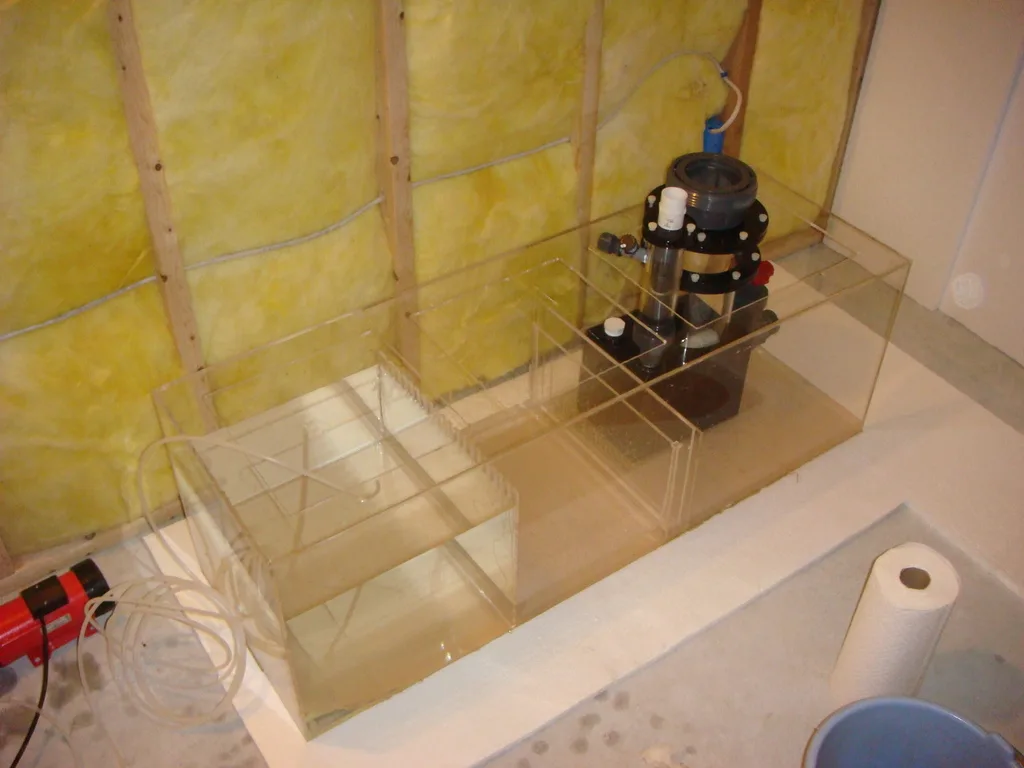
Sumps expand filtration capacity, hide gear, and enable refugiums that export nutrients — the backbone of most serious reef systems.
Read more →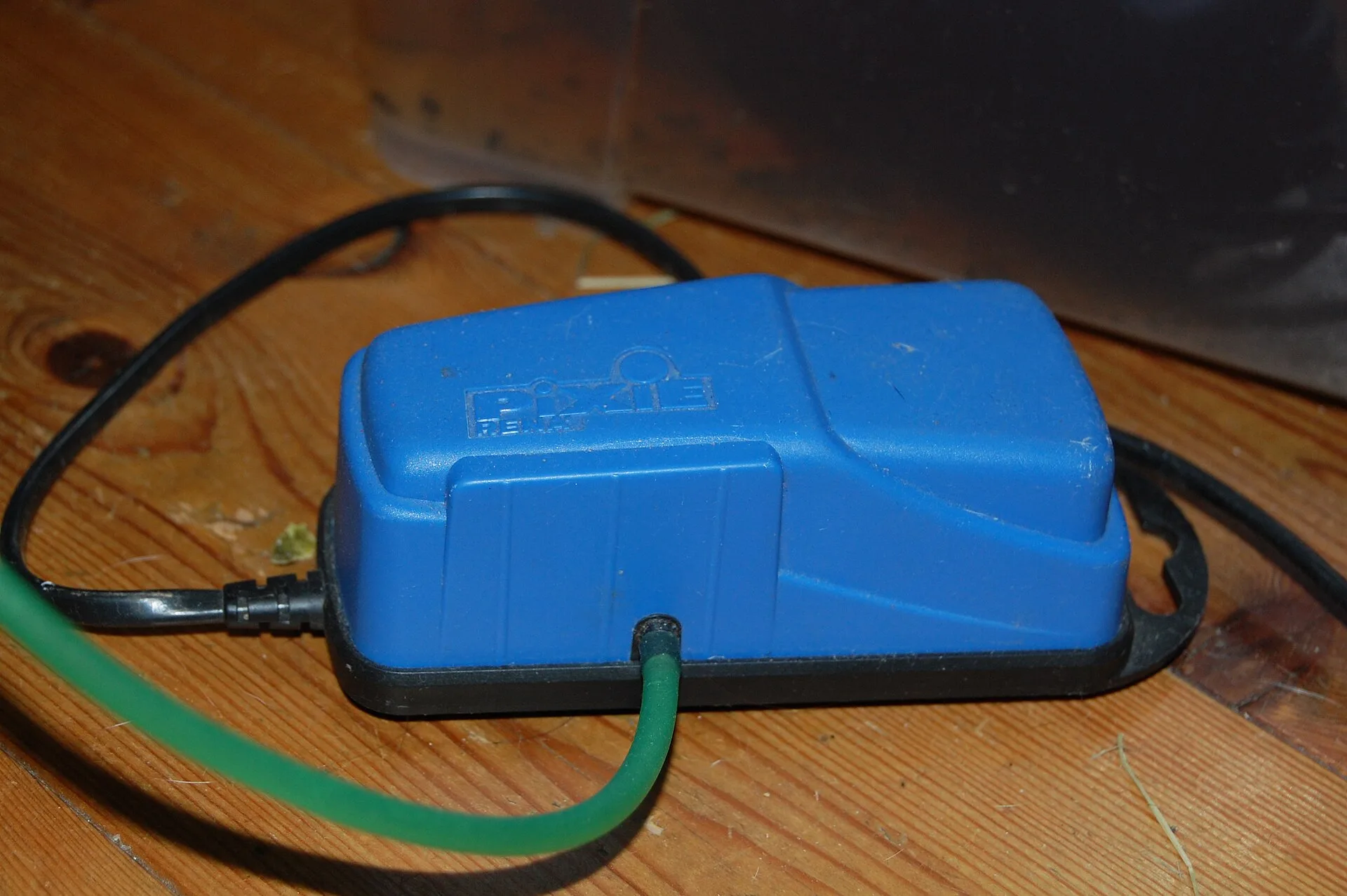
Air pumps drive sponge filters, uplift tubes, and emergency backup aeration — simple gear that prevents silent disasters during outages.
Read more →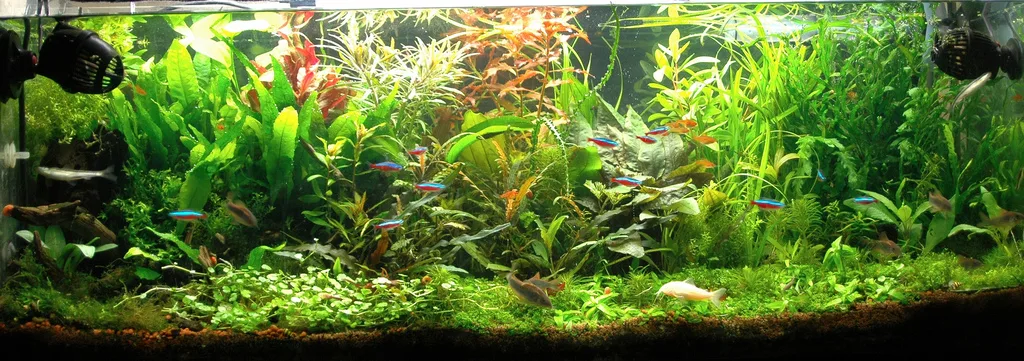
Stable injected CO2 transforms high-light planted tanks — but only when regulators, diffusers, and drop checkers work together safely.
Read more →
When room temperature or high-intensity lighting pushes tanks past safe limits, a chiller becomes essential insurance — not a luxury gadget.
Read more →
Bettas are hardy — not indestructible. Build a heated, filtered, planted home instead of a bare bowl, and your fish will show real colour and per…
Read more →
Proper flow keeps reef corals fed, distributes heat and oxygen, and prevents detritus pockets — but too much current stresses fish and plants.
Read more →
UV sterilizers clarify water and reduce free-floating pathogens — useful tools when sized for contact time, not magic boxes that replace good hus…
Read more →