
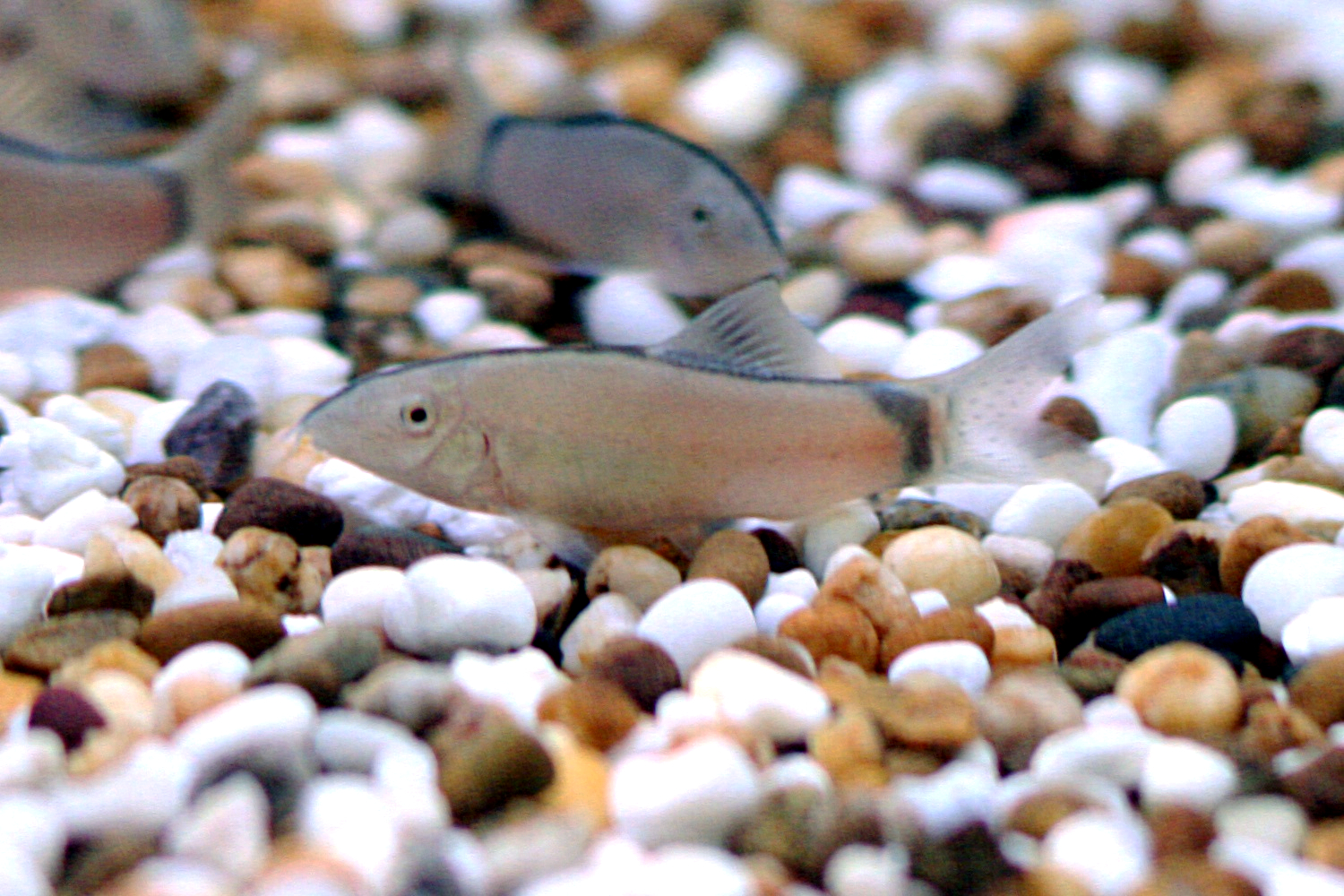
Skunk Loach (Yasuhikotakia morleti)
Yasuhikotakia morleti wears a dorsal skunk stripe and a subocular spine: a Mekong loach to keep as five-plus (or one), under a latched lid, and nev…
Read more →
Yasuhikotakia morleti wears a dorsal skunk stripe and a subocular spine: a Mekong loach to keep as five-plus (or one), under a latched lid, and nev…
Read more →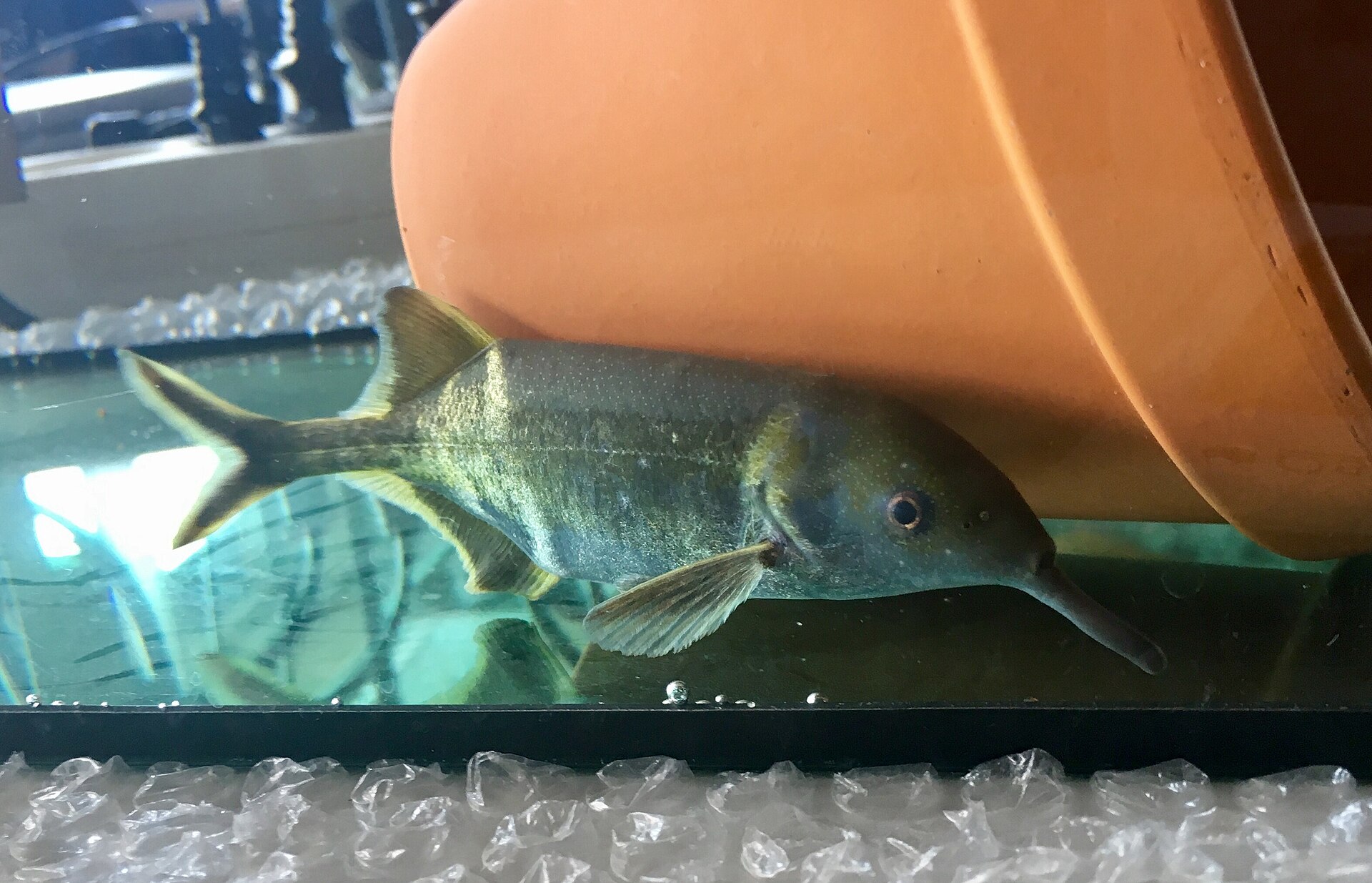
Gnathonemus petersii hunts with a weakly electric chin in the dark: sand, dim cover, meat at dusk, and a tank without stray voltage or a bully on t…
Read more →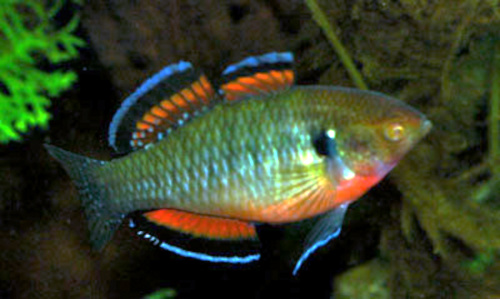
Hypseleotris compressa males look painted when they colour up: an Australian gudgeon of 10–12 cm that sits, lunges, and does not belong in a nano…
Read more →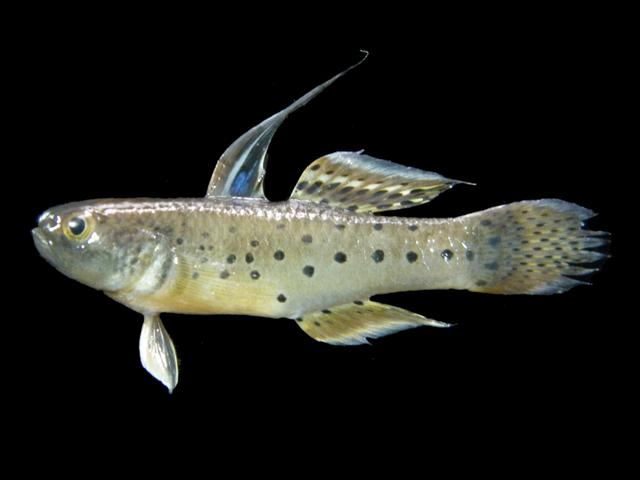
Stigmatogobius sadanundio, the knight goby, is an estuarine sentry — spotted, territorial, meat-eating — that wants hard freshwater or honest b…
Read more →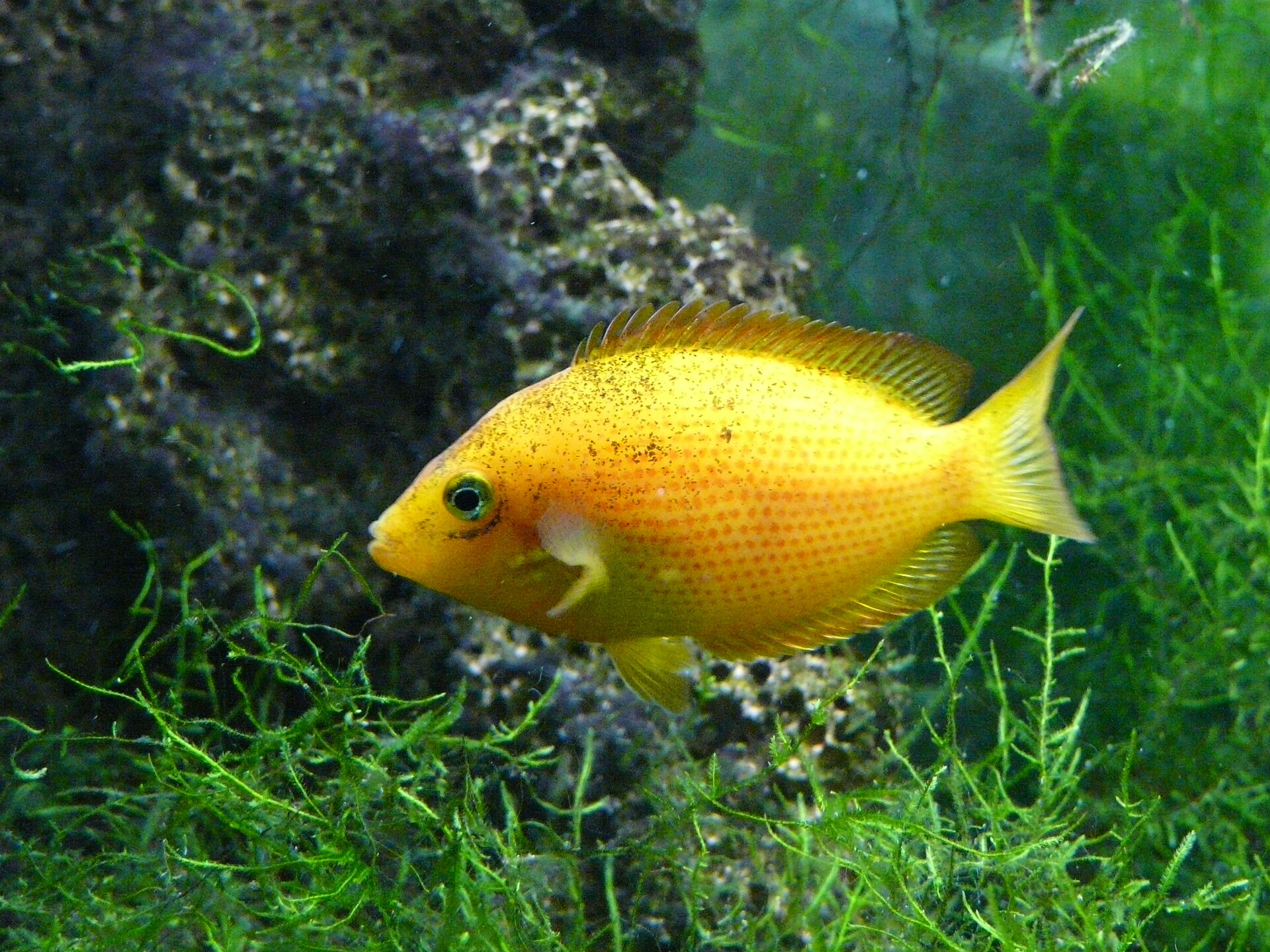
Etroplus maculatus, the orange chromide of India and Sri Lanka, colours like a sunset when the pair and the hardness are right, with optional brack…
Read more →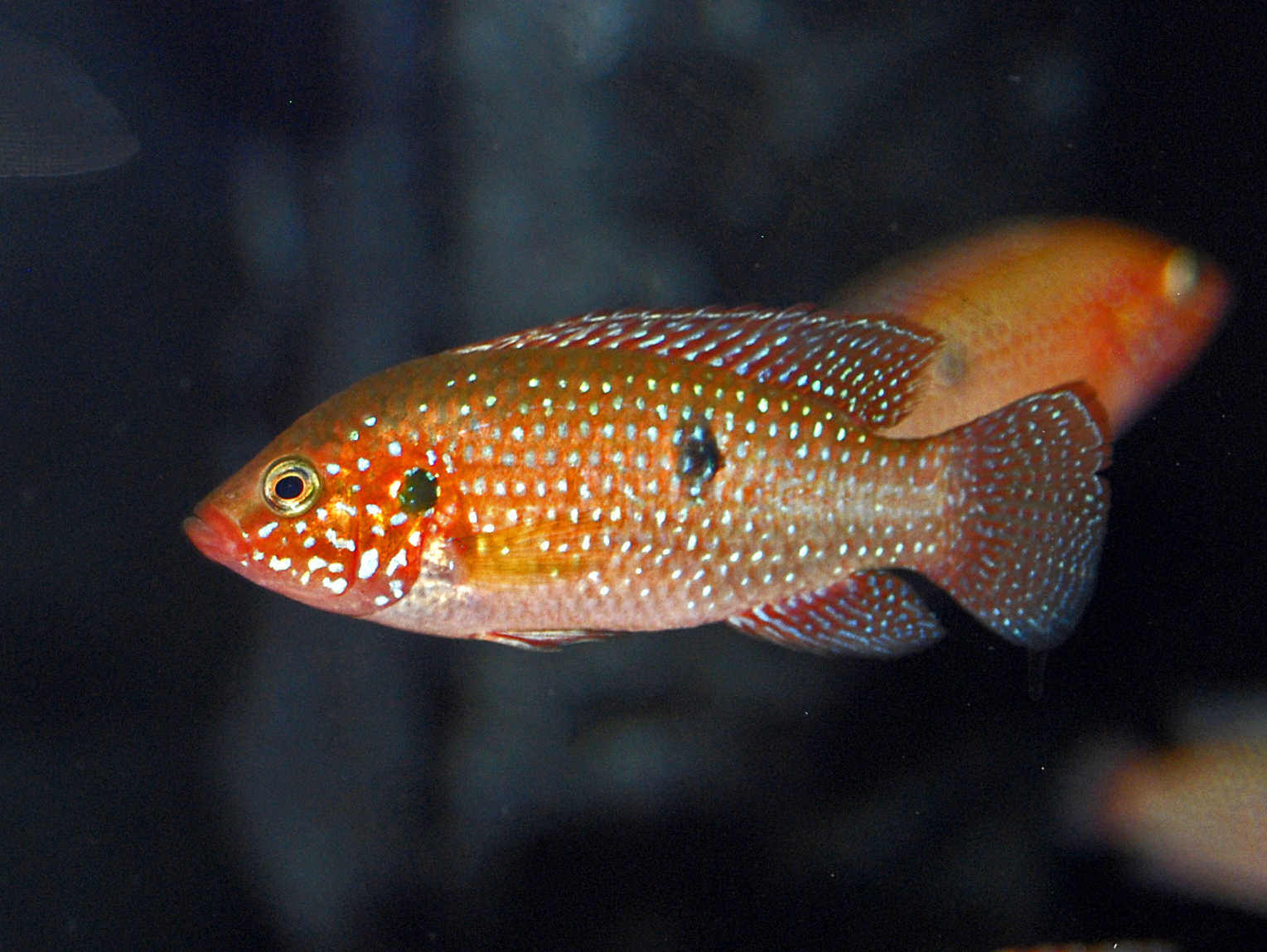
Hemichromis lifalili is a Congo jewel the size of a hand and the confidence of a much larger cichlid — red, turquoise-spangled, and territorial t…
Read more →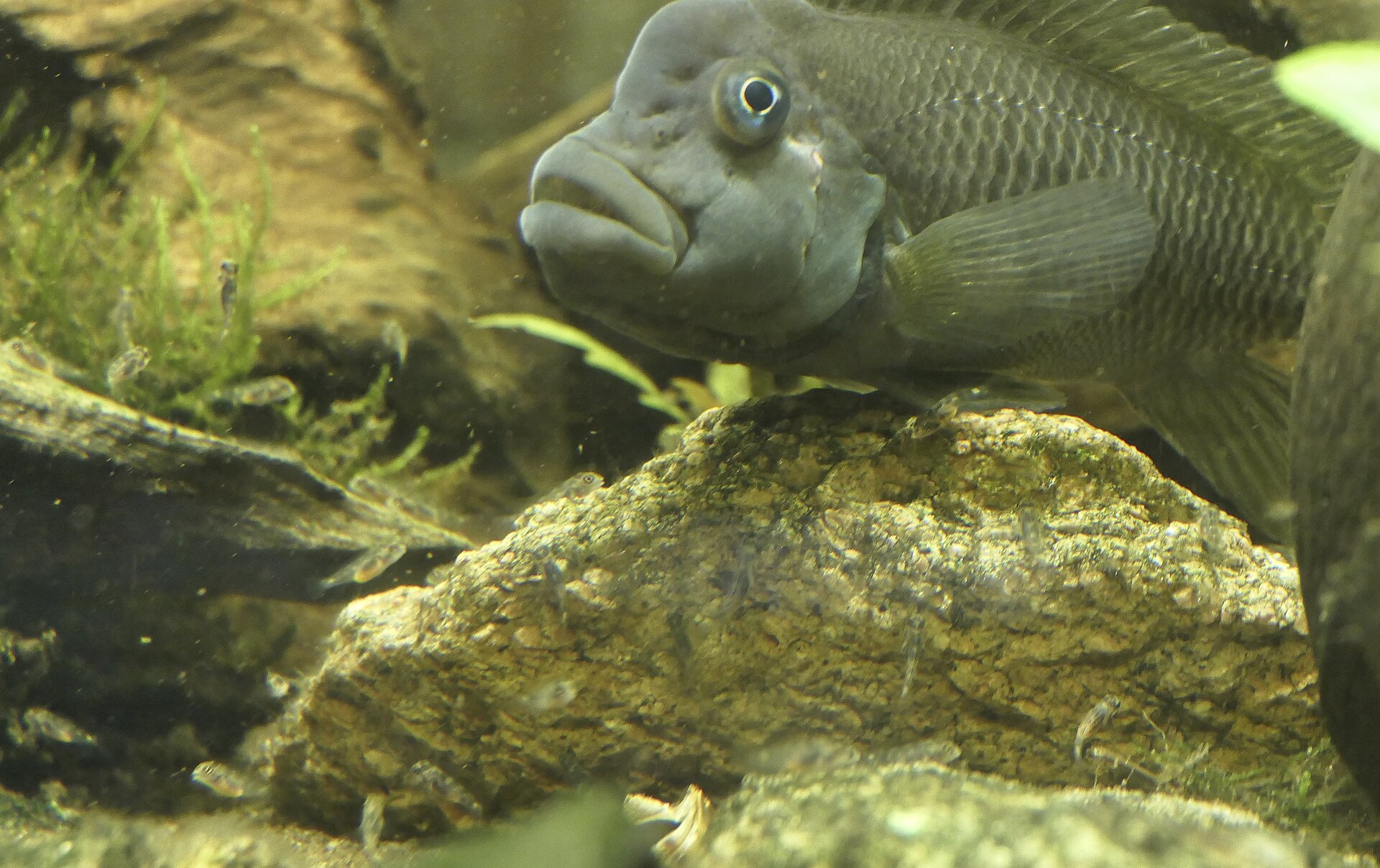
Steatocranus casuarius hops through Congo rapids more than it swims: a reduced swim bladder, a nuchal hump on the male, and an aquarium built of cu…
Read more →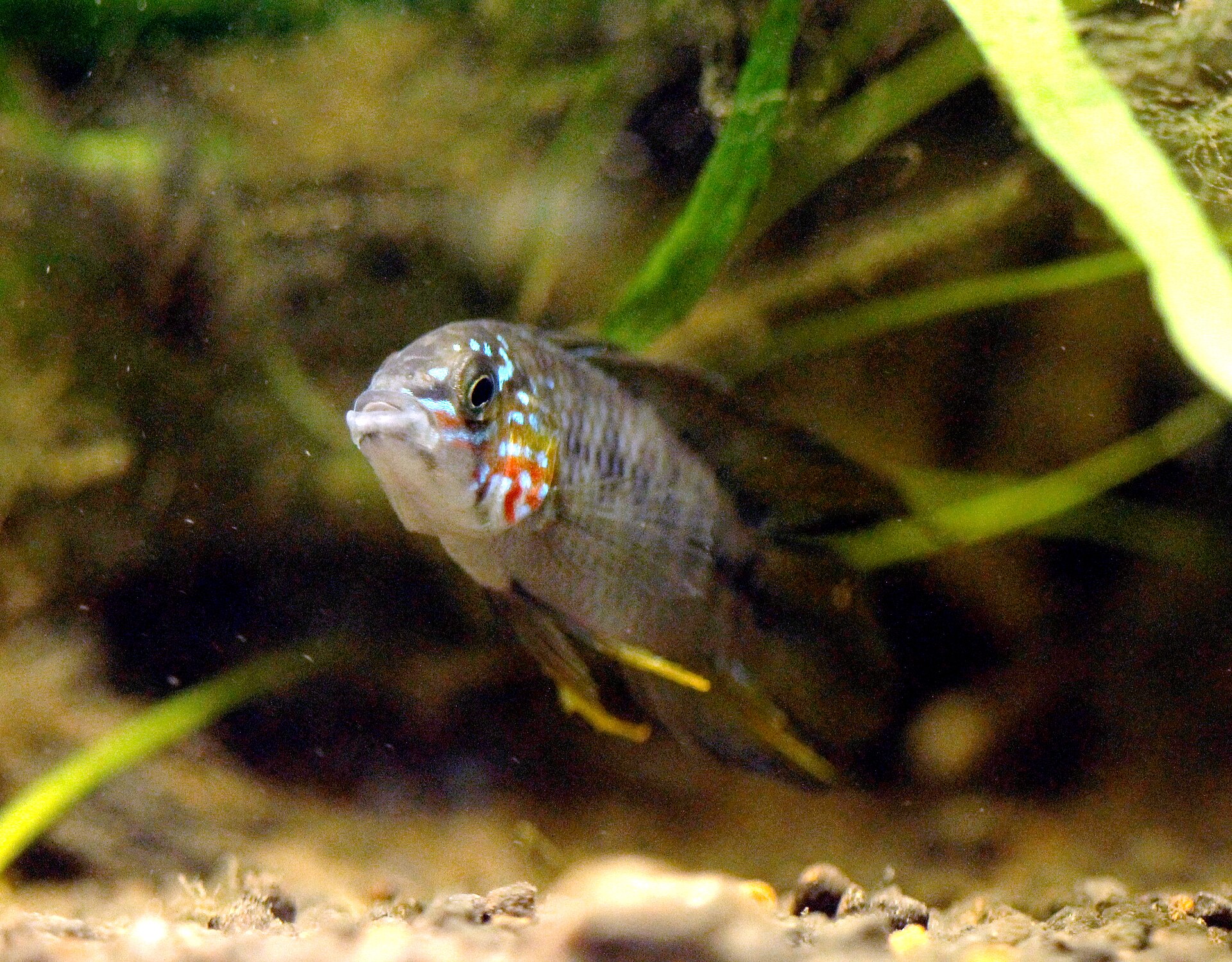
Apistogramma borellii is the yellow dwarf of the Paraná floodplain, more forgiving of hardness than most apistos, and at its best when one male ha…
Read more →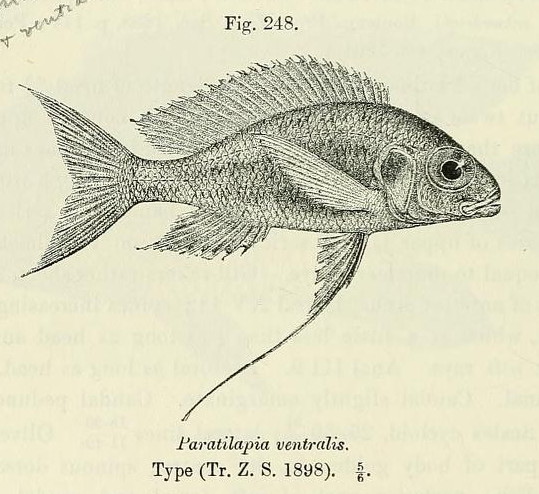
Males of Ophthalmotilapia ventralis trail yellow egg-spots on elongated ventrals and hold leks over Tanganyika sand — a featherfin that needs vol…
Read more →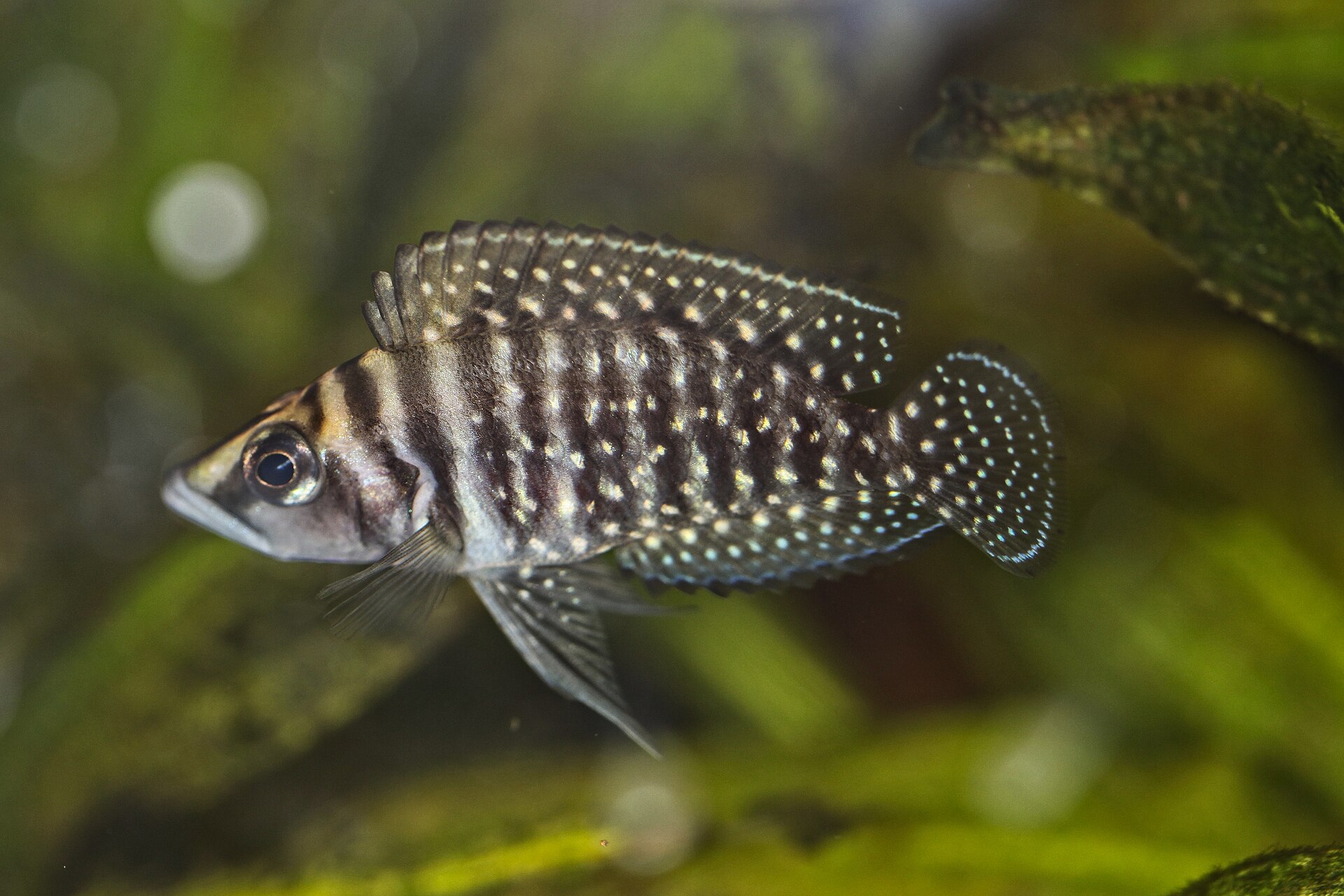
Calvus is a compressed, pearly Tanganyikan that slides into fissures and hunts whatever fits. The female spawns where the male cannot follow.
Read more →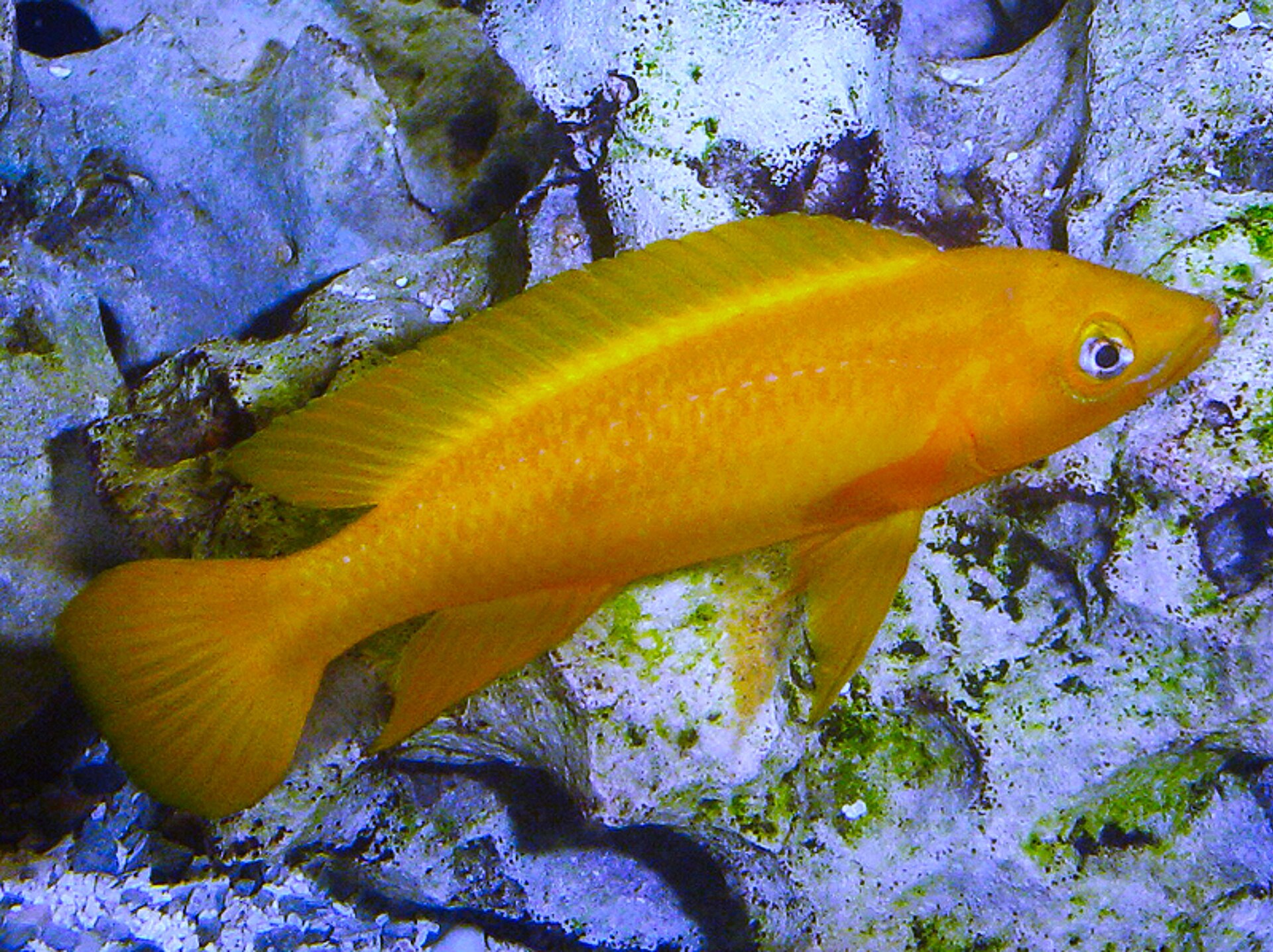
Lemon cichlids stay lemon when a Tanganyikan cave pair gets crustacean-rich food and a hole they actually own. Beige is usually the tank talking, n…
Read more →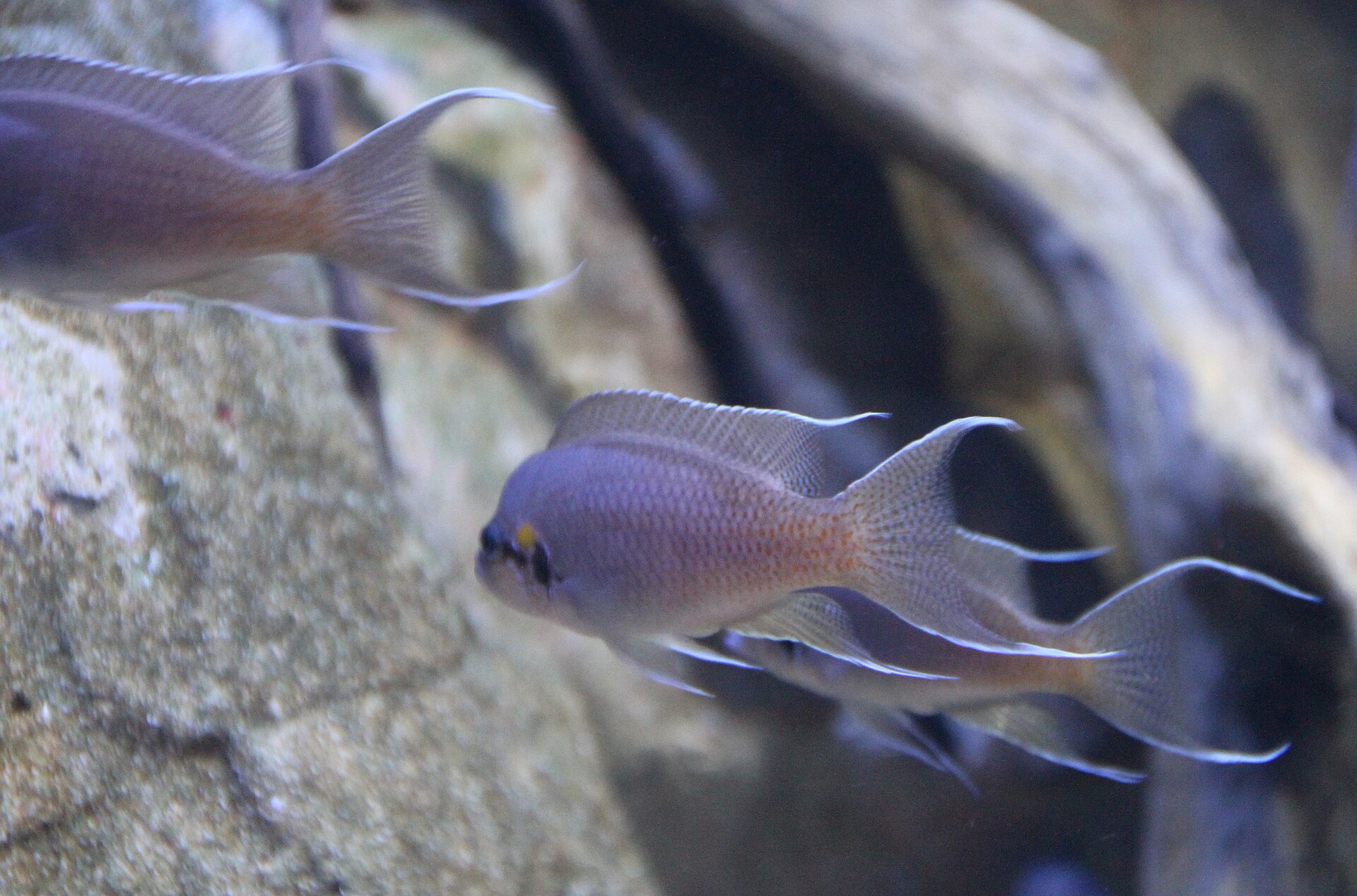
Fairy cichlids are lyretail Tanganyikans whose “pair” becomes a palace of helpers. Build for the dynasty, or the clan annexes every cave you me…
Read more →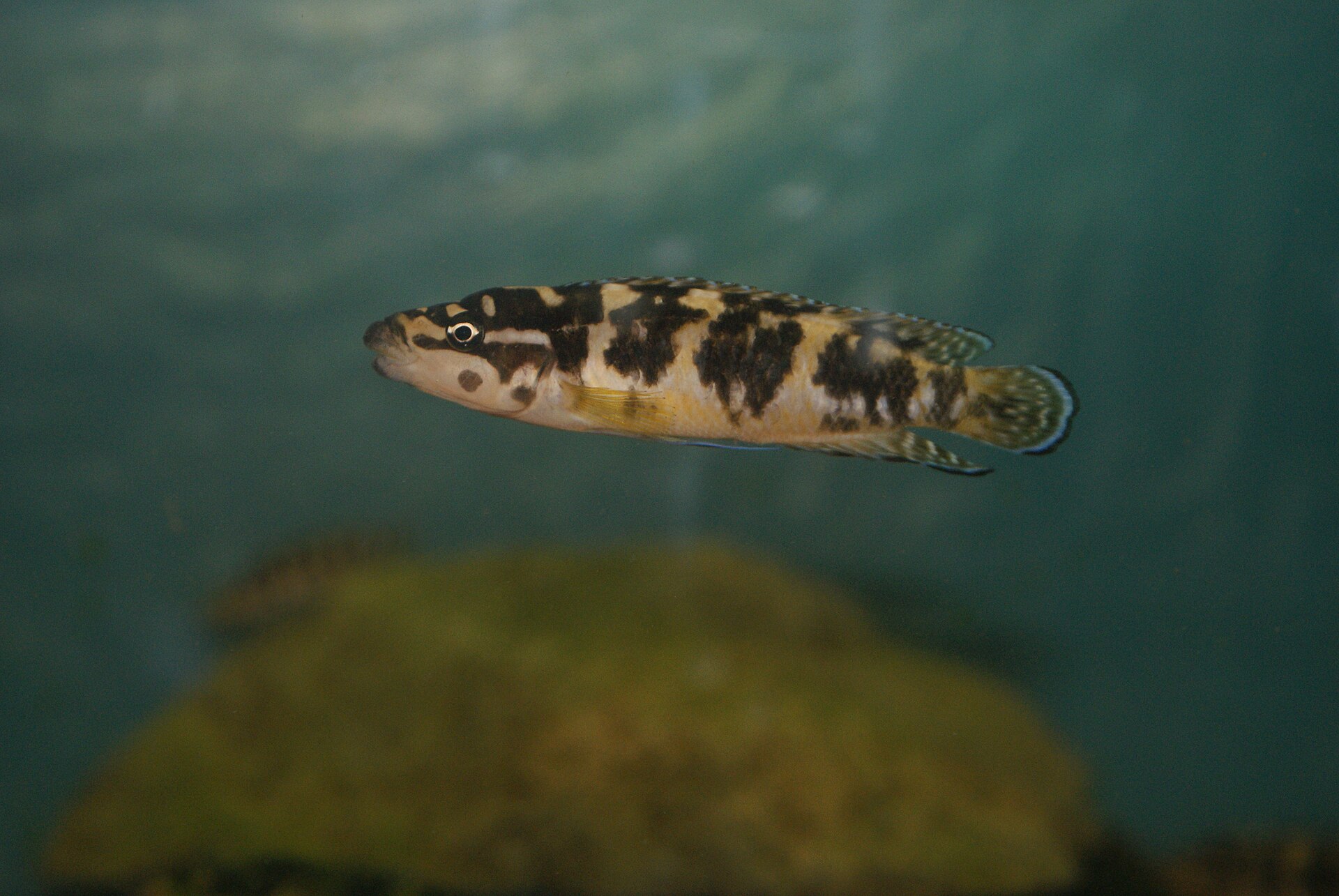
The maze-patterned julie stitches itself into a crack, spawns on a cave ceiling, and may raise stacked generations—or end the marriage if the tan…
Read more →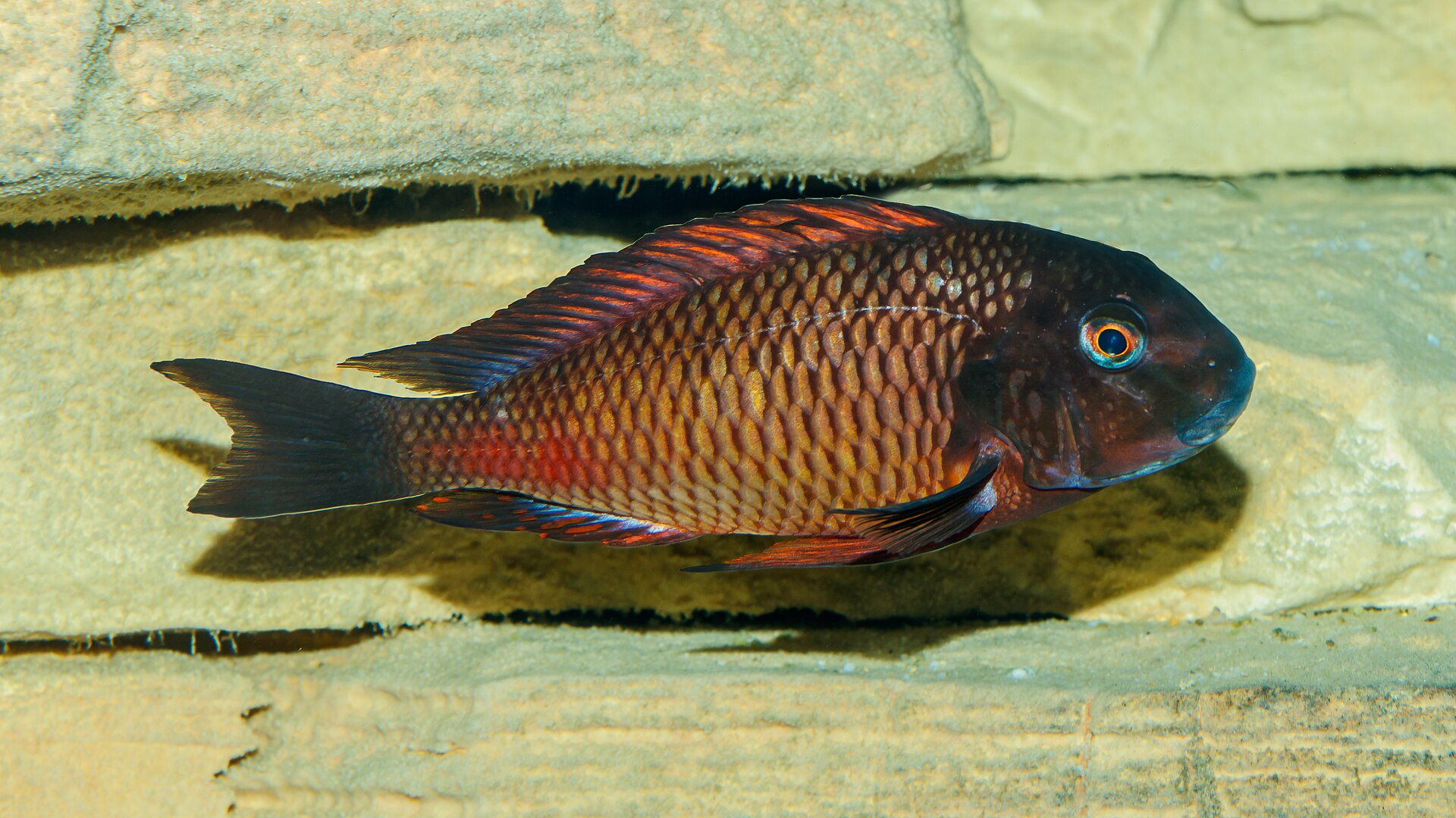
Tropheus moorii is a Tanganyikan grazing colony, not a pair of treats. Rock, alkaline water, fibre, and a dozen fish are the contract; daily bloodw…
Read more →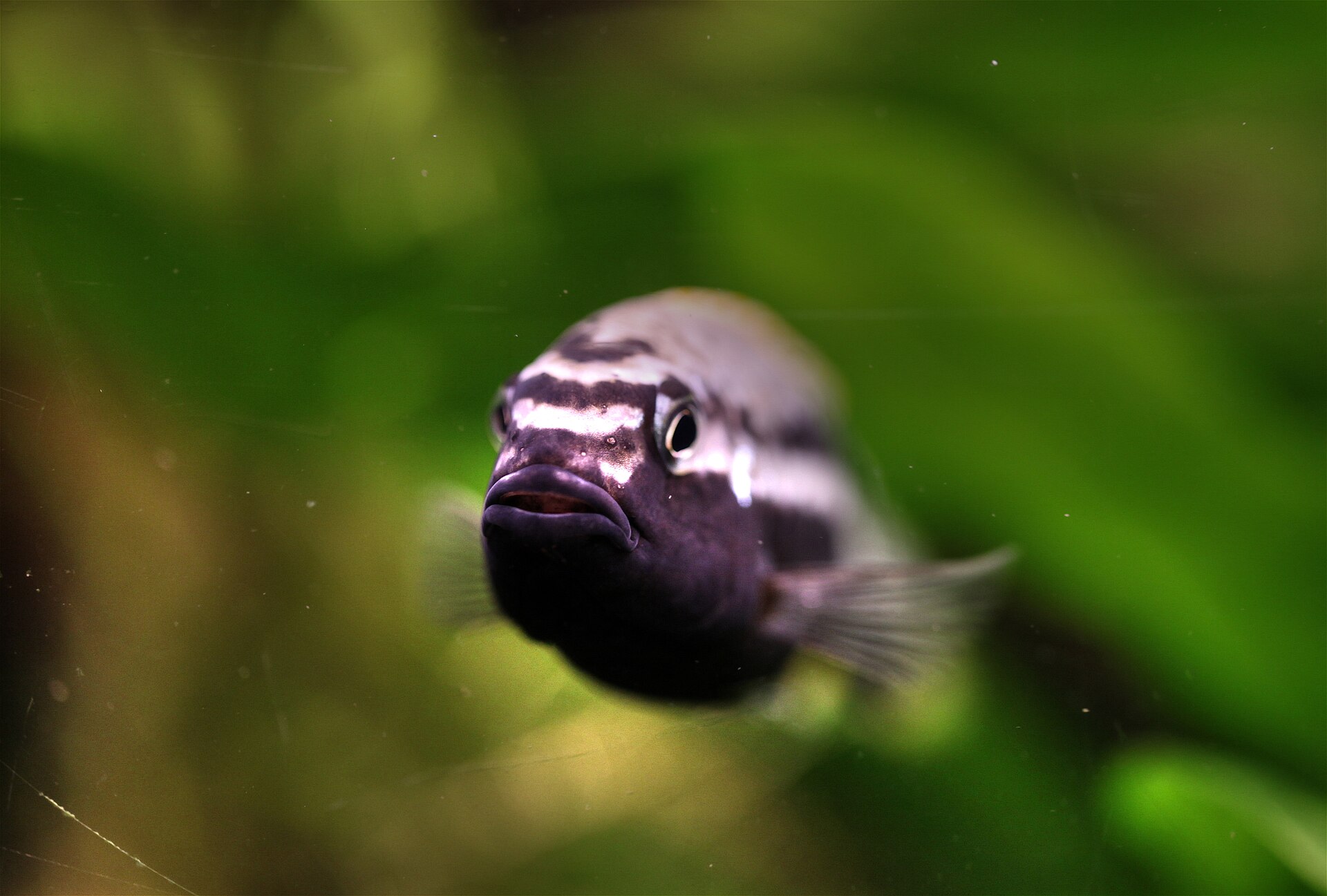
Golden mbuna females stay yellow-striped; males invert into a dark, electric-striped night form. One male, many females, rocks, and vegetables.
Read more →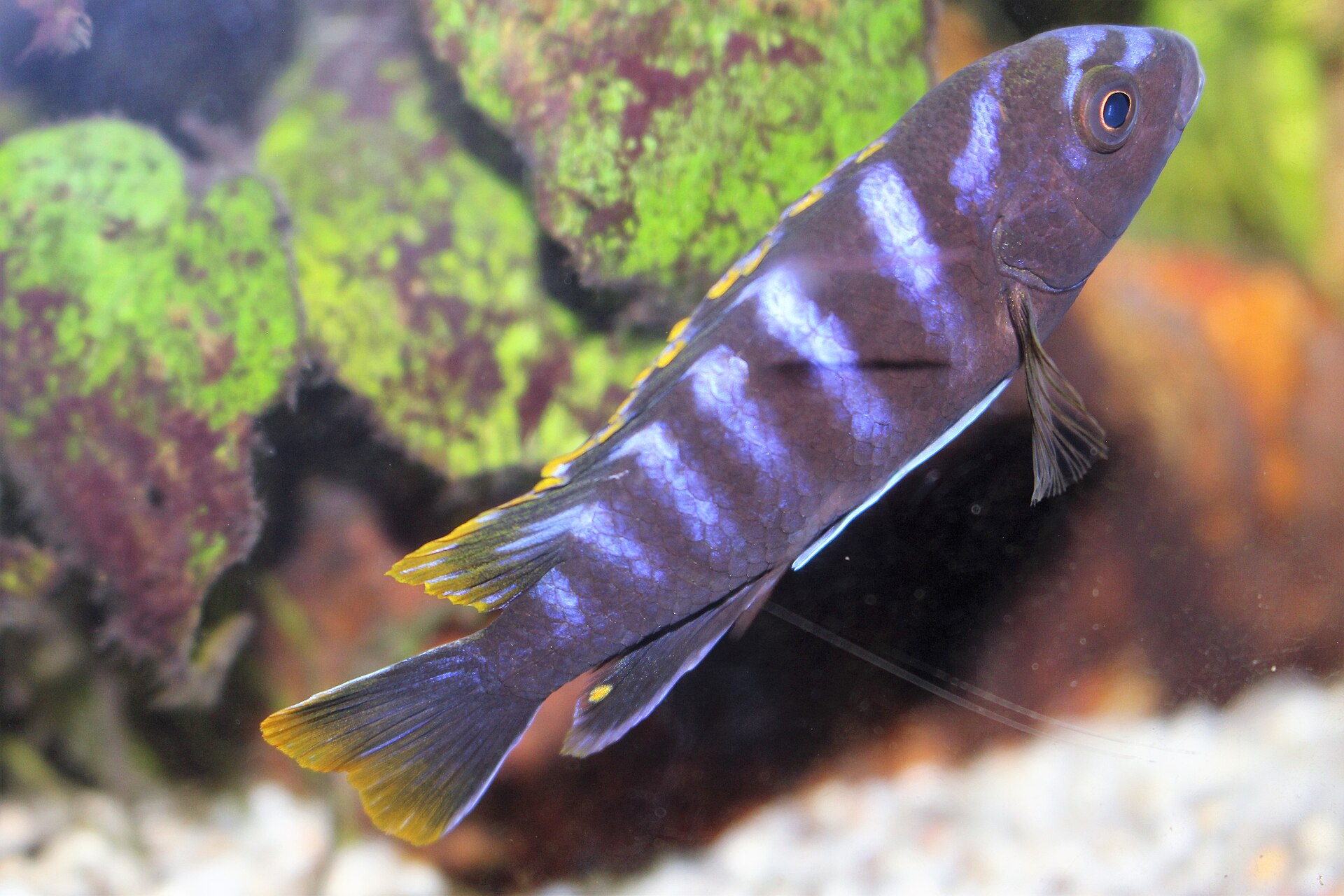
Demasoni are 7 cm Pombo Rocks mbuna that behave like a reef. Overstock the rock city, feed greens, and skip the pair-in-a-nano fantasy.
Read more →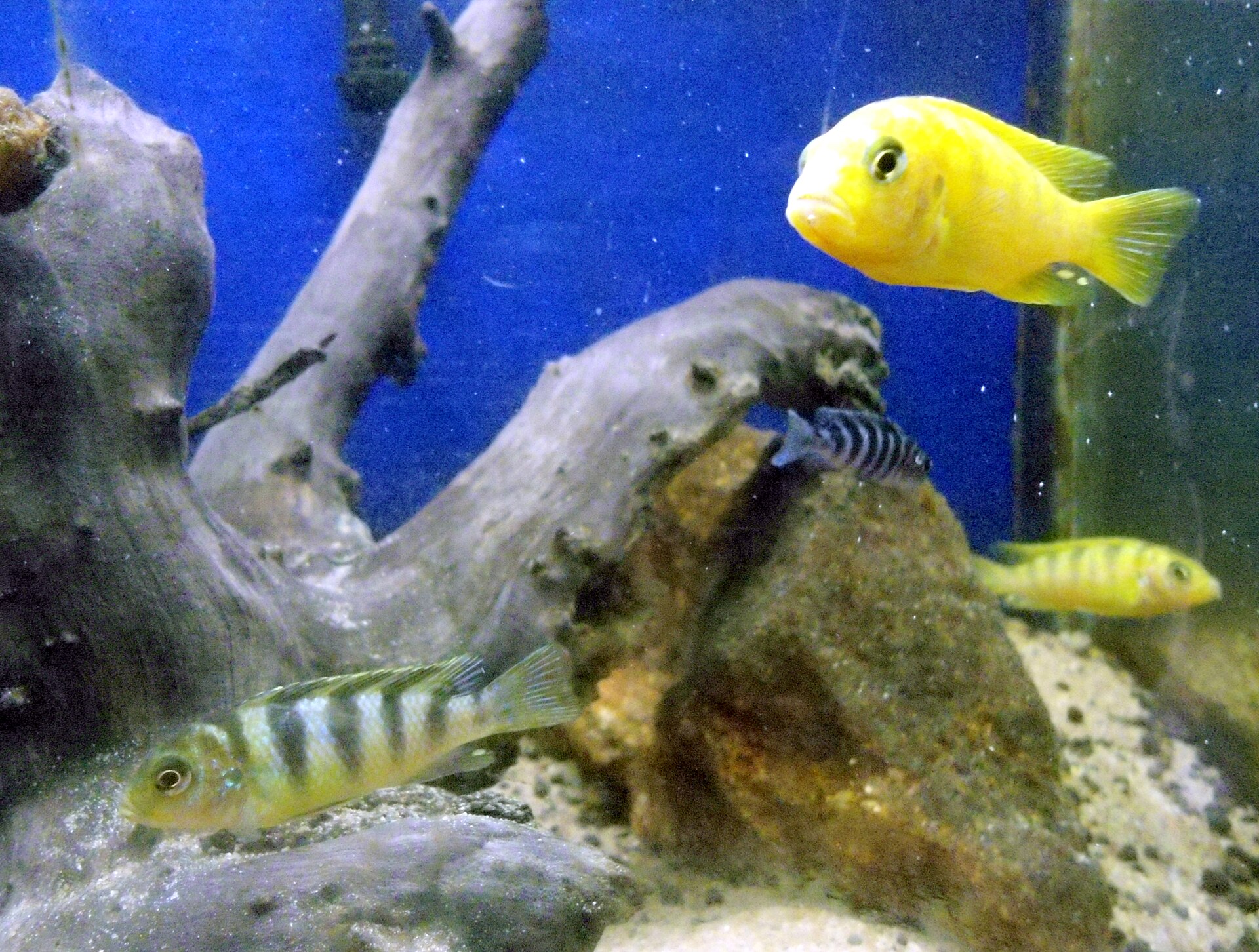
Kenyi reverse the usual Malawi colours: yellow males, blue-barred females. The gold fish is not a second species—it is puberty on Mbenji rock.
Read more →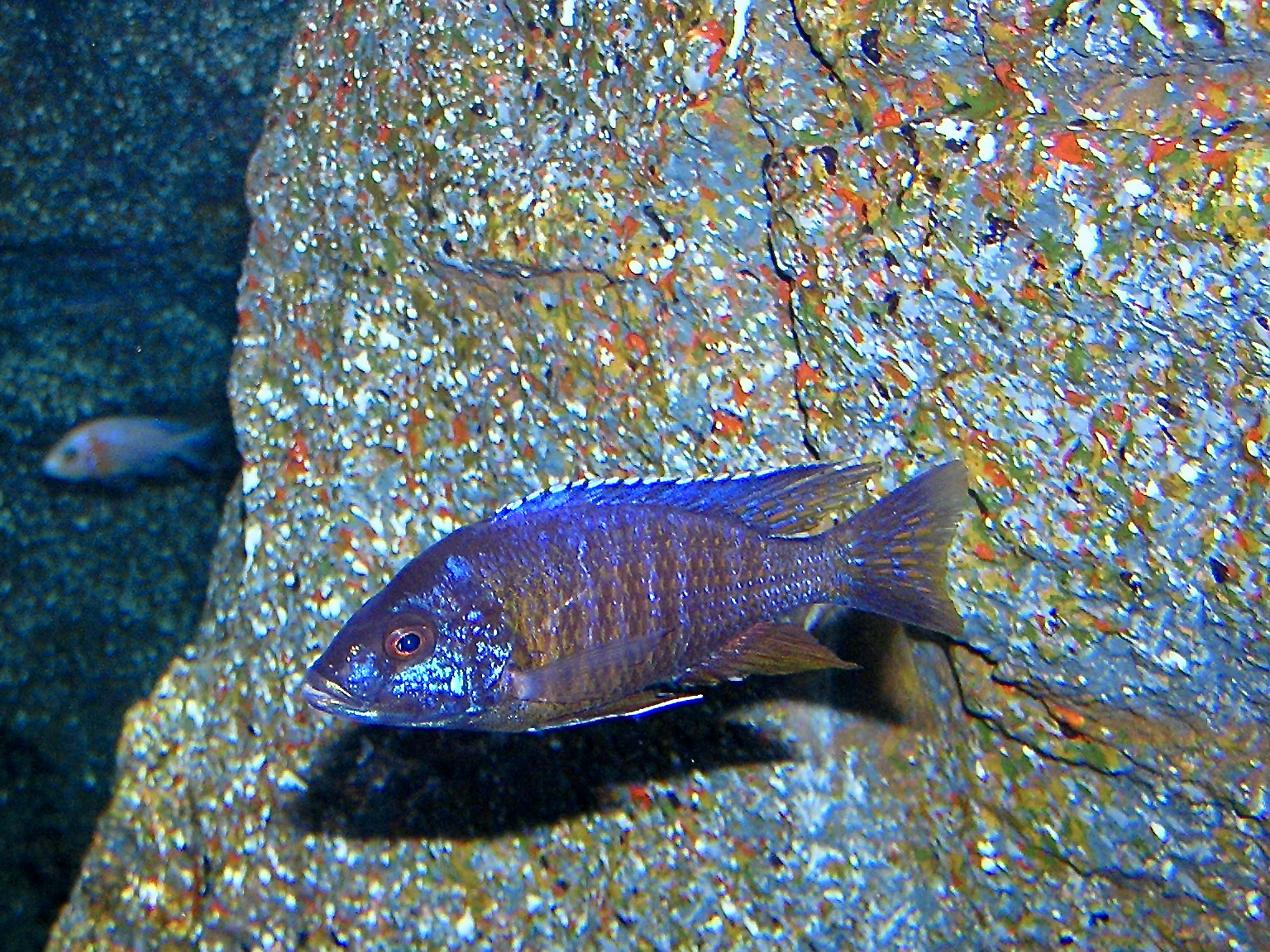
Electric blue haps are Malawi piscivores: cobalt males, silver females, hard alkaline water, and a harem. Small tank-mates are not dither fish. The…
Read more →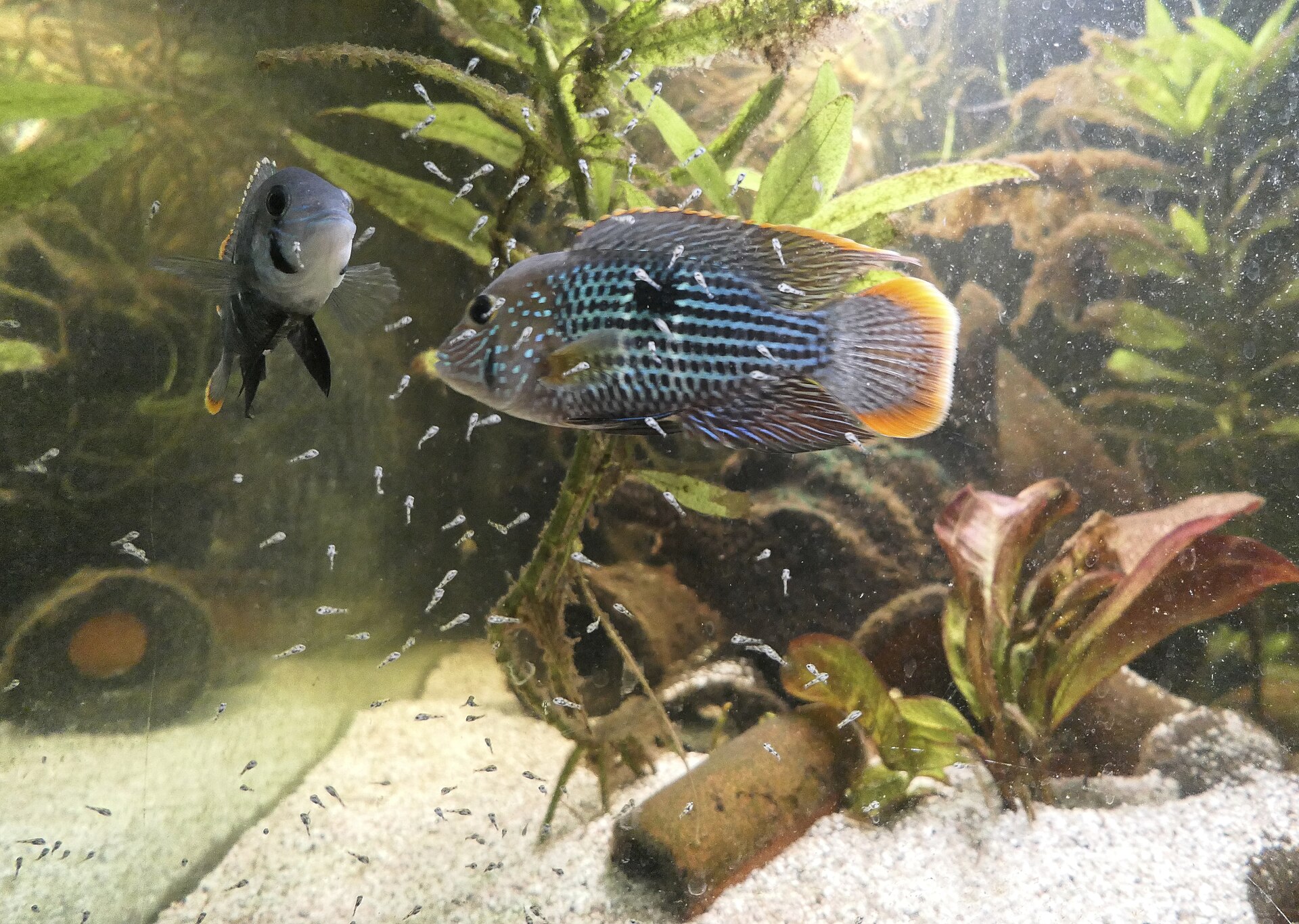
Andinoacara rivulatus from Ecuador and Peru is a metallic, large, territorial cichlid. The common name is the warning: this is not a peaceful commu…
Read more →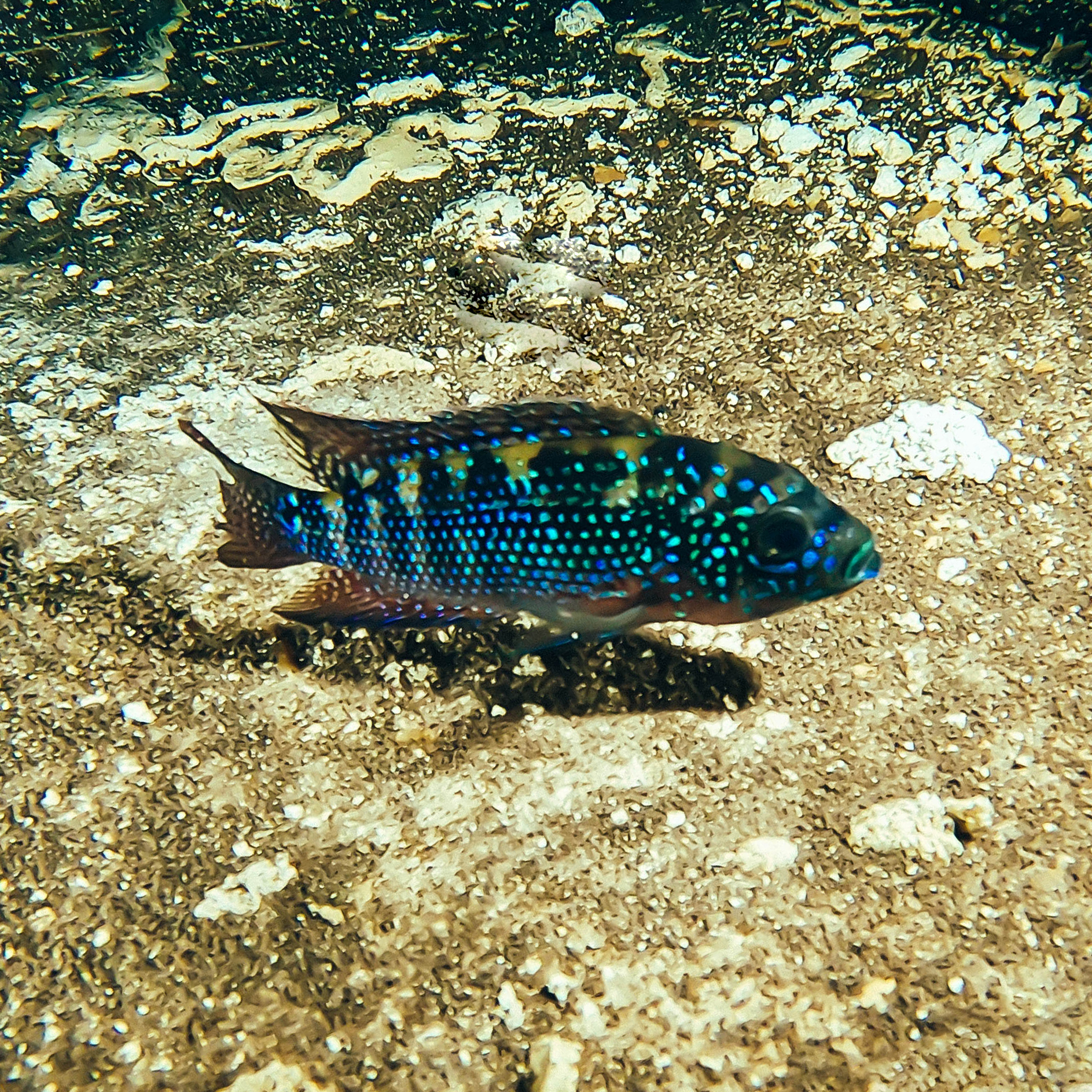
Named for a heavyweight, the Jack Dempsey is a digging Central American cichlid with turquoise spangles and a pair’s worth of territory in 200 li…
Read more →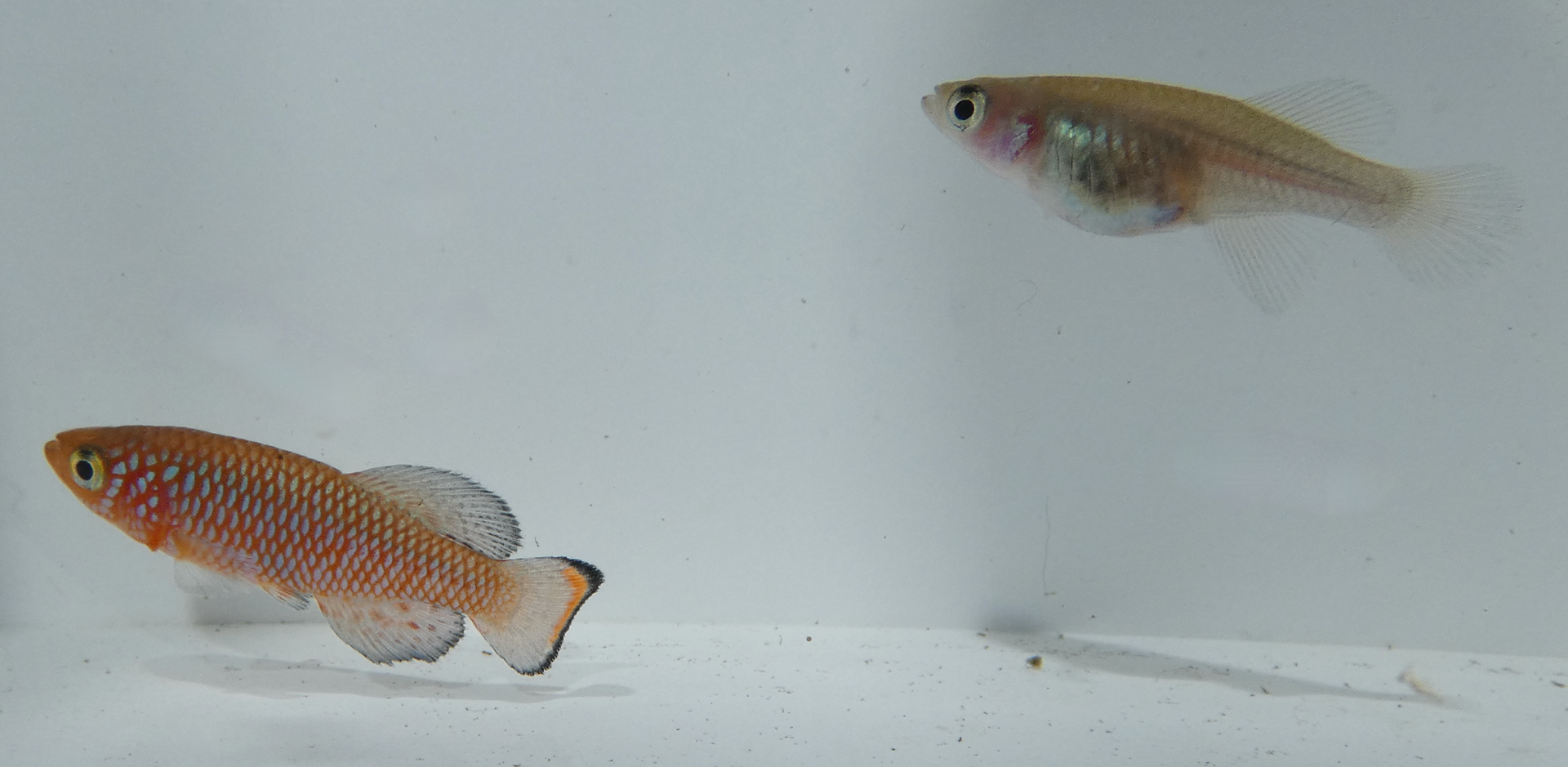
Rachov’s notho is an annual killifish from Mozambican rain pools: brilliant short-lived males, peat-spawned eggs, and a script that ends when the…
Read more →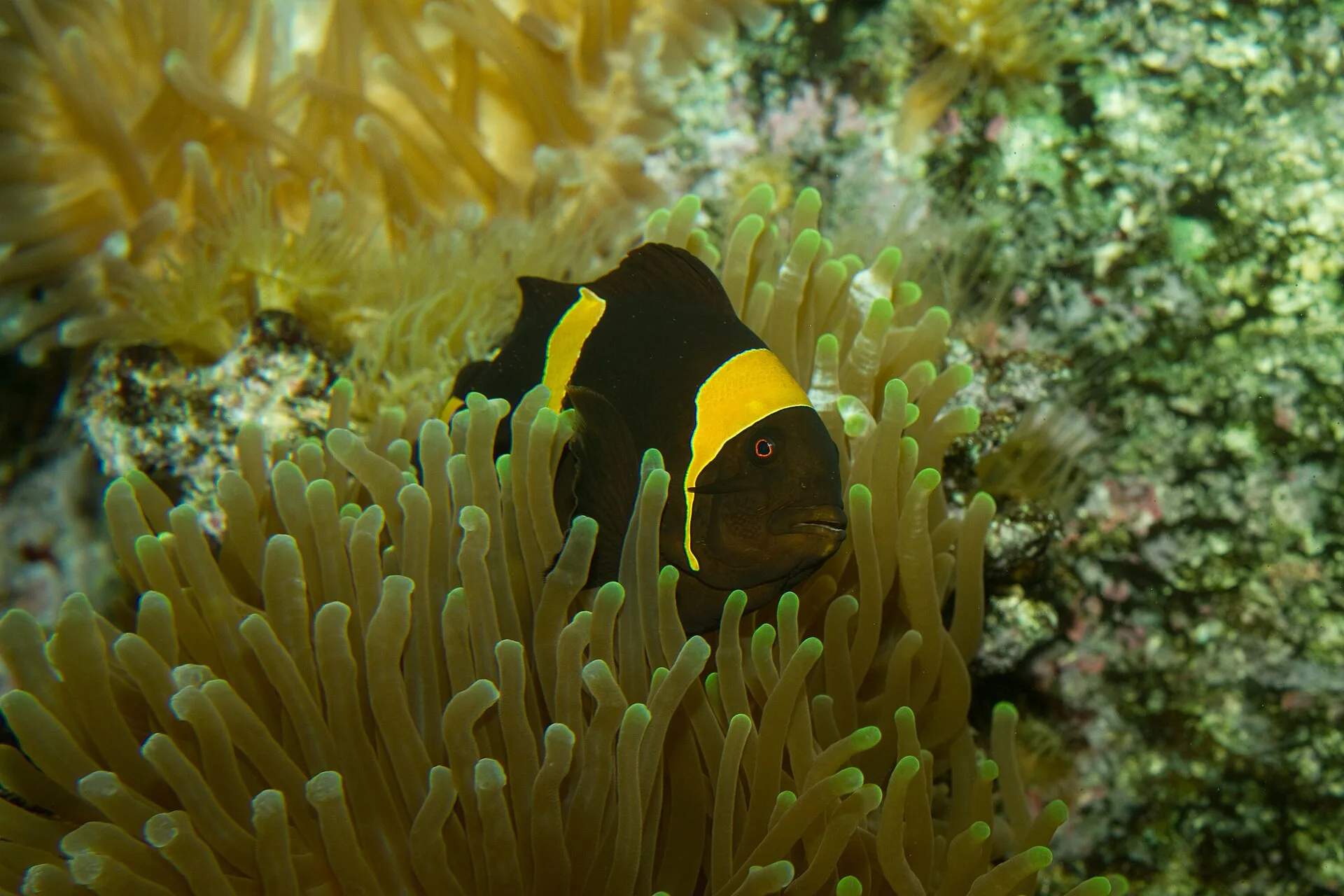
Deep maroon anemonefish with bold white or gold bars — striking showpieces that need space and careful tank-mate selection.
Read more →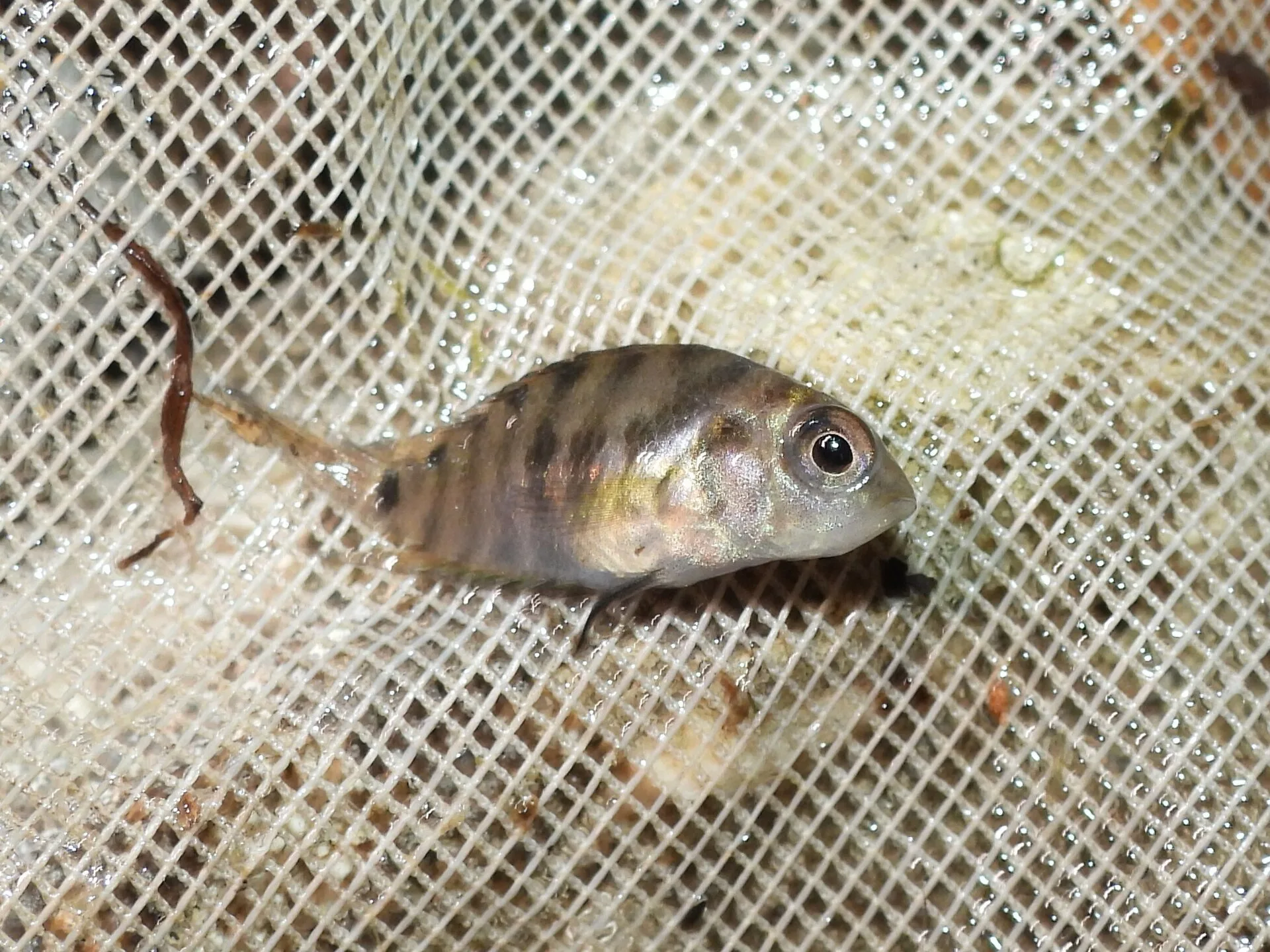
Hardy striped Central American cichlids that breed readily — fantastic for learning biparental care, intense when defending fry.
Read more →