

Fin Rot — Symptoms and Treatment
This guide covers fin rot aquarium treatment with practical steps for home aquariums. Fin rot starts at the edges — catch water quality problems early before infection reaches the body.
For related reading, see Columnaris in Aquarium Fish, balanced nutrition and Dropsy — Causes and Care.
Recognizing Fin Rot
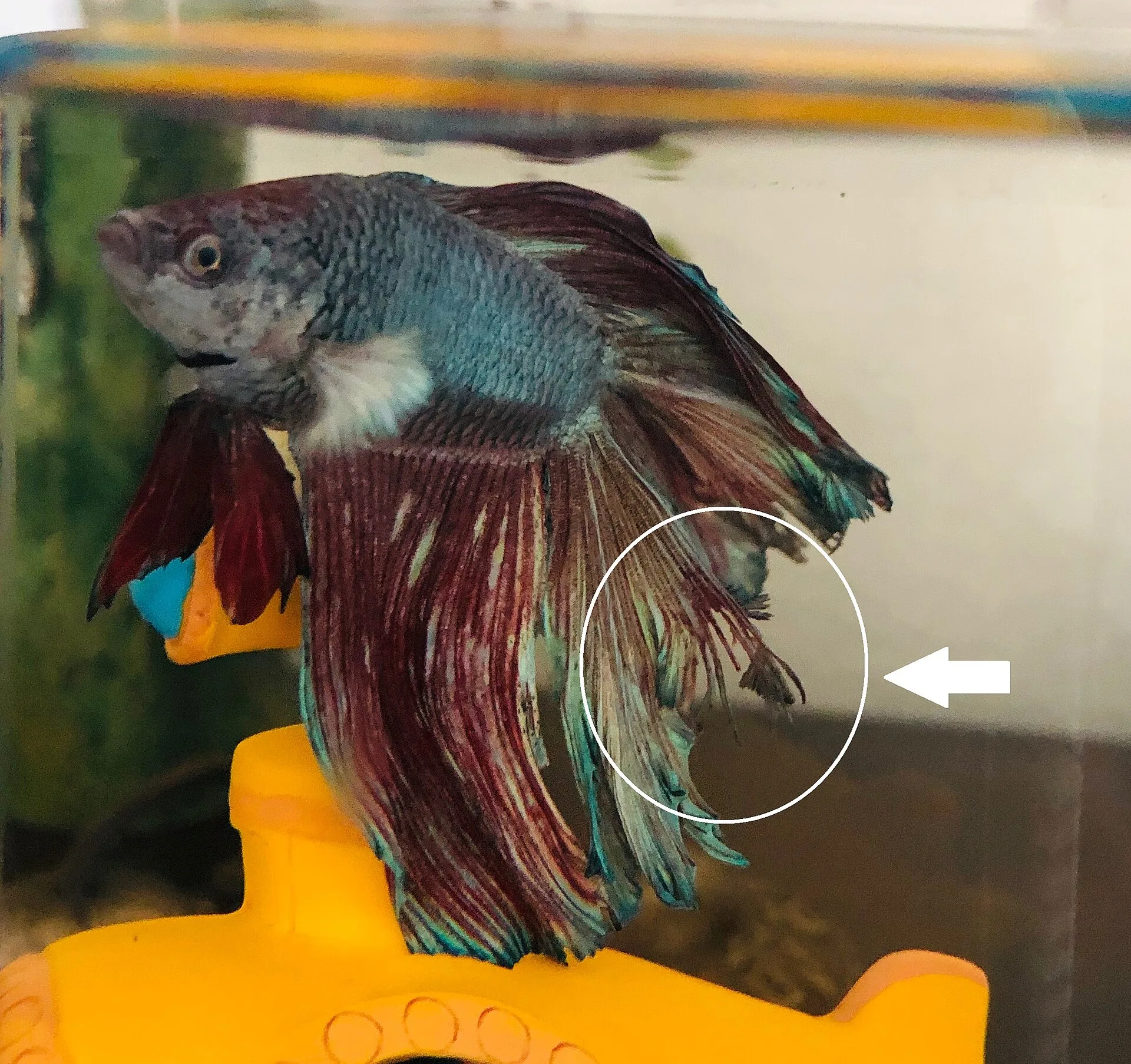
Fins look shredded, milky at edges, or recede toward the body. In advanced cases, redness appears at the base and fish become lethargic.
Mechanical damage from nipping mimics rot — observe whether edges are clean tears or fuzzy decay.
Root Causes
Poor water quality, chronic stress, fin nipping, and overcrowding precede most bacterial fin rot. Pathogens exploit weakened tissue.
Fix ammonia, nitrite, and nitrate first — medication on dirty water fails repeatedly.

First Response
Large partial water change, vacuum detritus, and review stocking and filtration. Add aquarium salt if species tolerate freshwater salt at recommended doses.
Remove aggressive nippers temporarily. Improve diet with quality foods to support immune recovery.
Medication Options
Broad-spectrum antibacterial treatments (follow label for scaleless fish and invertebrate sensitivity). Hospital tanks prevent medicating entire displays unnecessarily.
Melafix and similar oils help minor cases on some fish; severe rot needs stronger antibiotics where legal and appropriate.
Prevention
Stable parameters, compatible tank mates, and quarantine new fish. Long-finned varieties need extra clean water — their fins heal slowly.
Photograph fins weekly on prized fish — subtle recession is easy to miss until serious.
Explore other topics
Dive into more aquarium guides across the site.