
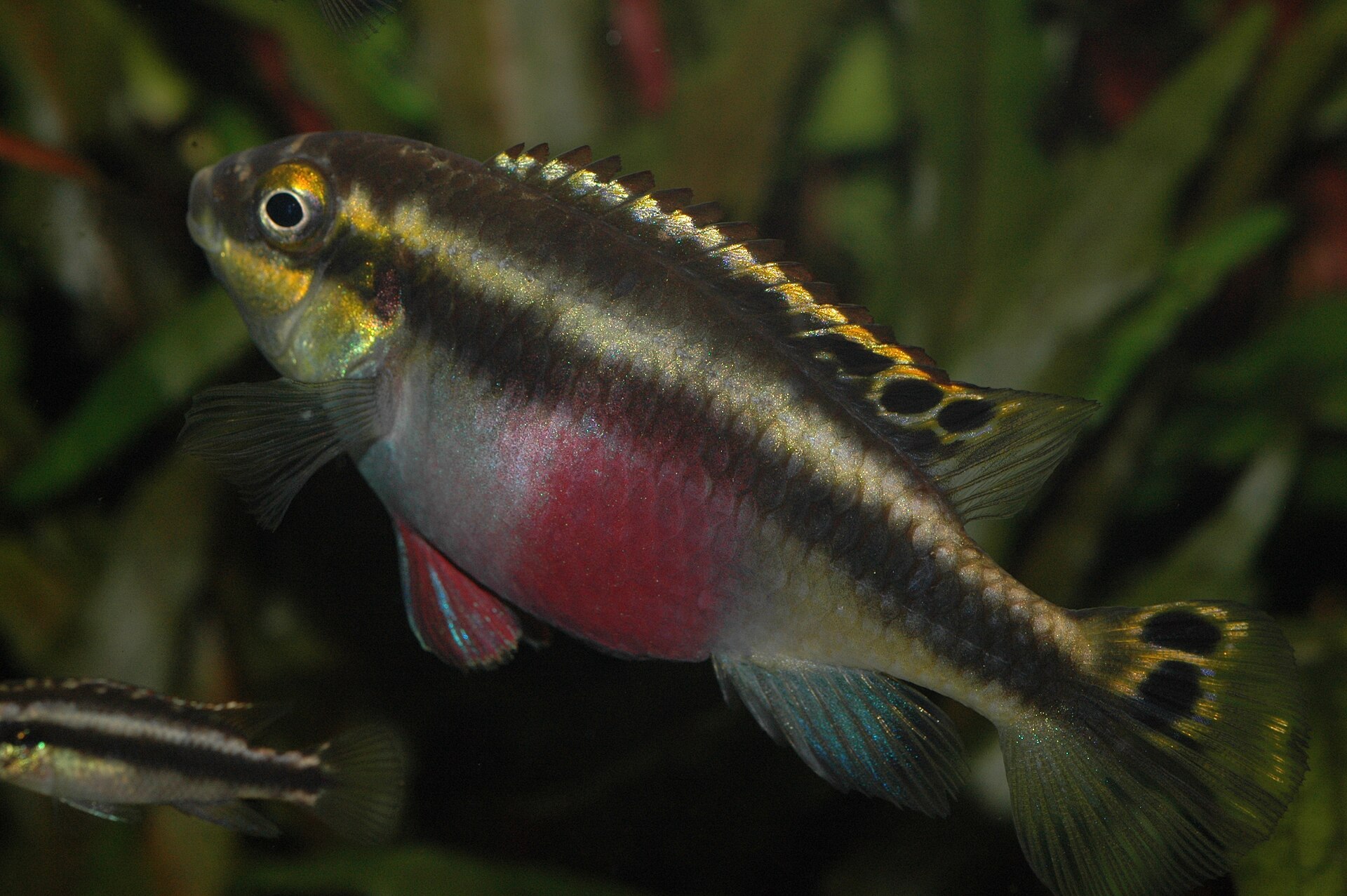
Kribensis (Pelvicachromis pulcher)
Kribensis is West Africa’s household cave cichlid: a pair that chose each other, a pot they both approve of, and a pink belly that means the rest…
Read more →
Kribensis is West Africa’s household cave cichlid: a pair that chose each other, a pot they both approve of, and a pink belly that means the rest…
Read more →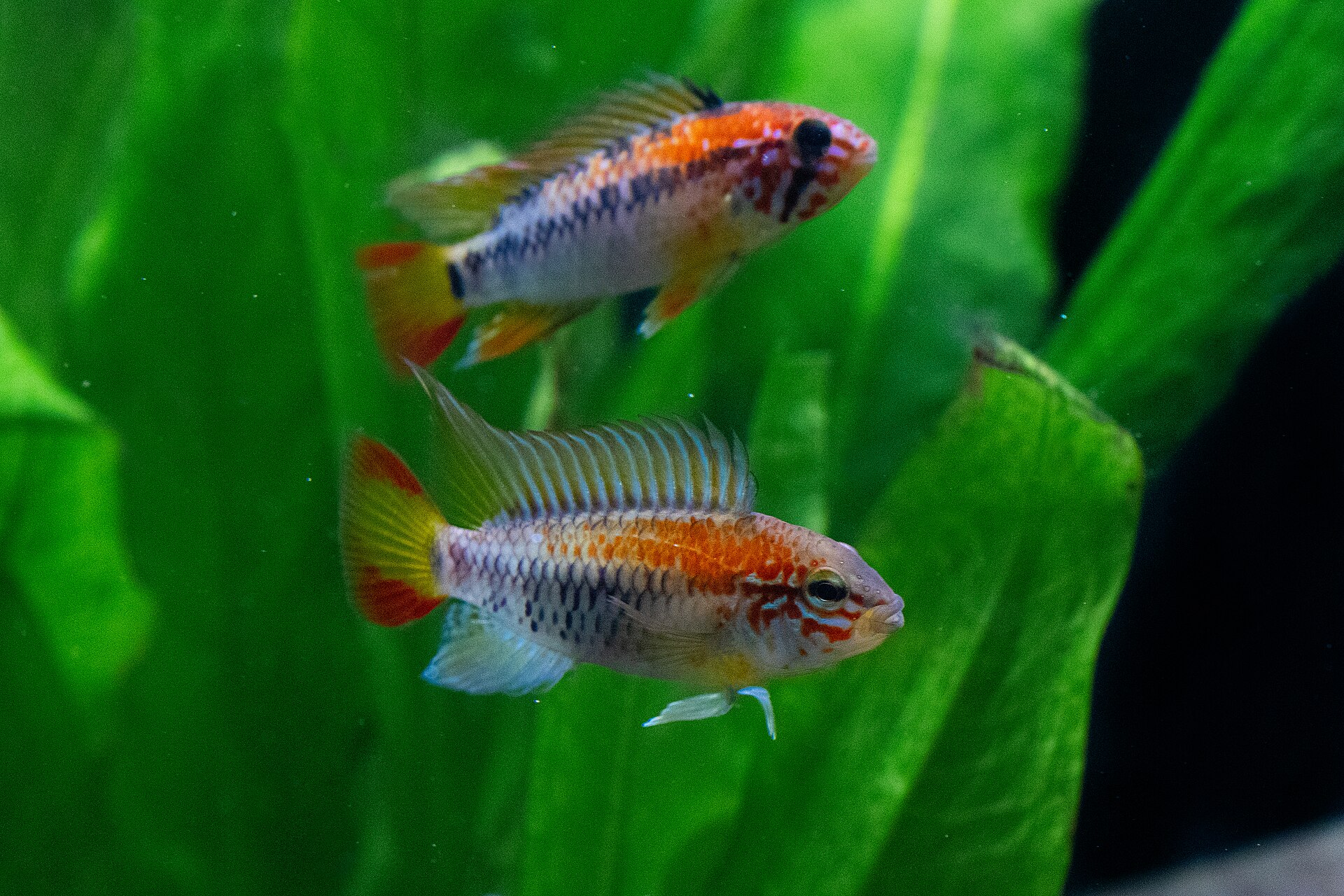
Apistogramma macmasteri arrives looking like cardboard and turns red-orange only in tea-stained creek water, with a clay pot and a tank that belong…
Read more →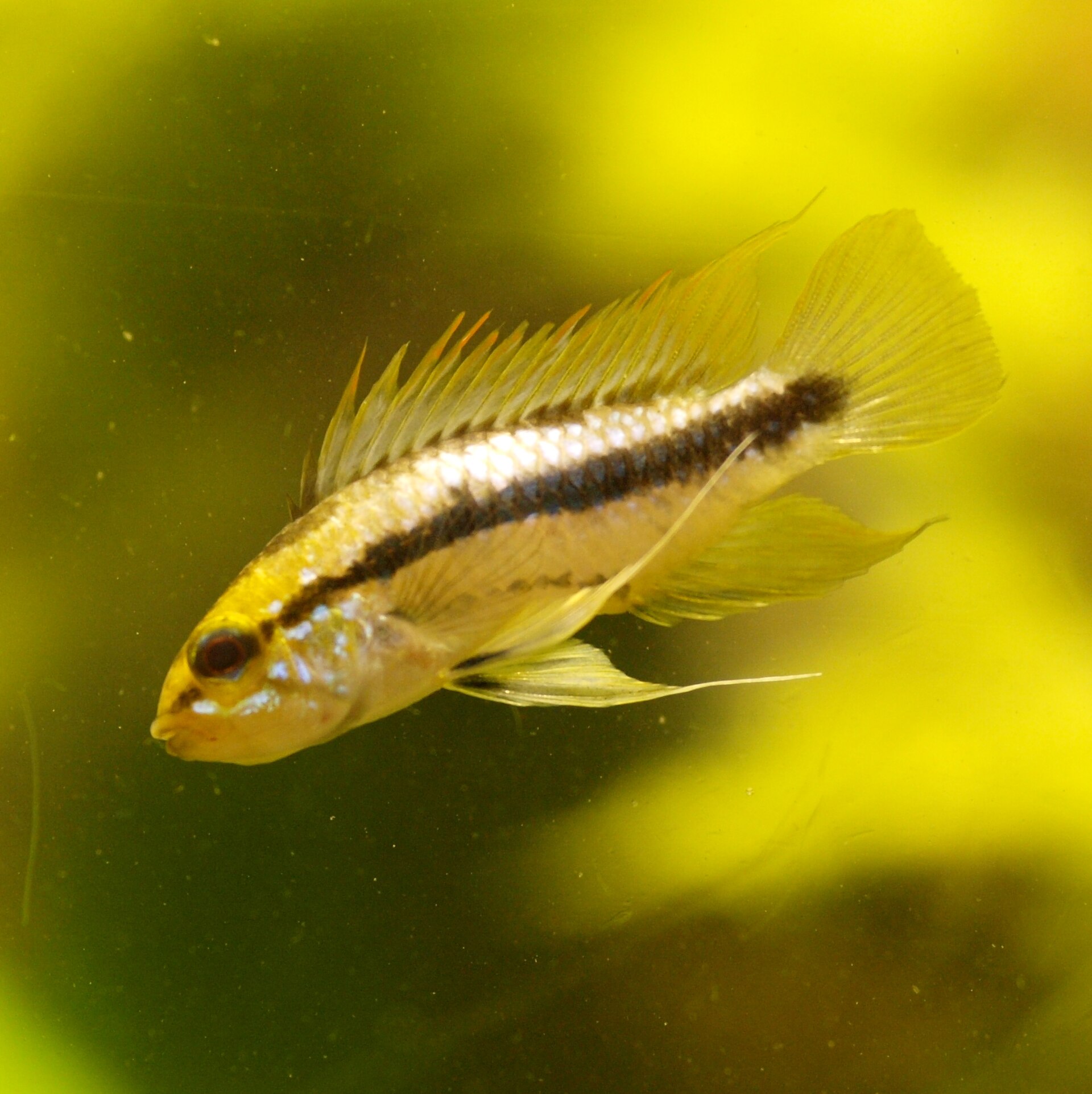
Three dark lines down the flank are both the field mark and a mood meter for Apistogramma trifasciata, a shy Paraguay-basin dwarf cichlid that want…
Read more →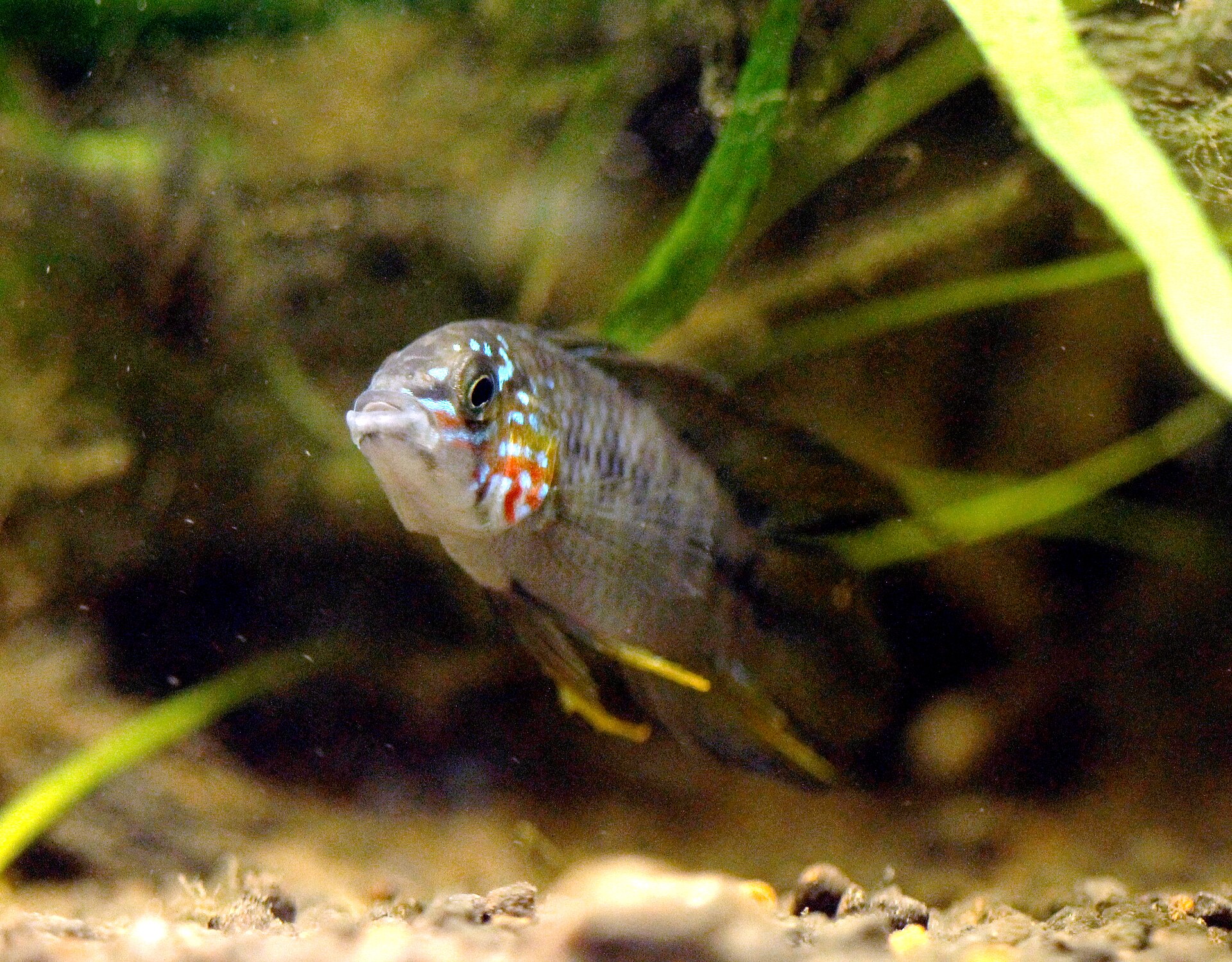
Apistogramma borellii is the yellow dwarf of the Paraná floodplain, more forgiving of hardness than most apistos, and at its best when one male ha…
Read more →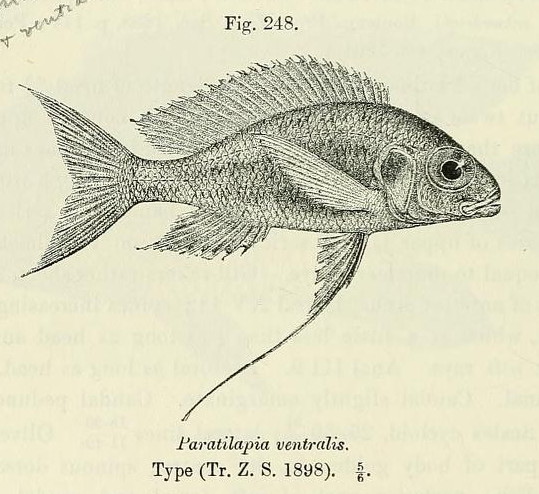
Males of Ophthalmotilapia ventralis trail yellow egg-spots on elongated ventrals and hold leks over Tanganyika sand — a featherfin that needs vol…
Read more →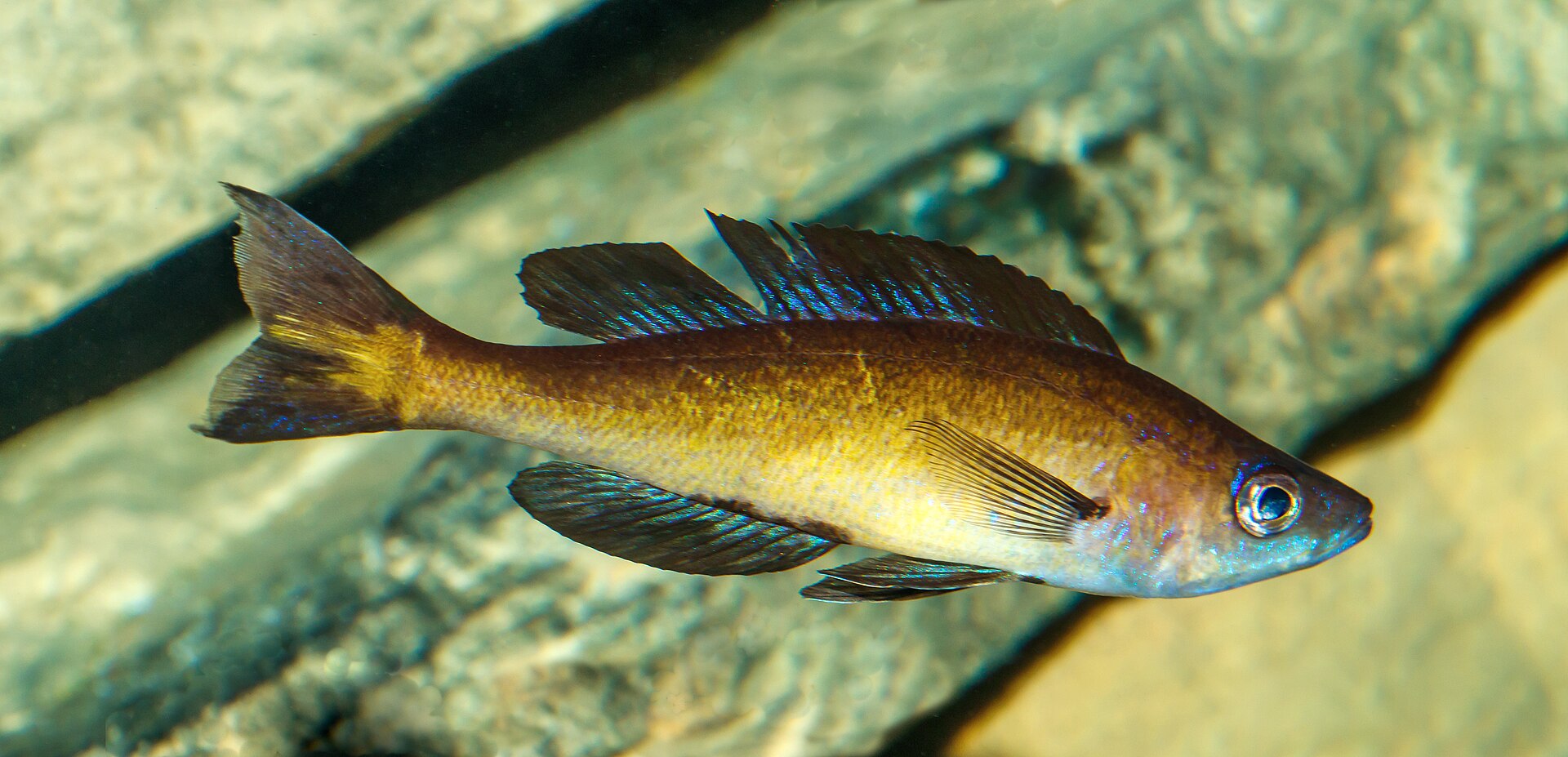
Cyprichromis leptosoma is Tanganyika’s open-water sardine cichlid: a school in empty hard water, hanging at an angle, mouthbrooding in the blue.
Read more →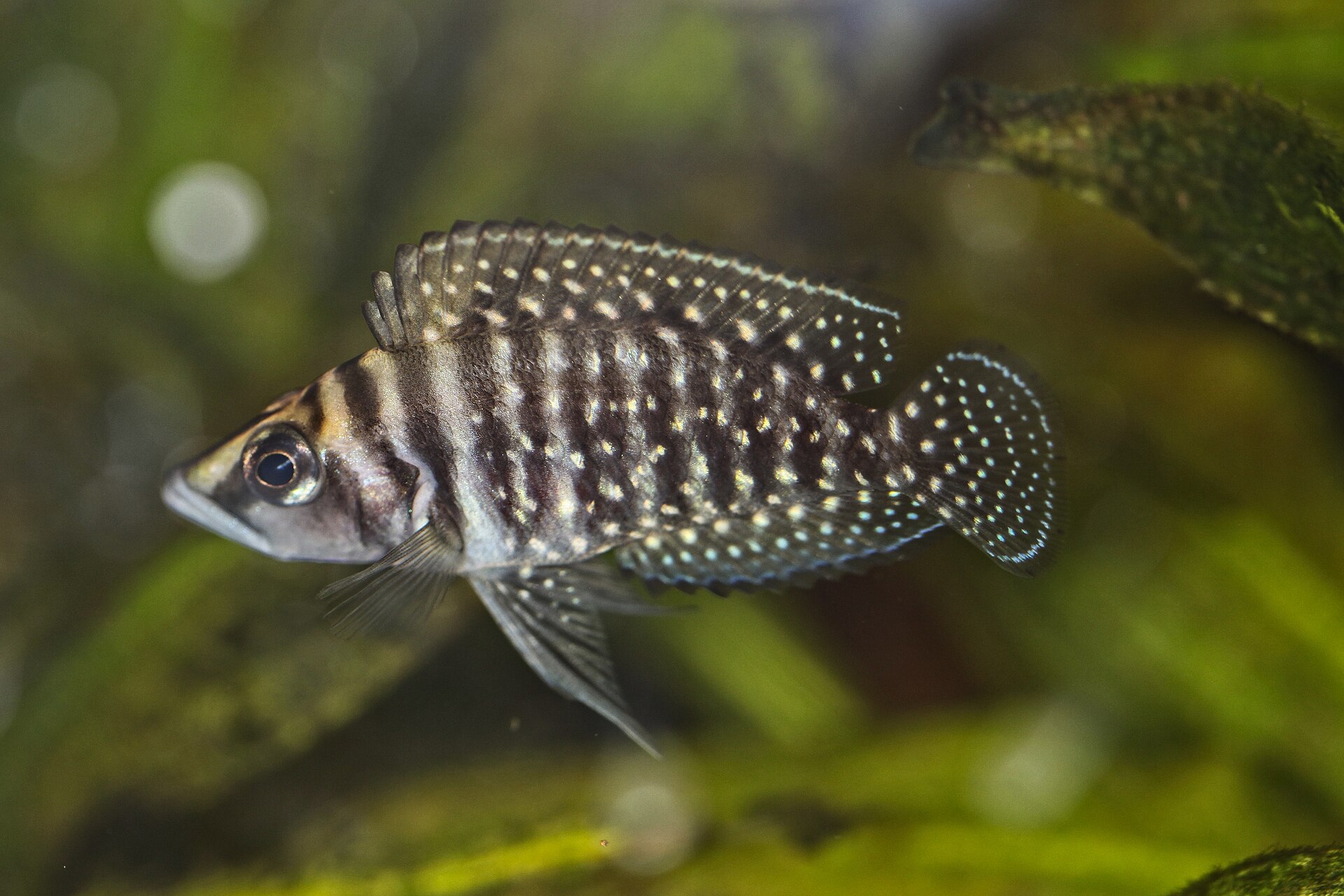
Calvus is a compressed, pearly Tanganyikan that slides into fissures and hunts whatever fits. The female spawns where the male cannot follow.
Read more →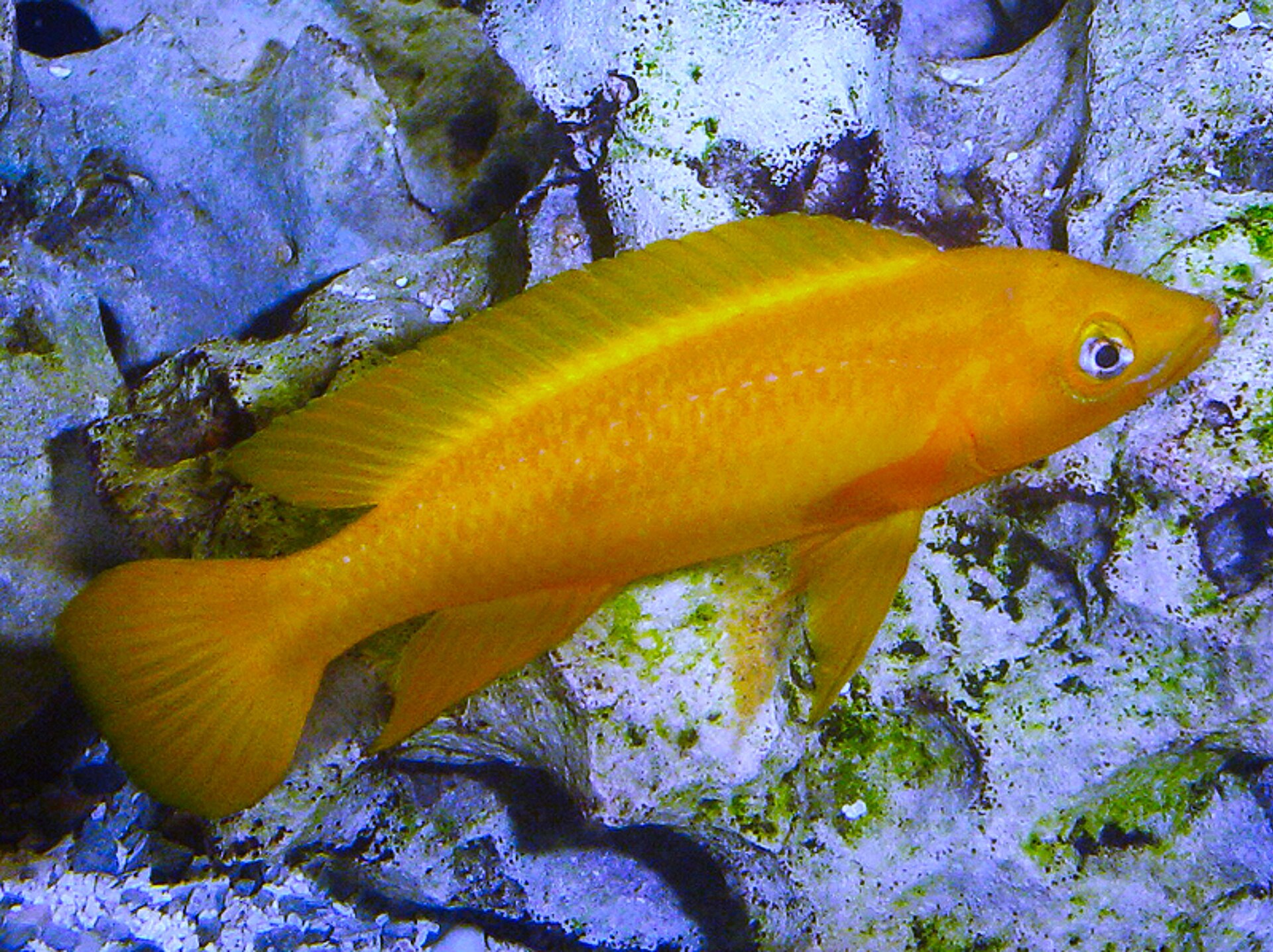
Lemon cichlids stay lemon when a Tanganyikan cave pair gets crustacean-rich food and a hole they actually own. Beige is usually the tank talking, n…
Read more →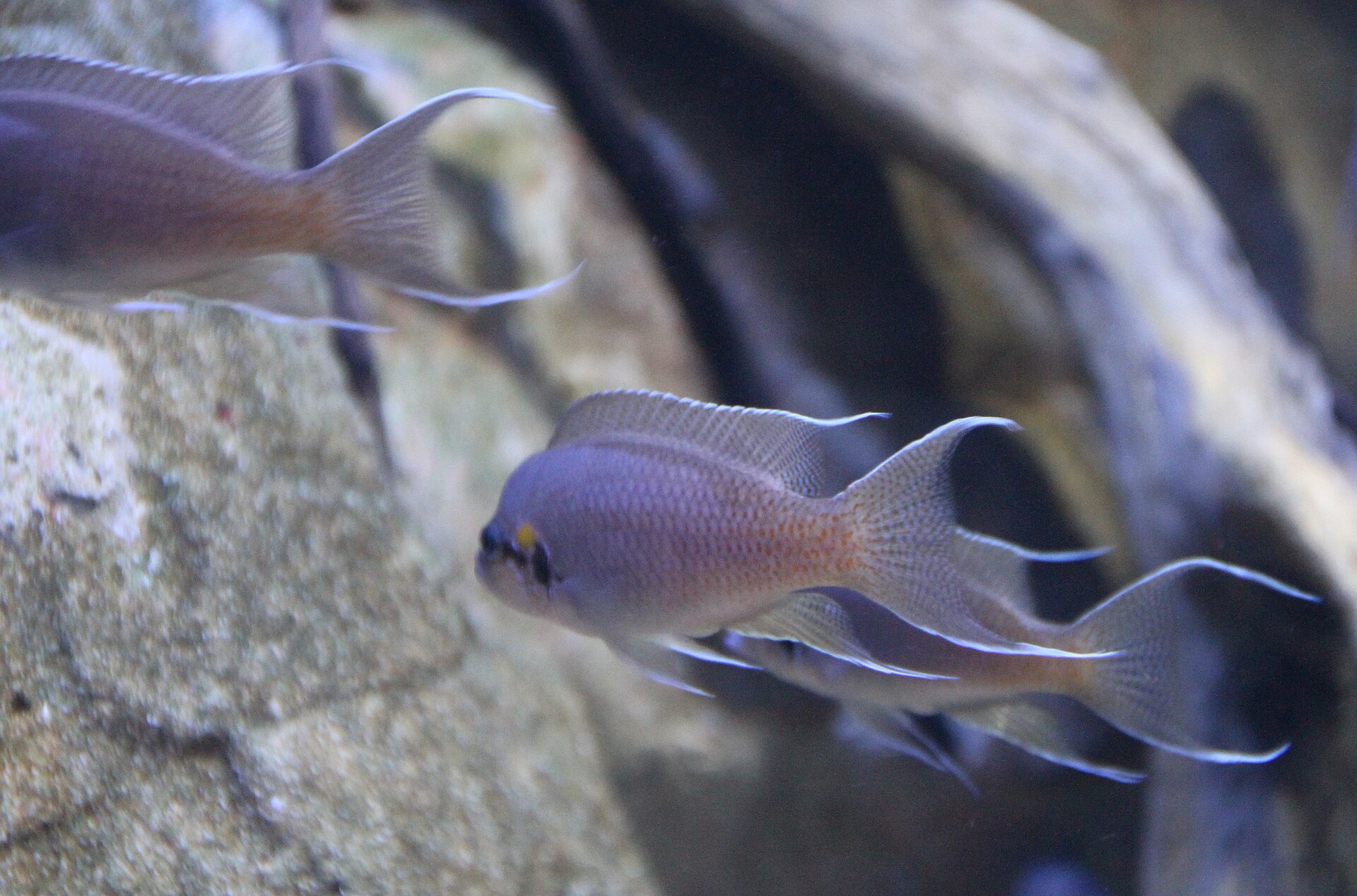
Fairy cichlids are lyretail Tanganyikans whose “pair” becomes a palace of helpers. Build for the dynasty, or the clan annexes every cave you me…
Read more →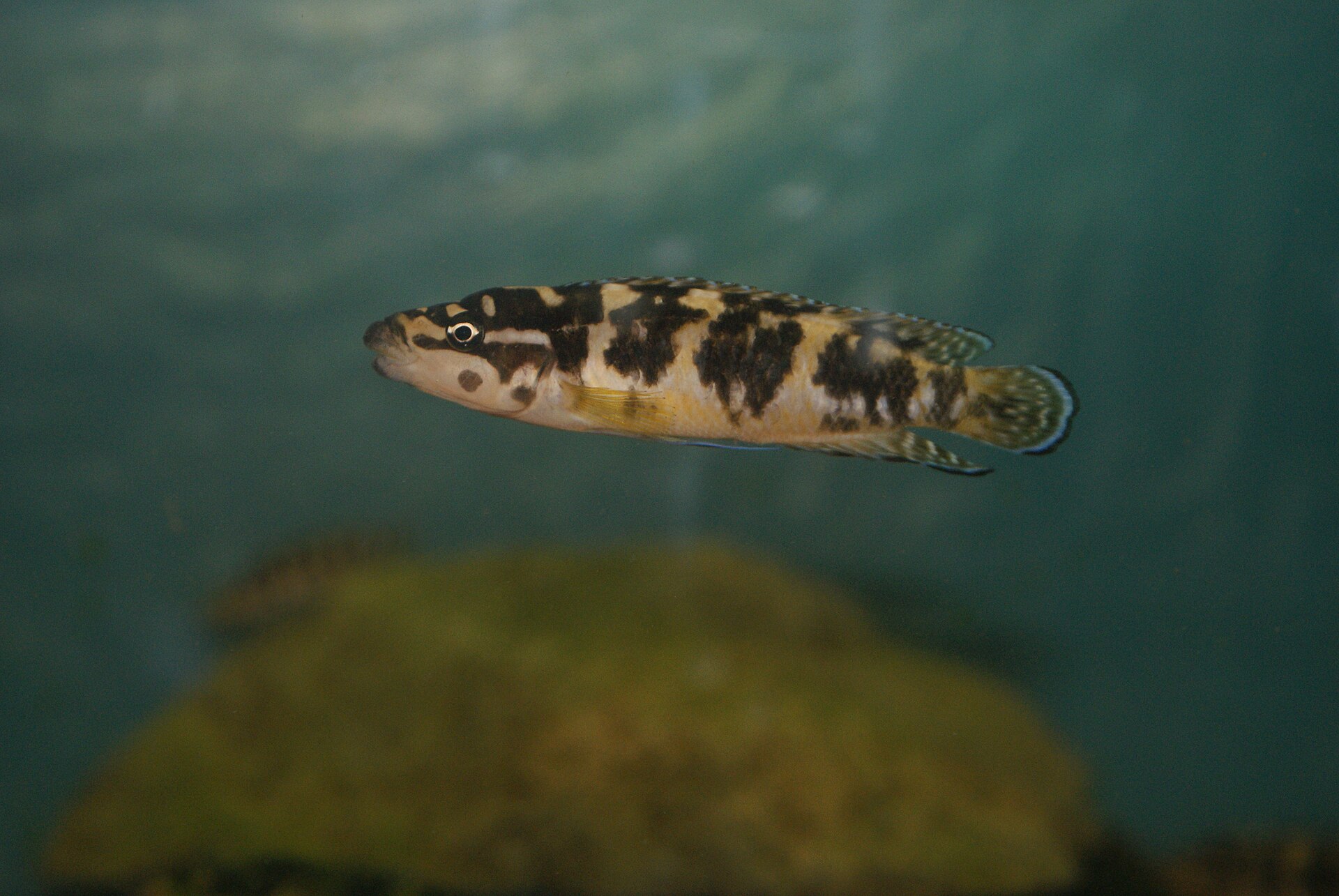
The maze-patterned julie stitches itself into a crack, spawns on a cave ceiling, and may raise stacked generations—or end the marriage if the tan…
Read more →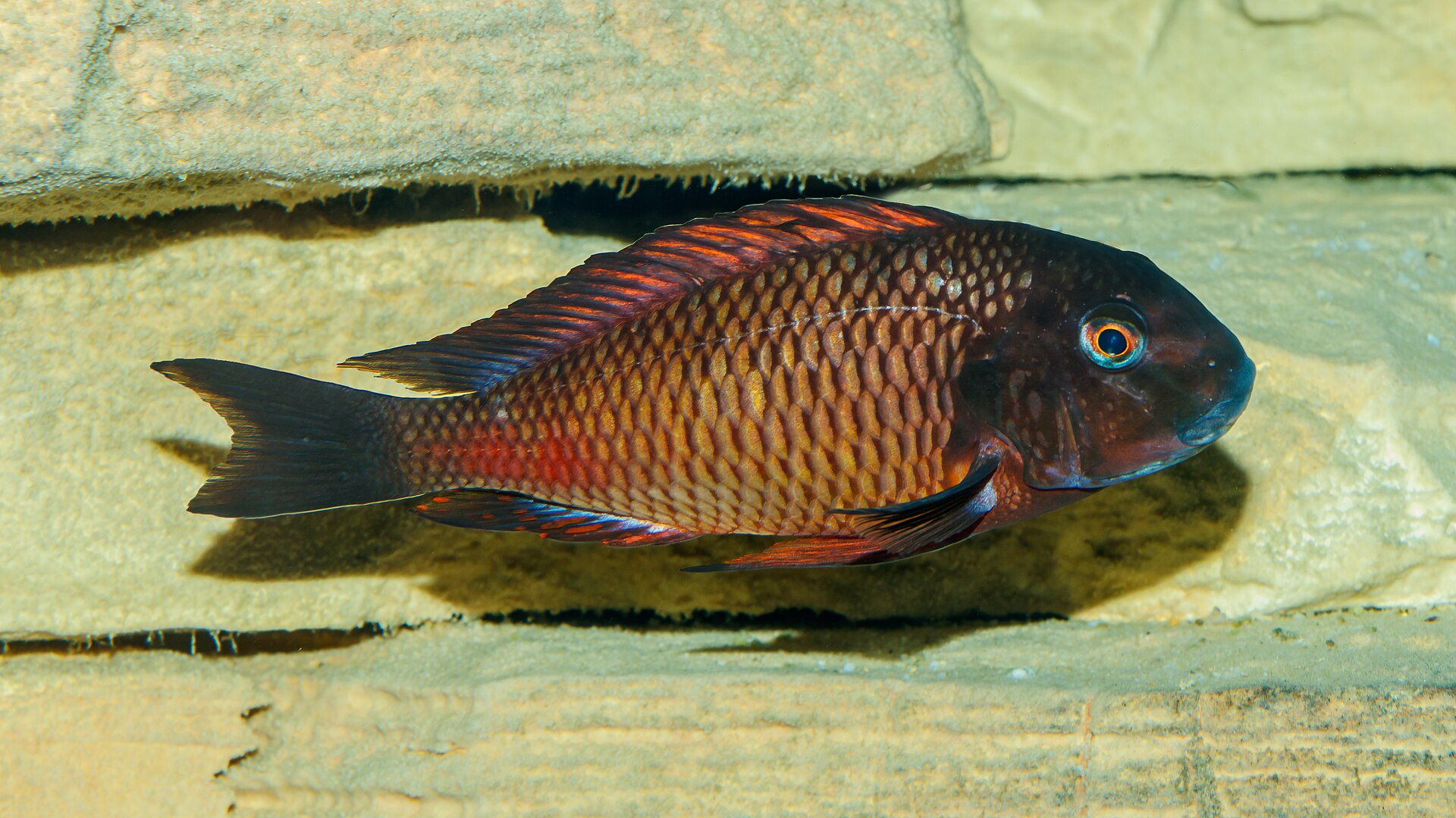
Tropheus moorii is a Tanganyikan grazing colony, not a pair of treats. Rock, alkaline water, fibre, and a dozen fish are the contract; daily bloodw…
Read more →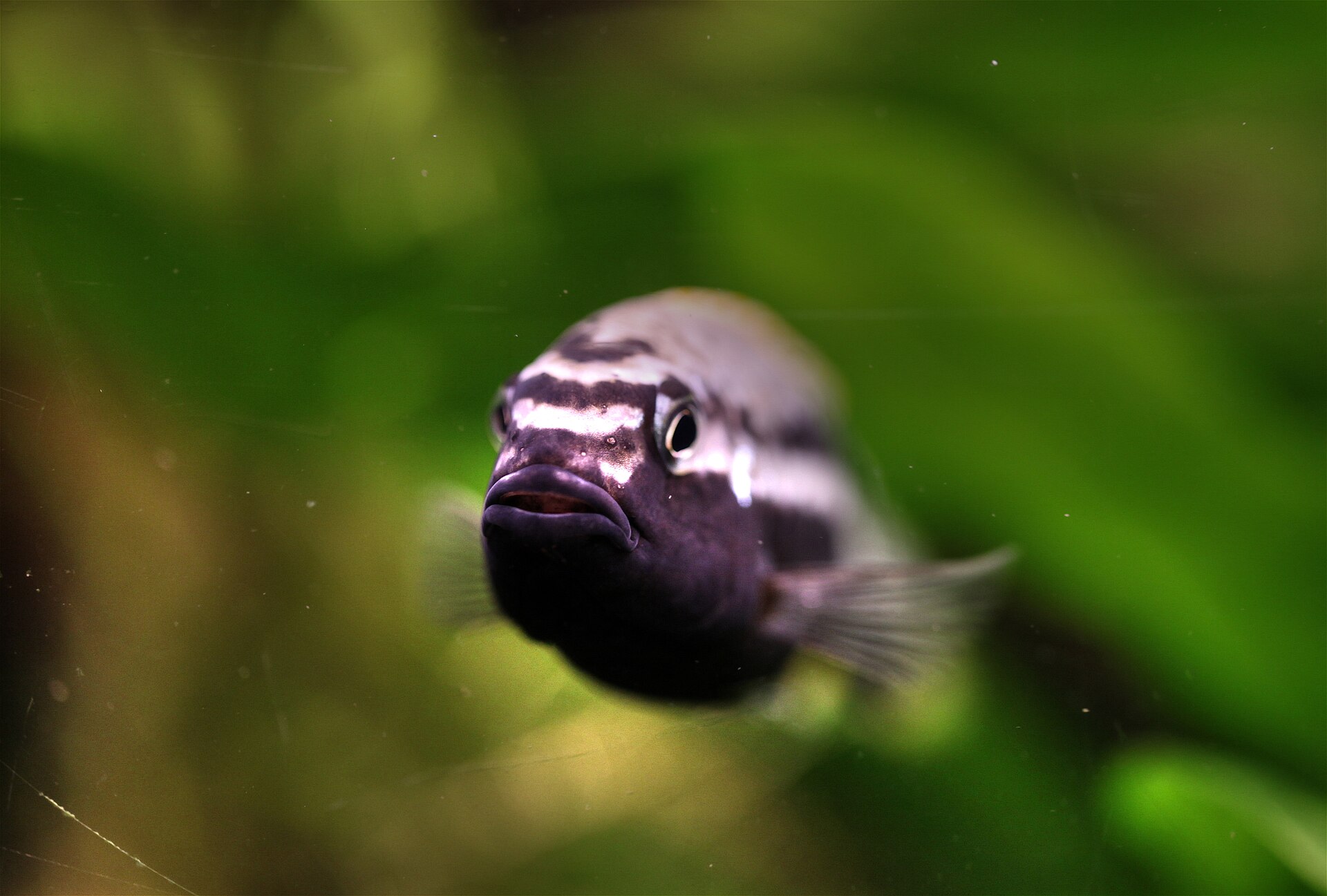
Golden mbuna females stay yellow-striped; males invert into a dark, electric-striped night form. One male, many females, rocks, and vegetables.
Read more →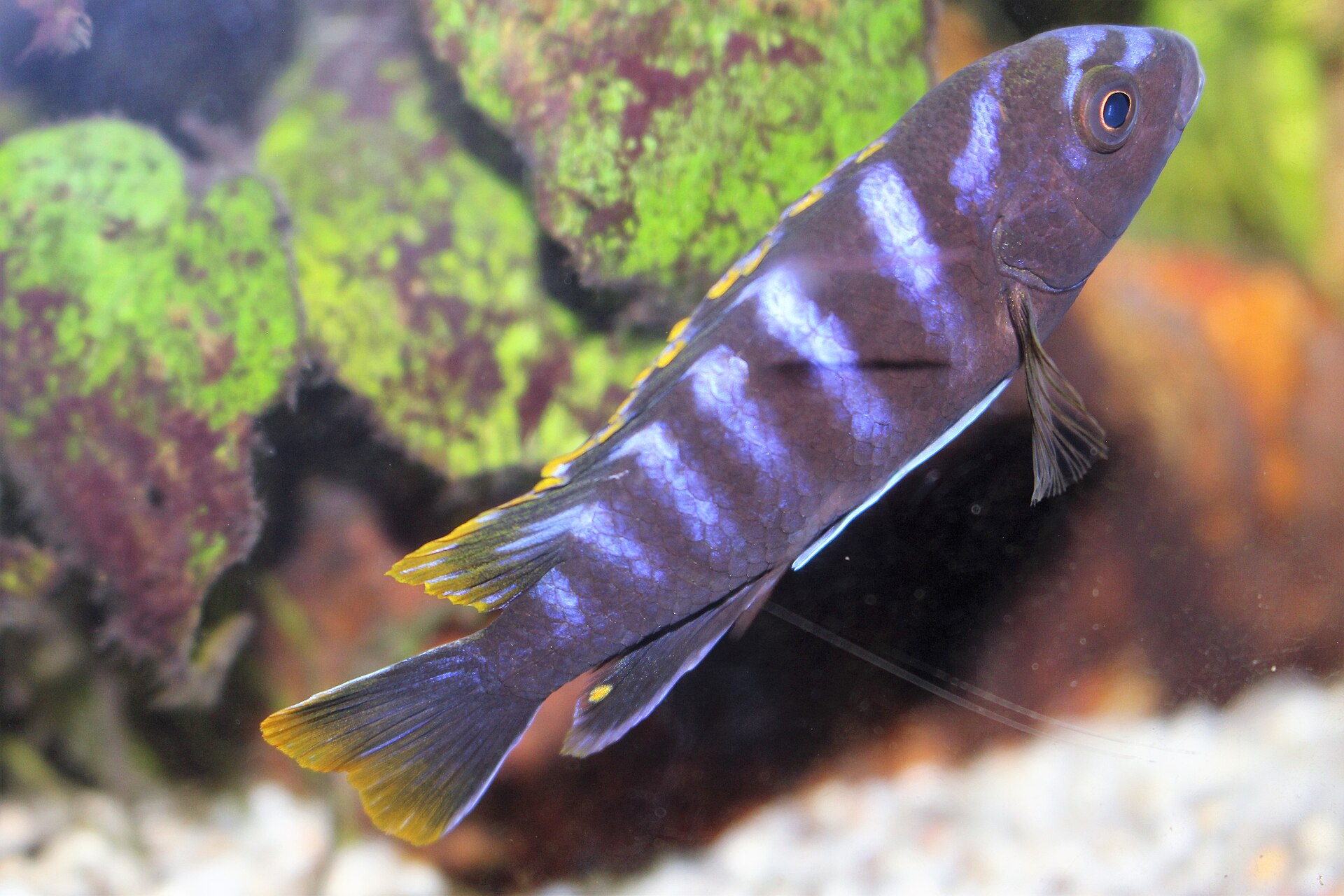
Demasoni are 7 cm Pombo Rocks mbuna that behave like a reef. Overstock the rock city, feed greens, and skip the pair-in-a-nano fantasy.
Read more →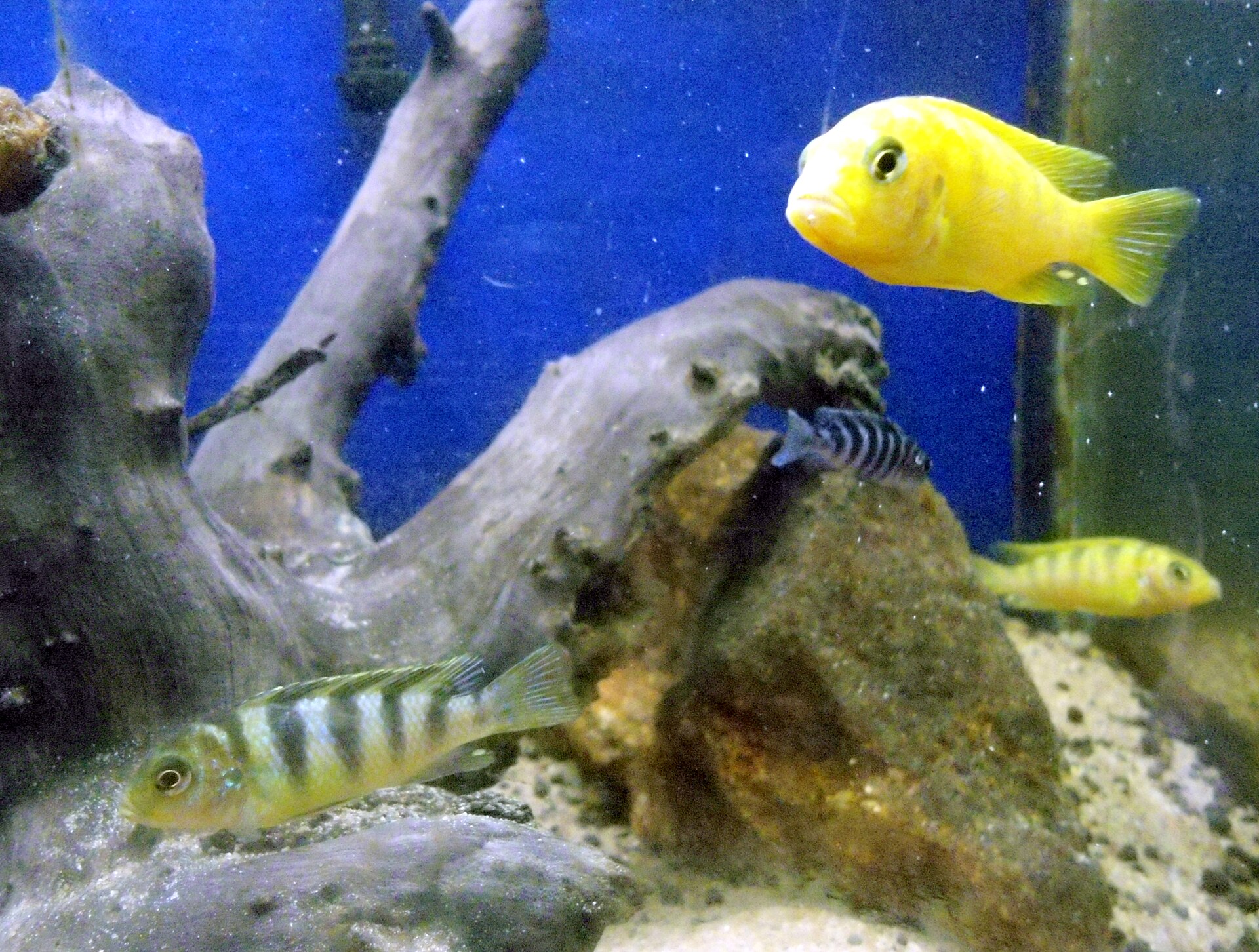
Kenyi reverse the usual Malawi colours: yellow males, blue-barred females. The gold fish is not a second species—it is puberty on Mbenji rock.
Read more →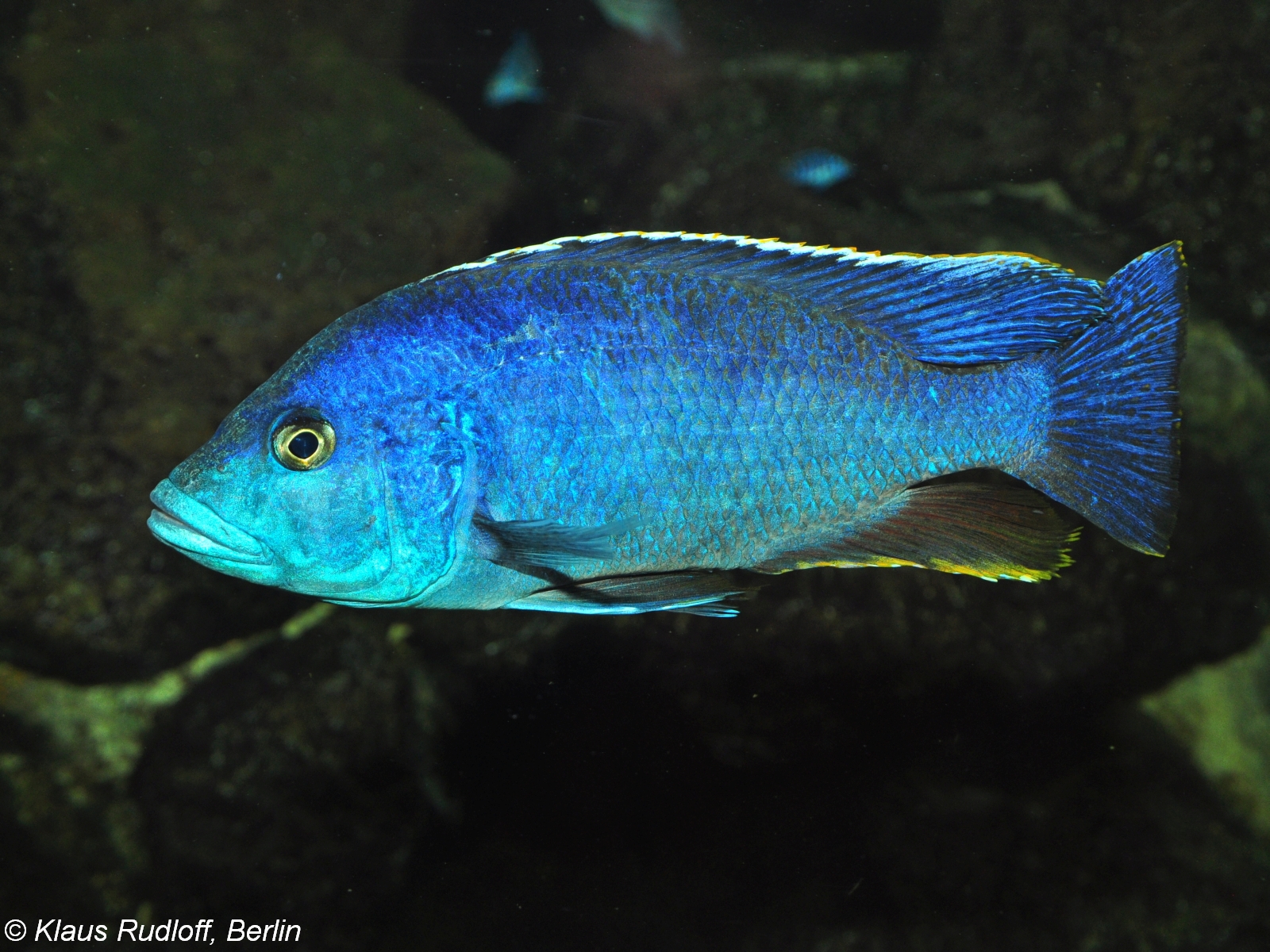
Aulonocara nyassae hunts by sensing invertebrates in sand. Peacocks need a beach, a harem, and a break from mbuna that will not let them forage.
Read more →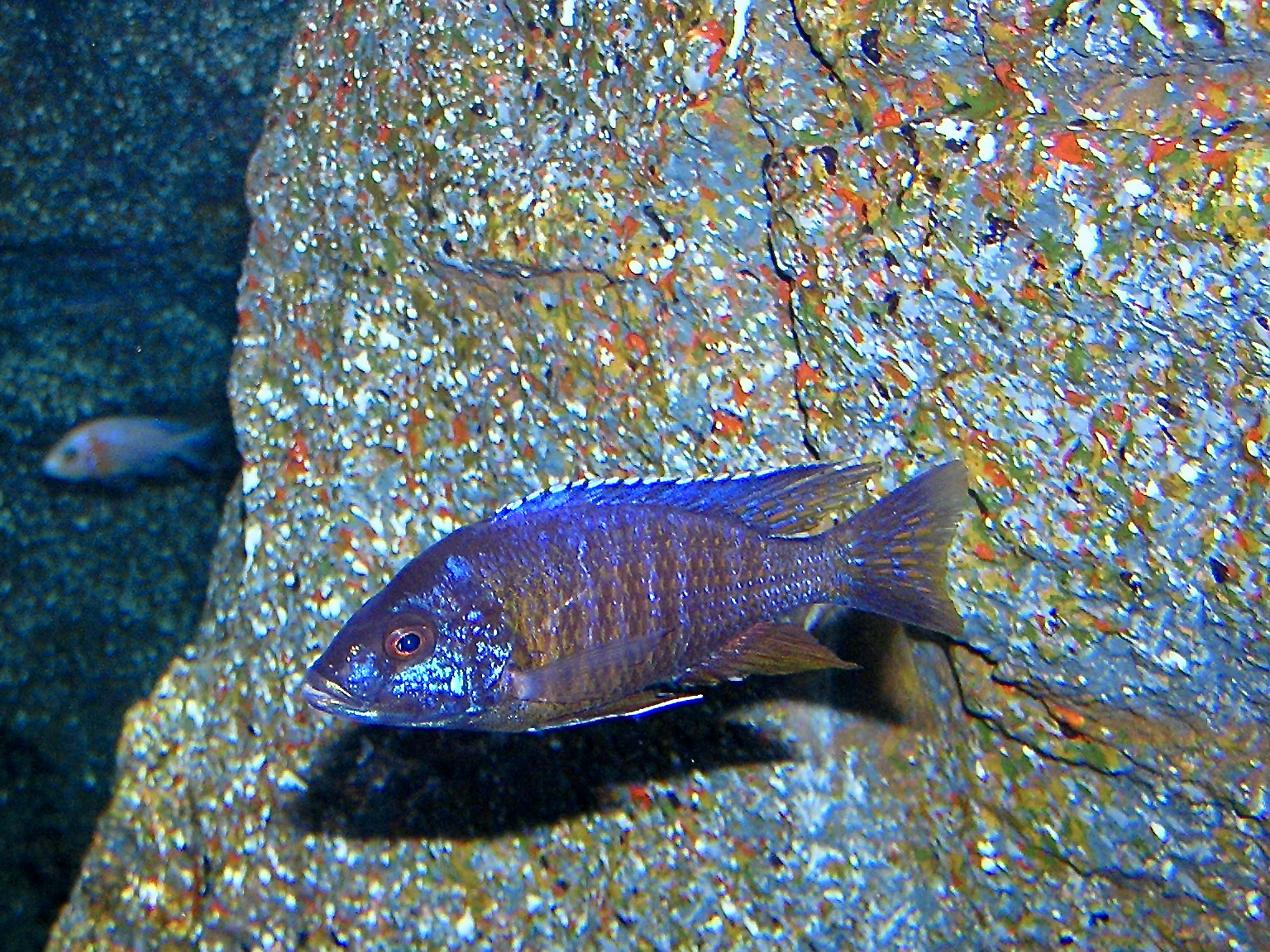
Electric blue haps are Malawi piscivores: cobalt males, silver females, hard alkaline water, and a harem. Small tank-mates are not dither fish. The…
Read more →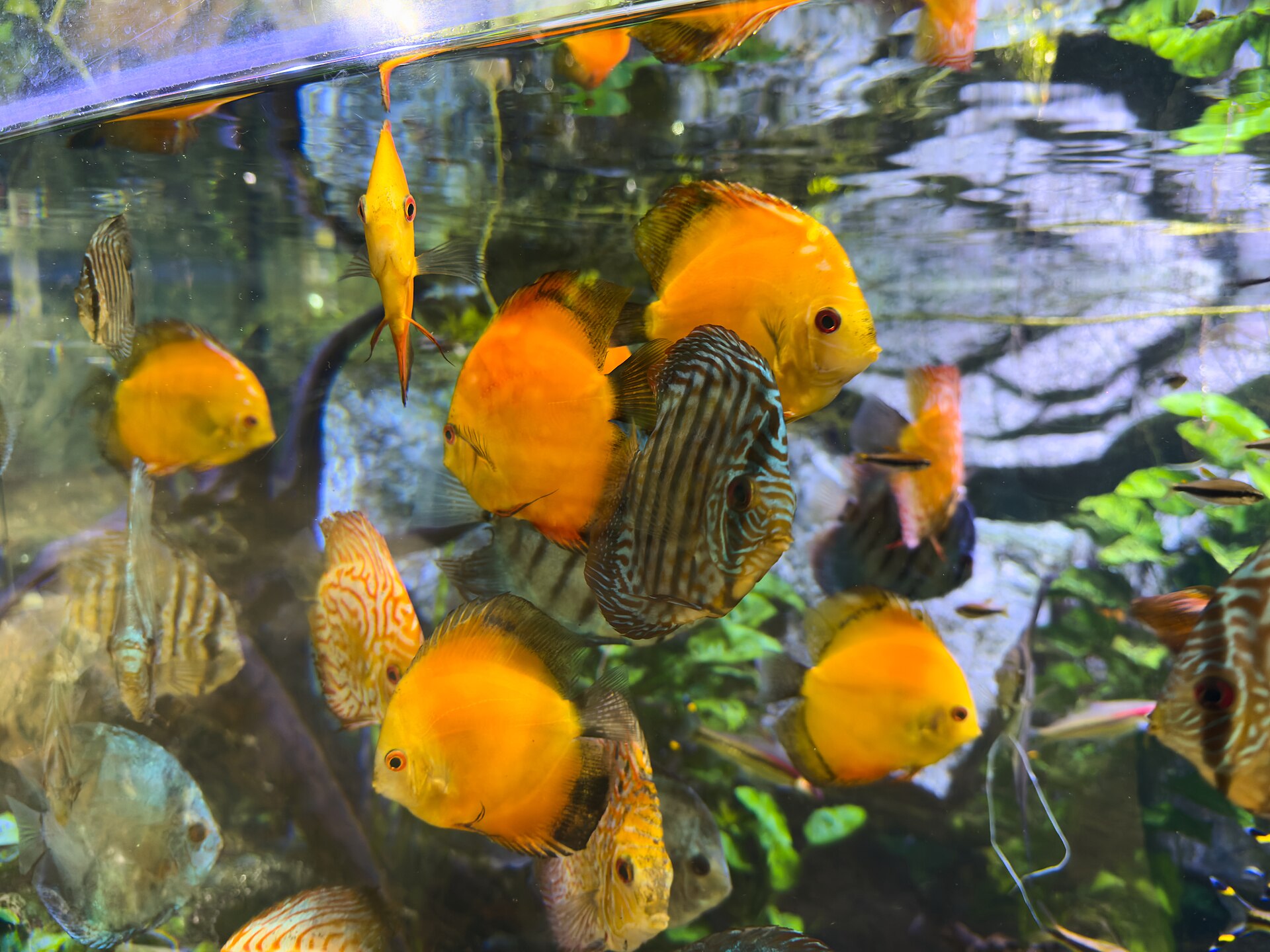
Discus are Amazon cichlids built for 28–31°C water, frequent changes, and parents that feed fry on body mucus. If you cannot hold the heat, this…
Read more →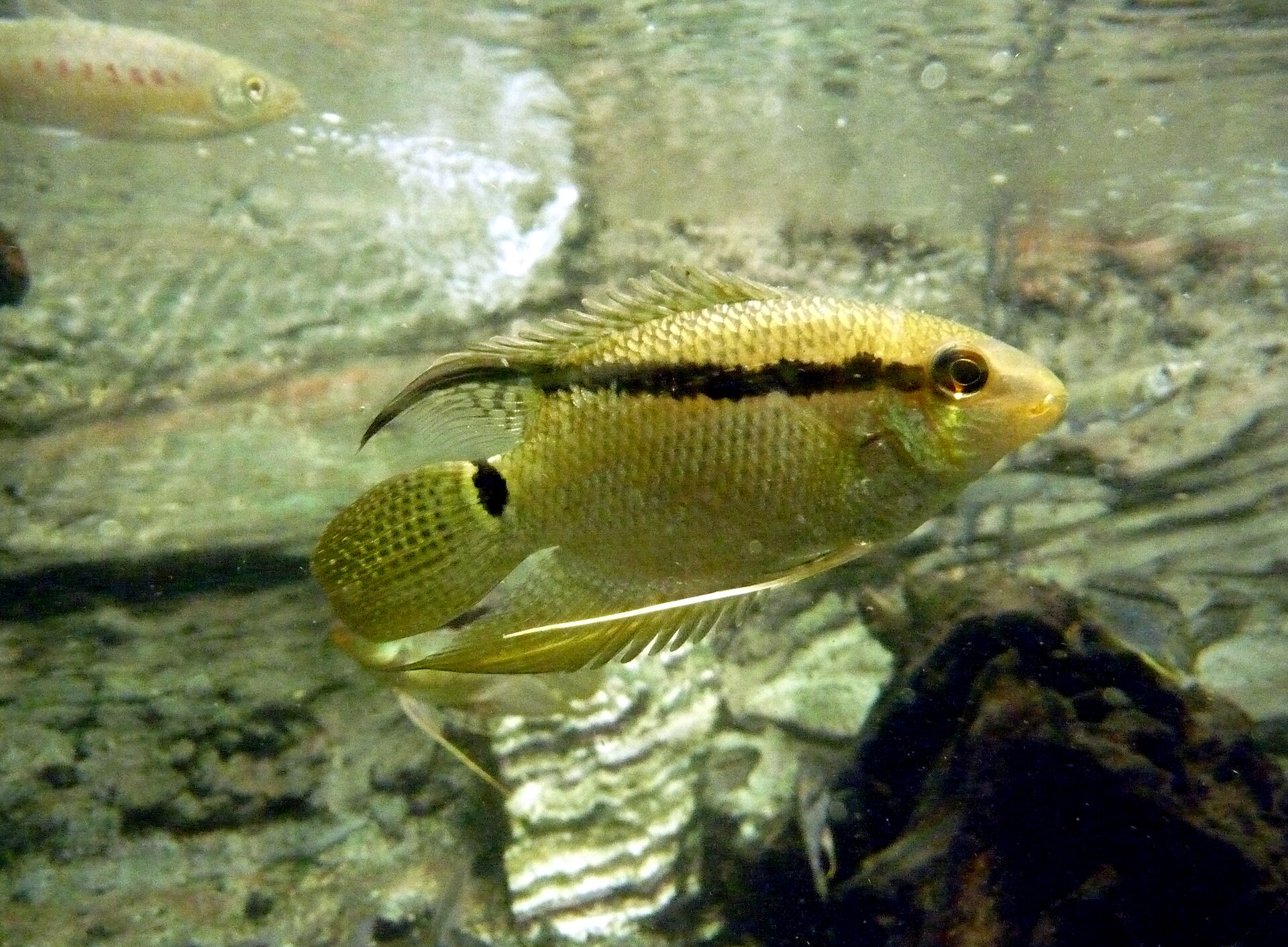
A festivum’s diagonal stripe is Amazon camouflage for a fish that hangs among wood at an angle. Relatively civil for a big cichlid, until the spa…
Read more →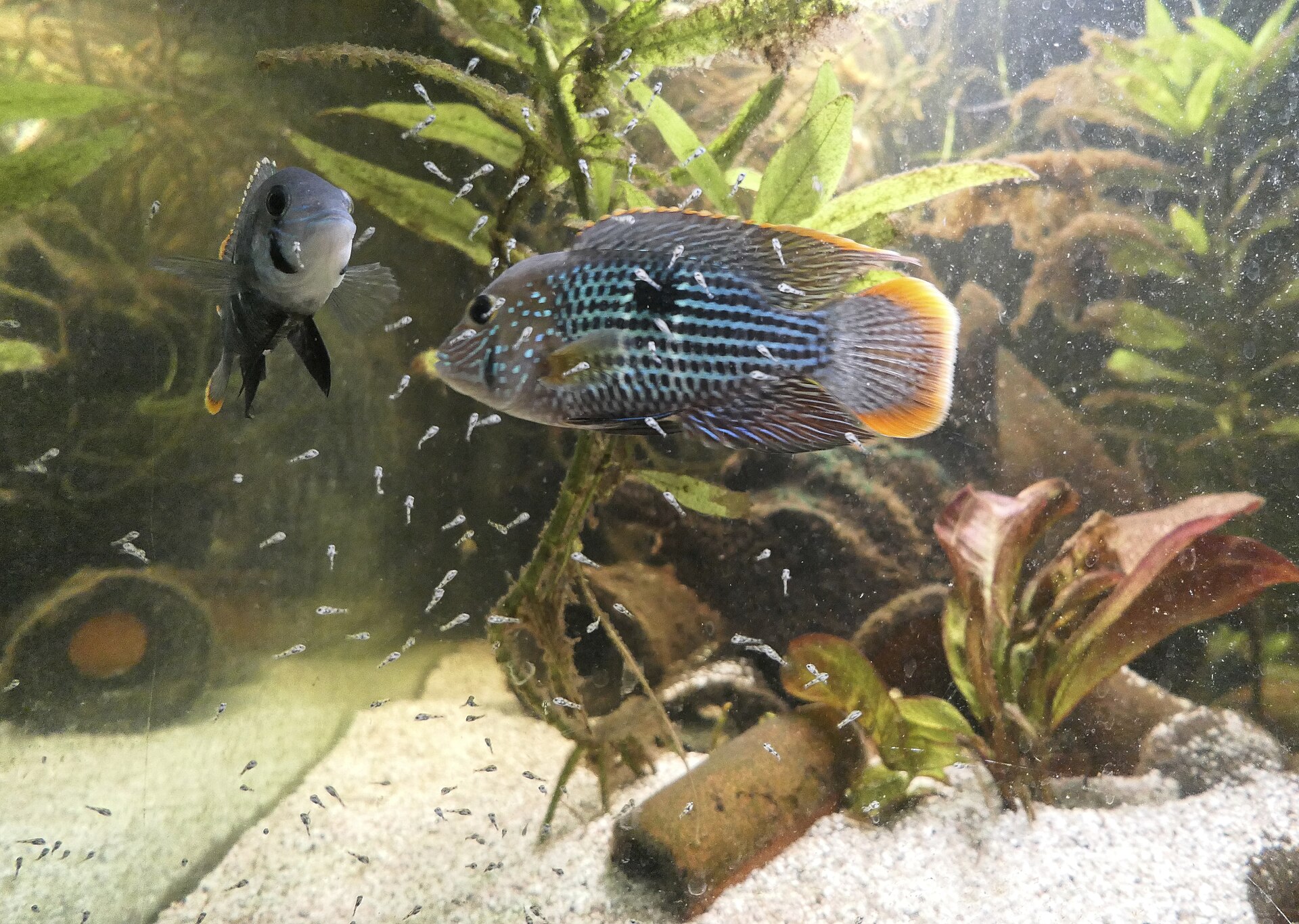
Andinoacara rivulatus from Ecuador and Peru is a metallic, large, territorial cichlid. The common name is the warning: this is not a peaceful commu…
Read more →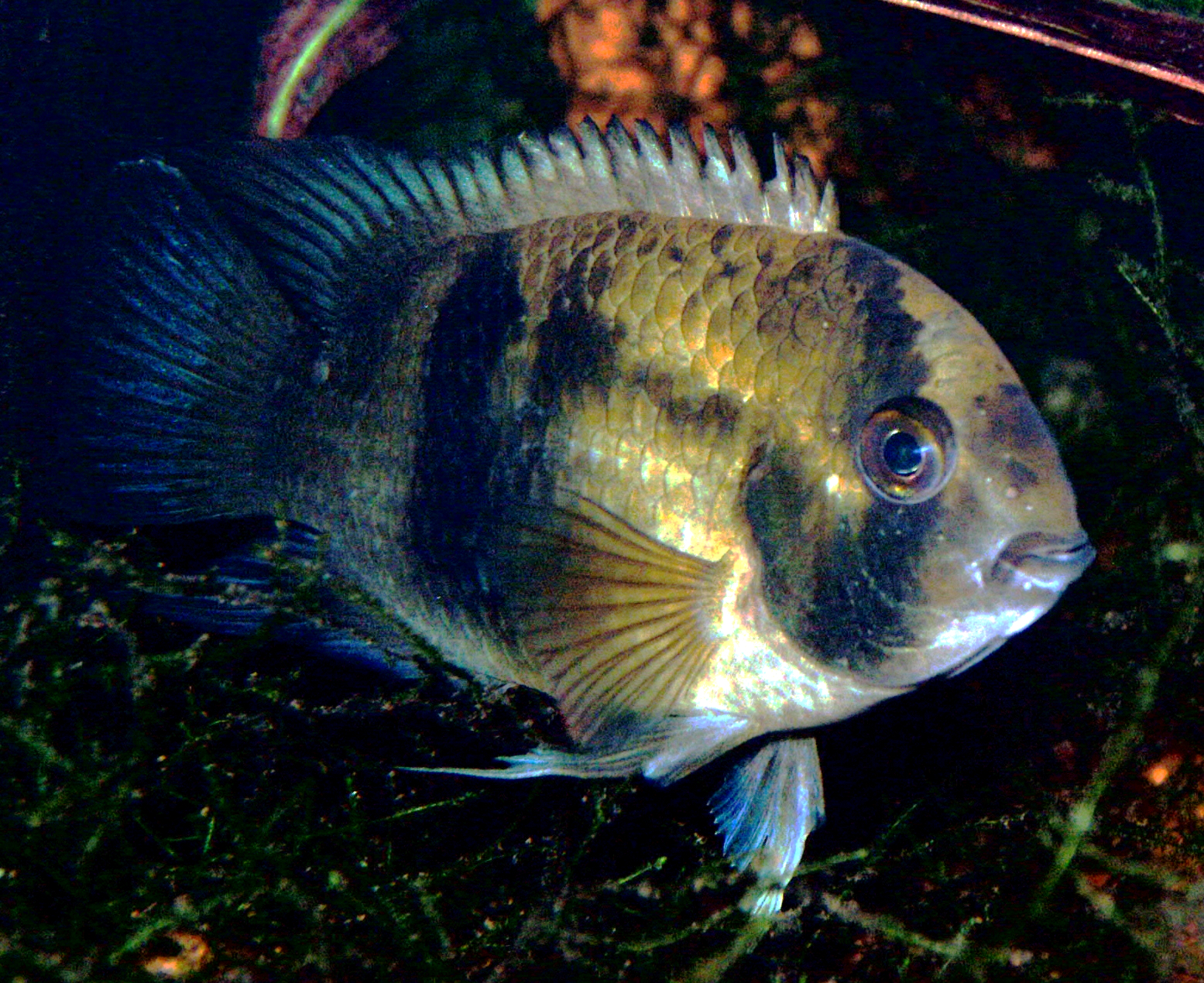
The keyhole cichlid is a shy Guianan fish that wears a dark blotch on the tail wrist and spends the day in leaf litter. Safety is what turns parchm…
Read more →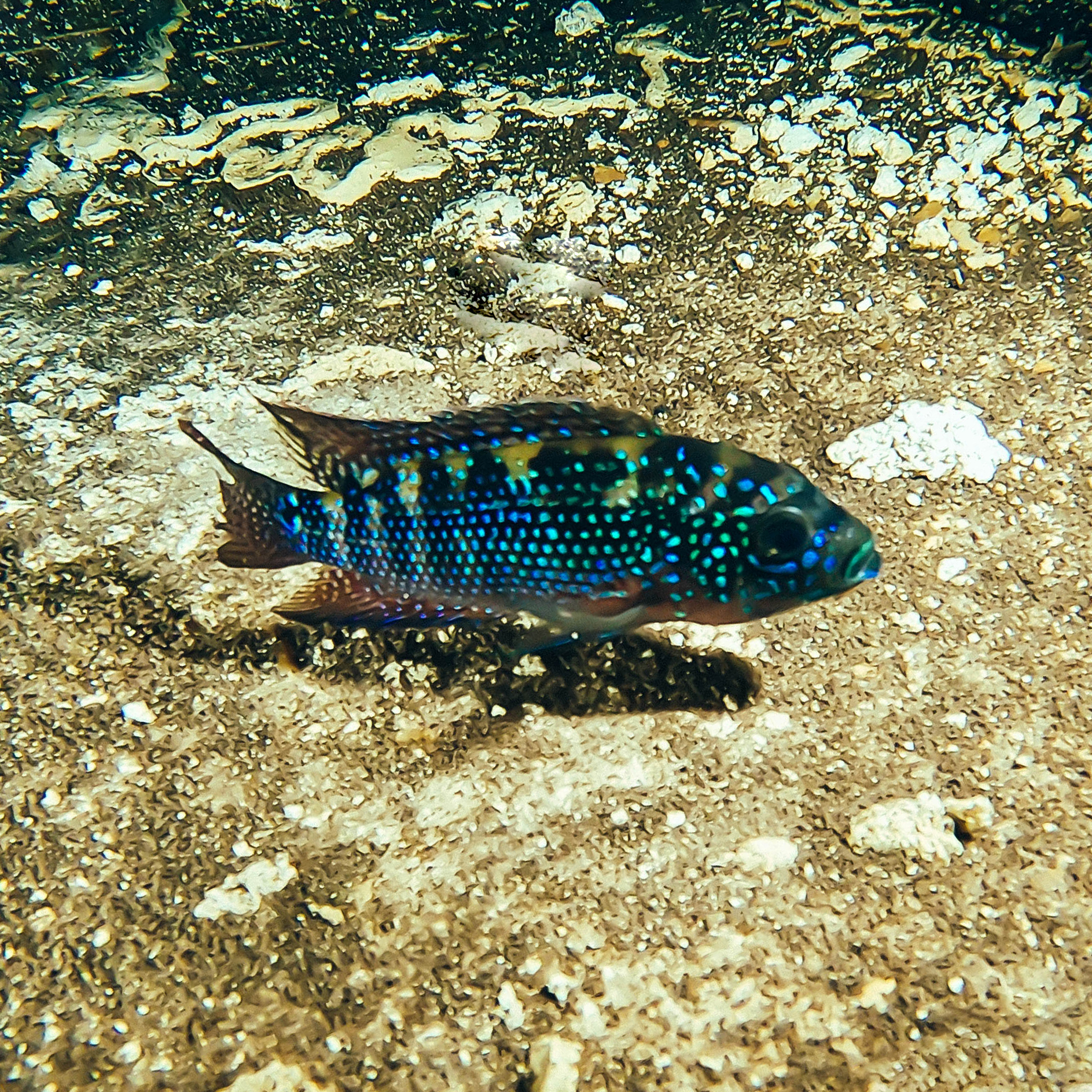
Named for a heavyweight, the Jack Dempsey is a digging Central American cichlid with turquoise spangles and a pair’s worth of territory in 200 li…
Read more →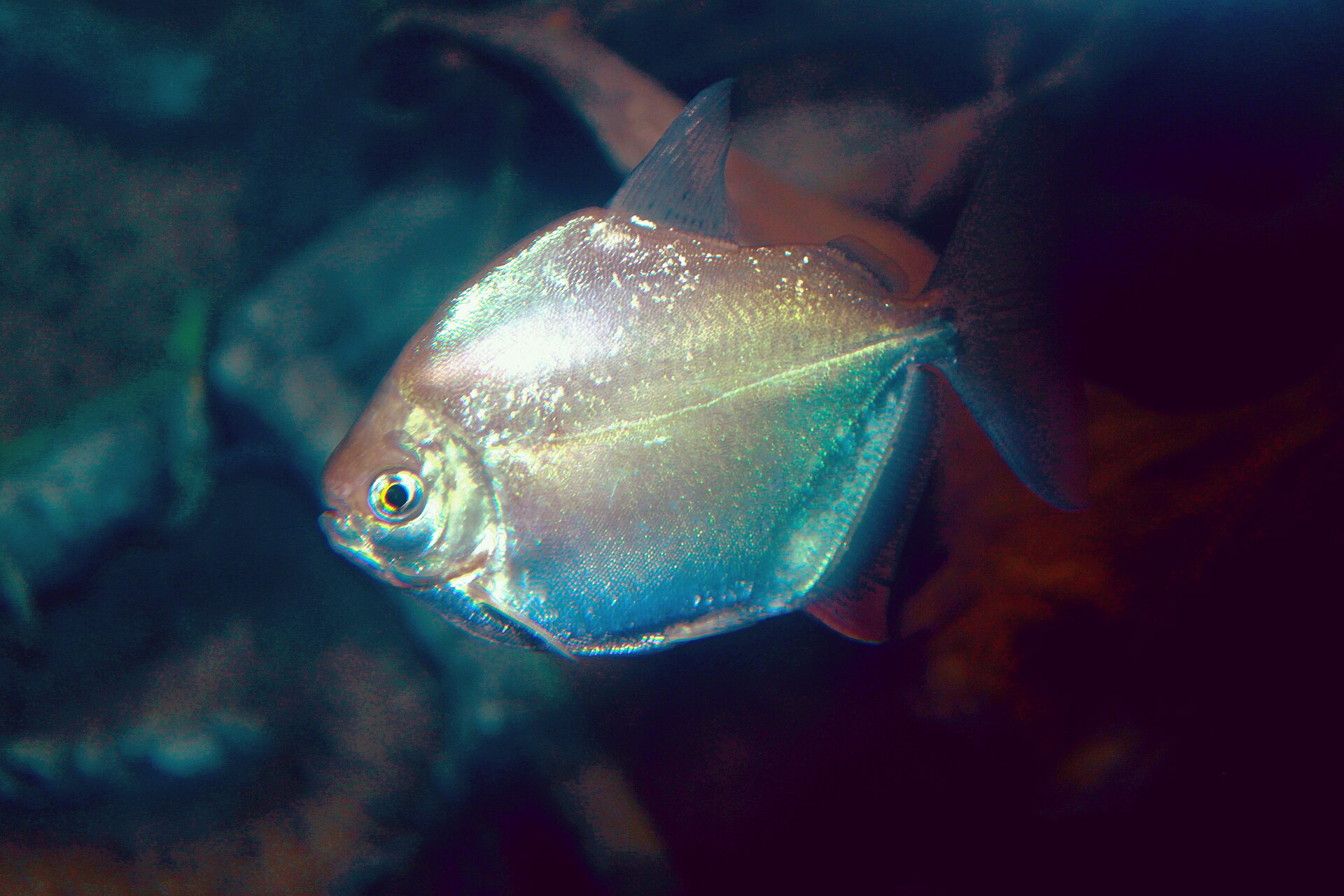
Silver dollars are disc-shaped Amazon herbivores that turn a planted tank into a salad and a big open tank into a shoal of living coins. Feed veget…
Read more →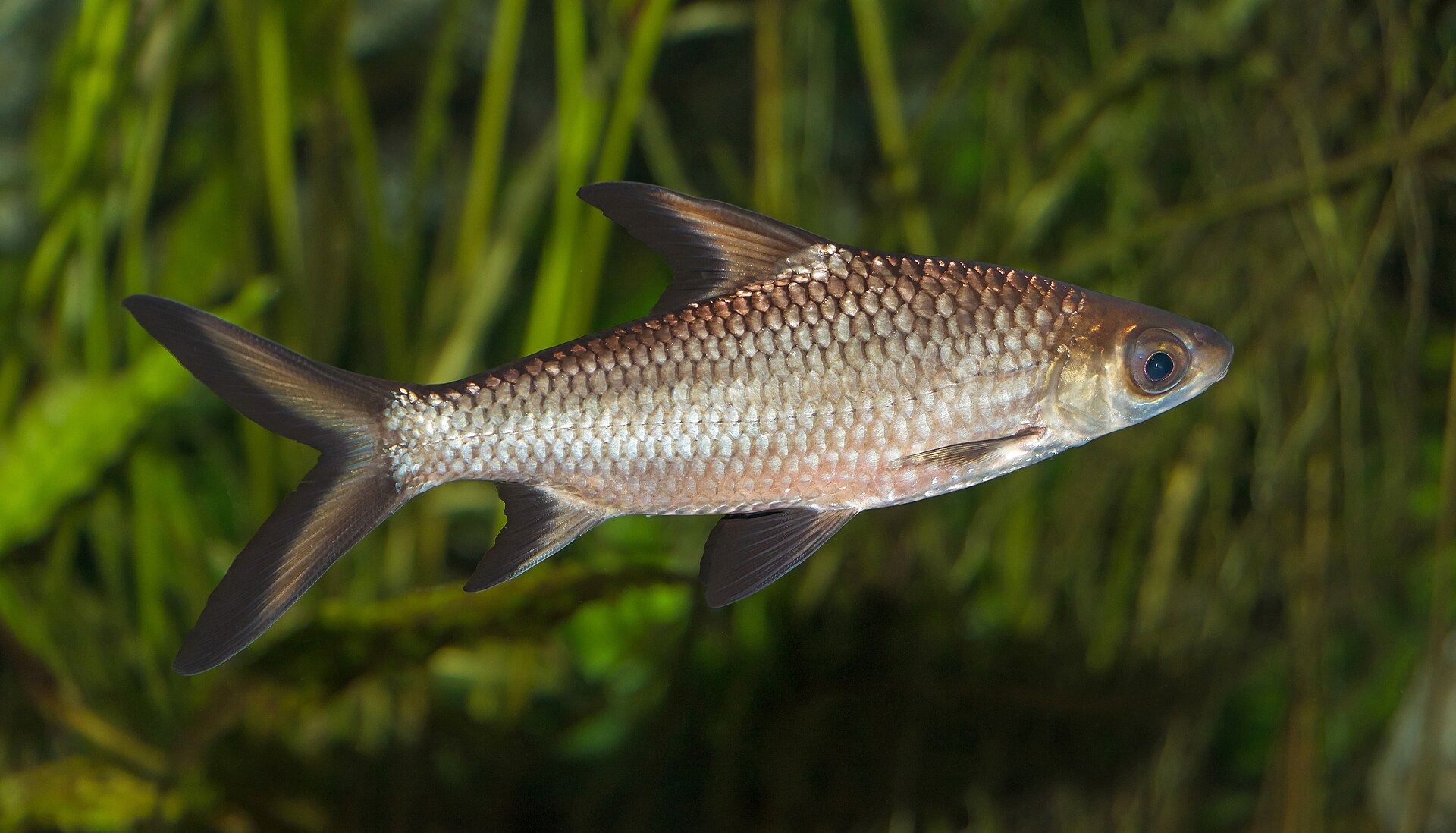
The bala shark is a 30-plus centimetre river cyprinid, endangered in the wild, that jumps and schools. Juveniles in a starter tank are a welfare pr…
Read more →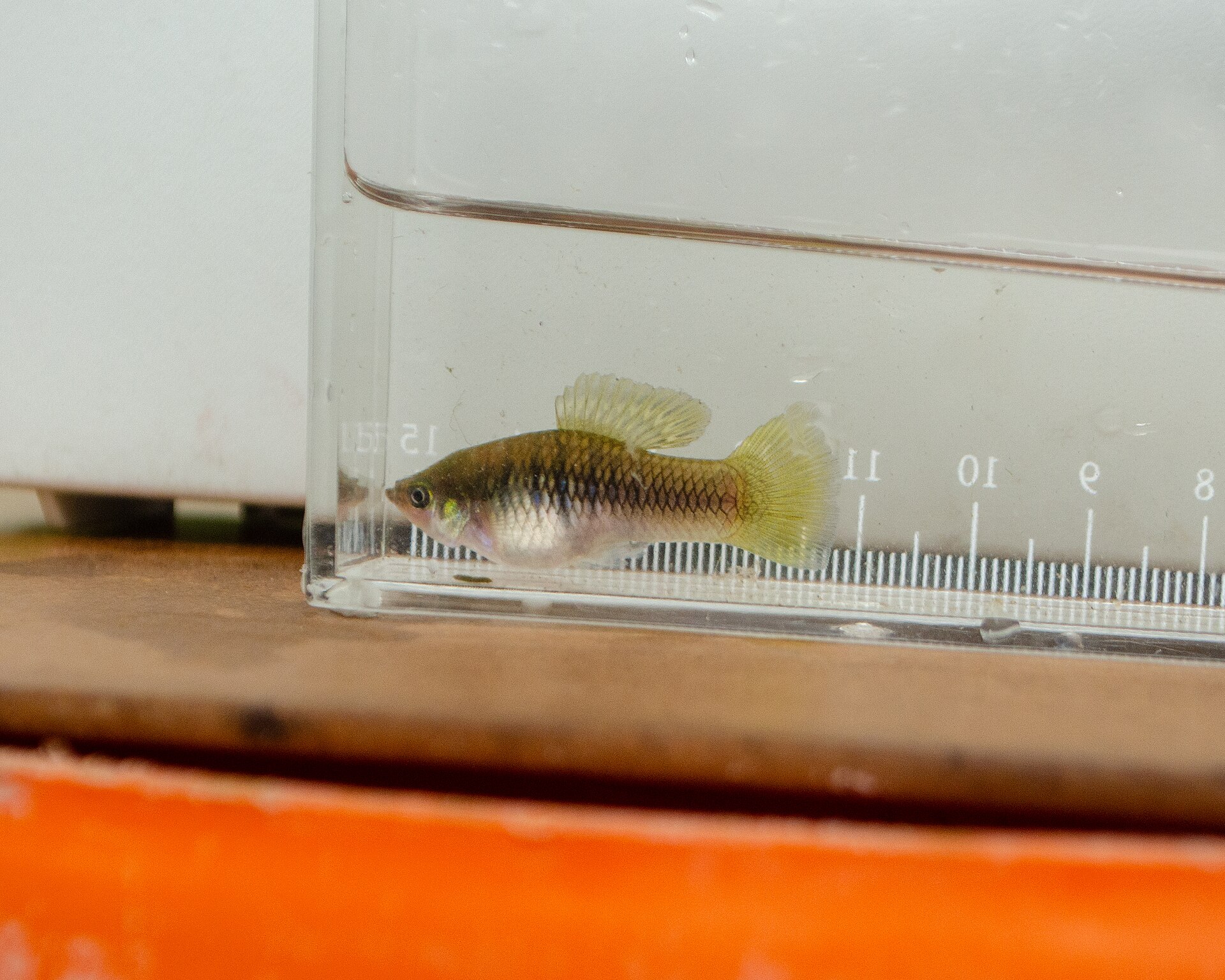
Variatus platies are Mexican stream livebearers whose males colour with cooler seasons and hard water. Farmed sunset lines still want minerals, gre…
Read more →