
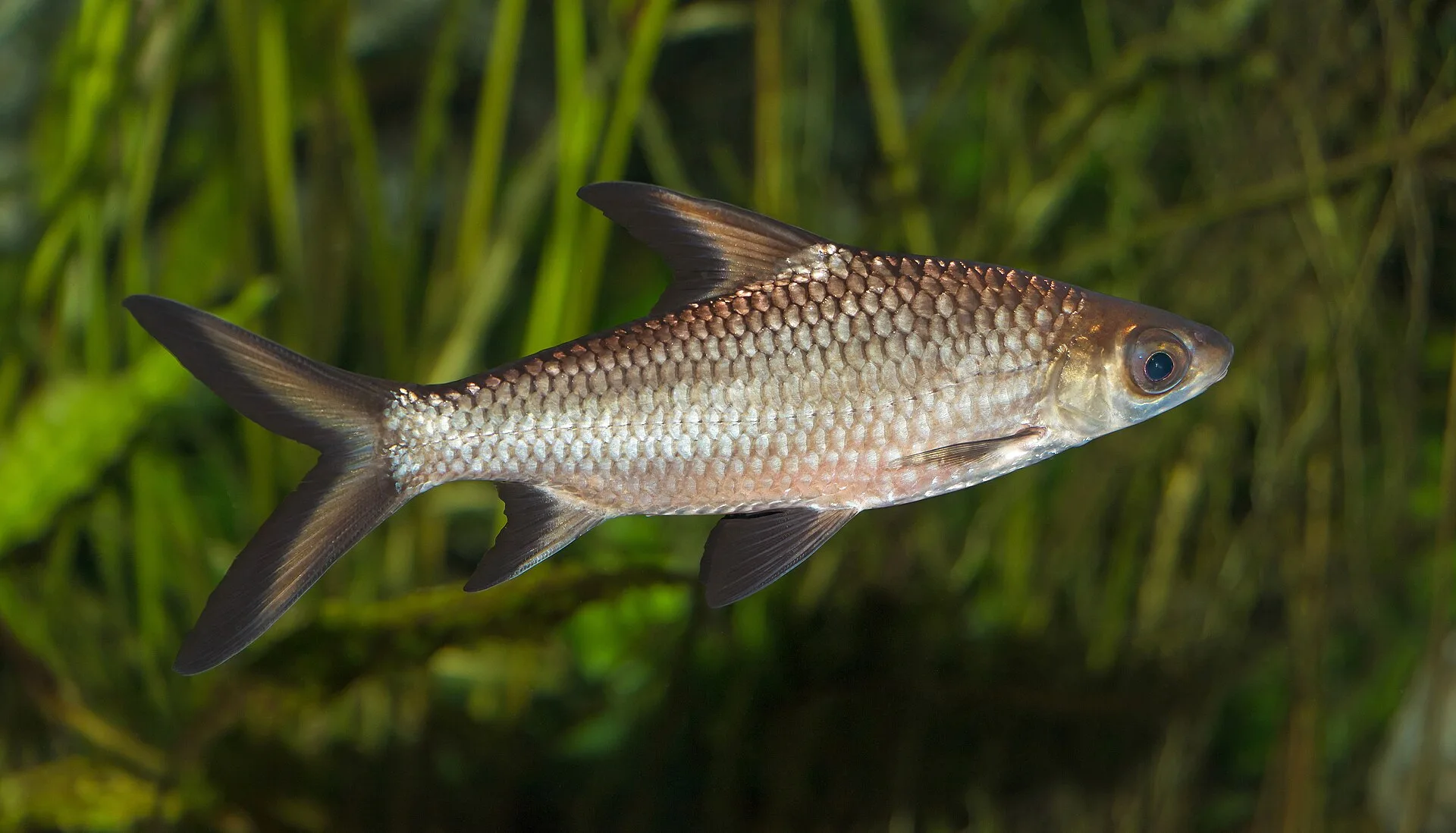
Bala Shark (Balantiocheilos melanopterus)
The bala shark is a 30-plus centimetre river cyprinid, endangered in the wild, that jumps and schools. Juveniles in a starter tank are a welfare pr…
Read more →
This Guides hub on Fishy Friends gathers practical aquarium guides guidance for keepers who want clear answers before they change water, livestock, or gear.
Use these articles to match species to tank size, plan filtration and feeding, and troubleshoot water chemistry without guessing. Each guide is written for home aquariums and links to related reading when you need more depth on aquarium guides.
Start with the basics — stable parameters, quarantine habits, and a feeding schedule that matches the livestock — then browse the profiles and how-tos below. When you are ready to branch out, jump into neighbouring topics so your aquarium guides plan stays consistent across the whole tank.
Whether you are stocking a first community tank or refining an established scape, bookmark this page and return as questions come up. Healthy aquariums are built from small, repeatable routines more than one-time upgrades, and aquarium guides success follows the same pattern.
Explore next: Fishy Friends home, freshwater fish, saltwater fish, live plants.
Fishy Friends publishes species care sheets, plant and invertebrate notes, aquascaping ideas, and water-care explainers so aquarium guides advice stays easy to find. Read one guide thoroughly, apply it slowly, and use the linked hubs above when you want a second angle on the same problem.
Before you buy livestock or rethink filtration, skim two or three aquarium guides articles here and write down target numbers for temperature, hardness, and feeding. That short checklist prevents the most common resets and keeps your aquarium closer to the calm, healthy display you are aiming for.
Come back after water changes or new additions: compare what you see in the tank with the aquarium guides checklists below, then follow one recommended next step instead of changing everything at once. Steady improvements compound, and Fishy Friends is built to support that pace.
The bala shark is a 30-plus centimetre river cyprinid, endangered in the wild, that jumps and schools. Juveniles in a starter tank are a welfare pr…
Read more →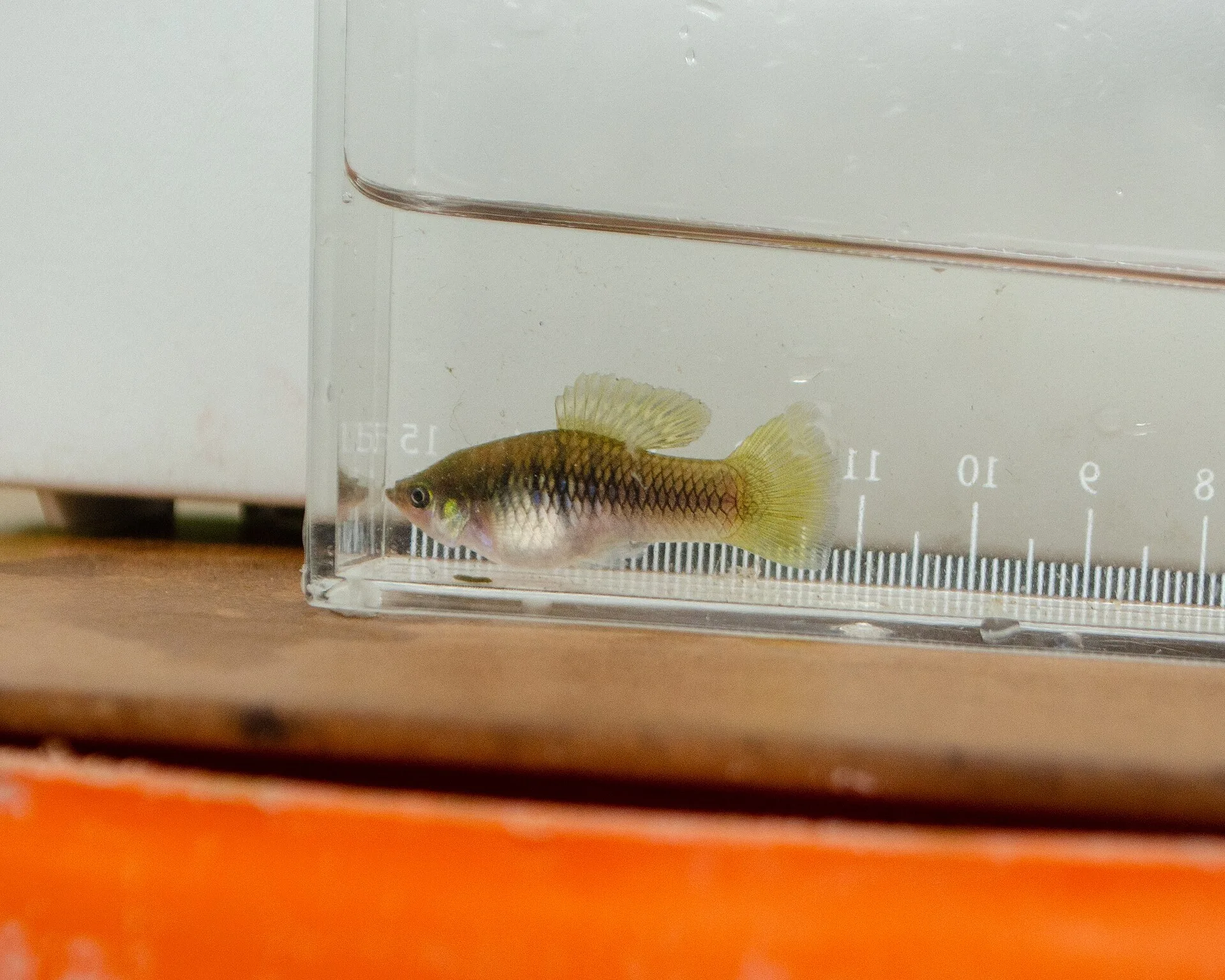
Variatus platies are Mexican stream livebearers whose males colour with cooler seasons and hard water. Farmed sunset lines still want minerals, gre…
Read more →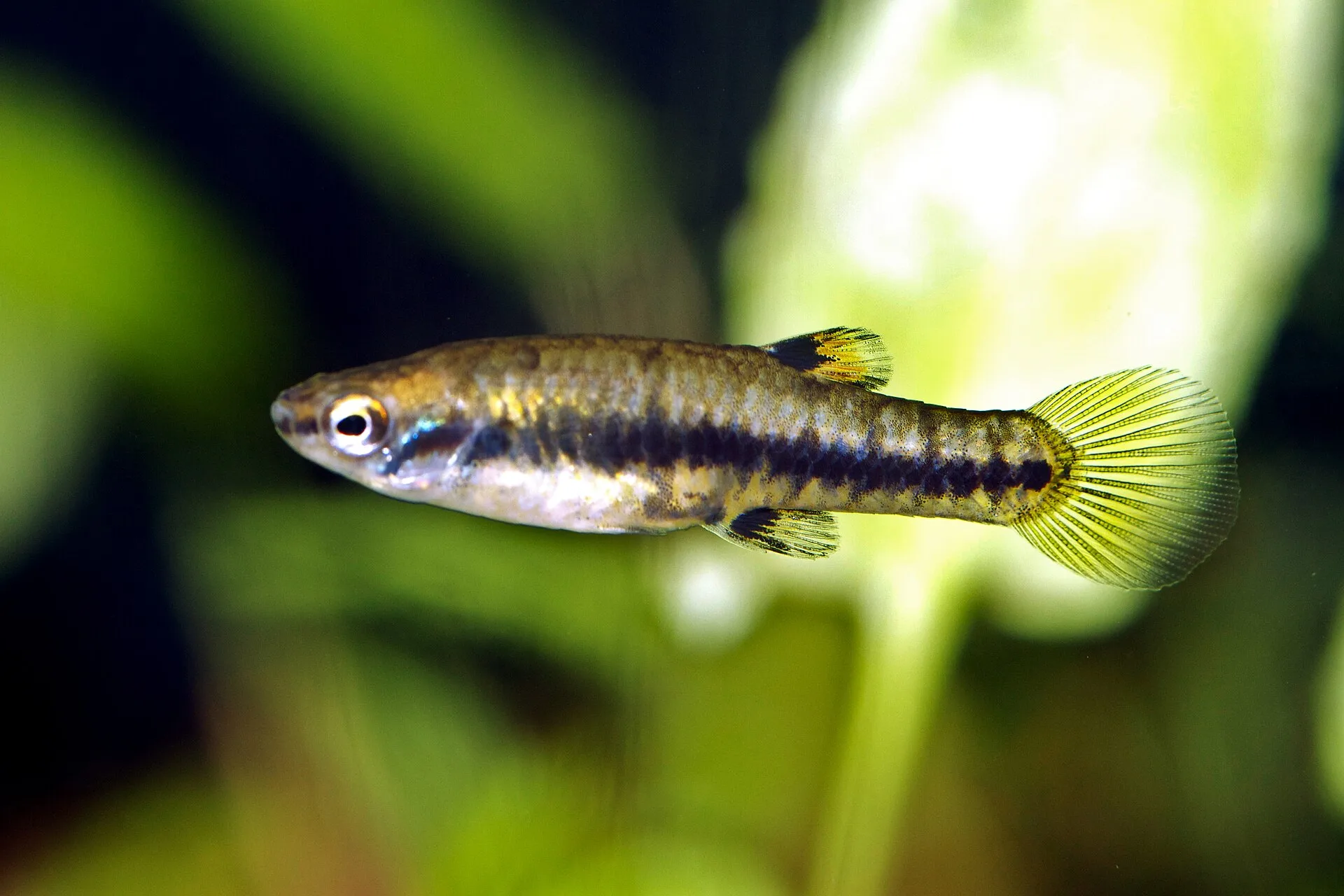
North America’s smallest livebearer drips fry a few at a time from vegetated southeastern marshes. Heterandria formosa needs moss, micro-foods, a…
Read more →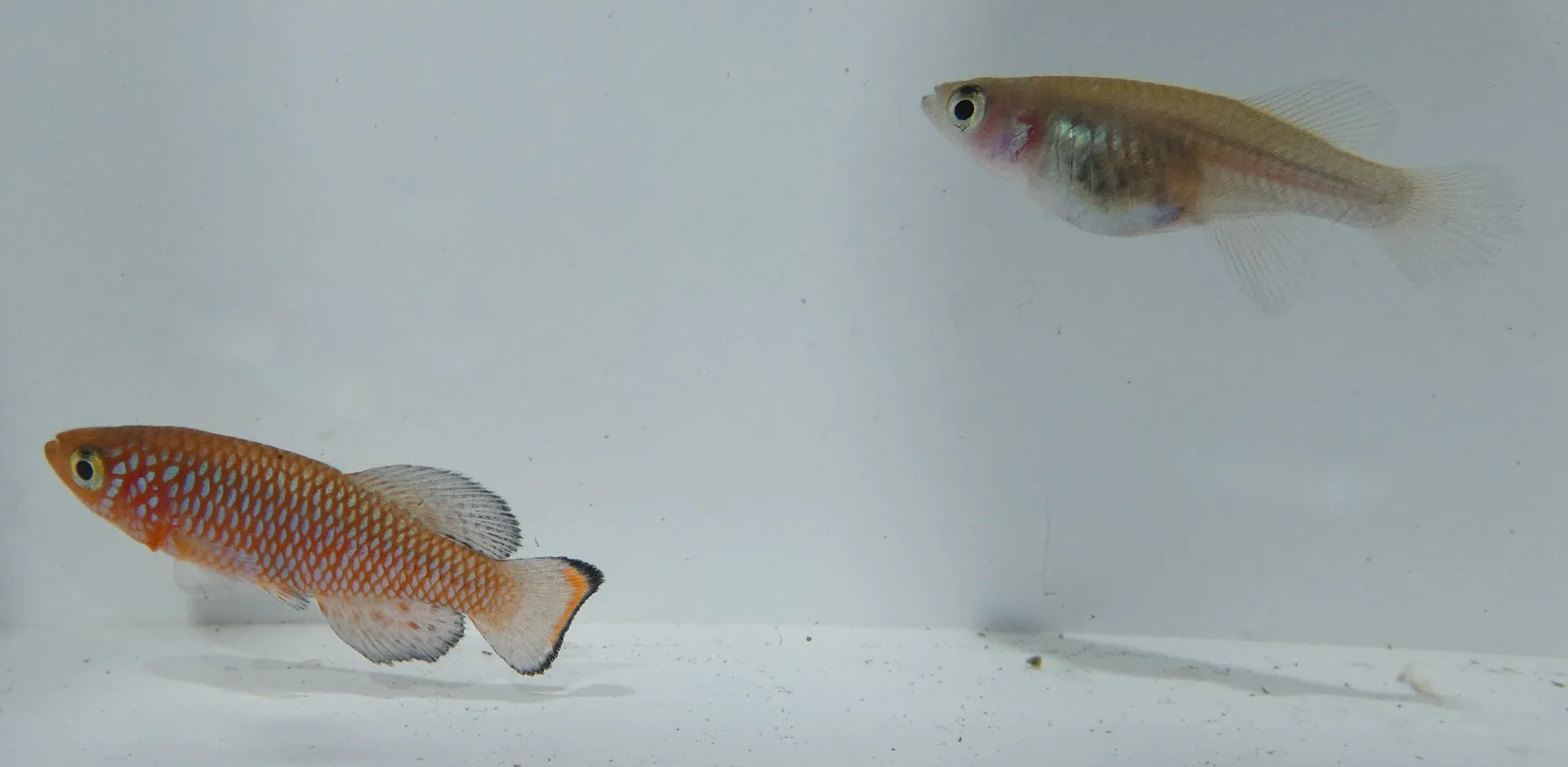
Rachov’s notho is an annual killifish from Mozambican rain pools: brilliant short-lived males, peat-spawned eggs, and a script that ends when the…
Read more →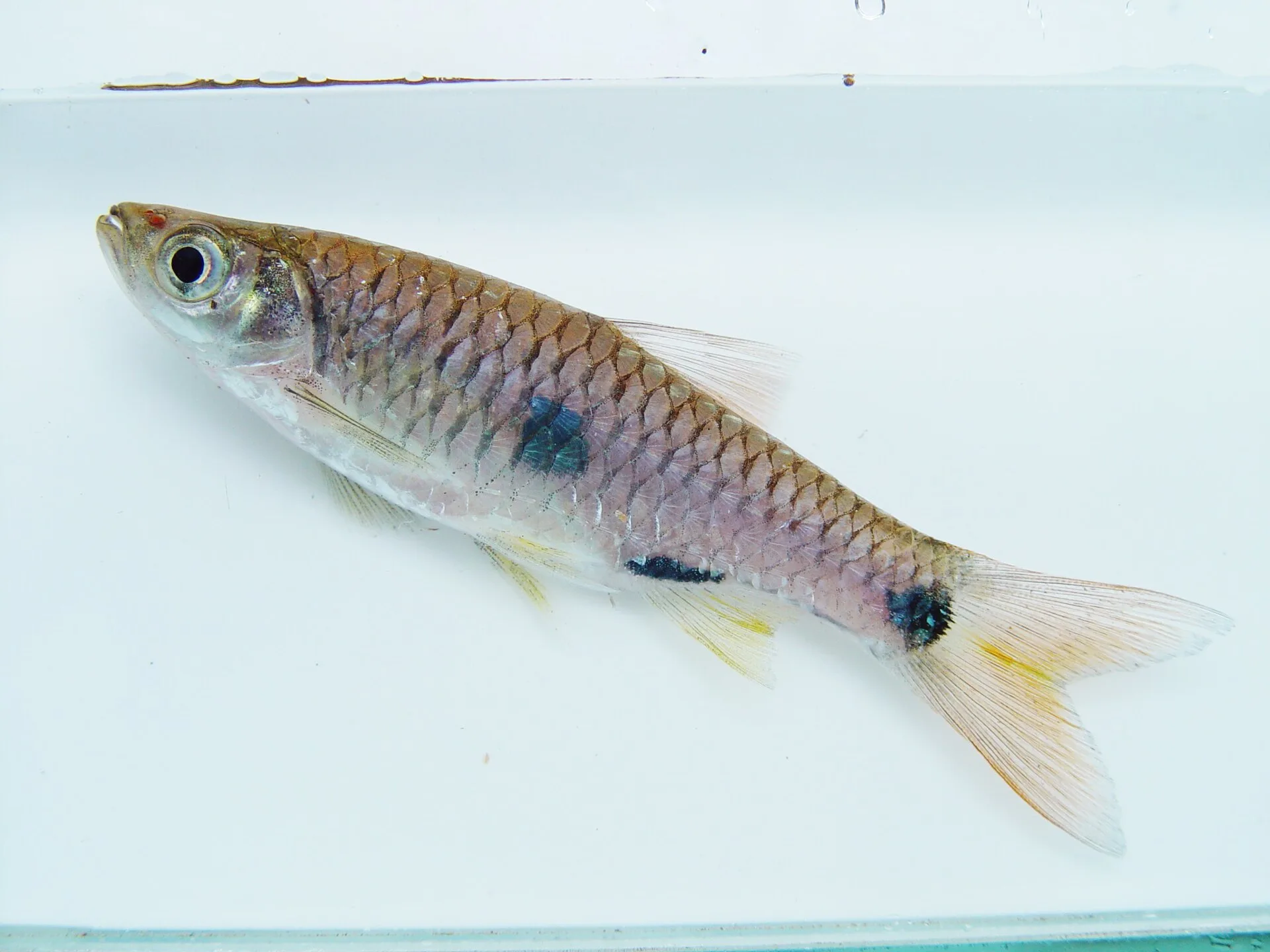
Elegant rasbora is a two-spot forest cyprinid that can reach 15 cm despite the nano reputation of its cousins. Buy it for a long 200 litre tank, or…
Read more →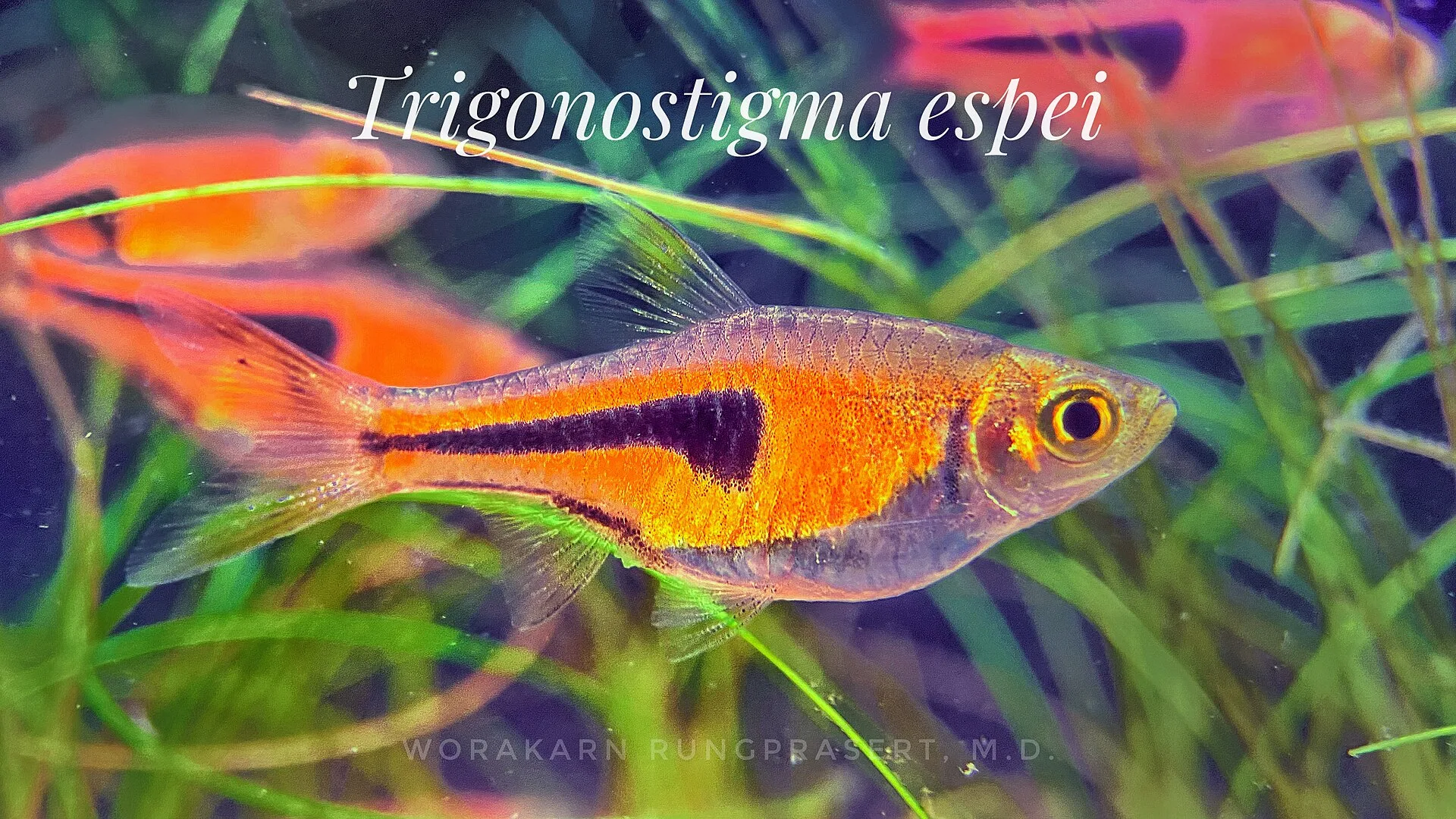
The lambchop rasbora is a copper shoaler from Thai and Cambodian peat streams. Espei colour up in shade, softish water, and a crowd that actually f…
Read more →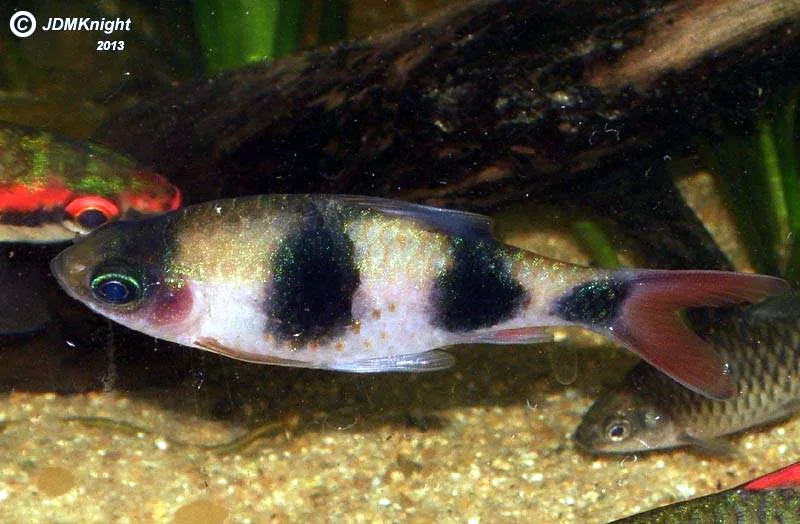
Dawkinsia arulius is a Cauvery hill-stream barb that reaches 12 cm, with dorsal filaments on mature males. It wants length, current, greens, and a…
Read more →
Males of this northern Indian barb flush pink in coolish canals, not in a 28°C community box. Keep a real school in a long tank and they stay busy…
Read more →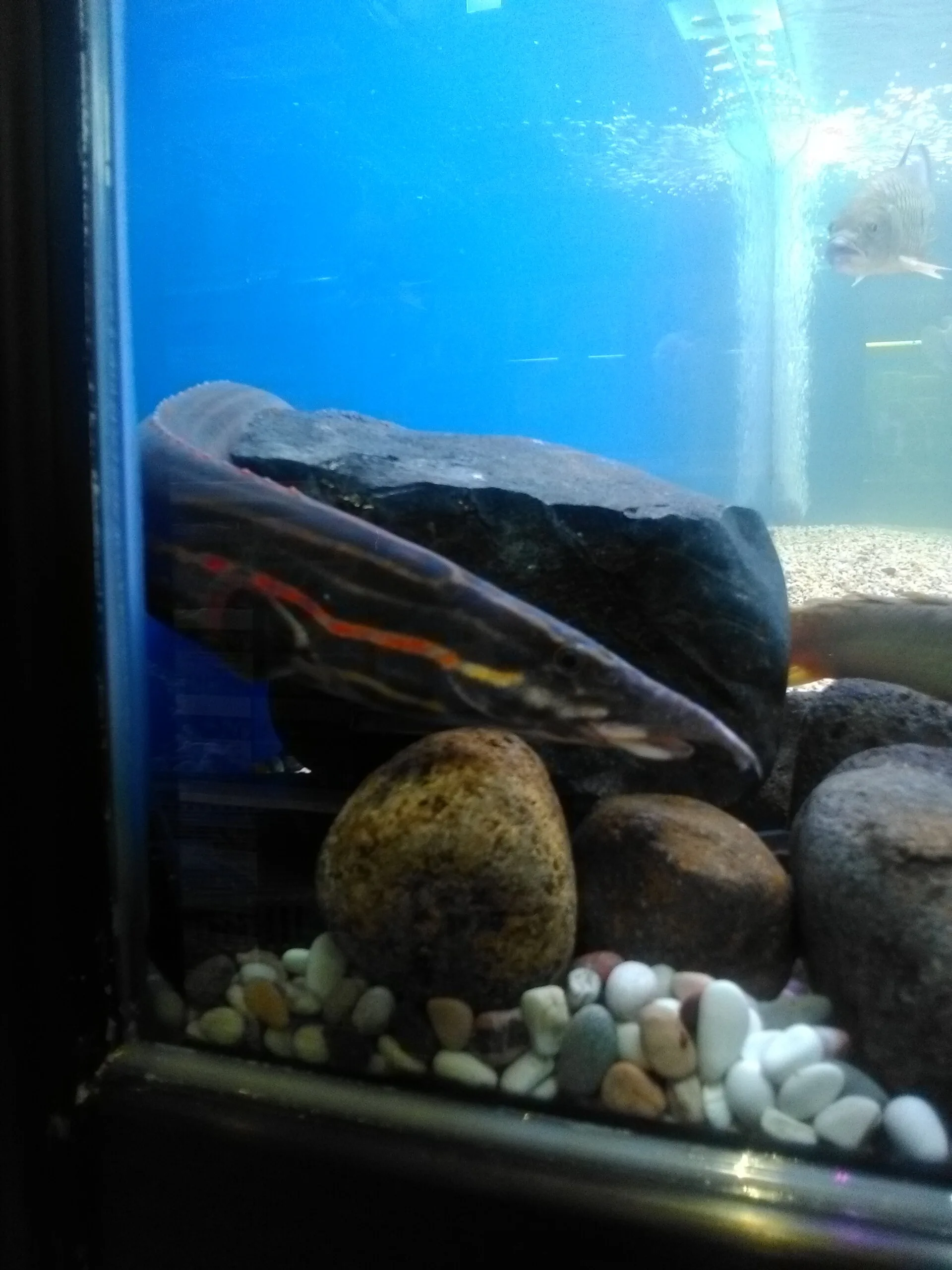
Understand normal hiding, adjustment behaviour and warning signs that point to bullying or illness.
Read more →
Plan safe feeding during short trips without relying automatically on dissolving feeder blocks.
Read more →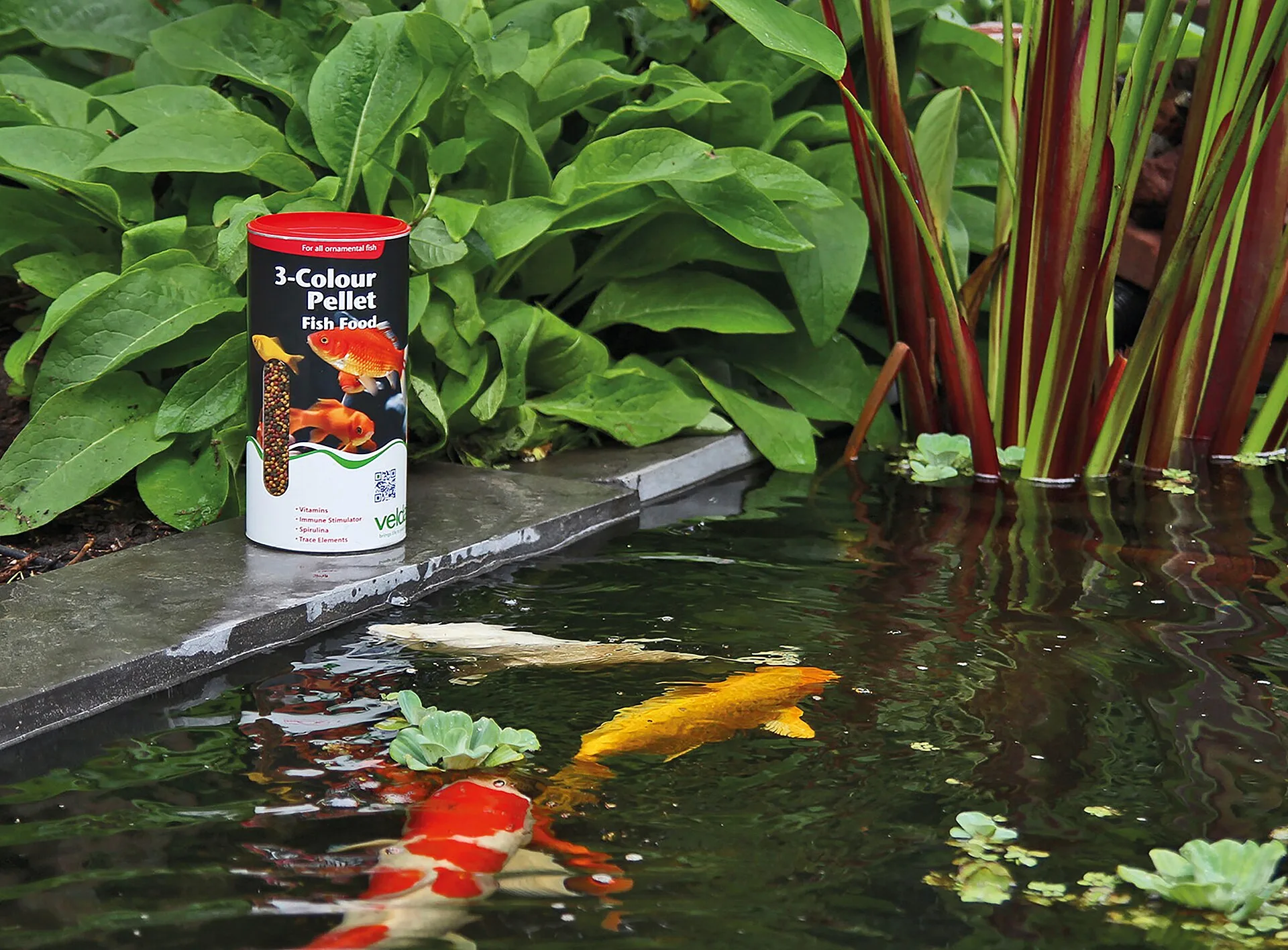
Learn when pre-soaking pellets may help and why it is not a universal cure for buoyancy or digestive problems.
Read more →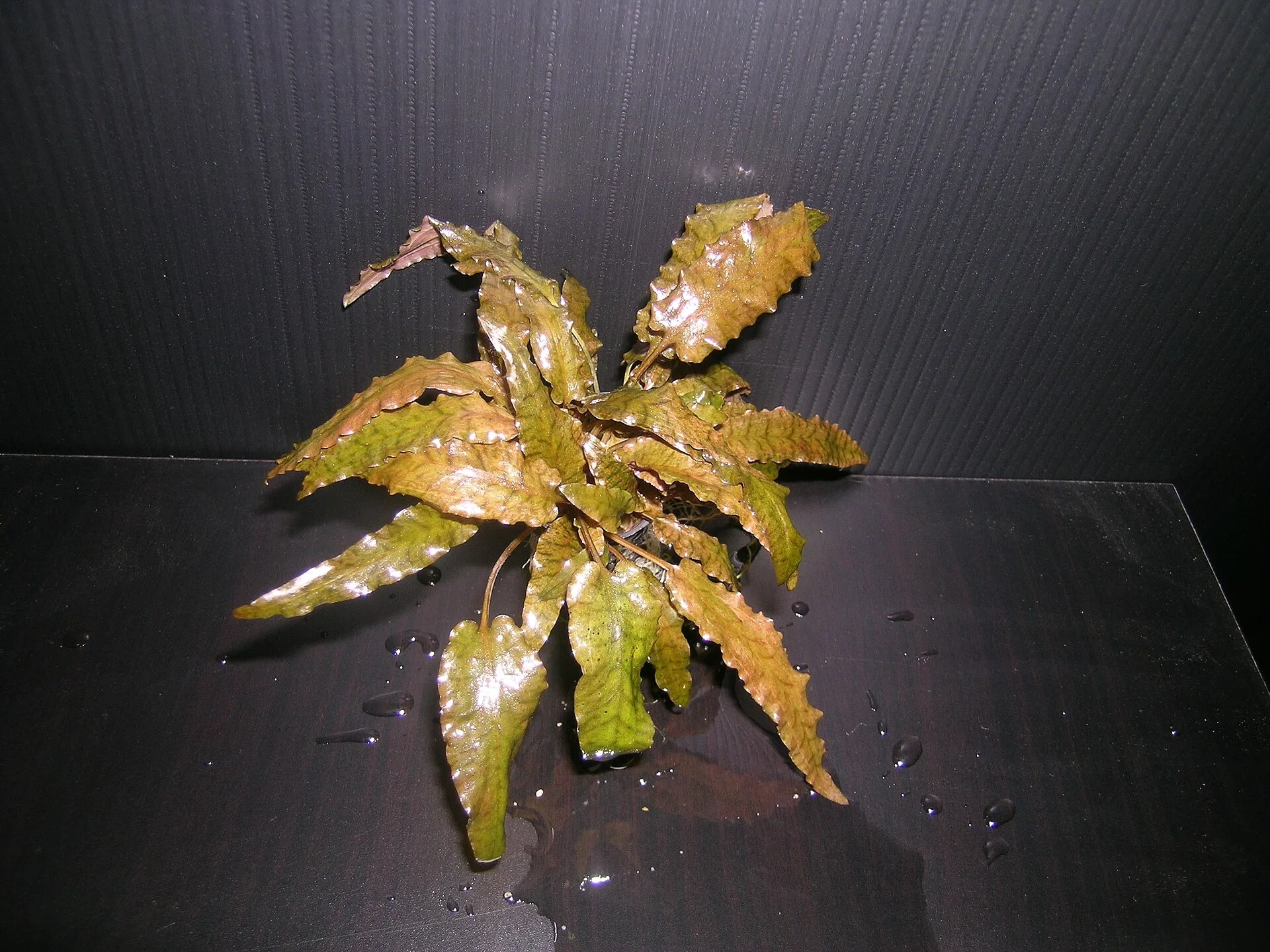
Feed heavy root-feeding plants without unnecessarily enriching the water column.
Read more →
Dose water-column nutrients carefully while watching plant growth and algae response.
Read more →
Use a simple acid reaction test as an initial clue while recognizing its limits.
Read more →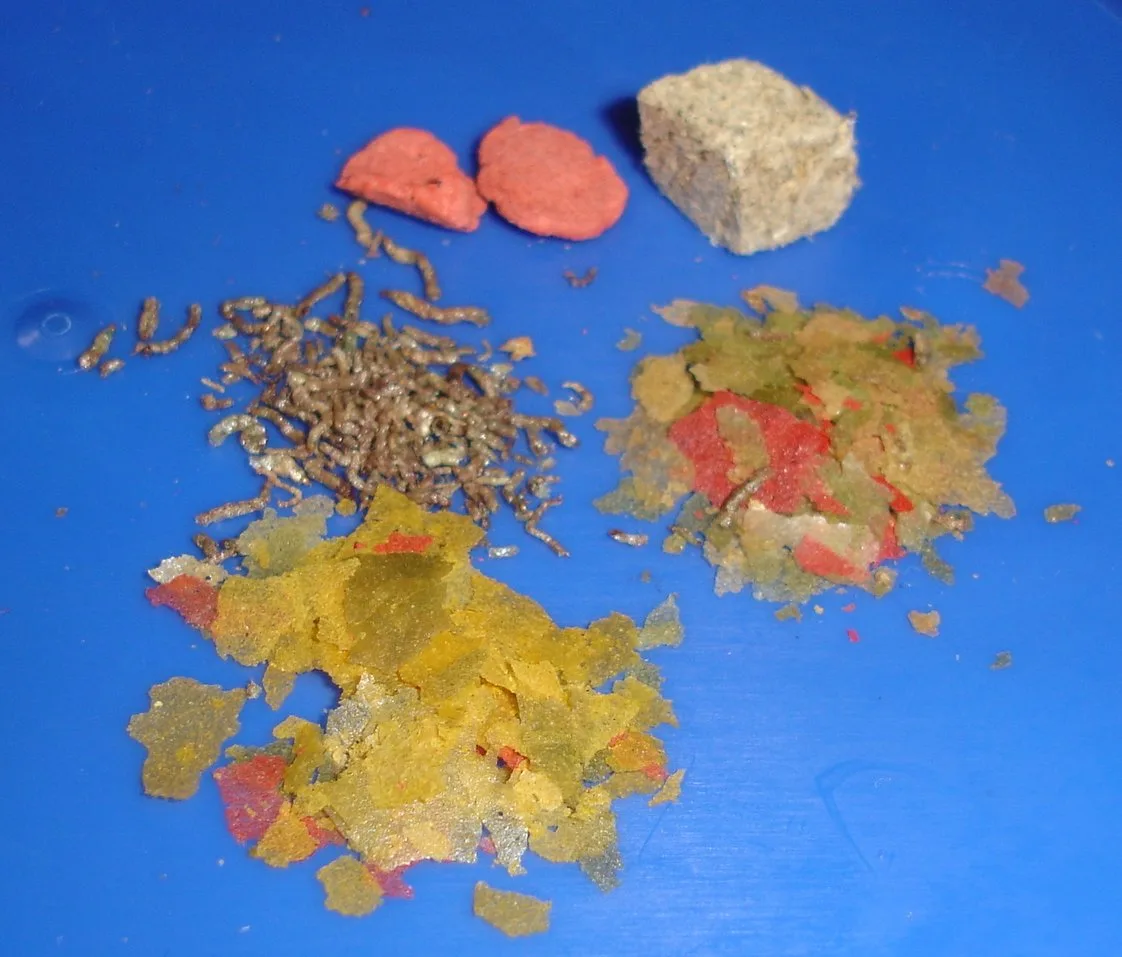
Protect dry, frozen and live foods from moisture, heat, contamination and nutrient loss.
Read more →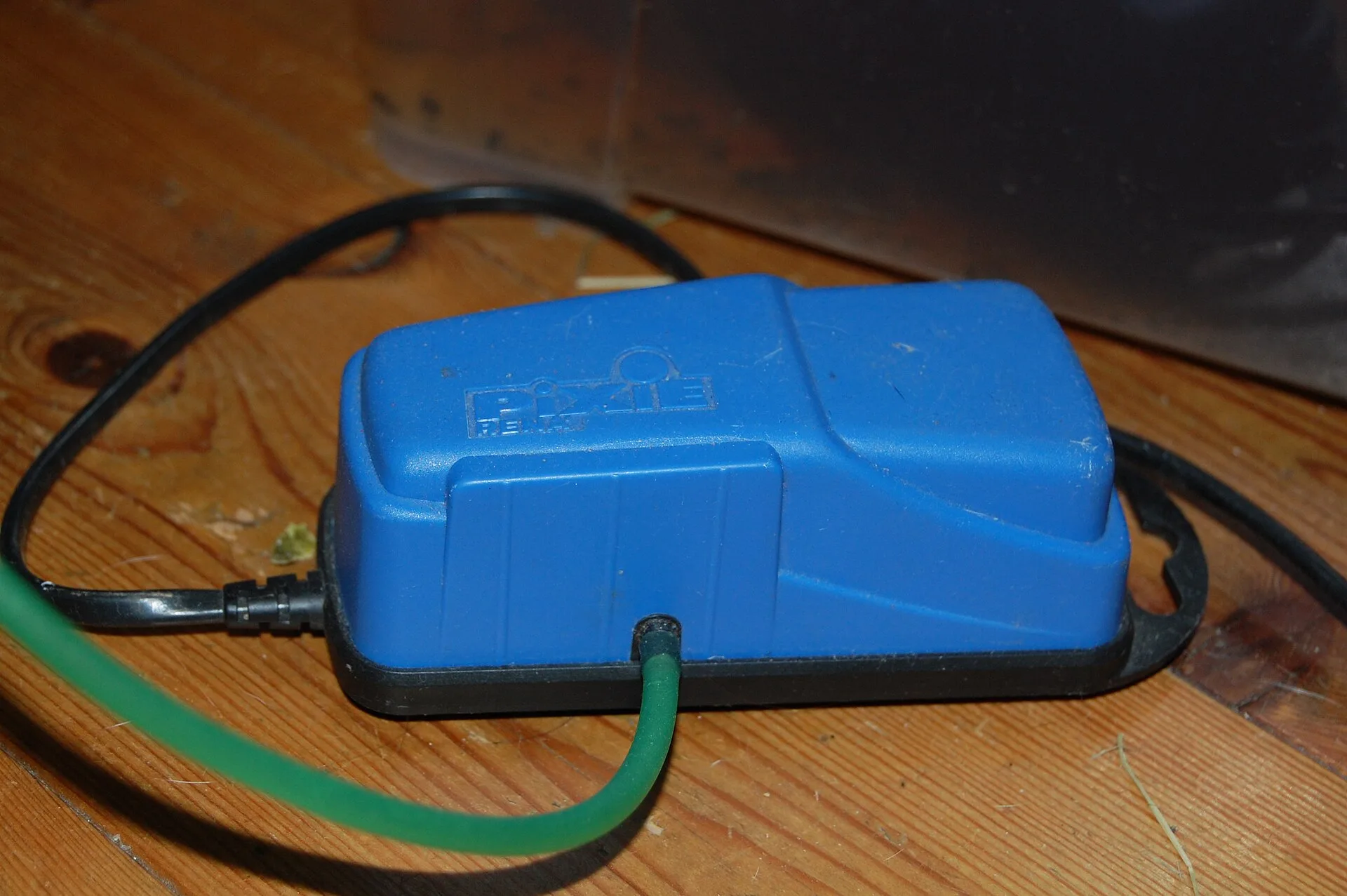
Find the source of rattling, humming, splashing or gurgling and restore quieter filter operation.
Read more →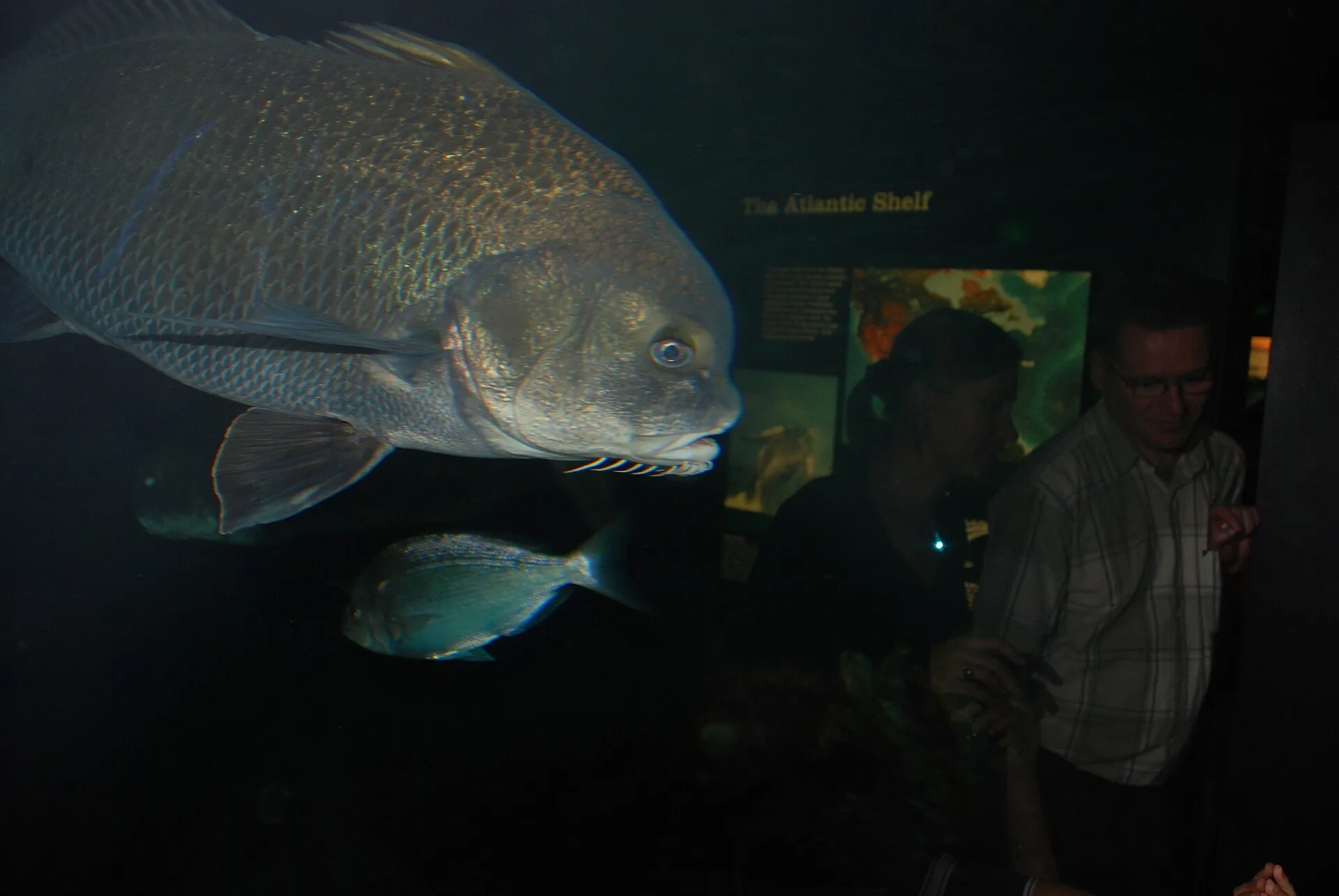
Improve viewing and reduce stress caused by windows, room lights and reflective glass.
Read more →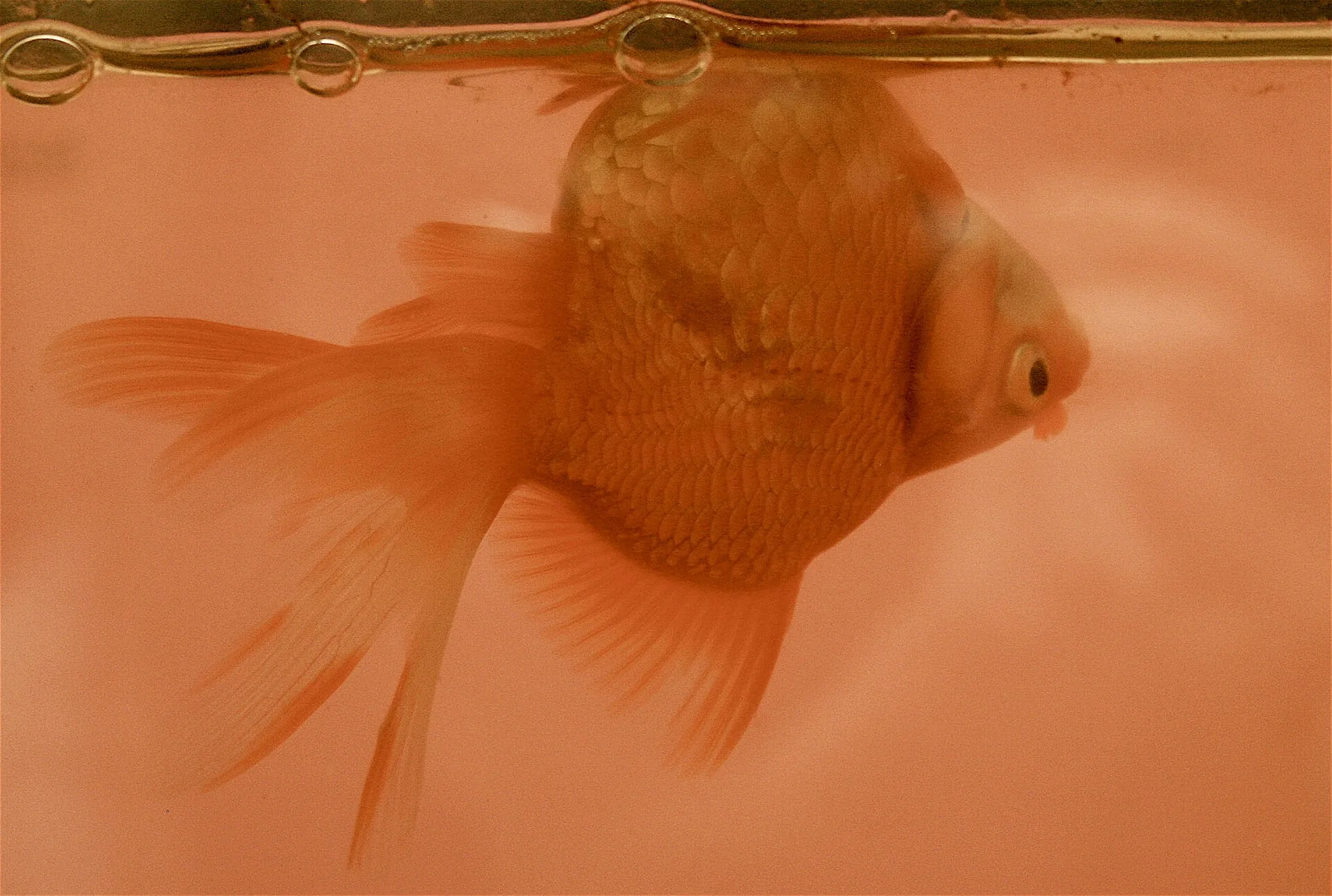
Spot behavioural and physical warning signs, then investigate water quality, aggression and environmental changes.
Read more →
Reduce jumping risks by addressing gaps, stress, unsuitable tank mates and poor water conditions.
Read more →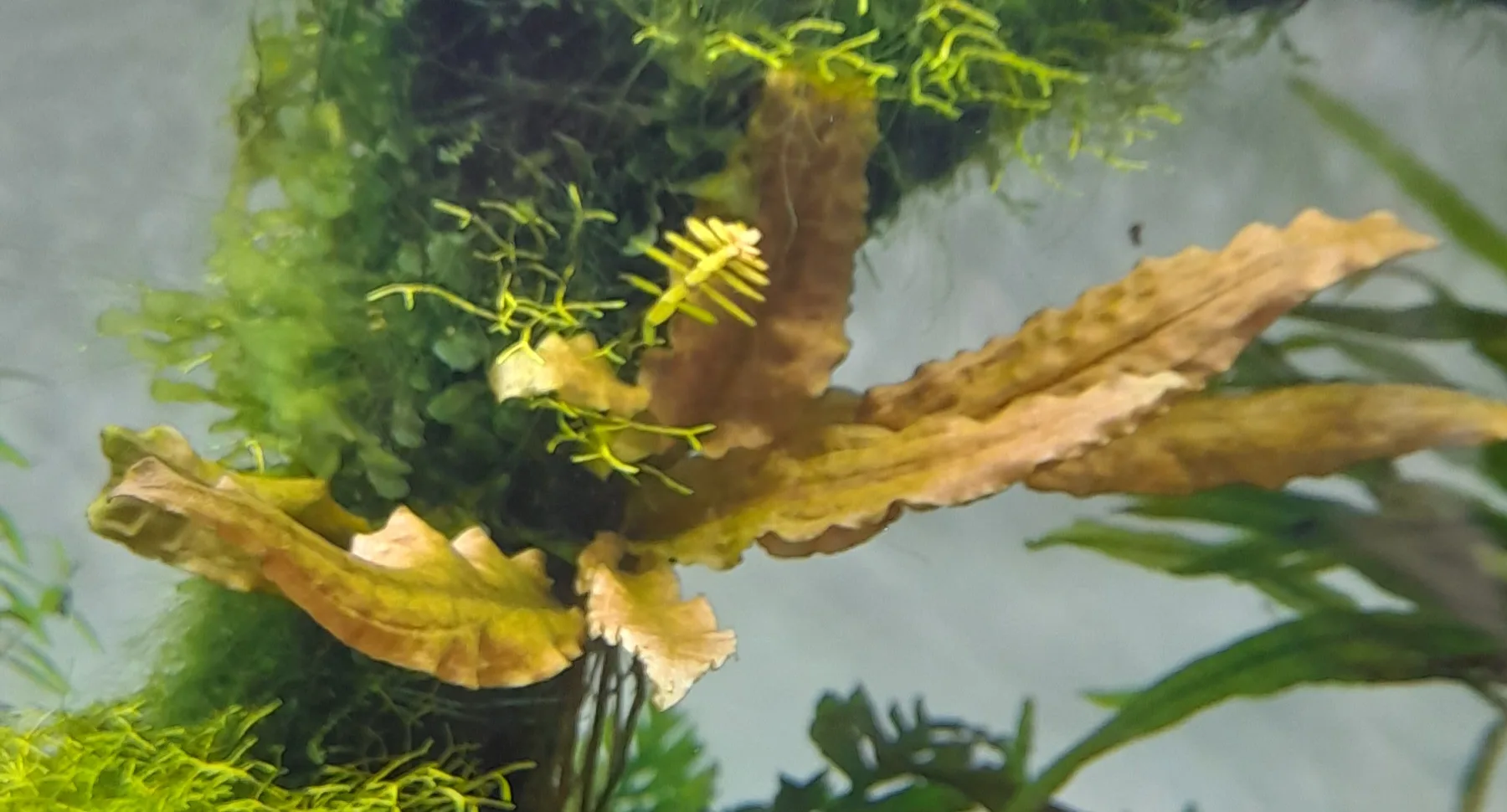
Understand why new aquatic plants lose leaves and how to support healthy submerged growth.
Read more →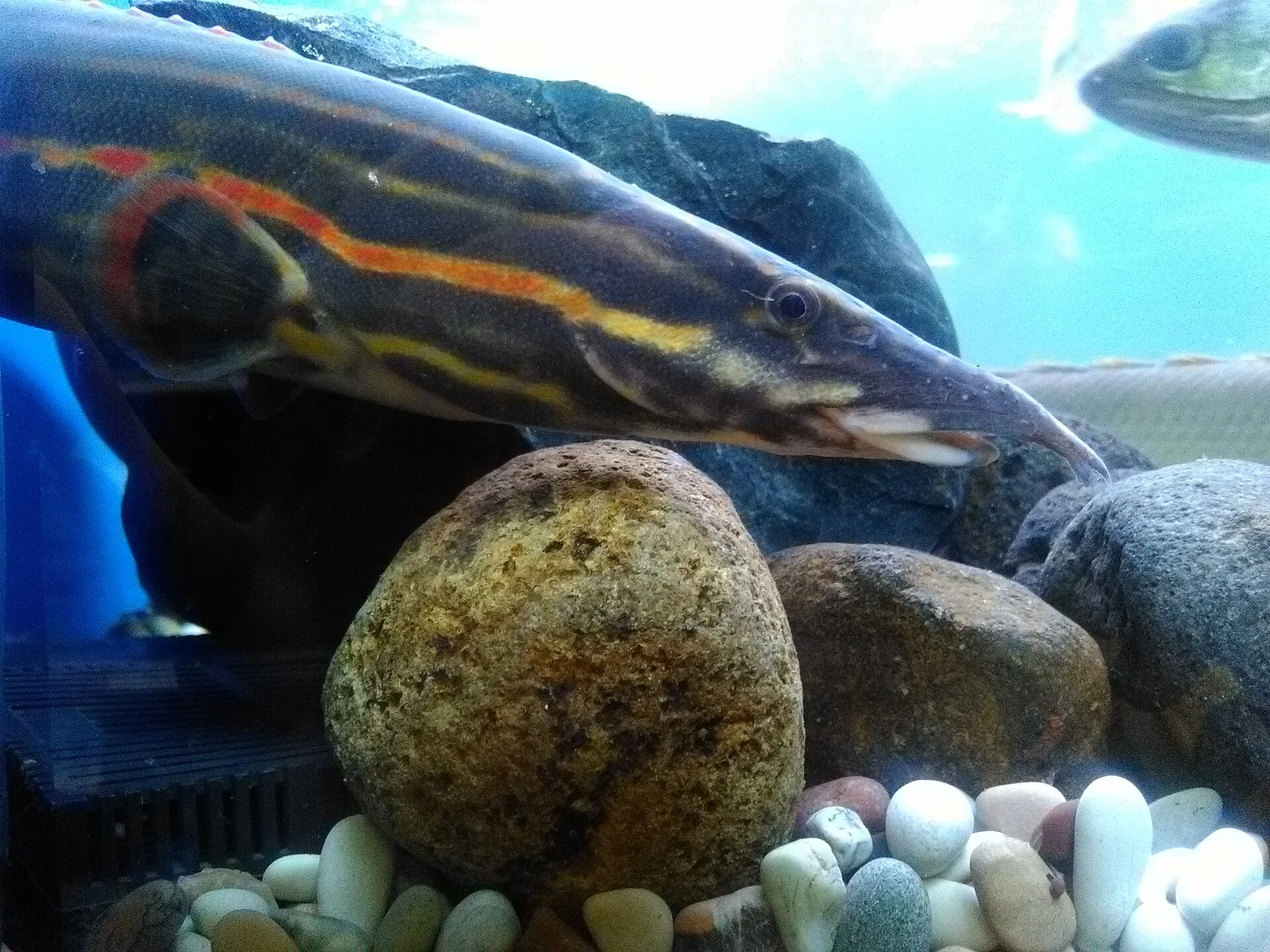
Use targeted feeding and calm routines to help timid fish eat without increasing waste.
Read more →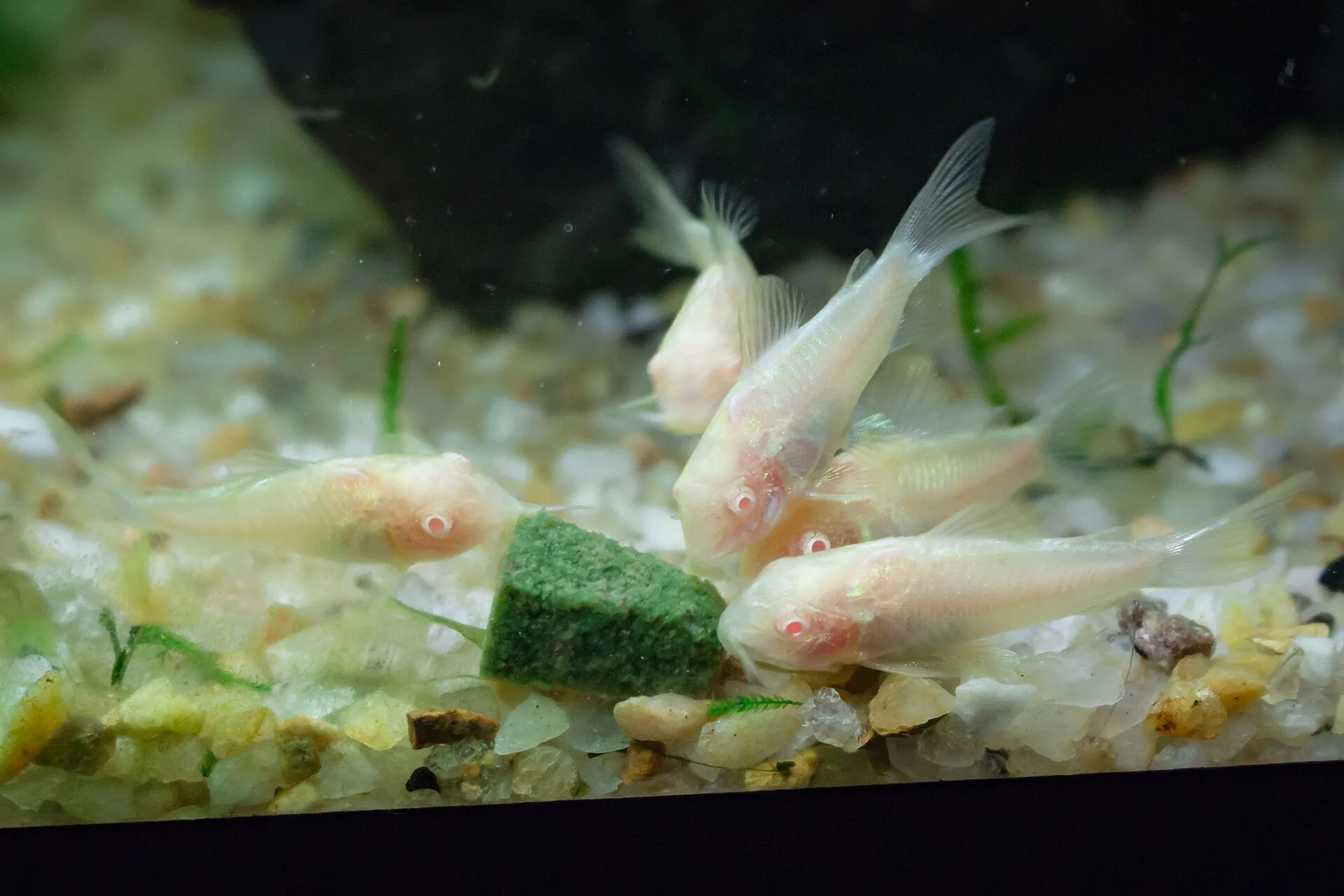
Make sure catfish, loaches and other bottom dwellers receive suitable food before faster tank mates eat everything.
Read more →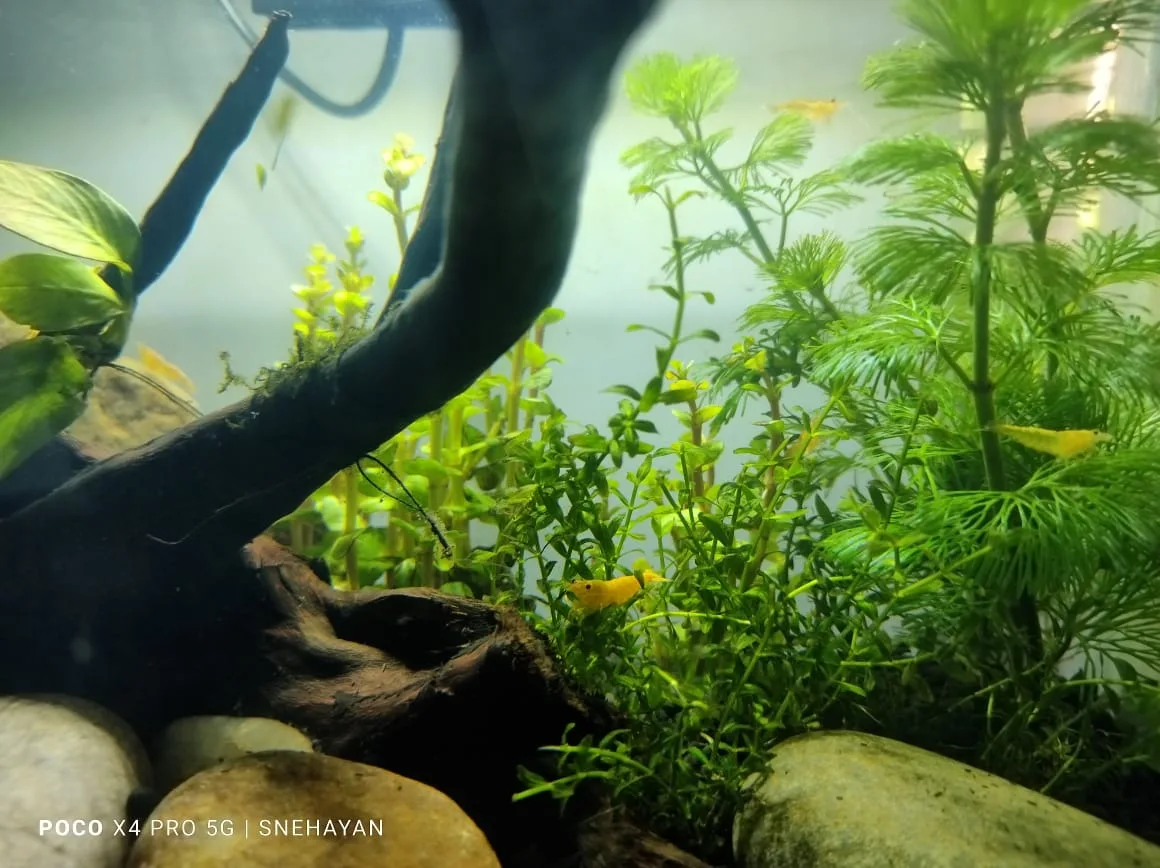
Design calm areas for slow-water fish while maintaining enough circulation for filtration and oxygen exchange.
Read more →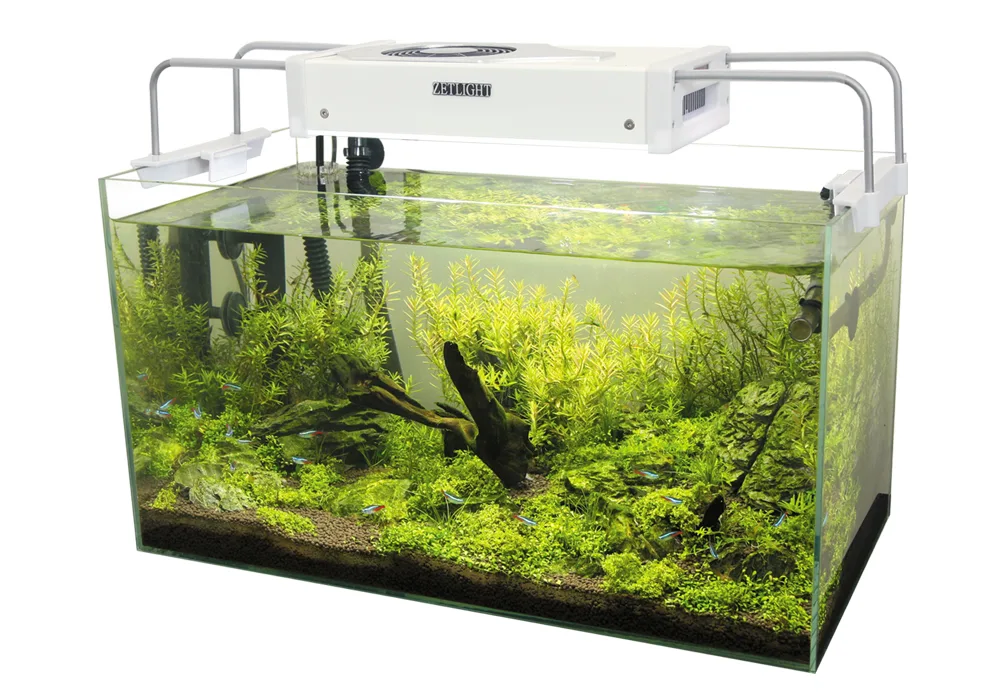
Set a practical photoperiod that supports viewing and plant growth without encouraging unnecessary algae.
Read more →