
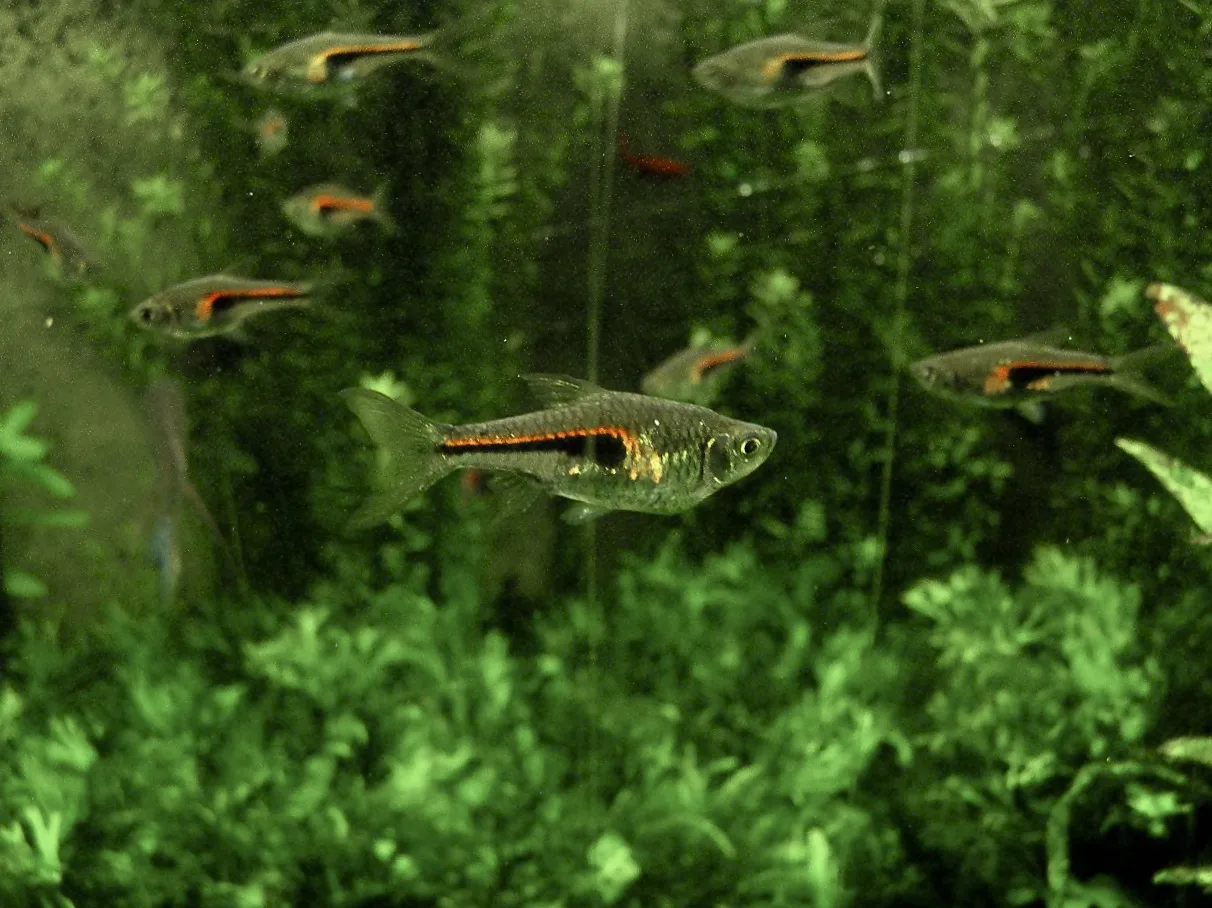
Glowlight Rasbora (Trigonostigma hengeli)
Trigonostigma hengeli is the smaller, shyer harlequin cousin: an orange-gold wedge on a 3–4 cm body that wants a planted, soft forest stream —…
Read more →
This Guides hub on Fishy Friends gathers practical aquarium guides guidance for keepers who want clear answers before they change water, livestock, or gear.
Use these articles to match species to tank size, plan filtration and feeding, and troubleshoot water chemistry without guessing. Each guide is written for home aquariums and links to related reading when you need more depth on aquarium guides.
Start with the basics — stable parameters, quarantine habits, and a feeding schedule that matches the livestock — then browse the profiles and how-tos below. When you are ready to branch out, jump into neighbouring topics so your aquarium guides plan stays consistent across the whole tank.
Whether you are stocking a first community tank or refining an established scape, bookmark this page and return as questions come up. Healthy aquariums are built from small, repeatable routines more than one-time upgrades, and aquarium guides success follows the same pattern.
Explore next: Fishy Friends home, freshwater fish, saltwater fish, live plants.
Fishy Friends publishes species care sheets, plant and invertebrate notes, aquascaping ideas, and water-care explainers so aquarium guides advice stays easy to find. Read one guide thoroughly, apply it slowly, and use the linked hubs above when you want a second angle on the same problem.
Before you buy livestock or rethink filtration, skim two or three aquarium guides articles here and write down target numbers for temperature, hardness, and feeding. That short checklist prevents the most common resets and keeps your aquarium closer to the calm, healthy display you are aiming for.
Come back after water changes or new additions: compare what you see in the tank with the aquarium guides checklists below, then follow one recommended next step instead of changing everything at once. Steady improvements compound, and Fishy Friends is built to support that pace.
Trigonostigma hengeli is the smaller, shyer harlequin cousin: an orange-gold wedge on a 3–4 cm body that wants a planted, soft forest stream —…
Read more →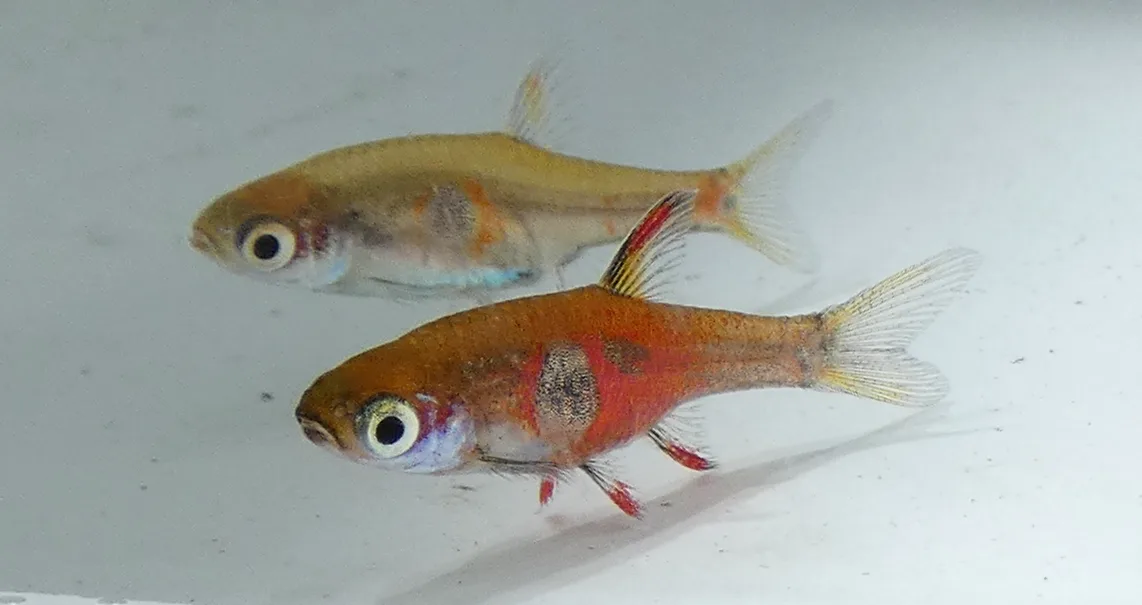
Boraras naevus from southern Thailand peat is a 2 cm rasbora defined by a round flank patch and a need for stained, still, acidic water — keep a…
Read more →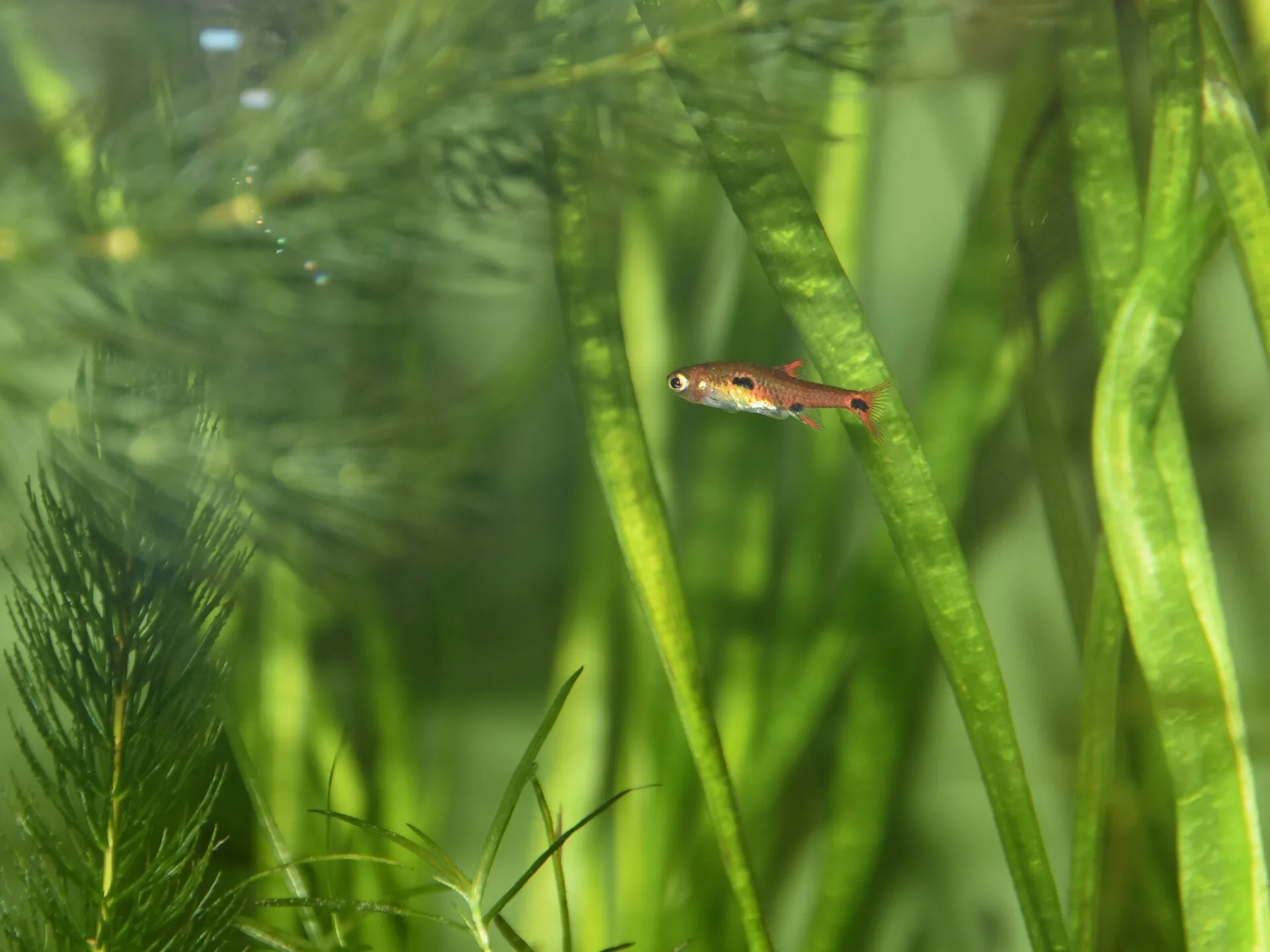
Boraras maculatus is a peat-swamp speck from Peninsular Malaysia and Sumatra: tiny mouth, tea-stained water, and a school that only settles when th…
Read more →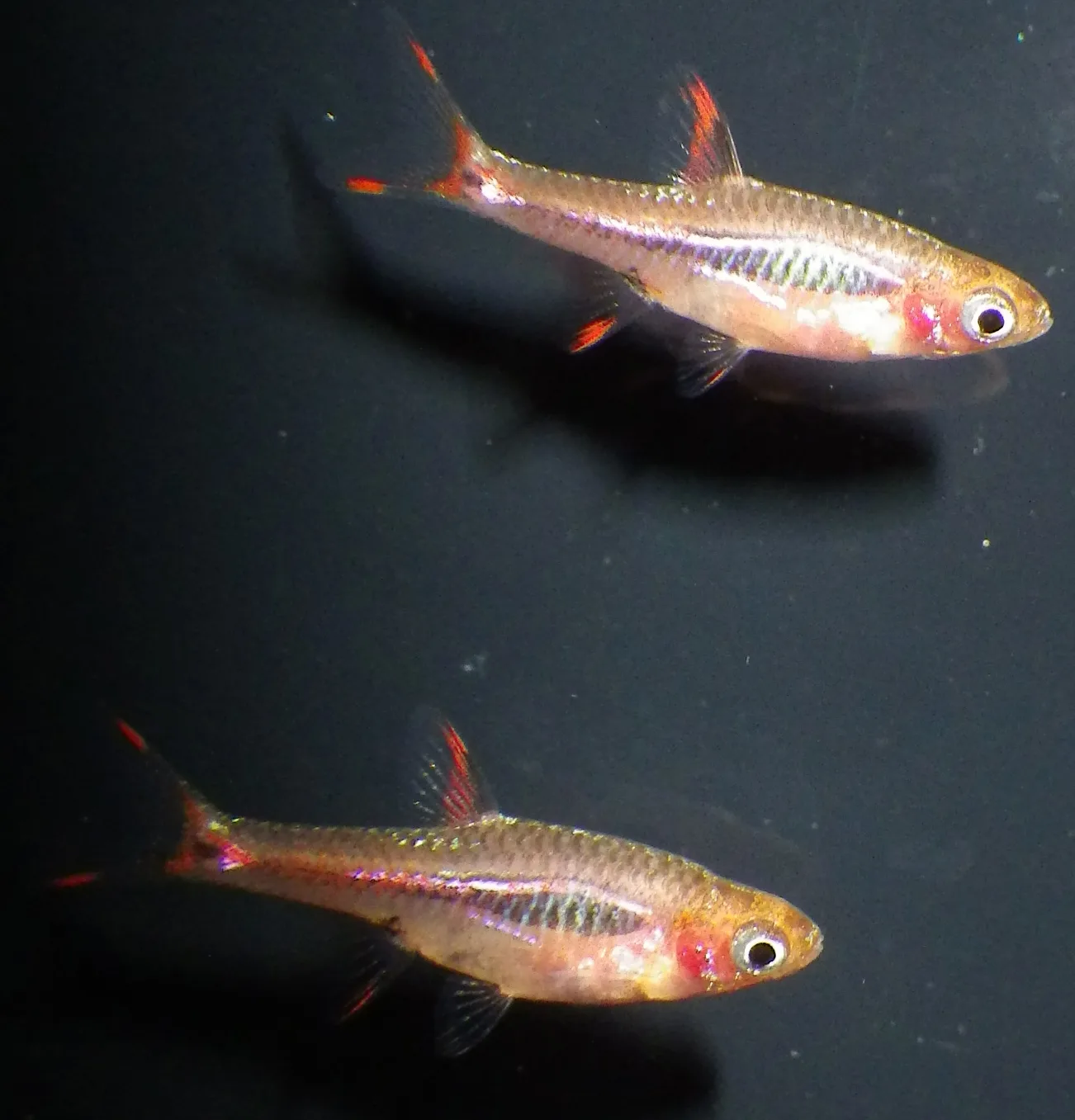
Borneo peat-swamp dwarfs in tea-coloured water. Tiny mouths, leaf litter, a huge school, and chemistry that would bleach an Inle fish.
Read more →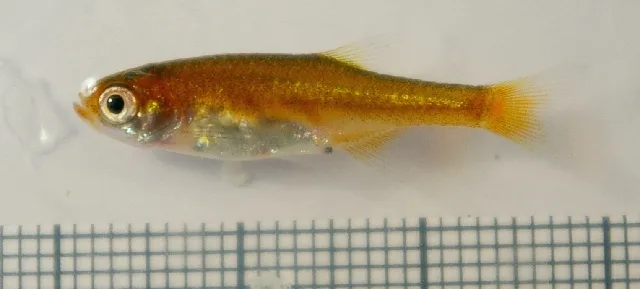
Inle Lake rubies. Cooler, harder, alkaline water — the opposite of Boraras peat. Captive-bred fish for a threatened plateau lake.
Read more →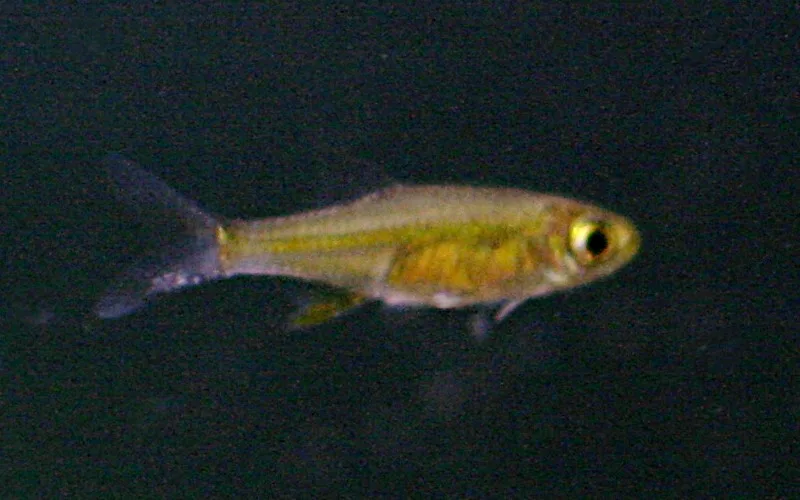
Neon-green Ataran micros that need a crowd, powder food, and gentle planted water — not peat-swamp pH 4 and not a danio river.
Read more →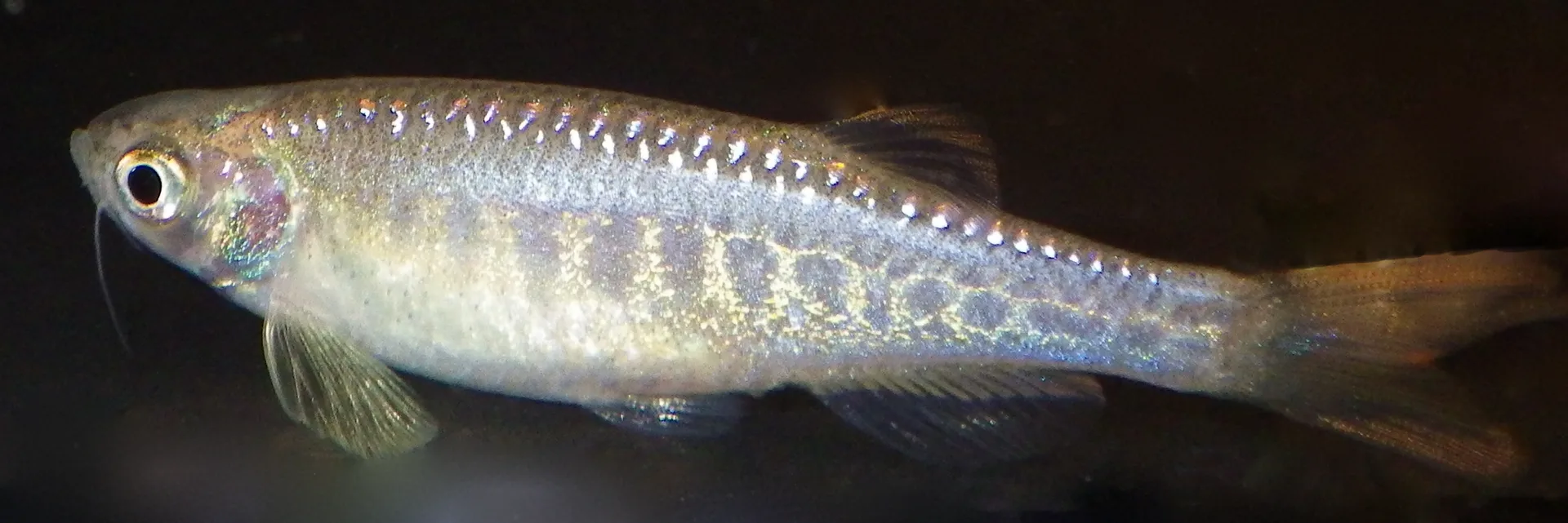
A 2009 Rakhine stream danio, still uncommon. Length, current, a closed breeding group, and no invented tetra rituals.
Read more →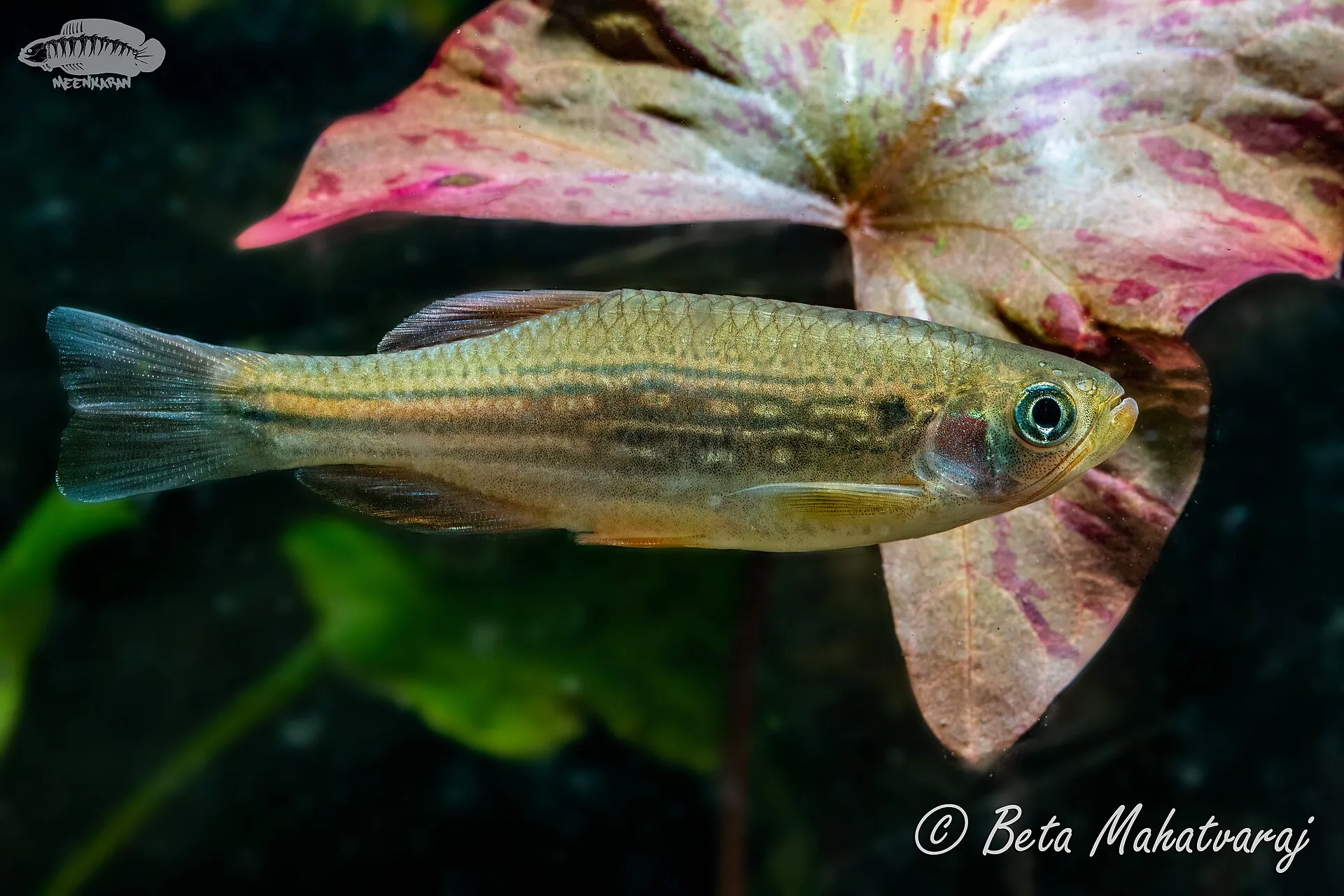
Moustached foothill danios that reach 10 cm-plus. Barbels, cool monsoon flow, and a four-foot tank — not a zebra with whiskers.
Read more →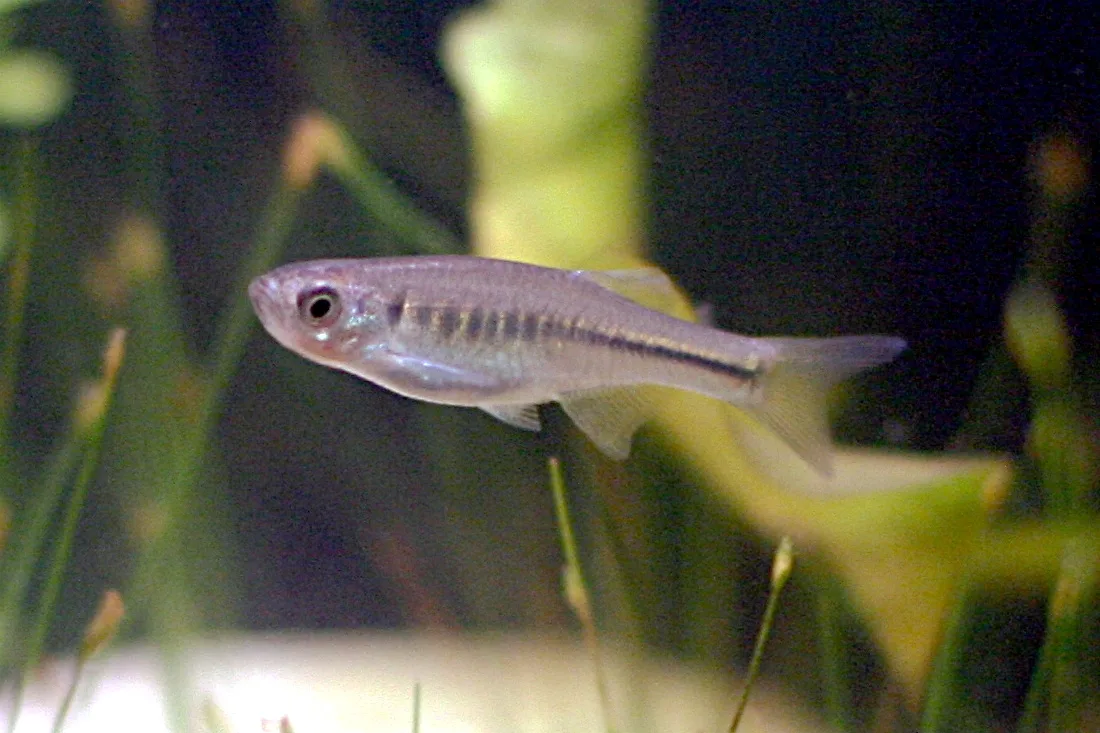
Mae Taeng Devario in a 90 cm river, not a nano peat cube. Red bars are a current-and-condition colour.
Read more →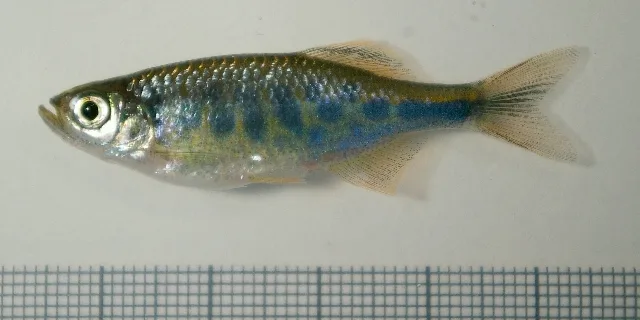
Sri Lankan Nilwala endemic with vertical bars. Buy captive-bred, keep a flowing school, and do not hybridise the pattern away.
Read more →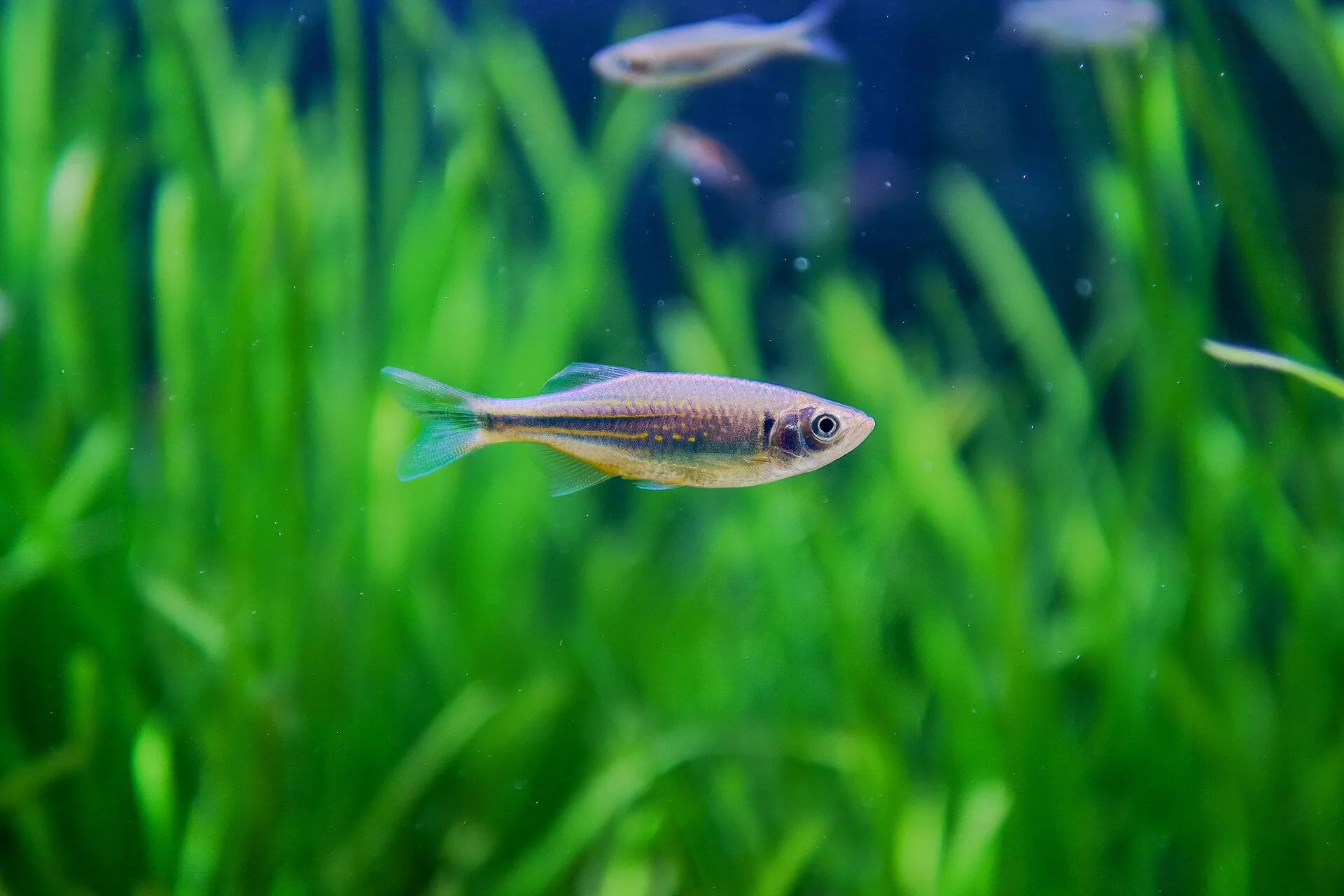
Western Ghats giants to 15 cm. A 120 cm cool, fast tank or a different species — shop juveniles outgrow “danio” assumptions.
Read more →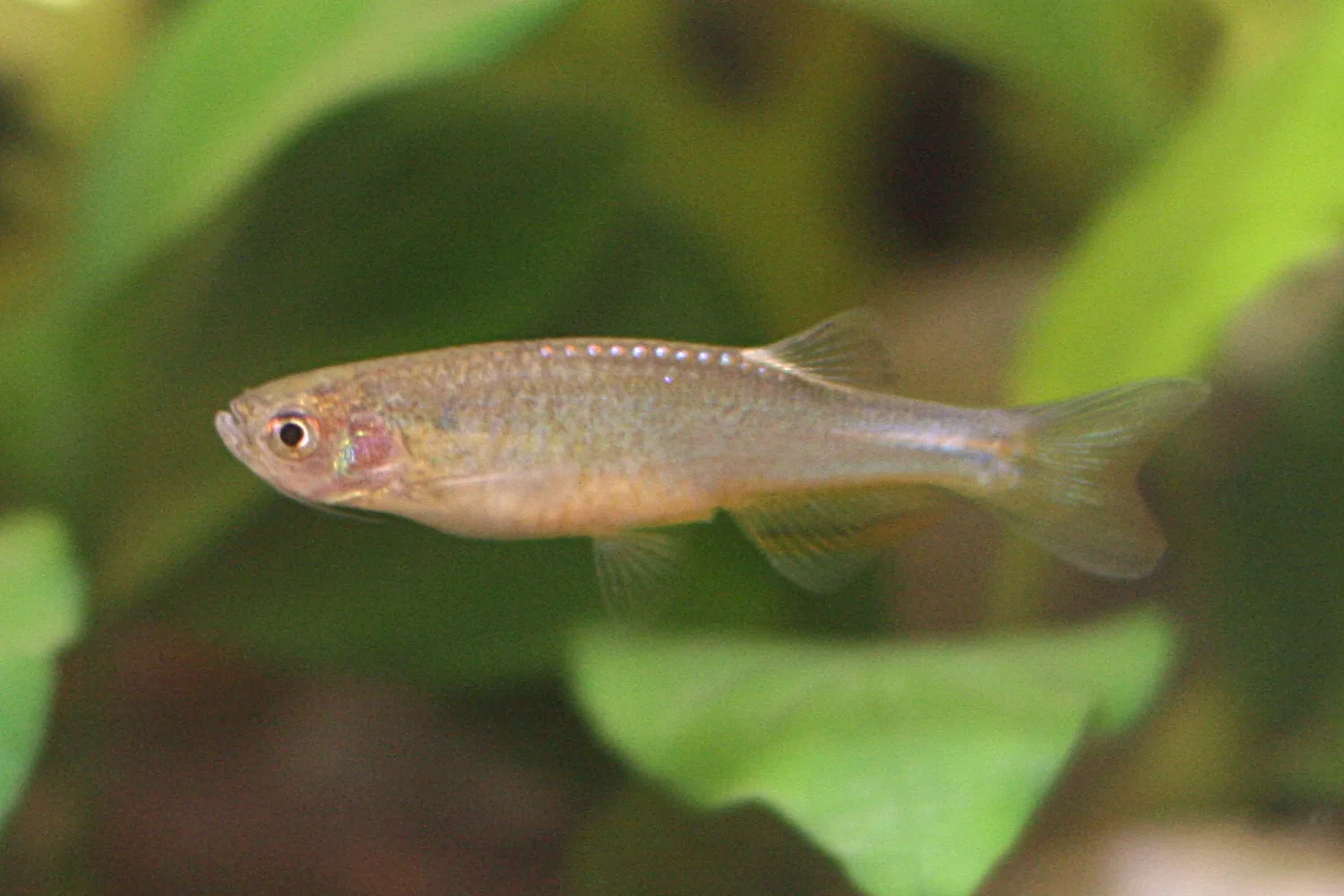
Hill-stream pink and two blue lines. Turn the heater down, stretch the tank, seal the lid, and feed in the current.
Read more →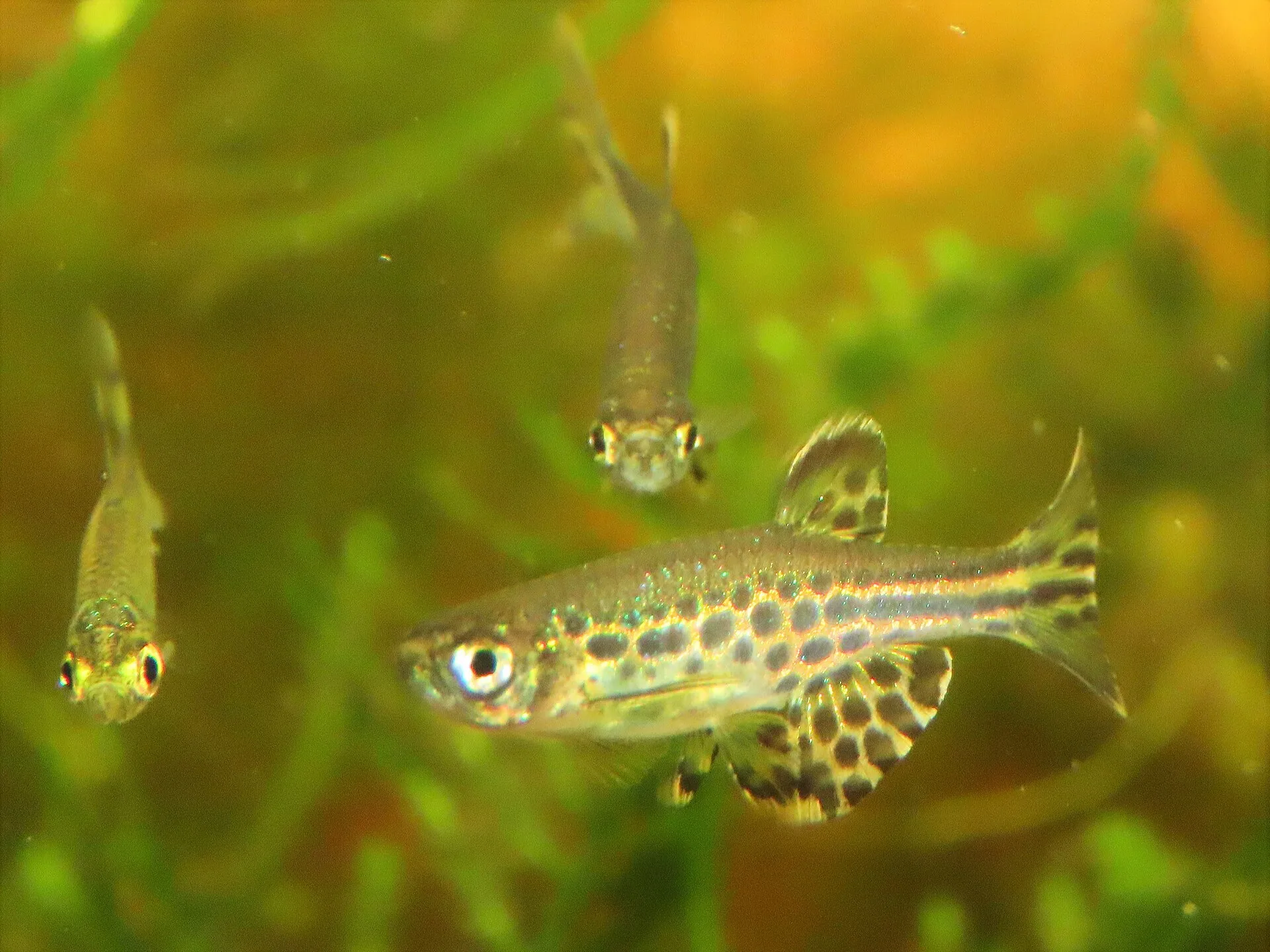
Tiny spotted gold-ring danios from the upper Irrawaddy. Cooler water, a long box, and enough males that sparring stays theatre.
Read more →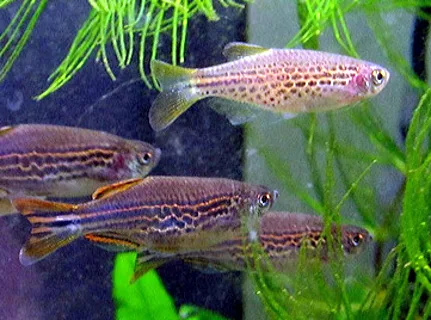
Myanmar stream danios with orange paddles. Length, current, a lid, and no zebra hybrids — not a still tetra community fish.
Read more →
A 2002 Tapajós species whose males grow filamentous fins. Soft, slow, species-focused tanks — or shredded gold splinters.
Read more →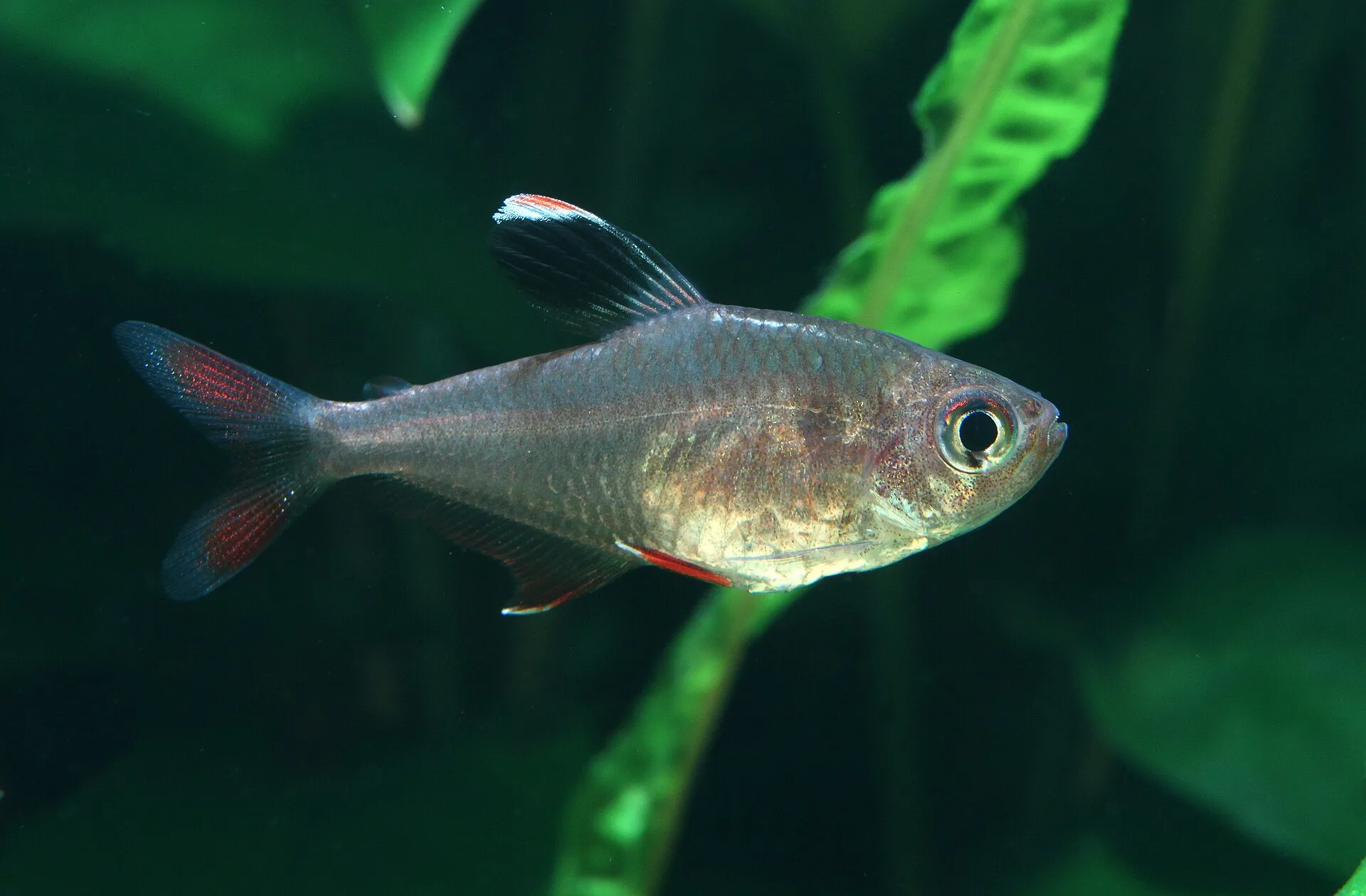
Deep-bodied Amazon tetras with white-tipped fins. Warm, planted schools; males flare, and nippers destroy the reason you bought them.
Read more →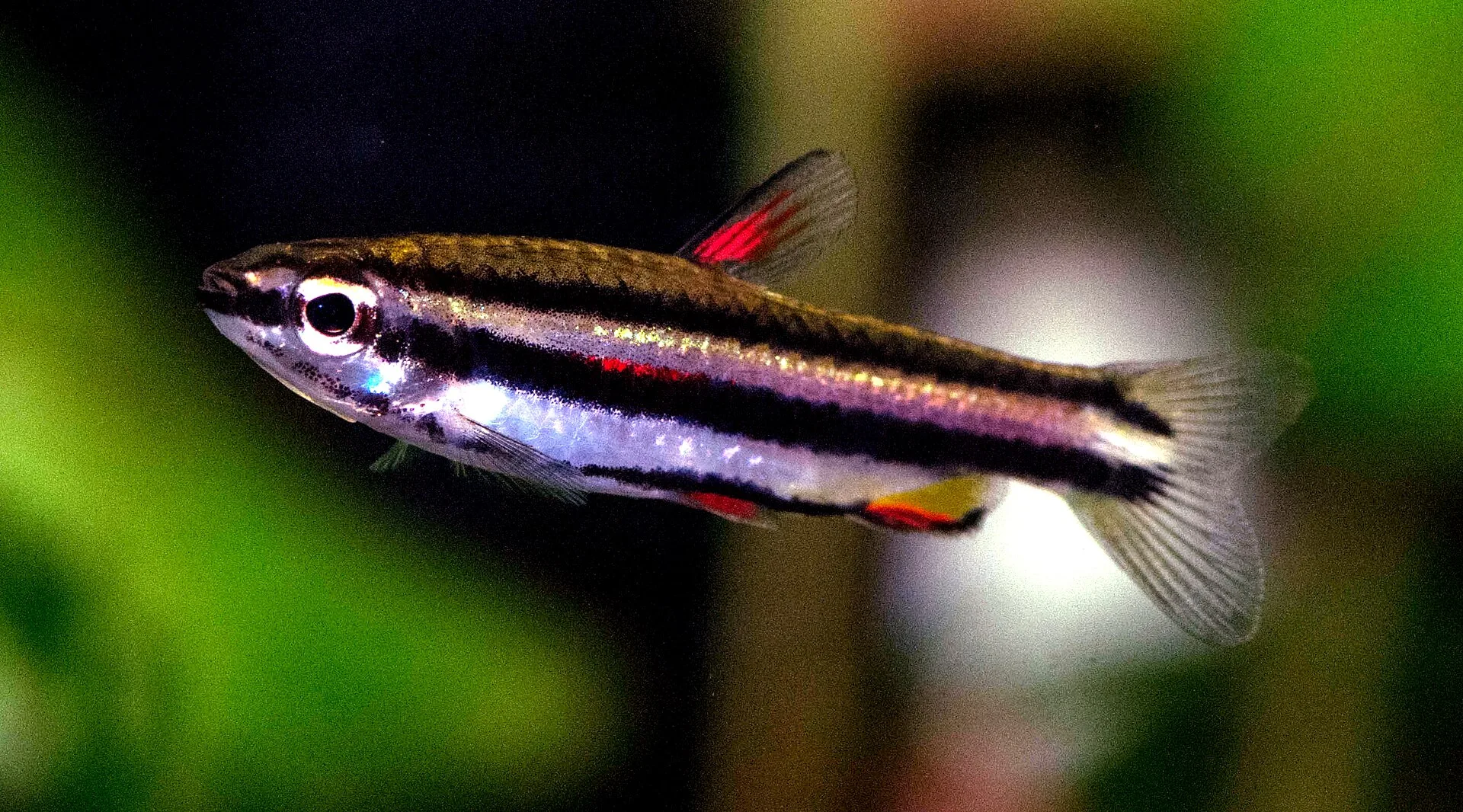
A 3 cm lebiasinid with three stripes, a pinhead mouth, and a need for still, stained water — not a tetra and not a danio.
Read more →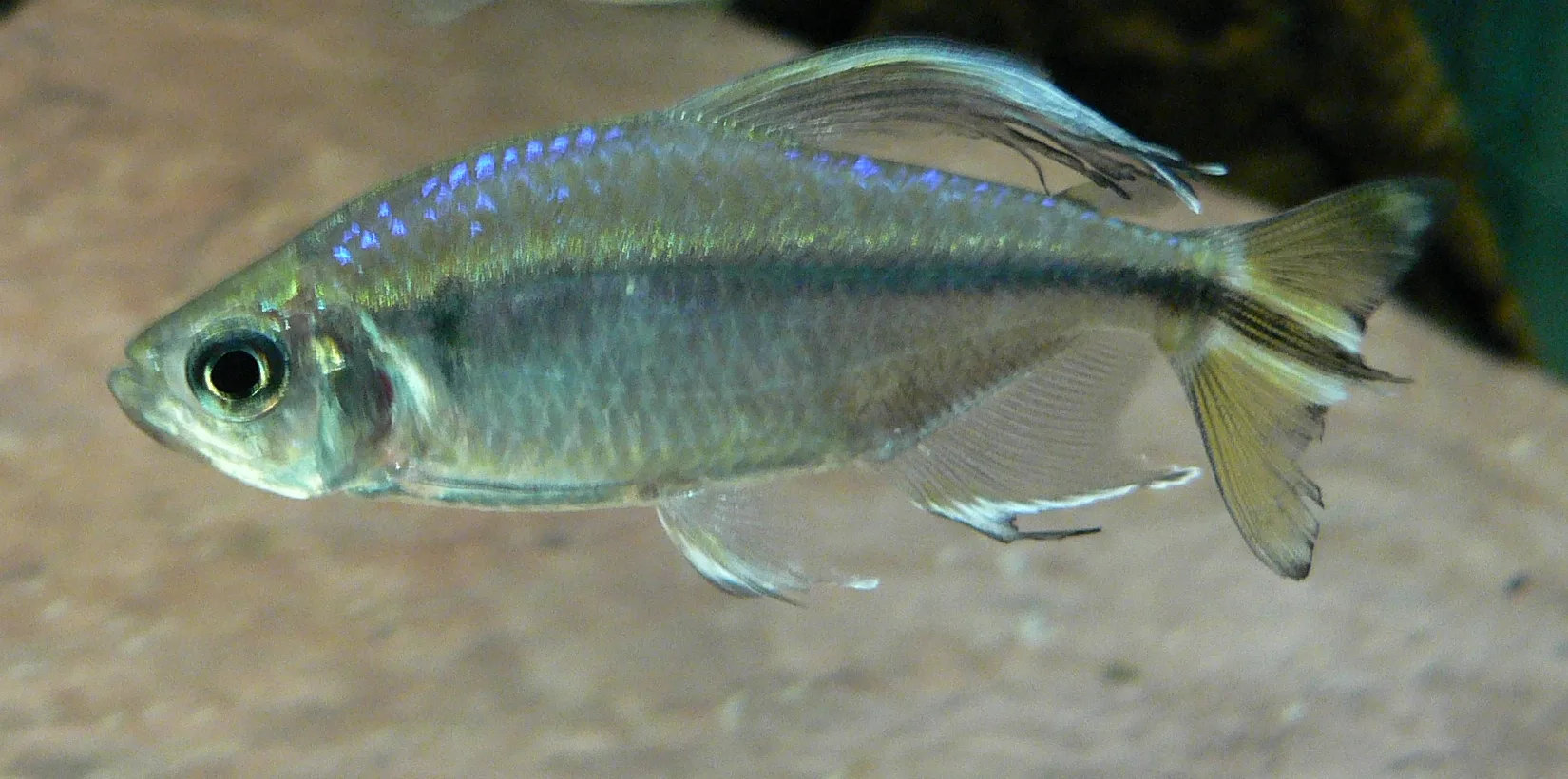
An African alestid from the Congo, not a South American tetra. Gold-yellow tails need length, tannins, and a large shy school.
Read more →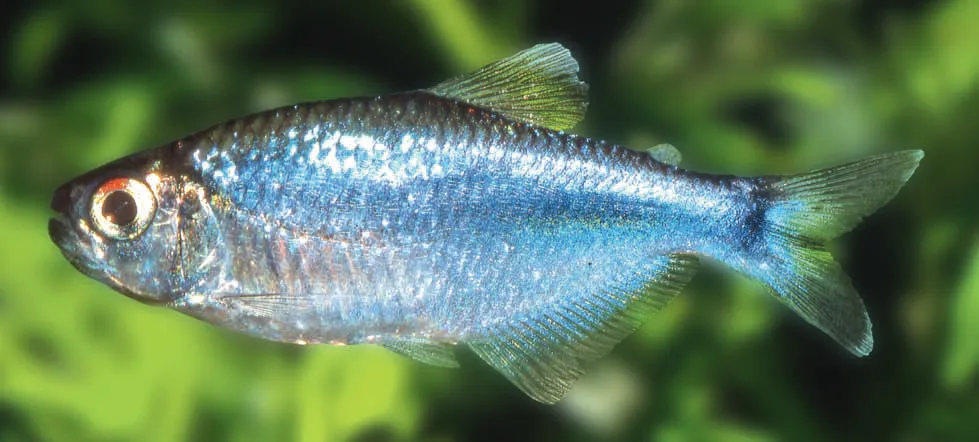
Peru’s steel-blue schooler. Colour is a crowd effect; small groups go grey and start nipping long fins.
Read more →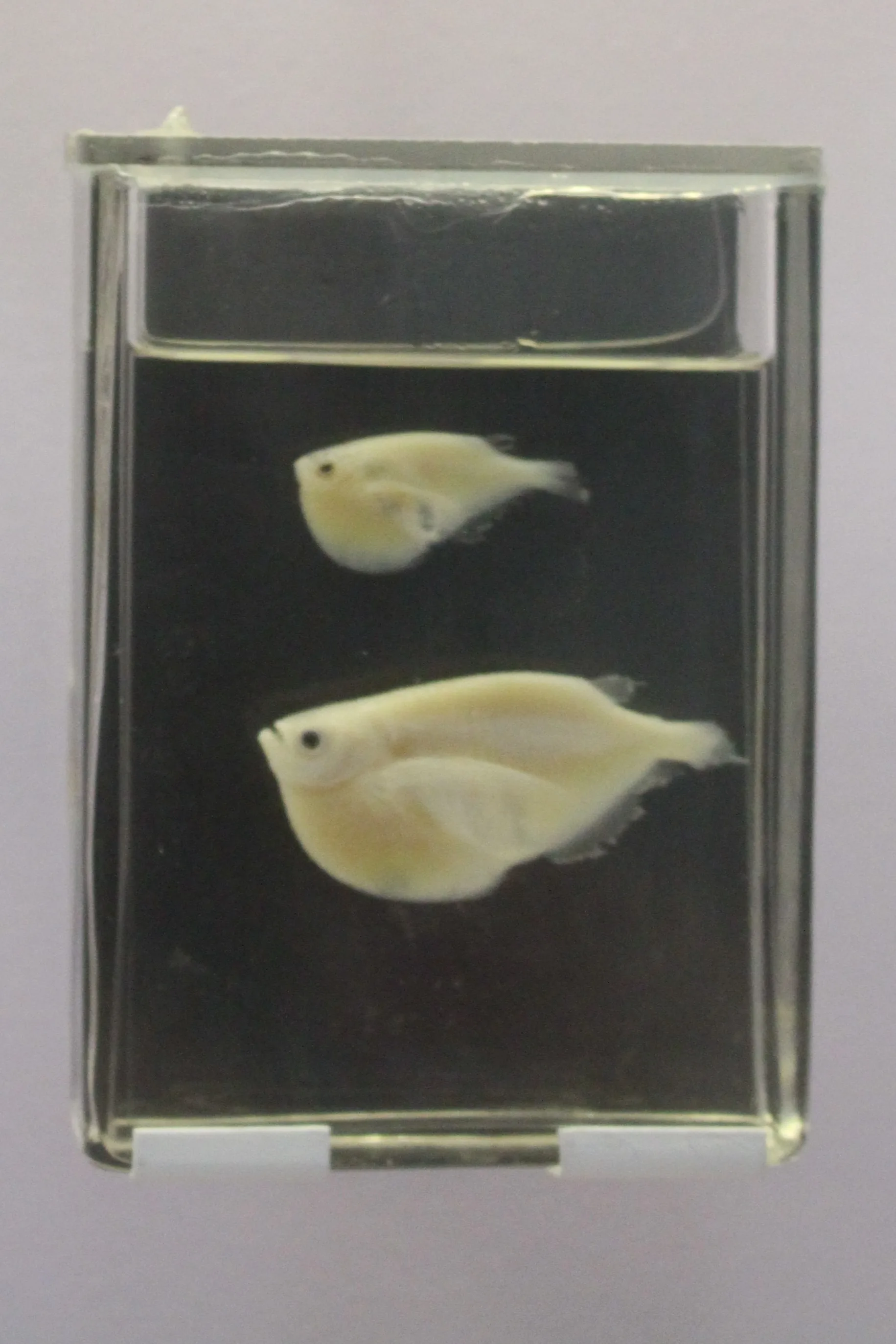
Chrome river hatchets that need a sealed top and a long surface runway. Larger and hardier than marbles, still dedicated jumpers.
Read more →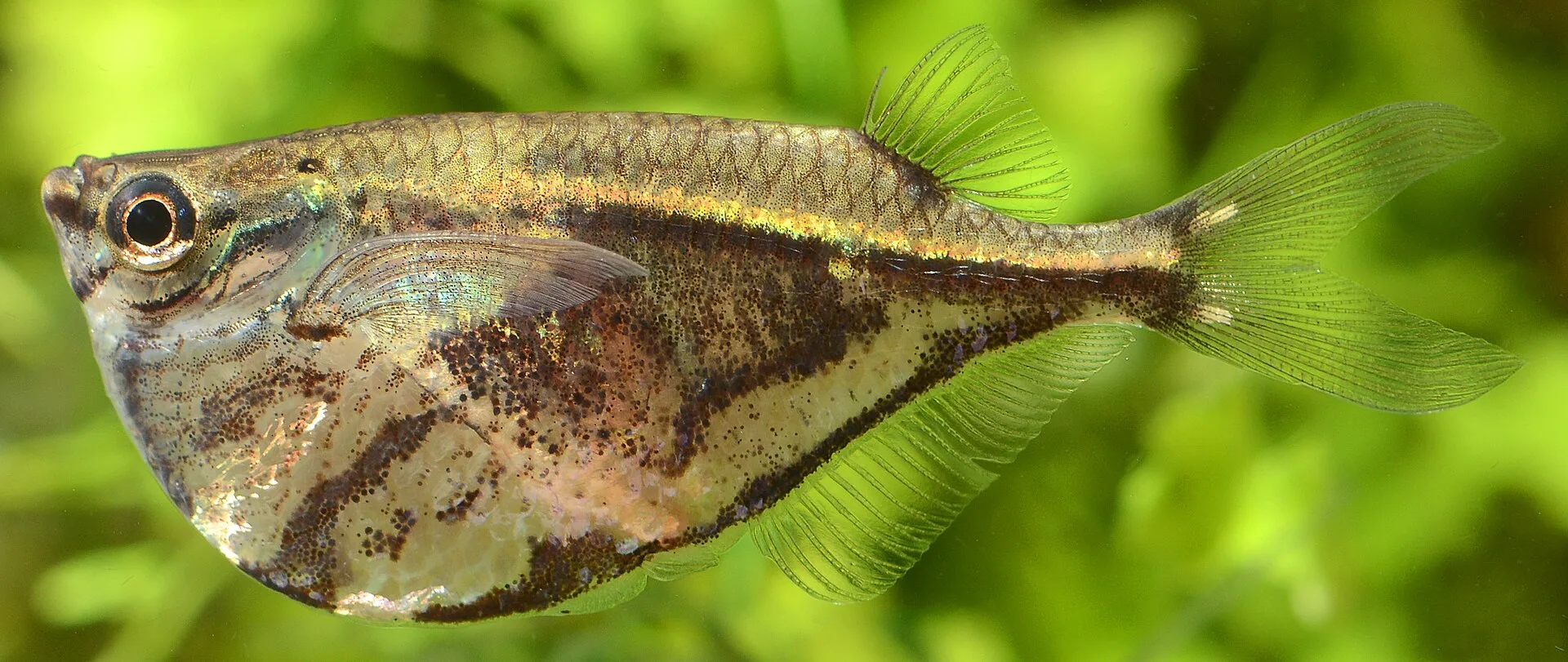
A 4 cm Amazon glider that lives in the surface film. Tight lid, floating food, soft blackwater, and a school — or an empty tank.
Read more →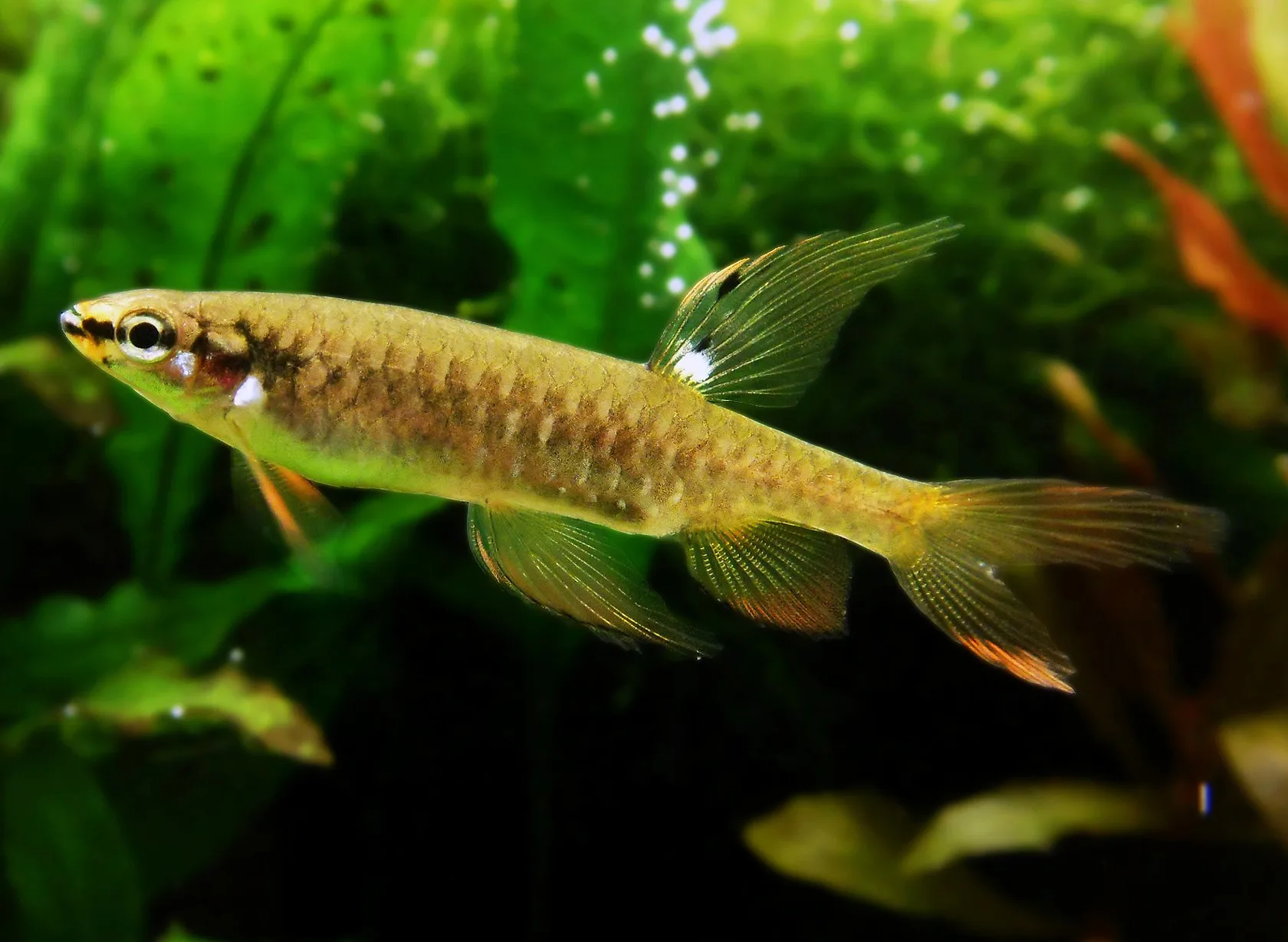
Eggs glued above the waterline, a male who splashes them for hours, and a lid that must leave humid air — not a normal tetra spawn.
Read more →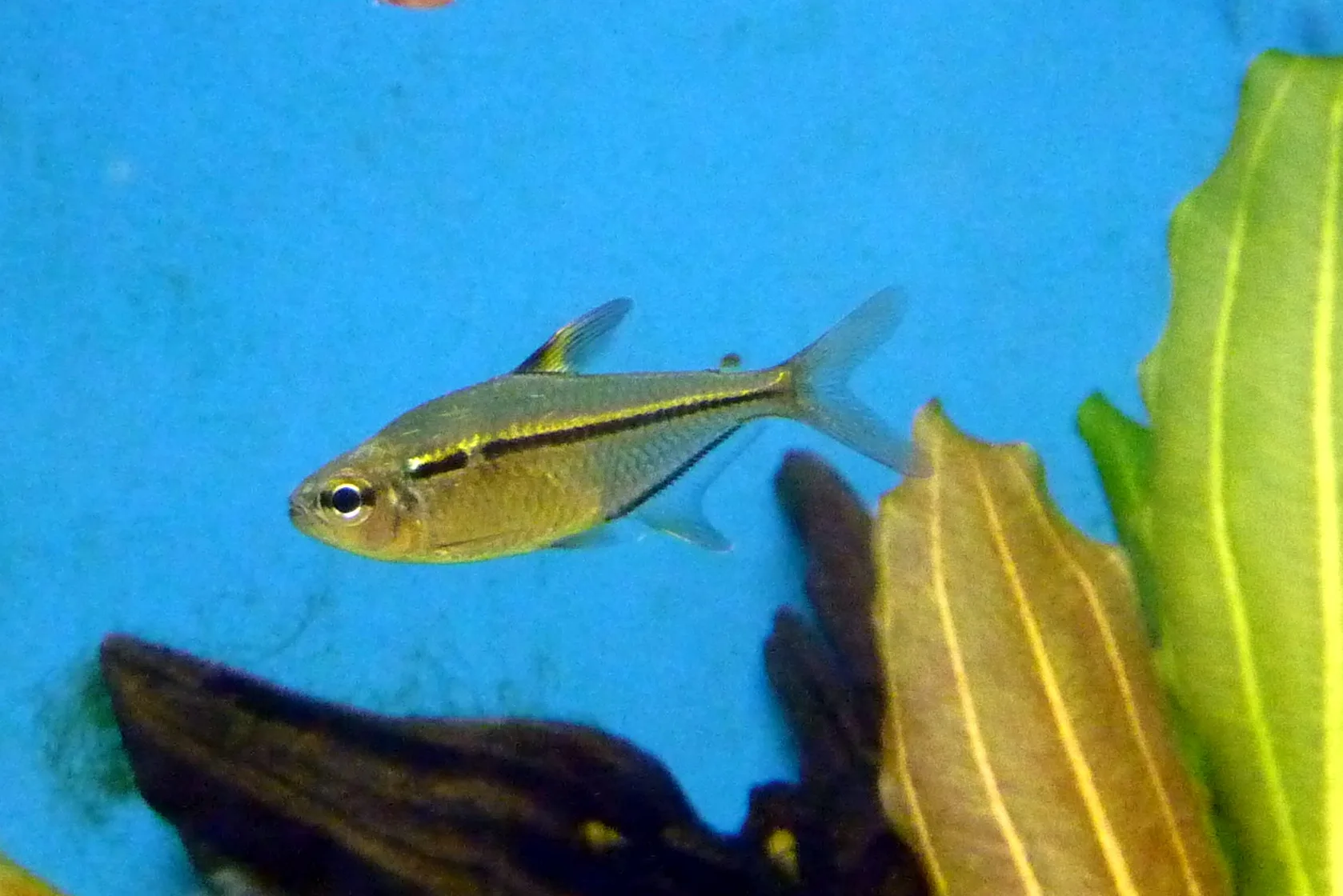
Three-lined Paraguay basin tetras that get sold as pencilfish. Cooler than Amazon characins, calmer than Buenos Aires tetras.
Read more →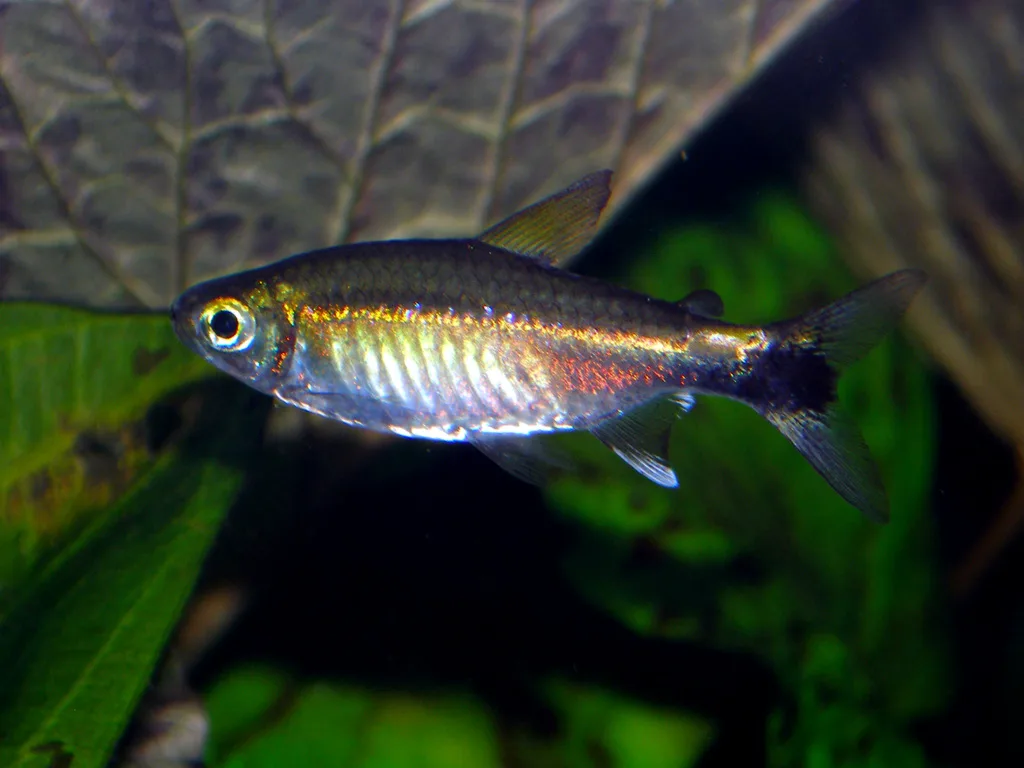
Named for Lago Hyanuary, not a person. Green-gold iridescence and a caudal mark — not a Paracheirodon and not a dyed “green neon.”
Read more →