
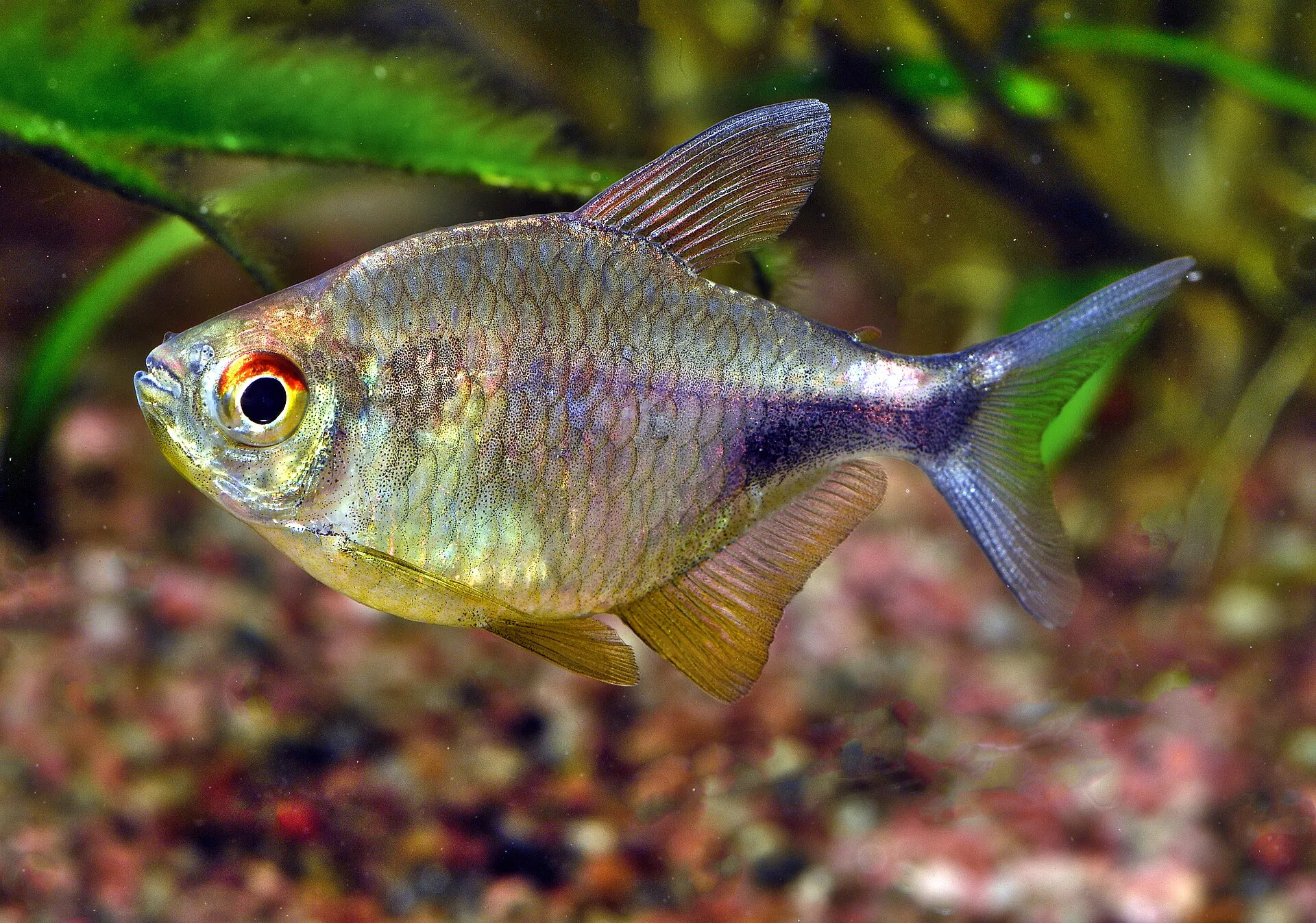
Garnet Tetra (Hemigrammus pulcher)
Western Amazon tetras whose black rear wedge only reads as a pattern when the school is large and the water is stained.
Read more →
This Guides hub on Fishy Friends gathers practical aquarium guides guidance for keepers who want clear answers before they change water, livestock, or gear.
Use these articles to match species to tank size, plan filtration and feeding, and troubleshoot water chemistry without guessing. Each guide is written for home aquariums and links to related reading when you need more depth on aquarium guides.
Start with the basics — stable parameters, quarantine habits, and a feeding schedule that matches the livestock — then browse the profiles and how-tos below. When you are ready to branch out, jump into neighbouring topics so your aquarium guides plan stays consistent across the whole tank.
Whether you are stocking a first community tank or refining an established scape, bookmark this page and return as questions come up. Healthy aquariums are built from small, repeatable routines more than one-time upgrades, and aquarium guides success follows the same pattern.
Explore next: Fishy Friends home, freshwater fish, saltwater fish, live plants.
Fishy Friends publishes species care sheets, plant and invertebrate notes, aquascaping ideas, and water-care explainers so aquarium guides advice stays easy to find. Read one guide thoroughly, apply it slowly, and use the linked hubs above when you want a second angle on the same problem.
Before you buy livestock or rethink filtration, skim two or three aquarium guides articles here and write down target numbers for temperature, hardness, and feeding. That short checklist prevents the most common resets and keeps your aquarium closer to the calm, healthy display you are aiming for.
Come back after water changes or new additions: compare what you see in the tank with the aquarium guides checklists below, then follow one recommended next step instead of changing everything at once. Steady improvements compound, and Fishy Friends is built to support that pace.
Western Amazon tetras whose black rear wedge only reads as a pattern when the school is large and the water is stained.
Read more →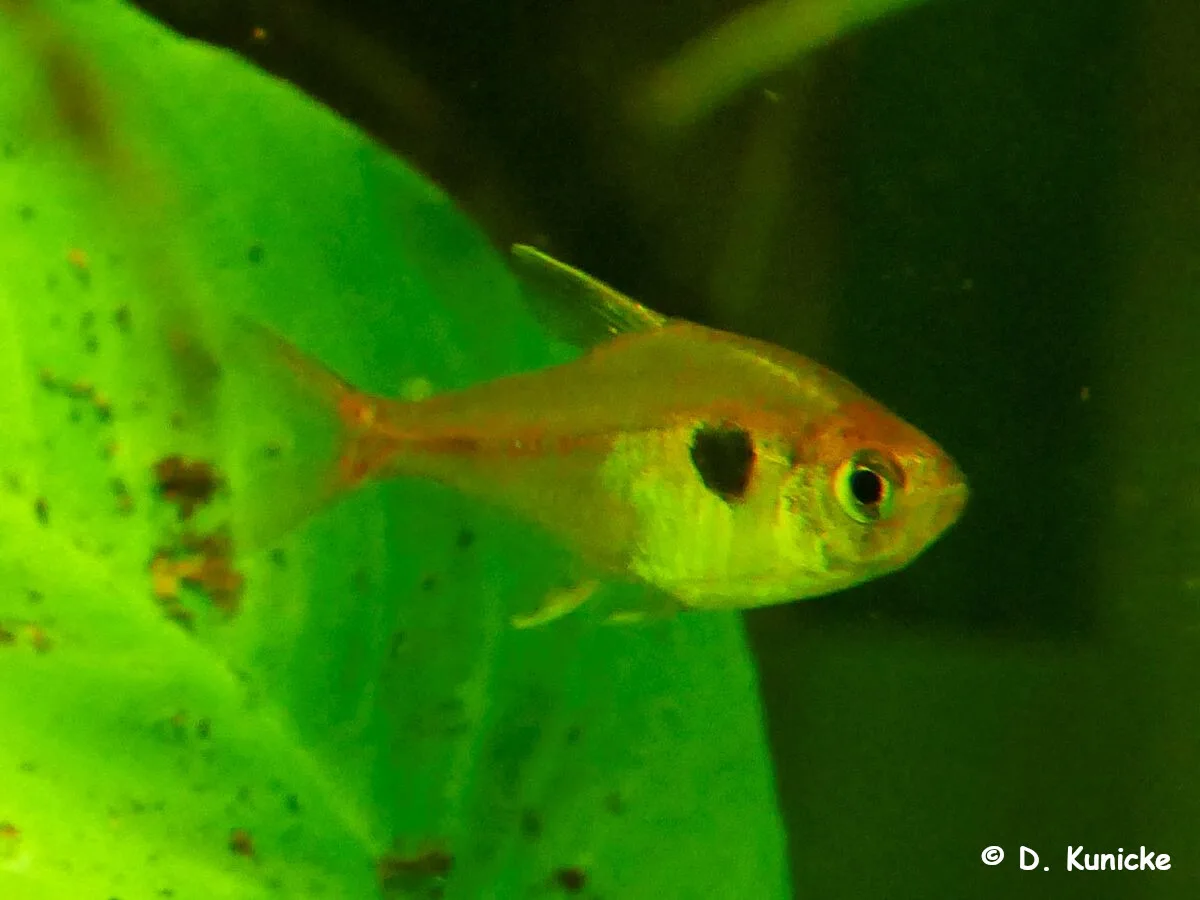
Guiana Shield gold with a shoulder blotch, not a bleached black phantom. Quiet midwater schools in soft, dim, planted water.
Read more →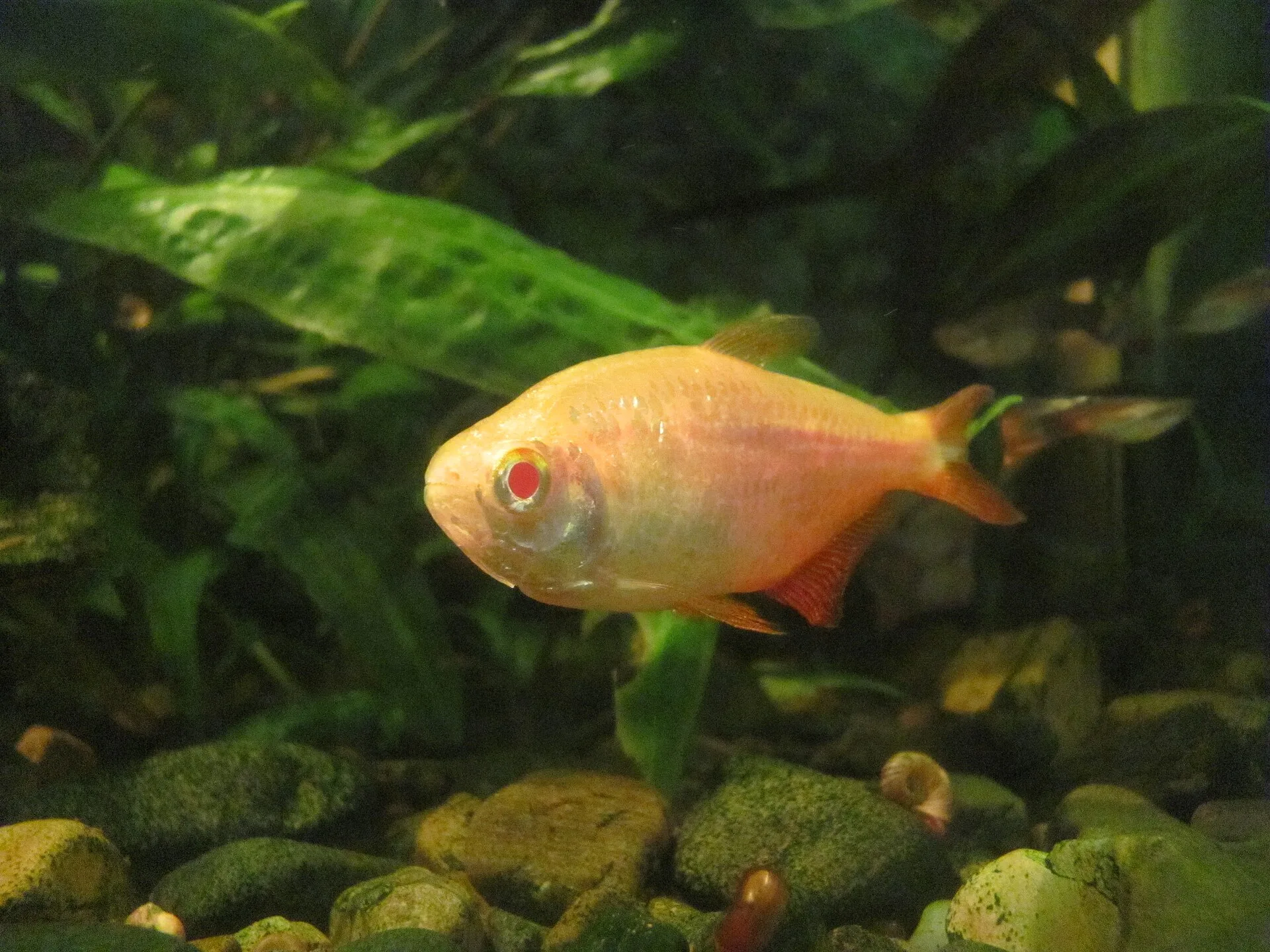
A La Plata schooler that likes cooler water, eats soft plants, and nips when understocked — not an Amazon neon with a different label.
Read more →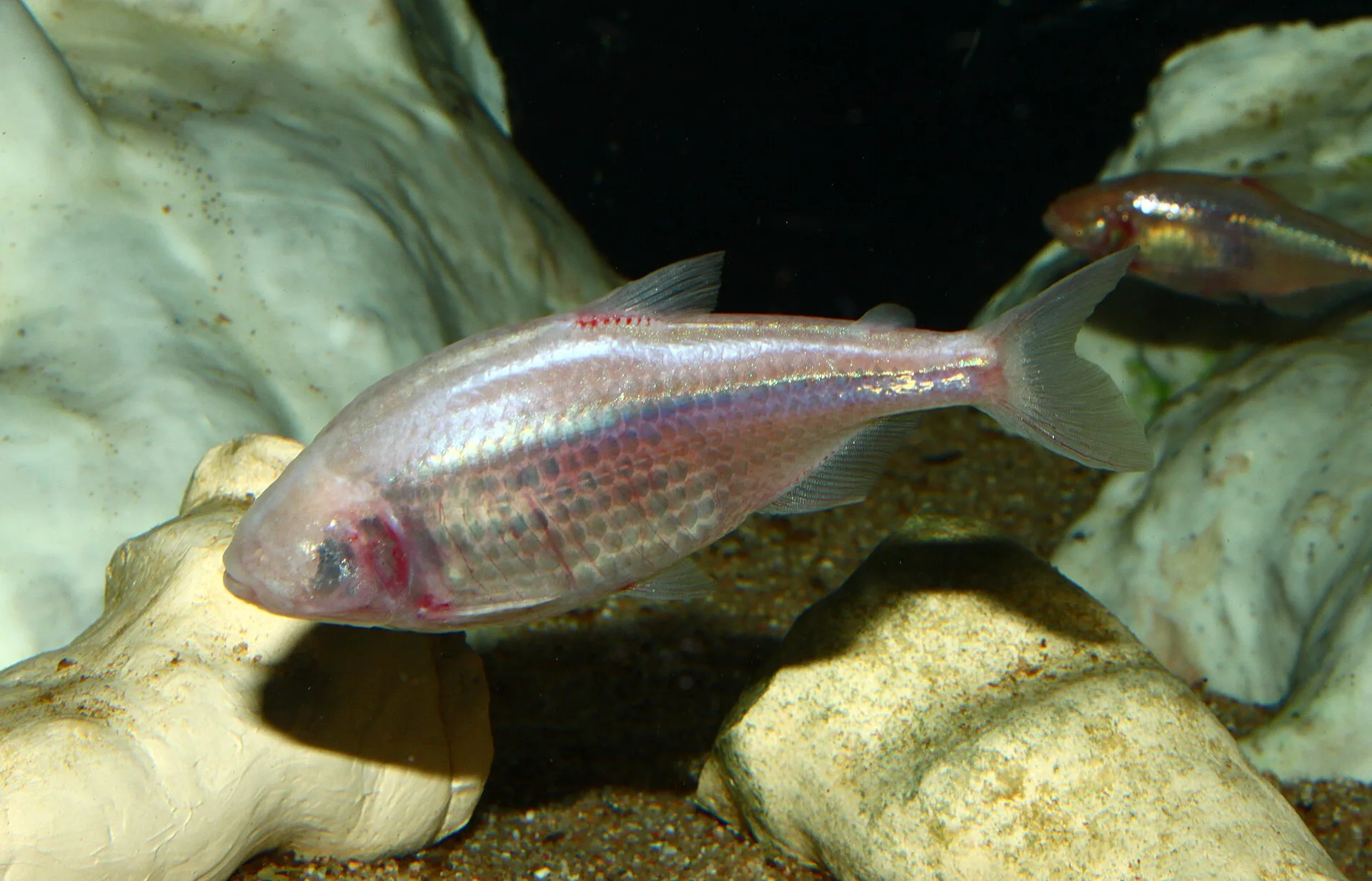
Eyed river fish and blind cave morphs share a Latin name. Mexican tetra care splits on light, schooling, and whether the animal can even see its food.
Read more →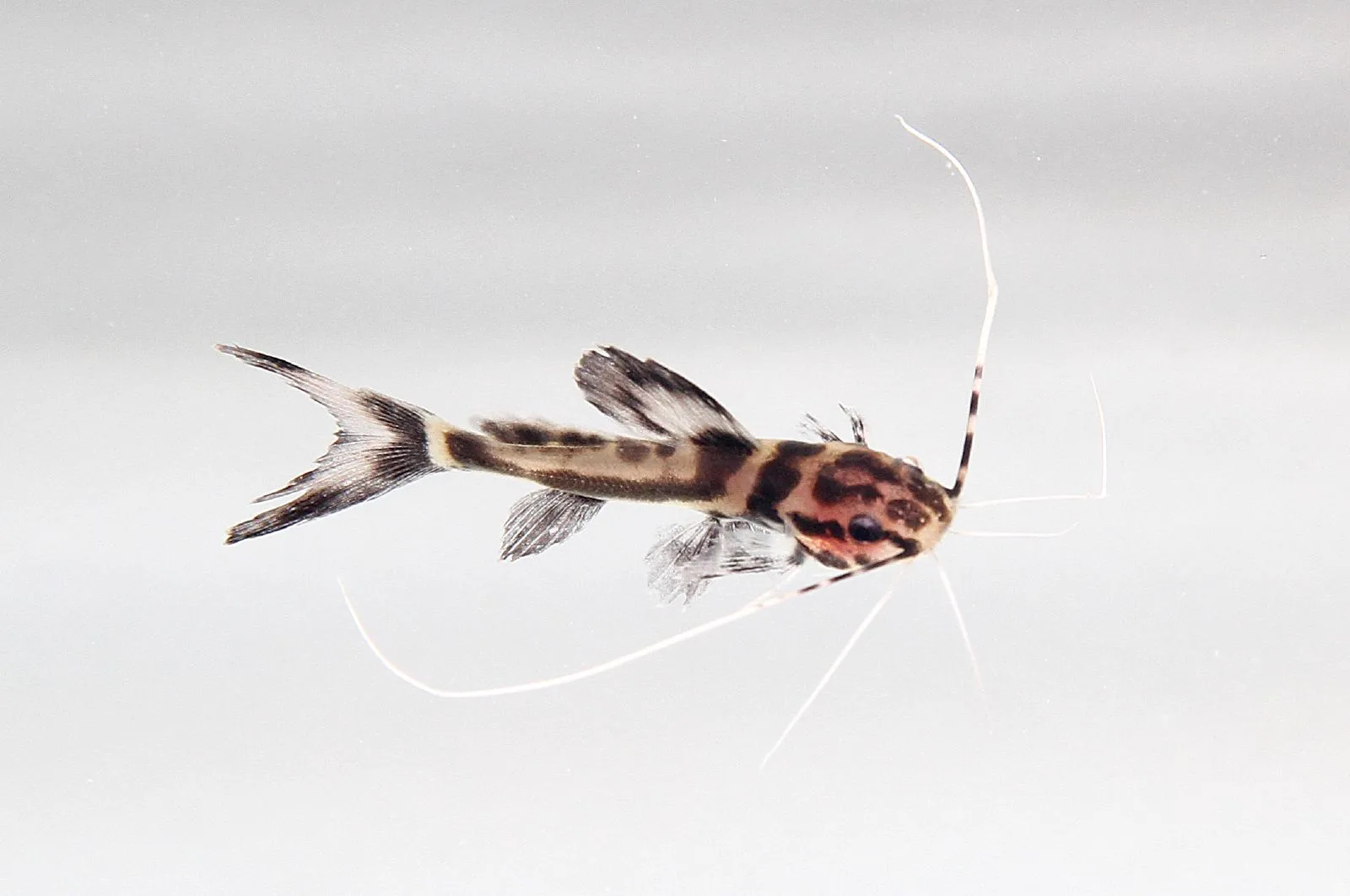
Leiarius marmoratus is a marbled sailfin pimelodid that can pass 60 cm — a huge Amazon predator with a high dorsal, not a barred tiger shovelnose…
Read more →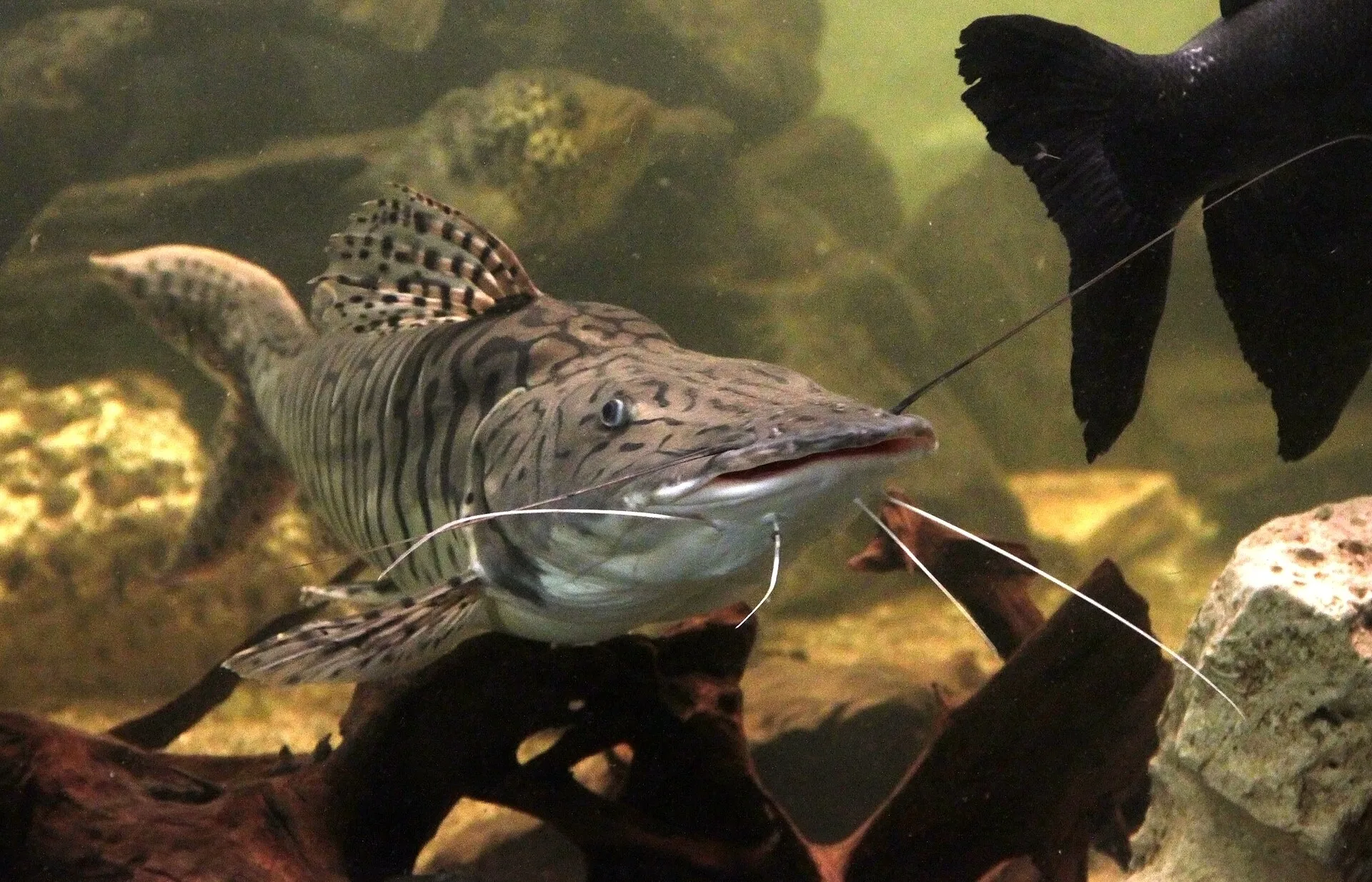
Pseudoplatystoma fasciatum, the barred or tiger shovelnose, is a metre-class Amazon channel predator — a public-aquarium fish, not a living-room…
Read more →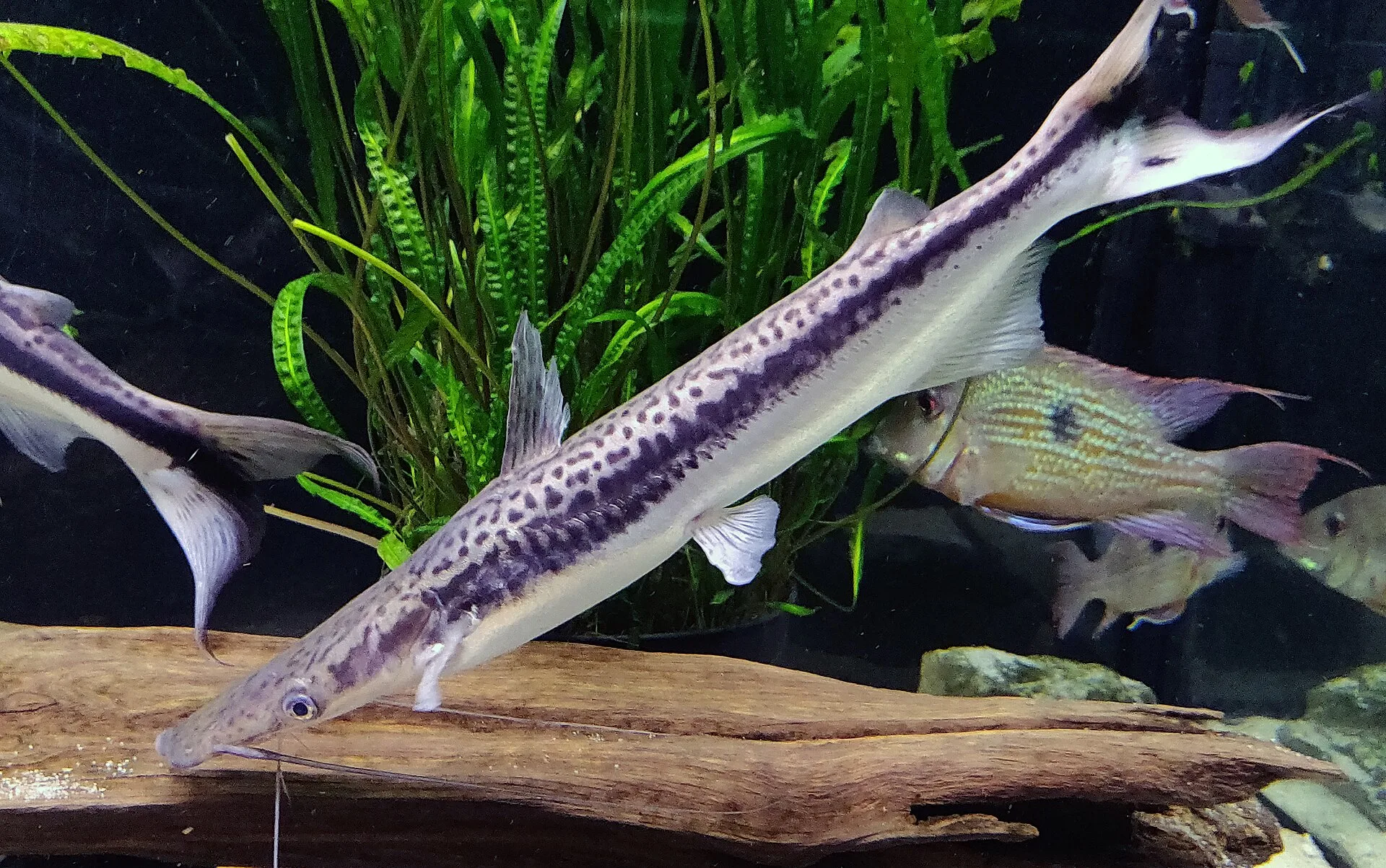
Sorubim lima, the duckbill or shovel-nosed catfish, is a 50-centimetre pimelodid that hunts over sand with a spatula snout — a large river predat…
Read more →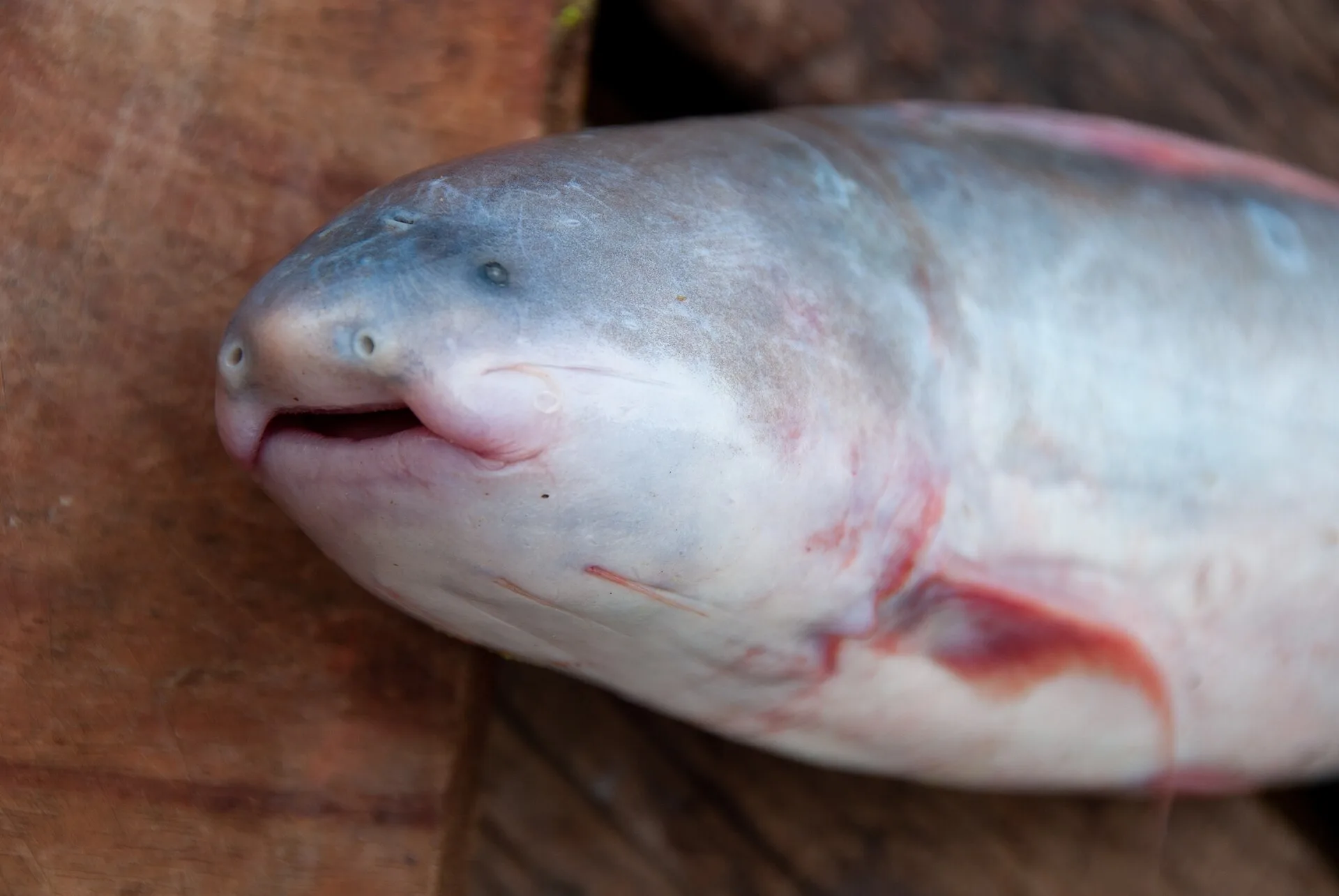
Cetopsis coecutiens, the whale candiru, is a thick-bodied Amazon scavenger-predator that bites chunks from fish — a dangerous river specialist, n…
Read more →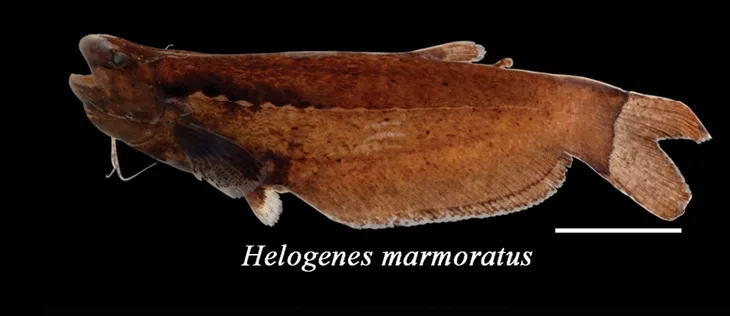
Helogenes marmoratus, the otter catfish, is a small leaf-litter cetopsid that looks like a mottled tadpole — an insectivore of blackwater debris,…
Read more →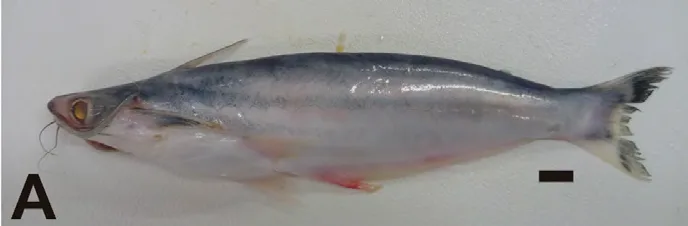
Auchenipterus nuchalis is a midwater, nocturnal driftwood-family catfish of Amazon channels — a schooling insect-hunter, not a log-packing Trache…
Read more →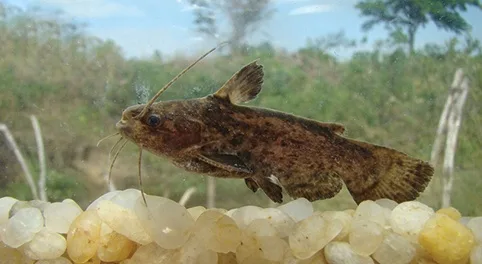
Trachelyopterus galeatus is a nocturnal driftwood catfish of the Auchenipteridae — a hollow-log fish with internal fertilisation, not a pleco and…
Read more →
Microglanis iheringi is a small Venezuelan bumblebee catfish — a nocturnal cave ambusher of insects and fry, not a giant shovelnose and not a pla…
Read more →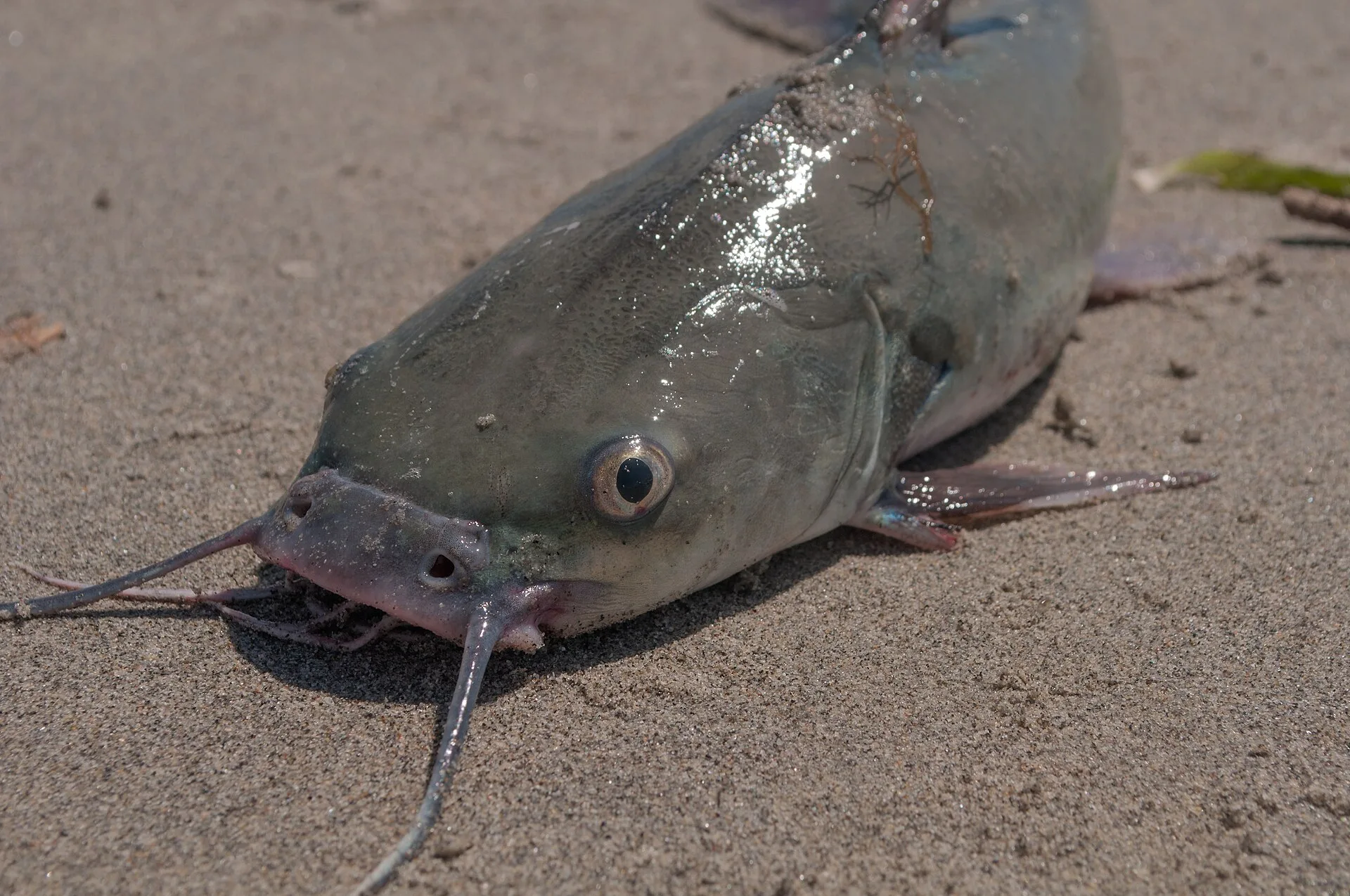
Sciades herzbergii, the pemecou sea catfish, is a large West Atlantic ariid of brackish and coastal marine water — a venomous-spined estuary fish…
Read more →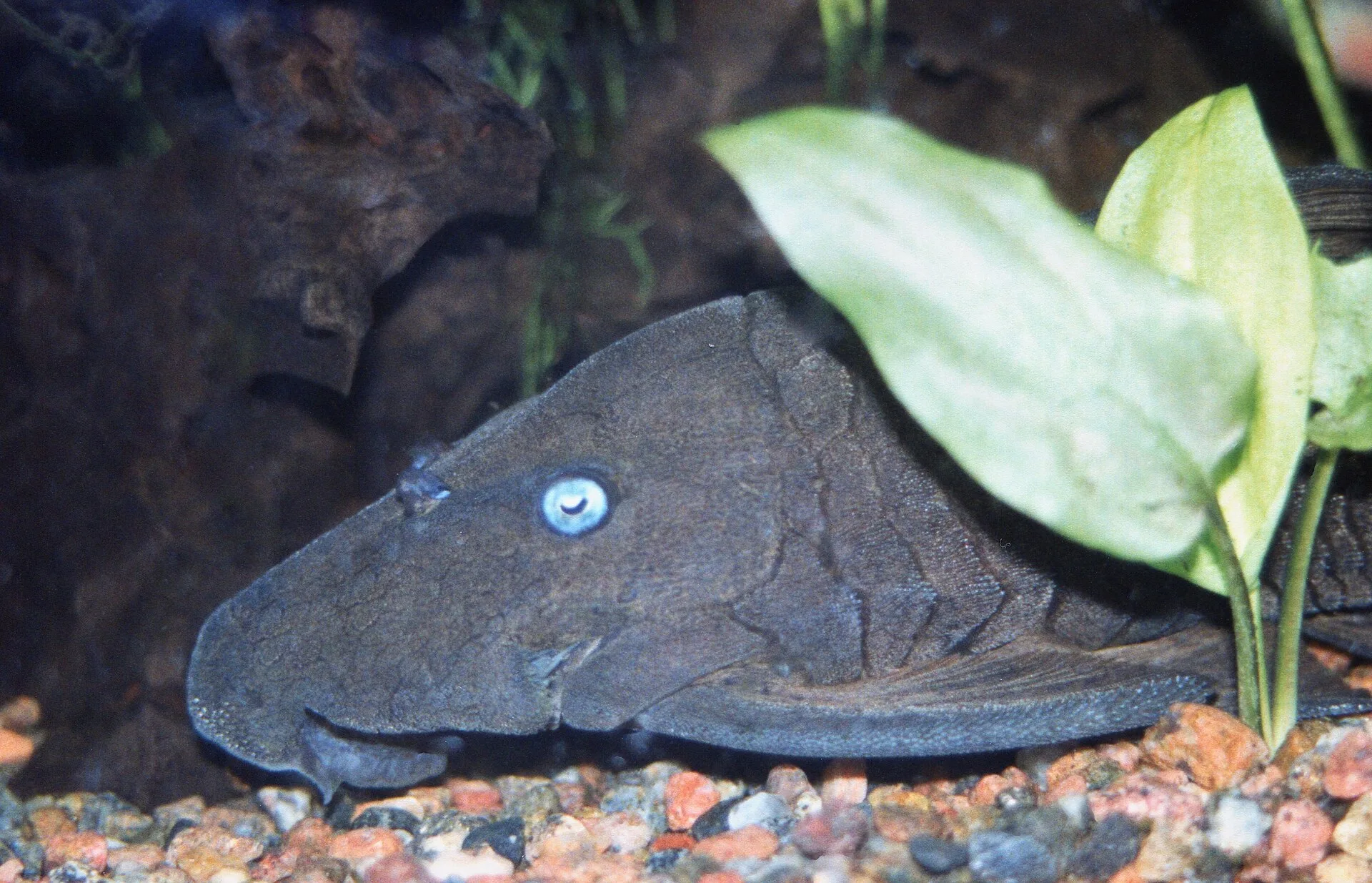
Panaque cochliodon is the Magdalena blue-eyed panaque — an olive xylophage with a startling iris, not a striped royal, and still a large wood-eat…
Read more →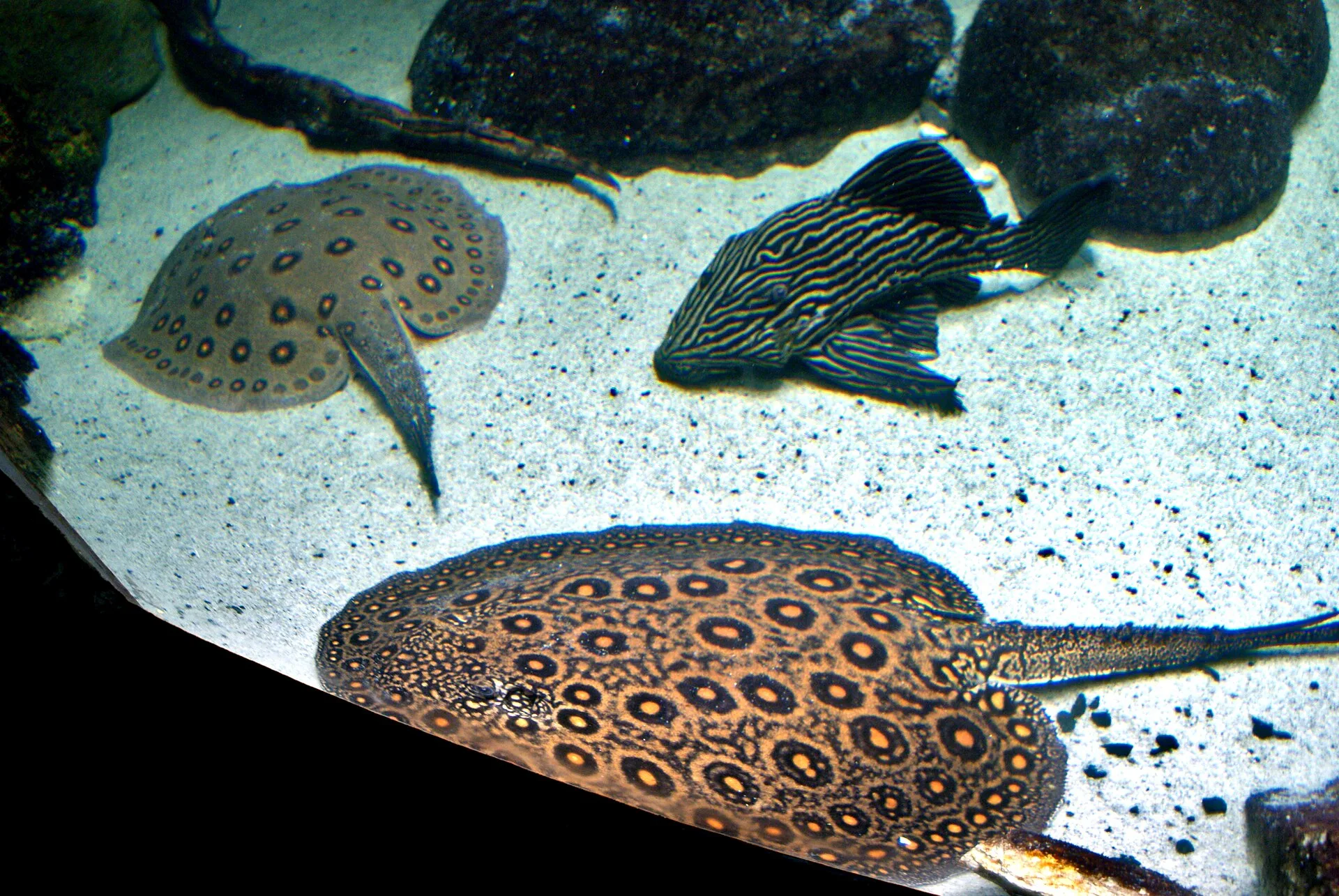
Panaque nigrolineatus, the royal panaque, is a large xylophagous loricariid — it eats wood, grows past 40 cm, and produces a serious waste load,…
Read more →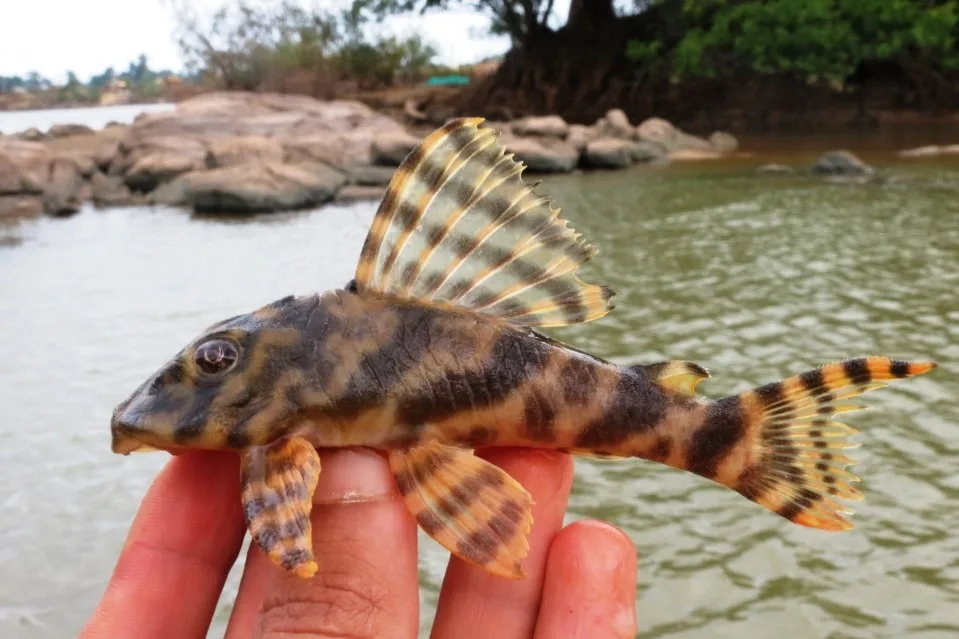
Peckoltia vittata is a striped medium pleco of Amazon wood and caves — an omnivorous L-number-sized loricariid that stays far smaller than a comm…
Read more →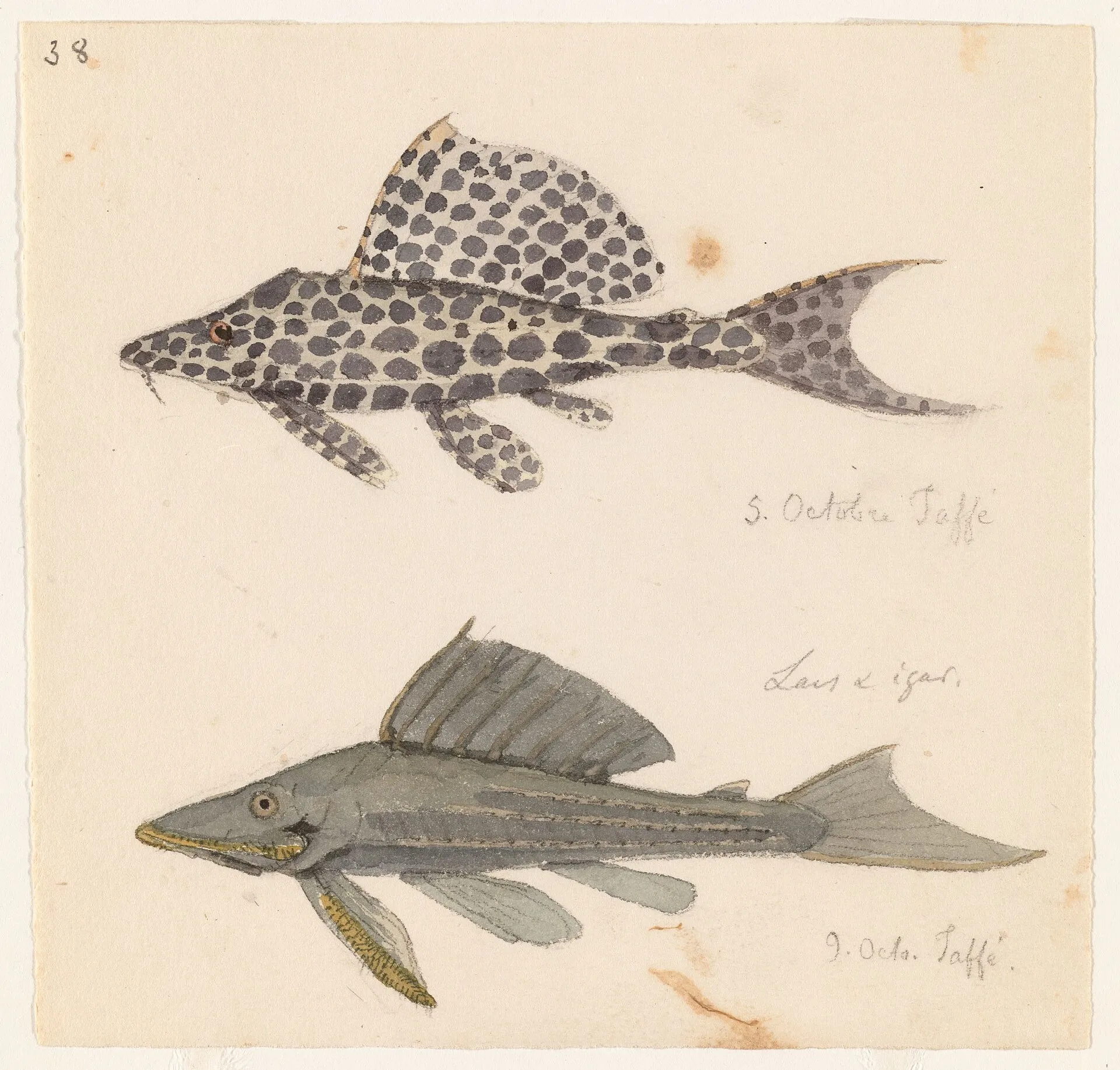
Glyptoperichthys (Pterygoplichthys) gibbiceps is the spotted sailfin pleco — an Amazon giant that can near half a metre, not a bristlenose and no…
Read more →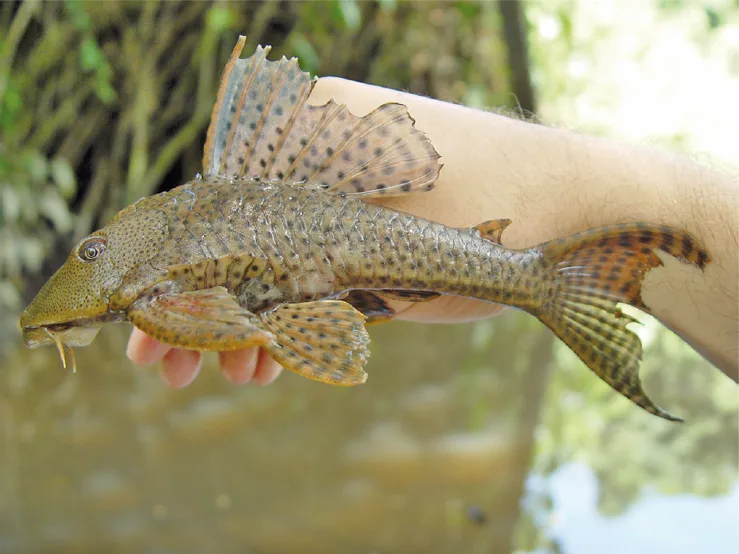
True Hypostomus plecostomus is a Guianan armoured catfish that grows to a substantial adult — the trade’s “common pleco” is a giant-in-wait…
Read more →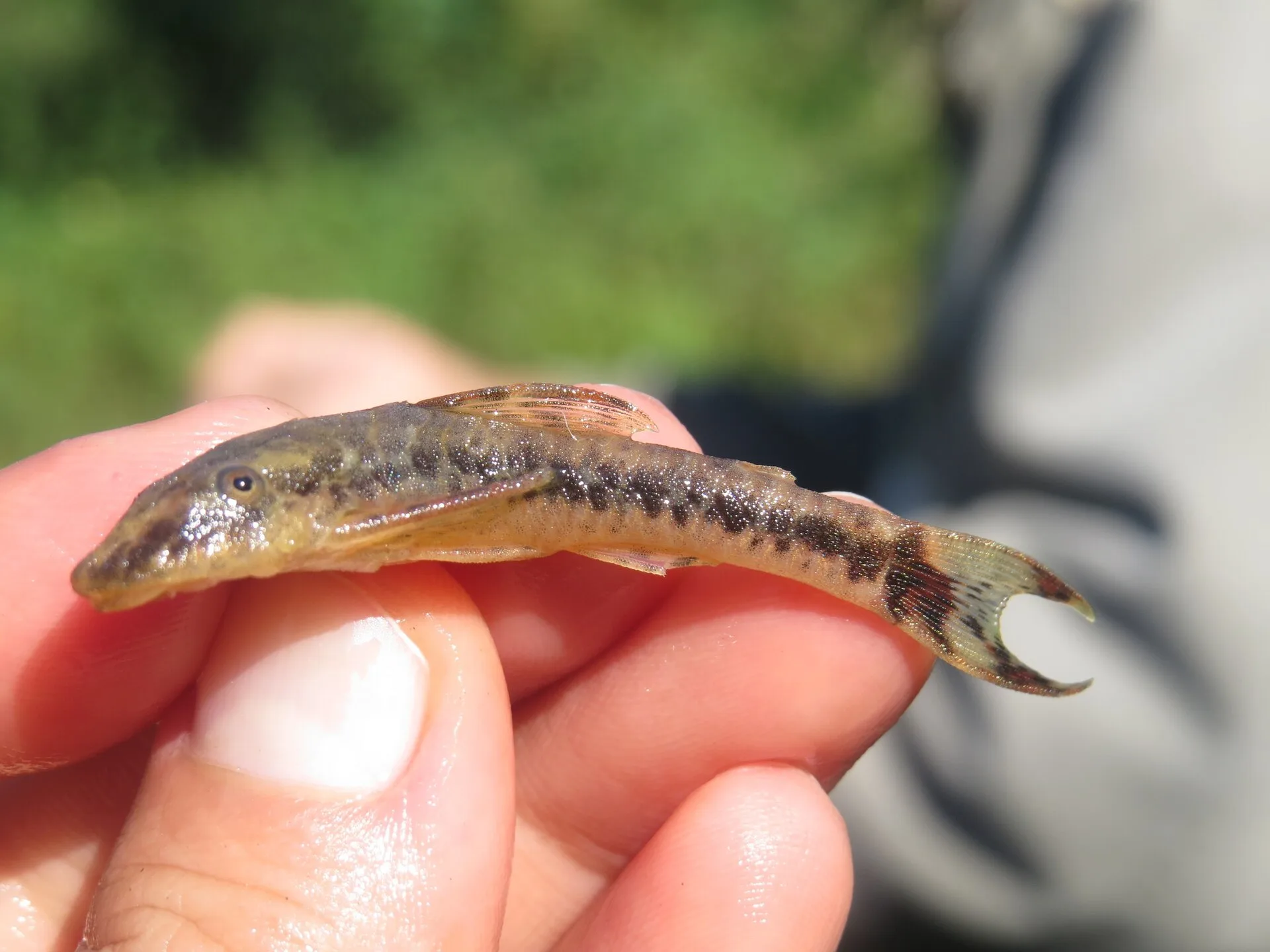
Parotocinclus maculicauda is a spotted-tail stream loricariid from Brazil’s Atlantic drainages — more of a riffle dwarf than a still-water oto,…
Read more →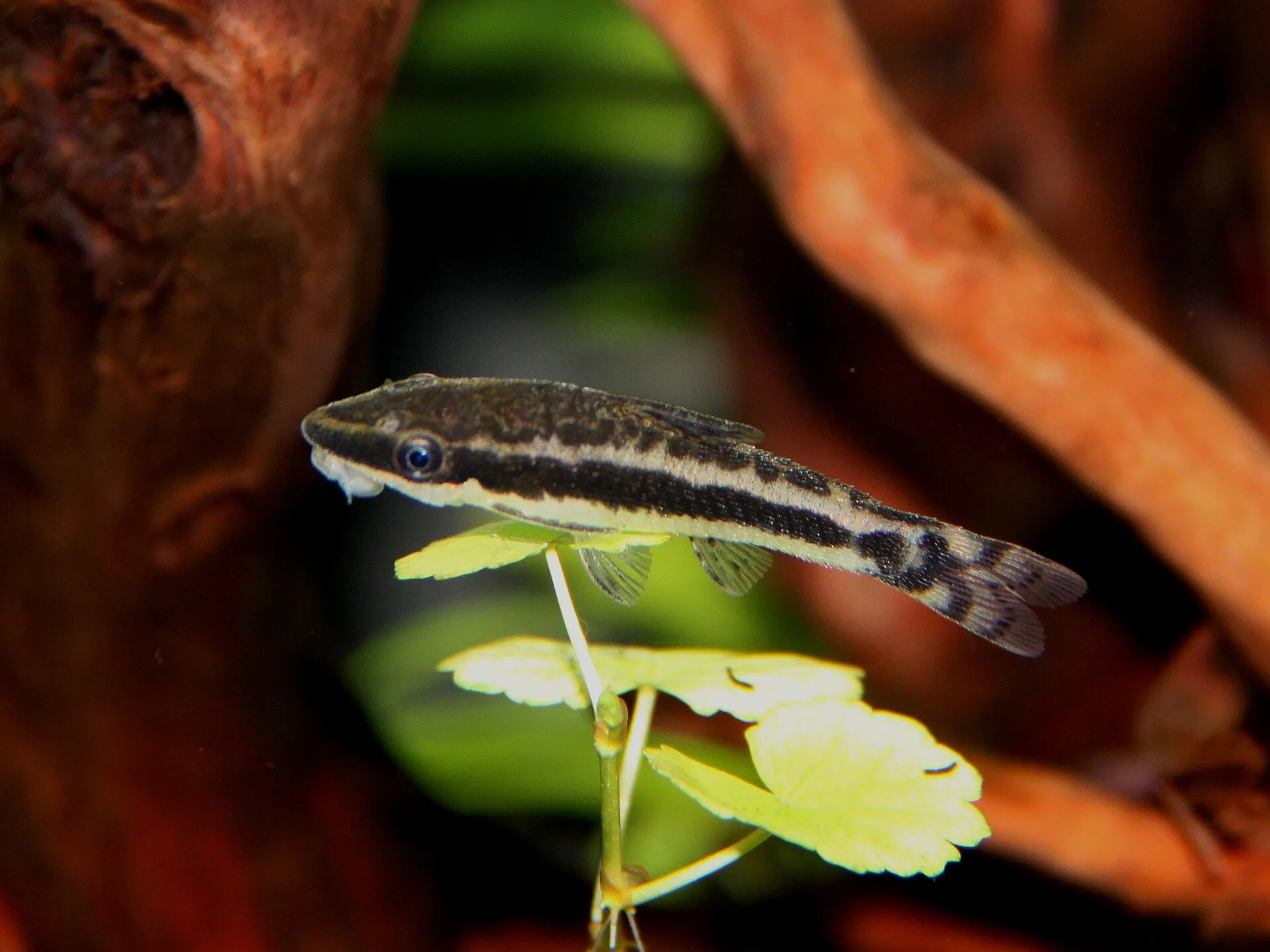
Macrotocinclus affinis, the golden oto of Rio de Janeiro drainages, is a small Atlantic-forest rasper with a warm gold wash — split from Otocincl…
Read more →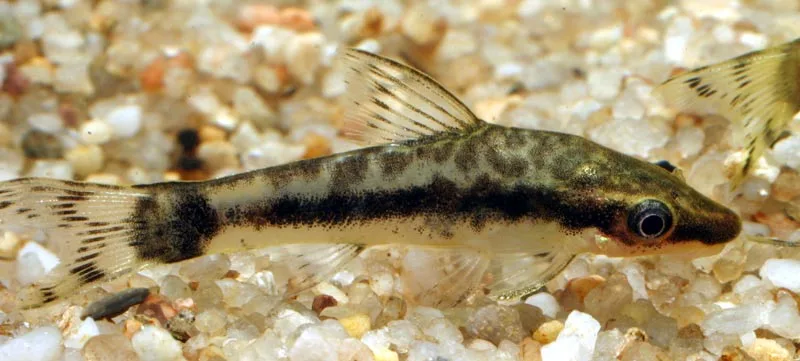
Otocinclus macrospilus is a small Peruvian dwarf suckermouth that lives in a grazing school — a biofilm specialist that starves in new tanks, not…
Read more →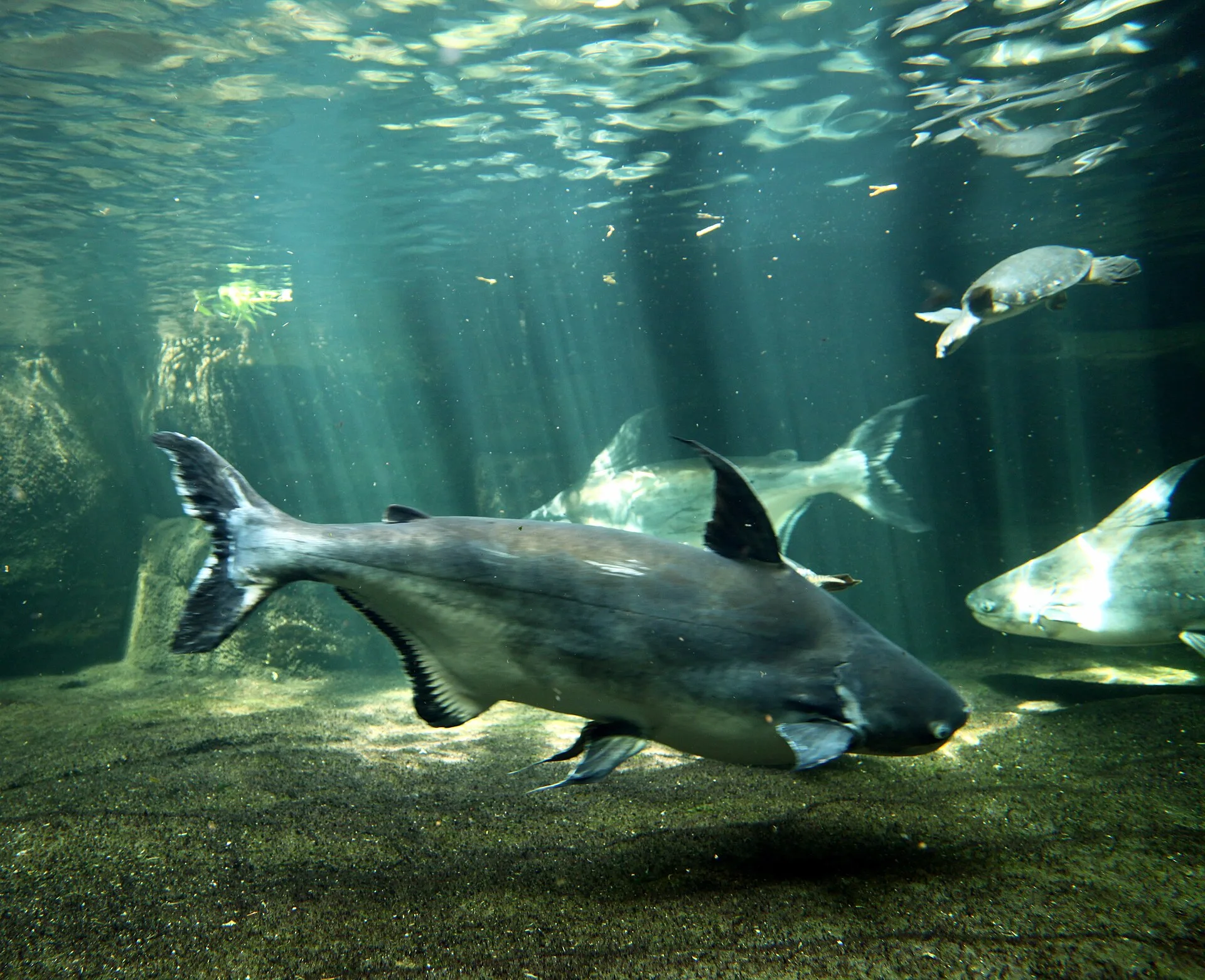
Pangasius sanitwongsei is a giant Chao Phraya–Mekong predator that can exceed two metres — a river monster and conservation problem, not an iri…
Read more →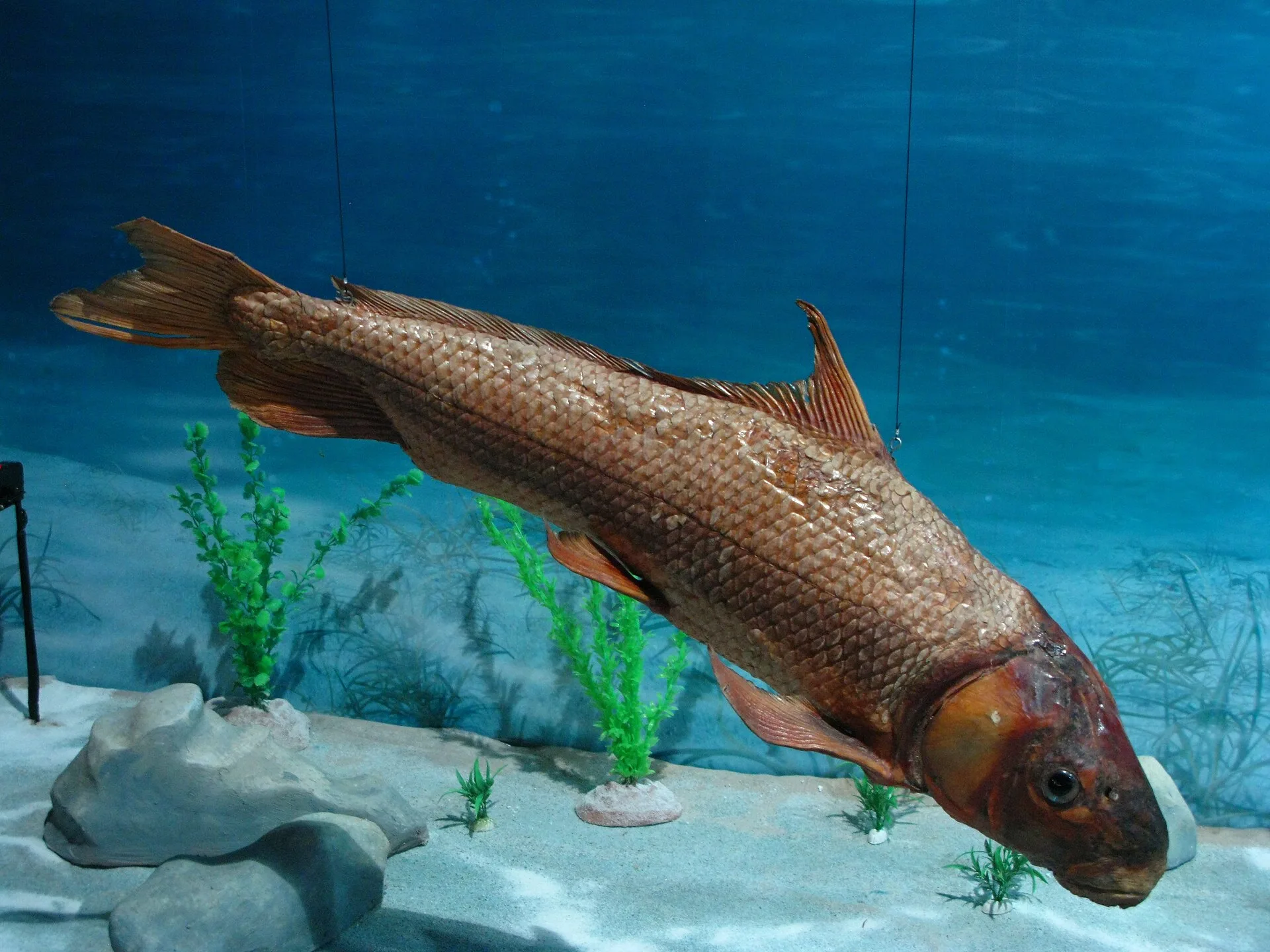
Myxocyprinus asiaticus is a Yangtze sucker — a cool-water carp relative with a juvenile sail, not a shark, not a catfish, and not a tropical comm…
Read more →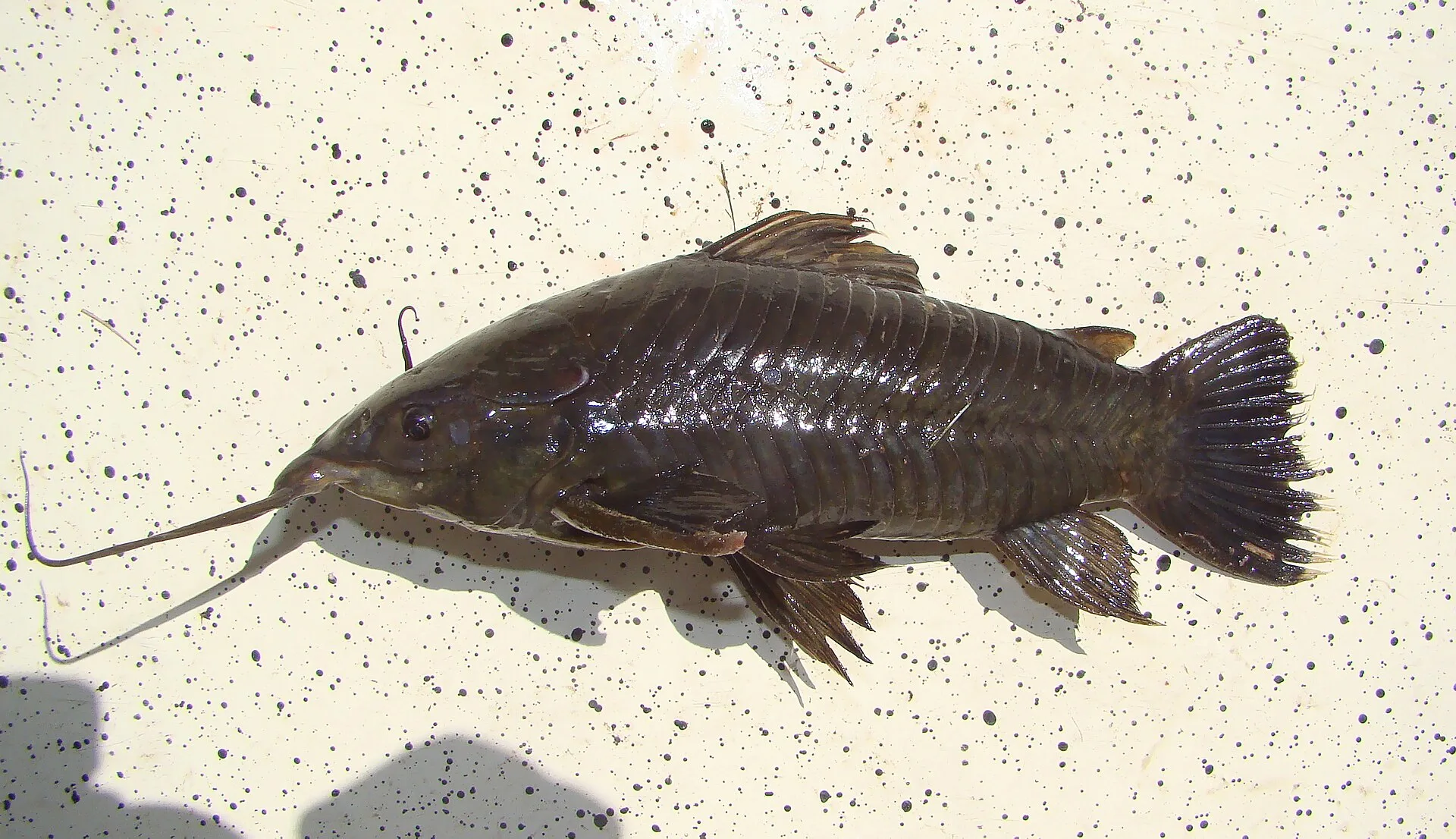
Hoplosternum littorale, the port hoplo or hassar, is a large air-breathing callichthyid of coastal plains and a regional food fish — heavier and…
Read more →