
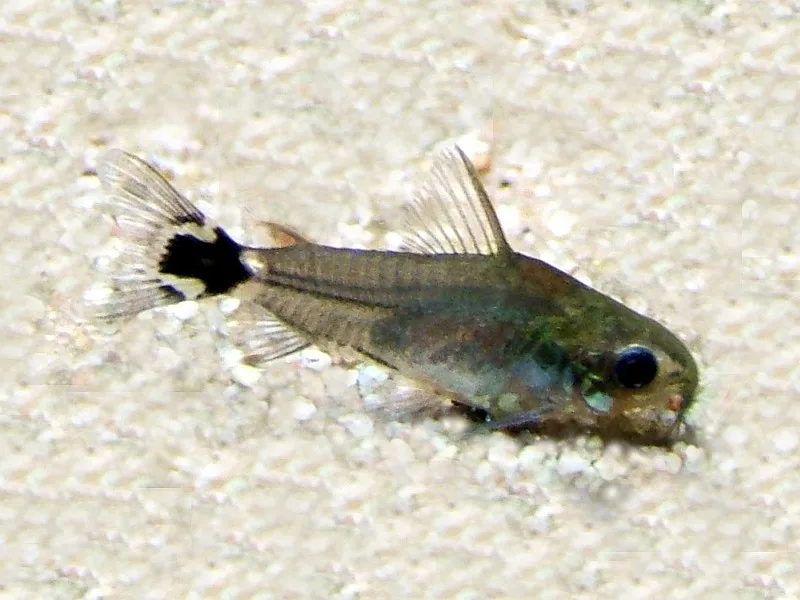
Hastatus Pygmy Cory (Corydoras hastatus)
Hastatus is the Paraguay pygmy cory that schools in midwater like a tiny tetra, with a spear-spot on the tail. Huge numbers, micro-food, and plants…
Read more →
This Guides hub on Fishy Friends gathers practical aquarium guides guidance for keepers who want clear answers before they change water, livestock, or gear.
Use these articles to match species to tank size, plan filtration and feeding, and troubleshoot water chemistry without guessing. Each guide is written for home aquariums and links to related reading when you need more depth on aquarium guides.
Start with the basics — stable parameters, quarantine habits, and a feeding schedule that matches the livestock — then browse the profiles and how-tos below. When you are ready to branch out, jump into neighbouring topics so your aquarium guides plan stays consistent across the whole tank.
Whether you are stocking a first community tank or refining an established scape, bookmark this page and return as questions come up. Healthy aquariums are built from small, repeatable routines more than one-time upgrades, and aquarium guides success follows the same pattern.
Explore next: Fishy Friends home, freshwater fish, saltwater fish, live plants.
Fishy Friends publishes species care sheets, plant and invertebrate notes, aquascaping ideas, and water-care explainers so aquarium guides advice stays easy to find. Read one guide thoroughly, apply it slowly, and use the linked hubs above when you want a second angle on the same problem.
Before you buy livestock or rethink filtration, skim two or three aquarium guides articles here and write down target numbers for temperature, hardness, and feeding. That short checklist prevents the most common resets and keeps your aquarium closer to the calm, healthy display you are aiming for.
Come back after water changes or new additions: compare what you see in the tank with the aquarium guides checklists below, then follow one recommended next step instead of changing everything at once. Steady improvements compound, and Fishy Friends is built to support that pace.
Hastatus is the Paraguay pygmy cory that schools in midwater like a tiny tetra, with a spear-spot on the tail. Huge numbers, micro-food, and plants…
Read more →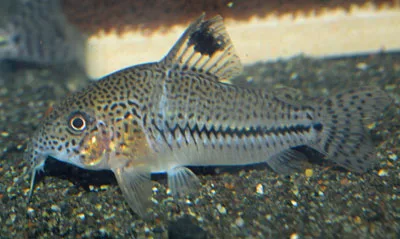
Leopard Corydoras is the larger, long-snouted Amazon cat with coarse blotches — not julii, not trilineatus. Give it a wide sand paddock and a gro…
Read more →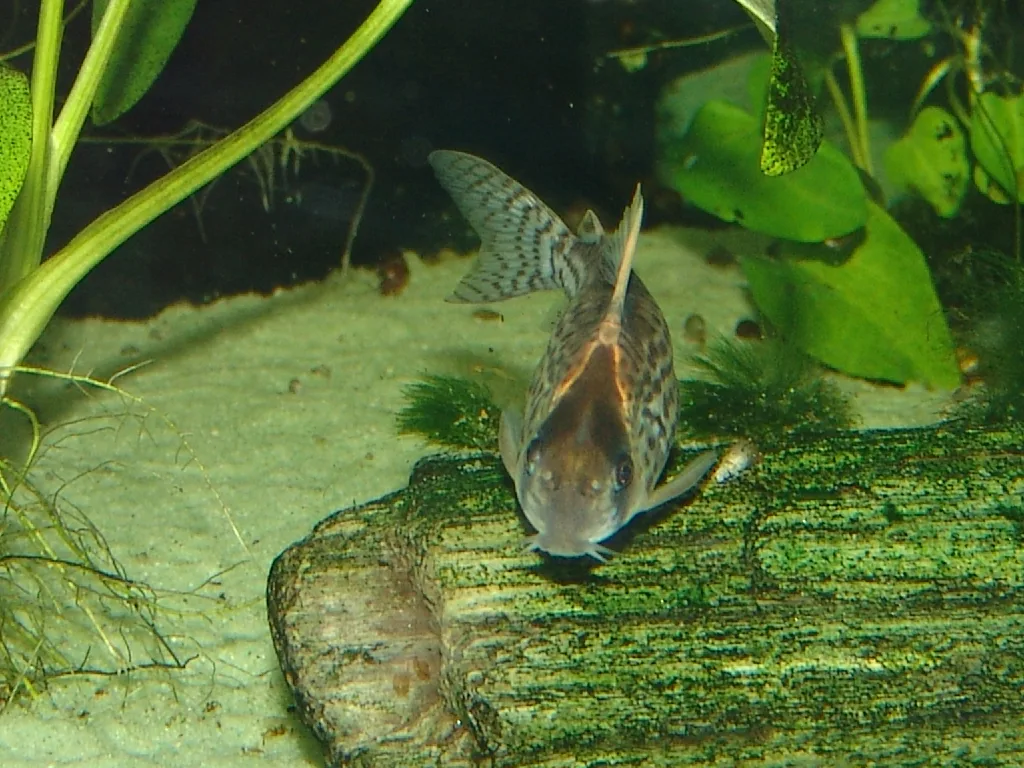
Schwartzi Corydoras is the Purus spotted cat whose dots line up into stripes. It is the busy, available patterned cory — still a sand-working gro…
Read more →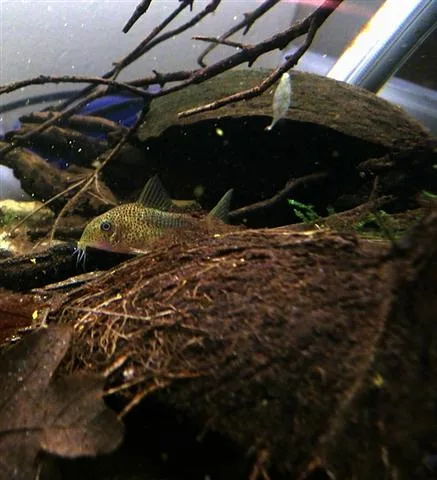
Similis Corydoras is a pale Madeira-basin catfish with a caudal smudge, often mixed up with caudimaculatus. It wants a sand troop and quiet water,…
Read more →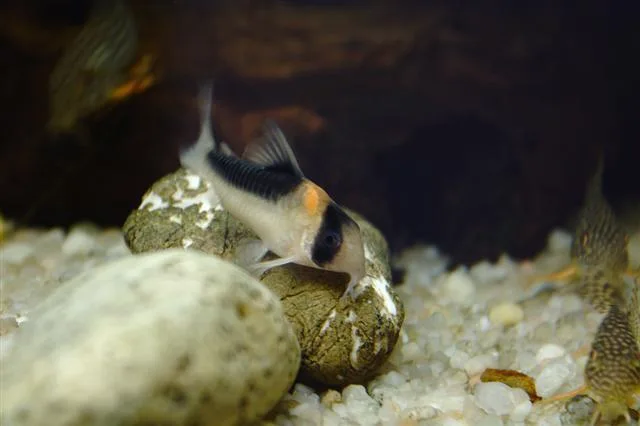
Corydoras duplicareus is the Negro lookalike named for doubling Adolfoi: same gold blaze, a more continuous dark stripe along the back. Buy the sad…
Read more →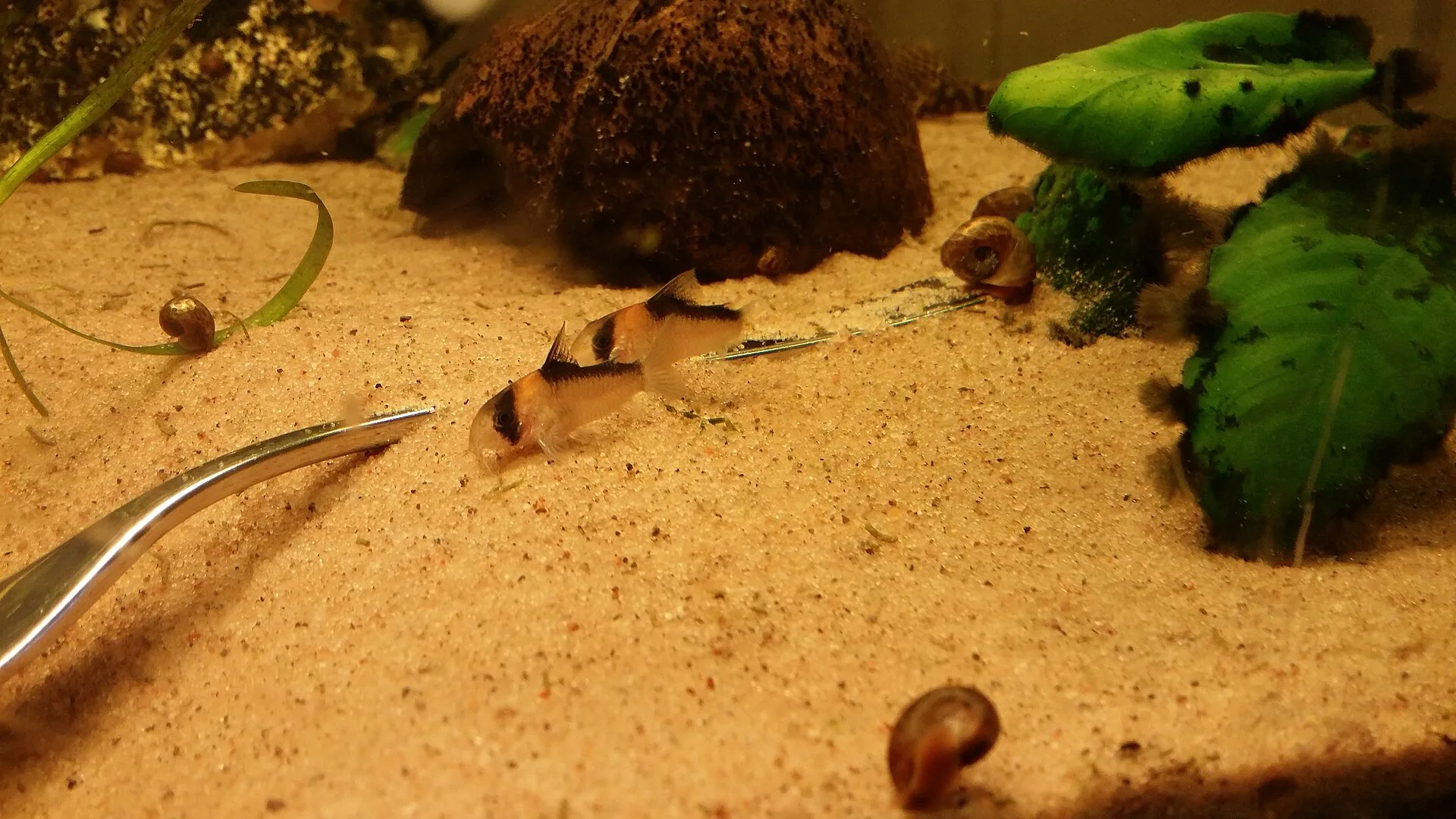
Adolfo's Corydoras is the Rio Negro sand-sifter with an orange nape, a black mask, and a dorsal saddle that does not copy duplicareus. Soft, staine…
Read more →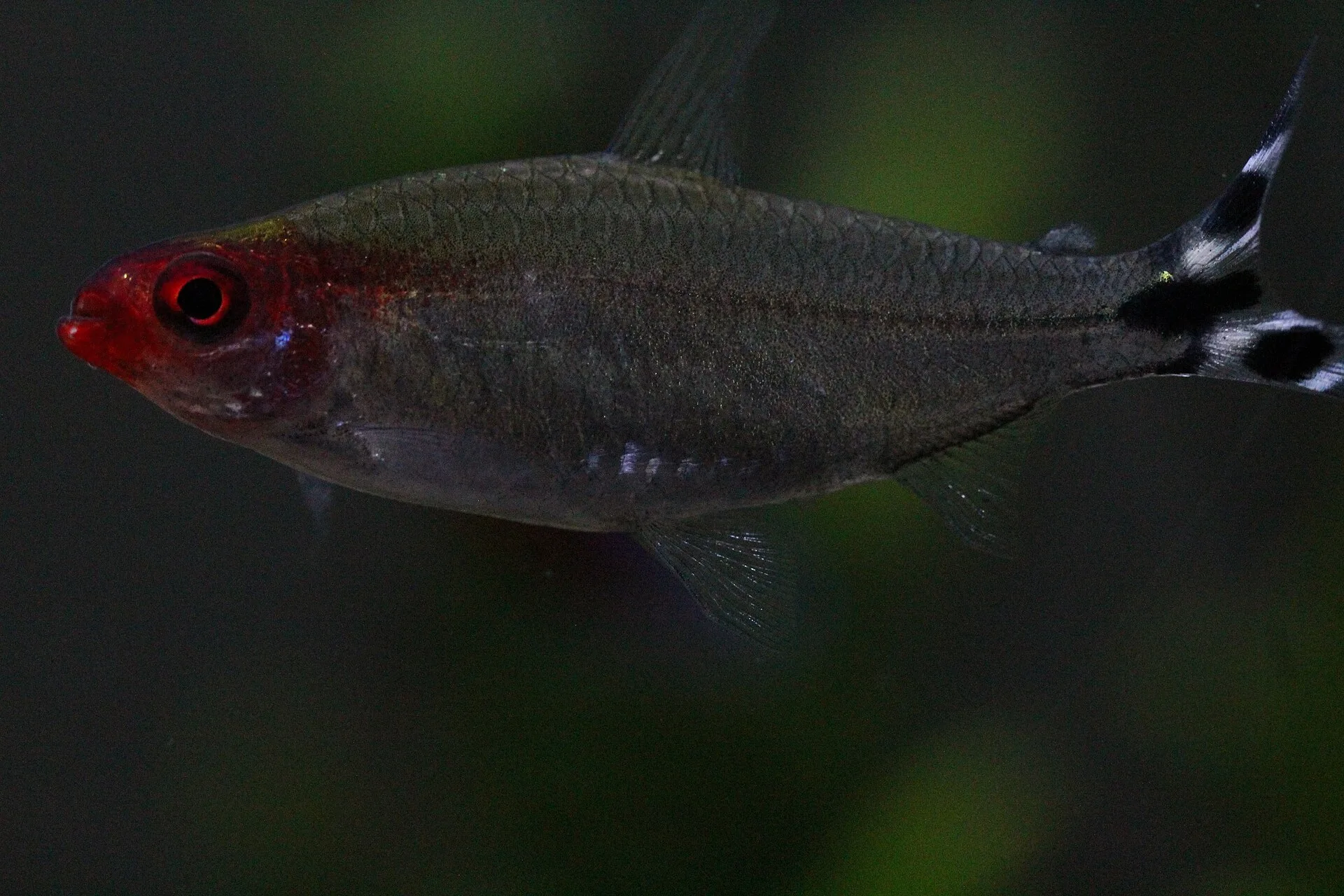
Petitella bleheri’s crimson face is a water-quality instrument — the true rummynose of Negro blackwater, a school of ten-plus, and a nose that…
Read more →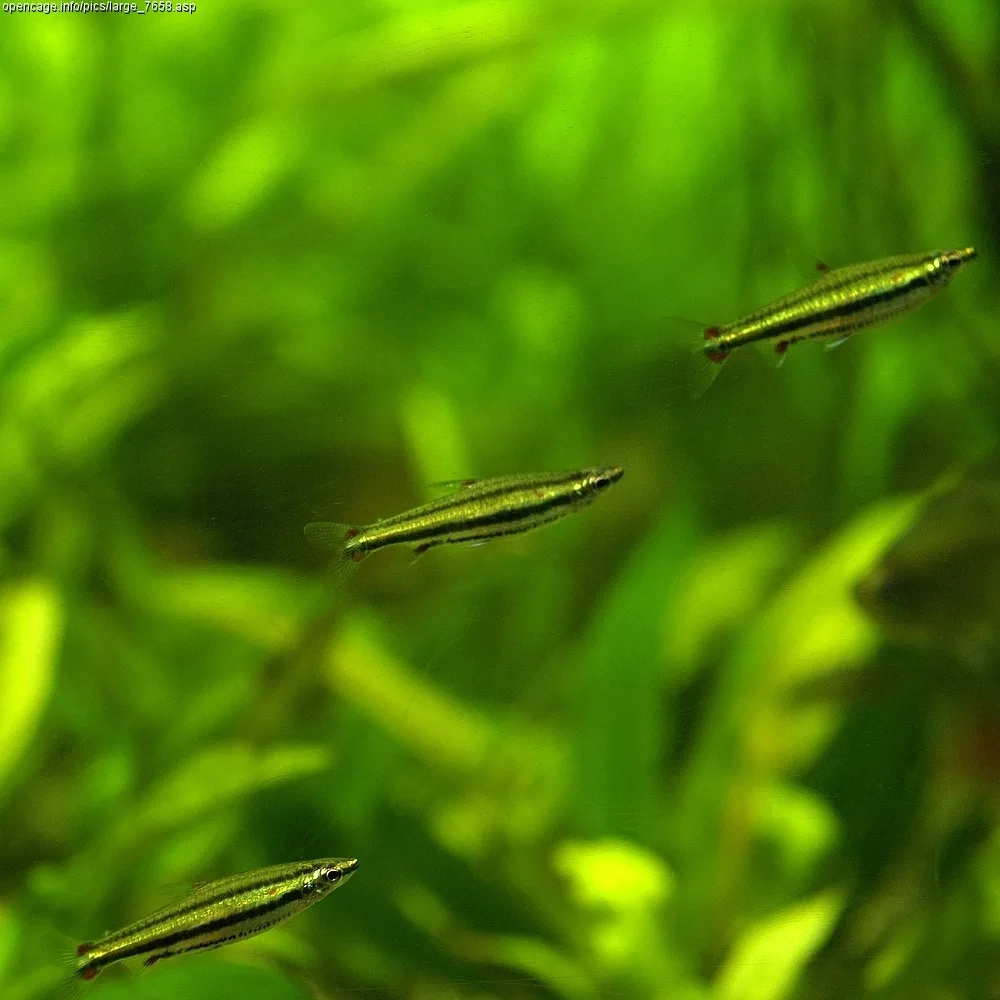
Nannostomus trifasciatus is the photographed pencil: three lines, red in the males, and nipping that stays inside the school if you keep twelve in…
Read more →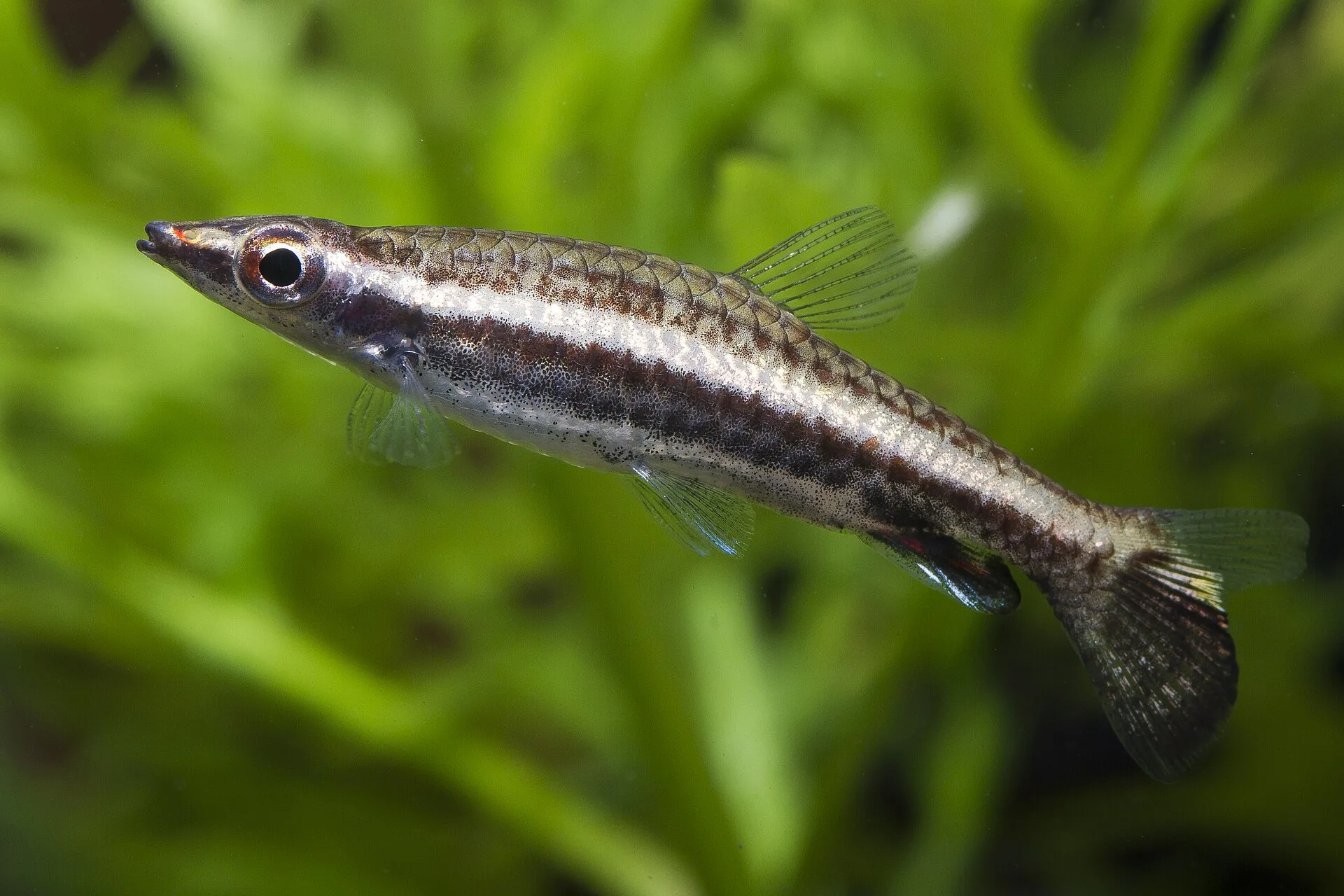
Nannostomus eques hangs at 45 degrees in stained Amazon water — the hockey-stick pencilfish of the top third, shy, particular, and not a tetra th…
Read more →
Nannostomus beckfordi is the pencilfish that forgives: a level-swimming Guiana characin whose midwater fencing looks like a school at eight fish an…
Read more →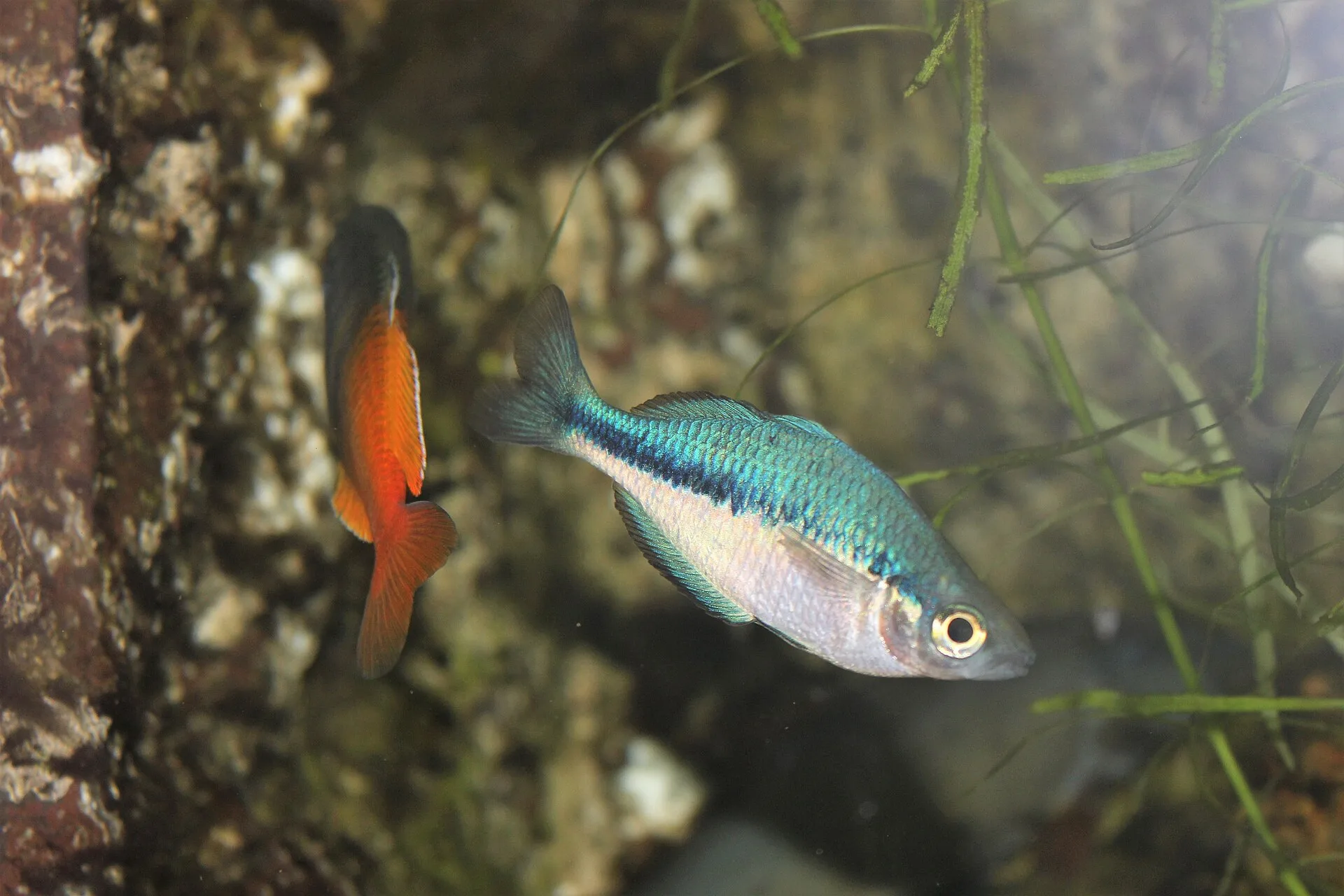
Melanotaenia splendida is the Australian rainbow with a shoulder: a deep-bodied river schooler that needs a metre of swimming room, a real filter,…
Read more →
Pseudomugil signifer males grow filamentous fins for a surface dance — a thumbnail Australian blue-eye that only works as a covered school with f…
Read more →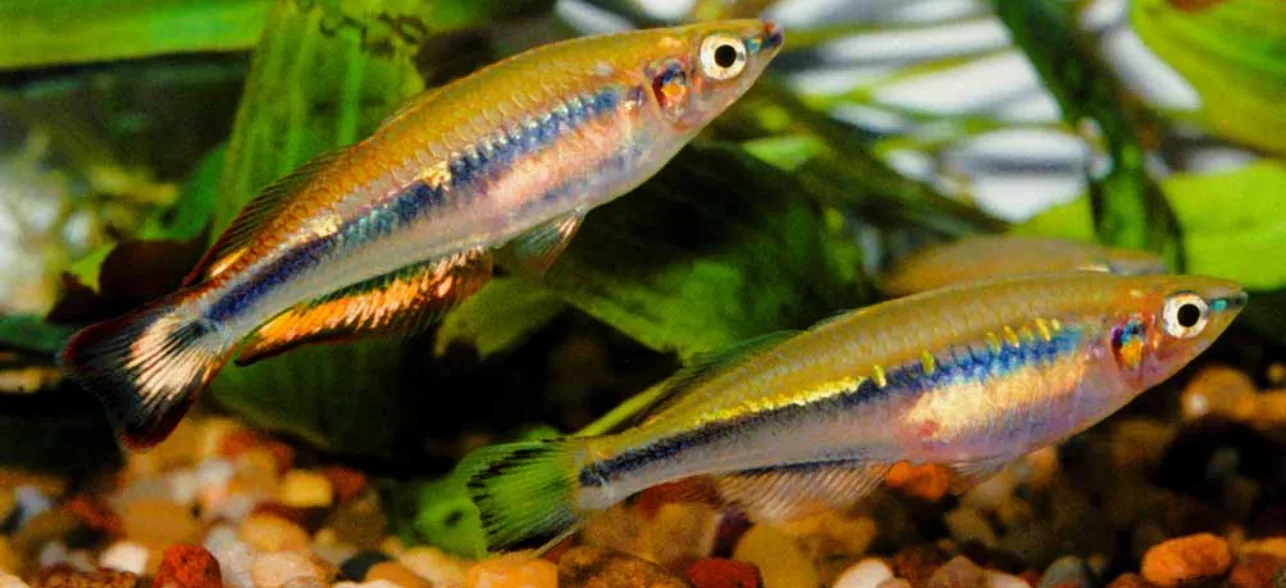
Bedotia madagascariensis is Madagascar’s zona, not a New Guinea Melanotaenia: a surface school with a red-tailed male, a lid with no gaps, and an…
Read more →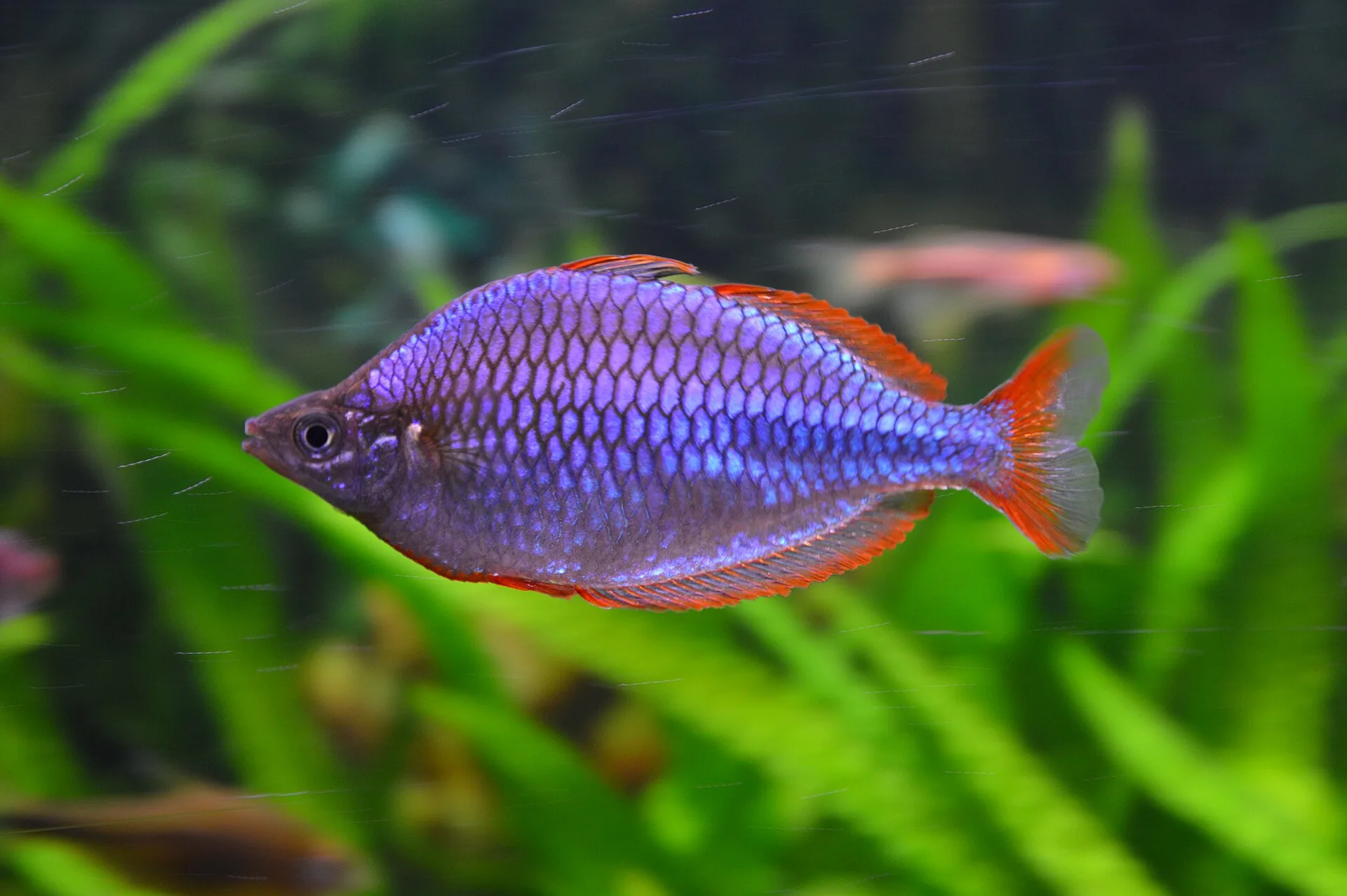
Melanotaenia praecox is the rainbow that actually fits a modest tank — 5–6 cm of blue and red that appear when the school is eight or more and…
Read more →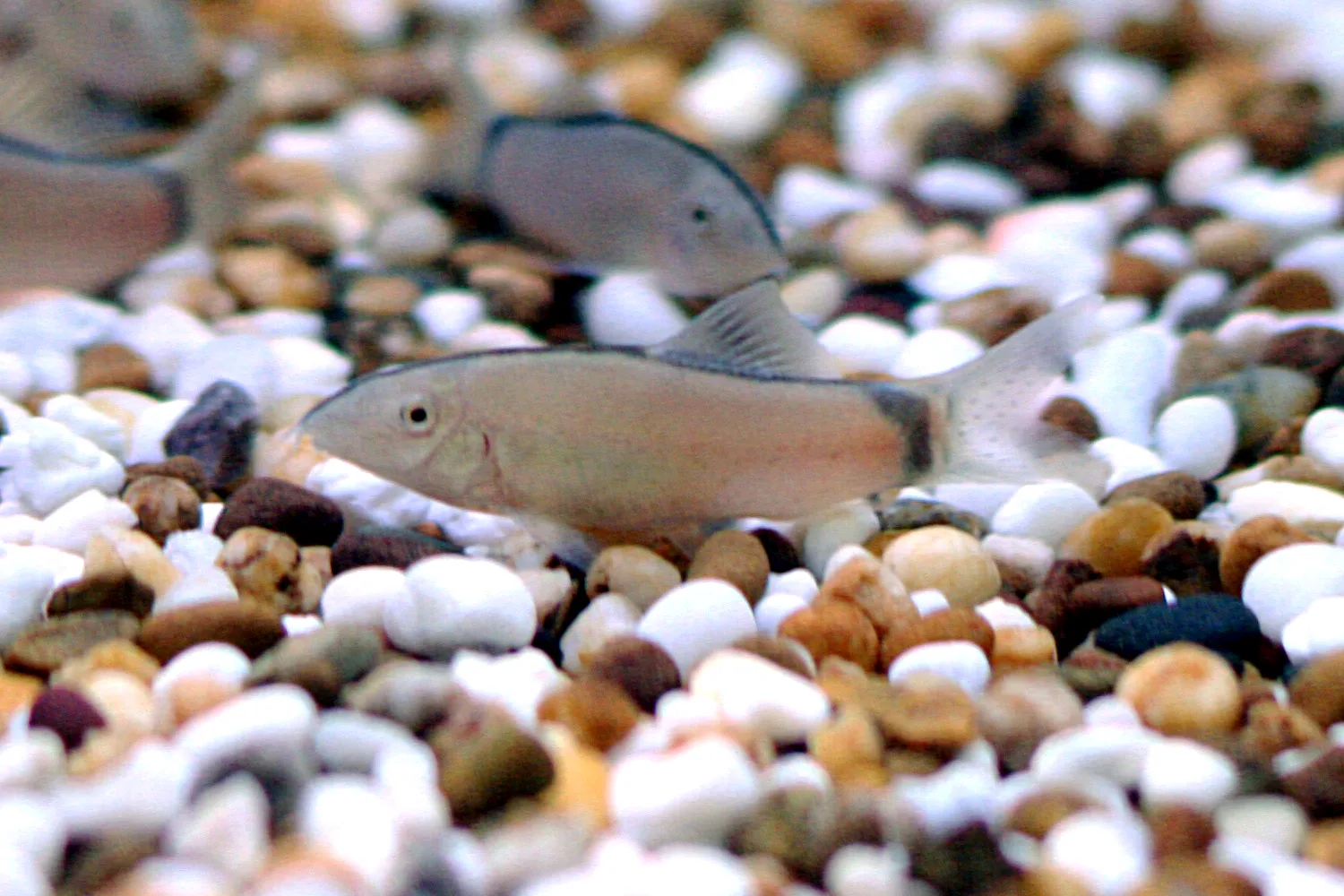
Yasuhikotakia morleti wears a dorsal skunk stripe and a subocular spine: a Mekong loach to keep as five-plus (or one), under a latched lid, and nev…
Read more →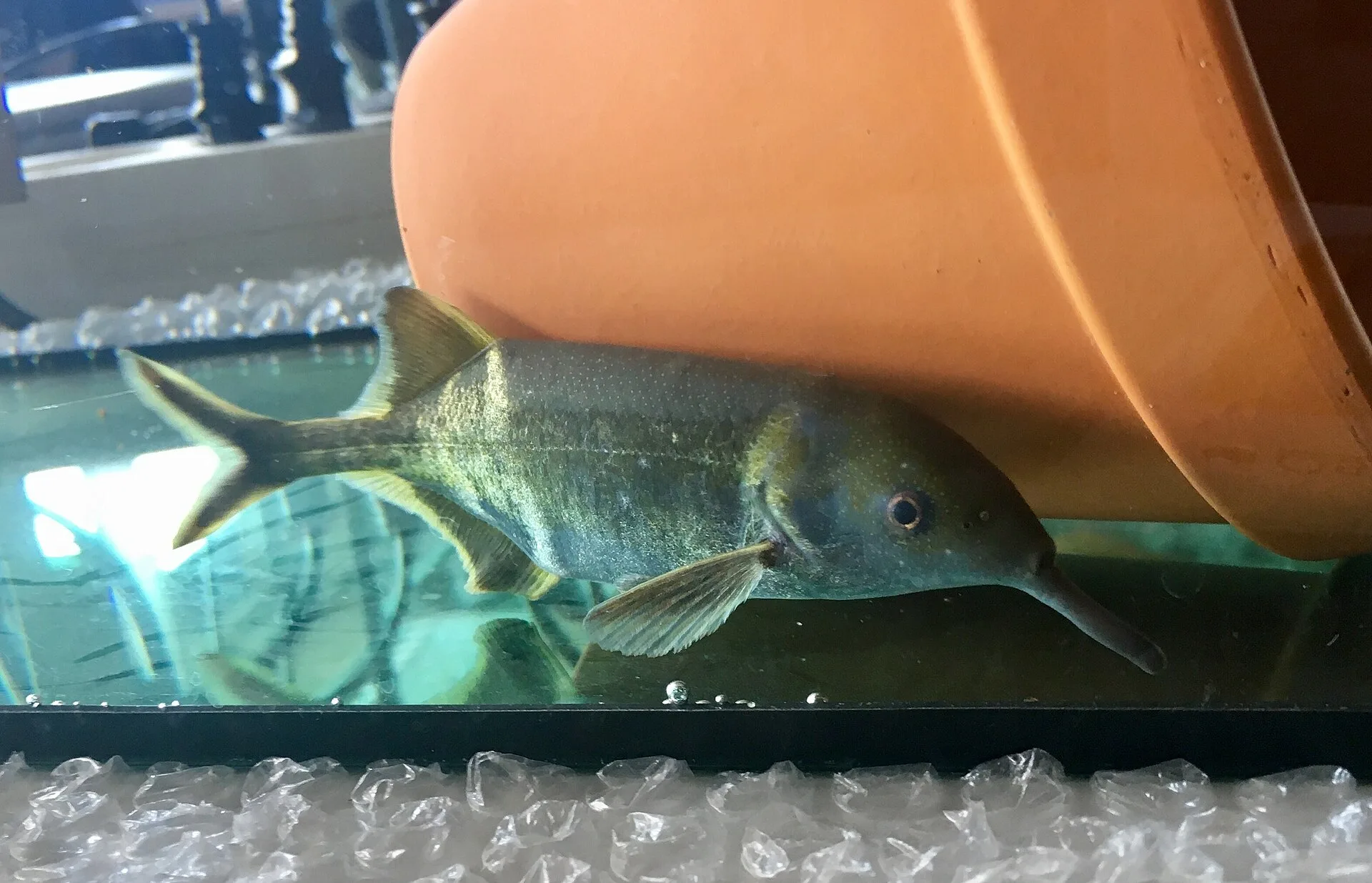
Gnathonemus petersii hunts with a weakly electric chin in the dark: sand, dim cover, meat at dusk, and a tank without stray voltage or a bully on t…
Read more →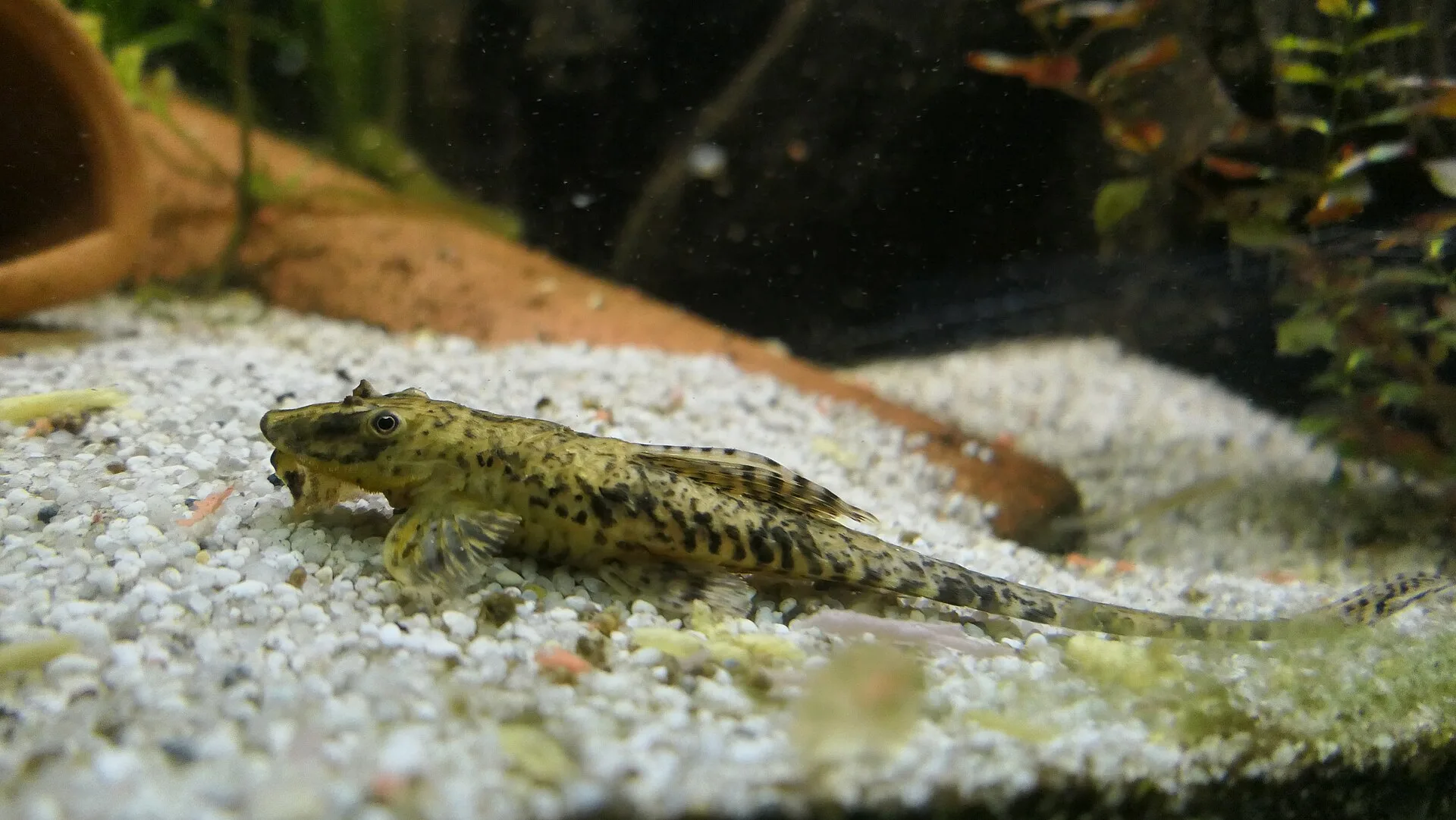
Rineloricaria lanceolata lies on sand like a walking leaf — a quiet South American whiptail that wants litter, a spawning tube, night-time wafers…
Read more →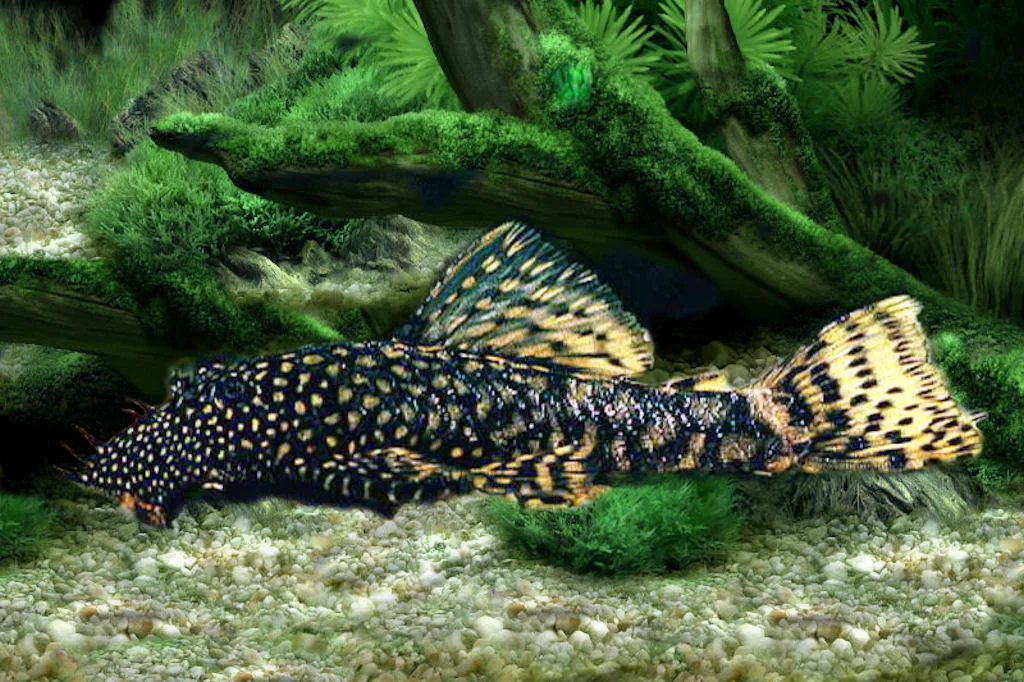
Ancistrus cirrhosus is the pleco that still fits: wood to rasp, vegetables every week, a cave for the bristled male, and fry in the doorway whether…
Read more →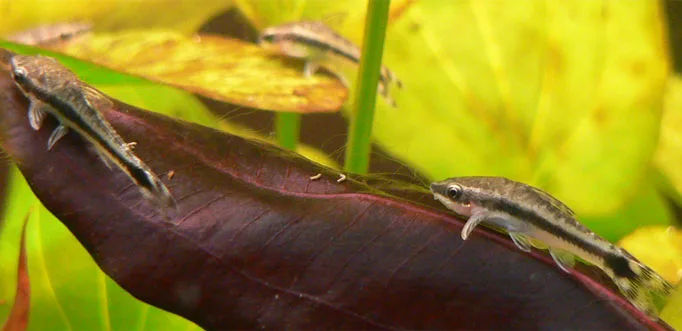
Otocinclus vittatus rasps biofilm, not leftover flake: a 4 cm school of grazing catfish for a tank that is already established, already planted, an…
Read more →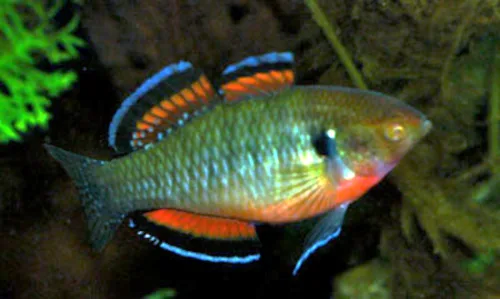
Hypseleotris compressa males look painted when they colour up: an Australian gudgeon of 10–12 cm that sits, lunges, and does not belong in a nano…
Read more →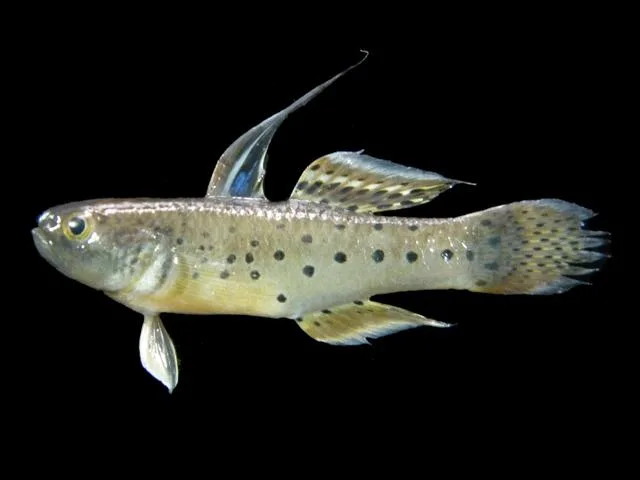
Stigmatogobius sadanundio, the knight goby, is an estuarine sentry — spotted, territorial, meat-eating — that wants hard freshwater or honest b…
Read more →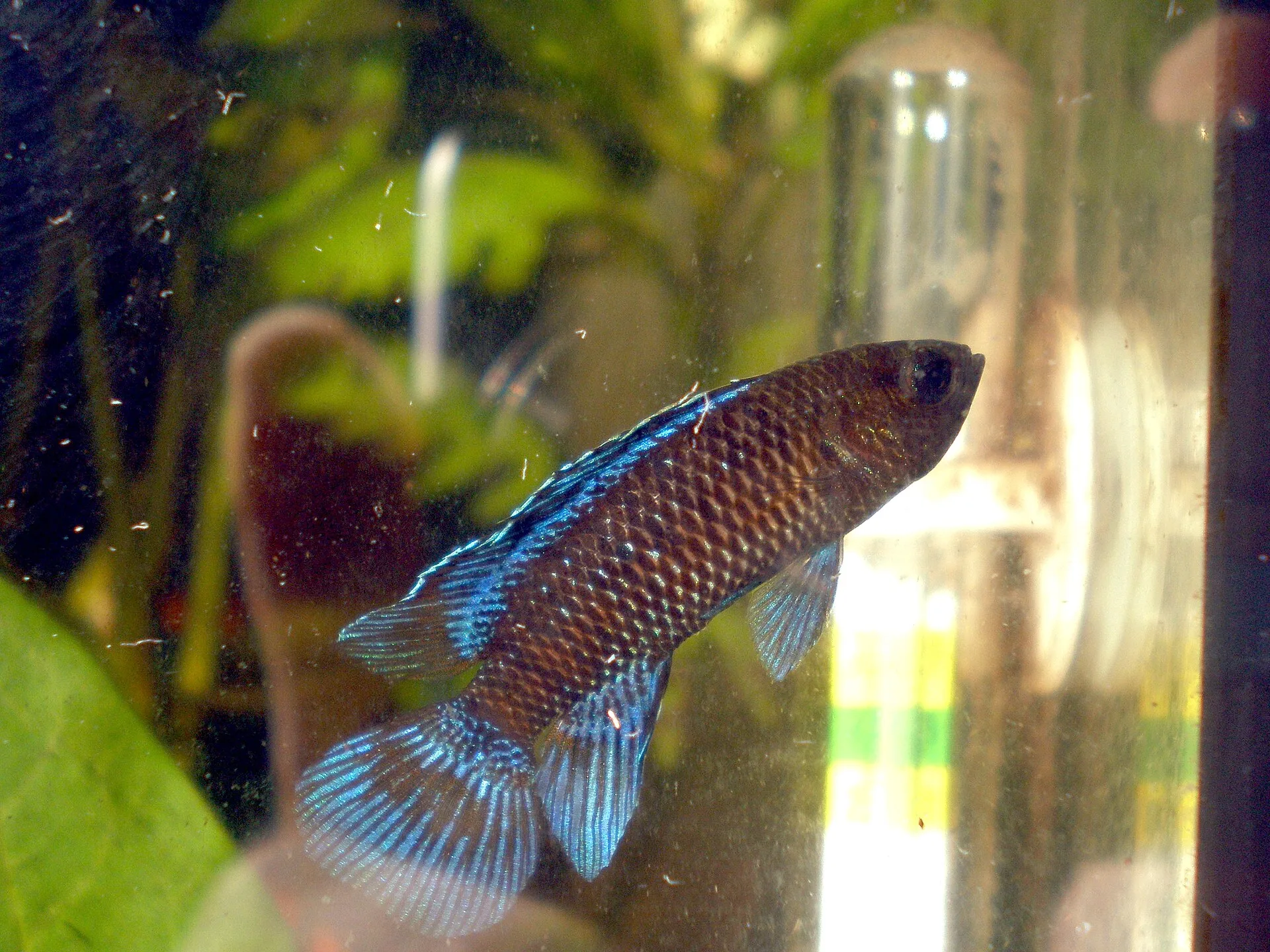
Badis badis is a Ganges micropredator that starves beside fast tetras: a chameleon that turns blue in a weedy cave if you feed it what still wriggl…
Read more →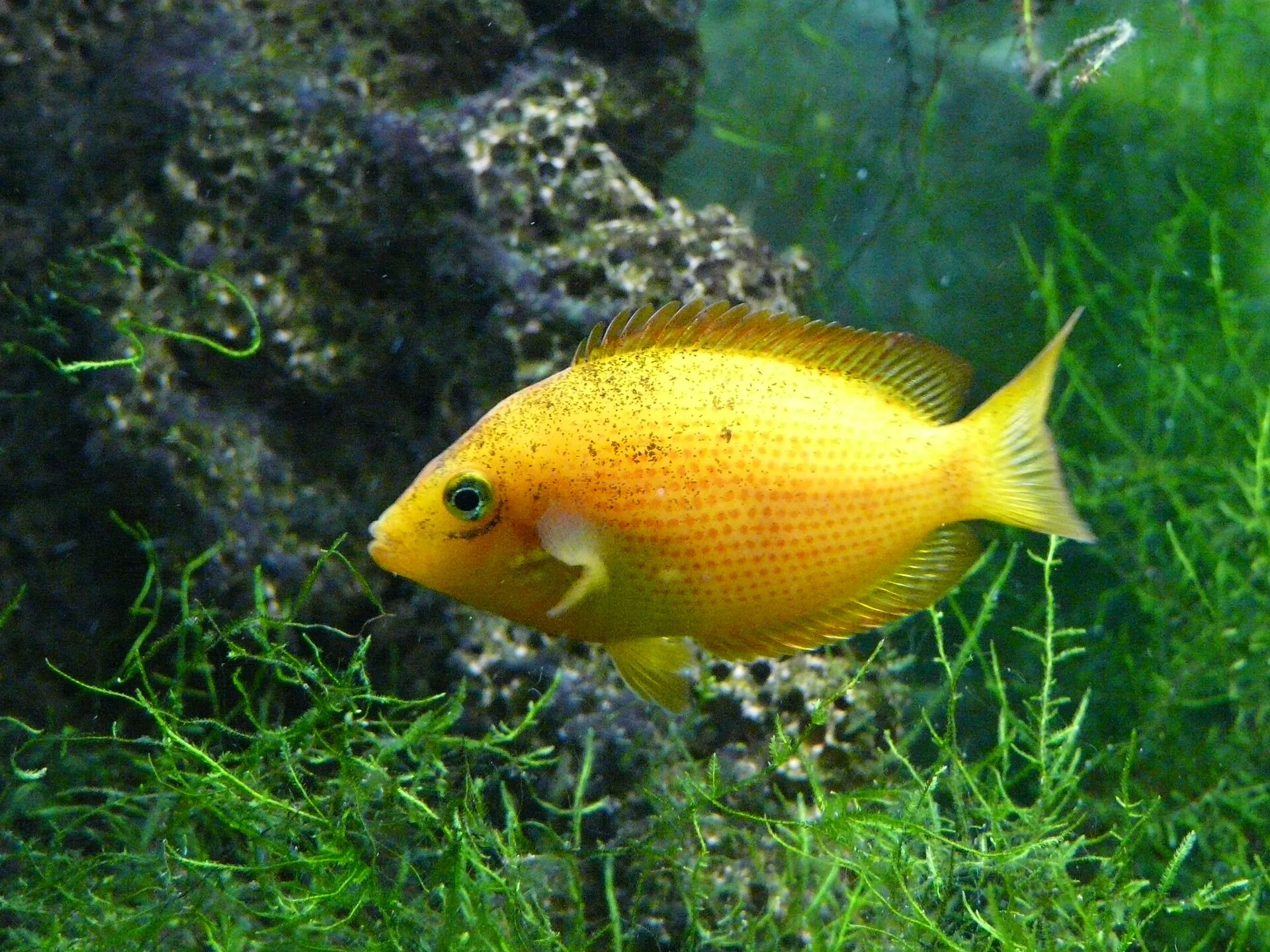
Etroplus maculatus, the orange chromide of India and Sri Lanka, colours like a sunset when the pair and the hardness are right, with optional brack…
Read more →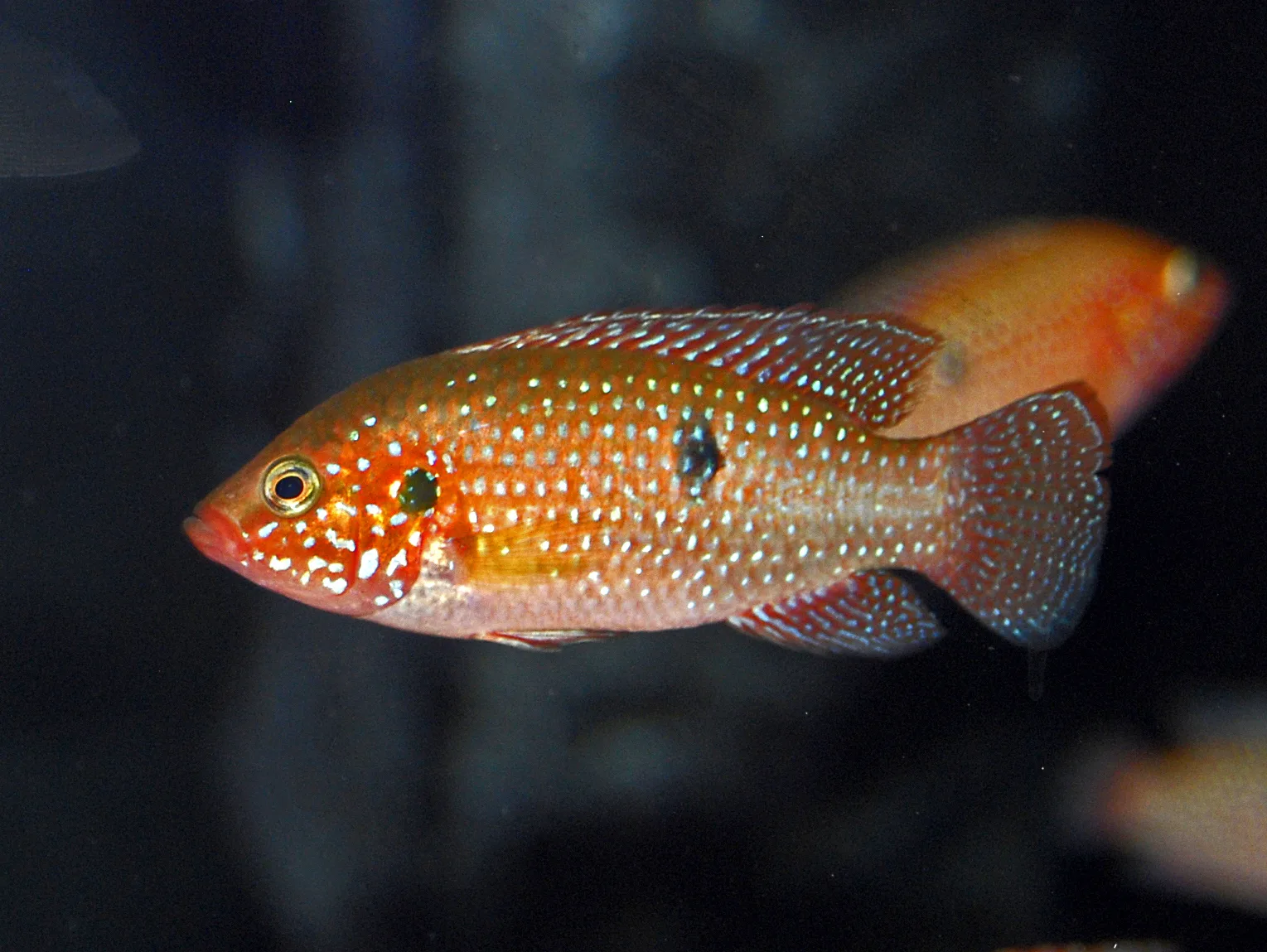
Hemichromis lifalili is a Congo jewel the size of a hand and the confidence of a much larger cichlid — red, turquoise-spangled, and territorial t…
Read more →