
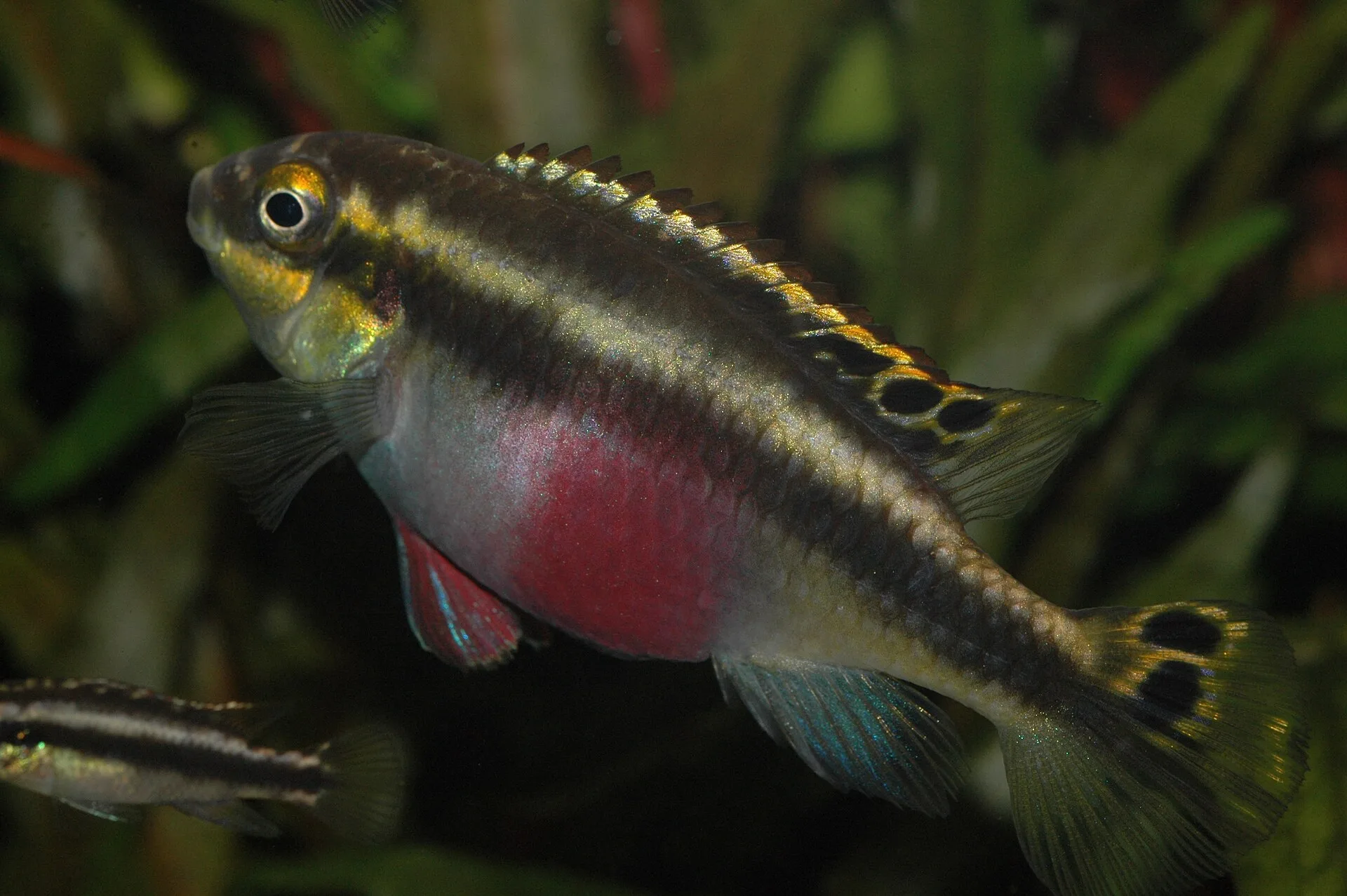
Kribensis (Pelvicachromis pulcher)
Kribensis is West Africa’s household cave cichlid: a pair that chose each other, a pot they both approve of, and a pink belly that means the rest…
Read more →
Guides
This Freshwater hub on Fishy Friends gathers practical freshwater fish guidance for keepers who want clear answers before they change water, livestock, or gear.
Use these articles to match species to tank size, plan filtration and feeding, and troubleshoot water chemistry without guessing. Each guide is written for home aquariums and links to related reading when you need more depth on freshwater fish.
Start with the basics — stable parameters, quarantine habits, and a feeding schedule that matches the livestock — then browse the profiles and how-tos below. When you are ready to branch out, jump into neighbouring topics so your freshwater fish plan stays consistent across the whole tank.
Whether you are stocking a first community tank or refining an established scape, bookmark this page and return as questions come up. Healthy aquariums are built from small, repeatable routines more than one-time upgrades, and freshwater fish success follows the same pattern.
Explore next: all guides, aquarium plants, water chemistry, feeding guides.
Fishy Friends publishes species care sheets, plant and invertebrate notes, aquascaping ideas, and water-care explainers so freshwater fish advice stays easy to find. Read one guide thoroughly, apply it slowly, and use the linked hubs above when you want a second angle on the same problem.
Before you buy livestock or rethink filtration, skim two or three freshwater fish articles here and write down target numbers for temperature, hardness, and feeding. That short checklist prevents the most common resets and keeps your aquarium closer to the calm, healthy display you are aiming for.
Come back after water changes or new additions: compare what you see in the tank with the freshwater fish checklists below, then follow one recommended next step instead of changing everything at once. Steady improvements compound, and Fishy Friends is built to support that pace.
Kribensis is West Africa’s household cave cichlid: a pair that chose each other, a pot they both approve of, and a pink belly that means the rest…
Read more →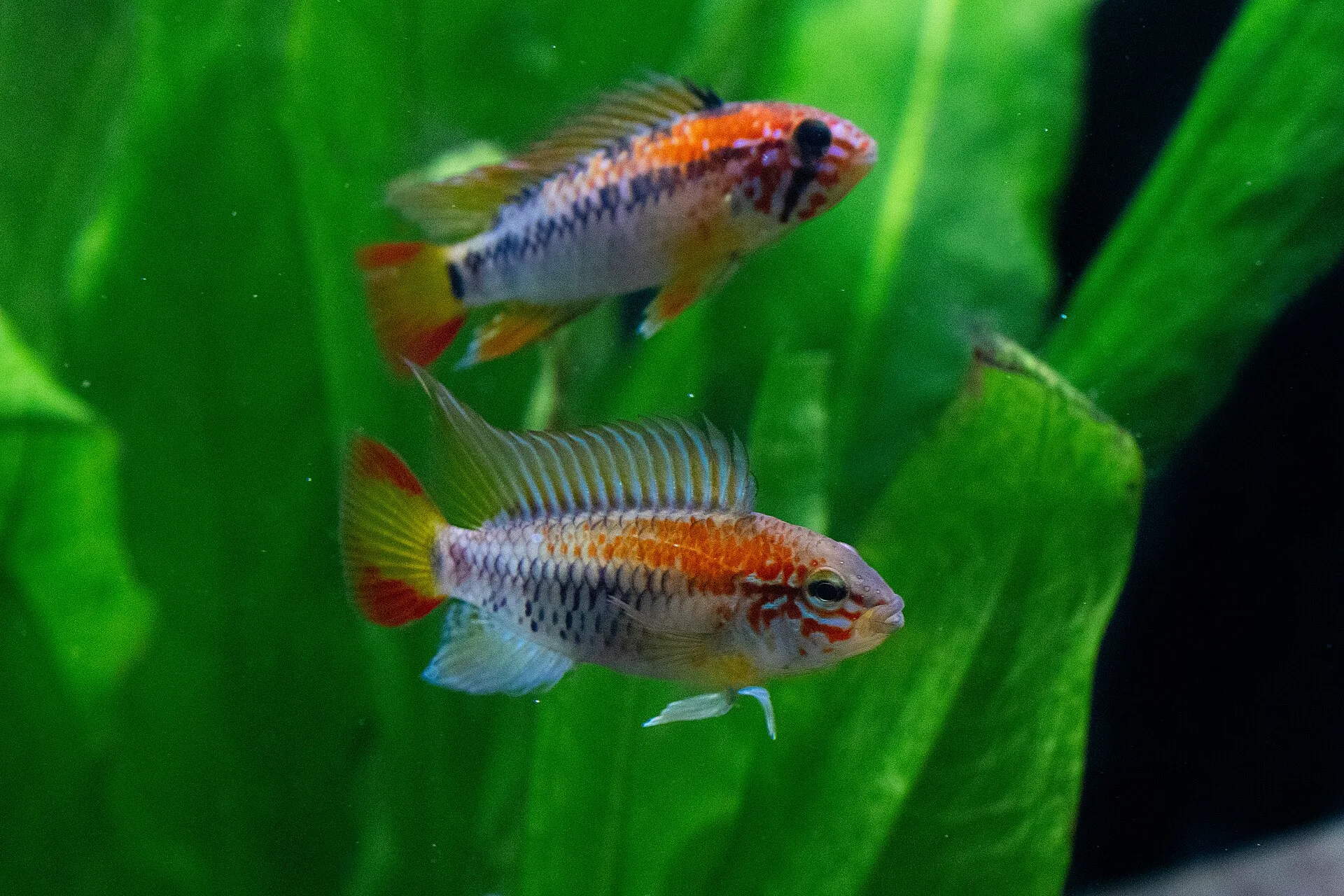
Apistogramma macmasteri arrives looking like cardboard and turns red-orange only in tea-stained creek water, with a clay pot and a tank that belong…
Read more →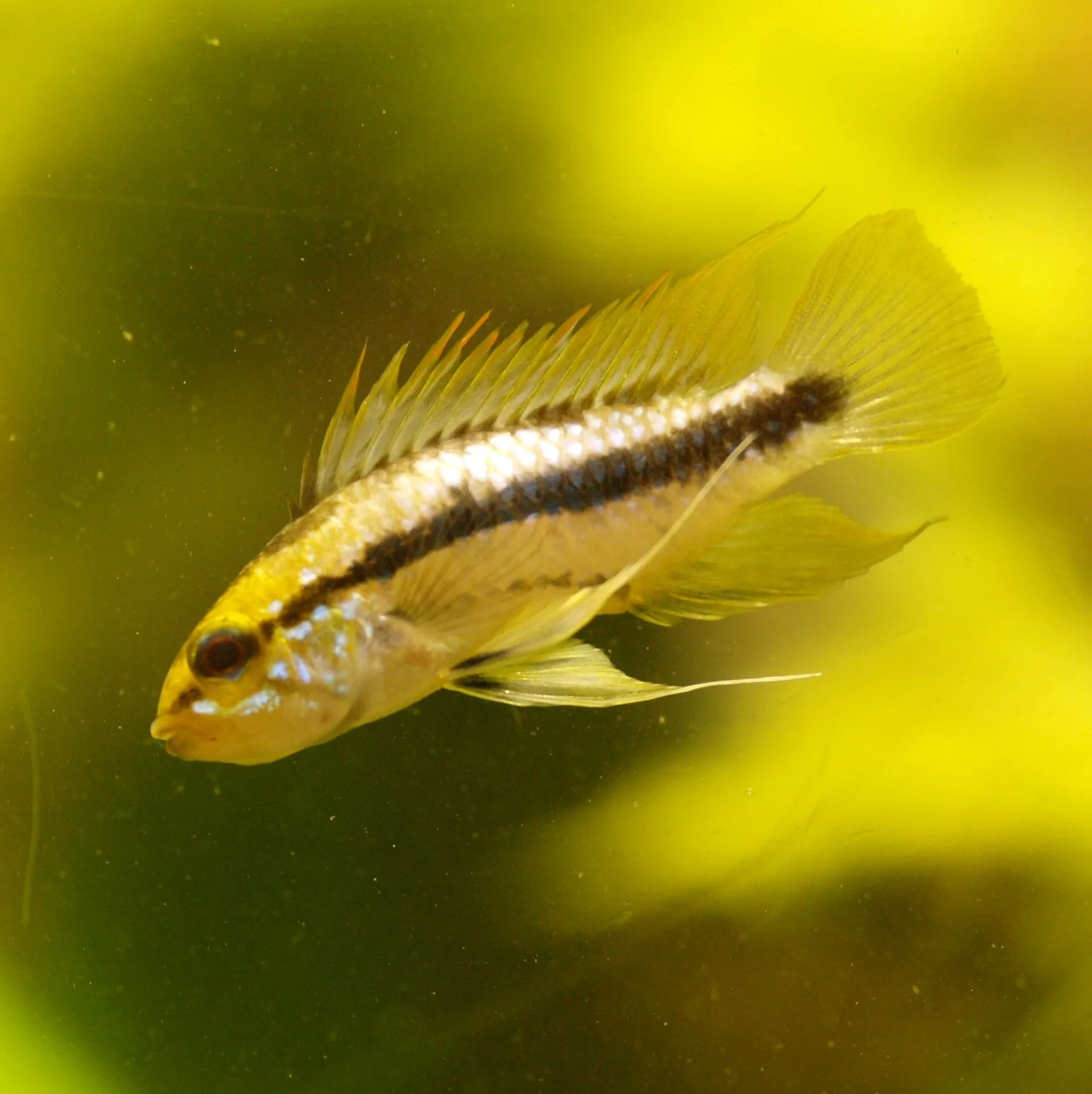
Three dark lines down the flank are both the field mark and a mood meter for Apistogramma trifasciata, a shy Paraguay-basin dwarf cichlid that want…
Read more →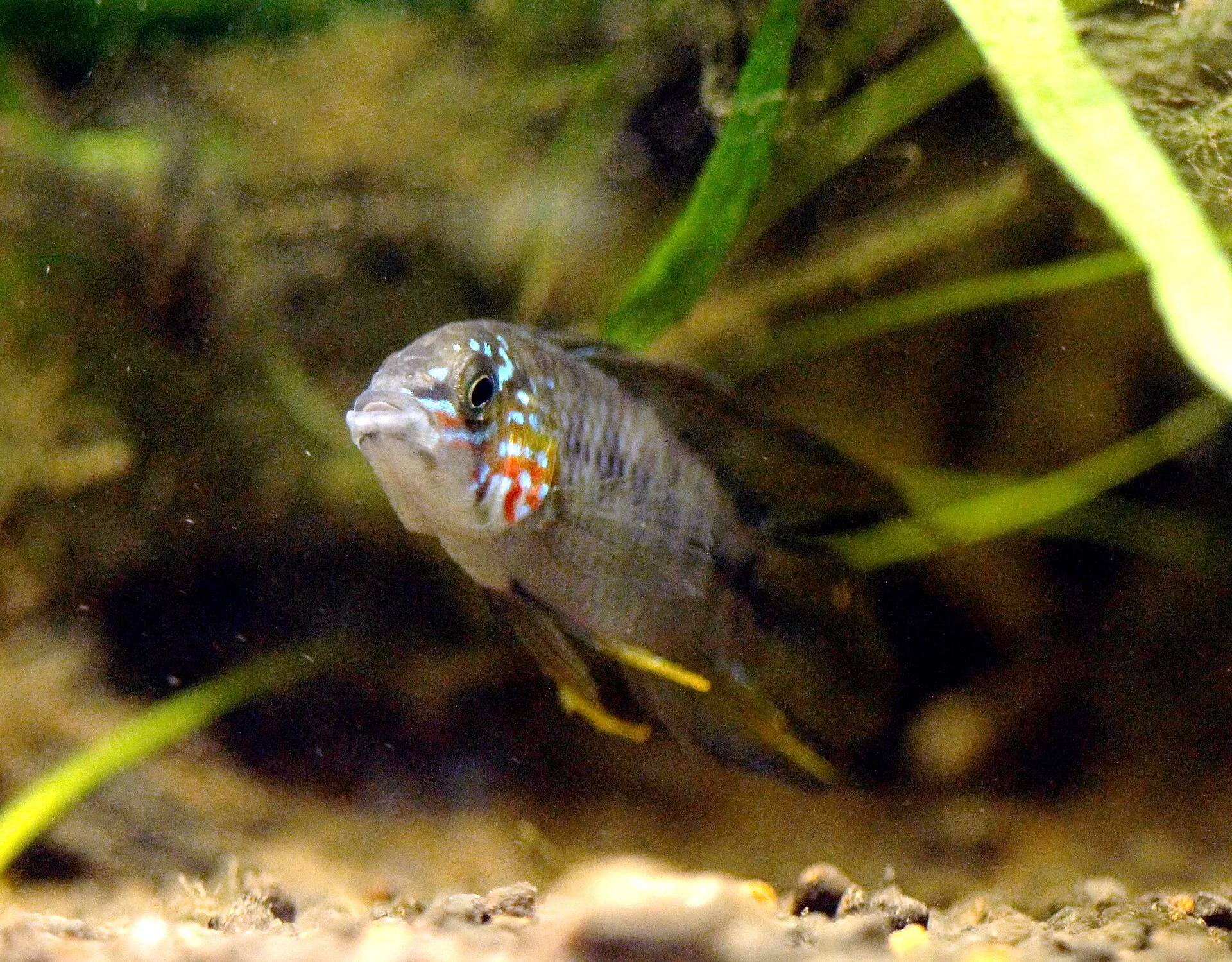
Apistogramma borellii is the yellow dwarf of the Paraná floodplain, more forgiving of hardness than most apistos, and at its best when one male ha…
Read more →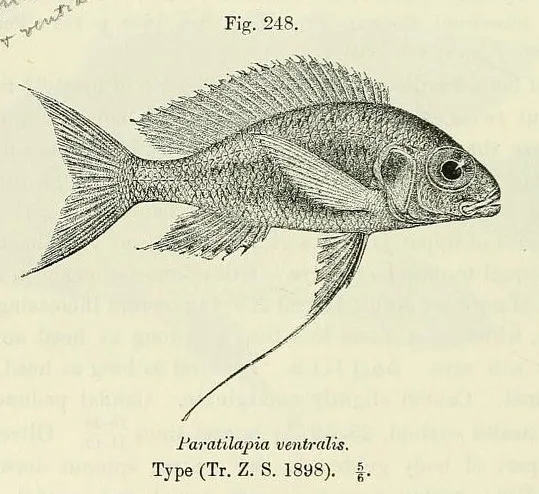
Males of Ophthalmotilapia ventralis trail yellow egg-spots on elongated ventrals and hold leks over Tanganyika sand — a featherfin that needs vol…
Read more →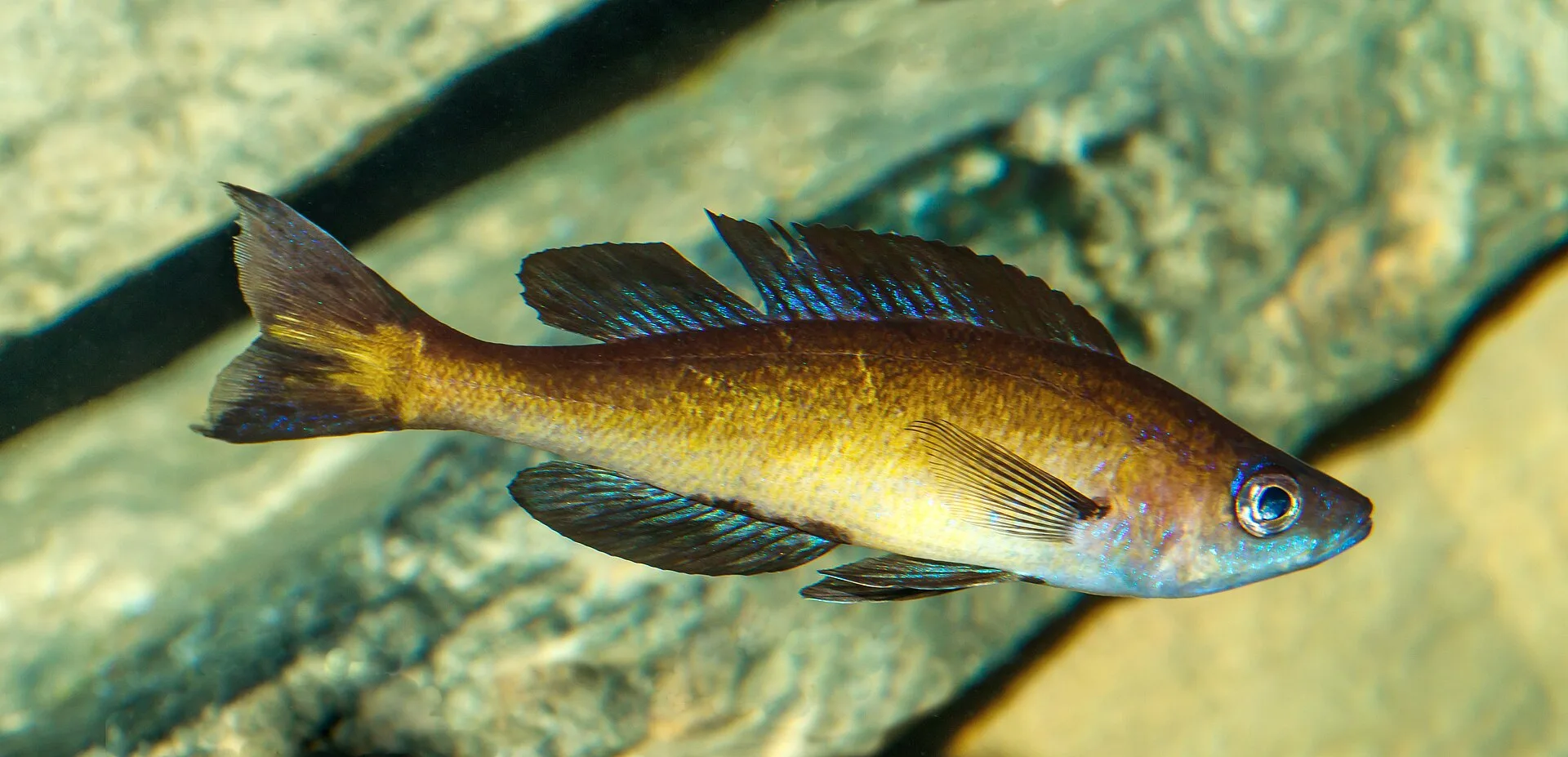
Cyprichromis leptosoma is Tanganyika’s open-water sardine cichlid: a school in empty hard water, hanging at an angle, mouthbrooding in the blue.
Read more →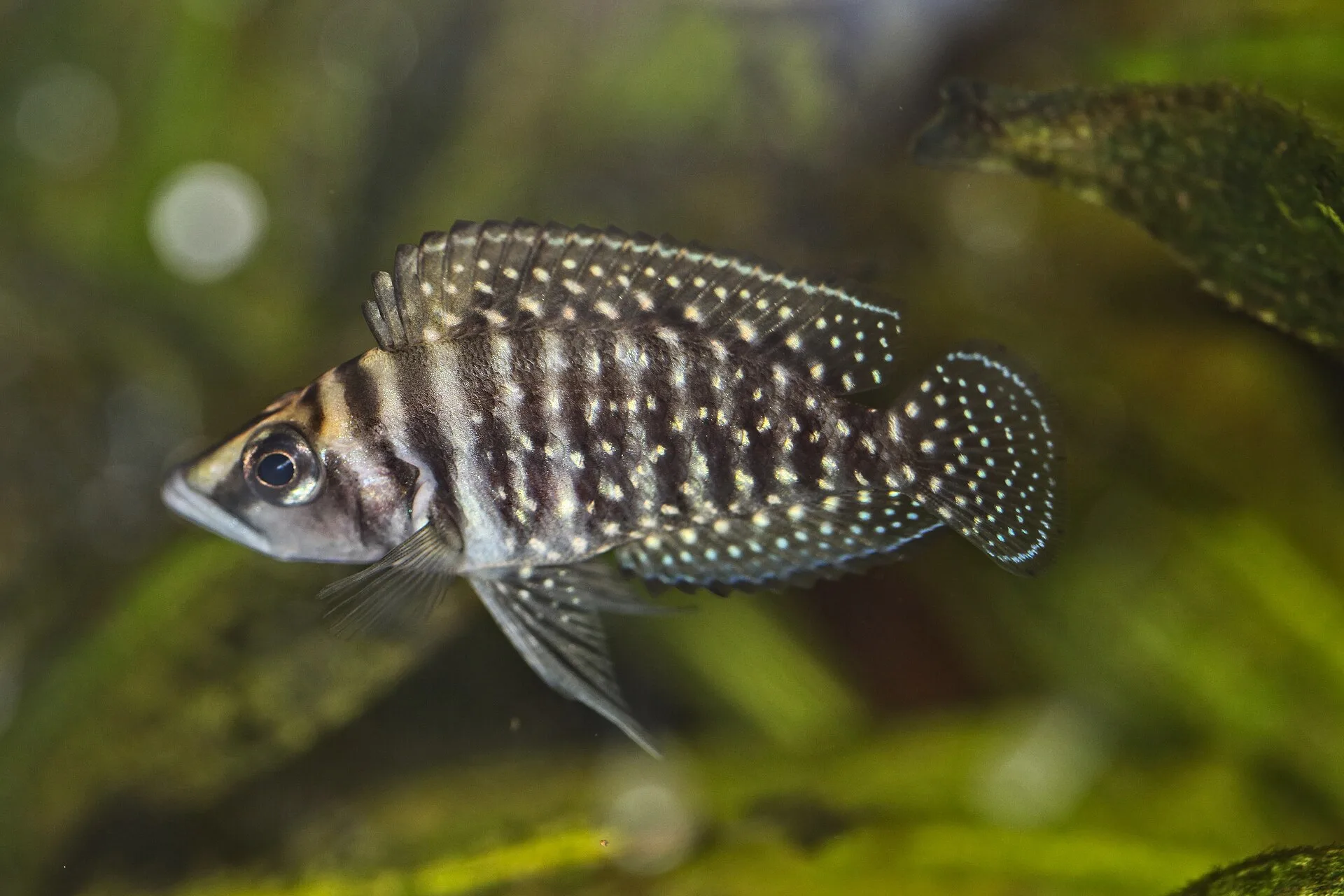
Calvus is a compressed, pearly Tanganyikan that slides into fissures and hunts whatever fits. The female spawns where the male cannot follow.
Read more →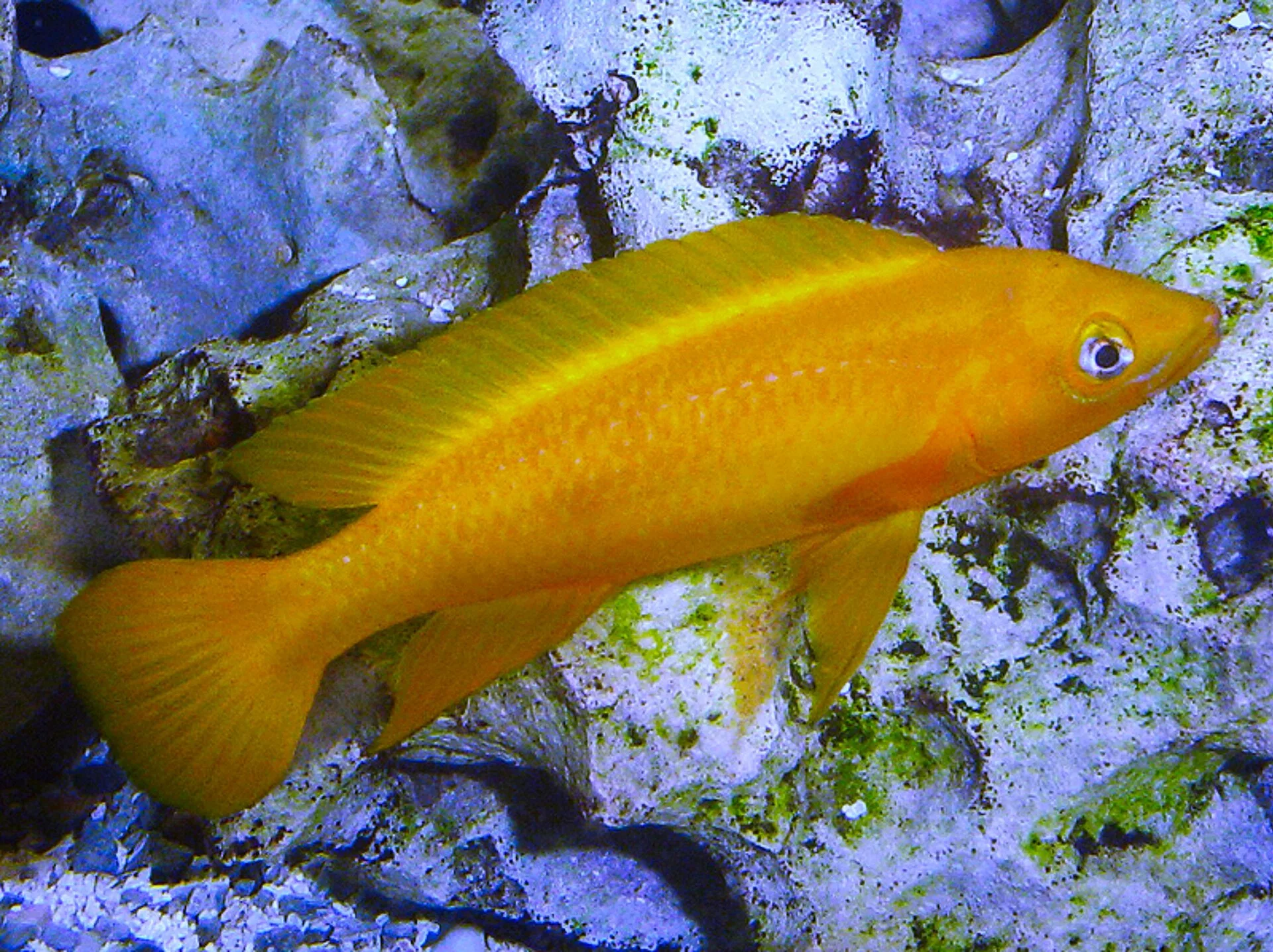
Lemon cichlids stay lemon when a Tanganyikan cave pair gets crustacean-rich food and a hole they actually own. Beige is usually the tank talking, n…
Read more →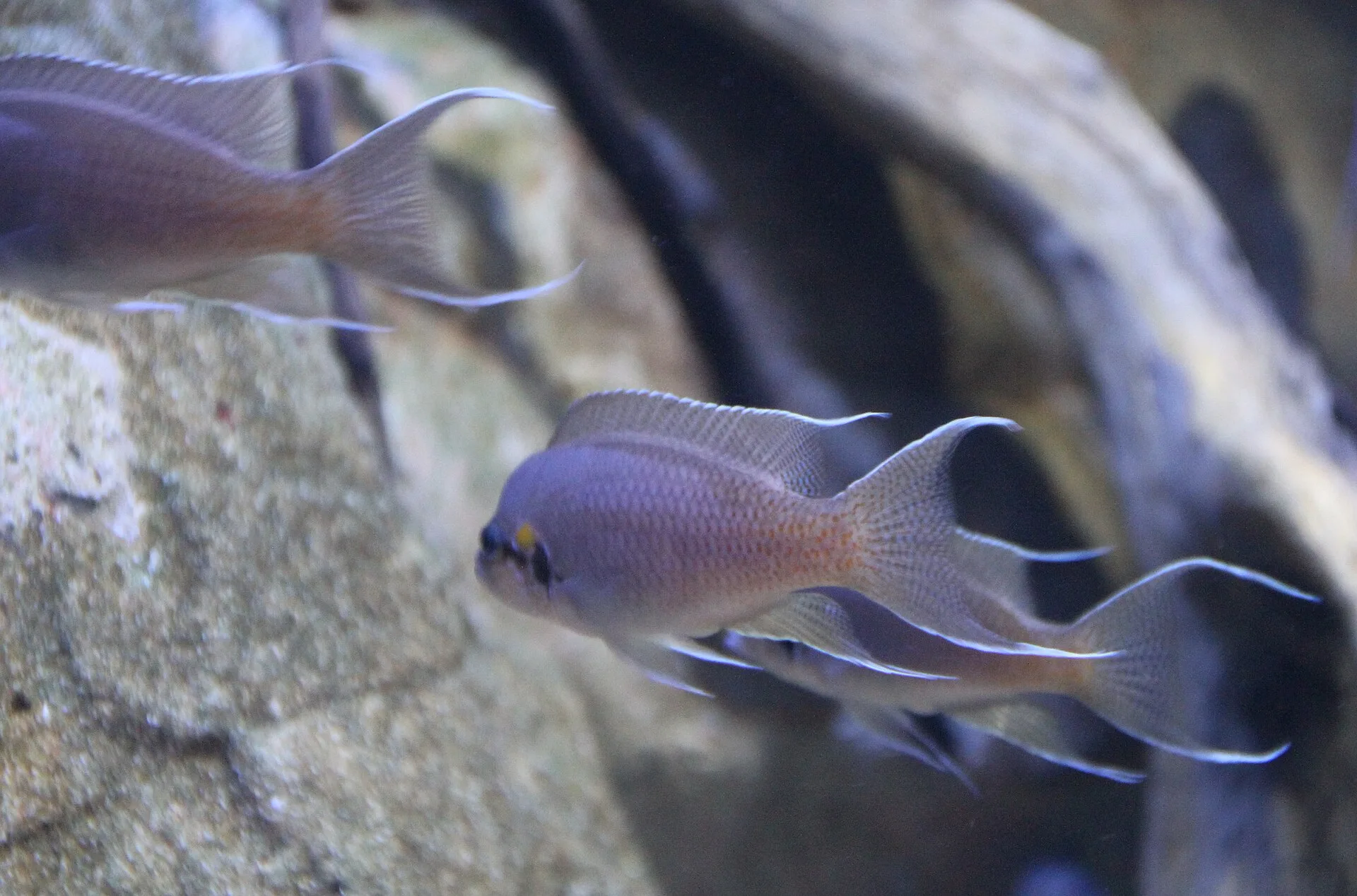
Fairy cichlids are lyretail Tanganyikans whose “pair” becomes a palace of helpers. Build for the dynasty, or the clan annexes every cave you me…
Read more →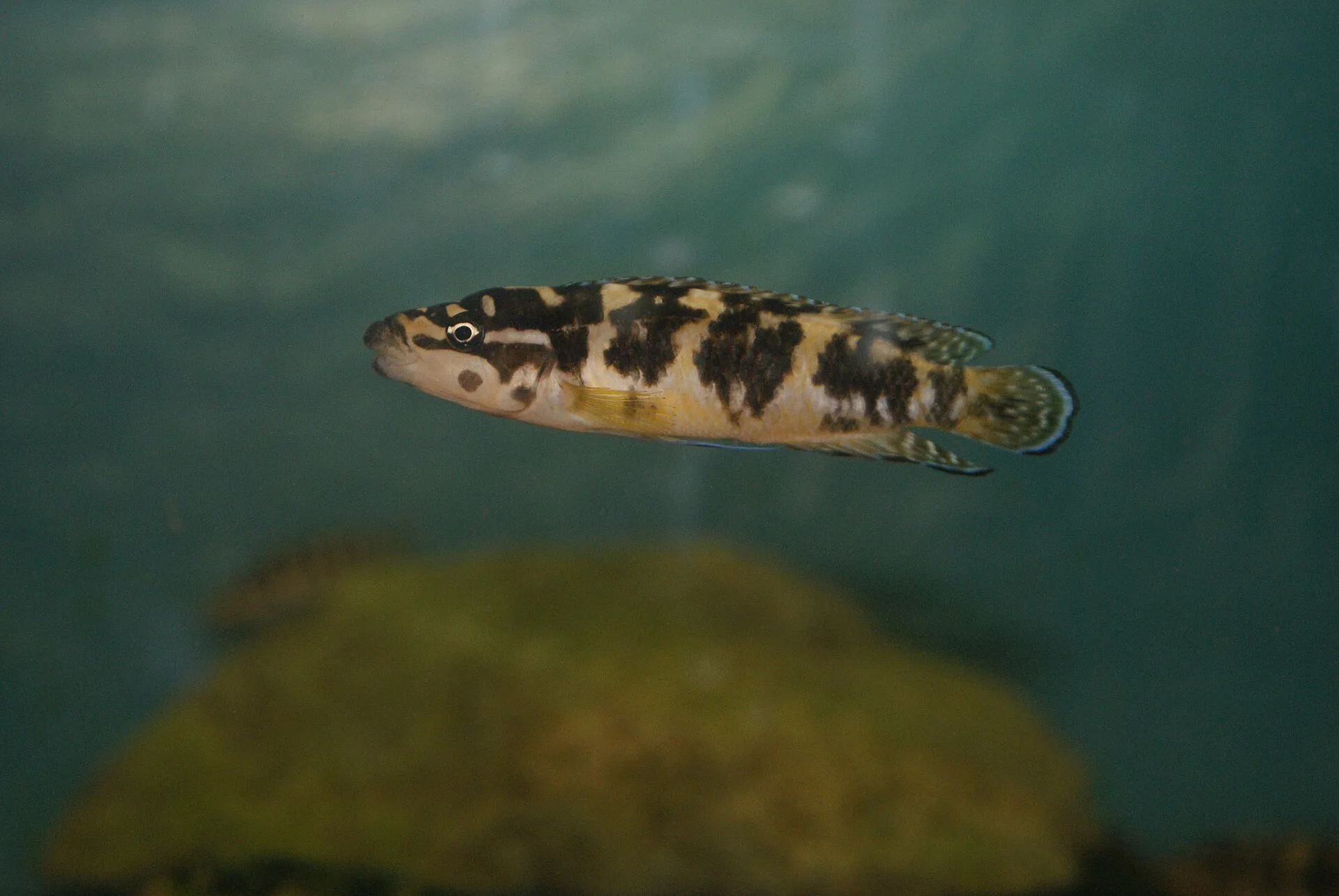
The maze-patterned julie stitches itself into a crack, spawns on a cave ceiling, and may raise stacked generations—or end the marriage if the tan…
Read more →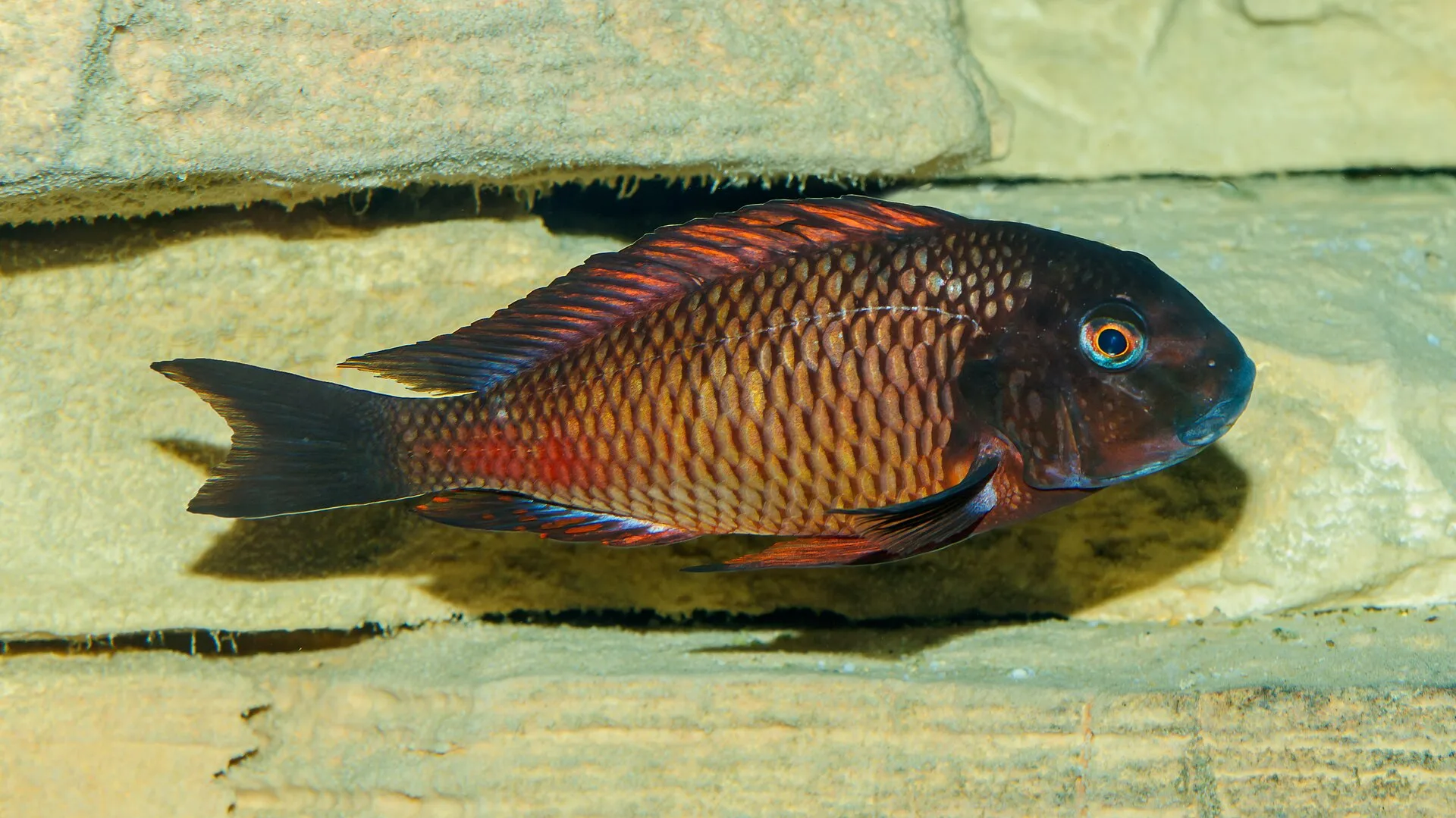
Tropheus moorii is a Tanganyikan grazing colony, not a pair of treats. Rock, alkaline water, fibre, and a dozen fish are the contract; daily bloodw…
Read more →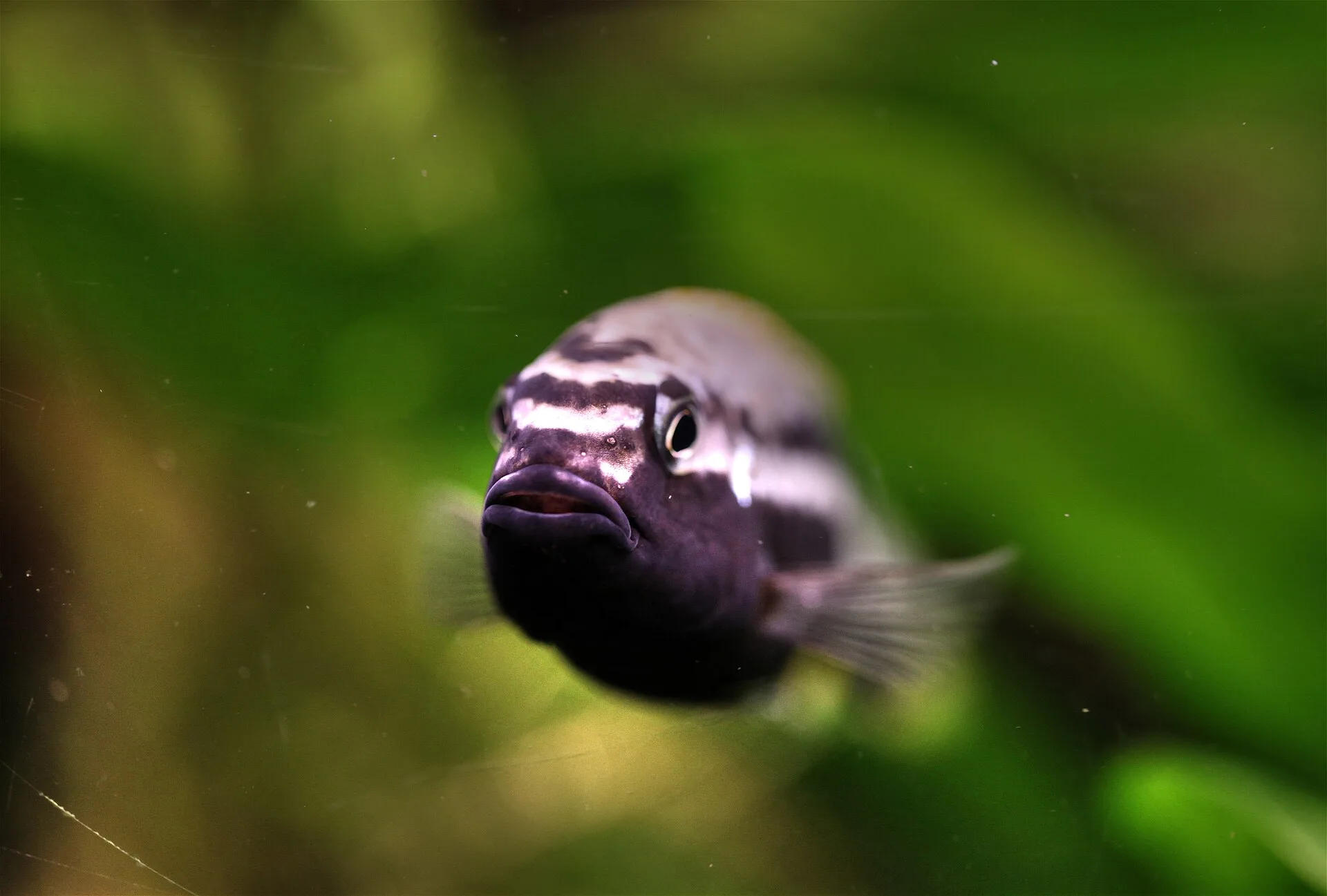
Golden mbuna females stay yellow-striped; males invert into a dark, electric-striped night form. One male, many females, rocks, and vegetables.
Read more →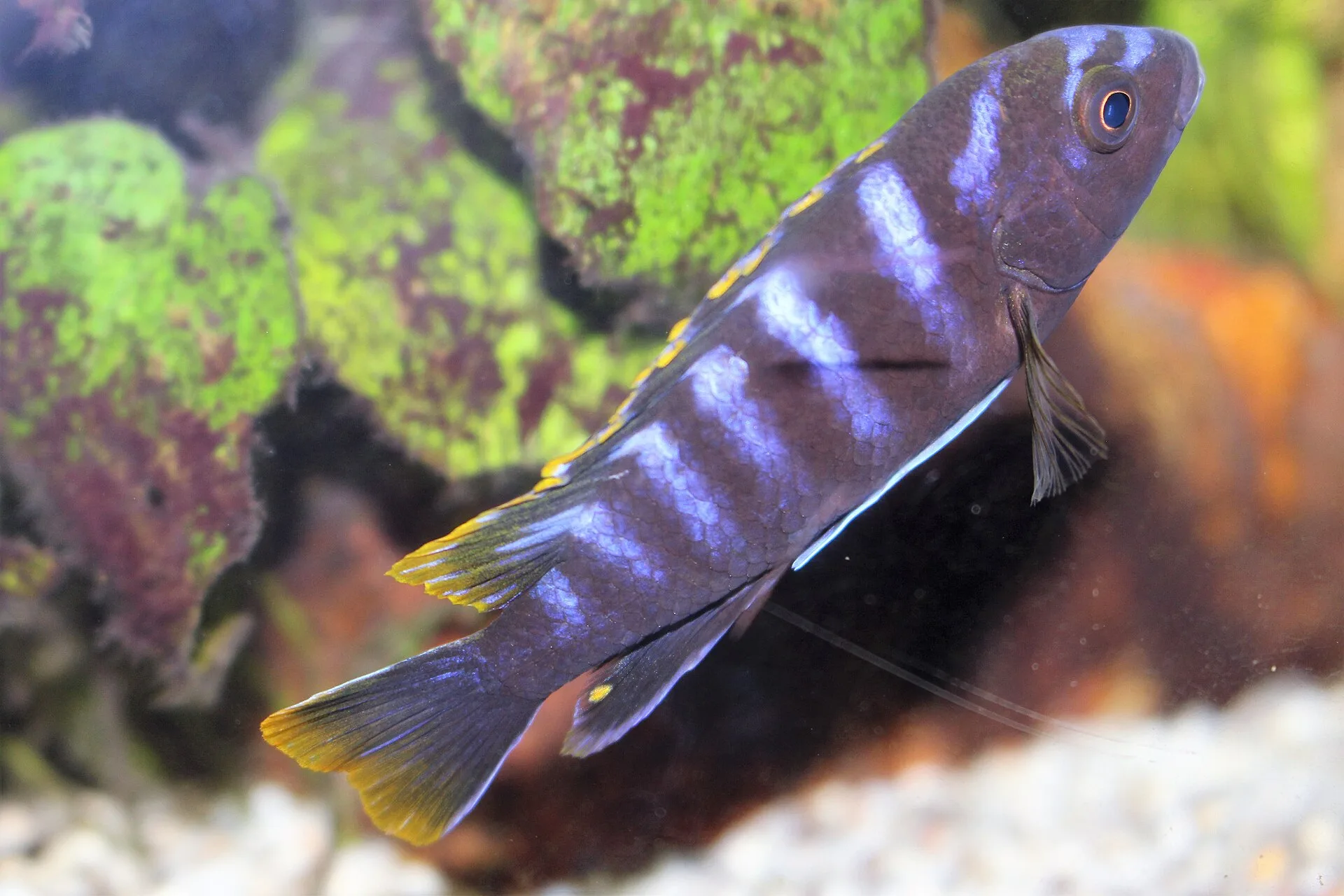
Demasoni are 7 cm Pombo Rocks mbuna that behave like a reef. Overstock the rock city, feed greens, and skip the pair-in-a-nano fantasy.
Read more →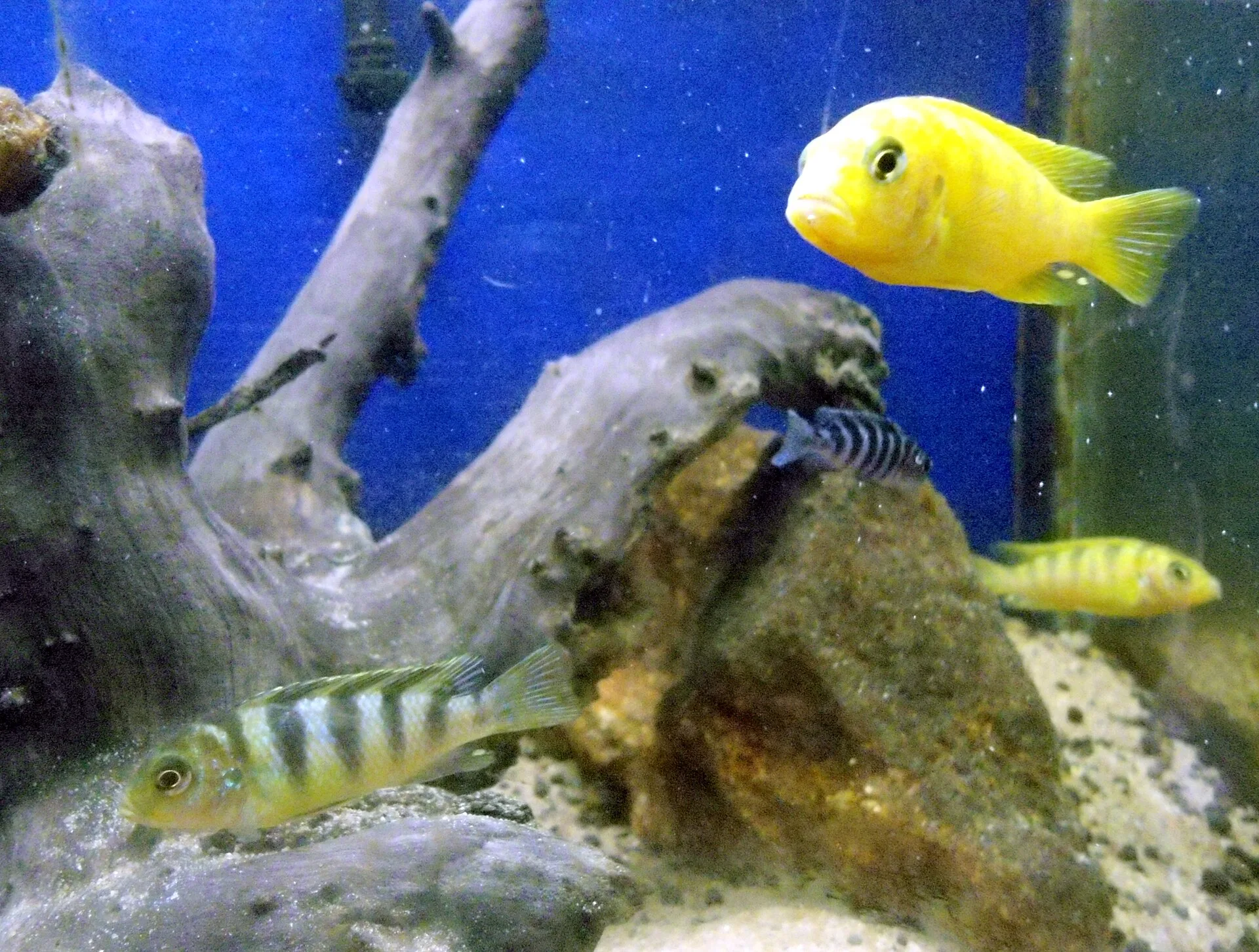
Kenyi reverse the usual Malawi colours: yellow males, blue-barred females. The gold fish is not a second species—it is puberty on Mbenji rock.
Read more →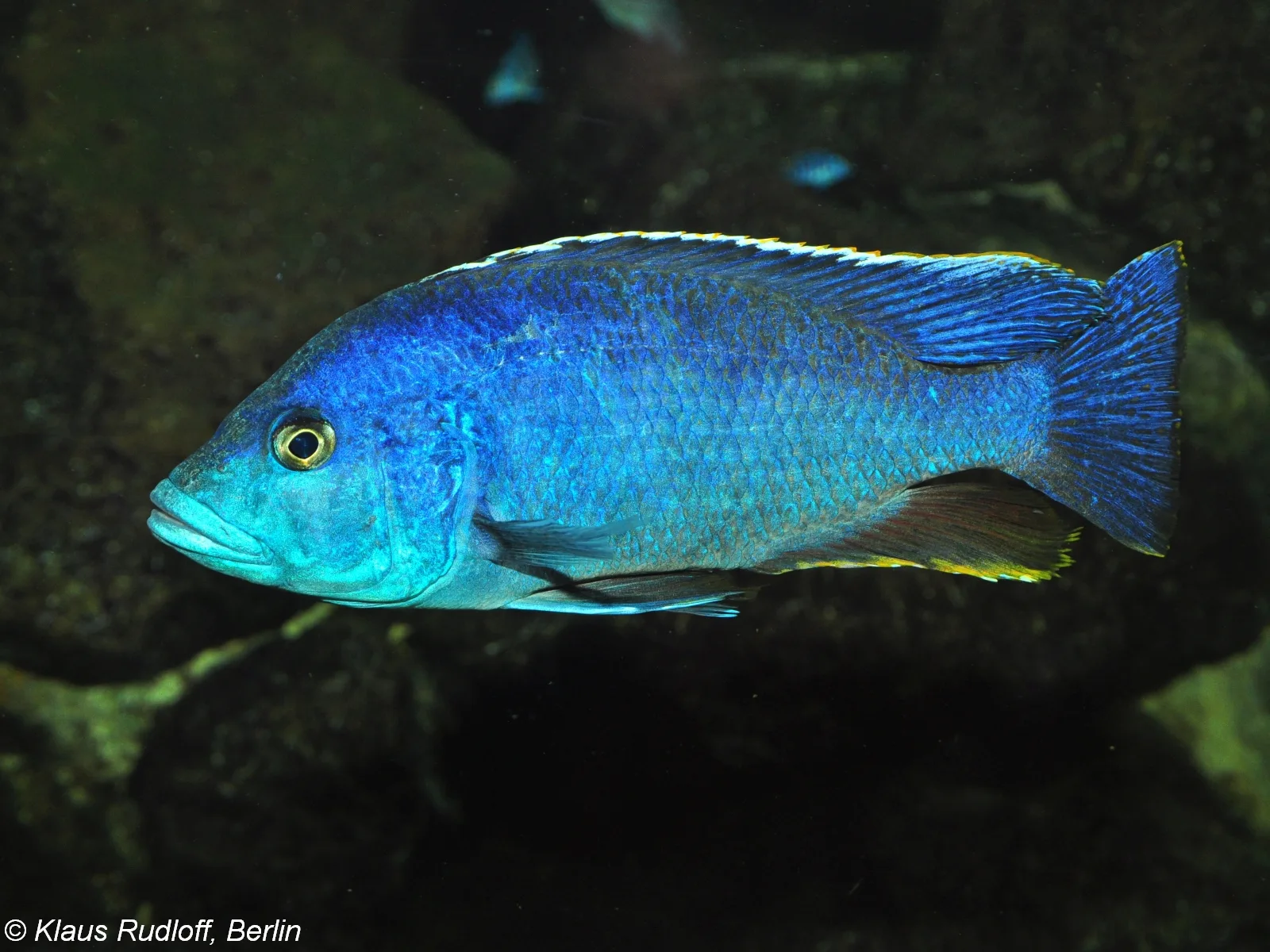
Aulonocara nyassae hunts by sensing invertebrates in sand. Peacocks need a beach, a harem, and a break from mbuna that will not let them forage.
Read more →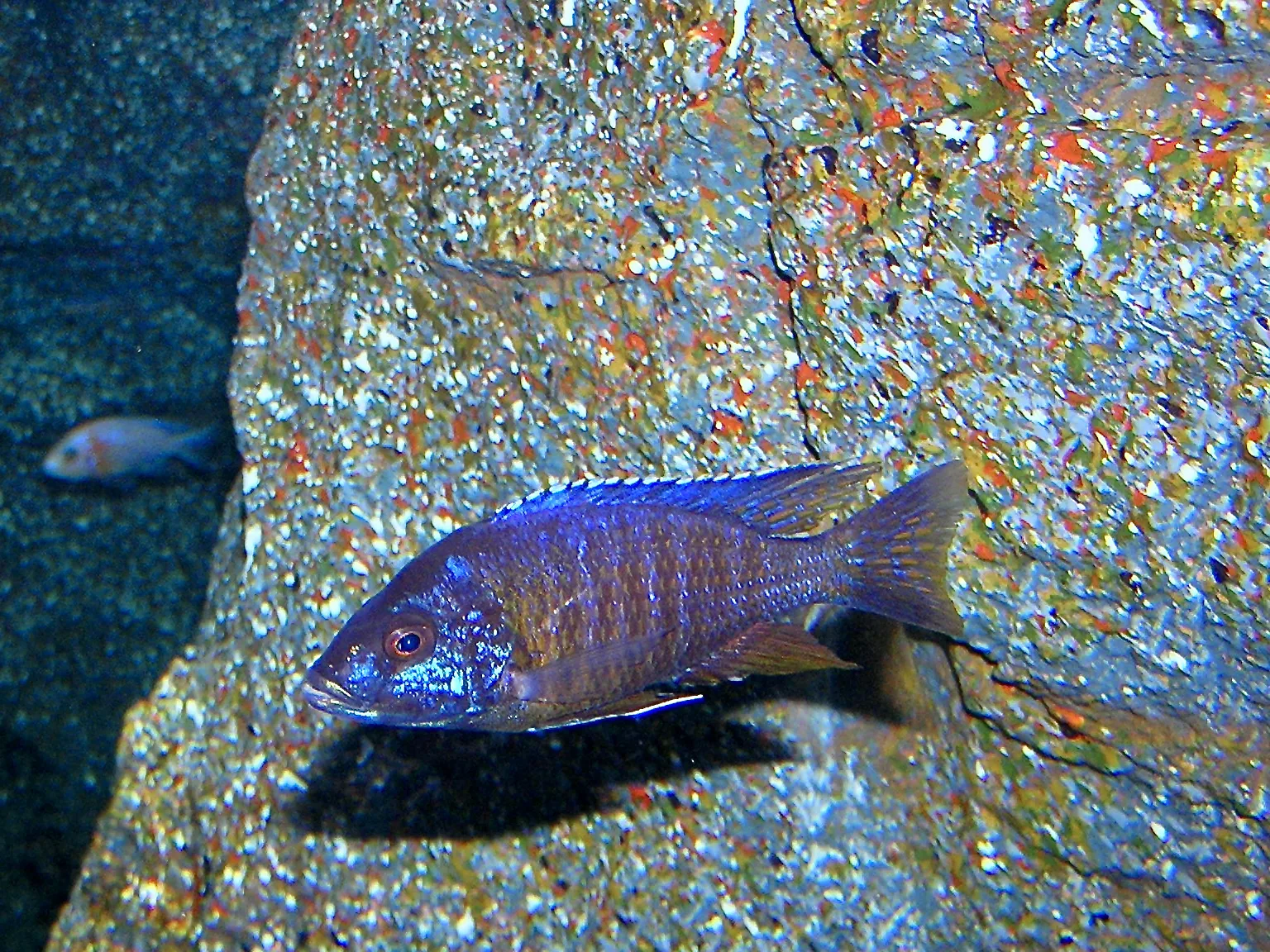
Electric blue haps are Malawi piscivores: cobalt males, silver females, hard alkaline water, and a harem. Small tank-mates are not dither fish. The…
Read more →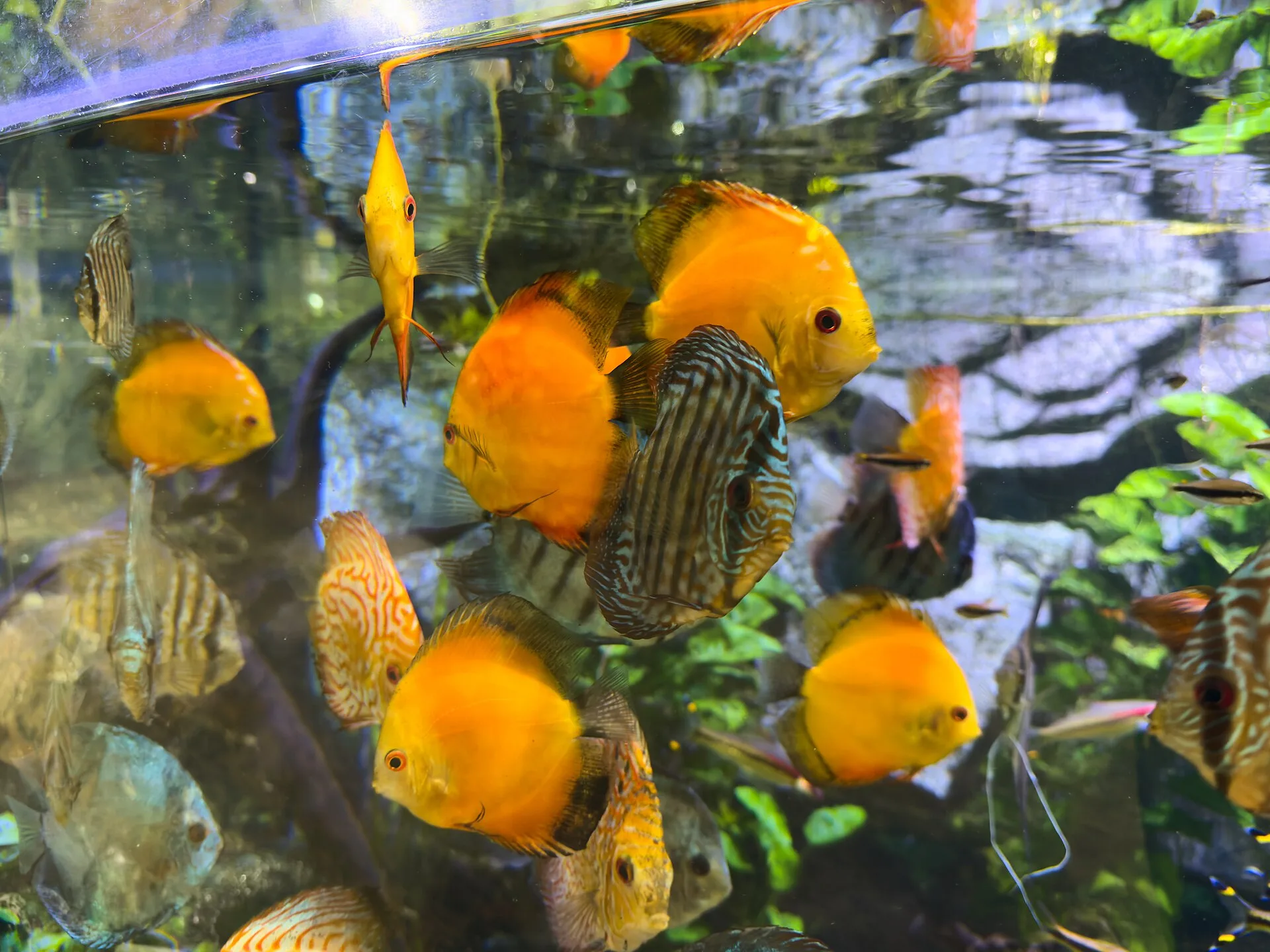
Discus are Amazon cichlids built for 28–31°C water, frequent changes, and parents that feed fry on body mucus. If you cannot hold the heat, this…
Read more →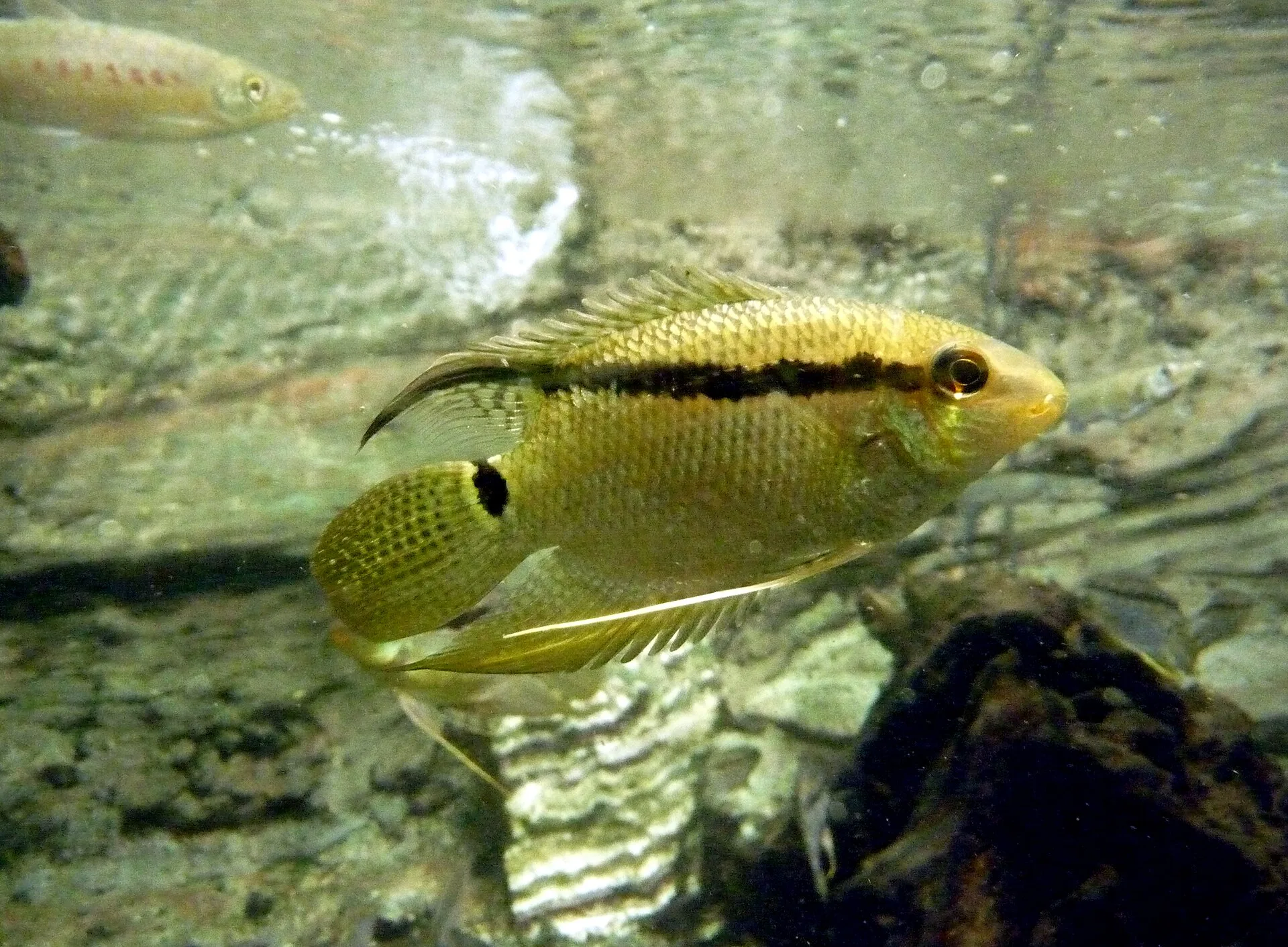
A festivum’s diagonal stripe is Amazon camouflage for a fish that hangs among wood at an angle. Relatively civil for a big cichlid, until the spa…
Read more →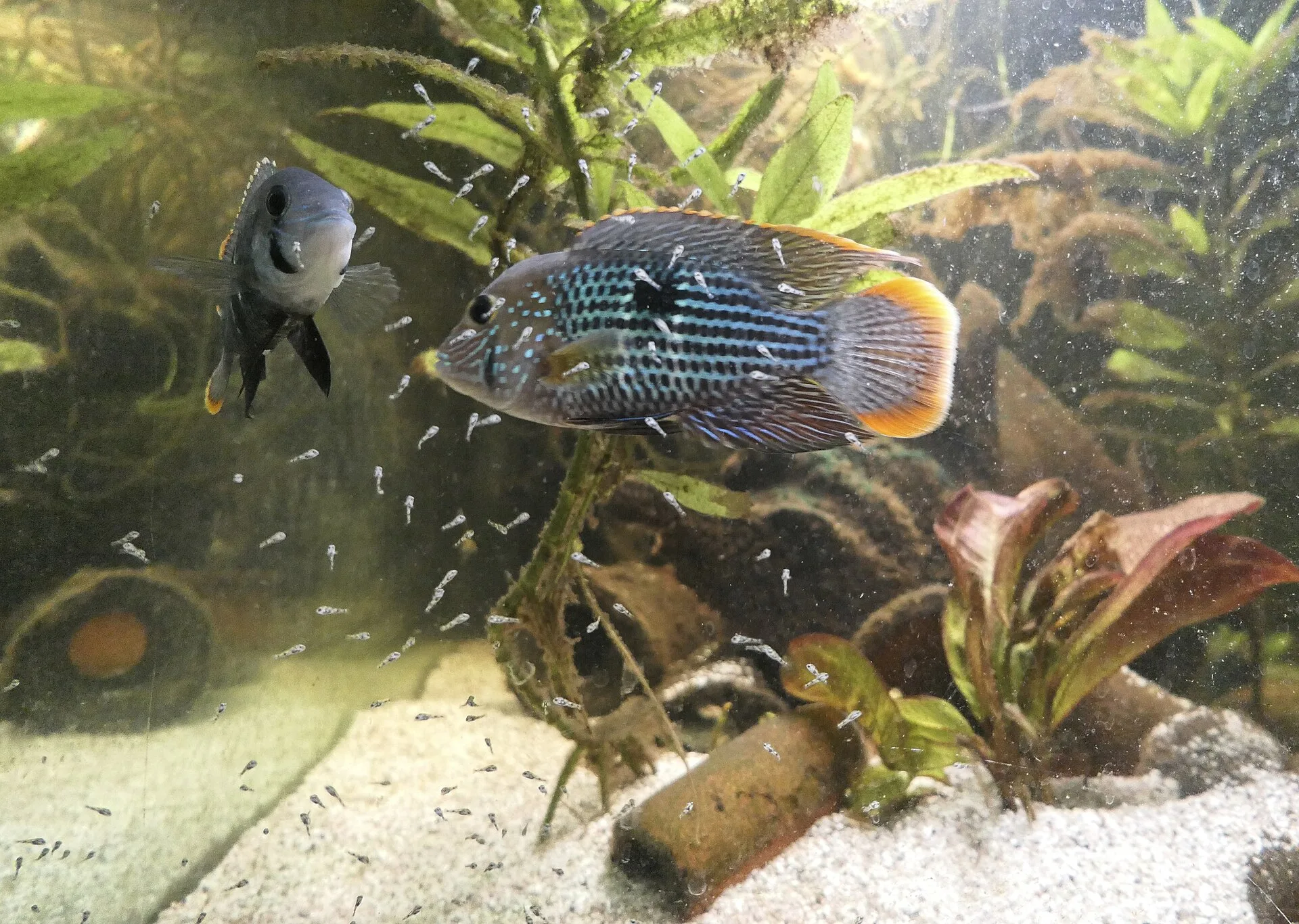
Andinoacara rivulatus from Ecuador and Peru is a metallic, large, territorial cichlid. The common name is the warning: this is not a peaceful commu…
Read more →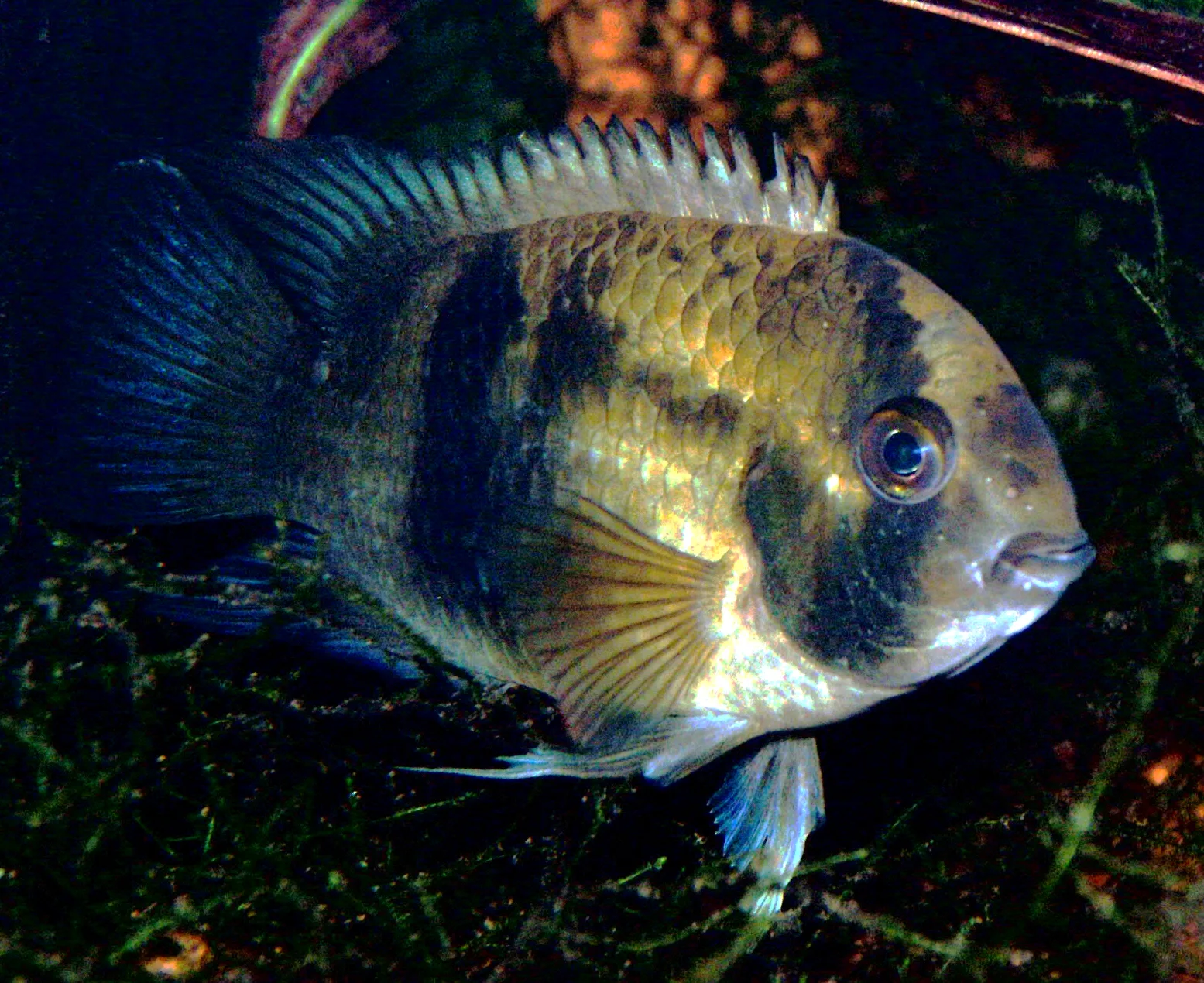
The keyhole cichlid is a shy Guianan fish that wears a dark blotch on the tail wrist and spends the day in leaf litter. Safety is what turns parchm…
Read more →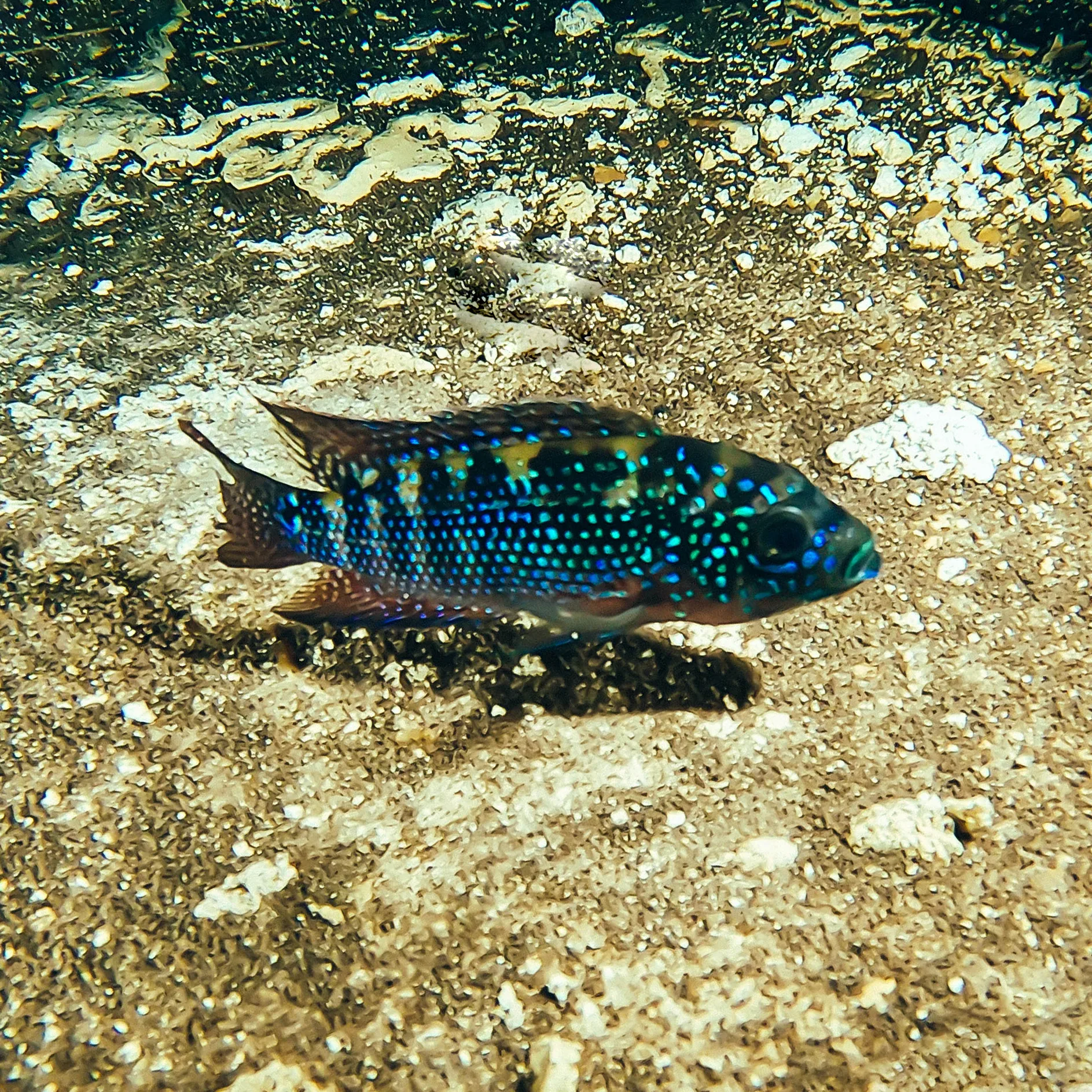
Named for a heavyweight, the Jack Dempsey is a digging Central American cichlid with turquoise spangles and a pair’s worth of territory in 200 li…
Read more →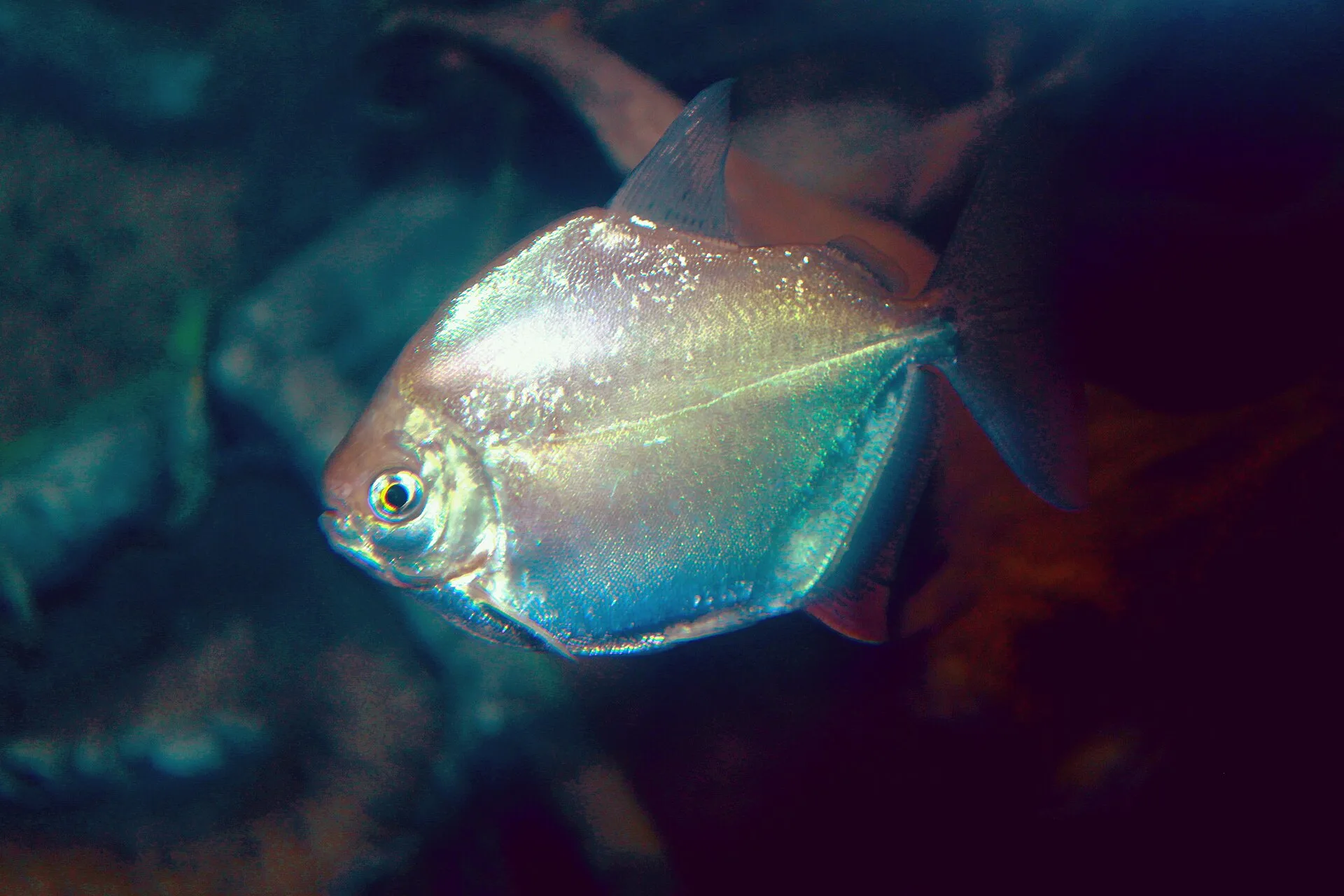
Silver dollars are disc-shaped Amazon herbivores that turn a planted tank into a salad and a big open tank into a shoal of living coins. Feed veget…
Read more →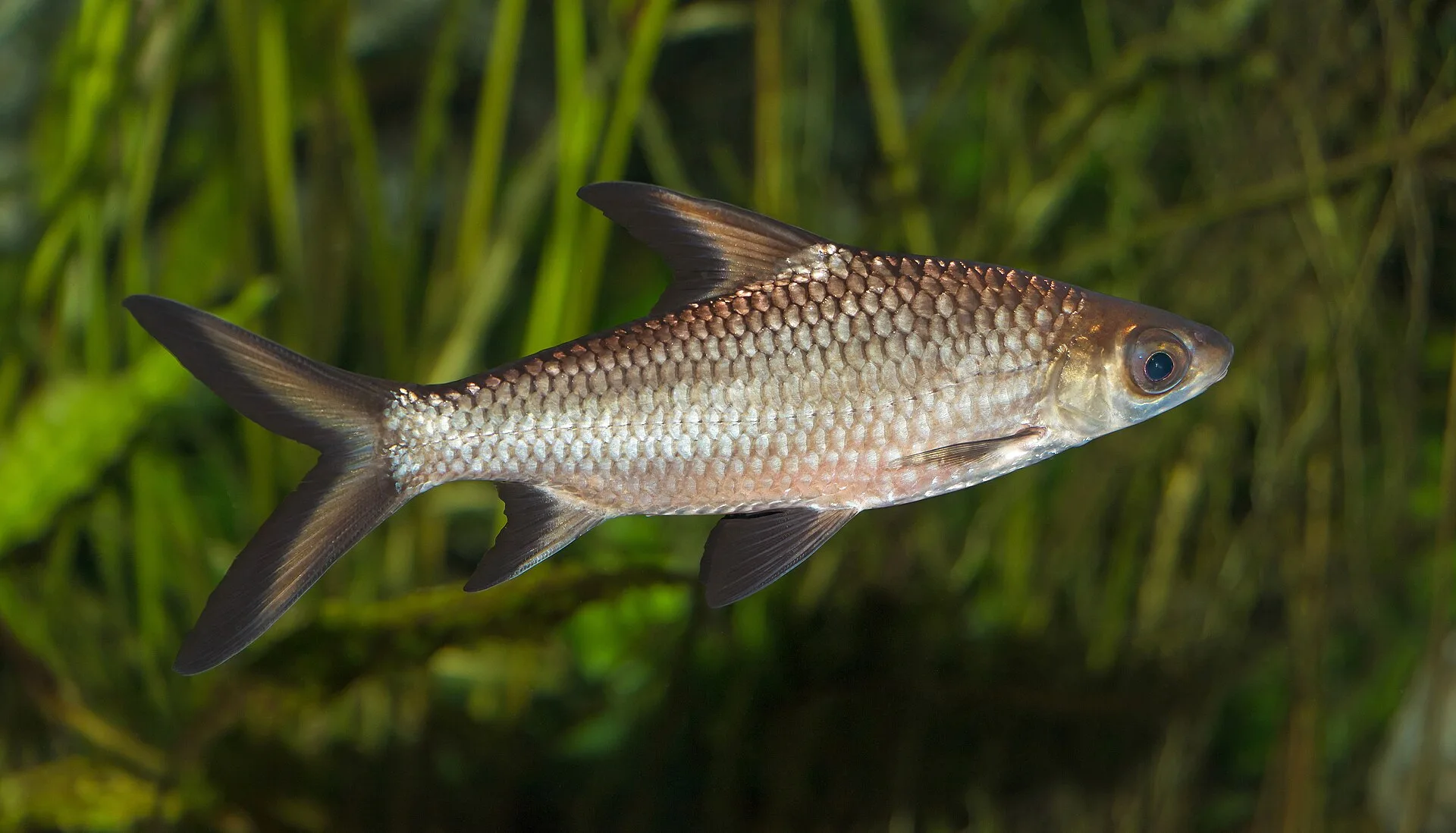
The bala shark is a 30-plus centimetre river cyprinid, endangered in the wild, that jumps and schools. Juveniles in a starter tank are a welfare pr…
Read more →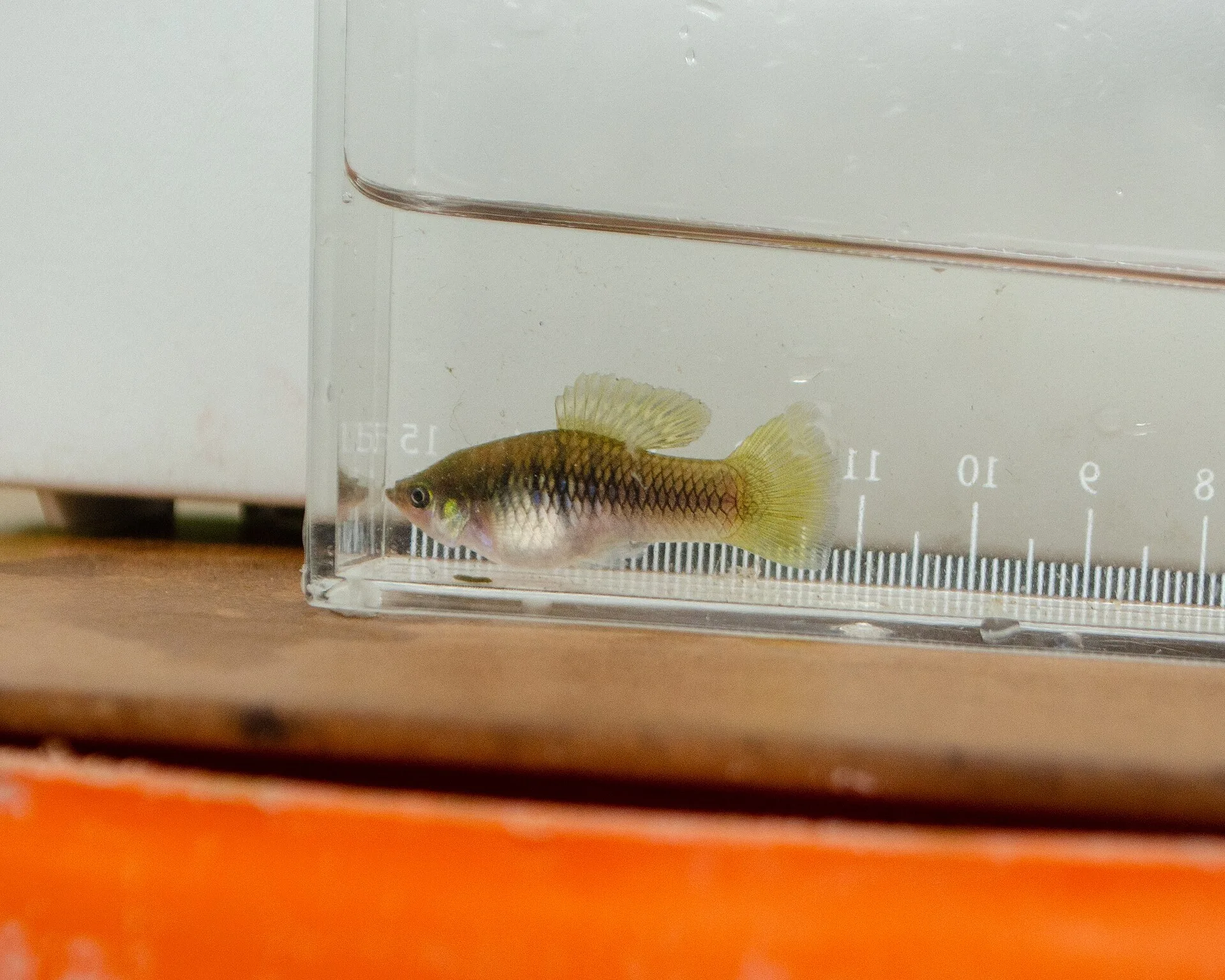
Variatus platies are Mexican stream livebearers whose males colour with cooler seasons and hard water. Farmed sunset lines still want minerals, gre…
Read more →