
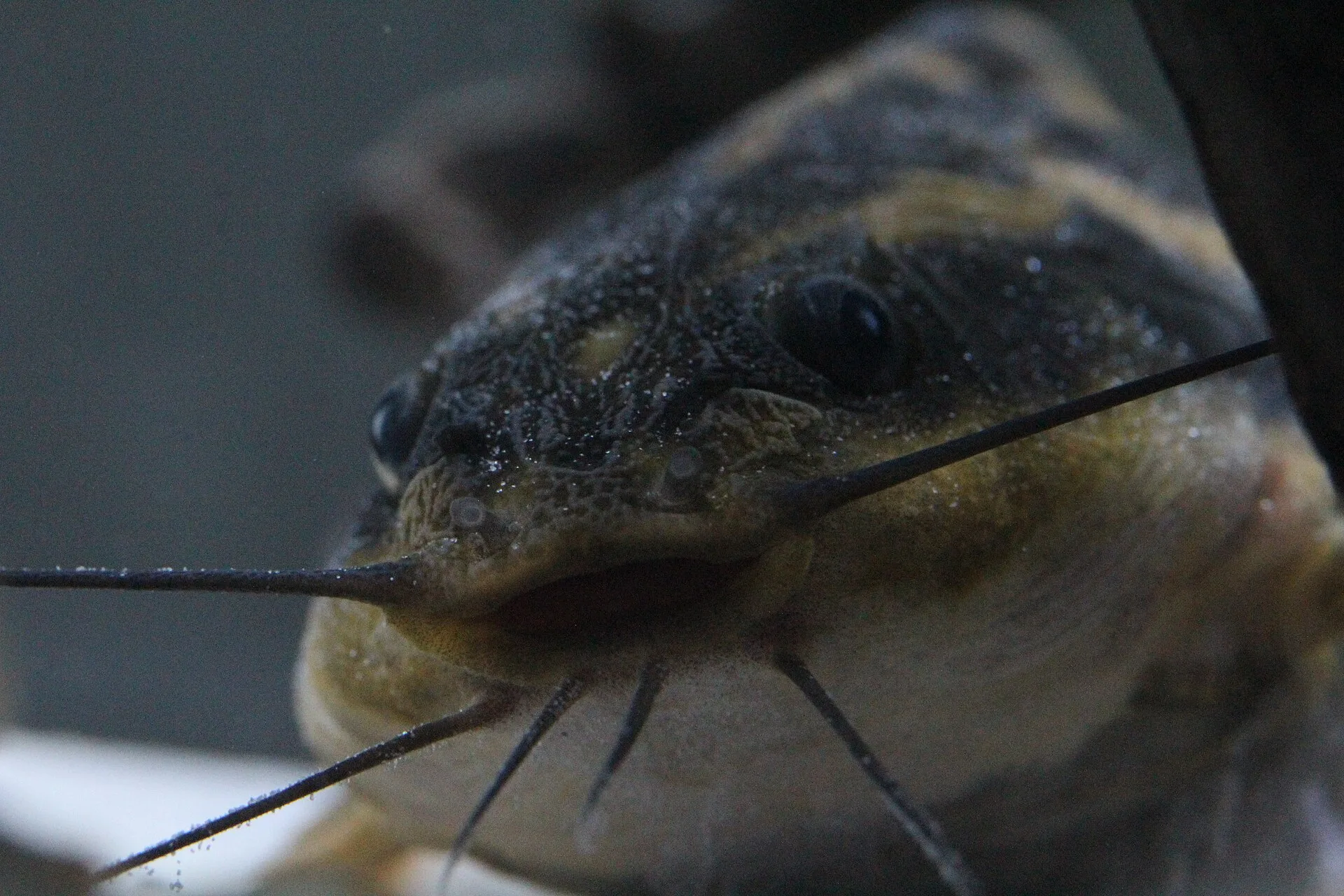
Striped Raphael Catfish (Platydoras armatulus)
Platydoras armatulus, the striped Raphael, is a thorny Amazon talking catfish that can live two decades — an armoured night forager, not a pleco…
Read more →
Guides
This Fish Species hub on Fishy Friends gathers practical fish species guidance for keepers who want clear answers before they change water, livestock, or gear.
Use these articles to match species to tank size, plan filtration and feeding, and troubleshoot water chemistry without guessing. Each guide is written for home aquariums and links to related reading when you need more depth on fish species.
Start with the basics — stable parameters, quarantine habits, and a feeding schedule that matches the livestock — then browse the profiles and how-tos below. When you are ready to branch out, jump into neighbouring topics so your fish species plan stays consistent across the whole tank.
Whether you are stocking a first community tank or refining an established scape, bookmark this page and return as questions come up. Healthy aquariums are built from small, repeatable routines more than one-time upgrades, and fish species success follows the same pattern.
Explore next: freshwater fish, saltwater fish, coldwater fish, all guides.
Fishy Friends publishes species care sheets, plant and invertebrate notes, aquascaping ideas, and water-care explainers so fish species advice stays easy to find. Read one guide thoroughly, apply it slowly, and use the linked hubs above when you want a second angle on the same problem.
Before you buy livestock or rethink filtration, skim two or three fish species articles here and write down target numbers for temperature, hardness, and feeding. That short checklist prevents the most common resets and keeps your aquarium closer to the calm, healthy display you are aiming for.
Come back after water changes or new additions: compare what you see in the tank with the fish species checklists below, then follow one recommended next step instead of changing everything at once. Steady improvements compound, and Fishy Friends is built to support that pace.
Jump into popular groups — tetras, corys, danios, and more.
Platydoras armatulus, the striped Raphael, is a thorny Amazon talking catfish that can live two decades — an armoured night forager, not a pleco…
Read more →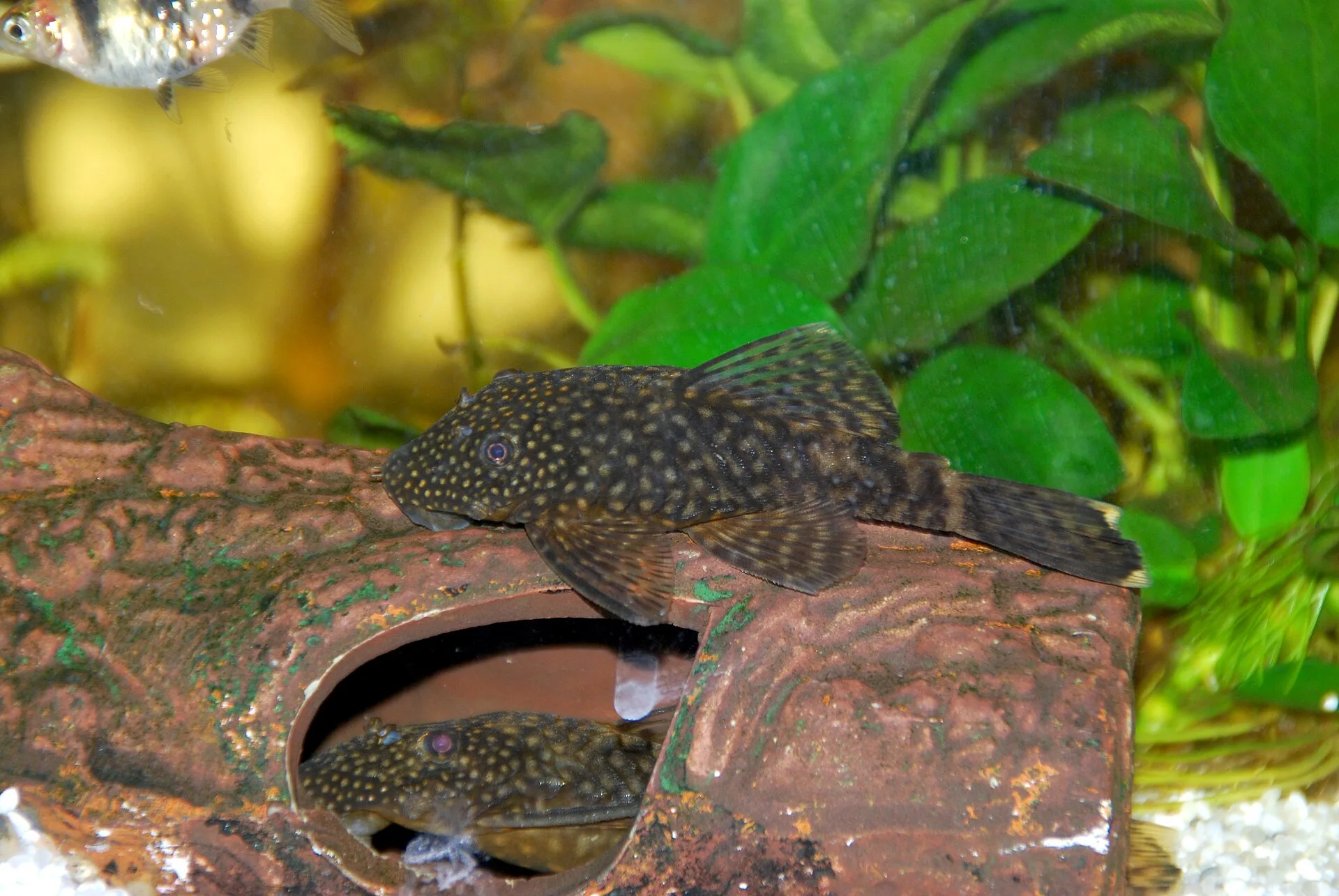
True Ancistrus temminckii is Temminck’s bristlenose from the Guianas — a cave-holding forest-stream fish, not the common pet-trade Ancistrus so…
Read more →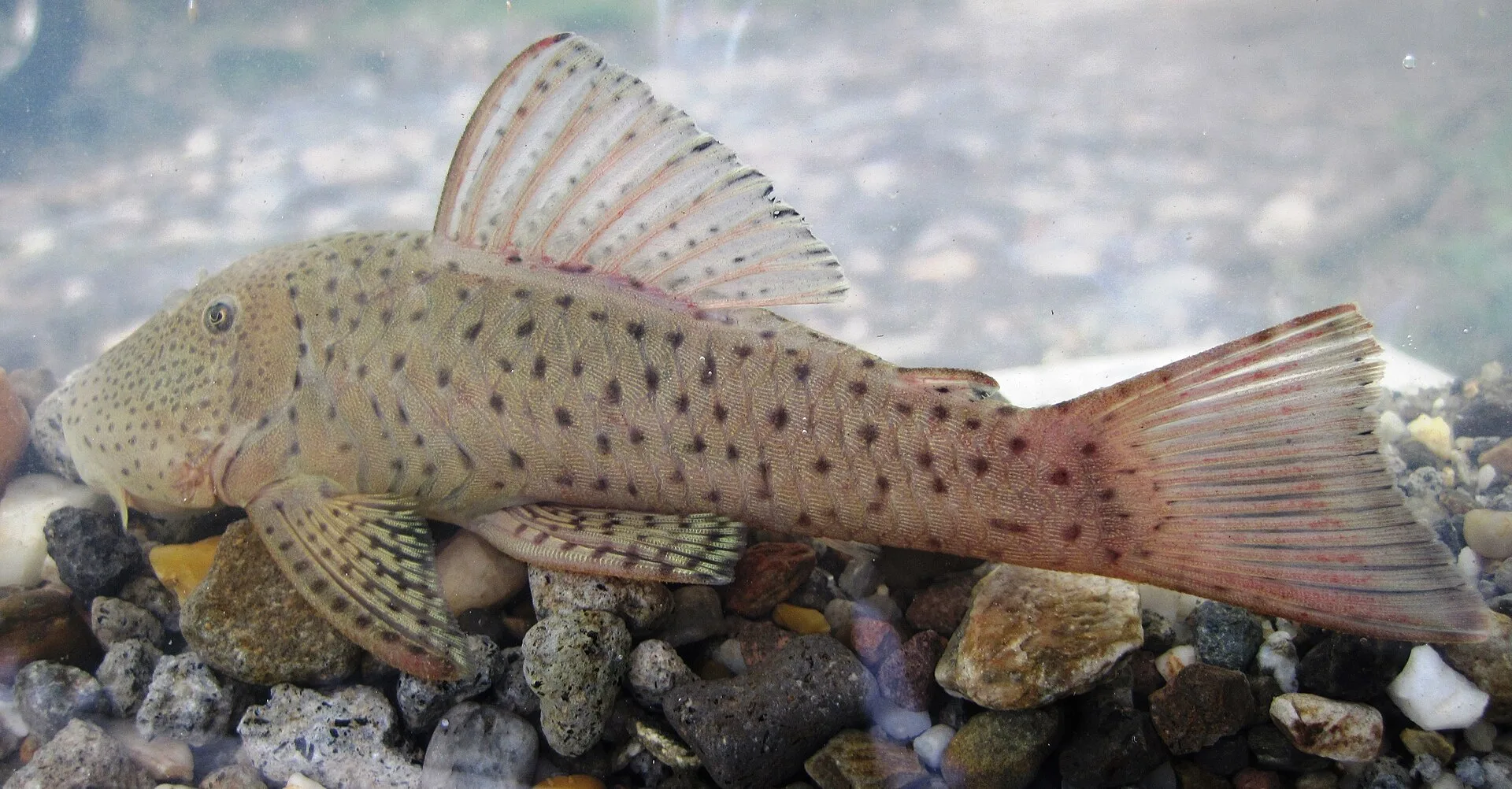
Chaetostoma milesi is an Andean torrent pleco with a fleshy mouth built for cobble, cool current, and oxygen — not a warm, still community algae…
Read more →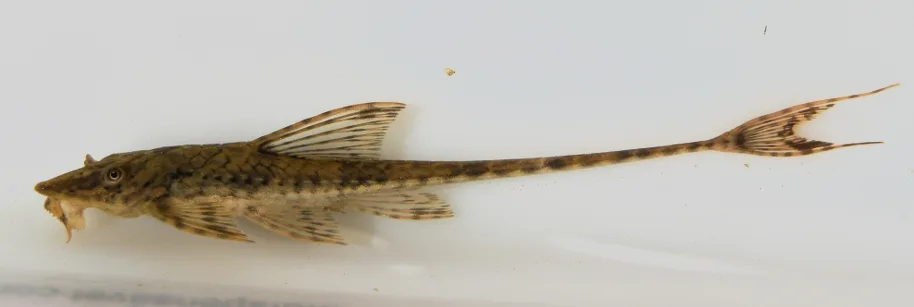
Rineloricaria parva is the small Paraguay whiptail that sits on sand and spawns in tubes. Easier than a twig cat, still a suckermouth with a cave j…
Read more →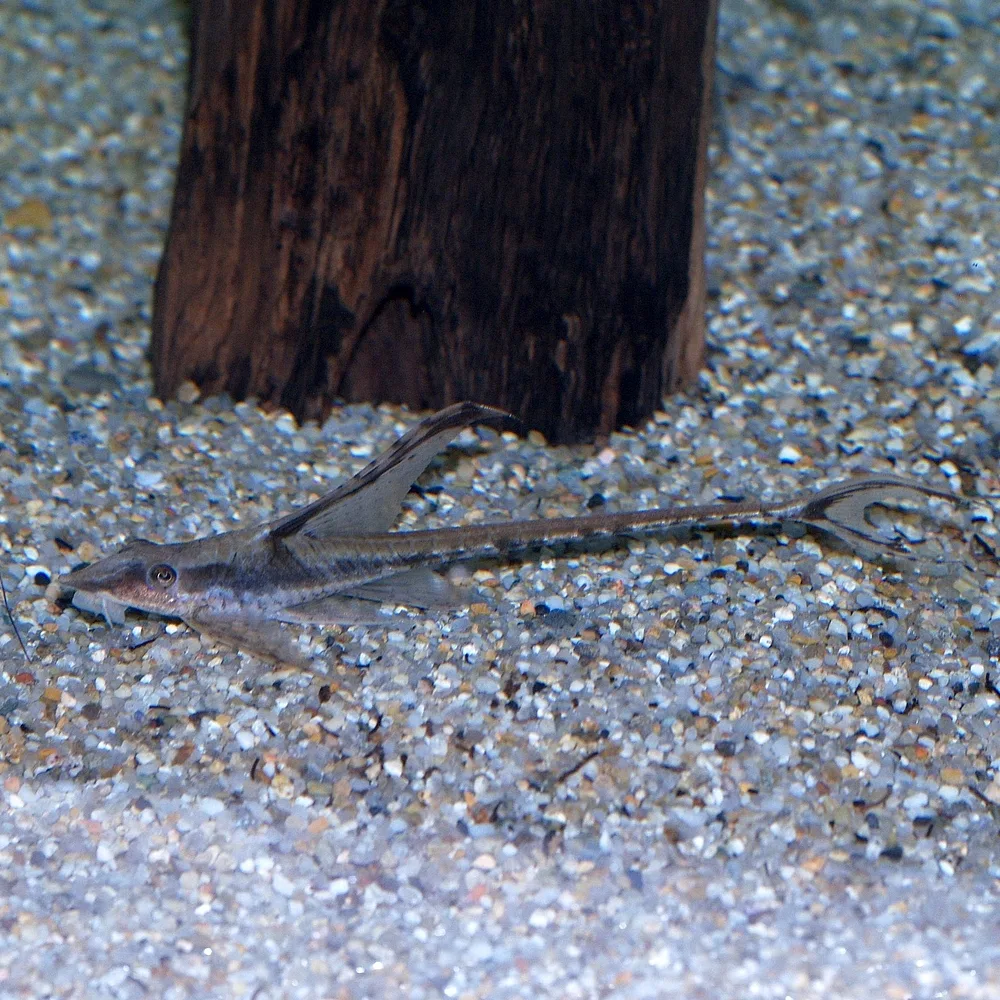
The royal whiptail is a Panama-region loricariid with a filamented tail, a grazing habit, and glass-guarding males. Current, wood, and vegetables �…
Read more →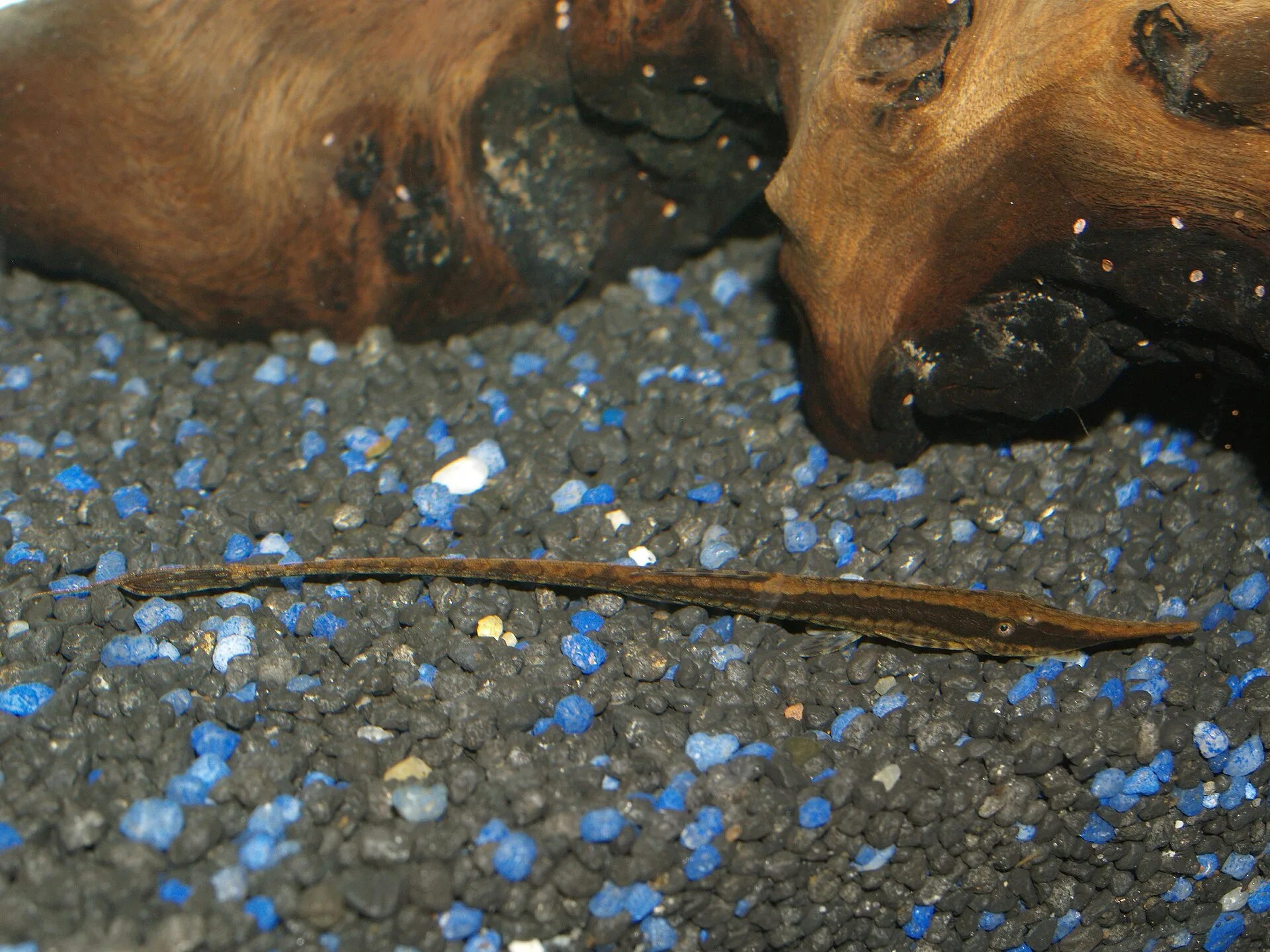
Farlowella vittata is an Orinoco twig cat that rasps biofilm on wood. It is not a cory and will not live on leftover flake. Mature surfaces, vegeta…
Read more →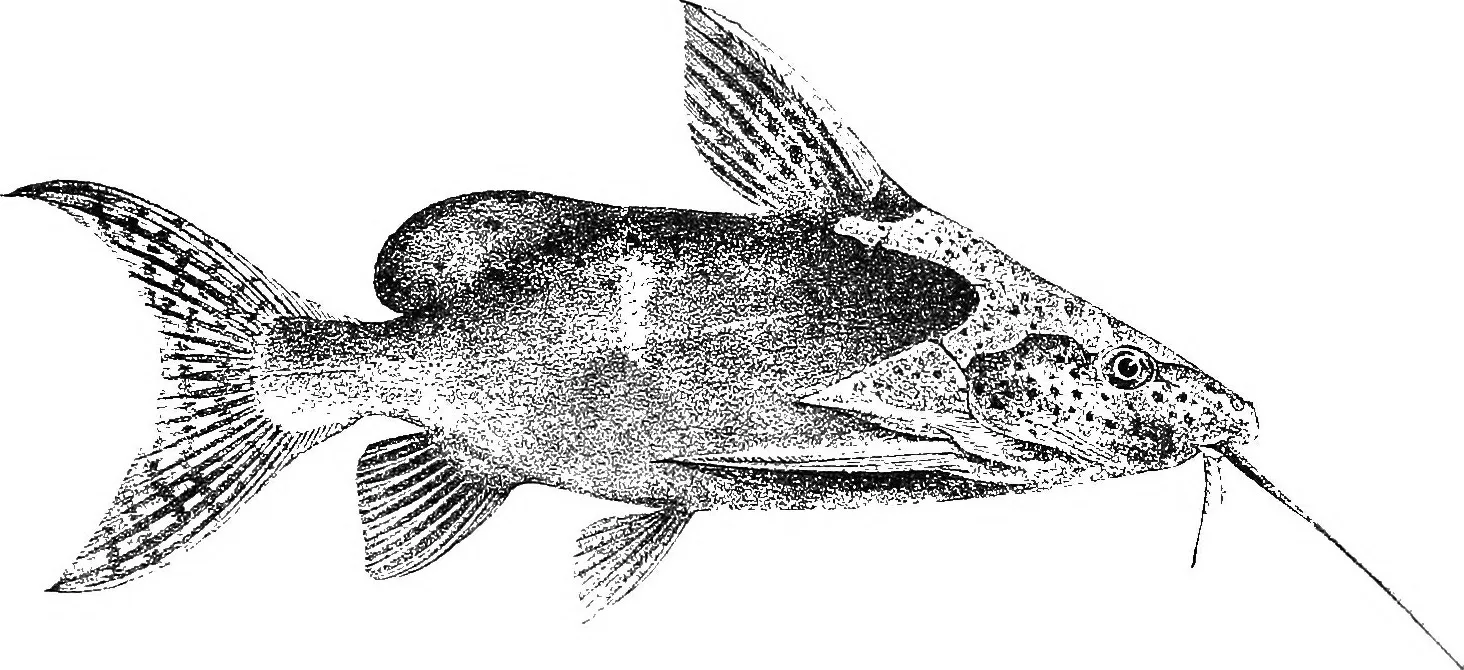
Synodontis nigrita is a West African spotted squeaker that usually sits right-way-up. The true upside-down cat is nigriventris. Nigrita wants a lar…
Read more →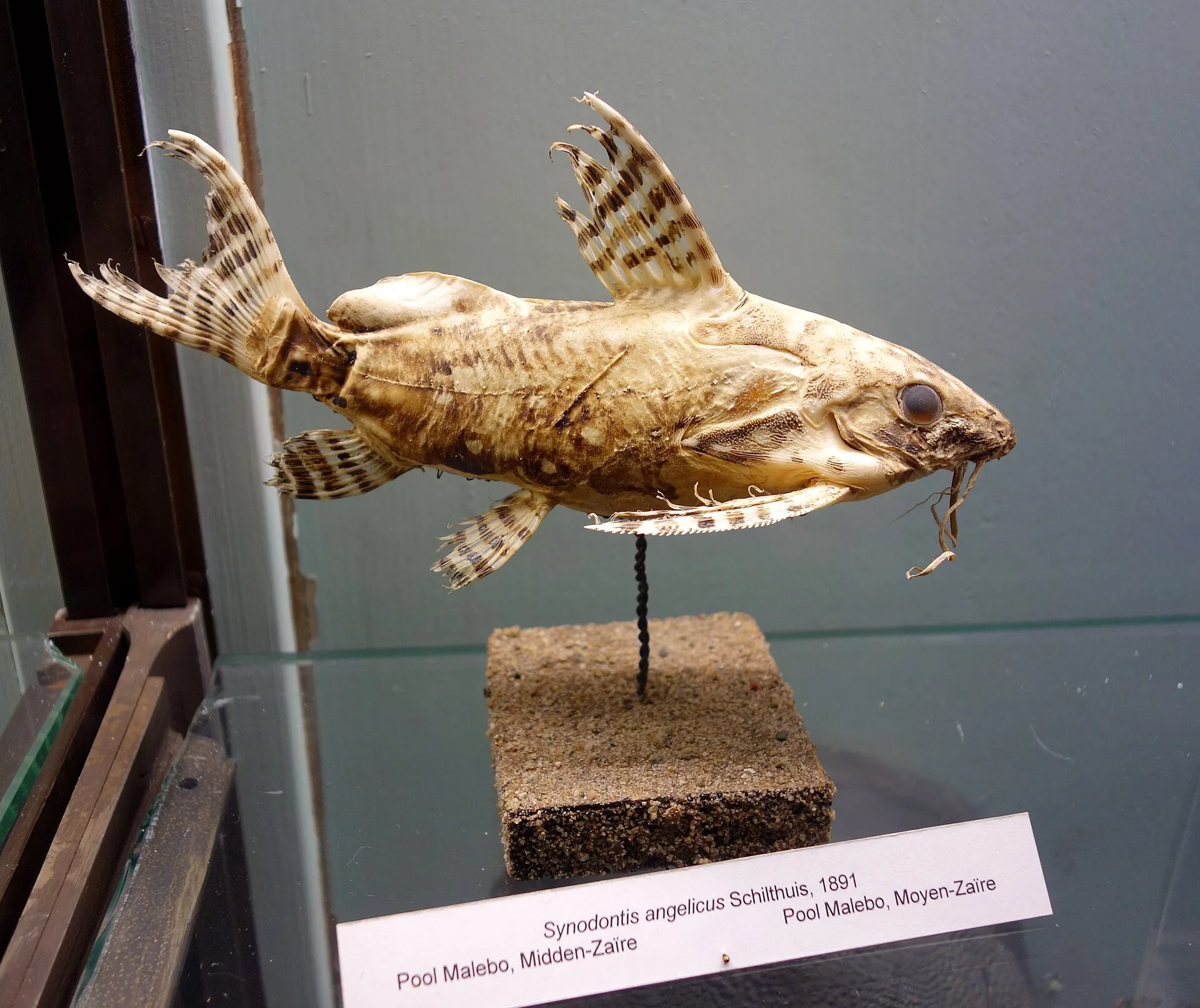
Angelicus Synodontis is the Congo polkadot squeaker whose spots break as it grows into a 25 cm, expensive, territorial adult. House the cave-dwelle…
Read more →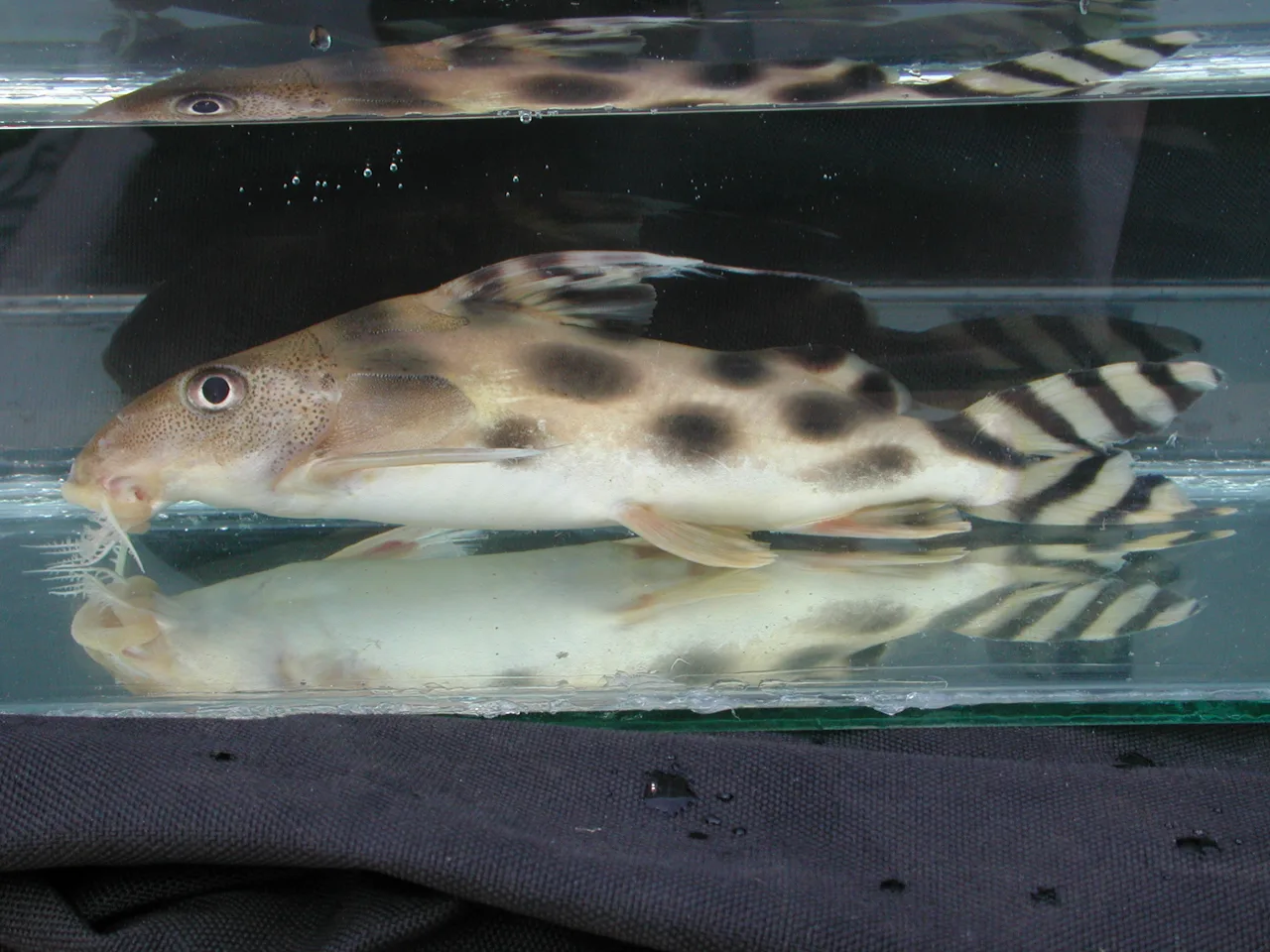
Decorated Synodontis is a Congo squeaker that grows a long dorsal filament and a 20–30 cm body. Nocturnal, cave-owning, and capable of eating sma…
Read more →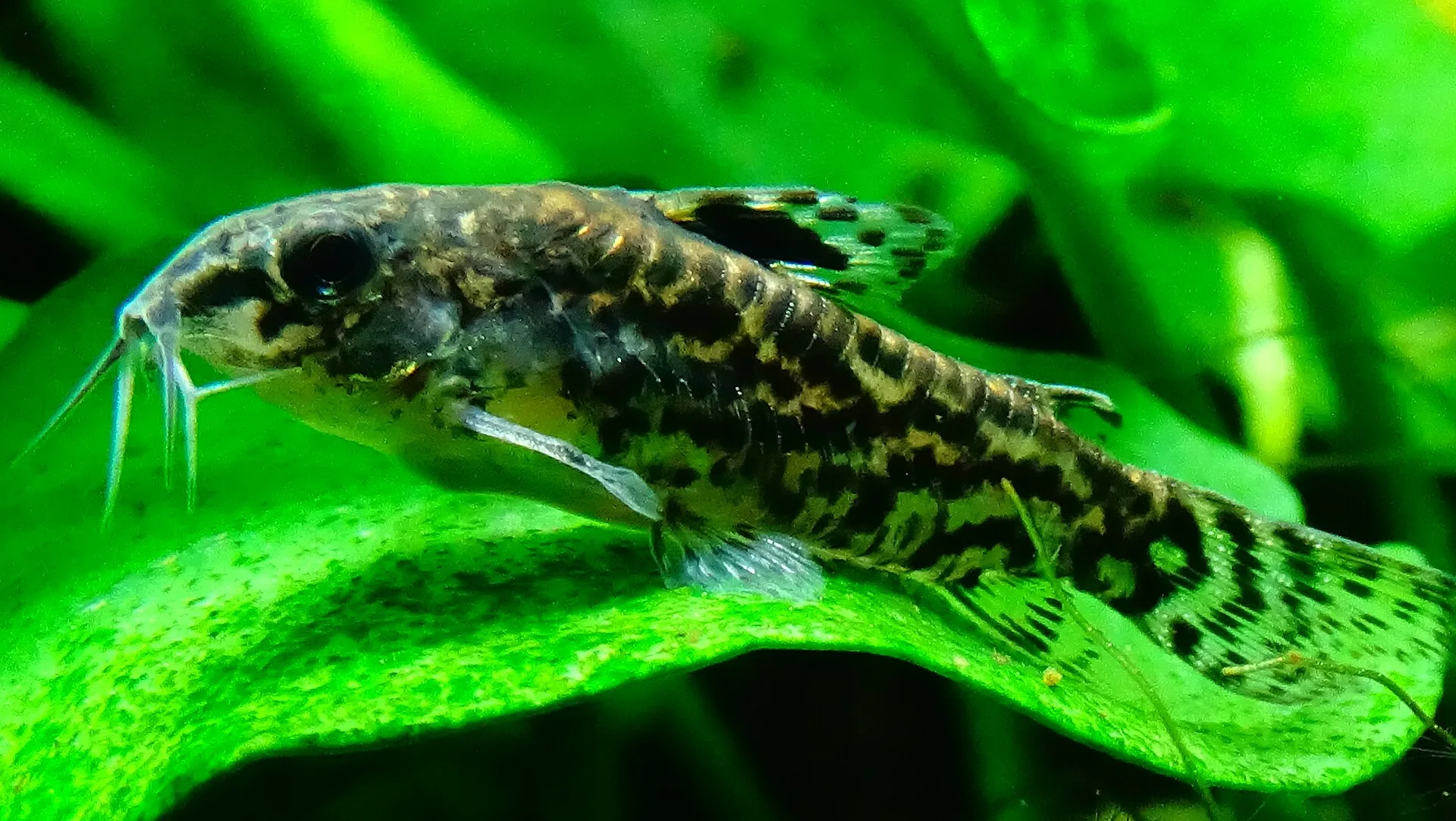
Aspidoras pauciradiatus is the tiny, few-rayed Araguaia catfish shops file as a dwarf cory. Sponge filters, dozens if you can, and fry-scale food �…
Read more →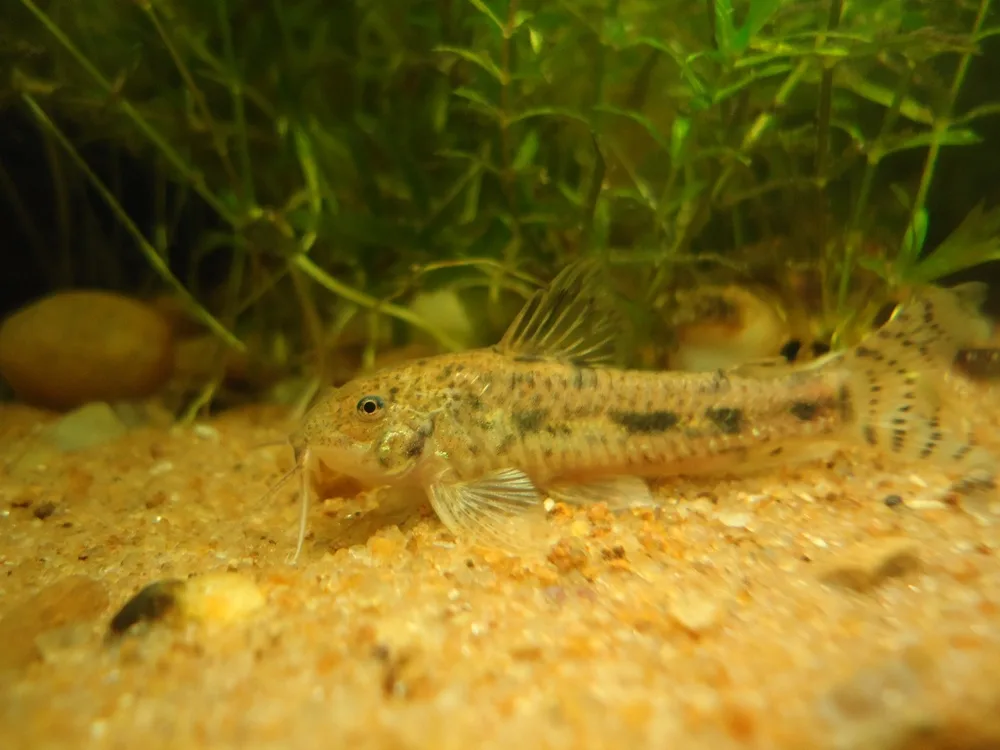
Aspidoras fuscoguttatus is a slender, brown-dotted Paraná catfish, not a small Corydoras. Cooler water, a nervous little flock, and micro-food —…
Read more →
Scleromystax barbatus is a large, bearded, cool-water catfish from Atlantic-forest streams. Males grow cheek odontodes and want oxygen at 18–22°…
Read more →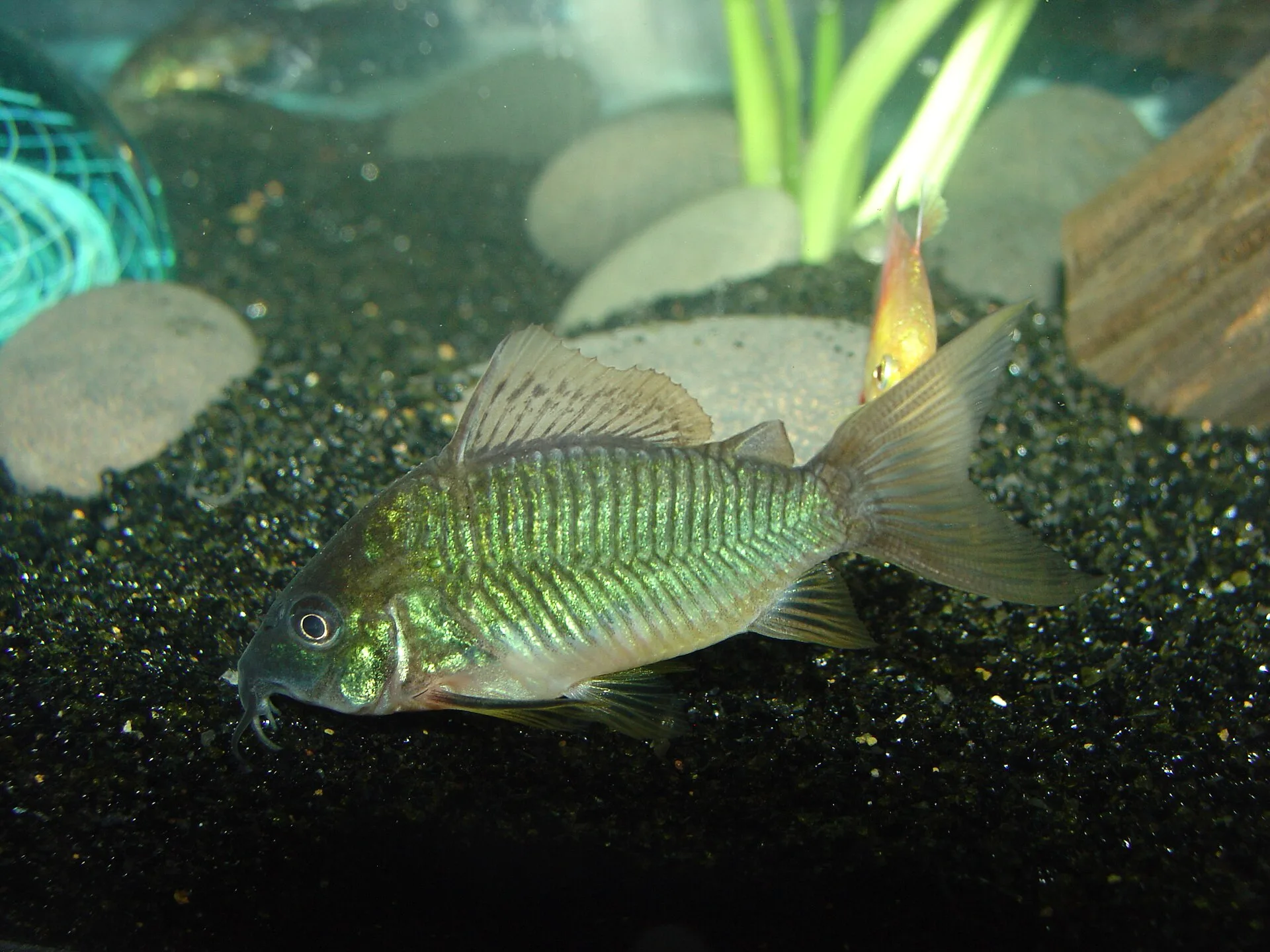
Emerald Brochis is a high-backed, metallic-green Amazon callichthyid that outgrows pandas and eats like a herd. Extra dorsal rays, real bulk, and a…
Read more →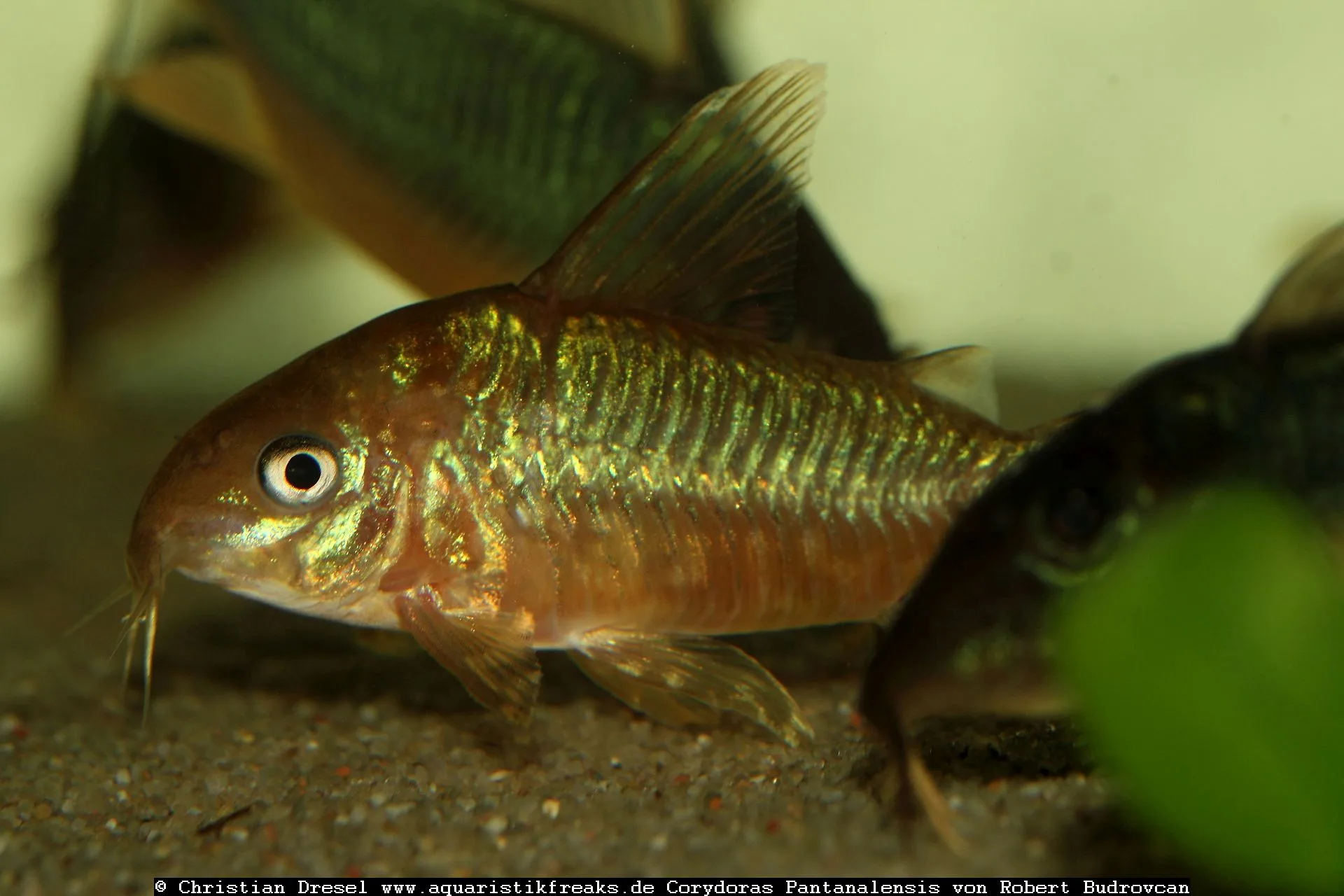
Pantanal Corydoras wears a gold net in clear, planted wetland water — not Amazon tea. Seasonal floods, sand, and a vegetated tank show the specie…
Read more →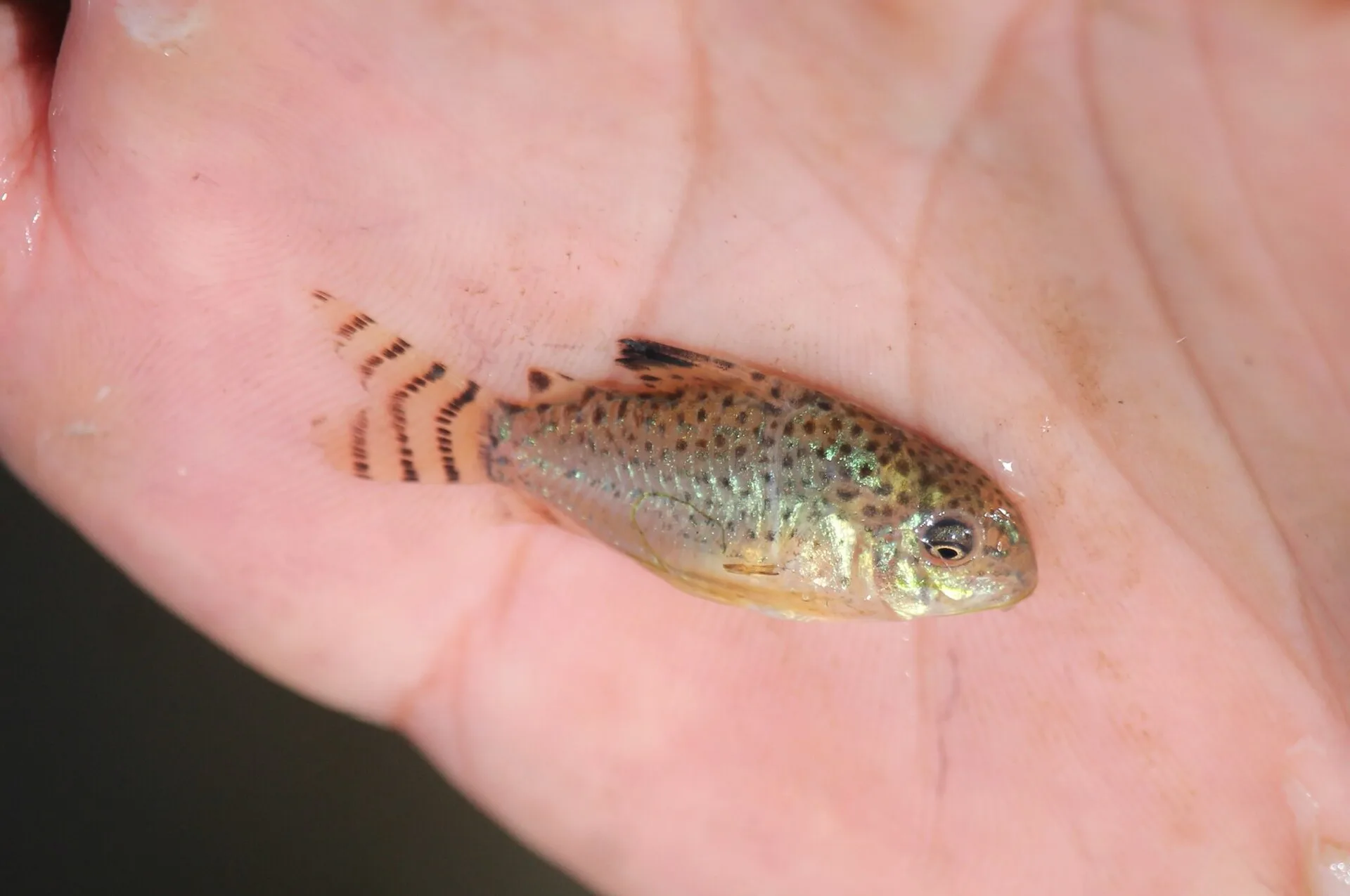
Cruz's Corydoras is C012 from Bolivia's Santa Cruz department: a small golden mosaic from Madeira-basin streams. Short-snouted, uncommon, and not a…
Read more →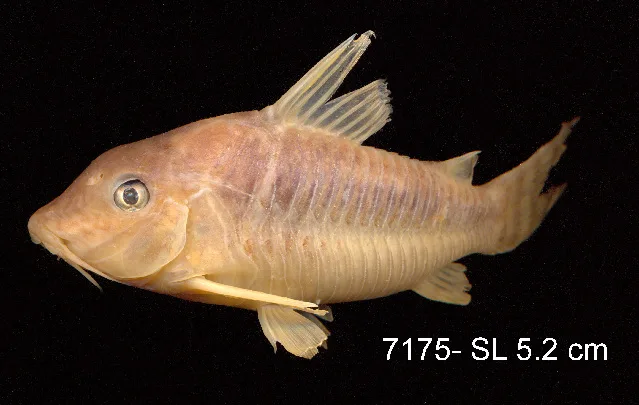
Seuss's Corydoras (C027) is the long-snouted, orange-spined Mamoré fish — not Sterbai with a stretched face. It likes warmth, a group, and sand,…
Read more →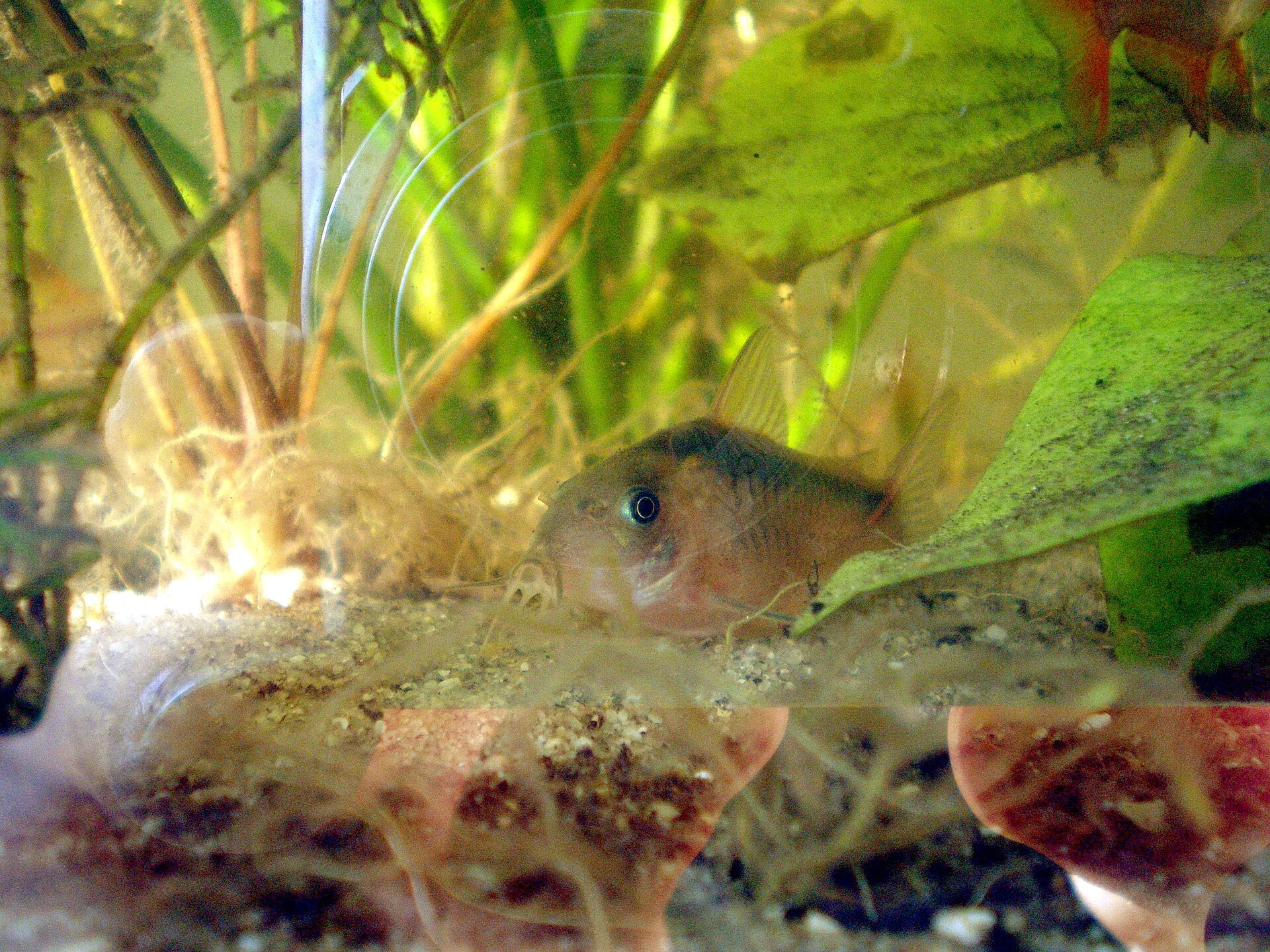
Zygatus is the rusty Peruvian cory with a dark yoke along the back. Side by side with rabauti the cape is the ID. Keep a saddle-matched troop on sa…
Read more →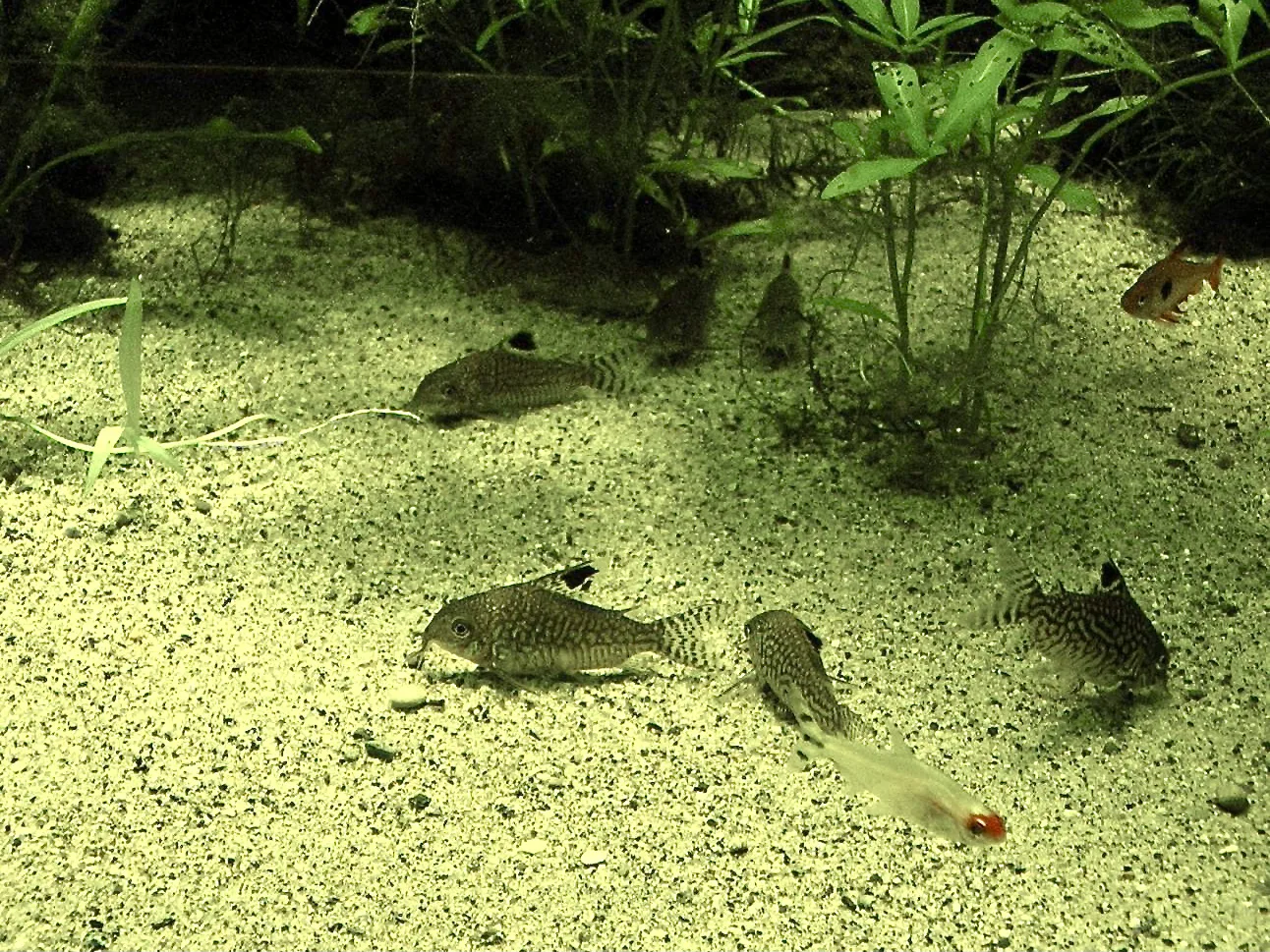
Reticulated Corydoras is the Ucayali network catfish with a dorsal blotch — Peruvian mesh, not a Brazilian stamp and not leopardus. The lace fade…
Read more →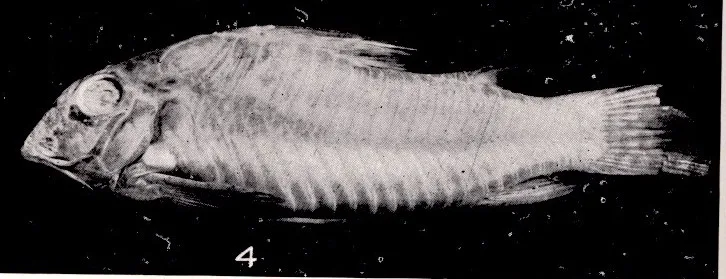
Aurofrenatus is the gold-bridled, long-snouted cory of the Paraguay basin (ellisae is the same fish). The pointed snout probes sand; gravel files i…
Read more →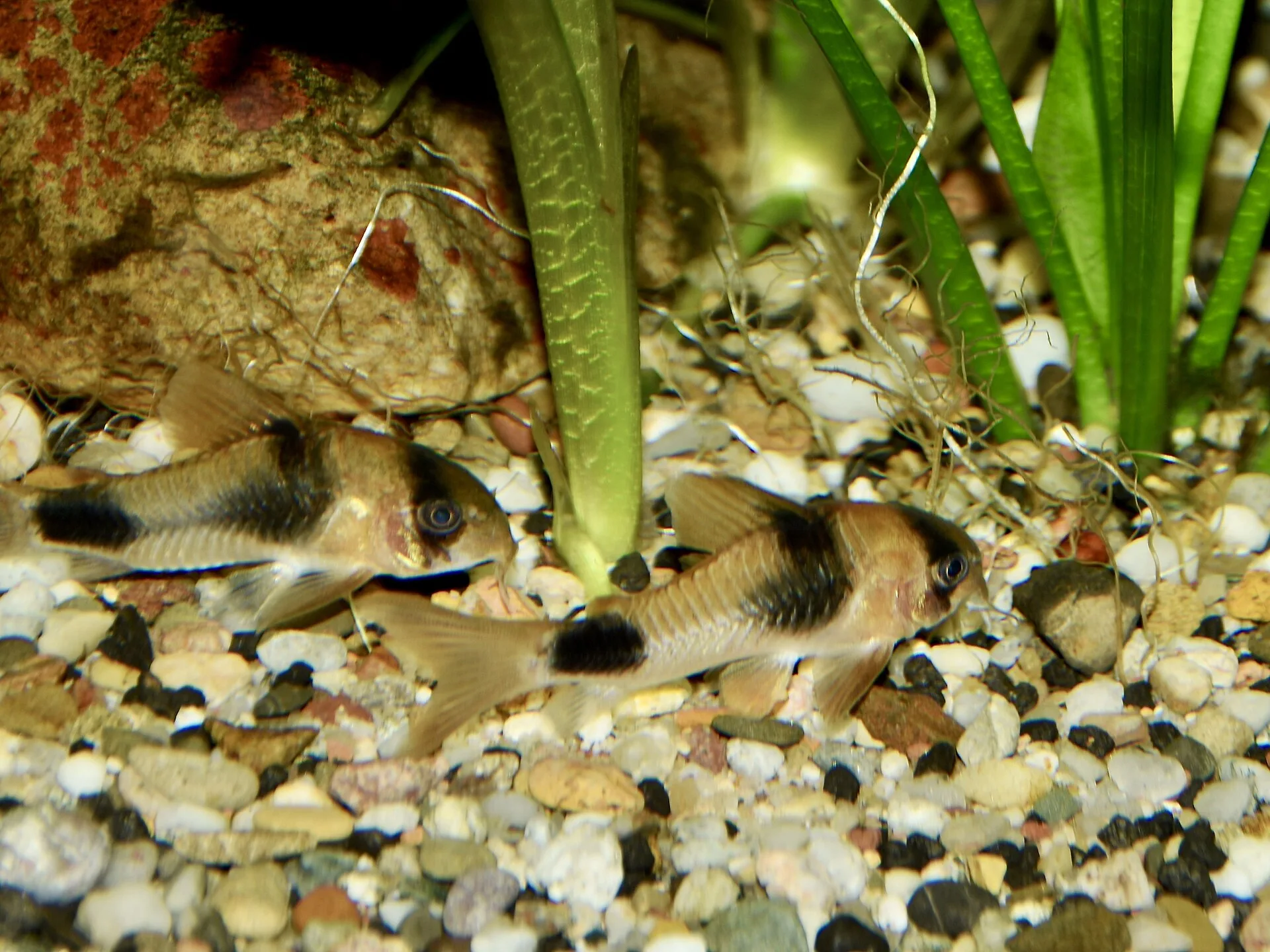
Weitzmani is the Peruvian fox cory: ivory body, dark mask, orange in the fins. It is not Adolfoi's blaze. Buy a group, keep the water soft, and fee…
Read more →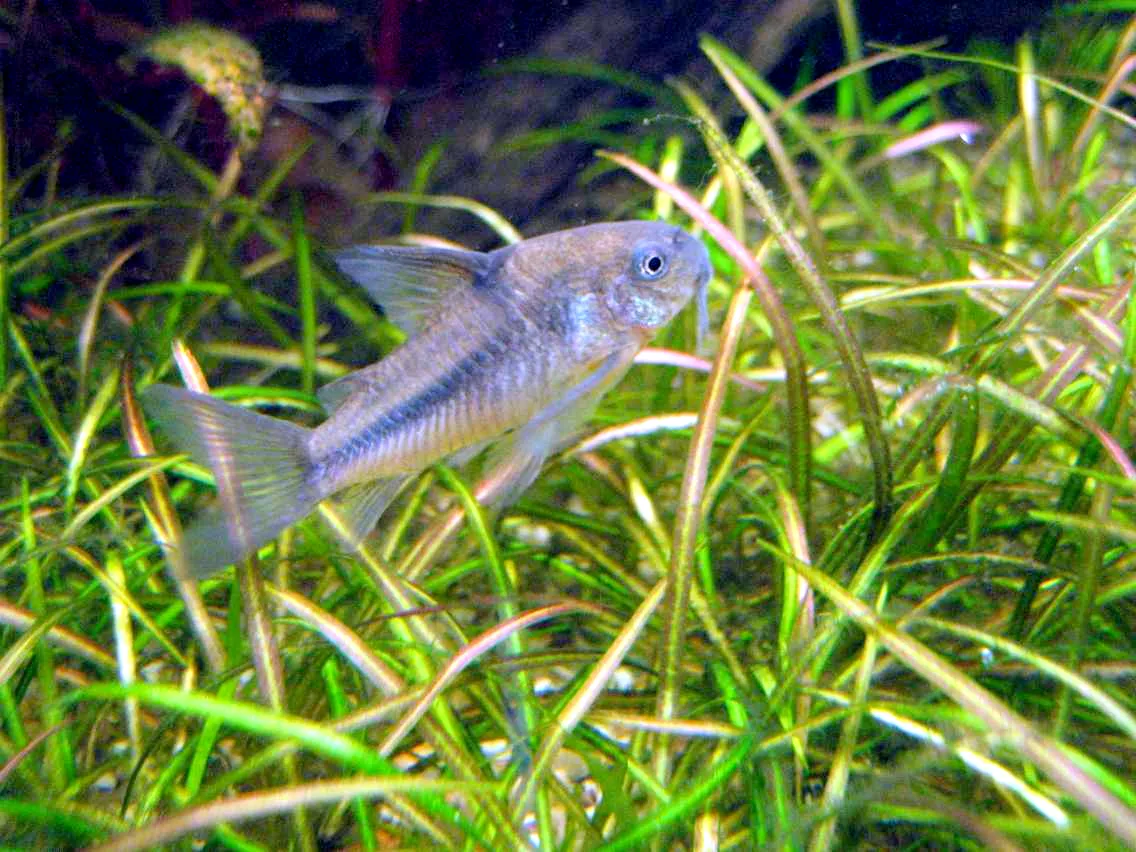
Natterer's Corydoras is a steel-blue coastal Brazilian fish, cooler than Amazon blackwater corys. Keep the sheen with clean, well-oxygenated water…
Read more →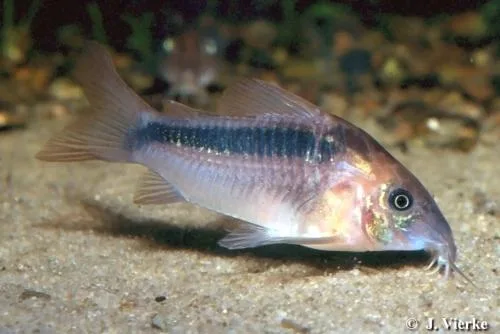
Rabauti Corydoras is the uniform rusty Amazon catfish, not a faded bronze and not zygatus with a dark cape. A copper troop on pale sand is the whol…
Read more →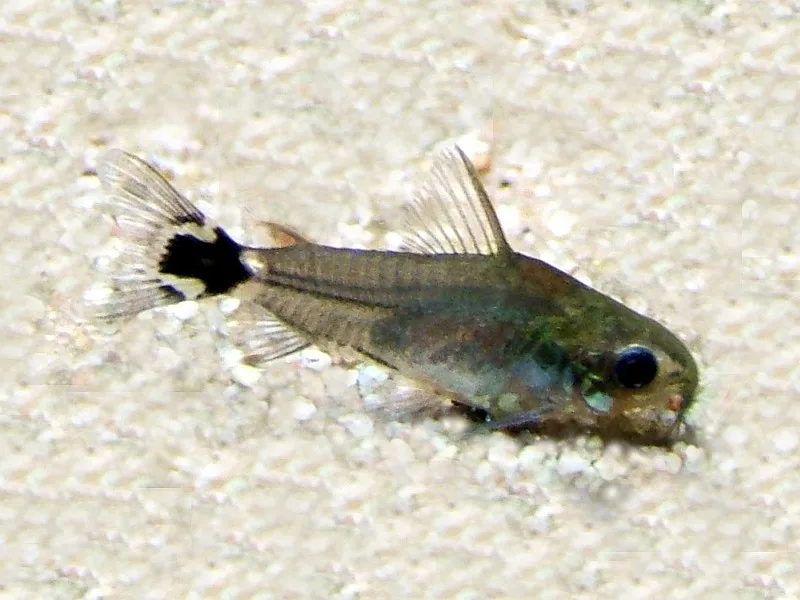
Hastatus is the Paraguay pygmy cory that schools in midwater like a tiny tetra, with a spear-spot on the tail. Huge numbers, micro-food, and plants…
Read more →
Leopard Corydoras is the larger, long-snouted Amazon cat with coarse blotches — not julii, not trilineatus. Give it a wide sand paddock and a gro…
Read more →