
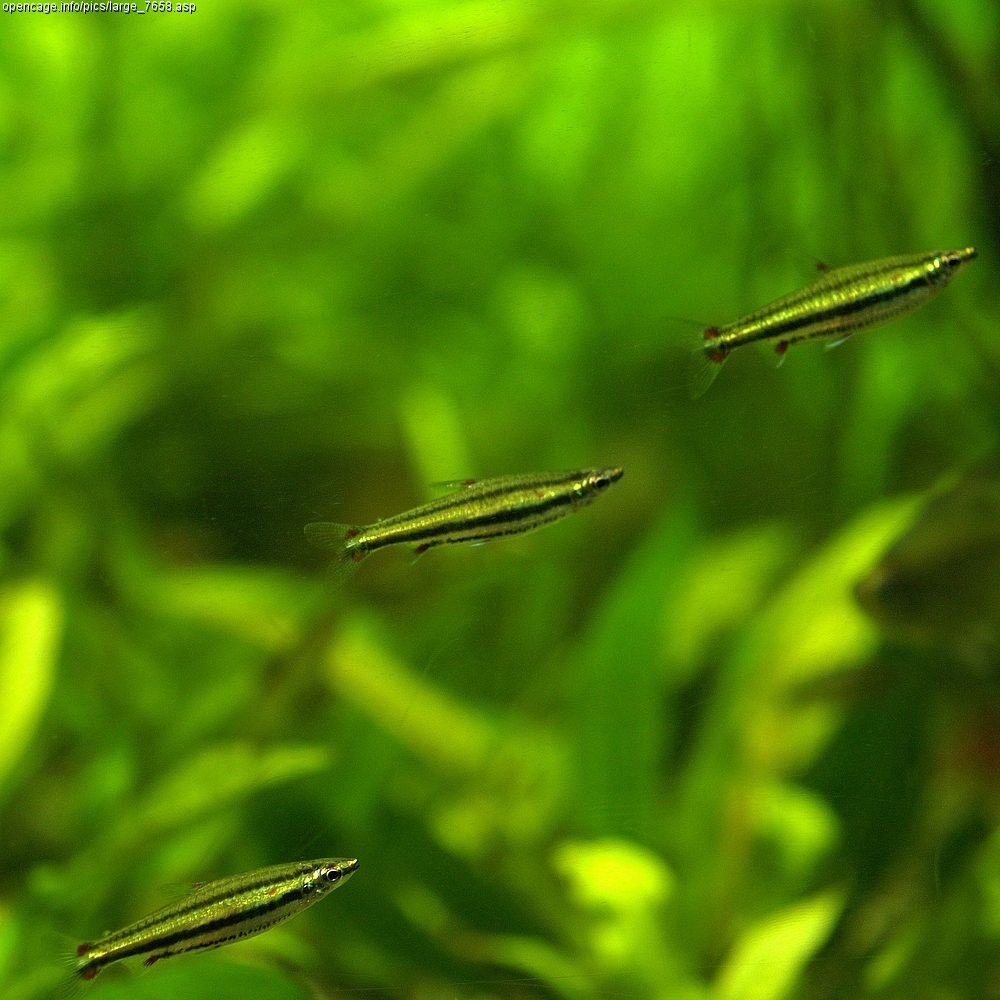
Three-lined Pencilfish (Nannostomus trifasciatus)
Nannostomus trifasciatus is the photographed pencil: three lines, red in the males, and nipping that stays inside the school if you keep twelve in…
Read more →
Nannostomus trifasciatus is the photographed pencil: three lines, red in the males, and nipping that stays inside the school if you keep twelve in…
Read more →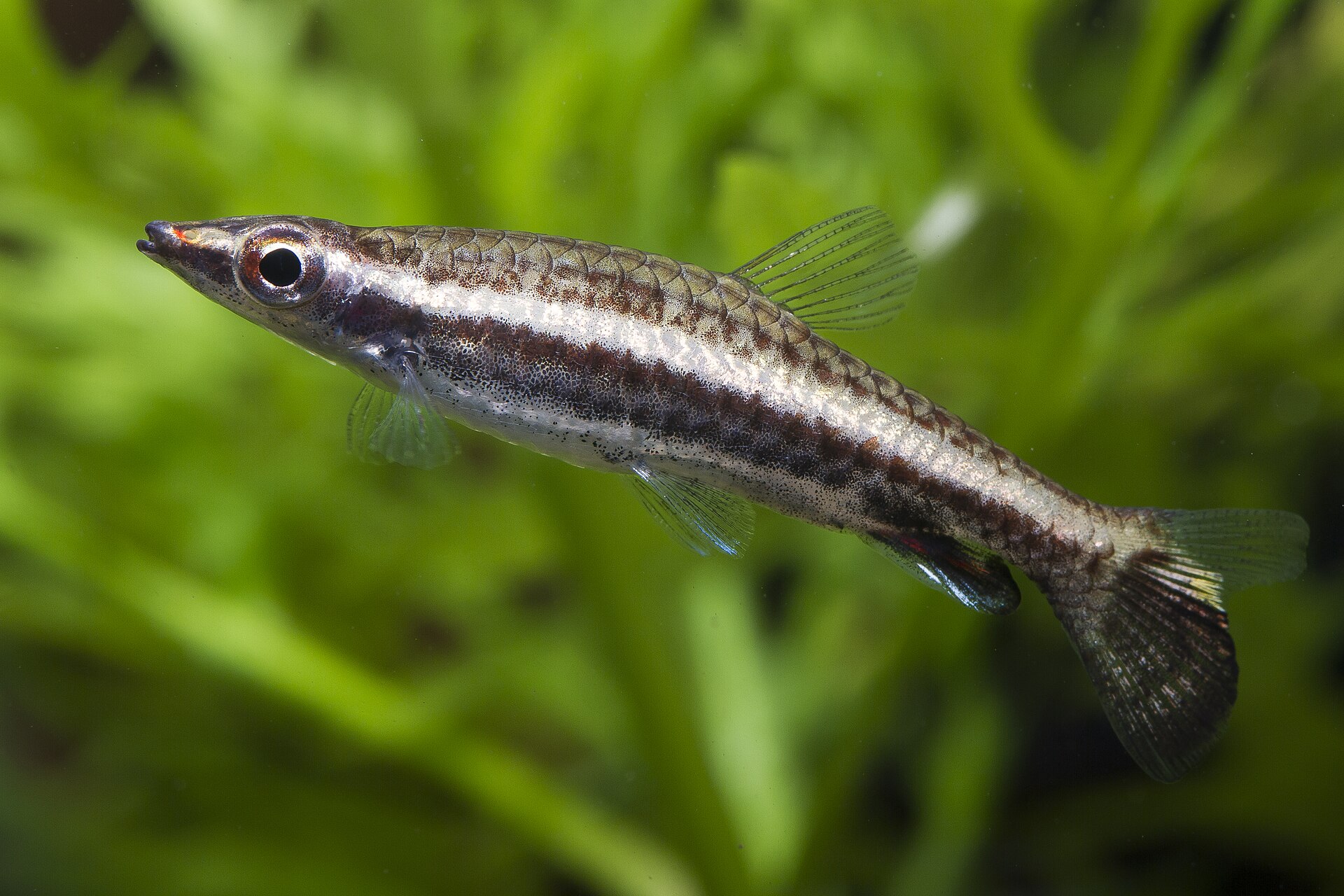
Nannostomus eques hangs at 45 degrees in stained Amazon water — the hockey-stick pencilfish of the top third, shy, particular, and not a tetra th…
Read more →
Nannostomus beckfordi is the pencilfish that forgives: a level-swimming Guiana characin whose midwater fencing looks like a school at eight fish an…
Read more →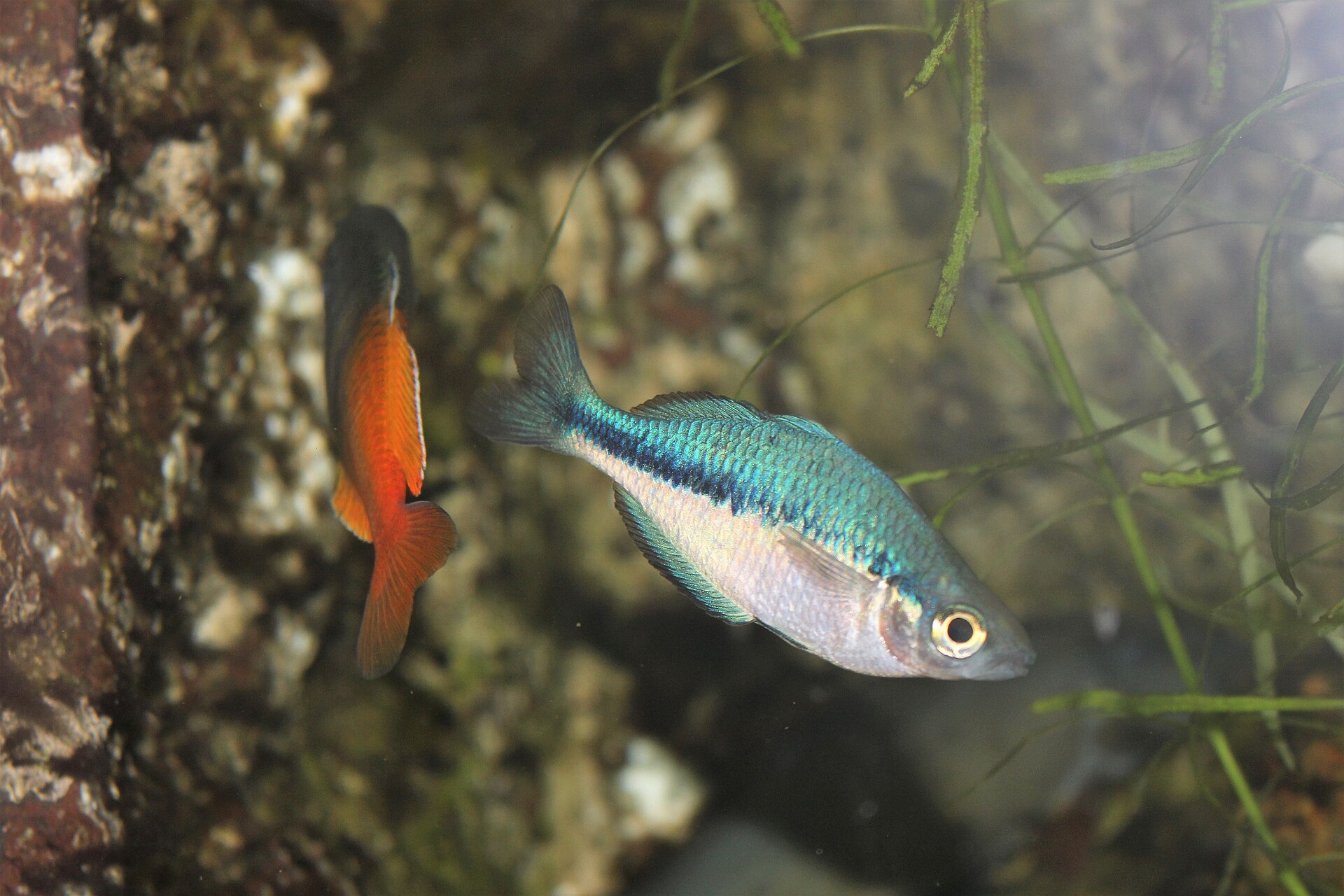
Melanotaenia splendida is the Australian rainbow with a shoulder: a deep-bodied river schooler that needs a metre of swimming room, a real filter,…
Read more →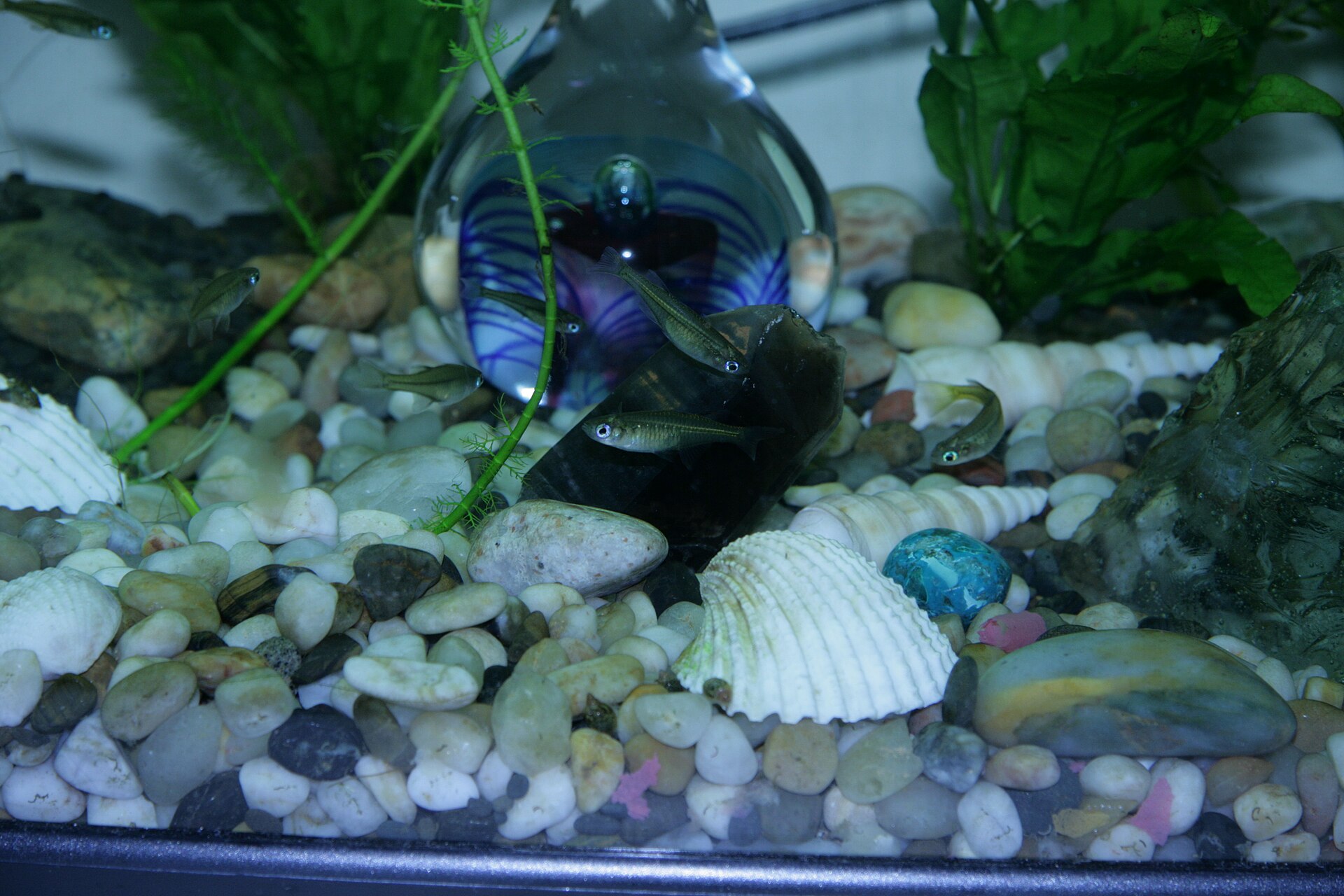
Pseudomugil signifer males grow filamentous fins for a surface dance — a thumbnail Australian blue-eye that only works as a covered school with f…
Read more →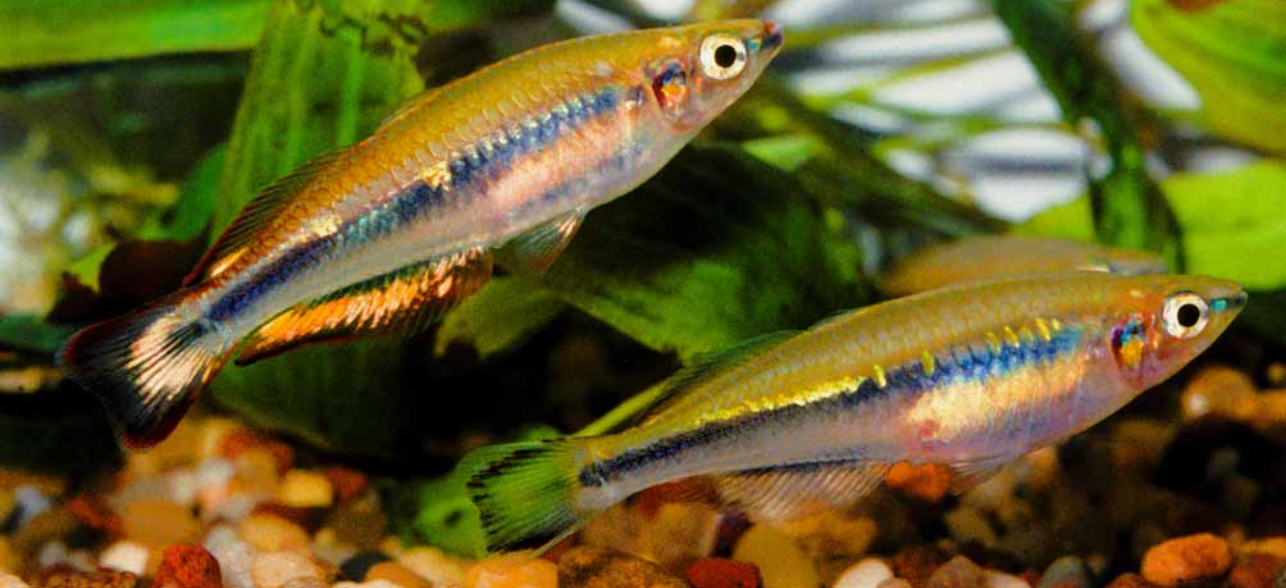
Bedotia madagascariensis is Madagascar’s zona, not a New Guinea Melanotaenia: a surface school with a red-tailed male, a lid with no gaps, and an…
Read more →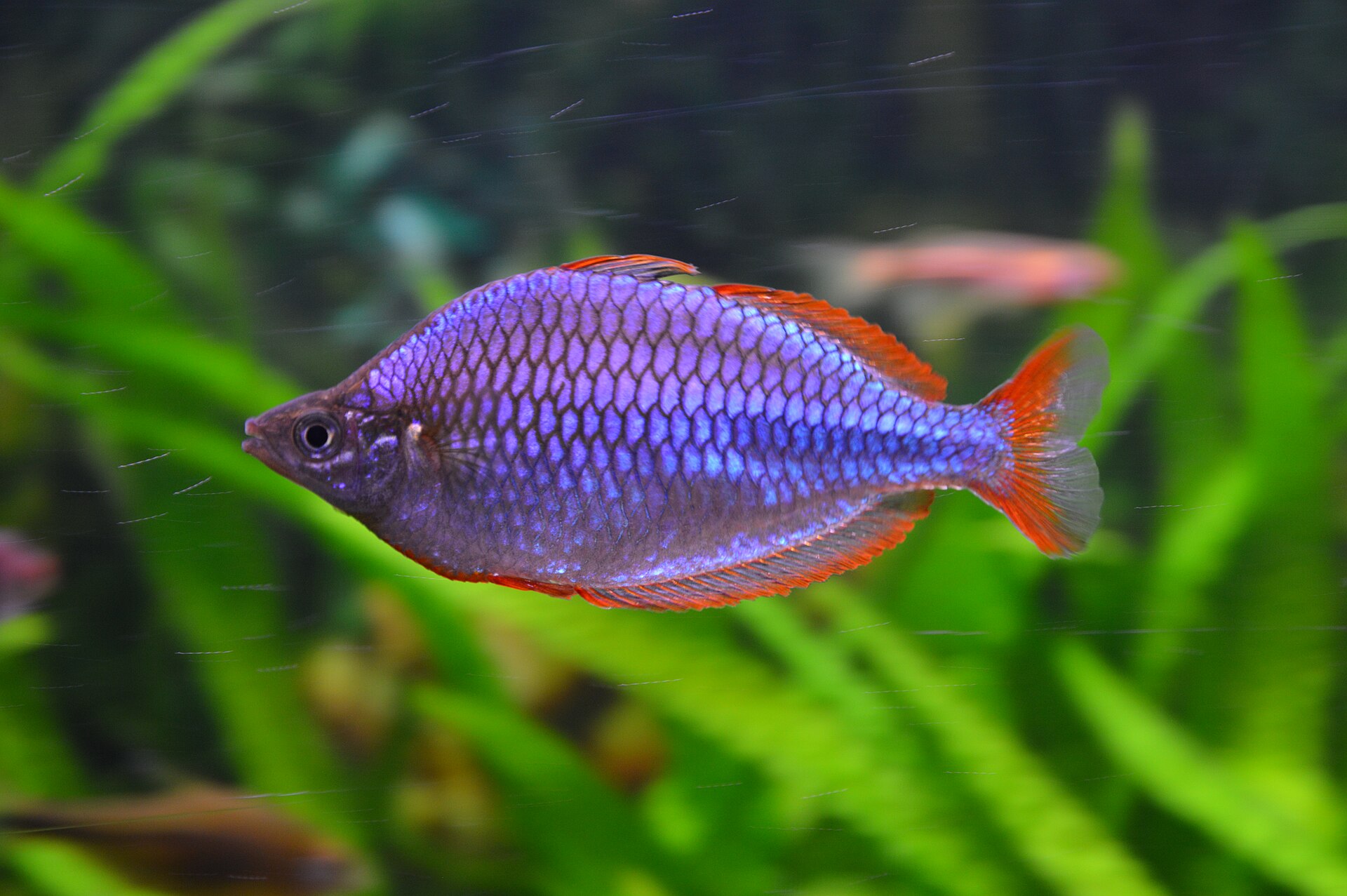
Melanotaenia praecox is the rainbow that actually fits a modest tank — 5–6 cm of blue and red that appear when the school is eight or more and…
Read more →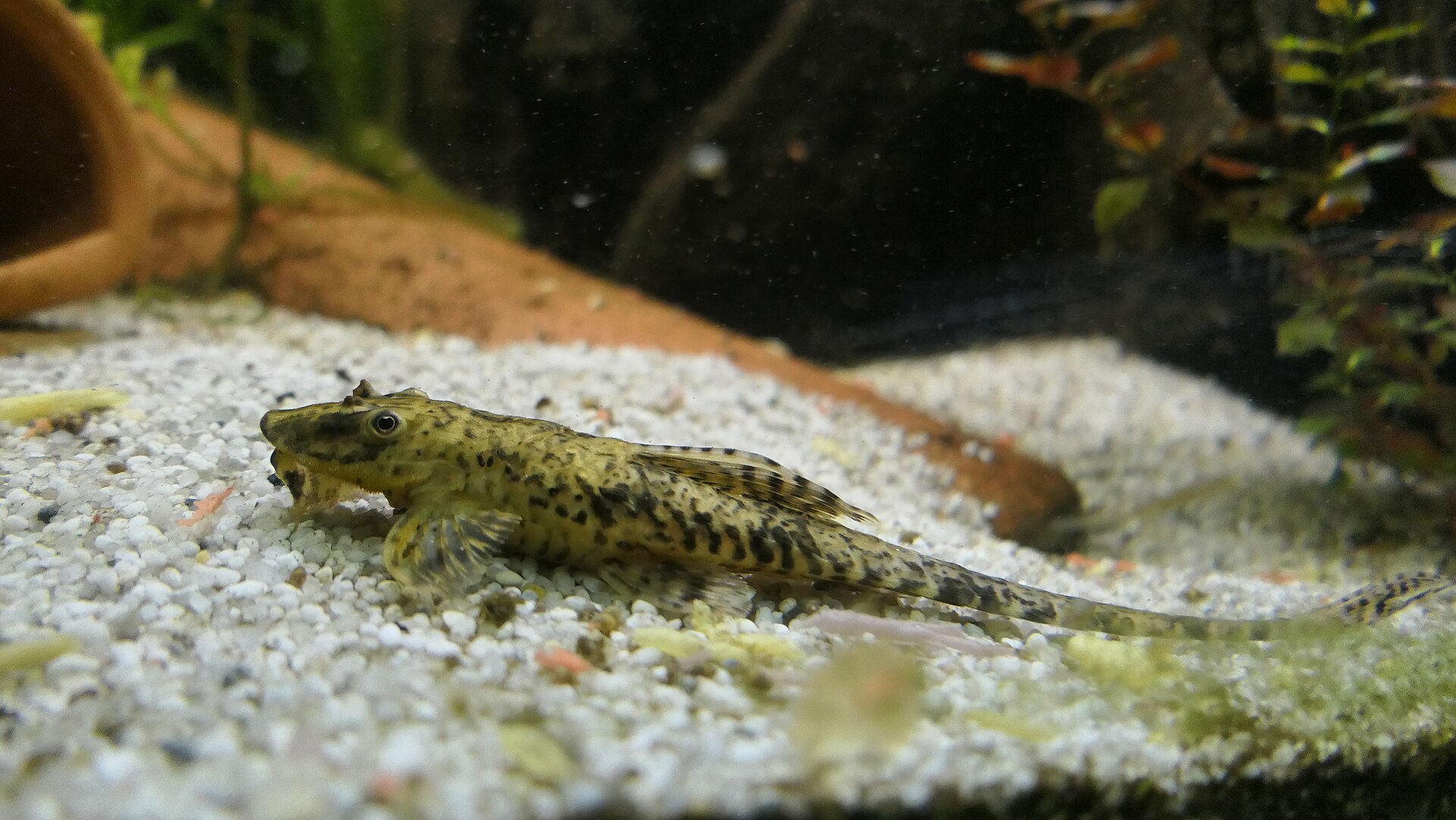
Rineloricaria lanceolata lies on sand like a walking leaf — a quiet South American whiptail that wants litter, a spawning tube, night-time wafers…
Read more →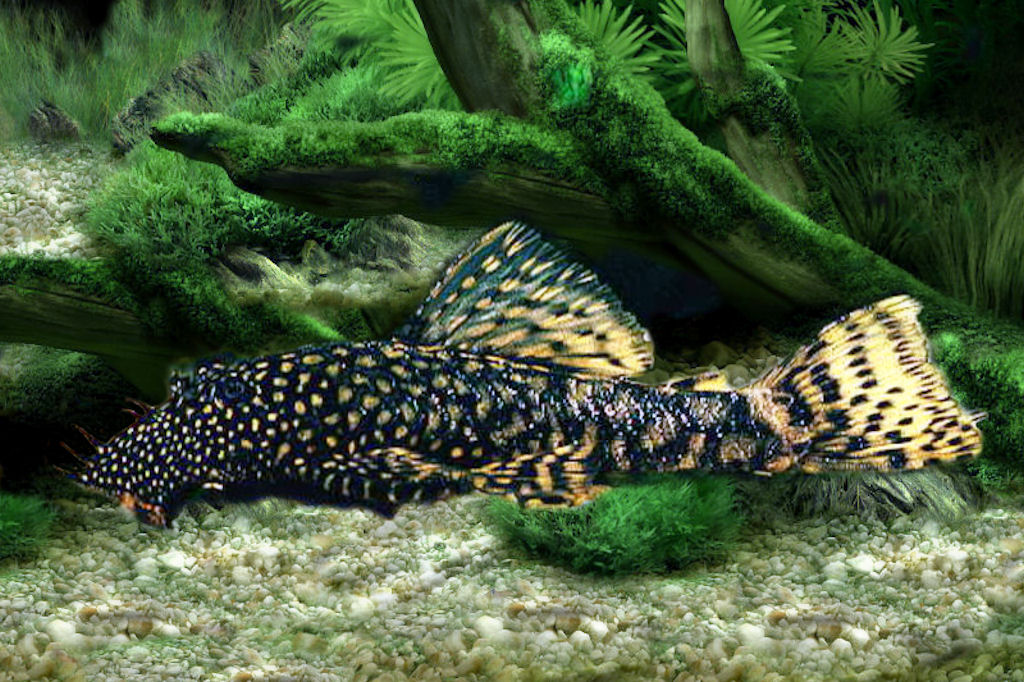
Ancistrus cirrhosus is the pleco that still fits: wood to rasp, vegetables every week, a cave for the bristled male, and fry in the doorway whether…
Read more →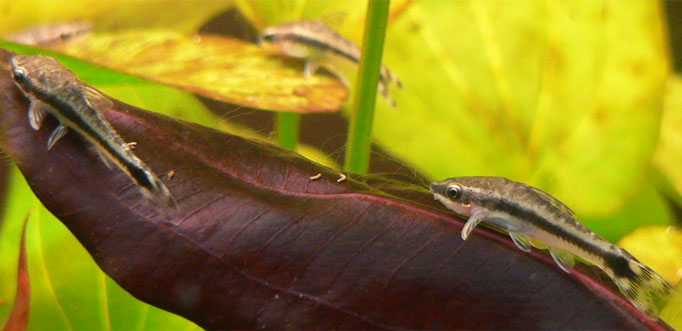
Otocinclus vittatus rasps biofilm, not leftover flake: a 4 cm school of grazing catfish for a tank that is already established, already planted, an…
Read more →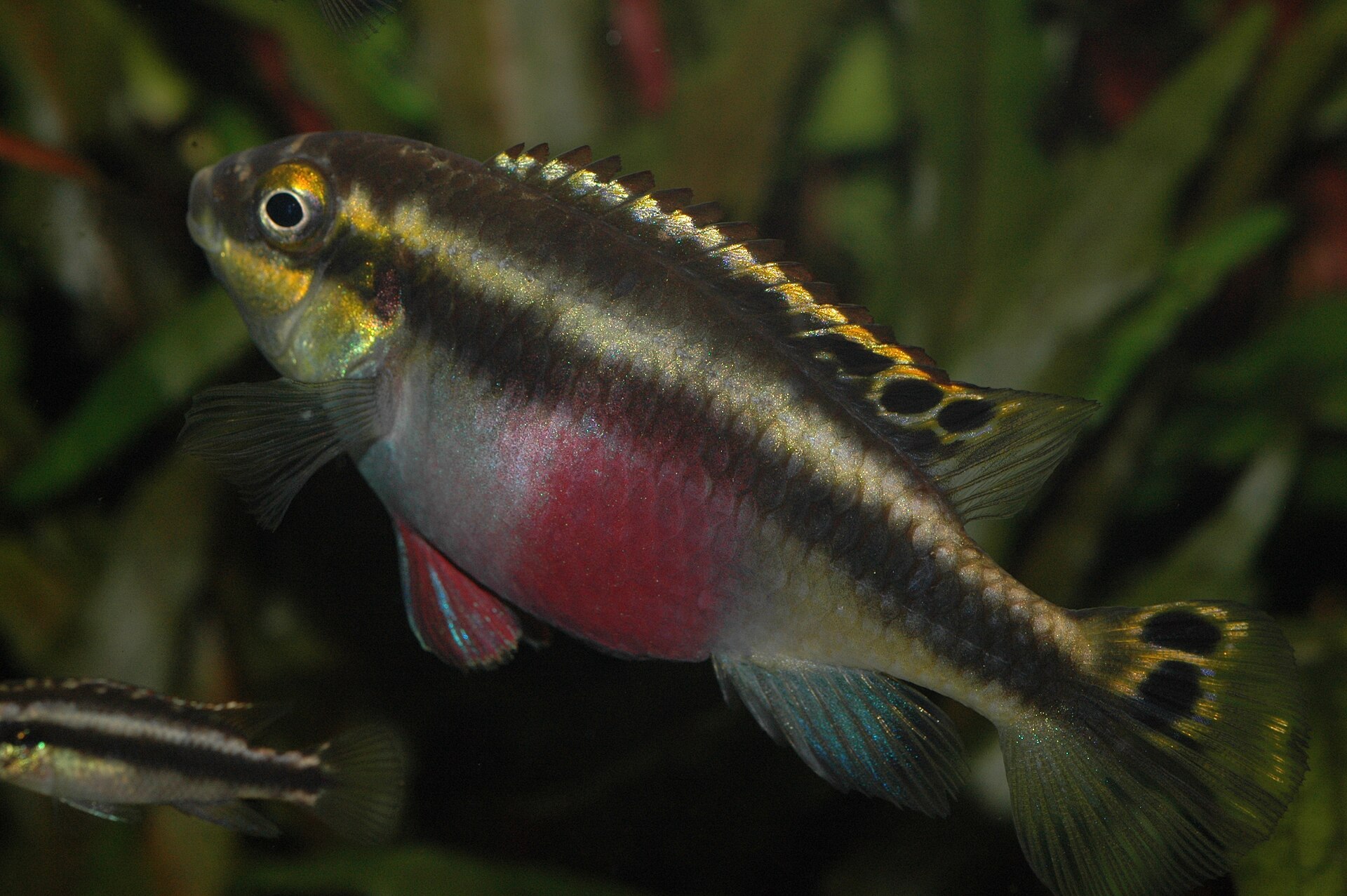
Kribensis is West Africa’s household cave cichlid: a pair that chose each other, a pot they both approve of, and a pink belly that means the rest…
Read more →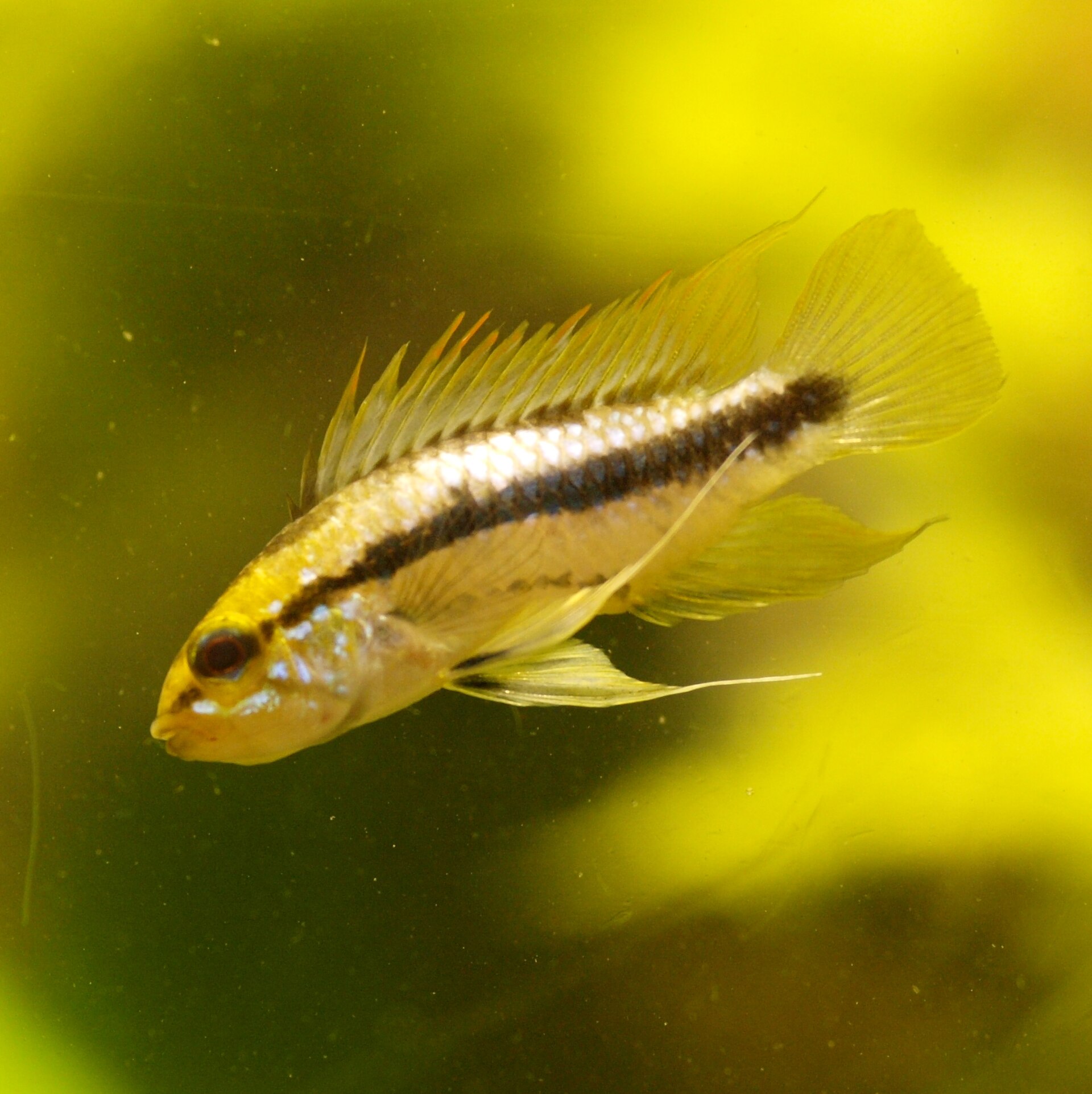
Three dark lines down the flank are both the field mark and a mood meter for Apistogramma trifasciata, a shy Paraguay-basin dwarf cichlid that want…
Read more →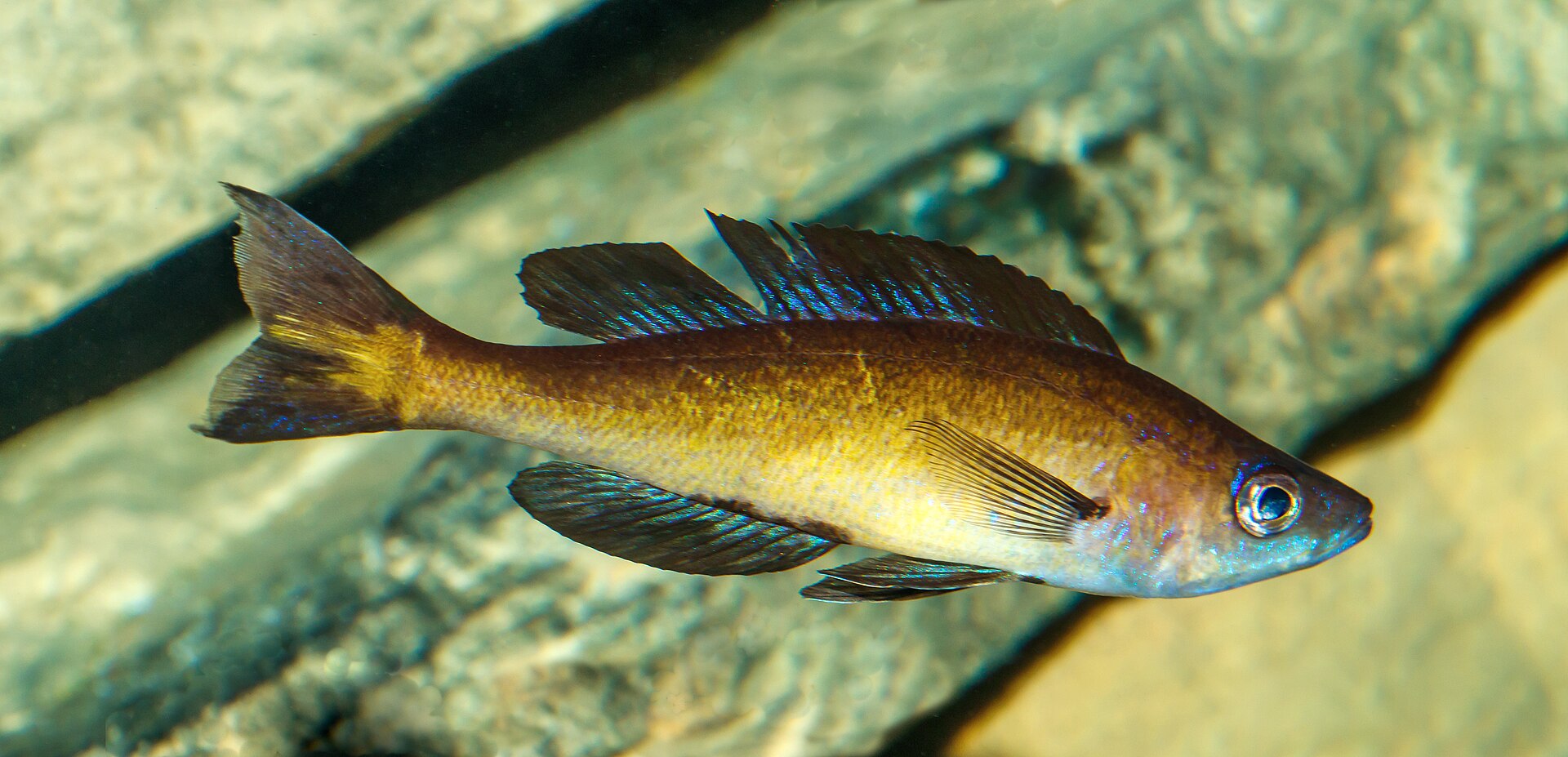
Cyprichromis leptosoma is Tanganyika’s open-water sardine cichlid: a school in empty hard water, hanging at an angle, mouthbrooding in the blue.
Read more →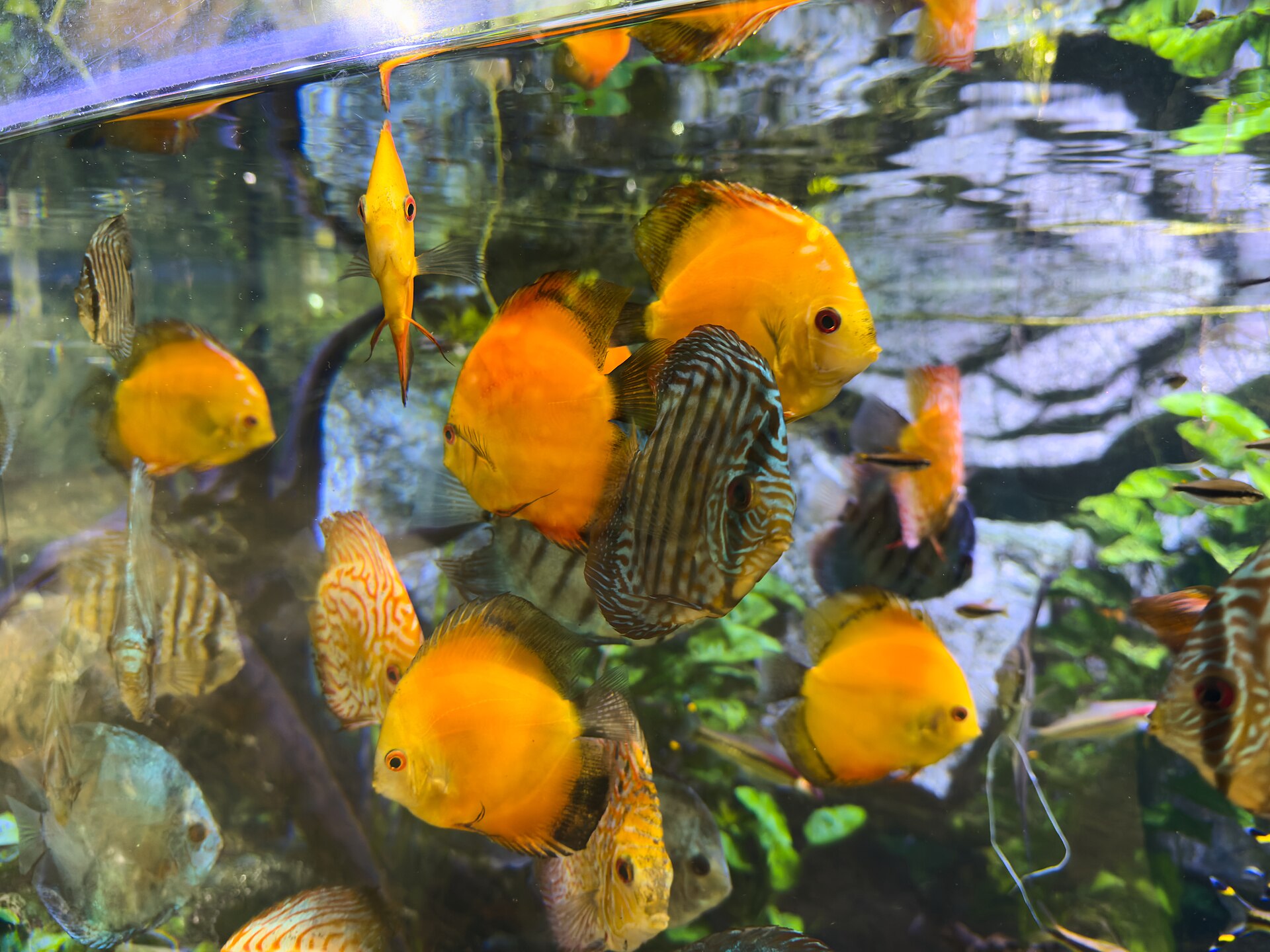
Discus are Amazon cichlids built for 28–31°C water, frequent changes, and parents that feed fry on body mucus. If you cannot hold the heat, this…
Read more →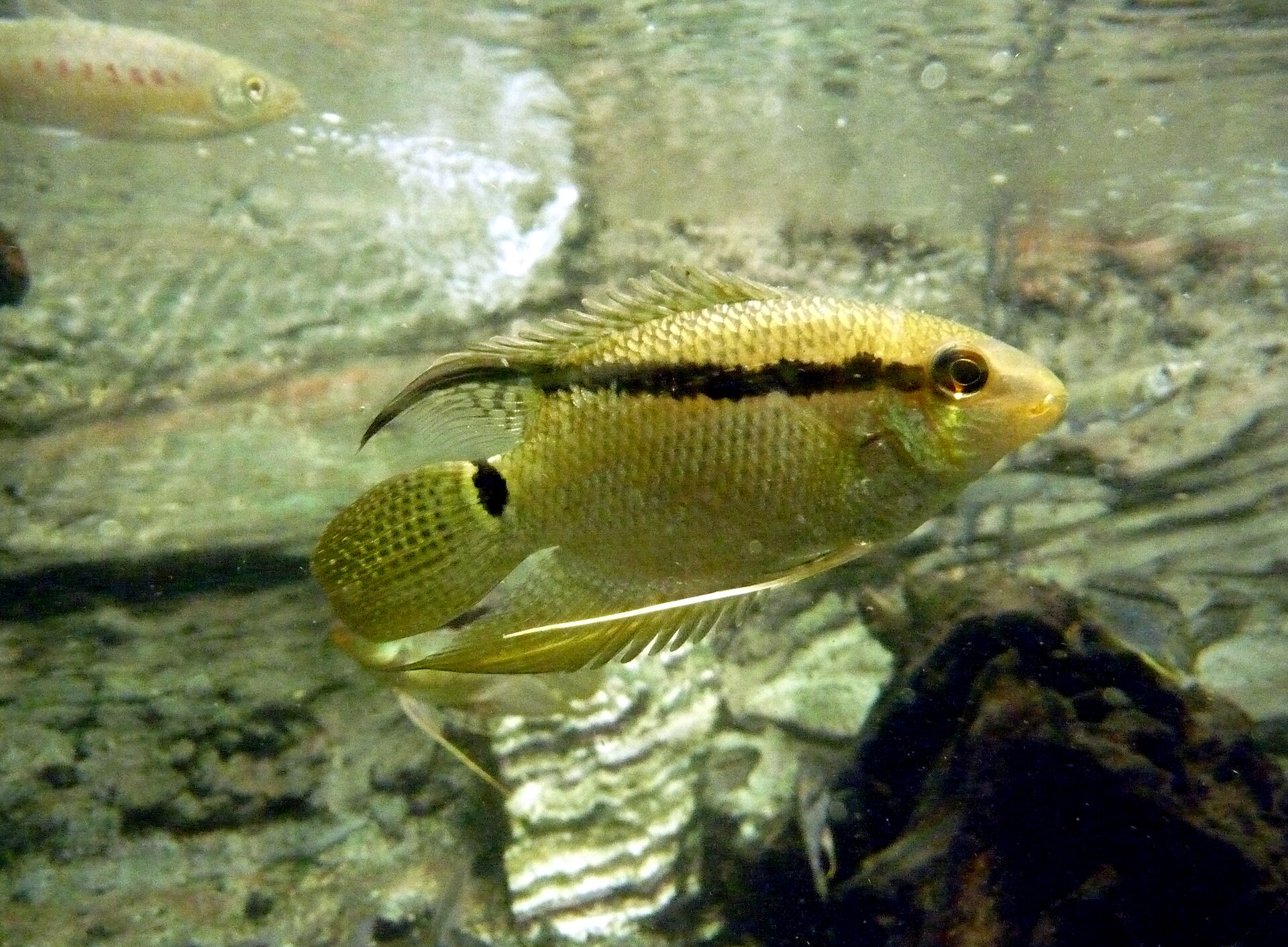
A festivum’s diagonal stripe is Amazon camouflage for a fish that hangs among wood at an angle. Relatively civil for a big cichlid, until the spa…
Read more →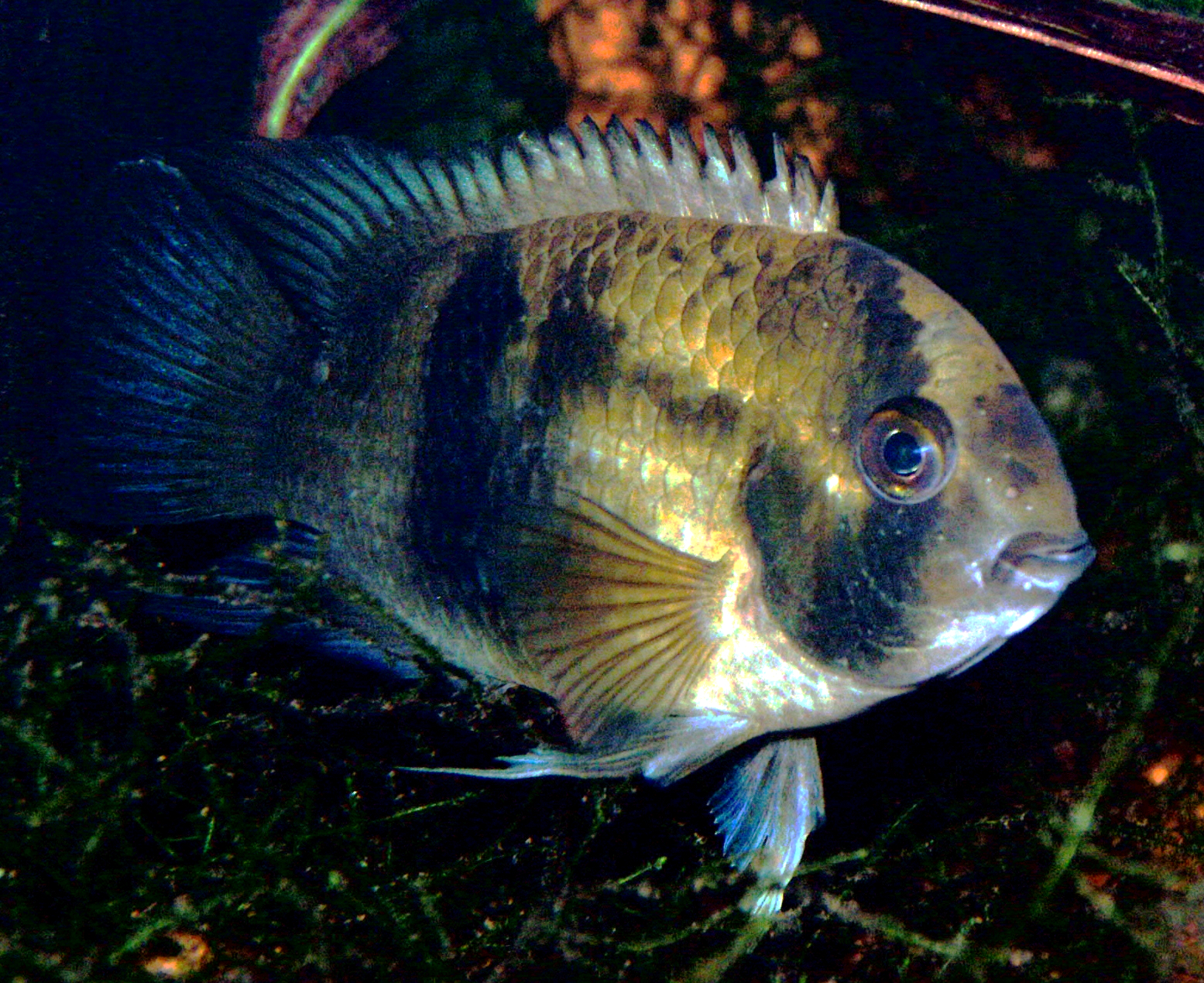
The keyhole cichlid is a shy Guianan fish that wears a dark blotch on the tail wrist and spends the day in leaf litter. Safety is what turns parchm…
Read more →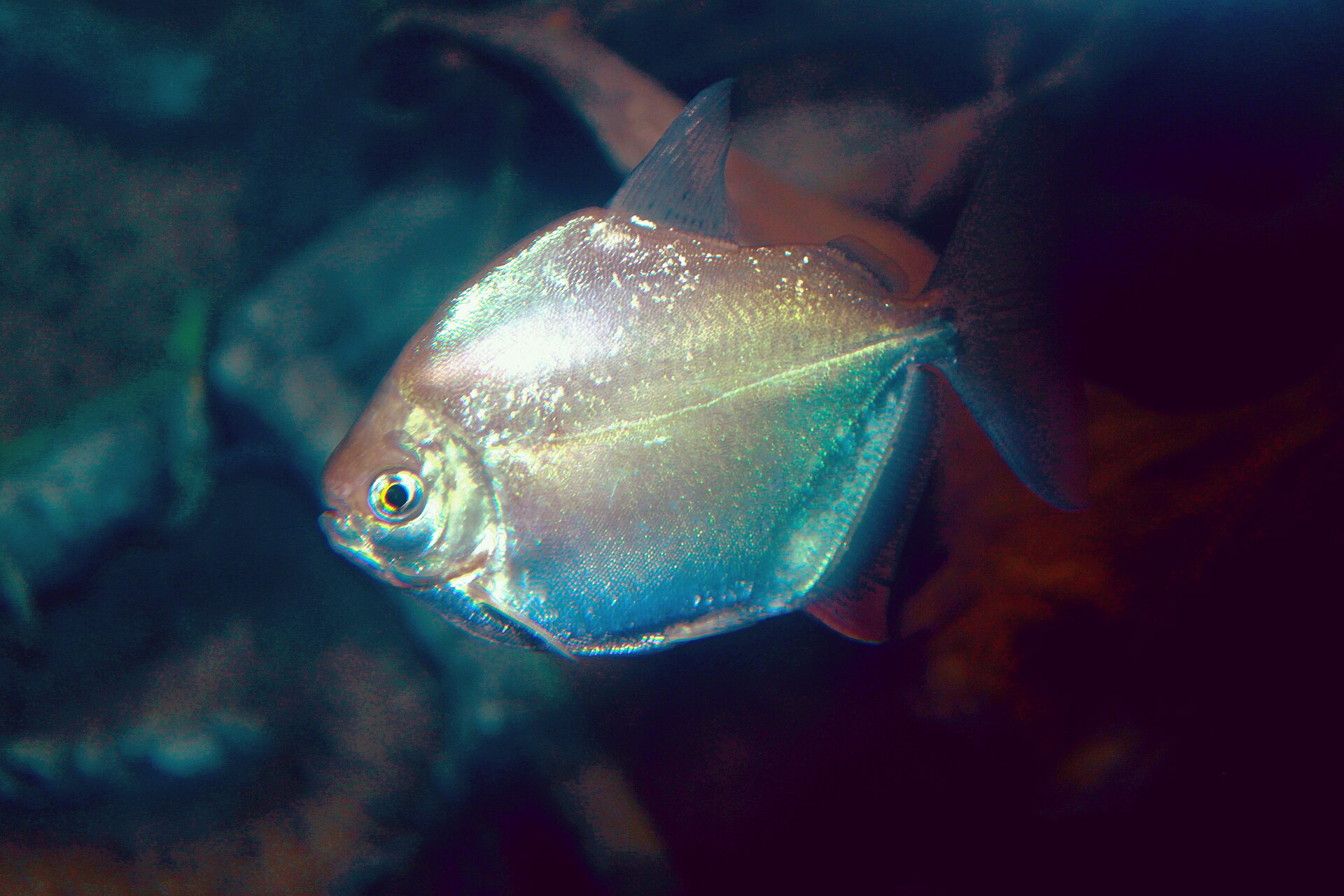
Silver dollars are disc-shaped Amazon herbivores that turn a planted tank into a salad and a big open tank into a shoal of living coins. Feed veget…
Read more →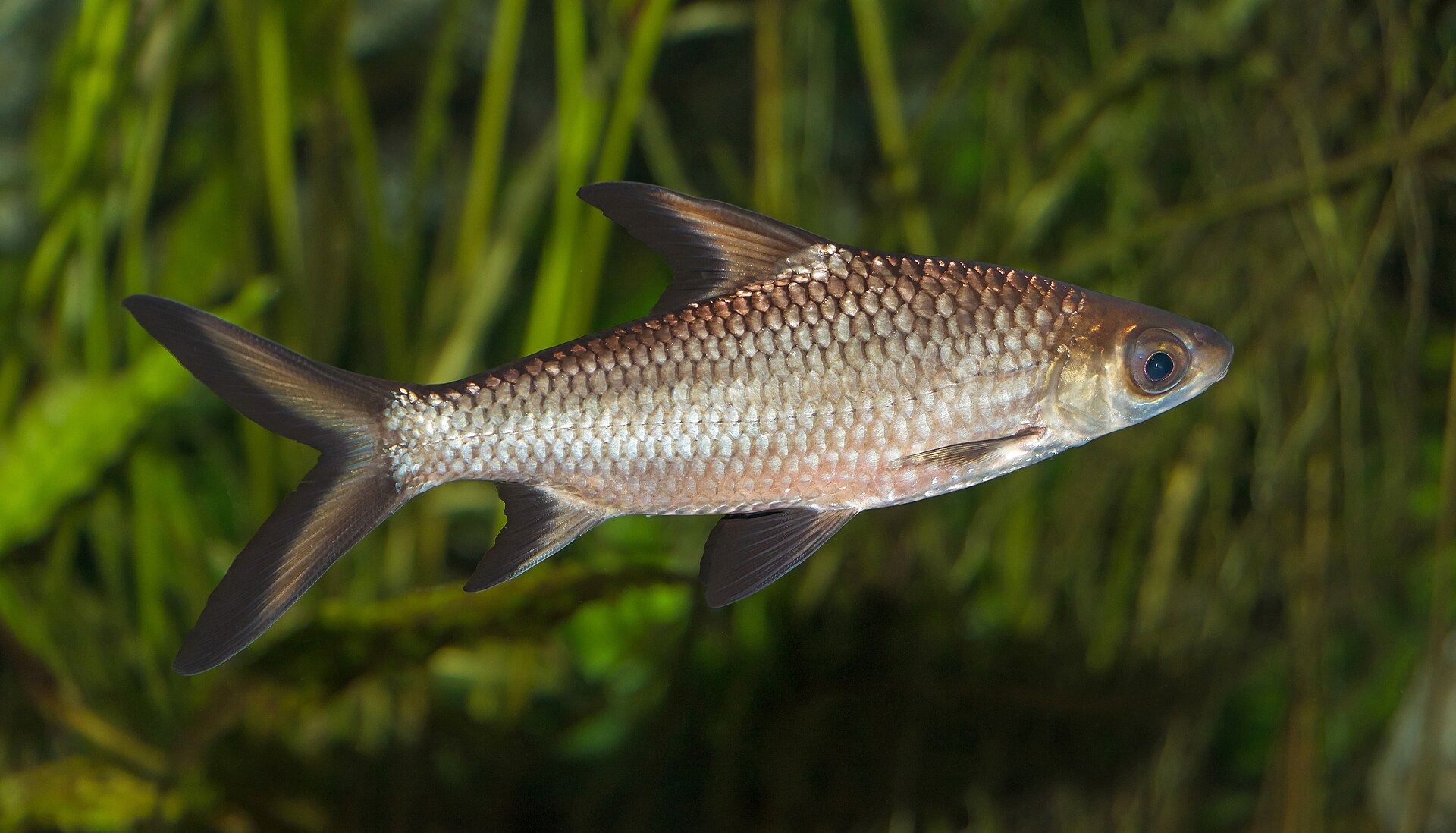
The bala shark is a 30-plus centimetre river cyprinid, endangered in the wild, that jumps and schools. Juveniles in a starter tank are a welfare pr…
Read more →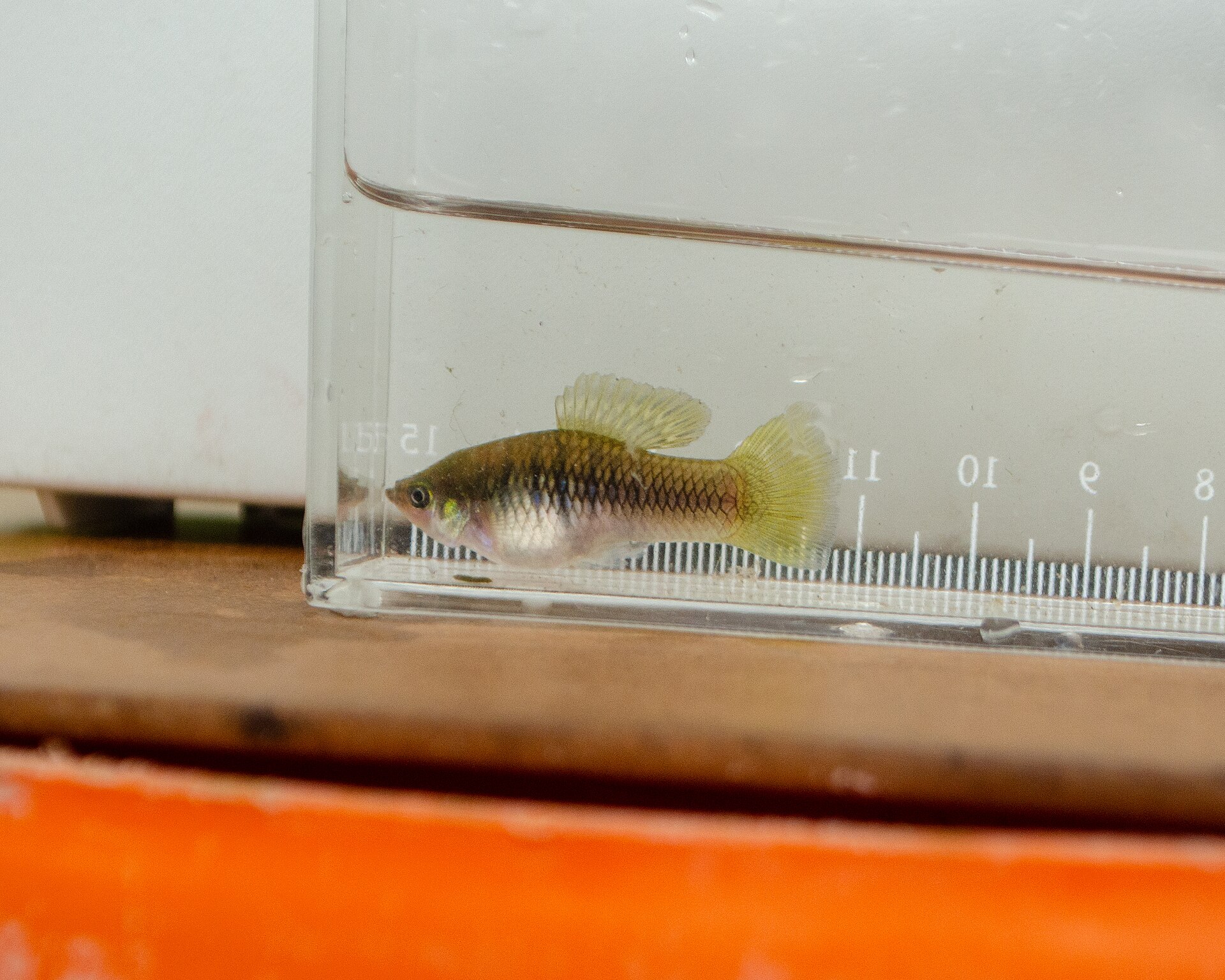
Variatus platies are Mexican stream livebearers whose males colour with cooler seasons and hard water. Farmed sunset lines still want minerals, gre…
Read more →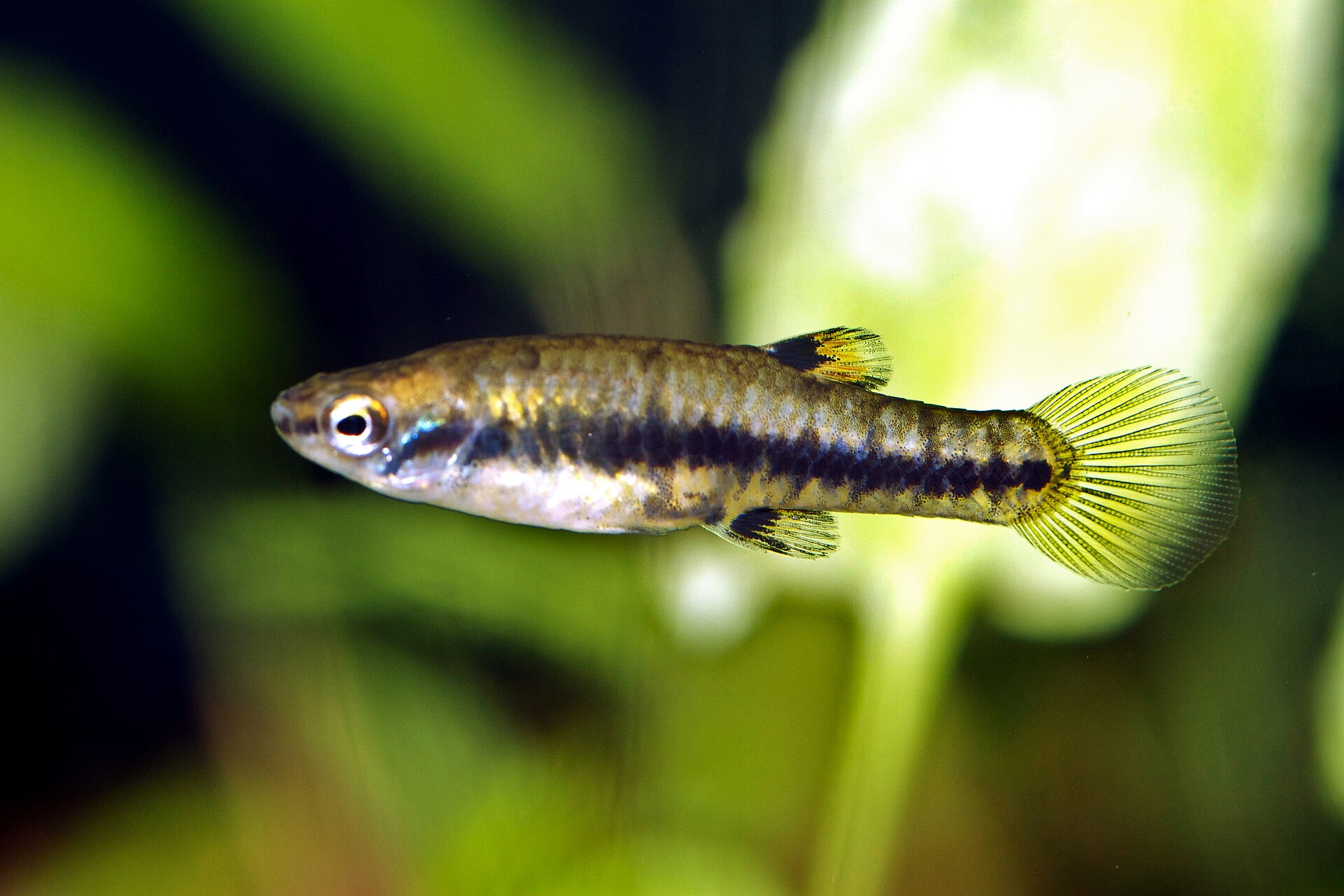
North America’s smallest livebearer drips fry a few at a time from vegetated southeastern marshes. Heterandria formosa needs moss, micro-foods, a…
Read more →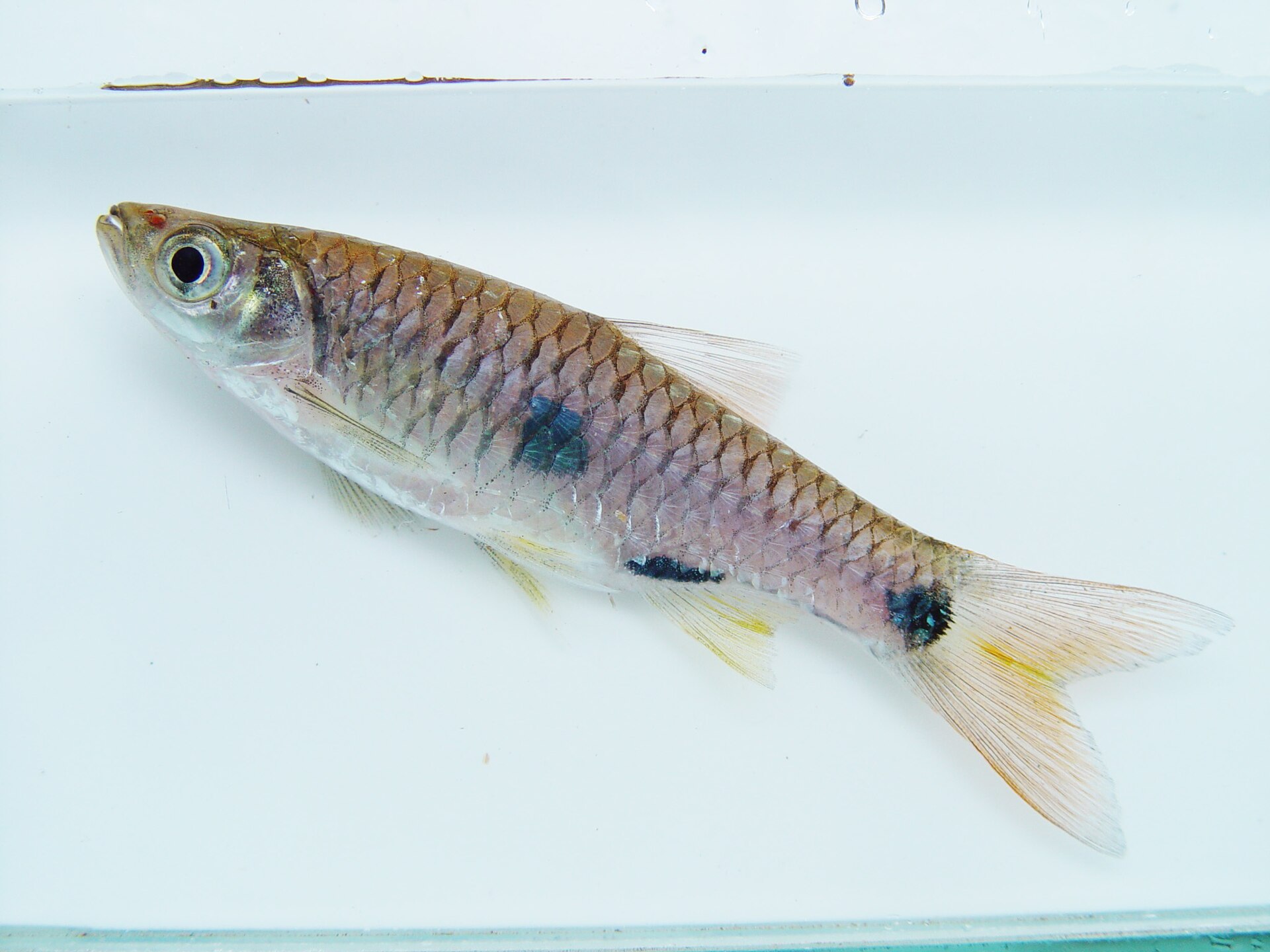
Elegant rasbora is a two-spot forest cyprinid that can reach 15 cm despite the nano reputation of its cousins. Buy it for a long 200 litre tank, or…
Read more →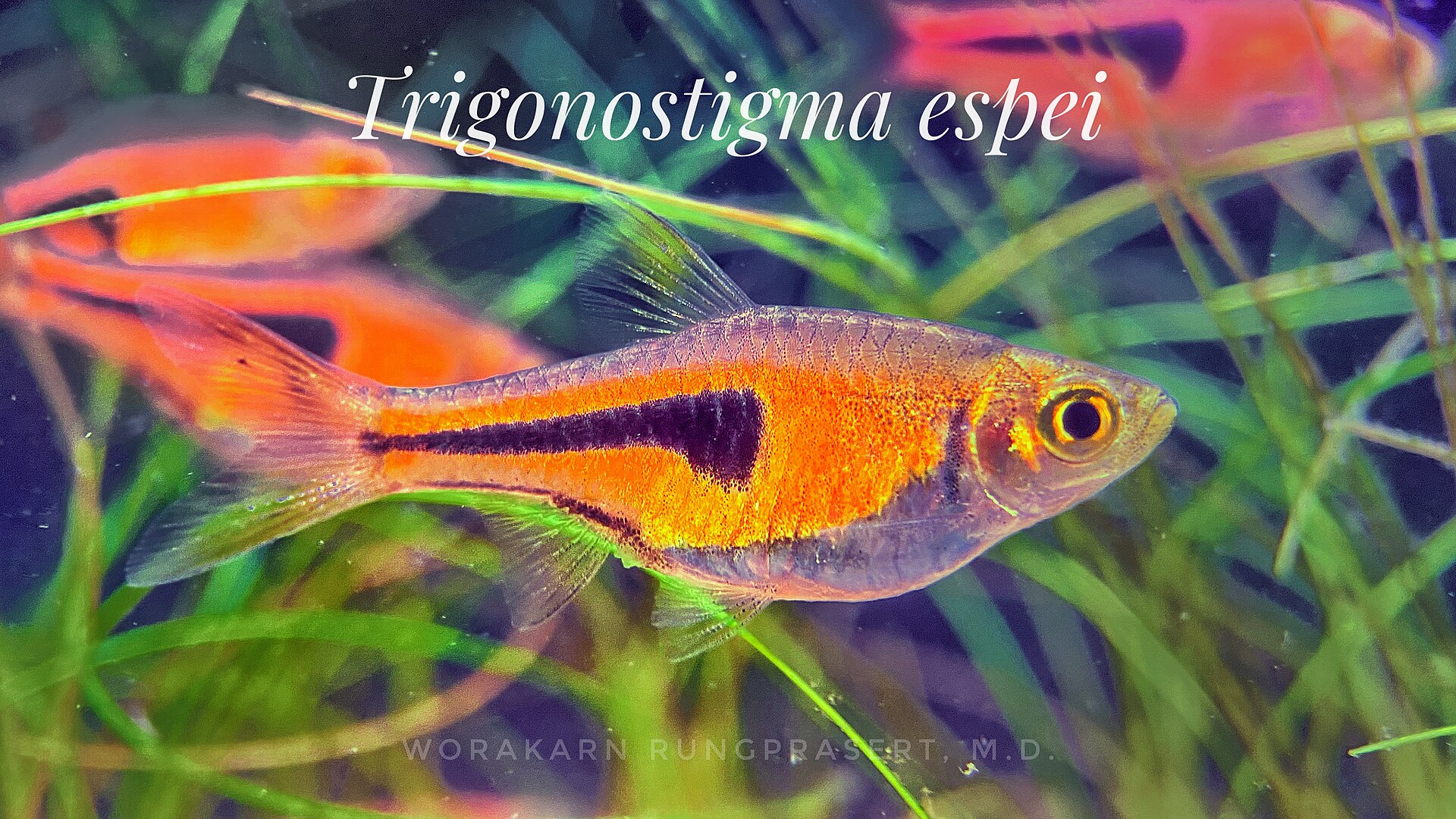
The lambchop rasbora is a copper shoaler from Thai and Cambodian peat streams. Espei colour up in shade, softish water, and a crowd that actually f…
Read more →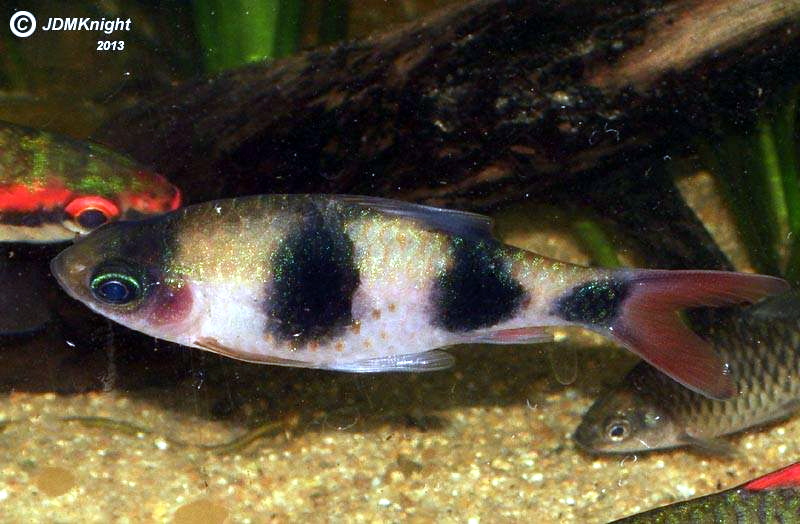
Dawkinsia arulius is a Cauvery hill-stream barb that reaches 12 cm, with dorsal filaments on mature males. It wants length, current, greens, and a…
Read more →
Males of this northern Indian barb flush pink in coolish canals, not in a 28°C community box. Keep a real school in a long tank and they stay busy…
Read more →